


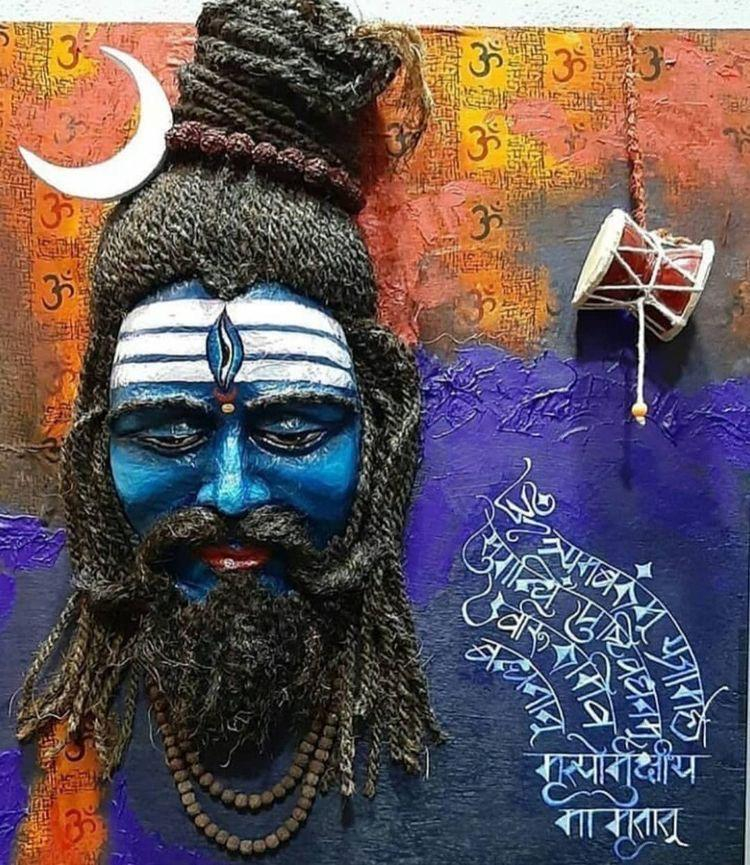
हरि ॐ तत्सत्
Radiant Immortal Atman,
Pranams 🙏🏻, Welcome to Devotional India | Here, You will find Everything on The Divine Heritage & Culture of Bharat. The Glory of Sanathan Dharma, Avatars, Mahatmas, Yogies, Festivals, Temples & Complete Collection of Vedas & Mantras | Panchang .
God is Love | Live in Love
-
- Shri Nandini Temple
- Shri Mahishasuramardin Temple
- Hadimba Devi Temple, Manali-Himachal-Pradesh
- Chaurashi temple, Bharmour-Himachal-Pradesh
- Chamunda Devi Temple, Padar-Himachal-Pradesh
- Brajeshwari Devi Temple, Kangra-Himachal-Pradesh
- kurma temple, Srikurmam
- Mahamaya Temple, Bilaspur
- Lokanarkavu Temple, Villiapally
- Pariyanampatta Bhagavathy Temple, Kattukulam
- Ashtavinayaka – Maharashtra
- Chintaman Ganesh Temple, Bhopal
- Madhur Mahaganapati, Kerala
- Kanipakam Vinayaka Temple, Chittoor
- Uchi Pillayar Koil Temple, Tamil Nadu
- Rich Dagduseth Halwai Temple, Pune
- Sree Maha Ganapathy Temple, Thamarakulam
- Ballaleshwar Pali Ganpati Temple, Pali
- Chintamani Ganpati Temple, Theur
- Siddhivinayak Temple, Mumbai
- Meenakshi Devi Temple
- Keezhperumpallam Temple – Ketu
- Thirunallar Shani Temple – Saturn (Shani)
- Kanjanur Temple – Venus (Shukra)
- Alangudi Temple – Jupiter (Guru/Brihaspati)
- Trimbakeshwar Shiva Temple, Nashik
- Paschimesvara Shiva Temple, Badu Sahi
- Patalesvara Shiva Temple, Bhubaneswar
- Shri Mallikarjuna Temple
- Shri Bhimashankar Temple
- Sri Shirdi Sai Mandira, Bangalore
- Sri Shirdi Sai Baba Mandir in Chittoor, Andhra Pradesh
- Shirdi Sai Dhyana Mandir Machilipatnam,Andhra Pradesh
- Shri Sai Baba Temple in Nagpur, Maharashtra
- Shri Hanuman Sai Mandir in Kanpur, Uttar Pradesh
- Shirdi Sai Temple in Bhubaneswar , Odisha
- Shirdi Sai Baba Temple Maharashtra
- Shri Shirdi Sai Temple in Lodhi Road, Delhi
- Shirdi Sai Baba Temple in Mylapore, Chennai
- Shri Sai Janmashthan Mandir in Pathri, Maharashtra
- Anbu Vinayagar Temple, Christchurch, New Zealand
- Shri Sitthi Vinayagar Temple, Medan, Indonesia
- Sri Ganesha Temple Nashville, TN, United States
- Arulmigu Navasakti Vinayagar Temple, Victoria, Seychelles
- Suryavinayak Temple, Kathmandu, Nepal
- The Hindu Temple Society of North America
- Shree Ghanapathy Temple, Wimbledon
- Sri Senpaga Vinayagar Temple
- Sri Ganesha Hindu Temple Berlin
- The Khlong Khuean Ganesh International Park
- Keezhperumpallam Temple – Ketu
- Thirunageswaram Temple – Rahu
- Thirunallar Shani Temple – Saturn (Shani)
- Vaitheeswaran Koil – Mars (Mangal)
- Kanjanur Temple – Venus (Shukra)
- Alangudi Temple – Jupiter (Guru/Brihaspati)
- Thiruvenkadu Temple – Mercury (Budha)
- Vaitheeswaran Koil – Mars (Mangal)
- Thingalur Temple – Moon (Chandra)
- Suryanar Kovil, Kumbakonam – Sun (Surya)
- Mandirs in Tripura
- Mandirs in Telangana
- Mandirs in Sikkim
- Mandirs in Punjab
- Mandirs in Odisha
- Mandirs in Manipur
- Mandirs in Maharashtra
- Mandirs in Madhya Pradesh
- Mandirs in Kerala
- Mandirs in Karnataka
-
- Bakreswar Temple, Birbhum
- Tristrota Shakti Peeth, Jalpaiguri
- Tarapith Temple, Birbhum
- Anandamayee Shakthi Peetha, Hooghly
- Bheemakali Temple,Tamluk
- Ananta Vasudeva Temple, Bansberia
- Ananta Vasudeva Temple, Bansberia
- Hangseshwari Temple, Bansberia
- Kalighat Kali Temple, Howrah
- Taraknath Temple, Tarakeswar
-
- Kanipakam Vinayaka Temple, Chittoor
- Prasanthi Nilayam Temple
- Dakshineshwar Temple-Kolkata-west-bengal
- Srisailam temple, Kurnool-andhra-pradesh
- lepakshi temple, Anantapur-andhra-pradesh
- kurma temple, Srikurmam
- Jagan Mohini Keshava Swami Temple, Ryali
- Kadiri Lakshmi Narasimha Swamy Temple, Kadiri
- Tirupati Balaji Temple, Tirupati
- Puruhutika Devi Temple, Pithapuram
-
- Manikaran Temple, Sosan-Himachal-Pradesh
- Hadimba Devi Temple, Manali-Himachal-Pradesh
- Chaurashi temple, Bharmour-Himachal-Pradesh
- Chamunda Devi Temple, Padar-Himachal-Pradesh
- Brajeshwari Devi Temple, Kangra-Himachal-Pradesh
- Bhimakali temple, Sarahan-Himachal-Pradesh
- Bajinath temple, Kangra-Himachal-Pradesh
- Chintpurni Shakti Peetha
- Naina Devi Temple
- Shri Kathgarh Mahadev Temple
-
- Murudeshwar Temple, Murudeshwar
- Kukke Subramanya Temple, Sullia
- Goravanahalli Mahalakshmi Temple, Goravanahalli
- Mookambika Temple, Kollur
- Dwadasha Jyotirlinga Temple, Shrinivasapura
- Chennakeshava Temple, Belur
- Kodandaramaswami Temple, Hiremagalaur
- Sri Adi Janardana Temple, Shimanthoor
- Badami Cave Temple, badami
- Vittala Temple Nimbapura
-
- Madhur Mahaganapati, Kerala
- Lokanarkavu Temple, Villiapally
- Pariyanampatta Bhagavathy Temple, Kattukulam
- Navamukunda Temple, Thirunavaya-Kerala
- Sree Maha Ganapathy Temple, Thamarakulam
- Mangottu Kavu Temple, Athipotta
- Janardhanaswamy Temple, Varkala
- kalady Temple, Vadakkumbhagom
- Pisharikavu Temple, Koyilandy
- Karimpuzha Sree Ramaswamy Temple, Karimpuzha
-
- Ashtavinayaka – Maharashtra
- Babulath temple, Mumbai
- Bhimashankar Temple, Raigad
- Grishneshwar Jyotirlinga, Daulatabad
- Trimbakeshwar Shiva Temple, Nashik
- Ballaleshwar Pali Ganpati Temple, Pali
- Chintamani Ganpati Temple, Theur
- Mahalaxmi Temple, Mumbai
- Siddhivinayak Temple, Mumbai
- Shirdi Sai Baba Temple, Shirdi
-
- Rajarani Temple, Bhubaneswar
- Mukteshwar temple, Bhubaneswar
- Bramheswara temple, Bhubaneswar
- Anantha Vasudeva Temple, Bhubaneswar
- Cuttack Chandi Temple, Cuttack
- Dhauli, Dhauli
- Hazara Mandapa, Bhubaneswar
- Nrusinghanath Temple, Durgapali
- Paschimesvara Shiva Temple, Badu Sahi
- Patalesvara Shiva Temple, Bhubaneswar
-
- Kalady – Birthplace of Shankaracharya
- Sri Ranganathaswamy Temple
- Meenakshi Devi Temple
- Keezhperumpallam Temple – Ketu
- Thirunageswaram Temple – Rahu
- Thirunallar Shani Temple – Saturn (Shani)
- Vaitheeswaran Koil – Mars (Mangal)
- Kanjanur Temple – Venus (Shukra)
- Alangudi Temple – Jupiter (Guru/Brihaspati)
- Thiruvenkadu Temple – Mercury (Budha)
-
- Bhadrakali Temple Warangal, Telangana
- Gnana Saraswati Temple, Basara
- Alampur Jogulamba Temple, Alampur
- Karmanghat Hanuman Temple, Karmanghat
- Keesaragutta Temple, Keesara
- Komuravelli Mallanna Temple, Komuravelli
- Kondagattu Anjaneya Swamy temple, Kondagattu
- Ramappa Gudi, Palampet
- Sri Lakshmi Narasimha Swamy Temple, Nacharam Gutta
- Raja Rajeshwara Temple, Vemulawada
- Swaminarayan Temple in Kampala, Uganda
- Swaminarayan Temple in Karachi, Pakistan
- Swaminarayan Temple in Dar Es Salaam, Tanzania
- Swaminarayan Mandir in Melbourne
- East African Satsang Swaminarayan Temple in Nairobi
- Swaminarayan Temple in Mombasa
- Swaminarayan Mandir Complex in Bartlett, Chicago
- BAPS Shri Swaminarayan Mandir, London
- BAPS Swaminarayan Akshardham in United States
-
- Avadhut Avatar of Lord Shiva
- Yaksheshwar Avatar of Lord Shiva
- Brahmachari Avatar of Lord Shiva
- Suntantarka Avatar of Lord Shiva
- Kirateshwar Avatar of Lord Shiva
- Sureshwar Avatar of Lord Shiva
- Bhikshuvarya Avatar of Lord Shiva
- Krishna Darshan Avatar of Lord Shiva
- Yatinath Avatar of Lord Shiva
- Vrishabha Avatar of Lord Shiva
-
- Shri Bhavanyashtakam
- Saraswati Ashtakam
- Mahalakshmi Ashtakam
- Kalabhairava Ashtakam
- Parashurama Ashtakam
- Narasimha Ashtakam
- Shri Suryamandala Ashtakam
- Surya Ashtakam
- Hanuman Ashtak
- Shri Ramapremashtakam
- Ashtottara Shatanamavali of Goddess Lalita
- Ashtottara Shatanamavali of Goddess Radha
- Ashtottara Shatanamavali of Devi Sita
- Ashtottara Shatanamavali of Goddess Ganga
- Ashtottara Shatanamavali of Goddess Tulasi
- Ashtottara Shatanamavali of Goddess Saraswati
- Ashtottara Shatanamavali of Goddess Durga
- Ashtottara Shatanamavali of Lord Venkatesha
- Ashtottara Shatanamavali of Kalki
- Ashtottara Shatanamavali of Lord Parashurama
- Sahasranamavali of Goddess Ganga
- Sahasranamavali of Goddess Yamuna
- Sahasranamavali of Goddess Durga
- Sahasranamavali of Goddess Tulasi
- Sahasranamavali of Goddess Janaki
- Sahasranamavali of Goddess Radha
- Sahasranamavali of Goddess Saraswati
- Sahasranamavali of Lord Shani Dev
- Sahasranamavali of Nag Devta
- Sahasranamavali of Lord Kartikeya
- Brahman Aatmaa Nityo Avyayah Shuddha Sanskrit Text with English Translation
- Brahman Na Hi Acyutam Prinayato – Sanskrit Text with English Translation
- Pratah Smarami – Sanskrit Text with English Translation
- Nirvana Shatkam – Sanskrit Text with English Translation
- Ambhasyapare Bhuvanasya Madhye – Sanskrit Text with English Translation
- Tulasi Stotram
- Kamakshi Stotram
- Kartikeya Pragya Vivardhana Stotram
- Lalitha Panchakam
- Sri Suktam
-
- Brahman Aatmaa Nityo Avyayah Shuddha Sanskrit Text with English Translation
- Brahman Na Hi Acyutam Prinayato – Sanskrit Text with English Translation
- Pratah Smarami – Sanskrit Text with English Translation
- Nirvana Shatkam – Sanskrit Text with English Translation
- Ambhasyapare Bhuvanasya Madhye – Sanskrit Text with English Translation
-
- Letter to Beloved Mother Sai…
- Defending Mother India…
- My Task Is This…
- The Soul Is Aware Only Of This…
- That is My job; I will do that”
- For Bhagawan And The Brahmand…
- Bhagawan Sri Sathya Sai And The Emphatic Significance Of March/April 2011 – A Period Of Profound Reflection…
- The Last View…Of The Everlasting One…Hitherto…
- Now And Forever
- Poisoned Arrows Or Scented Blossoms…Sorrow or Celebration?
-
- Sri Sathya Sai Conversations with Lion Dance Students – Part 3
- UNFORGETTABLE MOMENTS WITH SAI – Part Fourty
- CONVERSATIONS WITH SAI – Part Thirty Eight
- CONVERSATIONS WITH SAI – Part Thirty six
- CONVERSATIONS WITH SAI – Part Thirty four
- CONVERSATIONS WITH SAI – Part Thirty Two
- CONVERSATIONS WITH SAI – Part Thirty
- CONVERSATIONS WITH SAI – Part Twenty Eight
- CONVERSATIONS WITH SAI – Part Twenty Six
- CONVERSATIONS WITH SAI – PART Twenty Four
-
- CONVERSATIONS WITH SAI Satyopanishad
- CONVERSATIONS WITH SAI Satyopanishad
- CONVERSATIONS WITH SAI Satyopanishad
- CONVERSATIONS WITH SAI Satyopanishad
- CONVERSATIONS WITH SAI Satyopanishad
- CONVERSATIONS WITH SAI Satyopanishad
- CONVERSATIONS WITH SAI Satyopanishad
- CONVERSATIONS WITH SAI Satyopanishad
- CONVERSATIONS WITH SAI Satyopanishad
- CONVERSATIONS WITH SAI Satyopanishad
- Shri Sathya Sai Baba Concepts of Bal Vikas Easwaramma Day Celebrations
- Shri Sathya Sai Baba Concepts of Bal Vikas Experiencing Transformation
- Shri Sathya Sai Baba Concepts of Bal Vikas Life Is A Challenge Meet It
- Shri Sathya Sai Baba Past Students September 2011
- Shri Sathya Sai Baba Past Students June 2010
- Shri Sathya Sai Baba Past Students March 2011
- Shri Sathya Sai Baba Bal Vikas Administration
- Shri Sathya Sai Baba Concepts of Bal Vikas Syllabus
- Shri Sathya Sai Baba Concepts of Bal Vikas Development
- Shri Sathya Sai Concepts of Bal Vikas Expansion
- Sai Students Video on Guru Pournima 2015 (Video)
- Conversations on Kubera and Srinivasa Kalyanam…
- “You sweep very nicely…” – By Y. Ranganath Raj
- I Just Want To Spend My Life With Sai (Video)
- The First Ati Rudra Maha Yajna at Prasanthi Nilayam – Part 2 (A Photo Feature)
- Sri Sathya Sai converses with Cricket Legend Sunil Gavaskar
- Sri Sathya Sai Educational Institutions – By Dr. S. Jagadish Chandra
- Sri Sathya Sai On: Ten Kinds of Purity for Students and Youth – Part 2
- Sathya Sai Baba “Our Students are Our Central Trust…”
- Sathya Sai Baba “You should Serve the Society…”
- Prauda anubhuti Book
- Adi Shankaracharya Tattva-bodha Book
- Adi Shankaracharya Panchikarana Book
- Adi Shankaracharya Anaatma Shree Vigrahanaamann Book
- Yoga Taravali Book
- Adi Shankaracharya sadaachaar anusandhaanam Book
- Prasnottara Ratna Malika Book
- Advaita Anubhuti Book
- Prabodha Sudhakaram Book
- Sarva Vedanta Sara Samgraha Book
- Sunday Veda chanting at Prasanthi Nilayam
- Saturday Veda chanting at Prasanthi Nilayam
- Friday Veda chanting at Prasanthi Nilayam
- Thursday Veda chanting at Prasanthi Nilayam
- Wednesday Veda chanting at Prasanthi Nilayam
- Tuesday Veda chanting at Prasanthi Nilayam
- Monday Veda chanting at Prasanthi Nilayam
- Daily Veda chanting at Prasanthi Nilayam
- Sai Baba: Love on Two Feet – By Aditya Seshamani
- When Sri Sathya Sai beautified the Administrative Building of His University…
- Shri Sathya Sai “What is Gita?”
- “What is happiness?”
- Sri Sathya Sai Inaugurates the Kurnool Cloth Market
- Sri Sathya Sai Visit to Tiruchirappalli in Tamil Nadu
- Sri Sathya Sai – The Sadguru – By Dr. D. K. K. Vamsi
- Shri Sathya Sai “Do you want diamond or Sai Baba?”
- Sri Sathya Sai Visits Trippunittura and Ernakulam in Kerala
- From Doubting Thomas to Sai Devotee – By M.K. Kaw, IAS (Retd.)
- Sri Krishna Chaitanya and the thief…
- Lessons From Sabari’s Sadhana…
- An Emperor’s Taste…
- Freed From Fear…
- With God…Be Fair…
- How Arjuna learnt the Big Lesson?!?
- Whom do you prefer…Lakshmi or Narayana…?
- The sultan and his wish…
- Develop Selfless Love and Manifest Him…
- “In my life, henceforth, I will not utter falsehood”
- Mother’s Love
- The Divine Mother
- Student Offerings to the Divine Mother 2009
- Mother Sweet Mother
- Student Offerings to the Divine Mother 2013
- Student Offerings to the Divine Mother 2014
- Student Offerings to the Divine Mother 2015
- Student Offerings to the Divine Mother 2017
- Mother’s Day: Priya Donthula
- Student Offerings to the Divine Mother 2018
- Divine Revelations
- His Divine Concern
- Singing for Sri Sathya Sai
- Golden Moments at Sri Sathya Sai Institute
- Living with God is True Education
- Life with Sai, for Sai
- “How Many Friends Do You Have?”
- The Zephyrs of Experience
- When Sri Sathya Sai Gave the Krishna Mantra
- Moments Made Special by Sri Sathya Sai
- Vijaya Dashami gives the Message of Unity
- Understanding the Sri Sathya Sai Phenomenon – By Dato J. Jagadeesan
- The Story of how Ratnakara became Maharishi Valmiki
- Science, Technology and Spirituality – By Dr. Jagdish Narain
- Sri Sathya Sai On: How should we celebrate Deepavali?
- Conversations with Sri Sathya Sai on Mahabharata, Karna and Eklavya
- Sri Sathya Sai narrates stories of Ashtavakra, Chanakya, Einstein and Tulsidas
- Regional Conference poses challenge of Unity
- Members Study Swami’s Teachings at Regional Conference
- Panel Discussion on All Paths Lead to God
- Young Adults Corner
- It Always Works
- Children Move Audience to Standing Ovation and Tears
- Places Hold Vibrations
- Mid-Atlantic Regional Conference
- Easwaramma Day Celebrations, 1997
- Sai Spiritual Education (SSE)—Workshop on Values
- The Divine Revelation By Sri Sathya Sai Baba
- All is brahman – All is God
- The Message i bring
- Glorify the Name of the Lord – By Bhagavan Sri Sathya Sai Baba
- Love Divine
- Selfless Love
- The Sadhana of Love
- Love My Uncertainty Bhagavan Sri Sathya Sai Baba
- Bhagavan Sri Sathya Sai Baba Speaks on Wisdom
- Silence is the Language of the Spiritual Seeker
- Bhajan Singing is not just lip movements…
- A Tryst in the Forest with Sri Sathya Sai – By S. Ravi Kumar
- Sri Sathya Sai Guidelines on Bhajan Singing
- lays the Foundation Stone for Dharmakshetra in Bombay
- A Student’s Perspective of the Sri Sathya Sai System of Integral Education
- Sri Sathya Sai Reveals the Significance of Number 9
- Moments with Sri Sathya Sai at Kodaikanal – By Prof. G. Nageswara Rao
- What are the Qualities Sai Students should possess?
- Thirty-Fifth Birthday Celebrations of Sri Sathya Sai
- Excessive Executive Salaries – The Cause for Moral Decline: Sri Sathya Sai Perspective
- Shri Sathya Sai Baba Bhajan Tutorial – Gajavadana Gananatha Natha
- Shri Sathya Sai Baba Bhajan Tutorial – Pasupathi Tanaya Bala Gajanana
- Shri Sathya Sai Baba Bhajan Tutorial – Sai Avatara Yuga Avatara
- Shri Sathya Sai Baba Bhajan Tutorial – Buddha Mahaveer Yeshu Sai
- Shri Sathya Sai Baba Bhajan Tutorial – Jagadeeshwari Jaya Mata Bhavani
- Shri Sathya Sai Baba Bhajan Tutorial – Anupama Sundara Nanda Kishora
- Shri Sathya Sai Baba Bhajan Tutorial – Pannaga Shayana Kali Avatara
- Shri Sathya Sai Baba Bhajan Tutorial – Krishna Rama Govinda Narayana
- Shri Sathya Sai Baba Bhajan Tutorial – Krishna Rama Govinda Narayana
- Shri Sathya Sai Baba Bhajan Tutorial – Prathama Vandana Gowri Nandana
- Shri Sathya Sai Baba Chinna Kathas – Truth
- Shri Sathya Sai Baba Chinna Kathas – Education
- Shri Sathya Sai Baba Chinna Kathas – Religion
- Shri Sathya Sai Baba Chinna Kathas – Self-confidence
- Shri Sathya Sai Baba Chinna Kathas – Vices
- Shri Sathya Sai Baba Chinna Kathas – Self
- Shri Sathya Sai Baba Chinna Kathas – Ramayana
- Shri Sathya Sai Baba Chinna Kathas – Faith
- Shri Sathya Sai Baba Chinna Kathas – Service
- Shri Sathya Sai Baba Chinna Kathas – Sacrifice
- Listen Old Sri Sathya Sai Baba Prashanti Nilayam Bhajans Part Eight
- Listen Old Sri Sathya Sai Baba Prashanti Nilayam Bhajans Part Seven
- Listen Old Sri Sathya Sai Baba Prashanti Nilayam Bhajans Part Six
- Listen Old Sri Sathya Sai Baba Prashanti Nilayam Bhajans Part Five
- Listen Old Sri Sathya Sai Baba Prashanti Nilayam Bhajans Part Four
- Listen Old Sri Sathya Sai Baba Prashanti Nilayam Bhajans Part Three
- Listen Old Sri Sathya Sai Baba Prashanti Nilayam Bhajans Part Two
- Listen Old Sri Sathya Sai Baba Prashanti Nilayam Bhajans Part One
- My Eternal Beloved…
- Thy Glorious Presence…
- Yearning and Yen For The Supreme Advent
- A Celestial Caress…An Era Of Cosmic Oneness
- Aaj Mainey Khuda Ko Dekha… …Face To Face With God…Today…
- Who Are You?
- So long as I can think of You
- You In All…All In You…
- Our Master’s Call If We Ignore…How Far Can We Go…?
- Thy Name Is An Everlasting Celebration…
- Sri Sathya Sai Aradhana Mahotsavam
- Divine discourse and bhajans by Vizag devotees…
- Holy Ugadi In Prasanthi Nilayam
- Supreme Mother Kundalini
- Grand Culmination To Maha Shivarathri Celebrations
- Rudrabhishekam and Bhajans on Maha Shivarathri Evening…
- Maha Shivarathri Morning In Prasanthi Nilayam
- Shri Sathya Sai ‘Artificial’ or ‘Heartificial’
- Shri Sathya Sai “That’s My Job; I Will Do That.”
- Shri Sathya Sai Endeavouring To Take His Message To The Masses…
- Dhyanadarshana-II (Theory and Practice of Meditation)
- Sri Sathya Sai on Non-violence
- Sri Sathya Sai: Supreme Avatar
- Doctors and the Divine
- Baba and Bhagavad-Gita
- Reminiscences with Sri Sathya Sai
- When Prof. Frank Baranowski saw Sri Sathya Sai’s Aura—July, 1978
- Noblest Deeds in the Eyes of Baba
- Prasanthi Nilayam
- Lead into Gold
- I am most fortunate…
- The Way Forward to Excellence…
- Experiencing the Divine – From the Form to the Formless
- Governor’s Aradhana…
- With Love Man Is God…
- Experiencing Divinity From Close Quarters…
- Tsunami Of Divine Grace On Japan…
- Let Our Minds Become The Throne Of God!
- Vice Chancellor’s Address – XXXI Annual Convocation Of SSSIHL
- Chief Guest’s Convocation Address – XXXI Annual Convocation
- CHITHRANJALI 108 IMAGERY OFFERINGS
- Sathya Sai Anil Kumar Treasure Chest Of Gems
- Sathya Sai Conversations With Prof. Anil Kumar
- Sathya Sai Sunday Talks by Prof. Anil Kumar
- Sathya Sai Anil Kumar Prasnothari a quick round of questions
- Anil Kumar’s Experiences with Sri Sathya Sai
- Sathya sai Anil Kumar Travels in India
- Sathya Sai Anil Kumar Travels Abroad
- CHITHRANJAL IMAGERY OFFERINGS TO SAI
- SAI RAYS OF RADIANCE
- Sathya Sai Baba Centers In West Indies
- Sathya Sai Baba Centers In Denmark
- Sathya Sai Baba Centers In India
- Sathya Sai Baba Centers In South Africa
- Sathya Sai Baba Centers In United States
- Sathya Sai Baba Centers In United Kingdom
- Sathya Sai Baba Centers In Sri Lanka
- Sathya Sai Baba Centers In Nepal
- Sathya Sai Baba Centers In New Zealand
- Sathya Sai Baba Centers In Netherlands
- Shri Sathya Sai A Christmas Story Of Transformation
- Shri Sathya Sai “…this Swami cannot be understood through books”
- The Charisma Of Sathya Sai…Eternally sans Conclusion…
- Shri Sathya Sai Sai As Dattatreya…
- The Legend Of “Sathyam Sivam Sundaram”
- Shri Sathya Sai Baba Manasa Bhajare…
- The Divine Name Is The Panacea
- Even As The International Choir Gets Ready To Sing…You Raise Me Up!
- Easter Findings…
- International Choir on Christmas Eve…
- Glittering Christmas Evening…
- Exhilarating Christmas Eve…
- Holy Prasanthi Christmas Morning…
- Glittering Christmas Evening…
- Drama by Sathya Sai School, Toronto…
- Walk For Values and Musical Offering…
- Deepavali Celebrations by Gujarat Devotees…
- Bhajans By Shri Sathya Sai Baba – KRISHNA
- Bhajans By Shri Sathya Sai Baba – PRAYER
- Bhajans By Shri Sathya Sai Baba – SAI BHAJAN
- Bhajans By Shri Sathya Sai Baba – Rama
- Bhajans By Shri Sathya Sai Baba – Shiva
- Bhajans By Shri Sathya Sai Baba – Truth
- Bhajans By Shri Sathya Sai Baba – Subramanya
- Bhajans By Shri Sathya Sai Baba – Guru
- Bhajans By Shri Sathya Sai Baba – Love is my Form
- Swami’s Letters to Rajagopal
- Swami letter to Hislop
- Swami’s Letter to Charles Penn
- Swami’s Letters to Students and Professors
- Swami’s Letter to Smt. Subbamma garu
- Swami’s Letter to Mr. and Mrs. Riordin
- Swami’s Letter to Swami Kriyananda
- Swami’s Letter to Sri R. Chatterji
- Swami’s Letter to Nanjundaiah
- Bhagawan Sri Sathya Sai Baba’s Letter to His Brother
- Lessons From Then And Now – Shirdi Reminiscences part – one hundred Nine
- The Perfect Birthday Offering of Unity, Purity and Divinity 5oth Birthday part- one hundred Eight
- Celebrating 75 Years Of Avatar Declaration part- one hundred Seven
- Sanctify Human Life Through the Pursuit of Sathya and Dharma part- one hundred Seven
- Building A Sacred Future Through Our Children part- one undred Six
- The Yoga of Selfless Service part- one hundred Five
- Building A Sacred Future Through Our Children part-one hundred Four
- Practice Yoga For Physical, Mental And Spiritual Well-being part-one hundred Three
- Spiritual Education is Education part- one hundred Two
- See the Real Hidden Behind the Unreal – 19 November 1975″ Part – One Hundred one
- Why People Should Protect the Environment
- Spiritual Practices for All
- Mother’s Love
- Mother Sweet Mother
- Bhagavad-Gita and Bal Vikas
- S.S.E. Student Offerings to the Divine Mother 2013
- S.S.E. Student Offerings to the Divine Mother 2014
- S.S.E. Student Offerings to the Divine Mother 2015
- Cherry Hill Sai Center – Offerings to the Divine Mother 2019
- Jersey City Sai Center – Offerings to the Divine Mother 2019
- Summer Showers in (2000)
- shri sathya sai Nine steps in the pilgrimage of man towards God
- shri sathya sai Jyoti Meditation
- shri sathya sai Food for Healthy Body and Mind
- Cleverness and Wisdom
- Ceiling on desires
- Swami clarifies our common doubts
- Swami explains the twin evils – Jealousy and Hatred
- Swami’s Answers
- Swami’s letters to Devotees and Students
- Divine Trainer’s Drama Directions – By Prof. Siva Sankara Sai
- Golden Jubilee Birthday Celebrations and Message of Sri Sathya Sai
- “Pakoda means little fat, but Bonda means very fat…”
- Sri Sathya Sai on: Who is an Avatar?
- When Sri Sathya Sai corrected Smt. Anjali Devi and Smt. P. Suseela
- “If you do not listen to what I say, you will be destroyed altogether…”
- Life’s A Little Thing – By Dr. Anshuman Das
- Sri Sathya Sai on: Why does an Avatar descend?
- Sri Sathya Sai Conversations with Lion Dance Students
- Sri Sathya Sai On: Lessons from the Mahabharata – Part 1
- Sri Sathya Sai narrates Stories Galore – Bheema and Hanuman, Buddha and Rahul, Sita and Rama
- Shri Sathya Sai Should I create something in order to show you a miracle?”
- Shri Sathya Sai Three Defects of the Human Body
- We Wish You a Merry Christmas and A Happy New Year
- When Sri Sathya Sai Resurrected Walter Cowan on Christmas Day 1971
- Sri Sathya Sai provides Values-Based Solutions to Financial Problems – Part 2
- Conversation with Sri Sathya Sai on Jesus and Christianity
- Let Us Become His Big Instruments – By Dr. Deepak Anand
- Sri Sathya Sai on: Devotional Singing and its effects on Human Mind
- Conversation on Sari Distribution during Grama Seva
- My Experiences of the Omnipresence of Sri Sathya Sai – By Dr. Victor Kanu
- Sri Sathya Sai On: The Unifying Message of Indian Culture and Scriptures
- Sri Sathya Sai Message on First Ladies Day Celebrations at Prasanthi Nilayam
- Shri Sathya Sai The ‘Moon’ Miracles
- Divine Tutelage under Sri Sathya Sai – By Prof. G. Bhalachandran
- Sri Sathya Sai On: Overcome Four Blemishes to Avert Spiritual Disaster
- Conversations with Sri Sathya Sai on Hostel Food Menu
- Sri Sathya Sai On: Isa, His Spiritual Journey and Message
- Walk towards ME and Leave maya behind!
- The Dance Of The Soul
- A Silent…Sai Lent Offering…Intend A Potent Intent
- My Life Is My Message
- He who feeds the distressed in hunger really serves Me…
- The Eternal Sphere Of Beloved Mother Sai Radiates – ‘God Is’
- Letter to Beloved Mother Sai…
- Now And Forever
- Tamaso Maa Jyotir Gamayaa…
- The Secret
- God is present in everyone in the form of The Atma
- Baba – The God Of Bees!
- I Am In Every Heart That Is The Temple Where I Dwell
- Beloved Bhagawan…So Incomprehensibly Vast Are You!
- Do You Have The Courage To Be Kind?
- What a crow can teach
- Karuna Draws The Lord Near…Karuna Makes The Lord Appear…
- There Is Only One Language – The Language Of The Heart
- Start Early…Drive Slowly…Reach Safely…
- Why Do Seva For Animals?
- SAI ‘SAVE’OR
- Radha is an inseparable part of Krishna…
- Sai As Dattatreya…
- Sai Vani Is Sathya Vani…
- The Soul Is Aware Only Of This…
- For Bhagawan And The Brahmand…
- Poisoned Arrows Or Scented Blossoms…Sorrow or Celebration?
- Samastha Lokah Sukhino Bhavantu
- OneNess – The Mantra Of True Truth Aspirants…
- Vedic ‘Sai’ Renaissance…
-
-
- Tulsidas Poetry
- Shri Guru Nank Dev Poem
- Poem of Shankaracharya
- 10 timeless poems by Rabindranath Tagore
- Swami Vivekananda Poetry
- Sri Aurobindo Poems
- Mirabai’s Poems on Love and Devotion
- Poems & Prayers of Paramahansa Yogananda
- Poetry Chaikhana by Shri Ramakrishna Paramhansa
- Shri Vallabhacharya Madhurashtakam
-
-
- Divine Geography of Eastern Coastal Plains
- Divine Geography of Deccan Plateau & Southern Uplands
- Divine Geography of Southern Plains
- Divine Geography of Southern Tip
- Divine Geography of Southern Islands
- Divine Geography of Purvanchal Range
- Divine Geography of Central Highlands
- Divine Geography of Terai Region
- Divine Geography of Northern Plain
- Divine Geography of Himalayas
-
-
- Carrying Baba’s Blessings With You
- What Do Devotees Offer?
- Festivals & Special Days at Khatu
- The Shyam Kund: The Sacred Pond
- The Significance: Why Millions Believe in Him
- Why Is He Called “Shyam”?
- The History: How the Temple Came to Be
- The Story: The Sacrifice That Changed Everything
- Who Is Lord Khatushyamji?
- Kartik Purnima Festival at Brahma Temple
- Brahma Jayanti
- Shri Brahma Chalisa
- Shri Brahma Aarti
- Brahma temple, Pushkar-Rajasthan
-
- Brahma Ji’s Lesson of Humility
- Brahma Ji and Daksha Prajapati
- Brahma Ji and the Birth of Manu
- Brahma Ji and the Test of Truth
- Brahma Ji and the Five Heads
- Brahma Ji and Saraswati Devi
- Brahma Ji and the Creation of the Saptarishis
- Brahma Ji and the Four Kumaras
- Brahma Ji and the Creation of the Universe
-
- Shri Nandini Temple
- Shri Mahishasuramardin Temple
- Hadimba Devi Temple, Manali-Himachal-Pradesh
- Chaurashi temple, Bharmour-Himachal-Pradesh
- Chamunda Devi Temple, Padar-Himachal-Pradesh
- Brajeshwari Devi Temple, Kangra-Himachal-Pradesh
- kurma temple, Srikurmam
- Mahamaya Temple, Bilaspur
- Lokanarkavu Temple, Villiapally
- Pariyanampatta Bhagavathy Temple, Kattukulam
- Ganesha Chaturthi Puja Vidhi
- Ganesh Puja
- Ganesha Chalisa
- Aarti of Lord Ganesha
- The Siddhi Vinayak Mantra for Wisdom
- The Ganesha Gayatri Mantra for Wisdom
- The Vakratunda Mantra – A Sacred Prayer to Lord Ganesha for Wisdom
- The Seed Mantra of Lord Ganesha – A Sacred Path to Wisdom
- Why Lord Ganesha Placed The Curse on the Moon
- The Broken Tusk – The Sacred Story of Lord Ganesha’s Greatest Sacrifice
-
- The Siddhi Vinayak Mantra for Wisdom
- The Ganesha Gayatri Mantra for Wisdom
- The Vakratunda Mantra – A Sacred Prayer to Lord Ganesha for Wisdom
- The Seed Mantra of Lord Ganesha – A Sacred Path to Wisdom
- Vakratunda
- Shuklambaradharam
- Sankata Nashana Ganesha Stotram
- Mooshika Vahana
- Ganesha Stavah
- Ganesha Pancharathnam
-
- Ashtavinayaka – Maharashtra
- Chintaman Ganesh Temple, Bhopal
- Madhur Mahaganapati, Kerala
- Kanipakam Vinayaka Temple, Chittoor
- Uchi Pillayar Koil Temple, Tamil Nadu
- Rich Dagduseth Halwai Temple, Pune
- Sree Maha Ganapathy Temple, Thamarakulam
- Ballaleshwar Pali Ganpati Temple, Pali
- Chintamani Ganpati Temple, Theur
- Siddhivinayak Temple, Mumbai
- Shri Balaji Chalisa
- Shri Pavanasuta Hanuman Aarti
- Shri Hanumanji Aarti
- Lord Hanuman – The perfect devotee
- Powerful Lord Hanuman
- Lord Hanuman Meets Rama
- Lord Hanuman’s Education
- Lord Hanuman’s Childhood
- The Birth of Lord Hanuman
- About Lord Hanuman
-
- Alakshmi: The Shadow of Lakshmi
- The Story of Prahalad and the Lessons of Righteousness
- Lakshmi: The Goddess Who Gives All That You Can Wish For
- Vaikuntha-Lakshmi: The divine union
- Sita: The most Virtuous
- Rukmini: Dwarakadheesha Krishna’s Queen
- Radha: The Goddess of Love and Devotion
- Kamala: The Tantric Aspect of Lakshmi
- Vaishnavi: The Shakti of Vishnu
- Padmavati: The Beloved of Sri Venkateshwara
- Aarti of Devi Saraswati
- MAA SARASWATI PUJA VIDHI
- सरस्वती चालीसा (Saraswati Chalisa)
- Why Choose a Maa Saraswati Statue from Harishyam Arts
- Sacred Pooja Rituals to Honor Maa Saraswati
- Why We Worship Maa Saraswati?
- The Divine Symbolism of Maa Saraswati
- The Divine Story of Maa Saraswati
- Who is Goddess Saraswati?
- Saraswati Gayatri Mantra
-
- The Battle Between Saraswati and Lord Brahma
- The Inquiry of Sage Narada
- The Origin of the Devanagari Script
- The Defeat of Vritra
- The Sacred Iconography of Goddess Saraswati
- Birth of Goddess Saraswati
- Maa Saraswati and Kumbhakarna’s Boon
- Maa Saraswati and the Wisdom of the Gandharvas
- Maa Saraswati as the Sacred River of Knowledge
- Maa Saraswati and the Origin of Language
-
- Saraswati Worship in the United Kingdom
- Benzaiten Shrines
- Pura Taman Kemuda Saraswati
- Saraswati Temple at BITS Pilani
- Saraswati Udgam Temple
- Shri Sharda Mata Shakti Peeth Temple
- Sri Vidya Saraswathi Shani Temples
- Dakshina Mookambika Temple
- Panachikkadu Dakshina Mookambika Temple
- Arulmigu Maha Saraswathi Temple
- Trees Associated with Lord Rama
- Lord Rama Stories for Children
- Spiritual Significance of Ram Puja
- Shree Rama Chalisa
- Shree Ram ji Aarti
-
- Siva Aparadha Ksamapana Stotram
- Govinda Astakam Stotram
- Daksinamurty Varnamala Stotram
- Hari Stuti Stotram
- Shri Krishna Ashtakam Stotram
- Achyuta Ashtakam Stotram
- Shiva Namavalyashtakam (Namavali Ashtakam)
- Panduranga Ashtakam Stotram
- Sri Lakshmi Narasimha karunarasa stotra
- Kala Bhairava Astakam
-
- Dr. Devaki Kutty Mataji
- His Holiness Sri Swami Devananda Saraswati Maharaj
- His Holiness Sri Swami Premananda Saraswati Maharaj
- Swami Sivananda-Hridayananda
- His Holiness Sri Swami Jyotirmayananda Saraswati Maharaj
- His Holiness Sri Swami Satchidananda Saraswati Maharaj
- His Holiness Sri Swami Satyananda Saraswati Maharaj
- His Holiness Sri Swami Chinmayananda Saraswati Maharaj
- His Holiness Sri Swami Vishnudevananda Saraswati Maharaj
- His Holiness Sri Swami Madhavananda Saraswati Maharaj
- Treatment of Visitors
- Swami Sivananda’s Unique Way of Teaching
- Swami Sivananda’s Philosophy
- Swami Sivananda–Personified Synthesis of Dynamism and Renunciation
- Surgeon Sivananda’s Egodectomy
- Sri Swami Sivananda—A Composite Personality
- The Spirit of Ananda Kutir
- The Silent Teachings
- Sivananda–The Fire of Sannyasa
- Siva–A Unique Personality
-
-
- Swaminarayan Temple in Kampala, Uganda
- Swaminarayan Temple in Karachi, Pakistan
- Swaminarayan Temple in Dar Es Salaam, Tanzania
- Swaminarayan Mandir in Melbourne
- East African Satsang Swaminarayan Temple in Nairobi
- Swaminarayan Temple in Mombasa
- Swaminarayan Mandir Complex in Bartlett, Chicago
- BAPS Shri Swaminarayan Mandir, London
- BAPS Swaminarayan Akshardham in United States