Devotional India ×
⌕
👤
Hello ›
Sign In / Register
Set as Trusted Source
on Google Search
हरि ॐ तत्सत्
हरि ॐ तत्सत्
Radiant Immortal Atman,
Pranams 🙏🏻, Welcome to Devotional India | Here, You will find Everything on The Divine Heritage & Culture of Bharat. The Glory of Sanathan Dharma, Avatars, Mahatmas, Yogies, Festivals, Temples & Complete Collection of Vedas & Mantras | Panchang .
God is Love | Live in Love
Set as Trusted Source
on Google Search
1e1b38fc 16d7 4979 a054 bd5ef1d0eb70 2
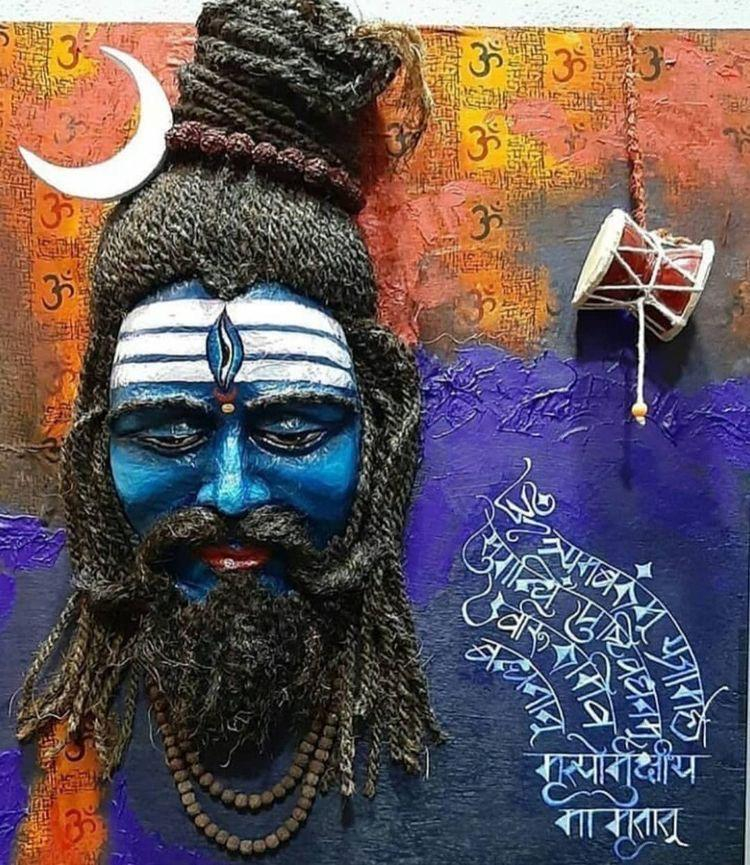
।ॐ। ॐ असतो मा सद्गमय   “From untruth (or ignorance) lead me to truth (or reality).” ।ॐ। तमसो मा ज्योतिर्गमय   “From darkness lead me to light.” ।ॐ। मृत्योर्मा अमृतं गमय   “From death to immortality.” ।ॐ। ॐ शान्तिः शान्तिः शान्तिः ॥ ।ॐ। ॐ असतो मा सद्गमय   “From untruth (or ignorance) lead me to truth (or reality).” ।ॐ। तमसो मा ज्योतिर्गमय   “From darkness lead me to light.” ।ॐ। मृत्योर्मा अमृतं गमय   “From death to immortality.” ।ॐ। ॐ शान्तिः शान्तिः शान्तिः ॥
1e1b38fc 16d7 4979 a054 bd5ef1d0eb70 2

The Vedas

The Vedas are the ancient sacred scriptures of Bharat, containing divine knowledge, spiritual wisdom, hymns, rituals, and teachings about truth, dharma, and the nature of existence.
They guide humanity toward self-realization, harmony, and a deeper understanding of the connection between the individual soul and the Supreme Divine.

1e1b38fc 16d7 4979 a054 bd5ef1d0eb70
“Truth is one; the wise describe it in different ways. The Divine Reality is beyond all divisions and shines through all forms of existence.”

- Rigveda 1.164.46

“May all beings look upon me with the eye of friendship. May I look upon all beings with love and compassion. May we live together in harmony.”

- Yajurveda 36.18

“The Divine is all-pervading, present within and beyond all creation. Those who see the One in all beings attain eternal peace.”

- Yajurveda

“The Supreme Truth is the source of all creation, the protector of all beings, and the eternal light that guides the universe.”

- Atharvaveda

1e1b38fc 16d7 4979 a054 bd5ef1d0eb70

The Puranas are ancient sacred texts of Bharat that preserve stories of gods, goddesses, sages, kings, creation, cosmic cycles, and the principles of dharma.
They convey spiritual wisdom through divine narratives, inspiring devotion, righteous living, and the path of self-realization.

Shiva Purana

The Shiva Purana is one of the major eighteen Mahapuranas of Hindu literature and is especially devoted to Lord Shiva, His divine forms, teachings, stories, and worship. Traditionally associated with Sage Vyasa, the Shiva Purana contains mythology, philosophy, devotional teachings, sacred traditions, and stories connected with Shiva and other important...

Share
Shrimad Bhagwat Maha Puran

Shrimad Bhagwat Maha Puran, also known as the Bhagavata Purana or Srimad Bhagavatam, is one of the most revered sacred texts in the Hindu tradition. It is traditionally attributed to Sage Vyasa and is especially known for its teachings on...

Share
Bhavishya Purana

The Bhavishya Purana is one of the traditional eighteen Mahapuranas of Hindu literature. The Sanskrit word “Bhavishya” means “future,” and the Purana is traditionally associated with accounts of future events, religious practices, legends, teachings, and descriptions of different aspects of...

Share
Brahmanda Purana

The Brahmanda Purana is one of the eighteen Mahapuranas, a major category of ancient Hindu scriptures that blend mythology, cosmology, philosophy, and history. The name Brahmanda means “the Cosmic Egg,” referring to the Hindu concept of the universe’s origin and...

Share
Agni Purana

The Agni Purana is one of the eighteen Mahapuranas, the great Sanskrit texts that form an important part of Hindu religious literature. Unlike many other Puranas that are centered around a specific deity like Vishnu or Shiva, the Agni Purana...

Share
Skanda Purana

The Skanda Purāṇa is the largest of the eighteen Mahāpurāṇas and a central text of Hindu tradition. It takes its name from Skanda (Kārttikeya), the war god and son of Śiva and Pārvatī. Although named after Skanda, the text covers...

Share
Shiva Purana

The Śiva Purāṇa: History and Context The Śiva Purāṇa is one of the eighteen Mahāpurāṇas and a foundational scripture of the Śaiva tradition. As its name indicates, it is devoted to Śiva, presenting him as the supreme deity, the source...

Share
Linga Purana

The Liṅga Purāṇa: History and Context The Liṅga Purāṇa is one of the eighteen Mahāpurāṇas of Hindu tradition. As its name suggests, it is devoted primarily to Shiva, with the liṅga (symbolic representation of Shiva) at its theological center. The...

Share
Kurma Purana

The Kūrma Purāṇa: History and Context The Kūrma Purāṇa is one of the eighteen Mahāpurāṇas of Hindu tradition. It takes its name from Kūrma, the tortoise incarnation of Vishnu, who supported Mount Mandara during the famous churning of the ocean...

Share
1e1b38fc 16d7 4979 a054 bd5ef1d0eb70 2

The Smritis are sacred texts of Bharat that explain moral values, social duties, traditions, laws, and righteous conduct based on the wisdom of the ancient sages.
They guide individuals in living a disciplined life by following dharma, ethics, and spiritual principles.

Gautam Smriti

Gautam Smriti, also known as Gautama Dharmashastra, is one of the ancient texts of the Dharmashastra tradition and is traditionally associated with Sage Gautama. It discusses Dharma, ethical conduct, religious duties, social responsibilities, and rules for living a disciplined and righteous life. The text gives importance to truth, purity, self-control,...

Share
Deval Smriti

Deval Smriti is an ancient Hindu Smriti text traditionally associated with Sage Devala. It belongs to the wider Dharmashastra tradition and deals with subjects related to Dharma, religious duties, purification, ethical conduct, and social responsibilities. The text is especially remembered...

Share
Brahaspati Smriti

Brihaspati Smriti is an ancient Indian text belonging to the Smriti and Dharmashastra tradition and is traditionally associated with Sage Brihaspati. It is especially known for its discussions of law, justice, social duties, and the proper conduct of individuals and...

Share
Atri Smriti

Atri Smriti The Atri Smriti, attributed to the sage Atri Rishi, is one of the 18 principal Dharma Smritis and an important part of the Dharmaśāstra tradition. Like other Smritis, it seeks to codify dharma—ethical, legal, social, and spiritual duties—but...

Share
Usana Smriti

Usana Smriti The Usana Smriti, attributed to Sage Usana (another name often associated with Shukra, the preceptor of the Asuras), is one of the 18 principal Dharma Smritis in the Hindu tradition. It is considered an important text for understanding...

Share
Yama Smriti

Yama Smriti The Yama Smriti, attributed to Sage Yama, the god of death and dharma, is one of the 18 principal Dharma Smritis and occupies a special place in Hindu law literature. Composed probably between the 3rd and 6th century...

Share
Harita Smriti

Harita Smriti The Harita Smriti is one of the 18 traditional Dharma Smritis in Hindu law and is attributed to Sage Harita, a revered ancient rishi. Like other Smritis, it is concerned with dharma (law, ethics, and duties), but it...

Share
Samvarta Smriti

Samvarta Smriti The Samvarta Smriti is one of the traditional Dharma Smritis, attributed to Sage Samvarta, and is considered an important text for understanding dharma, social conduct, and ethical duties in ancient India. Unlike some of the larger Smritis like...

Share
Vishnu Smriti

Vishnu Smriti The Viṣṇu Smriti, also called the Vaishnava Dharmaśāstra, is one of the 18 principal Smritis and is attributed to Lord Viṣṇu himself, though in practice it was composed by followers of the Vaishnava tradition. It is considered one...

Share
1e1b38fc 16d7 4979 a054 bd5ef1d0eb70 2

**The Upanishads** are profound spiritual texts of Bharat that reveal the knowledge of Brahman, the Supreme Reality, and the true nature of the self (Atman).
They guide seekers toward wisdom, meditation, self-realization, and the ultimate union with the Divine.

Chakshushopanishad 

Chakshushopanishad (Chakshushmati Vidya) asyāḥ chākṣuṣīvidyāyāḥ ahirbudhnya ṛṣiḥ । gāyatrī Chandaḥ । sūryō dēvatā । chakṣurōganivṛttayē japē viniyōgaḥ ।हिंदी अर्थइस चाक्षुषी विद्या के ऋषि अहिर्बुध्न्य हैं। इसका छन्द गायत्री है और देवता सूर्य हैं। नेत्रों के रोगों की निवृत्ति के लिए इसके जप का विनियोग किया जाता है।English MeaningThe seer of...

Share
Shiva Sankalpa Upanishad

Shiva Sankalpa Upanishad yēnēdaṃ bhūtaṃ bhuvanaṃ bhaviṣyat parigṛhītamamṛtēna sarvam ।yēna yajñastāyatē saptahōtā tanmē manaḥ śivasaṅkalpamastu ॥ 1॥ English Meaning That Divine Principle by which the past, present, and future universe is completely sustained by immortality, and by which the sevenfold...

Share
Eesavasyopanishad (Ishopanishad)

Eesavasyopanishad (Ishopanishad) ōṃ pūrṇamadaḥ pūrṇamidaṃ ।pūrṇātpūrṇamudachyatē ।pūrṇasya pūrṇamādāya ।pūrṇamēvāvaśiṣyatē ॥ That (Supreme Reality) is complete and perfect. This (manifest universe) is also complete and perfect. From the complete emerges the complete. Even after taking the complete from the complete, the...

Share
Mandukya Upanishad

Mandukya Upanishad The Mandukya Upanishad, the shortest yet one of the most profound Upanishads of the Atharva Veda, consists of just twelve mantras but presents a complete philosophy of the Self and ultimate reality. It explains the sacred syllable Om...

Share
Mundaka Upanishad

Mundaka Upanishad The Muṇḍaka Upaniṣad, belonging to the Atharva Veda, is a poetic and philosophical text that distinguishes between higher knowledge (para vidyā), which leads to realization of Brahman, and lower knowledge (apara vidyā), which concerns rituals and worldly learning....

Share
Chandogya Upanishad

Chandogya Upanisha The Chāndogya Upaniṣad, one of the oldest and most influential Upaniṣads of the Sāma Veda, is a vast text of eight chapters blending symbolic interpretations of rituals with profound philosophical insights, centered on the unity of the individual...

Share
Prashna Upanishad

Prashna Upanishad The Prashna Upanishad, one of the principal Upanishads, belongs to the Atharva Veda and is composed in the form of a dialogue between six seekers and the sage Pippalada. Its name literally means “question,” reflecting its structure of...

Share
Aitareya Upanishad

Aitareya Upanishad The Aitareya Upanishad, belonging to the Rigveda, is a profound spiritual text that explores the nature of creation, consciousness, and the Self. The scripture teaches that before creation existed, only the supreme Self was present, and from this...

Share
Brihadaranyaka Upanishad

Brihadaranyaka Upanishad The Brihadaranyaka Upanishad is one of the most ancient and philosophically significant Upanishads in Hindu tradition and belongs to the White Yajurveda. Known for its deep spiritual teachings, the Brihadaranyaka Upanishad explores the nature of the Self, Brahman,...

Share
1e1b38fc 16d7 4979 a054 bd5ef1d0eb70 2

Ithihas

The Itihasas are ancient historical epics of Bharat that preserve the stories of great heroes, divine beings, and the principles of dharma through timeless narratives.
The Ramayana and Mahabharata inspire humanity with teachings on righteousness, devotion, duty, and the victory of truth over injustice.

1e1b38fc 16d7 4979 a054 bd5ef1d0eb70 2

Bhrama Sutras

The Brahma Sutras are a profound philosophical text that systematizes the teachings of the Upanishads about Brahman, the Supreme Reality.
They guide seekers in understanding Vedanta, the nature of the self, and the path toward spiritual liberation (Moksha).

1e1b38fc 16d7 4979 a054 bd5ef1d0eb70 2

Yogavashistha

Yoga Vasistha is a profound spiritual scripture of Bharat that presents the teachings of Sage Vasistha to Lord Rama about self-knowledge, consciousness, and the nature of reality.
It guides seekers toward wisdom, detachment, meditation, and liberation through the understanding of the eternal Self.

1e1b38fc 16d7 4979 a054 bd5ef1d0eb70 2
।ॐ। Satyam | Jynanam | Anantam | Brahma ।ॐ। "Brahman ( Supreme Lord ) is Truth, Knowledge, and Infinity." ।ॐ। Satyam | Jynanam | Anantam | Brahma ।ॐ। "Brahman ( Supreme Lord ) is Truth, Knowledge, and Infinity."
1e1b38fc 16d7 4979 a054 bd5ef1d0eb70 2

**The Bhagavad Gita** is a sacred spiritual scripture of Bharat that reveals the divine teachings of Lord Krishna to Arjuna about duty, devotion, knowledge, and the path of self-realization.
It guides humanity toward righteous living, inner peace, and liberation through the practice of Karma Yoga, Bhakti Yoga, and Jnana Yoga.

Chapter Ten

Read Bhagavaad Gita Chapter Ten Chapter 10 Vibhooti Yoga The tenth chapter of the Bhagavad Gita is “Vibhooti Yoga”. In this chapter, Krishna reveals Himself as the cause of all causes. He describes His various manifestations and opulences in order to increase Arjuna’s Bhakti. Arjuna is fully convinced of Lord’s paramount...

Share
Chapter Eighteen

Read Bhagavad Gita Chapter Eighteen Chapter 18 Moksha Sanyaas Yoga The eighteenth chapter of the Bhagavad Gita is “Moksha Sanyas Yoga”. Arjuna requests the Lord to explain the difference between the two types of renunciations – sanyaas(renunciation of actions) and tyaag(renunciation...

Share
Chapter Seventeen

Read Bhagavad Gita Chapter Seventeen Chapter 17 Sraddhatraya Vibhaga Yoga The seventeenth chapter of the Bhagavad Gita is “Sraddhatraya Vibhaga Yoga”. In this chapter, Krishna describes the three types of faith corresponding to the three modes of the material nature....

Share
Chapter Sixteen

Read Bhagavad Gita Chapter Sixteen Chapter 16 Daivasura Sampad Vibhaga Yoga The sixteenth chapter of the Bhagavad Gita is “Daivasura Sampad Vibhaga Yoga”. In this chapter, Krishna describes explicitly the two kinds of natures among human beings – divine and demoniac....

Share
Chapter Fourteen

Read Bhagavad Gita Chapter Fourteen Chapter 14 Gunatraya Vibhaga Yoga The fourteenth chapter of the Bhagavad Gita is “Gunatraya Vibhaga Yoga”. In this chapter, Krishna reveals the three gunas (modes) of the material nature – goodness, passion and ignorance which everything...

Share
Chapter Fifteen

Read Bhagavad Gita Chapter Fifteen Chapter 15 Purushottama Yoga The fifteenth chapter of the Bhagavad Gita is “Purushottama Yoga”. In Sanskrit, Purusha means the “All-pervading God”, and Purushottam means the timeless & transcendental aspect of God. Krishna reveals that the...

Share
Chapter Thirteen

Read Bhagavad Gita Chapter Thirteen Chapter 13 Ksetra Ksetrajna Vibhaaga Yoga The thirteenth chapter of the Bhagavad Gita is “Ksetra Ksetrajna Vibhaaga Yoga”. The word “kshetra” means “the field”, and the “kshetrajna” means “the knower of the field”. We can think...

Share
Chapter Eleven

Read Bhagavad Gita Chapter Eleven Chapter 11 Vishwaroopa Darshana Yoga The eleventh chapter of the Bhagavad Gita is “Vishwaroopa Darshana Yoga”. In this chapter, Arjuna requests Krishna to reveal His Universal Cosmic Form that encompasses all the universes, the entire...

Share
Chapter Nine

Read Bhagavad Gita Chapter Nine Chapter 9 Raja Vidya Yoga The ninth chapter of the Bhagavad Gita is “Raja Vidya Yoga”. In this chapter, Krishna explains that He is Supreme and how this material existence is created, maintained and destroyed by...

Share
1e1b38fc 16d7 4979 a054 bd5ef1d0eb70 2

Patanjali Yog Sutras

The Patanjali Yoga Sutras are an ancient yogic text that presents the philosophy and practice of Yoga through teachings on meditation, discipline, and control of the mind. They guide seekers toward inner peace, self-awareness, spiritual growth, and the ultimate state of liberation (Kaivalya).

1e1b38fc 16d7 4979 a054 bd5ef1d0eb70 2

**The Glory of Shri Adi Shankaracharya** celebrates the life and teachings of the great philosopher-saint who revived Advaita Vedanta and revealed the unity of the individual soul with the Supreme Reality.
His wisdom, commentaries, and spiritual legacy continue to inspire seekers on the path of knowledge, devotion, and liberation.

Siva Aparadha Ksamapana Stotram

Siva Aparadha Ksamapana Stotram The Śiva Aparādha Kṣamāpanā Stotram is a sacred hymn dedicated to Lord Śiva, composed with the purpose of seeking forgiveness for one’s sins, mistakes, and offenses committed knowingly or unknowingly. The term “Aparādha Kṣamāpanā” literally means “forgiveness of offenses,” and this stotram is considered a powerful...

Share
Govinda Astakam Stotram

Govinda Astakam The Govinda Ashtakam is a beautiful and soul-enriching hymn consisting of eight verses (ashtakam) in praise of Lord Govinda, a beloved name of Lord Krishna, who is none other than Lord Vishnu in his most accessible and endearing...

Share
Daksinamurty Varnamala Stotram

Daksinamurty Varnamala Stotram The Daksinamurty Varnamala Stotram is a profound hymn dedicated to Lord Daksinamurthy, a form of Lord Shiva revered as the ultimate guru and embodiment of supreme wisdom. Lord Daksinamurthy is depicted sitting under a banyan tree, facing...

Share
Hari Stuti Stotram

Hari Stuti Hari Stuti is a deeply devotional hymn praising Lord Hari, another sacred name for Lord Vishnu, the preserver and sustainer in the Hindu trinity (Trimurti). “Hari” means the one who removes — particularly, the one who removes ignorance,...

Share
Shri Krishna Ashtakam Stotram

Shri Krishna Ashtakam The Shri Krishna Ashtakam is a deeply devotional hymn comprising eight verses (ashtakam) that glorify the divine qualities, pastimes, and form of Lord Krishna, the Supreme Personality of Godhead, who is revered as the embodiment of divine...

Share
Achyuta Ashtakam Stotram

Achyuta Ashtakam The Achyuta Ashtakam is a profound and melodious hymn consisting of eight verses (ashtakam) composed by Adi Shankaracharya, the great philosopher and spiritual teacher of Advaita Vedanta. This stotra is addressed to Lord Vishnu, affectionately called Achyuta, meaning...

Share
Shiva Namavalyashtakam (Namavali Ashtakam)

Shiva Namavalyashtakam hē chandrachūḍa madanāntaka śūlapāṇēsthāṇō girīśa girijēśa mahēśa śambhō ।bhūtēśa bhītabhayasūdana māmanāthaṃsaṃsāraduḥkhagahanājjagadīśa rakṣa ॥ 1 ॥ हे चन्द्रचूड़, कामदेव का संहार करने वाले, त्रिशूलधारी, स्थिरस्वरूप, गिरिराज के ईश्वर, गिरिजा के पति, महेश, शम्भु!हे भूतों के ईश्वर, भय का नाश...

Share
Panduranga Ashtakam Stotram

Panduranga Ashtakam The Panduranga Ashtakam is a beautiful and soul-stirring hymn composed by Adi Shankaracharya in praise of Lord Panduranga, also known as Vitthala or Vithoba, the presiding deity of Pandharpur in Maharashtra. This hymn, made up of eight melodious...

Share
Sri Lakshmi Narasimha karunarasa stotra

Sri Lakshmi Narasimha karunarasa Sri Lakshmi Narasimha Karavalamba Stotram (also called Lakshmi Narasimha Karunarasa Stotram) is a sacred hymn composed by the great sage‑philosopher Adi Shankaracharya, in deep devotion to the form of Lakshmi‑Narasimha — Vishnu’s half‑man, half‑lion incarnation (Narasimha),...

Share
1e1b38fc 16d7 4979 a054 bd5ef1d0eb70 2

**Ekadashi** is a sacred fasting day in Hindu tradition dedicated to Lord Vishnu, observed on the eleventh day of each lunar fortnight.
It is a time for devotion, prayer, meditation, and purification of the body and mind, helping devotees progress on the spiritual path.

Phalguna (February–March)

Ekadashi In The Month Phalguna (February–March) 🌙 Vijaya Ekadashi – Krishna Paksha (Phalguna Month) Vijaya Ekadashi falls during the Krishna Paksha (waning phase of the Moon) in the month of Phalguna (February–March).As its name suggests, “Vijaya” means Victory — this Ekadashi is believed to bestow success in all endeavors, remove...

Share
Magha (January–February)

Ekadashi In The Month Magha (January–February) 🌙 Shattila Ekadashi – Krishna Paksha (Magha Month) Shattila Ekadashi, also known as Tilda Ekadashi or Magha Krishna Ekadashi, falls during the Krishna Paksha (waning phase of the Moon) in the month of Magha...

Share
Pausha (December–January)

Ekadashi In The Month Pausha (December–January) 🌙 Pausha Ekadashi – Krishna Paksha (Pausha Month) Saphala Ekadashi (also spelled Safala Ekadashi) falls during the Krishna Paksha (waning phase of the Moon) in the month of Pausha (December–January). The word Saphala means...

Share
Margashirsha (November–December)

Ekadashi In The Month Margashirsha (November–December) 🌙 Utpanna Ekadashi – Krishna Paksha (Margashirsha Month) Utpanna Ekadashi is one of the most significant and spiritually powerful Ekadashis in the Hindu calendar. It falls during the Krishna Paksha (waning phase of the...

Share
Kartika (October–November)

Ekadashi In The Month Kartika (October–November) 🌼 Rama Ekadashi – Krishna Paksha (Kartik Month) Rama Ekadashi, one of the most revered Ekadashis, falls during the Krishna Paksha (waning phase of the moon) in the Kartik month (October–November). This sacred day...

Share
Ashwin (September–October)

Ekadashi In The Month Ashwin (September–October) 🌿 Indira Ekadashi – Krishna Paksha (Bhadrapada Month) Indira Ekadashi, one of the most significant Ekadashi observances, falls during the Krishna Paksha (waning phase of the moon) in the Bhadrapada month (August–September). This sacred...

Share
Bhadrapada (August–September)

Ekadashi In The Month Bhadrapada (August–September) 🌿 Aja Ekadashi – Krishna Paksha (Bhadrapada Month) Aja Ekadashi falls during the Krishna Paksha (waning phase of the moon) in the month of Bhadrapada (August–September). This sacred Ekadashi is devoted to Lord Vishnu,...

Share
Shravana (July–August)

Ekadashi In The Month Shravana (July–August) Kamika Ekadashi – Krishna Paksha (Shravana Month) 🌿 Kamika Ekadashi – Krishna Paksha (Shravana Month) Kamika Ekadashi is one of the most powerful and spiritually uplifting Ekadashis, observed during the Krishna Paksha (waning phase...

Share
Ashadha (June–July)

Ekadashi In The Month Ashadha (June–July) 🌿 Yogini Ekadashi – Krishna Paksha (Ashadha Month) Yogini Ekadashi is a sacred fasting day observed during the Krishna Paksha (waning phase of the moon) in the month of Ashadha (June–July). It is one...

Share
1e1b38fc 16d7 4979 a054 bd5ef1d0eb70 2

Veda Pushpanjali is a sacred offering of Vedic hymns and chants that expresses devotion, gratitude, and reverence toward the Divine. It represents the beauty of Vedic wisdom, where sacred sounds and prayers create spiritual harmony, peace, and inner purification.

lord shanidev mantra in sanskrit calligraphy vector

Śānti Mantrah with meaning

Śānti Mantrah with meaning Śānti Mantrah with meaning 1.ॐ द्यौः...

Goddess Durga on lion image

Kşama Prarthana with meaning

Kşama Prarthana with meaning Kşama Prarthana with meaning 1. यदक्षरपदभ्रष्टं...

Lord Vishnu on Sheshnag image

Mantra Puşpam with meaning

Mantra Puşpam with meaning Mantra Puşpam with meaning 1.ॐ योऽपां...

a5ba25bd a056 5349 8481 97adf23c61e4

Hiranyagarbhah Süktam with meaning

Hiranyagarbhah Süktam with meaning Hiranyagarbhah Süktam with meaning 1.ॐ हिरण्यगर्भः...

Goddess Lakshmi on lotus image

Rsabha Süktam with meaning

Rsabha Süktam with meaning Rsabha Süktam with meaning 1. ऋषभं...

Goddess Lakshmi on lotus image

Rātrī Süktam with meaning

Rātrī Süktam with meaning Rātrī Süktam with meaning 1.ॐ रात्री...

Goddess Gayatri portrait image

Bhagya Süktam with meaning

Bhagya Süktam with meaning Bhagya Süktam with meaning 1. प्रातरङ्गि...

Lord Shiva meditating in cosmic silence

Rudrapraśnh with meaning

Rudrapraśnh with meaning Rudrapraśnh with meaning 1. ॐ नमस्ते रुद्र...

1e1b38fc 16d7 4979 a054 bd5ef1d0eb70 2

**All Gitas** are sacred spiritual texts of Bharat that convey divine wisdom, teachings, and guidance on dharma, devotion, knowledge, and self-realization.
Through the words of sages, saints, and divine beings, they inspire seekers to understand truth, live righteously, and attain spiritual liberation.

Sambhu Gita

Sambhu Gita is a devotional and philosophical text centered on Lord Shiva (Sambhu) and His teachings. It presents spiritual ideas concerning the nature of the Supreme Reality, the individual soul, devotion, knowledge, meditation, and liberation. The text reflects the broader Shaiva tradition in which Shiva is understood as the supreme...

Share
Sruti Gita

Sruti Gita is a beautiful devotional section of the Srimad Bhagavatam, found in the Tenth Canto. It describes the prayers offered by the personified Vedas, known as the Srutis, to Lord Krishna. These prayers express deep devotion and praise the...

Share
Panca Gita

Pañca Gītā means “Five Gītās” and refers to a traditional collection of five important sacred texts or teachings from Hindu literature. These Gītā texts contain spiritual guidance on Dharma, devotion, knowledge, meditation, self-control, and liberation. The purpose of Pañca Gītā...

Share
Kapila Gita

Kapila Gītā is a well-known spiritual teaching found in the Śrīmad Bhāgavata Purāṇa, in the Third Canto. It presents the teachings of Lord Kapila to His mother, Devahūti. Kapila Muni explains important ideas about the Self, the material world, devotion,...

Share
Jivana Mukta Gita

Jīvanmukta Gītā is a spiritual text that focuses on the state of a person who has attained liberation while still living in the physical world. The word Jīvanmukta means “one who is liberated while alive.” The teachings explain how a...

Share
Hamsa Gita

Hamsa Gītā is a spiritual teaching that explains the nature of the Self, the mind, detachment, devotion, and the path toward liberation. The word Hamsa has a deep spiritual meaning in Hindu tradition and is often connected with the pure...

Share
Gopi Gita

Gopī Gīta is a beautiful devotional song from the Śrīmad Bhāgavata Purāṇa, found in the Tenth Canto, Chapter 31. It describes the deep love and devotion of the Gopīs of Vrindavan for Lord Krishna. The Gopīs sing these verses when...

Share
Gita Govinda

Gita Govinda is a famous devotional and poetic work written by Jayadeva, a great poet from India. It describes the divine love between Lord Krishna and Radha and is one of the most important works of devotional literature. The poem...

Share
Gita Sangraha

Gita Sangraha means a collection or summary of spiritual teachings from different Gita texts in the Hindu tradition. The word Gita means a sacred song or spiritual teaching, while Sangraha means collection. Such a work brings together important ideas about...

Share
1e1b38fc 16d7 4979 a054 bd5ef1d0eb70 2

Niti

Niti refers to the sacred teachings of wisdom, ethics, morality, and righteous conduct that guide individuals in personal and social life. It teaches the importance of truth, discipline, good character, and wise decision-making for a harmonious and meaningful existence.

1e1b38fc 16d7 4979 a054 bd5ef1d0eb70 2

Shastra

The Shastras are sacred texts of Bharat that contain profound knowledge about spirituality, philosophy, ethics, sciences, rituals, and the principles of righteous living.
They guide humanity toward wisdom, self-discipline, dharma, and a deeper understanding of life and the Divine.

1e1b38fc 16d7 4979 a054 bd5ef1d0eb70 2

**The Samhitas** are the foundational collections of sacred Vedic hymns, mantras, prayers, and knowledge revealed to ancient sages.
They preserve the divine wisdom of the Vedas and guide spiritual practices, rituals, devotion, and the connection between humanity and the Supreme.

ChatGPT Image Sep 16 2026 03 47 00 PM

Shiv Samhita

Shiva Samhita is one of the important classical texts of...

ChatGPT Image Sep 16 2026 03 14 49 PM

Dhanurveda Samhita

Dhanurveda Samhita is a traditional Sanskrit text related to the...

5443b379 0338 414b a197 f2e57b3b22ce

Bhrigu Samhita

Bhrigu Samhita is a traditional Sanskrit text associated with Maharishi...

f0f0f22e de35 426f abb4 cfa9cc09a8bd

Agastya Samhita

Agastya Samhita is a traditional Sanskrit text associated with Sage...

image 61

Jayakhya Samhita

Jayakhya Samhita is an important Sanskrit text belonging to the...

ChatGPT Image Sep 15 2026 06 08 30 PM

Gheranda Samhita

Gheranda Samhita is one of the important classical texts of...

ChatGPT Image Sep 15 2026 05 50 05 PM

Parasara Samhita

Parasara Samhita is a traditional Hindu Sanskrit text associated with...

ChatGPT Image Sep 15 2026 05 32 18 PM

Karmvipak Samhita

Karmavipaka Samhita is a traditional Hindu religious text that deals...

1e1b38fc 16d7 4979 a054 bd5ef1d0eb70 2

Darshana refers to the six classical schools of Indian philosophy that explore the nature of reality, consciousness, knowledge, and the path to liberation.
They guide seekers through wisdom, logic, meditation, and spiritual inquiry to understand the Self and the Supreme Truth.

The Way of Buddha

The Way of Buddha explains the spiritual path taught by Gautama Buddha for understanding life, overcoming suffering, and developing inner peace. Buddha’s teachings are practical and focus on how a person can transform their thoughts, actions, and understanding through wisdom, ethical living, and meditation. The foundation of this path is...

Share
Story of Buddhism

Story of Buddhism describes the origin, development, and spread of one of the world’s major spiritual traditions. Buddhism began in ancient India with the teachings of Siddhartha Gautama, who later became known as the Buddha, meaning “the Awakened One.” His...

Share
Buddhist Legends

Buddhist Legends is a collection of traditional stories connected with the life, teachings, disciples, and spiritual ideals of Buddhism. These stories have been preserved through Buddhist literature and oral traditions and are often used to explain important moral and spiritual...

Share
Buddhist Manual

Buddhist Manual is a useful introductory work for understanding the basic principles, teachings, and practices of Buddhism. It helps readers explore the Buddha’s teachings in a simple and organized way, including important ideas about human life, suffering, morality, meditation, wisdom,...

Share
Buddhist Psychology

Buddhist Psychology is the study of the mind, emotions, thoughts, and human behavior through the teachings of Buddhism. Unlike many modern approaches to psychology, Buddhist thought focuses strongly on understanding the causes of suffering and developing inner freedom through awareness,...

Share
Buddha : His Life And Teachings

Buddha: His Life and Teachings presents the life, spiritual journey, and teachings of Gautama Buddha, one of the most influential spiritual teachers in Indian history. Born as Siddhartha Gautama, he is traditionally said to have lived in ancient India. After...

Share
Bauddha Darshan

Bauddha Darshan, or Buddhist Philosophy, is an important ancient Indian philosophical tradition founded on the teachings of Gautama Buddha. It focuses on understanding human suffering, its causes, and the path toward freedom from suffering. Buddha encouraged people to develop wisdom...

Share
Charvak Darshan

Charvak Darshan, also known as Lokayata, is one of the ancient Indian philosophical traditions. It is generally described as a materialist school that gives great importance to direct experience and practical reasoning. The philosophy encourages people to examine ideas through...

Share
Jain Darshan

Jain Darshan, also known as Jain Philosophy, is one of the ancient philosophical traditions of India. It teaches that every living being has a soul, known as Jiva, and that the soul is naturally pure, conscious, and capable of attaining...

Share
1e1b38fc 16d7 4979 a054 bd5ef1d0eb70 2

**The Agamas** are sacred scriptures of Bharat that contain teachings on temple worship, rituals, meditation, yoga, philosophy, and spiritual practices.
They provide guidance for connecting with the Divine through devotion, discipline, and the proper methods of worship and inner realization.

ChatGPT Image Sep 22 2026 03 28 24 PM

Pauskara Agama

Pauskara Agama is an important Sanskrit scripture belonging to the...

ChatGPT Image Sep 22 2026 03 19 30 PM

Raurava Agama

Raurava Agama is an important scripture belonging to the Shaiva...

ChatGPT Image Sep 22 2026 03 09 37 PM

Srimat Sarvajnanottara Agrama

Srimat Sarvajnanottara Agama is an important Sanskrit scripture belonging to...

ChatGPT Image Sep 22 2026 12 51 50 PM 1

The Saivagamas

The Saivagamas are a major group of traditional Sanskrit scriptures...

ChatGPT Image Sep 21 2026 05 55 13 PM

Pauskara Samhitaa

Pauskara Samhitaa is an important Sanskrit scripture of the Pancharatra...

ChatGPT Image Sep 21 2026 03 06 42 PM

Mrigendragama

Mrigendragama is an important Sanskrit text belonging to the Shaiva...

ChatGPT Image Sep 21 2026 01 48 25 PM

shesha samhitaa

Shesha Samhita is a traditional Sanskrit work associated with the...

ChatGPT Image Sep 21 2026 01 39 01 PM

Sanat kumara Samhitaa

Sanat Kumara Samhita is a traditional Sanskrit text associated with...

1e1b38fc 16d7 4979 a054 bd5ef1d0eb70 2

The Tantra Shastra is a profound spiritual tradition of Bharat that explores sacred practices of mantra, meditation, rituals, and the awakening of divine energy and consciousness.
It guides seekers on the path of inner transformation, spiritual discipline, and the realization of the eternal connection between the individual soul and the Supreme Divine.

Netra Tantram

Netra Tantram is an important Sanskrit Shaiva Tantric scripture associated with Lord Shiva and the broader traditions of Tantra. The word Netra means “eye,” and the text is traditionally connected with spiritual knowledge, divine protection, meditation, mantra, and ritual practices. It presents teachings through which a practitioner seeks to understand...

Share
Brhannila Tantra

Brhannila Tantra is a traditional Shakta Tantric scripture associated with the worship of the Divine Mother and the broader practices of Tantra. The text belongs to the diverse body of Tantric literature in which spiritual knowledge, devotion, mantra, meditation, ritual...

Share
Light of Tantra

Light of Tantra is a spiritual and philosophical work that explores the deeper meanings of Tantric traditions, practices, and teachings. It aims to present Tantra as a path of self-awareness, inner transformation, and the expansion of consciousness. The text helps...

Share
Vinashikha Tantra

Vinashikha Tantra is a traditional Sanskrit Tantric text associated with the wider Shaiva and Tantric literature. It is considered part of the ancient Tantric scripture tradition that explores subjects such as mantra, meditation, spiritual discipline, rituals, divine worship, and the...

Share
Kalivilasa Tantra

Kalivilasa Tantra is a traditional Sanskrit Tantric text associated with the Shakta Tantra tradition and the worship of the Divine Mother. The name refers to the spiritual teachings connected with the age of Kali Yuga and presents methods of devotion,...

Share
Tantra

Tantra is an ancient spiritual tradition of India that focuses on the expansion of consciousness, self-realization, and the connection between the individual and the Divine. The word Tantra is derived from Sanskrit roots and is often understood as a system...

Share
Tantra Yoga

Tantra Yoga is a spiritual approach that combines yogic practices with the philosophical and contemplative teachings of Tantra. It focuses on developing awareness of the body, breath, mind, energy, and consciousness. Unlike approaches that treat the body as something separate...

Share
Brahma Yamala Tantra

Brahma Yamala Tantra is a significant scripture associated with the broader Tantric tradition of Hinduism, particularly the Shaiva and Shakta streams. It belongs to the class of texts known as Yamala Tantras, which explore spiritual knowledge through teachings concerning Shiva,...

Share
Hanuman Tantra Sadhana

Hanuman Tantra Sadhana refers to Tantric and devotional practices dedicated to Lord Hanuman, who is revered as a symbol of strength, courage, devotion, discipline, and protection. Such practices may combine Hanuman worship with mantra, meditation, prayer, visualization, and ritual observances....

Share
1e1b38fc 16d7 4979 a054 bd5ef1d0eb70 2

Complete Collection of The Upa Smritis

The Upa Smritis are supplementary sacred texts of Bharat that expand upon the teachings of Smritis, offering guidance on ethics, duties, traditions, and righteous conduct. They preserve the wisdom of ancient sages and help individuals follow dharma, moral values, and spiritual principles in daily life.

1e1b38fc 16d7 4979 a054 bd5ef1d0eb70 2

**The Puranas** are ancient sacred scriptures of Bharat that describe the stories of creation, divine incarnations, sages, kings, cosmic cycles, and the glory of gods and goddesses.
They impart spiritual wisdom, devotion, and the principles of dharma through inspiring narratives and timeless teachings.

Shiva Purana

The Shiva Purana is one of the major eighteen Mahapuranas of Hindu literature and is especially devoted to Lord Shiva, His divine forms, teachings, stories, and worship. Traditionally associated with Sage Vyasa, the Shiva Purana contains mythology, philosophy, devotional teachings, sacred traditions, and stories connected with Shiva and other important...

Share
Shrimad Bhagwat Maha Puran

Shrimad Bhagwat Maha Puran, also known as the Bhagavata Purana or Srimad Bhagavatam, is one of the most revered sacred texts in the Hindu tradition. It is traditionally attributed to Sage Vyasa and is especially known for its teachings on...

Share
Bhavishya Purana

The Bhavishya Purana is one of the traditional eighteen Mahapuranas of Hindu literature. The Sanskrit word “Bhavishya” means “future,” and the Purana is traditionally associated with accounts of future events, religious practices, legends, teachings, and descriptions of different aspects of...

Share
Brahmanda Purana

The Brahmanda Purana is one of the eighteen Mahapuranas, a major category of ancient Hindu scriptures that blend mythology, cosmology, philosophy, and history. The name Brahmanda means “the Cosmic Egg,” referring to the Hindu concept of the universe’s origin and...

Share
Agni Purana

The Agni Purana is one of the eighteen Mahapuranas, the great Sanskrit texts that form an important part of Hindu religious literature. Unlike many other Puranas that are centered around a specific deity like Vishnu or Shiva, the Agni Purana...

Share
Skanda Purana

The Skanda Purāṇa is the largest of the eighteen Mahāpurāṇas and a central text of Hindu tradition. It takes its name from Skanda (Kārttikeya), the war god and son of Śiva and Pārvatī. Although named after Skanda, the text covers...

Share
Shiva Purana

The Śiva Purāṇa: History and Context The Śiva Purāṇa is one of the eighteen Mahāpurāṇas and a foundational scripture of the Śaiva tradition. As its name indicates, it is devoted to Śiva, presenting him as the supreme deity, the source...

Share
Linga Purana

The Liṅga Purāṇa: History and Context The Liṅga Purāṇa is one of the eighteen Mahāpurāṇas of Hindu tradition. As its name suggests, it is devoted primarily to Shiva, with the liṅga (symbolic representation of Shiva) at its theological center. The...

Share
Kurma Purana

The Kūrma Purāṇa: History and Context The Kūrma Purāṇa is one of the eighteen Mahāpurāṇas of Hindu tradition. It takes its name from Kūrma, the tortoise incarnation of Vishnu, who supported Mount Mandara during the famous churning of the ocean...

Share
1e1b38fc 16d7 4979 a054 bd5ef1d0eb70 2

**The Ramayana** is one of the greatest sacred epics of Bharat that narrates the divine life of Lord Rama, his ideals, virtues, and journey of righteousness.
It teaches the values of dharma, devotion, courage, truth, and the victory of good over evil.

ChatGPT Image Sep 8 2026 03 29 37 PM

Ranganatha Ramayana

Ranganatha Ramayana is a famous Telugu retelling of the sacred...

ChatGPT Image Sep 8 2026 02 46 07 PM

Giridhara Ramayan

Giridhara Ramayan is a devotional retelling of the sacred story...

ChatGPT Image Sep 8 2026 02 30 01 PM

Ghat Ramayana 

Ghat Ramayana is a devotional retelling of the sacred story...

ChatGPT Image Sep 8 2026 01 09 37 PM

1000 Ramayana Prashnottari

1000 Ramayana Prashnottari is a collection of questions and answers...

ChatGPT Image Sep 8 2026 12 49 34 PM

Brahma Ramayana

Brahma Ramayana is a devotional and spiritual text connected with...

ChatGPT Image Sep 8 2026 12 36 58 PM

Adbhut Ramayana

Ananda Ramayana is a devotional text that tells the story...

ChatGPT Image Sep 7 2026 05 53 42 PM

Ananda Ramayan

Ananda Ramayana is a devotional text that tells the story...

ChatGPT Image Sep 7 2026 05 04 50 PM

Adhyatma Ramayan

Adhyatma Ramayana is a deeply spiritual version of the story...

1e1b38fc 16d7 4979 a054 bd5ef1d0eb70 2

Complete Collection of Mahabharat

The Upa Smritis are supplementary sacred texts of Bharat that expand upon the teachings of Smritis, offering guidance on ethics, duties, traditions, and righteous conduct. They preserve the wisdom of ancient sages and help individuals follow dharma, moral values, and spiritual principles in daily life.

1e1b38fc 16d7 4979 a054 bd5ef1d0eb70 2

The Upa Puranas are supplementary sacred texts of Bharat that expand upon the teachings of the major Puranas through stories of deities, sages, traditions, and spiritual practices. They preserve ancient wisdom, devotion, and the principles of dharma, guiding seekers toward righteous living and spiritual understanding.

ChatGPT Image Sep 8 2026 07 18 32 PM

Kalika Purana

Kalika Purana is an important Sanskrit text of the Shakta...

ChatGPT Image Sep 8 2026 07 13 24 PM

Parashar Purana

Parashar Purana is a sacred Hindu text associated with Maharishi...

ChatGPT Image Sep 8 2026 06 06 47 PM

Narsimha Purana

Narasimha Purana is an important Hindu Purana that is mainly...

ChatGPT Image Sep 8 2026 05 18 33 PM

Kalki Purana

Kalki Purana is an important Sanskrit text that describes the...

949fe1ea00e76d36e6932447feeaab35

Ganesh Purana With Meaning

Ganesha Purana is an important Hindu Purana dedicated primarily to...

0137b357cb675ee308be5d3807545a9b

Devi Bhagwat With Meaning

Devi Bhagavata Purana, also known as the Srimad Devi Bhagavatam,...

ba35a03c191876278801aa969224d079

Brihaddharma Purana With Meaning

Brihaddharma Purana is an important Sanskrit text belonging to the...

498ef6110c53b201afe367047eddf9fb

Bhargav Purana With Meaning

Bhargav Purana is a sacred Hindu religious text associated with...

1e1b38fc 16d7 4979 a054 bd5ef1d0eb70 2

Navagraha Nitya Puja Vidhanam

Navagraha Nitya Puja Vidhanam आवश्यकानि वस्तूनि आसनम्Seat or mat for performing the worship. दीपःSacred lamp for the worship. गन्धःSandalwood paste or sacred fragrance. कुङ्कुमम्Sacred vermilion powder. अक्षताःUnbroken sacred rice grains. पुष्पाणिFlowers for offering to the deities. धूपःIncense for the worship. नैवेद्यम्Food prepared as an offering to the deities. ताम्बूलम्Betel leaves...

Share
Surya Nitya Puja Vidhanam

Surya Nitya Puja Vidhanam आवश्यकानि वस्तूनि आसनम्Seat or mat for performing the worship. दीपःSacred lamp for the worship. गन्धःSandalwood paste or sacred fragrance. कुङ्कुमम्Sacred vermilion powder. अक्षताःUnbroken sacred rice grains. पुष्पाणिFlowers for offering to Lord Sūryanārāyaṇa. धूपःIncense for the worship....

Share
Hanuman Nitya Puja Vidhanam

Hanuman Nitya Puja Vidhanam आवश्यकानि वस्तूनि आसनम्Seat or mat for performing the worship. दीपःSacred lamp for the worship. गन्धःSandalwood paste or sacred fragrance. कुङ्कुमम्Sacred vermilion powder. अक्षताःUnbroken sacred rice grains. पुष्पाणिFlowers for offering to Lord Hanumān. धूपःIncense for the worship....

Share
Saraswati Nitya Puja Vidhanam

Saraswati Nitya Puja Vidhanam आवश्यकानि वस्तूनि आसनम्Seat or mat for performing the worship. दीपःSacred lamp for the worship. गन्धःSandalwood paste or sacred fragrance. कुङ्कुमम्Sacred vermilion powder. अक्षताःUnbroken sacred rice grains. पुष्पाणिFlowers for offering to the Goddess. धूपःIncense for the worship....

Share
Lakshmi Nitya Puja Vidhanam

Lakshmi Nitya Puja Vidhanam आवश्यकानि वस्तूनिआसनम्Seat or mat for performing the worship.दीपःSacred lamp for the worship.गन्धःSandalwood paste or sacred fragrance.कुङ्कुमम्Sacred vermilion powder.अक्षताःUnbroken sacred rice grains.पुष्पाणिFlowers for offering to the Goddess.धूपःIncense for the worship.नैवेद्यम्Food offering prepared for the Goddess.ताम्बूलम्Betel leaves and...

Share
Subrahmanya Nitya Puja Vidhanam

Subrahmanya Nitya Puja Vidhanam आवश्यकानि वस्तूनिआसनम्Seat or mat for performing the worship.दीपःLamp for the worship.गन्धःSandalwood paste or sacred fragrance.कुङ्कुमम्Sacred vermilion powder.अक्षताःUnbroken sacred rice grains.पुष्पाणिFlowers for offering to the deity.धूपःIncense for the worship.नैवेद्यम्Food offering prepared for the deity.ताम्बूलम्Betel leaves and related...

Share
Vishnu Nitya Puja Vidhanam

Vishnu Nitya Puja Vidhanam आवश्यकानि वस्तूनि आसनम्Seat for the worship. दीपःSacred lamp. गन्धःFragrant sandalwood paste or sacred fragrance. कुङ्कुमम्Sacred kumkum. अक्षताःUnbroken rice grains used as a sacred offering. पुष्पाणिFlowers for worship. धूपःIncense. नैवेद्यम्Food offered to the deity. ताम्बूलम्Betel leaves and...

Share
Shiva Nitya Puja Vidhanam

Shiva Nitya Puja Vidhanam आवश्यकानि वस्तूनि आसनम्Seat for the worship. दीपःSacred lamp. गन्धःFragrant sandalwood paste or sacred fragrance. कुङ्कुमम्Sacred kumkum. अक्षताःUnbroken rice grains used as a sacred offering. पुष्पाणिFlowers for worship. धूपःIncense. नैवेद्यम्Food offered to the deity. ताम्बूलम्Betel leaves and...

Share
Ganapati Nitya Puja Vidhanam

Ganapati Nitya Puja Vidhanam आवश्यकानि वस्तूनि आसनम् — Seat दीपः — Lamp गन्धः — Sandalwood paste or fragrant substance कुङ्कुमम् — Kumkum अक्षताः — Unbroken rice grains पुष्पाणि — Flowers धूपः — Incense नैवेद्यम् — Food offering ताम्बूलम् — Betel...

Share
1e1b38fc 16d7 4979 a054 bd5ef1d0eb70 2

Mahanyasam – 7.8. Ashtanga Pranamam

Mahanyasam – 7.8. Ashtanga Pranamam hiraṇyagarbha-ssamavarta-tāgre bhūtasya jātaḥ patireka āsīt ।sadādhāra pṛthivī-ndyām-utemā-ṅkasmai devāya haviṣā vidhema ॥urasā namaḥ ॥ 1 (tai. saṃ. 4.1.8.3) English Meaning In the beginning, Hiraṇyagarbha, the Golden Embryo, arose and became the one supreme Lord of all that exists. He established and supported the earth, the heavens,...

Share
Mahanyasam – 7.6. Sata Rudriyam

Mahanyasam – 7.6. Sata Rudriyam (Tvamagne Rudro’nuvakah) tvama̍gnē ru̠drō asu̍rō ma̠hō di̠vaḥ । tvagṃ śardhō̠ māru̍ta-mpṛ̠kṣa ī̍śiṣē ।tvaṃ vātai̍raru̠ṇai ryā̍si śaṅga̠yaḥ । tva-mpū̠ṣā vi̍dha̠taḥ pā̍si̠ nutmanā̎ḥ ।dēvā̍ dē̠vēṣu̍ śrayaddhvam । pratha̍mā dvi̠tīyē̍ṣu śrayaddhvam ।dvitī̍yā-stṛ̠tīyē̍ṣu śrayaddhvam । tṛtī̍yā-śchatu̠rthēṣu̍ śrayaddhvam ।cha̠tu̠rthāḥ pa̍ñcha̠mēṣu̍...

Share
Mahanyasam – 7.4. Apratiratham

Mahanyasam – 7.4. Apratiratham ā̠śu-śśiśā̍nō vṛṣa̠bhō na yu̠dhmō gha̍nāgha̠naḥ, kṣōbha̍ṇa-ścharṣaṇī̠nām ।sa̠̠ṅkranda̍nō-‘nimi̠ṣa ē̍ka vī̠raśśa̠tagṃ sēnā̍ ajayathsā̠-kamindra̍ḥ ।sa̠ṅkranda̍nēnā nimi̠ṣēṇa̍ ji̠ṣṇunā̍ yutkā̠rēṇa̍ duśchyava̠nēna̍ dhṛ̠ṣṇunā̎ ।tadindrē̍ṇa jayata̠ tathsa̍hadhva̠ṃ yudhō̍ nara̠ iṣu̍ hastēna̠ vṛṣṇā̎ ।sa iṣu̍hastai̠-ssa ni̍ṣa̠ṅgibhi̍ rva̠śī saggsra̍ṣṭā̠ sayudha̠ indrō̍ ga̠ṇēna̍ ।sa̠gṃ̠sṛ̠ṣṭa̠-jithsō̍ma̠pā bā̍hu śa̠rdhyū̎rdhva-dha̍nvā̠...

Share
Mahanyasam – 7.3. Uttara Narayanam

Mahanyasam – 7.3. Uttara Narayanam a̠dbhya-ssambhū̍taḥ pṛthi̠vyai rasā̎chcha । vi̠śvaka̍rmaṇa̠-ssama̍varta̠tādhi̍ ।tasya̠ tvaṣṭā̍ vi̠dadha̍-drū̠pamē̍ti । tatpuru̍ṣasya̠ viśva̠mājā̍na̠magrē̎ ।vēdā̠hamē̠ta-mpuru̍ṣa-mma̠hānta̎m । ā̠di̠tyava̍rṇa̠-ntama̍sa̠ḥ para̍stāt ।tamē̠vaṃ vi̠dvāna̠mṛta̍ i̠ha bha̍vati । nānyaḥ panthā̍ vidya̠tē-‘ya̍nāya ।pra̠jāpa̍tiścharati̠ garbhē̍ a̠ntaḥ । a̠jāya̍mānō bahu̠dhā vijā̍yatē ।tasya̠ dhīrā̠ḥ pari̍jānanti̠ yōni̎m ।...

Share
Mahanyasam – 7.1. Shiva Sankalpam

Mahanyasam – 7.1. Shiva Sankalpam yēnē̠da-mbhū̠ta-mbhuva̍na-mbhavi̠ṣya-tpari̍gṛhīta-ma̠mṛtē̍na̠ sarva̎m । yēna̍ ya̠jñastā̍yatē(ya̠jñastrā̍yatē) sa̠ptahō̍tā̠ tanmē̠ mana̍-śśi̠vasa̍ṅka̠lpama̍stu ॥ 1 English Meaning By that eternal principle through which everything that has existed, that exists, and that will exist is held and sustained, and through which...

Share
Mahanyasam – 6 Mano Jyotih

Mahanyasam – 6 Mano Jyotih manō̠ jyōti̍ rjuṣatā̠-mājya̠ṃ vichChi̍nnaṃ ya̠jñagṃ sami̠ma-nda̍dhātu ।yā i̠ṣṭā u̠ṣasō̍ ni̠mrucha̍ścha̠ tāssanda̍dhāmi ha̠viṣā̍ ghṛ̠tēna̍ ।(guhyāya namaḥ) । 1 (tai. saṃ. 1.5.10.2) English Meaning May the divine light of the mind accept the clarified butter offered in...

Share
Mahanyasam – 5. Panchanga Nyasa

Mahanyasam – 5. Panchanga Nyasa sa̠dyō jā̠ta-mpra̍padyā̠mi̠ sa̠dyō jā̠tāya̠ vai namō̠ nama̍ḥ ।bha̠vē bha̍vē̠ nāti̍bhavē bhavasva̠ mām । bha̠vō-dbha̍vāya̠ nama̍ḥ ॥pādābhyā-nnamaḥ । 1 English Meaning I take refuge in Sadyojāta and offer repeated salutations to Sadyojāta. O Lord, remain with...

Share
Mahanyasam – 3. Anganyasa

Mahanyasam – 3. Anganyasa yā tē̍ rudra śi̠vā ta̠nūraghō̠rā-‘pā̍pakāśinī ।tayā̍ na sta̠nuvā̠ śanta̍mayā̠ giri̍śantā̠bhi chā̍kaśīhi ।śikhāyai namaḥ । 1 English Meaning O Rudra, may that auspicious and gracious form of Yours, which is free from all fear and dispels sin,...

Share
Mahanyasam – 2. Panchamukha Dhyanam

Mahanyasam – 2. Panchamukha Dhyanam ō-nnam ॥ tatpuru̠ṣāya vi̠dmahē̍ mahādē̠vāya̍ dhīmahi । tannō̍ rudraḥ prachōdayā̎t ॥English MeaningOm Naṃ. We contemplate Tatpuruṣa and meditate upon Mahādeva. May that Rudra inspire, guide, and illumine our intellect.saṃvartāgni taṭitpradīpta kanaka prasparthi tējōmayam । gambhīradhvani...

Share
1e1b38fc 16d7 4979 a054 bd5ef1d0eb70 2
।ॐ। Prajñānam Brahma (प्रज्ञानम् ब्रह्म): "Consciousness is Brahman." ।ॐ। Ayam Ātmā Brahma (अयम् आत्मा ब्रह्म): "This Self is Brahman." ।ॐ। Tat Tvam Asi (तत् त्वम् असि): "That thou art." ।ॐ। Aham Brahmāsmi (अहं ब्रह्मास्मि): "I am Brahman." ।ॐ। Prajñānam Brahma (प्रज्ञानम् ब्रह्म): "Consciousness is Brahman." ।ॐ। Ayam Ātmā Brahma (अयम् आत्मा ब्रह्म): "This Self is Brahman." ।ॐ। Tat Tvam Asi (तत् त्वम् असि): "That thou art." ।ॐ। Aham Brahmāsmi (अहं ब्रह्मास्मि): "I am Brahman."
1e1b38fc 16d7 4979 a054 bd5ef1d0eb70 2

Understanding the Eternal Wisdom of Veda

image 17

Veda is the oldest and most sacred source of spiritual knowledge in Sanatana Dharma. Regarded as Shruti, meaning "that which is heard," it is believed to contain divine wisdom revealed to ancient sages during deep states of meditation. These timeless scriptures form the spiritual and philosophical foundation of Hinduism and continue to inspire seekers with teachings on truth, righteousness, devotion, meditation, self-realization, and the nature of the Supreme Reality. Their universal message has guided humanity for thousands of years and remains relevant in every generation.

The word Veda originates from the Sanskrit root Vid, which means "to know" or "knowledge." Rather than being the work of a single author, the scriptures are considered eternal truths perceived by enlightened Rishis. These sages preserved the sacred mantras through a remarkable oral tradition, ensuring that every syllable was transmitted accurately across generations. This extraordinary preservation makes the Vedic tradition one of the oldest living bodies of knowledge in the world.

Traditionally, the Veda is divided into four great collections: the Rig Veda, Yajur Veda, Sama Veda, and Atharva Veda. Each has its own unique purpose while contributing to a complete understanding of spiritual life. The Rig Veda contains devotional hymns, the Yajur Veda explains sacrificial rituals, the Sama Veda emphasizes melodic chanting, and the Atharva Veda offers guidance on daily living, healing, philosophy, and social well-being.

One of the central teachings of Veda is that the entire universe functions according to a divine order known as Rta. Living in harmony with this cosmic order through truth, self-discipline, compassion, and righteous conduct leads to both material well-being and spiritual progress. This understanding later developed into the broader concept of Dharma, which continues to guide ethical living in Sanatana Dharma.

The scriptures also explore profound questions concerning the soul, the universe, creation, and the Supreme Reality. They explain that while different forms of worship exist, the Divine is ultimately one, infinite, and present throughout creation. This universal vision encourages harmony, mutual respect, and the understanding that all sincere spiritual paths seek the same eternal truth.

The wisdom contained in Veda extends beyond religious ceremonies. It has influenced philosophy, Yoga, Ayurveda, astronomy, mathematics, music, literature, architecture, ethics, and environmental awareness. Many later scriptures, including the Upanishads, Bhagavad Gita, Brahma Sutras, and various Puranas, draw inspiration from Vedic teachings while expanding their spiritual message.

Meditation, prayer, mantra chanting, and selfless action receive significant importance throughout these sacred scriptures. Ancient sages emphasized that spiritual knowledge becomes meaningful only when practiced through disciplined living, compassion, humility, gratitude, and devotion. External rituals serve as aids for inner purification rather than ends in themselves.

image 16

The philosophy presented in Veda also encourages continuous learning and self-inquiry. Students were traditionally educated in Gurukulas, where they learned sacred hymns along with ethics, discipline, respect for teachers, and responsibility toward society. This holistic approach to education emphasized the development of wisdom and character alongside intellectual knowledge.

Another remarkable aspect of Veda is its emphasis on the harmony between humanity and nature. Rivers, mountains, forests, animals, and the elements are revered as sacred expressions of divine creation. This vision encourages environmental responsibility, gratitude, and the understanding that caring for nature is an important spiritual duty.

Many great spiritual masters, including Adi Shankaracharya, Ramanujacharya, Madhvacharya, Swami Vivekananda, Swami Sivananda, and Bhagwan Sri Sathya Sai Baba, repeatedly emphasized the importance of preserving Vedic wisdom. They explained that these ancient teachings belong to all humanity because they promote universal values such as truth, love, peace, compassion, and selfless service.

Modern readers can study Veda through authentic translations, traditional commentaries, digital libraries, educational institutions, online courses, Vedic chanting programs, and spiritual organizations. These resources make the timeless wisdom of the scriptures accessible while preserving the accuracy and dignity of the original tradition.

In today's rapidly changing world, the teachings continue to provide practical guidance for overcoming stress, cultivating inner peace, strengthening family values, and living responsibly. Their emphasis on ethical conduct, meditation, self-control, gratitude, and service remains as meaningful today as it was thousands of years ago.

The enduring message of Veda reminds humanity that true knowledge is not limited to information but leads to transformation. By purifying the mind, developing noble character, and realizing the Divine within, every individual can experience lasting peace and spiritual fulfillment. This eternal wisdom continues to illuminate the path of seekers from every background.

Even today, Veda remains the spiritual foundation of Sanatana Dharma and one of humanity's greatest treasures of sacred knowledge. Its timeless teachings inspire devotion, meditation, righteous living, and self-realization while encouraging harmony among all people. By studying these divine scriptures with sincerity, reflecting upon their deeper meanings, and applying their wisdom in everyday life, every seeker can cultivate inner peace, spiritual understanding, and a lasting connection with the Supreme Reality.

1e1b38fc 16d7 4979 a054 bd5ef1d0eb70 2

Collaborate with us to: Spread divine knowledge & spiritual values Share your bhajans, chants, teachings & devotional art Contribute content for our digital platforms Grow your online presence with a trusted devotional brand Build a positive impact by inspiring thousands of lives If your heart beats for devotion, creativity, and service — then join us as a Digital Collaborator and be a part of this divine mission.
Through the “Submit a Temple” feature, you can share details of any temple from your city, village, or region so we can include it in our Temple Directory. This allows thousands of devotees to discover, learn, and connect with sacred places they may have never known before. You can submit: Temple name and location History and spiritual significance Photos and videos Daily rituals, timings & festivals Special features, legends, or miracles Why Submit a Temple? Preserve and share India’s spiritual heritage Help devotees explore authentic temples Support our mission of spreading devotion digitally Become a contributor to a growing spiritual community Every temple is sacred. Your one submission can help thousands connect with its divine energy. ✨ Submit a Temple today and help us expand the divine map of India!
With Live Darshans, you can: Witness real-time temple aarti & rituals Feel spiritually connected anytime, anywhere Discover temples across India Receive divine vibrations from sacred spaces Share the joy of devotion with family & friends Let devotion reach you—no matter the distance. Immerse yourself in spiritual moments as they happen. ✨ Be a Part of Live Darshans and experience divine blessings every day.
Through “Share Details About Hidden Temples”, you can help us uncover these spiritual gems and bring their glory to the world. Whether it’s a small village shrine, a forest temple, an old cave sanctum, or a deity worshipped by a local community—your contribution helps preserve and promote India’s divine heritage. You can share: Temple name & exact location History, legends & spiritual significance Photos & videos Daily rituals, timings & festivals Unique architecture or miraculous experiences Why Share Hidden Temples? Preserve forgotten sacred spaces Help devotees discover rare spiritual destinations Support cultural and spiritual awareness Contribute to India’s digital devotional map Give recognition to temples that deserve to be known Every hidden temple has a story. Your contribution can bring its divine presence to thousands of seekers. ✨ Share Details About Hidden Temples and help reveal the sacred beauty of India.
As a Divine Reporter, you can capture and share sacred moments from temples, festivals, rituals, events, and spiritual gatherings happening around you. Your contribution helps millions experience devotion, culture, and divine traditions in their purest form. Whether you are attending aarti in a local temple, witnessing a rare ritual, exploring a sacred yatra, or discovering a unique spiritual story—your reports bring these experiences to life for devotees across the world. As a Divine Reporter, you can share: Photos & videos of temple rituals and events Stories, articles, and experiences Festival updates & special celebrations Interviews with priests, devotees, saints, or artists Cultural traditions & spiritual happenings Why Become a Divine Reporter? Inspire thousands with real devotional experiences Help preserve India’s spiritual culture Give voice to temples, traditions & hidden stories Contribute to a growing global devotional platform Spread positivity, peace, and divine knowledge Your vision. Your devotion. Your reporting. Together, they can create a spiritual impact across the world. ✨ Become a Divine Reporter and help share the divine with humanity.
ॐ
We are looking for passionate Graphic & Video Editors who can help us bring devotional stories, temple experiences, and spiritual content to life through powerful visuals. If you have a heart for devotion and a talent for designing and editing, this is your opportunity to contribute to India’s growing spiritual digital movement. As a Graphic & Video Editor, you will: Create engaging devotional graphics, thumbnails & banners Edit bhajan videos, temple clips, and spiritual programs Design reels, shorts, and social media creatives Enhance storytelling with effects, transitions & layouts Work closely with our content & media team We are looking for: Creativity with a devotional touch Basic to advanced graphic/video editing skills Understanding of social media formats Ability to create clean, eye-catching designs A passion for spirituality and positive content Why Join Us? Work on meaningful devotional projects Showcase your creativity to thousands of viewers Become part of a spiritually driven digital community Develop your skills with real-world content Contribute to a mission that spreads peace & positivity If creativity is your strength and devotion is your inspiration, this is the perfect place for you. ✨ Join us as a Graphic & Video Editor and help create divine digital experiences.
Every spiritual journey is unique. Every divine moment holds the power to inspire countless hearts. Through “Share Your Spiritual Experiences,” you can tell the world about the blessings, miracles, and sacred moments that have touched your life. Whether it is a peaceful meditation insight, a temple darshan that moved you, a dream with divine guidance, a life-changing blessing, or a powerful moment of devotion—your story can bring hope, faith, and positivity to many seekers. You can share: Personal spiritual experiences Miracles or blessings you witnessed Temple visits & divine encounters Moments of deep meditation or awakening Stories that strengthened your faith Why Share Your Experiences? Inspire thousands of devotees across the world Spread positivity and strengthen someone’s faith Become a part of our global spiritual community Contribute to the collective wisdom of seekers Help others feel connected, supported, and uplifted Your story matters. Your experience can become someone’s source of strength and hope. ✨ Share Your Spiritual Experiences and let your journey light the path for others.


    Supported: PDF, Excel, Word, JPG, PNG — Max 10 MB

    Some spiritual moments are so powerful that they deserve to be seen, felt, and experienced by many. Through “Share Your Divine Video Experiences,” you can upload videos capturing your sacred journeys, temple visits, miracles, blessings, rituals, or moments of deep devotion. Your videos have the power to spread positivity, awaken faith, and inspire thousands of devotees around the world. You can share videos of: Temple darshans & aartis Special rituals, festivals & celebrations Divine moments during yatras or pilgrimages Personal spiritual experiences or blessings Miraculous events or heart-touching stories Why Share Your Divine Videos? Let others experience sacred moments visually Inspire devotees with real spiritual experiences Contribute to India’s digital devotional library Spread peace, faith, and divine vibrations Help preserve rare rituals and traditions Your divine moments can uplift many hearts. Let your video become a light for others. ✨ Share Your Divine Video Experiences and let the world feel the grace you witnessed.
    Have a question, suggestion, or something you’d like to share? We’re here to listen. Whether it’s feedback, spiritual queries, collaboration ideas, or support-related messages—simply reach out and write to us. Your thoughts matter, and we’re always happy to connect with you. ✨ Just write to us, and we’ll get back to you with love, support, and guidance.

    सर्वं खल्विदं ब्रह्म

    अहं ब्रह्मास्मि

    ब्रह्मैव भवति