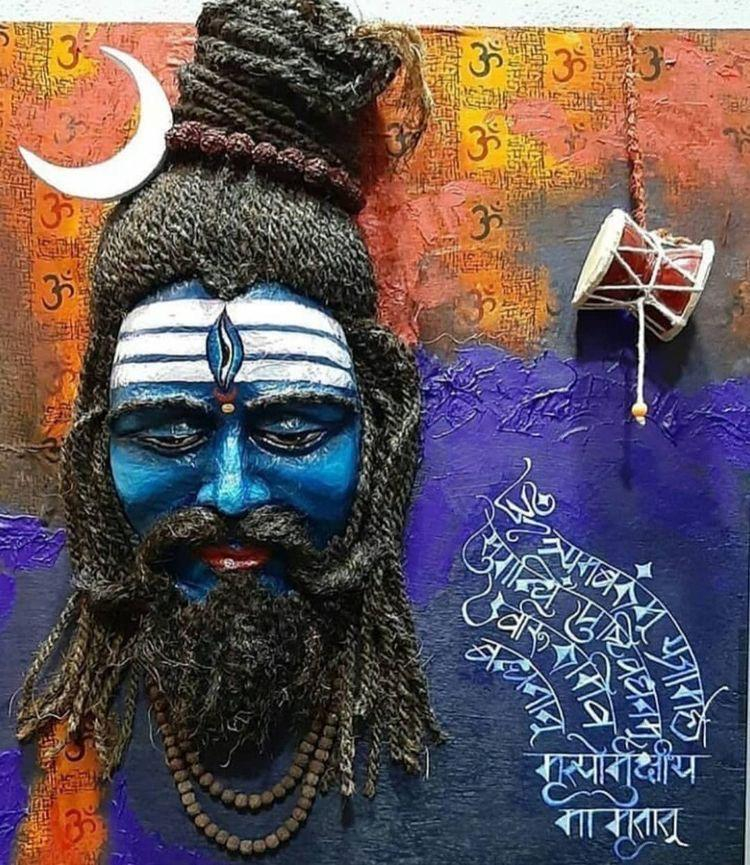
हरि ॐ तत्सत्
Radiant Immortal Atman,
Pranams 🙏🏻, Welcome to Devotional India | Here, You will find Everything on The Divine Heritage & Culture of Bharat. The Glory of Sanathan Dharma, Avatars, Mahatmas, Yogies, Festivals, Temples & Complete Collection of Vedas & Mantras | Panchang .
God is Love | Live in Love
Pranams 🙏🏻, Welcome to Devotional India | Here, You will find Everything on The Divine Heritage & Culture of Bharat. The Glory of Sanathan Dharma, Avatars, Mahatmas, Yogies, Festivals, Temples & Complete Collection of Vedas & Mantras | Panchang .
God is Love | Live in Love
- Shri Nandini Temple
- Shri Mahishasuramardin Temple
- Hadimba Devi Temple, Manali-Himachal-Pradesh
- Chaurashi temple, Bharmour-Himachal-Pradesh
- Chamunda Devi Temple, Padar-Himachal-Pradesh
- Brajeshwari Devi Temple, Kangra-Himachal-Pradesh
- kurma temple, Srikurmam
- Mahamaya Temple, Bilaspur
- Lokanarkavu Temple, Villiapally
- Pariyanampatta Bhagavathy Temple, Kattukulam
- Mangottu Kavu Temple, Athipotta
- Pahari Temple, Ranchi
- Kadampuzha Devi Temple, Kadampuzhamandir
- Panakkattodil Devi Temple, Chavara
- Vellayani Devi Temple, Vellayani
- Chaturshringi Temple, Pune
- Saptashrungi Devi Temple, Nashik
- Cuttack Chandi Temple, Cuttack
- Keesaragutta Temple, Keesara
- Bheemakali Temple,Tamluk
- Ananta Vasudeva Temple, Bansberia
- Kalighat Kali Temple, Howrah
- Kalyaneshwari Temple, Asansol
- Kankalitala Temple, Birbhum
- Nandikeshwari Temple, Sainthia
- Vijayawada Kanakadurga Temple, Vijayawada
- Goravanahalli Mahalakshmi Temple, Goravanahalli
- Mookambika Temple, Kollur
- Kankali Devi Temple, Tigawa
- Chausath Yogini Temple, Khajuraho
- Jhandewalan Temple, Delhi
- Kalkaji Temple, Delhi
- Mangla Gauri Temple
- Mundeshwari Devi Temple
- Chaturdasha Temple
- Kaila Devi Temple
- Shri Shantadurga Temple, Kavlem
- Shantadurga Kalangutkarin Temple, Nanora
- Shri Bhavani Temple
- Chandi Devi Temple
- Kunjapuri Temple
- Chandrabadani Temple
- Hariyali Devi Temple
- Shri Aparna Temple
- Shri Sugandha Temple
- Purnagiri Devi Temple
- Shri Gandaki Chandi Temple
- Mata Vaishno Devi Temple
- Shri Jai Durga Temple
- Shri Jayanti Devi
- Shri Mangal Chandika Temple
- Shri Phullara Devi Temple
- Shri Ambika Devi Temple
- Shri Ambaji Devi Temple
- Shri Jwala Devi Temple
- Ashtavinayaka – Maharashtra
- Chintaman Ganesh Temple, Bhopal
- Madhur Mahaganapati, Kerala
- Kanipakam Vinayaka Temple, Chittoor
- Uchi Pillayar Koil Temple, Tamil Nadu
- Rich Dagduseth Halwai Temple, Pune
- Sree Maha Ganapathy Temple, Thamarakulam
- Ballaleshwar Pali Ganpati Temple, Pali
- Chintamani Ganpati Temple, Theur
- Siddhivinayak Temple, Mumbai
- Redi Ganpati Temple, Redi
- Sarasbaug Ganapati Temple, Pune
- Vigneshwara Temple, Ozar
- Bade Ganeshji Ka Mandir, Ujjain
- Chintaman Ganesh Temple, Ujjain
- Khajrana Ganesha Temple, Indore
- Ranthambore Ganesh Temple
- Meenakshi Devi Temple
- Keezhperumpallam Temple – Ketu
- Thirunallar Shani Temple – Saturn (Shani)
- Kanjanur Temple – Venus (Shukra)
- Alangudi Temple – Jupiter (Guru/Brihaspati)
- Trimbakeshwar Shiva Temple, Nashik
- Paschimesvara Shiva Temple, Badu Sahi
- Patalesvara Shiva Temple, Bhubaneswar
- Shri Mallikarjuna Temple
- Shri Bhimashankar Temple
- Shri Trayambakeshwara Temple
- Shri Ghrishneshwara Temple
- Shri Omkareshwara Temple
- Shri Nageshwara Temple
- Shri Mahakaleshwar Temple
- Baidyanath Temple
- Kashi Vishwanath Temple
- Kedarnath Dham
- Somnath Temple
- Shri Rameshwaram Dham
- Anbu Vinayagar Temple, Christchurch, New Zealand
- Shri Sitthi Vinayagar Temple, Medan, Indonesia
- Sri Ganesha Temple Nashville, TN, United States
- Arulmigu Navasakti Vinayagar Temple, Victoria, Seychelles
- Suryavinayak Temple, Kathmandu, Nepal
- The Hindu Temple Society of North America
- Shree Ghanapathy Temple, Wimbledon
- Sri Senpaga Vinayagar Temple
- Sri Ganesha Hindu Temple Berlin
- The Khlong Khuean Ganesh International Park
- Keezhperumpallam Temple – Ketu
- Thirunageswaram Temple – Rahu
- Thirunallar Shani Temple – Saturn (Shani)
- Vaitheeswaran Koil – Mars (Mangal)
- Kanjanur Temple – Venus (Shukra)
- Alangudi Temple – Jupiter (Guru/Brihaspati)
- Thiruvenkadu Temple – Mercury (Budha)
- Vaitheeswaran Koil – Mars (Mangal)
- Thingalur Temple – Moon (Chandra)
- Suryanar Kovil, Kumbakonam – Sun (Surya)
- Dhari Devi Mandir
- Shri Nandini Temple
- Shri Sravani Temple
- Shri Mahishasuramardin Temple
- Shri Ramgiri Temple
- Shri Kalmadhav Temple
- Shri Ratnavali Temple
- Shri Mithila Temple
- Shri Panch Sagar Temple
- Shri Parvat Temple
- Shri Maha Lakshmi Temple
- Shri Bhavani Temple
- Shri Jeshoreshwari Temple
- Shri Aparna Temple
- Shri Sugandha Temple
- Shri Hinglaj Temple
- Shri Mahashira Temple
- Shri Gandaki Chandi Temple
- Amarnath Cave Temple
- Shri Nagapooshani Temple
- Shri Narmada Temple
- Shri Avanti Temple
- Shri Jai Durga Temple
- Shri Biraja Temple
- Shri Tripura Sundari Temple
- Shri Jayanti Devi
- Shri Khamakya Temple
- Shri Kapalini Temple
- Shri Mangal Chandika Temple
- Shri Nandikeshwari Temple
- Shri Bhramri temple
- Shri Kumari Shakti temple
- Shri Vimla Devi Temple
- Shri Devgarbha Devi Temple
- Shri Dakshina Kali Devi Temple
- Shri Mahishmardini Devi Temple
- Shri Bahula Devi Temple
- Shri Phullara Devi Temple
- Shri Narayani Devi Temple
- Shri Bhramaramba Devi Temple
- Shri Sarvashail Devi Temple
- Shri Dakshayani Temple
- Shri Magadha Temple
- Shri Ambika Devi Temple
- Shri Gayatri Devi Temple
- Shri Ambaji Devi Temple
- Shri Savitri Temple
- Shri Tripurmalini Devi Temple
- Shri Jwala Devi Temple
- Shri Lalitan Temple
- Shri Vishalakshi Temple
- Shri Katyayani Temple
- Dilwara temples
- Lepakshi Village
- Vishwanath Mandir, Rishikesh Swami Sivananda Ashram
- Saptrishi Mandir
- Kalady – Birthplace of Shankaracharya
- Sri Ranganathaswamy Temple
- Dhari Devi Mandir
- Belur Math
- Meenakshi Devi Temple
- The Sacred Parshuram Well
- Thirunageswaram Temple – Rahu
- Thirunallar Shani Temple – Saturn (Shani)
- Vaitheeswaran Koil – Mars (Mangal)
- Kanjanur Temple – Venus (Shukra)
- Alangudi Temple – Jupiter (Guru/Brihaspati)
- Thiruvenkadu Temple – Mercury (Budha)
- Vaitheeswaran Koil – Mars (Mangal)
- Thingalur Temple – Moon (Chandra)
- Suryanar Kovil, Kumbakonam – Sun (Surya)
- Brahma temple, Pushkar-Rajasthan
- Laxminaryan temple, Connaught Place
- Aryankuzhi Devi Temple, Aryankuzhi
- Kadampuzha Devi Temple, Kadampuzhamandir
- Trimbakeshwar Shiva Temple, Nashik
- Jagannath Temple, Puri
- Konark Sun Temple, Konark
- Taraknath Temple, Tarakeswar
- Dwarkadhish Temple, Dwarka
- Matangeshwar Temple, Khajuraho
- Kaal Bhairava Temple, Ujjain
- Vittala Temple Nimbapura
- Chhatarpur Temple, Delhi
- Kamakhya Temple
- Prem Mandir
- Ranakpur Temple
- Mansa Devi Temple
- Shri Gayatri Devi Temple
- Shri Trayambakeshwara Temple
- Kedarnath Dham
- Badrinath Dham
- Saptrishi Mandir
- Mandirs in Tripura
- Mandirs in Telangana
- Mandirs in Sikkim
- Mandirs in Punjab
- Mandirs in Odisha
- Mandirs in Manipur
- Mandirs in Maharashtra
- Mandirs in Madhya Pradesh
- Mandirs in Kerala
- Mandirs in Karnataka
- Mandirs in Jharkhand
- Mandirs in Haryana
- Mandirs in Gujrat
- Mandirs in Goa
- Mandirs in Delhi
- Mandirs in Chhattisgarh
- Mandirs in Bihar
- Mandirs in Assam
- Mandirs in Arunachal Pradesh
- Mandirs in Andhra Pradesh
- Mandirs in West Bengal
- Mandirs in meghalaya
- Mandirs in Uttarakhand
- Mandirs in Himachal Pradesh
- Mandirs In Rajisthan
- Mandir’s In Uttar Pradesh
- Mandir’s In Tamil Nadu
- Mandir’s in Jammu & Kashmir
- Prasanthi Nilayam Temple
- shri katyani peeth, Vrindavan
- Baladev Dauji Temple, Chhabirau-Uttar-Pradesh
- Manikaran Temple, Sosan-Himachal-Pradesh
- Hadimba Devi Temple, Manali-Himachal-Pradesh
- Chaurashi temple, Bharmour-Himachal-Pradesh
- Chamunda Devi Temple, Padar-Himachal-Pradesh
- Brajeshwari Devi Temple, Kangra-Himachal-Pradesh
- Bhimakali temple, Sarahan-Himachal-Pradesh
- Bajinath temple, Kangra-Himachal-Pradesh
- Dakshineshwar Temple-Kolkata-west-bengal
- Srisailam temple, Kurnool-andhra-pradesh
- lepakshi temple, Anantapur-andhra-pradesh
- kurma temple, Srikurmam
- Jagan Mohini Keshava Swami Temple, Ryali
- Shree krishna mandir, Shillong
- Mahamaya Temple, Bilaspur
- Maa Bamleshwari Devi Mandir, Dongargarh
- Hatkeshwar Mahadev Mandir, Raipur
- Bhoramdeo Mandir, Kawardha
- Tawang Monastery, Tawang
- Malinithan Mandir, Likabali
- Lokanarkavu Temple, Villiapally
- Pariyanampatta Bhagavathy Temple, Kattukulam
- Navamukunda Temple, Thirunavaya-Kerala
- Sree Maha Ganapathy Temple, Thamarakulam
- Mangottu Kavu Temple, Athipotta
- Janardhanaswamy Temple, Varkala
- kalady Temple, Vadakkumbhagom
- Pisharikavu Temple, Koyilandy
- Karimpuzha Sree Ramaswamy Temple, Karimpuzha
- Sri Krishna Temple, Kulapully
- Poovattoor Bhagavathy Temple-Poovattoor-kerala
- Mammiyoor Mahadeva Temple, Guruvayoor
- Oorpazhachi Kavu Temple, Edakkad
- Teli Ki Mandir, Gwalior
- Dab Prabatiya Temple, Tezpur
- Asvakranta Temple, Guwahati
- Laxminaryan temple, Connaught Place
- Pahari Temple, Ranchi
- Rajarani Temple, Bhubaneswar
- Mukteshwar temple, Bhubaneswar
- Bramheswara temple, Bhubaneswar
- Anantha Vasudeva Temple, Bhubaneswar
- Babulath temple, Mumbai
- Mangla devi temple, Thekkady
- Eravikulangara Bhagavathy Temple, Akaparambu
- Aryankuzhi Devi Temple, Aryankuzhi
- Blandevar Mahavishnu Temple, Blandevar
- Kadampuzha Devi Temple, Kadampuzhamandir
- Muthappan Temple, Parassinnikkadavu-kerala
- Panakkattodil Devi Temple, Chavara
- Vellayani Devi Temple, Vellayani
- Bhimashankar Temple, Raigad
- Grishneshwar Jyotirlinga, Daulatabad
- Trimbakeshwar Shiva Temple, Nashik
- Ballaleshwar Pali Ganpati Temple, Pali
- Chintamani Ganpati Temple, Theur
- Mahalaxmi Temple, Mumbai
- Siddhivinayak Temple, Mumbai
- Shirdi Sai Baba Temple, Shirdi
- Swami Akkalkot
- Chaturbhuj Temple, Orchha
- Chaturshringi Temple, Pune
- Ekvira Temple, Lonavala
- Redi Ganpati Temple, Redi
- Kailash Temple – Ellora, Aurangabad
- Kalaram Mandir, Nashik
- Kopineshwar Mandir, Thane
- Kukdeshwar Temple, Pune
- Kolhapur Mahalaxmi Temple, Kolhapur
- Mandhardevi Temple, Wai
- Mumbadevi Temple, Mumbai
- Nerul Balaji Temple, Nerul
- Pisharnath Mahadev Mandir, Matheran
- Rameshwar Mandir, Revdanda
- Saptashrungi Devi Temple, Nashik
- Sarasbaug Ganapati Temple, Pune
- Vitthal Temple, Pandharpur
- Vigneshwara Temple, Ozar
- Cuttack Chandi Temple, Cuttack
- Dhauli, Dhauli
- Hazara Mandapa, Bhubaneswar
- Nrusinghanath Temple, Durgapali
- Paschimesvara Shiva Temple, Badu Sahi
- Patalesvara Shiva Temple, Bhubaneswar
- Pushpagiri Mahavihara, Pushpagiri
- Jagannath Temple, Puri
- Lingaraj Temple, Bhubaneswar
- Konark Sun Temple, Konark
- Bhadrakali Temple Warangal, Telangana
- Gnana Saraswati Temple, Basara
- Alampur Jogulamba Temple, Alampur
- Karmanghat Hanuman Temple, Karmanghat
- Keesaragutta Temple, Keesara
- Komuravelli Mallanna Temple, Komuravelli
- Kondagattu Anjaneya Swamy temple, Kondagattu
- Ramappa Gudi, Palampet
- Sri Lakshmi Narasimha Swamy Temple, Nacharam Gutta
- Raja Rajeshwara Temple, Vemulawada
- Kadiri Lakshmi Narasimha Swamy Temple, Kadiri
- Ujjaini Mahankali Temple, Secunderabad
- Tirupati Balaji Temple, Tirupati
- Thousand Pillar Temple, Hanamkonda
- Bhadrachalam Temple, Bhadrachalam
- Puruhutika Devi Temple, Pithapuram
- Yadadri Lakshmi Narasimha Swamy Temple, Yadagirigutta
- Sri Raghavendra Swamy Matha, Mantralayam
- Sri Satyanarayana Swamy Vari Devasthanam, Annavaram
- Bakreswar Temple, Birbhum
- Sri Suryanarayana Swamy Temple, Arasavilli
- Tristrota Shakti Peeth, Jalpaiguri
- Sri Ardhagiri Veeranjaneya Swamy Temple, Paimagham
- Boyakonda Gangamma Temple, Diguvapalli
- Tarapith Temple, Birbhum
- Anandamayee Shakthi Peetha, Hooghly
- Bheemakali Temple,Tamluk
- Puruhutika Devi Temple, East Godavari
- Ananta Vasudeva Temple, Bansberia
- Ananta Vasudeva Temple, Bansberia
- Ramatheertham Temple, Vizianagaram
- Sri Bhimeswara Temple, Draksharama
- Sri Venkateswara Swamy Temple, Tirumala
- Hangseshwari Temple, Bansberia
- Panakala Lakshmi Narasimha Swamy Temple, Mangalagiri
- Kalighat Kali Temple, Howrah
- Parasurameswara Temple, Gudimallam
- Taraknath Temple, Tarakeswar
- Kalyaneshwari Temple, Asansol
- Kankalitala Temple, Birbhum
- Lakshmi Narayan Temple
- Sri Tiruchanoor Temple, Alivelu Mangapuram
- Madanmohan Ji Temple, Mellock
- Dwarkadhish Temple, Dwarka
- Nadia Temple, Mayapur
- Sun Temple, Modhera
- Nalateswari Temple, Nalhati
- Akshardham Temple, Gandhinagar
- Nandikeshwari Temple, Sainthia
- Murudeshwar Temple, Murudeshwar
- Vijayawada Kanakadurga Temple, Vijayawada
- Kukke Subramanya Temple, Sullia
- Goravanahalli Mahalakshmi Temple, Goravanahalli
- Mookambika Temple, Kollur
- Kalupur Swaminarayan Temple, Ahmedabad
- Hanuman Temple, Salangpur
- Dwadasha Jyotirlinga Temple, Shrinivasapura
- Chennakeshava Temple, Belur
- Kodandaramaswami Temple, Hiremagalaur
- Bade Ganeshji Ka Mandir, Ujjain
- Bijasan Temple, Bada Bangarda
- Ram Raja Temple, Orchha
- Kankali Devi Temple, Tigawa
- Pashupatinath Temple, Mandsaur
- Chausath Yogini Temple, Khajuraho
- Shyam Kaka Temple, Rajgarh
- Matangeshwar Temple, Khajuraho
- Chintaman Ganesh Temple, Ujjain
- Devi Jagadambi Temple, Khajuraho
- Harsidhhi Temple, Ujjain
- Kaal Bhairava Temple, Ujjain
- Khajrana Ganesha Temple, Indore
- Sharda Devi Temple, Satna
- Doul Govinda Temple, Guwahati
- Hayagriva Madhava Temple, Guwahati
- Lankeshwar Temple, Guwahati
- Mahabhairab Temple, Tezpur
- Navagraha Temple, Guwahati
- Rudreswar Temple, Guwahati
- Sukreswar Temple, Guwahati
- Sri Adi Janardana Temple, Shimanthoor
- Badami Cave Temple, badami
- Ugra Tara Temple, Guwahati
- Vittala Temple Nimbapura
- Umananda Temple, Guwahati
- Mithila Shakti Peeth, Mithila
- Dirgheswari Temple, Guwahati
- Ajgaivinath Temple, Sultanganj
- Chhatarpur Temple, Delhi
- Shri Mahaprabhuji’s Baithakji Hajipur
- Budhi Mai Mandir
- Chandika Sthan Mandir
- Hanuman Temple – Connaught Place
- Shitla Mata Mandir
- Jhandewalan Temple, Delhi
- Kalkaji Temple, Delhi
- Mahavir Mandir
- Deo Sun Temple
- Mangla Gauri Temple
- Pataleshwar Mandir
- Ramchaura Mandir
- Yogmaya Temple, Mehrauli
- Jagannath Temple, Hauz Khas
- Vishnudham Mandir
- Bhairon Mandir, Pragati Maidan
- Gauri Shankar Temple, Chandni Chowk
- Baidyanath Jayadurga , Deogarh
- Swaminarayan Mandir
- Jagannath Temple, Ranchi
- Radha Raman Temple
- Basukinath Dham, Deoghar
- Chaturdasha Temple
- Tripura Sundari temple
- Mata Mansa Devi Temple
- Kirateshwar Mahadev Temple, Legship
- Savithri Shakti Peeth
- Hanuman Tok – Gangtok
- Thakurbari Temple, Gangtok
- Mahamaya Kalika Devasthan, Kasarpal
- Mahadev Temple, Tambdi Surla
- Manguesh Temple, Mangeshi Village
- Shri Shantadurga Temple, Kavlem
- Shree Mahalasa Narayani Temple, Mardol
- Shantadurga Kalangutkarin Temple, Nanora
- Augharnath Temple
- Bankey Bihari Temple, Vrindavan
- Gorakhnath Temple
- Hanuman Garhi
- Kamakhya Temple
- Prem Mandir
- Sri Radha Raman Temple
- Radhavallabh Temple
- Ram Mandir Temple
- Sankat Mochan Temple
- Tripurmalini Temple
- Radha Damodar Temple
- Sri Ranganatha Temple
- Kalpeshwar Temple
- Rudranath Temple
- Tungnath Temple
- Baleshwar Temple
- Chandi Devi Temple
- Nanda Devi Temple
- Maya Devi Temple
- Kunjapuri Temple
- Garjiya Devi Temple
- Koteshwar Mahadev Temple
- Kartik Swami Temple
- Chandrabadani Temple
- Golu Devta Temple
- Hariyali Devi Temple
- Devi Talab Mandir
- Jageshwar Temple
- Julfa Mata Temple
- Triyuginarayan Temple
- Mahasu Devta Temple
- Kali Devi Mandir
- Mukteshwar Mahadev Temple
- Mansa Devi Temple
- Sri Ram Tirth Temple
- Naina Devi Temple
- Surkanda Temple
- Suraj Kund Temple Sunam
- Purnagiri Devi Temple
- Shree Moteshwar Mahadev Temple
- Chintpurni Shakti Peetha
- Badrinath Temple
- Gangotri Temple
- Yamunotri Temple
- Naina Devi Temple
- Shri Kathgarh Mahadev Temple
- Shri Nagni Mata Temple
- Shri Sravani Devi Shaktipeeth Temple
- Laxminarayan Temple, Delhi
- Shri Vishalakshi Temple
- Shri Mallikarjuna Temple
- Kashi Vishwanath Temple
- Kedarnath Dham
- Bakreswar Temple, Birbhum
- Tristrota Shakti Peeth, Jalpaiguri
- Tarapith Temple, Birbhum
- Anandamayee Shakthi Peetha, Hooghly
- Bheemakali Temple,Tamluk
- Ananta Vasudeva Temple, Bansberia
- Ananta Vasudeva Temple, Bansberia
- Hangseshwari Temple, Bansberia
- Kalighat Kali Temple, Howrah
- Taraknath Temple, Tarakeswar
- Kalyaneshwari Temple, Asansol
- Kankalitala Temple, Birbhum
- Madanmohan Ji Temple, Mellock
- Nadia Temple, Mayapur
- Nalateswari Temple, Nalhati
- Nandikeshwari Temple, Sainthia
- Shri Sravani Devi Shaktipeeth Temple
- Kanipakam Vinayaka Temple, Chittoor
- Prasanthi Nilayam Temple
- Dakshineshwar Temple-Kolkata-west-bengal
- Srisailam temple, Kurnool-andhra-pradesh
- lepakshi temple, Anantapur-andhra-pradesh
- kurma temple, Srikurmam
- Jagan Mohini Keshava Swami Temple, Ryali
- Kadiri Lakshmi Narasimha Swamy Temple, Kadiri
- Tirupati Balaji Temple, Tirupati
- Puruhutika Devi Temple, Pithapuram
- Sri Raghavendra Swamy Matha, Mantralayam
- Sri Satyanarayana Swamy Vari Devasthanam, Annavaram
- Sri Suryanarayana Swamy Temple, Arasavilli
- Sri Ardhagiri Veeranjaneya Swamy Temple, Paimagham
- Boyakonda Gangamma Temple, Diguvapalli
- Puruhutika Devi Temple, East Godavari
- Ramatheertham Temple, Vizianagaram
- Sri Bhimeswara Temple, Draksharama
- Sri Venkateswara Swamy Temple, Tirumala
- Panakala Lakshmi Narasimha Swamy Temple, Mangalagiri
- Parasurameswara Temple, Gudimallam
- Sri Tiruchanoor Temple, Alivelu Mangapuram
- Vijayawada Kanakadurga Temple, Vijayawada
- Shri Mallikarjuna Temple
- Surya Pahar Temple
- Dab Prabatiya Temple, Tezpur
- Asvakranta Temple, Guwahati
- Doul Govinda Temple, Guwahati
- Hayagriva Madhava Temple, Guwahati
- Lankeshwar Temple, Guwahati
- Mahabhairab Temple, Tezpur
- Navagraha Temple, Guwahati
- Rudreswar Temple, Guwahati
- Sukreswar Temple, Guwahati
- Ugra Tara Temple, Guwahati
- Umananda Temple, Guwahati
- Dirgheswari Temple, Guwahati
- Manikaran Temple, Sosan-Himachal-Pradesh
- Hadimba Devi Temple, Manali-Himachal-Pradesh
- Chaurashi temple, Bharmour-Himachal-Pradesh
- Chamunda Devi Temple, Padar-Himachal-Pradesh
- Brajeshwari Devi Temple, Kangra-Himachal-Pradesh
- Bhimakali temple, Sarahan-Himachal-Pradesh
- Bajinath temple, Kangra-Himachal-Pradesh
- Chintpurni Shakti Peetha
- Naina Devi Temple
- Shri Kathgarh Mahadev Temple
- Shri Nagni Mata Temple
- Murudeshwar Temple, Murudeshwar
- Kukke Subramanya Temple, Sullia
- Goravanahalli Mahalakshmi Temple, Goravanahalli
- Mookambika Temple, Kollur
- Dwadasha Jyotirlinga Temple, Shrinivasapura
- Chennakeshava Temple, Belur
- Kodandaramaswami Temple, Hiremagalaur
- Sri Adi Janardana Temple, Shimanthoor
- Badami Cave Temple, badami
- Vittala Temple Nimbapura
- Madhur Mahaganapati, Kerala
- Lokanarkavu Temple, Villiapally
- Pariyanampatta Bhagavathy Temple, Kattukulam
- Navamukunda Temple, Thirunavaya-Kerala
- Sree Maha Ganapathy Temple, Thamarakulam
- Mangottu Kavu Temple, Athipotta
- Janardhanaswamy Temple, Varkala
- kalady Temple, Vadakkumbhagom
- Pisharikavu Temple, Koyilandy
- Karimpuzha Sree Ramaswamy Temple, Karimpuzha
- Sri Krishna Temple, Kulapully
- Poovattoor Bhagavathy Temple-Poovattoor-kerala
- Mammiyoor Mahadeva Temple, Guruvayoor
- Oorpazhachi Kavu Temple, Edakkad
- Mangla devi temple, Thekkady
- Eravikulangara Bhagavathy Temple, Akaparambu
- Aryankuzhi Devi Temple, Aryankuzhi
- Blandevar Mahavishnu Temple, Blandevar
- Kadampuzha Devi Temple, Kadampuzhamandir
- Muthappan Temple, Parassinnikkadavu-kerala
- Panakkattodil Devi Temple, Chavara
- Vellayani Devi Temple, Vellayani
- Chintaman Ganesh Temple, Bhopal
- Teli Ki Mandir, Gwalior
- Lakshmi Narayan Temple
- Bade Ganeshji Ka Mandir, Ujjain
- Bijasan Temple, Bada Bangarda
- Ram Raja Temple, Orchha
- Kankali Devi Temple, Tigawa
- Pashupatinath Temple, Mandsaur
- Chausath Yogini Temple, Khajuraho
- Shyam Kaka Temple, Rajgarh
- Matangeshwar Temple, Khajuraho
- Chintaman Ganesh Temple, Ujjain
- Devi Jagadambi Temple, Khajuraho
- Harsidhhi Temple, Ujjain
- Kaal Bhairava Temple, Ujjain
- Khajrana Ganesha Temple, Indore
- Sharda Devi Temple, Satna
- Ashtavinayaka – Maharashtra
- Babulath temple, Mumbai
- Bhimashankar Temple, Raigad
- Grishneshwar Jyotirlinga, Daulatabad
- Trimbakeshwar Shiva Temple, Nashik
- Ballaleshwar Pali Ganpati Temple, Pali
- Chintamani Ganpati Temple, Theur
- Mahalaxmi Temple, Mumbai
- Siddhivinayak Temple, Mumbai
- Shirdi Sai Baba Temple, Shirdi
- Swami Akkalkot
- Chaturbhuj Temple, Orchha
- Chaturshringi Temple, Pune
- Ekvira Temple, Lonavala
- Redi Ganpati Temple, Redi
- Kailash Temple – Ellora, Aurangabad
- Kalaram Mandir, Nashik
- Kopineshwar Mandir, Thane
- Kukdeshwar Temple, Pune
- Kolhapur Mahalaxmi Temple, Kolhapur
- Mandhardevi Temple, Wai
- Mumbadevi Temple, Mumbai
- Nerul Balaji Temple, Nerul
- Pisharnath Mahadev Mandir, Matheran
- Rameshwar Mandir, Revdanda
- Saptashrungi Devi Temple, Nashik
- Sarasbaug Ganapati Temple, Pune
- Vitthal Temple, Pandharpur
- Vigneshwara Temple, Ozar
- Rajarani Temple, Bhubaneswar
- Mukteshwar temple, Bhubaneswar
- Bramheswara temple, Bhubaneswar
- Anantha Vasudeva Temple, Bhubaneswar
- Cuttack Chandi Temple, Cuttack
- Dhauli, Dhauli
- Hazara Mandapa, Bhubaneswar
- Nrusinghanath Temple, Durgapali
- Paschimesvara Shiva Temple, Badu Sahi
- Patalesvara Shiva Temple, Bhubaneswar
- Pushpagiri Mahavihara, Pushpagiri
- Jagannath Temple, Puri
- Lingaraj Temple, Bhubaneswar
- Konark Sun Temple, Konark
- Surya Narayan Temple
- Govind Devji Temple, Jaipur-Rajasthan
- Galta Temple, jaipur-Rajasthan
- Brahma temple, Pushkar-Rajasthan
- Bhuteshwar Temple
- Ichha Puran Balaji Temple
- Jeenmata Temple
- Kaila Devi Temple
- Madan Mohan Temple
- Mahavirji Temple
- Mehandipur Balaji Temple
- Ranthambore Ganesh Temple
- Salasar Balaji Temple
- Sanwaliaji Temple
- Charbhuja Temple
- Shrinathji Temple
- Ranakpur Temple
- Kalady – Birthplace of Shankaracharya
- Sri Ranganathaswamy Temple
- Meenakshi Devi Temple
- Keezhperumpallam Temple – Ketu
- Thirunageswaram Temple – Rahu
- Thirunallar Shani Temple – Saturn (Shani)
- Vaitheeswaran Koil – Mars (Mangal)
- Kanjanur Temple – Venus (Shukra)
- Alangudi Temple – Jupiter (Guru/Brihaspati)
- Thiruvenkadu Temple – Mercury (Budha)
- Vaitheeswaran Koil – Mars (Mangal)
- Thingalur Temple – Moon (Chandra)
- Suryanar Kovil, Kumbakonam – Sun (Surya)
- Bhadrakali Temple Warangal, Telangana
- Gnana Saraswati Temple, Basara
- Alampur Jogulamba Temple, Alampur
- Karmanghat Hanuman Temple, Karmanghat
- Keesaragutta Temple, Keesara
- Komuravelli Mallanna Temple, Komuravelli
- Kondagattu Anjaneya Swamy temple, Kondagattu
- Ramappa Gudi, Palampet
- Sri Lakshmi Narasimha Swamy Temple, Nacharam Gutta
- Raja Rajeshwara Temple, Vemulawada
- Ujjaini Mahankali Temple, Secunderabad
- Thousand Pillar Temple, Hanamkonda
- Bhadrachalam Temple, Bhadrachalam
- Yadadri Lakshmi Narasimha Swamy Temple, Yadagirigutta
- shri katyani peeth, Vrindavan
- Baladev Dauji Temple, Chhabirau-Uttar-Pradesh
- Augharnath Temple
- Bankey Bihari Temple, Vrindavan
- Gorakhnath Temple
- Hanuman Garhi
- Kamakhya Temple
- Prem Mandir
- Sri Radha Raman Temple
- Radhavallabh Temple
- Ram Mandir Temple
- Sankat Mochan Temple
- Radha Damodar Temple
- Sri Ranganatha Temple
- Shri Vishalakshi Temple
- Kashi Vishwanath Temple
- Saptrishi Mandir
- Dhari Devi Mandir
- Katarmal Sun Temple
- Kalpeshwar Temple
- Rudranath Temple
- Tungnath Temple
- Baleshwar Temple
- Chandi Devi Temple
- Nanda Devi Temple
- Maya Devi Temple
- Kunjapuri Temple
- Garjiya Devi Temple
- Koteshwar Mahadev Temple
- Kartik Swami Temple
- Chandrabadani Temple
- Golu Devta Temple
- Hariyali Devi Temple
- Jageshwar Temple
- Triyuginarayan Temple
- Mahasu Devta Temple
- Mansa Devi Temple
- Naina Devi Temple
- Surkanda Temple
- Purnagiri Devi Temple
- Shree Moteshwar Mahadev Temple
- Badrinath Temple
- Gangotri Temple
- Yamunotri Temple
- Kedarnath Dham
- Golu Baba – God of Justice
- Story Of Tunaganath Temple
- Story Of Nar Narayan Mandir
- Story Of Gangotri Mandir
- Badrinarayan Story
- Story Of Shri Khatu shyam Ji Temple
- Omkareshwar StoryOmkareshwar StoryOmkareshwar Story
- Prashanti Nilayam Glory
- Amarnath Cave Story
- Story of Lepakshi
- Story of Arunachala
- Story Of Haridwar
- Swaminarayan Temple in Kampala, Uganda
- Swaminarayan Temple in Karachi, Pakistan
- Swaminarayan Temple in Dar Es Salaam, Tanzania
- Swaminarayan Mandir in Melbourne
- East African Satsang Swaminarayan Temple in Nairobi
- Swaminarayan Temple in Mombasa
- Swaminarayan Mandir Complex in Bartlett, Chicago
- BAPS Shri Swaminarayan Mandir, London
- BAPS Swaminarayan Akshardham in United States
- Balarama Avatar
- Kalki Avatar
- Krishna Avatar
- Rama Avatar
- Vyasa Avatar
- Hayagreeva Avatar
- Mohini Avatar
- Dhanvantari Avatar
- Prithu Avatar
- Rishabha Avatar
- Yajna Avatar
- Dattatraya Avatar
- Kapila Avatar
- Nara Narayana Avatar
- Adi Purush Avatar
- Matsya Avatar
- The 4 Kumars
- Sri Narada Muni
- Parashurama Avatar
- Vamana Avatar
- Narasimha Avatar
- Varaha Avatar
- Kurma Avatar
- Avadhut Avatar of Lord Shiva
- Yaksheshwar Avatar of Lord Shiva
- Brahmachari Avatar of Lord Shiva
- Suntantarka Avatar of Lord Shiva
- Kirateshwar Avatar of Lord Shiva
- Sureshwar Avatar of Lord Shiva
- Bhikshuvarya Avatar of Lord Shiva
- Krishna Darshan Avatar of Lord Shiva
- Yatinath Avatar of Lord Shiva
- Vrishabha Avatar of Lord Shiva
- Lord Hanuman Avatar of Lord Shiva
- Grihapati Avatar of Lord Shiva
- Durvasa Avatar of Lord Shiva
- Bhairava Avatar of Lord Shiva
- Ashwatthama Avatar of Lord Shiva
- Sharabha Avatar of Lord Shiva
- Veerabhadra Avatar of Lord Shiva
- Nandi Avatar of Lord Shiva
- Piplaad Avatar of Lord Shiva
- Hanuman Avatar | Lord Shiva’s Avatar
- Shri Bhavanyashtakam
- Saraswati Ashtakam
- Mahalakshmi Ashtakam
- Kalabhairava Ashtakam
- Parashurama Ashtakam
- Narasimha Ashtakam
- Shri Suryamandala Ashtakam
- Surya Ashtakam
- Hanuman Ashtak
- Shri Ramapremashtakam
- Ramachandrashtakam
- Shri Lakshminarayana Ashtakam
- Shri Rama Ashtakam
- Shri Vishnu Namashtakam
- Shri Hari Sharanashtakam
- Shri Narayanashtakam
- Shri Kamalapati Ashtakam
- Shri Dinabandhu Ashtakam
- Shri Pashupati Ashtakam
- Shiva Ramashtakam
- Ganesha Ashtakam
- Shri Linga Ashtakam
- Shri Vishvanath Ashtakam
- Shri Achyutashtakam
- Shri Nandakumara Ashtakam
- Shri Gaurishashtakam
- Shri Govindashtakam
- Shri Rudra Ashtakam
- Madhurashtakam
- Krishnashtakam
- Shiva Ashtakam
- Adi Shankara Krit Shivashtakam
- Ashtottara Shatanamavali of Goddess Lalita
- Ashtottara Shatanamavali of Goddess Radha
- Ashtottara Shatanamavali of Devi Sita
- Ashtottara Shatanamavali of Goddess Ganga
- Ashtottara Shatanamavali of Goddess Tulasi
- Ashtottara Shatanamavali of Goddess Saraswati
- Ashtottara Shatanamavali of Goddess Durga
- Ashtottara Shatanamavali of Lord Venkatesha
- Ashtottara Shatanamavali of Kalki
- Ashtottara Shatanamavali of Lord Parashurama
- Ashtottara Shatanamavali of Matsya
- Ashtottara Shatanamavali of Lord Brahma
- Ashtottara Shatanamavali of Shri Satyanarayan
- Ashtottara Shatanamavali of Lord Kartikeya
- Ashtottara Shatanamavali of Lord Hayagriva
- Ashtottara Shatanamavali of Batuka Bhairava
- Ashtottara Shatanamavali of Lord Narasimha
- Ashtottara Shatanamavali of Lord Ayyappan
- Ashtottara Shatanamavali of Lord Kuber
- Ashtottara Shatanamavali of Lord Shiva
- Shatanamavali of Lord Vishnu in Vishnu Purana
- Lord Vishnu in Bhumikhanda Padma Purana
- Lord Vishnu in Padma Purana
- Ashtottara Shatanamavali of Siddhivinayaka
- Lord Ganesha described in Ganesha Purana
- Ganesh Ji Ashtottarashatanamavali
- Dattatreya Ashtottarashatanamavali
- laxmi ji Ashtottarashatanamavali
- Hanuman Ashtottarashatanamavali
- Sathya Sai Baba Ashtottarashatanamavali
- Shri Vishnu ( Narayan ) Ashtottarashatanamavali
- Shri Ram Ji Ashtottarashatanamavali
- Shri Krishna ji Ashtottara shatnamavali
- Sharda Ji Ki Aarti
- Shakambhari Ji Ki Aarti
- Narmada Ji Ki Aarti
- Bagalamukhi Ji Ki Aarti
- Annapurna Ji Ki Aarti
- Radha Mata Ki Aarti
- Mahakali Mata Ki Aarti
- Vindhyeshwari Mata Ki Aarti
- Gau Mata Ki Aarti
- Shitala Mata Ki Aarti
- Shri Gayatri Ji Ki Aarti
- Tulasi Mata Aarti
- Lalita Mata Ki Aarti
- Parvati Mata Ki Aarti
- Ahoi Mata Ki Aarti
- Durga Mata Ki Aarti
- Shri Bhagiratha Nandini
- Gangaji Ki Aarti
- Vaishnodevi Ji Ki Aarti
- Maa Saraswati Aarti
- Santoshi Mata Ki Aarti
- Lakshmi Mata Aarti
- Ambe Ji Ki Aarti
- Shri Giriraj Aarti
- Shri Parashurama Aarti
- Shri Batuka Bhairava Aarti
- Shri Batuka Bhairava Aarti
- Shri Bhairava Aarti
- Shri Brahma Aarti
- Shri Vishwakarma Aarti
- Lord Dhanvantari Aarti
- Shri Kubera Aarti
- Lord Chitragupta Aarti
- Shri Govardhan Aarti
- Narsingh Bhagwan Ki Aarti
- Shri Shanidev Ki Aarti
- Shri Surya Deva Aarti
- Aarti Shri Ramayanji Ki
- Purushottam Dev Ki Aarti
- Shree Satyanarayana Ki Aarti
- Lord Badarinatha Aarti
- Shri Lakshminarayana Aarti
- Shree Jagdish Ji Ki Aarti
- Lord Kailasavasi Aarti
- Lord Gangadhara Aarti
- Lord Shankara Aarti
- Aarti Shri Shiva Shankarji Ki
- Shree Shiva Ji Ki Aarti
- Shri Rama Raghupati Aarti
- Shri Janakinatha Aarti
- Shri Sitarama Aarti
- Shri Rama Raghuvira Aarti
- Shri Raghuvar Aarti
- Shri Ramachandra Aarti
- Shri Yashodalala Aarti
- Lord Giridhari Aarti
- Shri Krishna Kanhaiya Aarti
- Lord Natavara Aarti
- Shri Gopala Ki Aarti
- Shri Banke Bihari Ki Aarti
- Kunj Bihariji Ki Aarti
- Shri Pavanasuta Hanuman Aarti
- Shri Balaji Aarti
- Shri Hanumanji Aarti
- Ganapati Ki Seva Aarti
- Aarti Gajavadan Vinayak Ki
- Aarti of Lord Ganesha
- Parshuram Aarti
- Narmada Aarti
- Saraswati Aarti
- Yamuna Nadi Aarti
- Ganga Aarti
- Tulsi Aarti
- Shirdi Sai Baba Aarti
- Dattatreya Aarti
- Shree Ram ji Aarti
- Radha Rani Aarti
- Bhagwan Shri Krishna Aarti
- Khatu Shyam Aarti
- Laxmi Mata Aarti
- Saraswati Mata Aarti
- Bhagwan Narasimha Aarti
- Shri Sathya Sai Baba Aarti
- Hanuman Ji Aarti
- Durga Maa Aarti
- Shiv Bhagwan Aarti
- Ganesh Bhagwan Aarti
- Bhagwan Narayan Aarti
- Suryadev Chalisa
- Khatu Shyam Chalisa
- Shri Shakambhari Chalisa
- Shri Sharda Chalisa
- Shri Narmada Chalisa
- Shri Annapurna Chalisa
- Shri Bagalamukhi Chalisa
- Shri Parvati Chalisa
- Shri Santoshi Mata Chalisa
- Shri Vaishno Devi Chalisa
- Shri Radha Chalisa
- Kali Mata Chalisa
- Vindhyeshwari Mata Chalisa
- Shri Shitala Chalisa
- Shri Tulasi Chalisa
- Lalita Mata Chalisa
- Shri Saraswati Chalisa
- Ganga Mata Chalisa
- Shri Mahalakshmi Chalisa
- Shri Lakshmi Chalisa
- Gayatri Mata Chalisa
- Durga Mata Chalisa
- Shri Narasimha Chalisa
- Shri Kubera Chalisa
- Shri Ramdev Chalisa
- Shri Giriraj Chalisa
- Shri Balaji Chalisa
- Shri Parashurama Chalisa
- Shri Vishwakarma Chalisa
- Shri Navagraha Chalisa
- Shri Bhairava Chalisa
- Shri Batuka Bhairava Chalisa
- Shri Brahma Chalisa
- Shri Vishnu Chalisa
- Surya Deva Chalisa
- Shree Rama Chalisa
- Shri Gopala Chalisa
- Shree Krishna Chalisa
- Shree Shani Chalisa
- Shree Shiva Chalisa
- Shri Bajrang Baan
- सरस्वती चालीसा (Saraswati Chalisa)
- Ganesha Chalisa
- Durga Chalisa
- Hanuman Chalisa
- Shani Mantras
- Hanuman Mantras
- Laxmi mantras
- All Shiva Mantras
- Sai baba gayatri
- Shanti Mantra
- Sarva Mangle Mangle mantra
- Twaneva mata Mantra
- Asoto maa Sat Gamaya mantra
- Ganesh mantra
- Lingastham mantra
- Om namo bhagate vasudeva mantras
- Hare ram maha mantra
- Surya Mantras — The Radiance of the Sun God
- Maha Mrityunjaya Mantra — The Great Death-Conquering Mantra
- Om – The King of Mantras
- Vakratunda
- Shuklambaradharam
- Sankata Nashana Ganesha Stotram
- Mooshika Vahana
- Ganesha Stavah
- Ganesha Pancharathnam
- Ganesha Gayatri Mantra
- Ganesh Chathurthi – Significance
- Ganapati Stotram
- Ganapathi Atharvashirsha
- Gajananam Bhuta
- Agajanana Padmakam
- Gananamtva Ganapatim
- Gajananam Bhuta
- Agajanana Padmakam
- Yatra Yatra Raghunatha
- Udadhih Kramanahscaiva
- Ramam Skandham
- Panchamukha Hanumath Kavacham
- Manojavam
- Hanuman Pancharatnam
- Hanuman Mangalashtakam
- Hanuman Chalisa
- Atulita Bala Dhamam
- Anjani Garbha Sambhuta
- Anjaneya Mati Patalananam
- Anjaneya Dvadasha Nama Stotram
- Anjana Nandanam Viram
- Buddirbalam Yasodhairya
- Vasudevasutam Devam
- Tvameva Mata
- Pandurang Ashtakam
- Narayana Kavacham
- Nandakumar Ashtakam
- Namo Brahmanya Devaya
- Madhurashtakam
- Krishnaya Vasudevaya Haraye
- Krishnaya Vasudevaya Devaki
- Krishnashtakam
- Kasturi Tilakam Lalaata
- Jagannath Ashtakam
- Hare Murare Madhu Kaita
- Bala Mukundashtakam
- Adau Devaki Devi
- Achyutashtakam
- Tulsi Mantra And Strotras
- Strotras Of Devi Yamuna
- Devi Ganga Mantra And Strotras
- Shiva Mantra
- Vishnu Mantra
- Mṛtyunjaya Manasa Puja
- Vishnu ji Sholak
- Gayatri Mantra
- Panchmukhi Hanuman Kavach
- Ramcharitmanas Sundarkand
- Shantakaram Bhujagasayanam
- Om Poornamada Mantra
- Shri Ram jai ram jai jai ram
- Shri Krishna Govind Bhajan
- Narayan Kavach
- Purusha Suktam – Sahasra-Shirsaa Purusah Sahasra
- Narayan Suktam
- Hanuman Mantra
- Veda Vedam Ta Vedyaya
- Vaidehisahitam Sudumatale
- Rama Rama Rameti
- Sri Rama Raksha Stotram
- Sri Rama Apaduddharaka Stotram
- Ramo Rajamani
- Ramaya Ramabhadraya
- Ramadevam Raghukulapatim
- Ramachandra Shrita Parijatha
- Namostu Ramaya Sa
- Nama Ramayanam
- Mata Ramo
- Mangalam Kosalendraya
- Lokabhi Ramam
- Janaki Stuti
- Apadamapa Hataram
- Adau Rama Tapovanadi
- Sahasranamavali of Goddess Ganga
- Sahasranamavali of Goddess Yamuna
- Sahasranamavali of Goddess Durga
- Sahasranamavali of Goddess Tulasi
- Sahasranamavali of Goddess Janaki
- Sahasranamavali of Goddess Radha
- Sahasranamavali of Goddess Saraswati
- Sahasranamavali of Lord Shani Dev
- Sahasranamavali of Nag Devta
- Sahasranamavali of Lord Kartikeya
- Sahasranamavali of Lord Kalabhairava
- Sahasra Namavali of Goddess Kali
- Sahasranamavali of Lord Narasimha
- Sahasranamavali of Lord Balarama
- Dattatreya Sahasranamavali
- Ganesh ji Sahasranamavali
- Hanuman Sahasranamavali
- Sri Sathya Sai Baba Sahasranamamavali
- laxmi ji Sahasranamavali
- Shiv ji Sahasranamavali
- Shri Vishnu ( Narayan ) Sahasrnamavali
- Shri Ram Ji Sahasranama
- Shri Krishna ji Sahasranamavali
- Shakambhari Mantra And Strotras
- Meenakshi Mantra And Strotras
- Ganesh Mantra And Sholaks
- Kamakshi Mantra
- Durga Mantra , Shaloks and Strotras
- Bhoomi Mantra And Strotras
- Annapoorna mantra
- Kali Mantras slokas & Stotras
- Hanuman ji Slokas
- Gurudev Shalok & Mantras
- Lakshmi ji Mantra
- Devi Saraswati Mantra with meaning
- Navgrah Stotra
- Surya Ashtottara Shatnaamavali Stotram
- Guru Stotram
- Ram Stuti Mantra
- Brahman Na Hi Acyutam Prinayato – Sanskrit Text with English Translation
- Pratah Smarami – Sanskrit Text with English Translation
- Nirvana Shatkam – Sanskrit Text with English Translation
- Ambhasyapare Bhuvanasya Madhye – Sanskrit Text with English Translation
- Tulasi Stotram
- Kamakshi Stotram
- Kartikeya Pragya Vivardhana Stotram
- Lalitha Panchakam
- Sri Suktam
- Kanakadhara Stotram
- Bhoomi Suktam
- Guru Stotram
- Gangā stotram
- Tantrokta Ratri Suktam
- Keelaka Stotram
- Durga Suktam
- Devi Aparadha Kshamapana Stotram
- Ayigiri Nandini
- Ayigiri Nandini
- Argala Stotram
- Dakshinamurthy Stotram
- Annapurna Stotram
- Sankata Nashana Ganesha Stotram
- Ganapati Stotram
- Agni Suktam
- Kshetrapati Suktam
- Apah Suktam
- Agni Suktam
- Sri Suktam
- Bhoomi Suktam
- Tantrokta Ratri Suktam
- Durga Suktam
- Devi Suktam
- Pavamāna Süktam with meaning
- Ayuşya Sūktam with meaning
- Nasadiya Suktam with meaning
- Ganapati Suktam with meaning
- Mṛttikā Sūktam with meaning
- Navagraha Suktam with meaning
- Hiranyagarbhah Süktam with meaning
- Rsabha Süktam with meaning
- Rātrī Süktam with meaning
- Bhagya Süktam with meaning
- Nīļā Sūktam with meaning
- Devi Suktam with meaning
- Bhu Suktam with meaning
- Sri Suktam with meaning
- Bhaja govindam
- Purusha Suktam – Sahasra-Shirsaa Purusah Sahasra
- Narayan Suktam
- Significance of Vishwakarma Puja
- Onam Puja Vidhi
- Pongal Puja Vidhi
- Nag Panchami Puja Vidhi
- Akshaya Tritiya Pooja Vidhi
- Chhath Puja Vidhi
- Goverdhan Puja Vidhi
- Dhanteras Puja Vidhi
- Vijayadashami Puja Vidhi
- Navratri Pooja Vidhi
- Pitru Paksha Vidhi
- Dwadshis Puja Vidhi
- Ekadashi Puja Vidhi
- Amavasya Puja Vidhi
- Lakshmi Puja Vidhi
- Deepavali Puja Vidhi
- Karwa Chauth Puja Vidhi
- Shri Satyanarayana Puja Vidhi
- SANT GAJANAN MAHARAJ
- SANT SESHATHRI SWAMIAL
- SANT LOKENATH BRAHMACHAR
- SANT RAMALINGA SWAMIGAL
- SANT PAMBAN SWAMIGAL
- SANT KIRUPANANDA VARIYAR
- SANT YOGI RAM SURAT KUMAR
- Rishi Bharadwaja
- Rishi kashyapa
- Sant Raja Janak
- Rishi Gautama
- Sant H.W.L Papa-ji
- Rishi Vashistha
- Sant Ramdas Kathiababa
- Sant Yajnavalkya
- Sant Jalaram Bapa
- Sant Nimbarka
- Parashara Rishi
- Sant Markandeya Rishi
- Shivapuri Baba
- Valmiki
- Sant Durvasa Rishi
- Sitaramdas Omkarnath
- Shaunaka Maha Muni
- Sant Rishi Shukracharya
- Sant Kalidasa
- The 4 Kumars
- Swami Patanjali Rishi
- satyadhyana teertharu
- Satchidananda Saraswati
- Ramalinga Swamigal
- Sant Lomasha Rishi
- Sant Thiruvalluvar
- Purandara Dasa
- Sant Gyaneshwar
- Bhagat Dhanna
- Hazrat BulleShah
- Sant Ravidas
- Swami Ramananda
- Swami Ramanuja
- Swami Yamunacharya
- Gajanan Maharaj
- Sripada Sri Vallabha
- Vasudevanand Saraswati
- Nisargadatta Maharaj
- Shri Dayanand Saraswati
- Panth Maharaj
- Premanand Maharaj
- Shri Narayan Guru
- Kripalu ji Maharaj
- The Alvars Saints
- Swami Adveshanand Giri
- Shri Jayadeva
- Anandamayi Maa
- Swami Samartha Ramdas
- Saint Avvaiyer ji
- Sant Maitri Rishi
- Guru Goraknath
- Maharishi Mahesh Yogi
- Sri Narada Muni
- Sant Devraha Baba ji
- Swami Ramanand
- Sant Eknath
- Swami Vivekananda
- sant Tyagraj Ji
- Swami Tulsidas ji
- Sant Kabir
- Swami Bhramananda Saraswati
- Sant Tukaram ji
- Shri Neem Karoli Baba
- Shri Vallabhacharya
- Madhavacharya
- Guru Nanak Dev Ji
- Shri Aurobindo
- Shri Mahavatar Babaji
- Shri Lahiri Mahasaya
- Shri Yukteshwar Giri
- Shri Kali Kamli Wale
- Paramhansa Yogananda
- Chaitanya Mahaprabhu
- Sri Trailanga Swami ji
- Paramahamsa Omkarananda Saraswati
- Saint Namdev
- Surdas
- Sage Ashtavakra
- Sri Ramana Maharshi
- Sri Ramakrishna
- Bhagwan Swaminarayan
- swami purushottamananda
- Swami Venkatesananda
- Shree Ramsukhdasji Maharaj
- Swami Rama Tirtha
- Sri Adi Shankaracharya
- Sri Swami Chinmayananda
- Swami Chidananda Saraswati
- Swami Samarth
- Swami Sivananda
- Pearls from the Ramayana
- Pathri, Parthi and Gunaparthi
- Passage to India
- Modes of Worship by Swami and insights
- Sathya Sai Baba Mission
- Loving Hand Turns Burning Sand To Water
- “Love Walking On Two Feet”
- Living with God, living for God, living in God
- Letter to Swami
- Jaga’s seva of Love in Poland
- God’s Own Children
- God is Love, Live in Love
- God, Deities and you
- God and the Ice Cream
- Fitting memento from a great man
- Faith – All the Spiritual Strength That One Needs!
- Dr. Harvey and Dr. GoldsteinRegion 5 Visit
- Divine Words – Excerpts from Divine Interviews
- Divine Advice
- Diet by Sanatana Sai Sanjeevinis
- Exquisite Flowers at the Lotus Feet
- Experience Swami’s Teaching at the Summer lectures on June, 2004
- Expect Miracles
- Excerpts from Swami’s interview given to Dr. Venkat Kanubaddi
- Elevating our Intentions and Actions… The Sai Way
- Educare and Education
- Easwaramma Day
- Dreams of Lord Sai Baba
- Death of the ego
- Conversation with Shirdi Sai Baba
- Christmas at Prasanthi Nilayam – December 2003
- Connie Shaw’s recent trip to see Baba
- Compassion Come in Human Form
- Chalanda Sai Ma and Bhagavan Sri Sathya Sai Baba
- ‘Brain sand.’ Atmic reality by Swami, Vedas
- Behind the Gloriuos 80th Birthday
- Be a Good Christian, a True Christian, a Better Christian
- Baba is a Perfect Jnani
- Baba’s Self-Realized Devotees
- Aura of Divinity
- A Tribute to Colonel Joga Rao
- A teaching from Sri Sathya Sai Baba
- Are you really suffering?
- A play-for the Lord of the Universe
- Anil Kumar Talk
- Professor Anil Kumar’s Sunday Satsangat Prasanthi Nilayam
- An interview with Anil Kumar
- An interview with Al Drucker
- An Amazing Personal Transformation… From Me to ‘Myself’
- All That Remains is My Sai – Aham Brahmasmi!
- A letter from Howard Murphet
- Akhanda Bhajan
- A Perfect Disciple – The story of Dr. John S. Hislop
- A Discourse for Devotees, by Michael Goldstein M.D.
- A Conversation with Sri Sathya Sai Baba
- A Chatolic Priest Meets Sai Baba
- Letter to Beloved Mother Sai…
- Defending Mother India…
- My Task Is This…
- The Soul Is Aware Only Of This…
- That is My job; I will do that”
- For Bhagawan And The Brahmand…
- Bhagawan Sri Sathya Sai And The Emphatic Significance Of March/April 2011 – A Period Of Profound Reflection…
- The Last View…Of The Everlasting One…Hitherto…
- Now And Forever
- Poisoned Arrows Or Scented Blossoms…Sorrow or Celebration?
- Tamaso Maa Jyotir Gamayaa…
- Samastha Lokah Sukhino Bhavantu
- The You Inside Of You Is Waiting For You…
- OneNess – The Mantra Of True Truth Aspirants…
- Divine Supreme’s Sole, ‘Soulful’ Desire – Samastha Lokah Sukhino Bhavantu
- My Life Is My Message
- Sri Sathya Sai Darshana Mahotsavam
- Sri Sathya Sai Darshana Mahotsavam…
- Sai Vani Is Sathya Vani…Sathya Vani Is Sai Vani…
- Cheppinattu Chestara???
- The Tiger Skin Story From Prasanthi Nilayam
- Sri Sathya Sai Conversations with Lion Dance Students – Part 3
- UNFORGETTABLE MOMENTS WITH SAI – Part Fourty
- CONVERSATIONS WITH SAI – Part Thirty Eight
- CONVERSATIONS WITH SAI – Part Thirty six
- CONVERSATIONS WITH SAI – Part Thirty four
- CONVERSATIONS WITH SAI – Part Thirty Two
- CONVERSATIONS WITH SAI – Part Thirty
- CONVERSATIONS WITH SAI – Part Twenty Eight
- CONVERSATIONS WITH SAI – Part Twenty Six
- CONVERSATIONS WITH SAI – PART Twenty Four
- CONVERSATIONS WITH SAI – PART Twenty Two
- CONVERSATIONS WITH SAI – Part Twenty
- CONVERSATIONS WITH SAI – Part Eighteen
- CONVERSATIONS WITH SAI – Part Sixteen
- CONVERSATIONS WITH SAI – Part Fourteen
- CONVERSATIONS WITH SAI – PART Twelve
- CONVERSATIONS WITH SAI – PART Ten
- CONVERSATIONS WITH SAI – PART Eight
- CONVERSATIONS WITH SAI – PART Six
- CONVERSATIONS WITH SAI – PART Four
- Bhagawan Sri Sathya Sai Baba Conversations John.S.Hislop
- CONVERSATIONS WITH SAI Satyopanishad
- CONVERSATIONS WITH SAI Satyopanishad
- CONVERSATIONS WITH SAI Satyopanishad
- CONVERSATIONS WITH SAI Satyopanishad
- CONVERSATIONS WITH SAI Satyopanishad
- CONVERSATIONS WITH SAI Satyopanishad
- CONVERSATIONS WITH SAI Satyopanishad
- CONVERSATIONS WITH SAI Satyopanishad
- CONVERSATIONS WITH SAI Satyopanishad
- CONVERSATIONS WITH SAI Satyopanishad
- CONVERSATIONS WITH SAI Satyopanishad
- CONVERSATIONS WITH SAI Satyopanishad
- CONVERSATIONS WITH SAI Satyopanishad
- CONVERSATIONS WITH SAI Satyopanishad
- Shri Sathya Sai Baba Concepts of Bal Vikas Easwaramma Day Celebrations
- Shri Sathya Sai Baba Concepts of Bal Vikas Experiencing Transformation
- Shri Sathya Sai Baba Concepts of Bal Vikas Life Is A Challenge Meet It
- Shri Sathya Sai Baba Past Students September 2011
- Shri Sathya Sai Baba Past Students June 2010
- Shri Sathya Sai Baba Past Students March 2011
- Shri Sathya Sai Baba Bal Vikas Administration
- Shri Sathya Sai Baba Concepts of Bal Vikas Syllabus
- Shri Sathya Sai Baba Concepts of Bal Vikas Development
- Shri Sathya Sai Concepts of Bal Vikas Expansion
- Shri Sathya Sai Baba Concepts of Bal Vikas Parenting
- Shri Sathya Sai Baba Concepts of Bal Vikas Concept
- Shri Sathya Sai Baba Bal Vikas Aims
- Shri Sathya Sai Baba Bal Vikas History
- Shri Sathya Sai Baba Bal Vikas DasaMahaVidyas – III
- Shri Sathya Sai Baba Bal Vikas From the Annals of the World History
- Shri Sathya Sai Baba Bal Vikas Children’s Corner
- Shri Sathya Sai Baba Bal Vikas Gurus Corner
- Shri Sathya Sai Baba Bal Vikas At the Lotus Feet
- Shri Sathya Sai Baba Bal Vikas Activities From State
- SHRI SATHYA SAI BABA BALVIKAS ALUMNI AND GROUP 3 STUDENTS MEET AT PRASHANTHI NILAYAM
- Shri Sathya Sai Baba Bal Vikas Group III & Alumni Convention
- Sai Students Video on Guru Pournima 2015 (Video)
- Conversations on Kubera and Srinivasa Kalyanam…
- “You sweep very nicely…” – By Y. Ranganath Raj
- I Just Want To Spend My Life With Sai (Video)
- The First Ati Rudra Maha Yajna at Prasanthi Nilayam – Part 2 (A Photo Feature)
- Sri Sathya Sai converses with Cricket Legend Sunil Gavaskar
- Sri Sathya Sai Educational Institutions – By Dr. S. Jagadish Chandra
- Sri Sathya Sai On: Ten Kinds of Purity for Students and Youth – Part 2
- Sathya Sai Baba “Our Students are Our Central Trust…”
- Sathya Sai Baba “You should Serve the Society…”
- Management Lessons from Sri Sathya Sai – By Dr. N. Sivakumar
- Sri Sathya Sai Narrates Stories from the Bhagavatam
- Shiva-Parvati Kalyanam at Prasanthi Nilayam
- “No one is thinking of the welfare of the people… Everyone is selfish…”
- Experiencing the Divinity of Sri Sathya Sai – By Akshay Kamath
- Sri Sathya Sai gives The Soham Mantra and Its Inner Significance
- Who is greater: Vibheeshana or Bheeshma?
- Antaryaami Sai – By Shivashanker Krishnan
- The Four Principles to be remembered in Life
- Video Satsang Episode 2: Sri Sathya Sai – The Divine Protector – By Sri Mallikeswaran
- Sri Sathya Sai Address at the Malleswaram Stadium, Bangalore – 1963
- Cricket Conversations with Sri Sathya Sai
- An Offering from a Transformed Student of Sri Sathya Sai – By Anand Bhaskar Raju
- Sri Sathya Sai on Jesus Christ – Part 1
- Satsang Episode 3: The Unfathomable Sai with Dr. N. Sivakumar
- Sri Sathya Sai nurtured His School at Bukkapatnam to become the best in the District
- God is Perfect: A Story
- Sri Sathya Sai on Jesus Christ – Part 2
- Satsang Episode 4: Hanuman or Sai? With Dr. Deepak Anand
- “The Inner Significance of the Birth of Jesus Christ…”
- That Christmas Eve when the Lord saved My Life… – By Sai Shreyas
- Sri Sathya Sai on Jesus Christ – Part 3 (Significance of His Birthday)
- Satsang Episode 5: Be Patient With God – Prof. R. Kumar Bhaskar
- Are Sathya Sai Students Ready? – By Dr. G. S. Srirangarajan
- When Swami sent New Year Greeting Cards to Devotees
- The Renaissance of Dharma
- How Do We See Our Divinity
- Swami’s Views on Meat
- Worldly Desires Versus Desire for God
- Traits of Character to Be Avoided
- Christmas
- What is Dharma
- Swami’s Teachings
- Rama Embodies Dharma
- Mantra
- Prakriti and Paramatma,
- Sai on Sadhana
- Love
- Be Immersed in Sai Thought
- Taming the Mind
- An Interview
- Ashrama Dharma
- Impact of Karma
- Why is the Heart Dry?
- What is Grace
- Stages of Life
- Baba’s Teachings Vary
- His Pearls of Wisdom
- End of Kali Yuga
- Function of Jnana
- Achieve Greatness in Life
- What is Antahkarana
- Faith in Swami
- Devotion & Darshan
- Destiny and Karma
- The Power of Sacrifice
- Be At Peace with Yourself
- Peace of Mind
- Food for the Spiritual Aspirant
- Who are you?
- The Primordial Sound
- Swami on Faith and Sadana
- The Divine Photographer
- Swami Answers on Prayer
- Swami Speaks About Tapas
- Asking God…
- The Fourteen Lokas
- Stages of Sadhana
- Hindu Rites
- Surrender
- The Path to Enlightenment
- Ashramas and Varnas
- Who am I
- Questions and Answers with Bhagavan
- Q & A with Bhagavan
- Give up everything to God. He will then take care of everything.
- The Individual and the Atma
- The Body and the Indriyas (Senses)
- Questions and Answers With Bhagavan
- The Panchakosas
- Q & A with Bhagavan
- Mantra And Japa
- Q & A with Bhagavan
- What is Spiritual Hunger?
- Self-Realization
- Jnana and Yoga
- Sai’s Jewels to Beautify
- Who has Divine Vision?
- Purusha and Prakriti
- The Real & The Unreal
- Q & A with Bhagavan
- Should You Ask God for things?
- Baba Explains the Indriyas
- The Four Ashramas
- Sai on Sadhana
- Mind and Meditation
- Prakriti & Paramatma
- Obstacles to Moksha
- Moksha and Karma (Liberation and Action)
- Swami’s Subtle Teaching
- Purusha and Prakriti
- Sai Explains
- Yoga and Moksha
- Swami Explains the Vedas
- Respect Your Parents
- Vidya and Bhakti
- Taming the Mind
- Truth and Untruth
- Vidya
- Self-realization
- Swami Answers
- The Shastras and Sanyasa
- Sadhana
- Ramayana Epic Characters Explained
- Ramayana Epic Characters Explained-II
- Swami Explains the Mind⎯1
- Swami Explains the Mind—2
- The World is a Mirror
- Baba Answers
- Baba & His Omnipresence
- Sai on Sadhana
- Reality
- Obstruction of Past and Present
- Dialogue with the Divine
- There is Only One
- Glimpses of Baba
- Duty is God
- Dhyanam
- Tapas
- Happiness & Sorrow
- Gurus
- Why Fear when I Am Here
- Brahmavidya and Women
- What Is the Purpose of Life?
- Path of Inquiry
- Good and Bad Actions
- Control Your Senses
- Immortality
- Prauda anubhuti Book
- Adi Shankaracharya Tattva-bodha Book
- Adi Shankaracharya Panchikarana Book
- Adi Shankaracharya Anaatma Shree Vigrahanaamann Book
- Yoga Taravali Book
- Adi Shankaracharya sadaachaar anusandhaanam Book
- Prasnottara Ratna Malika Book
- Advaita Anubhuti Book
- Prabodha Sudhakaram Book
- Sarva Vedanta Sara Samgraha Book
- Adi Shankaracharya Atma bodha Book
- Adi Shankaracharya Svatma Nirupanam Book
- Adi Shankaracharya Vakya Vritti Book
- Adi Shankaracharya Upadesha Sahasri Book
- Adi Shankaracharya Aparokshanubhuti Book
- Adi Shankaracharya Vivekacintamani book
- Sunday Veda chanting at Prasanthi Nilayam
- Saturday Veda chanting at Prasanthi Nilayam
- Friday Veda chanting at Prasanthi Nilayam
- Thursday Veda chanting at Prasanthi Nilayam
- Wednesday Veda chanting at Prasanthi Nilayam
- Tuesday Veda chanting at Prasanthi Nilayam
- Monday Veda chanting at Prasanthi Nilayam
- Daily Veda chanting at Prasanthi Nilayam
- Sai Baba: Love on Two Feet – By Aditya Seshamani
- When Sri Sathya Sai beautified the Administrative Building of His University…
- Shri Sathya Sai “What is Gita?”
- “What is happiness?”
- Sri Sathya Sai Inaugurates the Kurnool Cloth Market
- Sri Sathya Sai Visit to Tiruchirappalli in Tamil Nadu
- Sri Sathya Sai – The Sadguru – By Dr. D. K. K. Vamsi
- Shri Sathya Sai “Do you want diamond or Sai Baba?”
- Sri Sathya Sai Visits Trippunittura and Ernakulam in Kerala
- From Doubting Thomas to Sai Devotee – By M.K. Kaw, IAS (Retd.)
- Shri Sathya Sai baba Time is the very form of God… Time wasted is life wasted…
- Fun With Sai
- No Trouble
- Fun With Sai
- Fun With Sai
- Surprise
- Surprise
- Fun With Sai
- Spring Sting
- Fun With Sai
- Tale of Two Tents
- The World is a Reflection of You
- Puja Pain
- Fun With Sai
- Little Knowledge Is a Dangerous Thing
- The Greatest Devotee
- Fun With Sai
- Fun With Sai
- Think Before You Ask
- Fun With Sai
- Worry: Bhagavan’s Recipe
- Sweet Sai Sweet Self
- Fun With Sai
- Fun With Sai
- Fun With Sai
- Is this for Me?
- The Miracle in Reverse
- The Miracle in Reverse
- Blessings
- Baba and the Bees
- Swami’s Continuous Divine Grace
- An Amazing Personal Transformation… From Me to ‘Myself’
- Continuing the Journey from Me to Myself
- From Death’s Cold Hold
- Turn Him Over to Me
- My Experiences of the Omnipresence of Sri Sathya Sai
- Vision of the Lord
- Temple Entry
- The Clang
- Ashok Kumar and The Vow
- He Is There
- God Never Changes
- “Swami, please speak to me…”
- On the Day Sri Ramana Maharshi Attained Samadhi
- The Smile on Moulmein Road
- He at the Helm
- Sri Krishna Chaitanya and the thief…
- Lessons From Sabari’s Sadhana…
- An Emperor’s Taste…
- Freed From Fear…
- With God…Be Fair…
- How Arjuna learnt the Big Lesson?!?
- Whom do you prefer…Lakshmi or Narayana…?
- The sultan and his wish…
- Develop Selfless Love and Manifest Him…
- “In my life, henceforth, I will not utter falsehood”
- How easy it is to seek Brahma-Jnana?
- Ananya Bhakti…
- “Why don’t You show Yourself to all?”
- The Lesson ‘Dakshinamurthi’ teaches…
- Bhajans
- Students
- Yoga
- Religion
- Nature
- Guru
- Sevadal
- Sai Organization
- Man
- His Life
- Forbearance
- Day to day
- Gayathri
- Love
- Youth
- Spirituality
- Time
- Discrimination
- Saints
- Practice
- Parents
- Divine Words of wisdom by Sathya Sai Baba – On Human values
- Divine Words of wisdom by Sathya Sai Baba – On Sacrifice
- Divine Words of wisdom by Sathya Sai Baba – On Vedas
- Divine Words of wisdom by Sathya Sai Baba – On Meditation
- Divine Words of wisdom by Sathya Sai Baba – On Musicians
- Divine Words of wisdom by Sathya Sai Baba – On Company
- Divine Words of wisdom by Sathya Sai Baba – On Attachment
- Divine Words of wisdom by Sathya Sai Baba – On Thoughts
- Divine Words of wisdom by Sathya Sai Baba – On Upanishad
- Divine Words of wisdom by Sathya Sai Baba – On Science
- Divine Words of wisdom by Sathya Sai Baba – On Pleasure and Pain
- Divine Words of wisdom by Sathya Sai Baba – On Music
- Divine Words of wisdom by Sathya Sai Baba – On Karma
- Divine Words of wisdom by Sathya Sai Baba – On Gratitude
- Divine Words of wisdom by Sathya Sai Baba – On Discipline
- Divine Words of wisdom by Sathya Sai Baba – On Devotees
- Divine Words of wisdom by Sathya Sai Baba – On Culture
- Divine Words of wisdom by Sathya Sai Baba – On Character
- Divine Words of wisdom by Sathya Sai Baba – On Bhaja Govindam
- Divine Words of wisdom by Sathya Sai Baba – With Vices
- Divine Words of wisdom by Sathya Sai Baba – On Unity
- Divine Words of wisdom by Sathya Sai Baba – On Shirdi Baba
- Divine Words of wisdom by Sathya Sai Baba – On Service
- Divine Words of wisdom by Sathya Sai Baba – On Sathya
- Divine Words of wisdom by Sathya Sai Baba – On Sadhana
- Divine Words of wisdom by Sathya Sai Baba – On Ramayana
- Divine Words of wisdom by Sathya Sai Baba – On Philosophical concepts
- Divine Words of wisdom by Sathya Sai Baba – On Namasmarana
- Divine Words of wisdom by Sathya Sai Baba – On Mind
- Divine Words of wisdom by Sathya Sai Baba – On Mahabharata
- Divine Words of wisdom by Sathya Sai Baba – On India
- Divine Words of wisdom by Sathya Sai Baba – On Health and healthcare
- Divine Words of wisdom by Sathya Sai Baba – On God
- Festivals
- Doctors
- Dharma
- Desire
- Divine Words of wisdom by Sathya Sai Baba – On Compassion
- Body
- Balvikas
- Divine Words of wisdom by Sathya Sai Baba – On Analogies
- Mother’s Love
- The Divine Mother
- Student Offerings to the Divine Mother 2009
- Mother Sweet Mother
- Student Offerings to the Divine Mother 2013
- Student Offerings to the Divine Mother 2014
- Student Offerings to the Divine Mother 2015
- Student Offerings to the Divine Mother 2017
- Mother’s Day: Priya Donthula
- Student Offerings to the Divine Mother 2018
- Cherry Hill Sai Center – Offerings to the Divine Mother 2019
- Jersey City Sai Center – Offerings to the Divine Mother 2019
- Manhattan Sai Center – Offerings to the Divine Mother 2019
- Loudon Sai Center – Offerings to the Divine Mother 2019
- 2019 Easwaramma Day SAI Human Values Carnival, Sathya Sai Centers of New Jersey
- South Bethesda Sai Center – Offerings to the Divine Mother 2020
- Pittsburgh Sai Center – Offerings to the Divine Mother 2020
- Loudoun Sai Center – Offerings to the Divine Mother 2020
- Ellicot City Sai Center – Offerings to the Divine Mother 2020
- Jersey City Sai Center – Offerings to the Divine Mother 2020
- Doylestown Sai Center – Offerings to the Divine Mother 2020
- Delaware Sai Center – Offerings to the Divine Mother 2020
- Cherry Hill Sai Center – Offerings to the Divine Mother 2020
- Manhattan Sai Center – Offerings to the Divine Mother 2021
- Loudoun Sai Center – Offerings to the Divine Mother 2021
- Offerings to the Divine Mother 2022
- Manhattan Sai Center – Offerings to the Divine Mother 2024
- Divine Revelations
- His Divine Concern
- Singing for Sri Sathya Sai
- Golden Moments at Sri Sathya Sai Institute
- Living with God is True Education
- Life with Sai, for Sai
- “How Many Friends Do You Have?”
- The Zephyrs of Experience
- When Sri Sathya Sai Gave the Krishna Mantra
- Moments Made Special by Sri Sathya Sai
- From the Poison of Materialism to the Experience of God Within
- How Many Friends Do You Have?”
- Sai—My Everything
- Being in the Presence of Sai
- Vibhuti Does it!
- Sai Mere Praana Sakha Bhagavan
- Lessons from the Ramayana
- Divine Tutelage Under Sri Sathya Sai
- Should I create something in order to show you a miracle?”
- Happiness is Union with God
- Love of the Divine
- What I Have Learnt from Sri Sathya Sai
- Chaksho Suryo Ajayata
- Sri Sathya Sai: The Omniscient One
- Some Experiences with Divinity
- Love is the Force behind Compassion
- What Sri Sathya Sai Taught Me
- Lessons from Sri Sathya Sai in the Kodai Hills
- Thrice Blessed by Sri Sathya Sai
- ‘His’ First Step, ‘His’ Hundred Steps
- Journey Into Light
- The True Guide and Guardian
- Brindavan
- My Beloved Mother Sai
- Vijaya Dashami gives the Message of Unity
- Understanding the Sri Sathya Sai Phenomenon – By Dato J. Jagadeesan
- The Story of how Ratnakara became Maharishi Valmiki
- Science, Technology and Spirituality – By Dr. Jagdish Narain
- Sri Sathya Sai On: How should we celebrate Deepavali?
- Conversations with Sri Sathya Sai on Mahabharata, Karna and Eklavya
- Sri Sathya Sai narrates stories of Ashtavakra, Chanakya, Einstein and Tulsidas
- Regional Conference poses challenge of Unity
- Members Study Swami’s Teachings at Regional Conference
- Panel Discussion on All Paths Lead to God
- Young Adults Corner
- It Always Works
- Children Move Audience to Standing Ovation and Tears
- Places Hold Vibrations
- Mid-Atlantic Regional Conference
- Easwaramma Day Celebrations, 1997
- Sai Spiritual Education (SSE)—Workshop on Values
- Readers Respond
- Vision for the Twenty-first Century
- Sathya Sai Education in Human Values: An Update
- Resolve and Implement
- A Report
- How the Lord Transforms
- Out of the Mouth of Babes
- Walk for Values 2008
- A Service Project
- Why People Should Protect the Environment
- Treat Nature with Reverence
- Student Offerings to the Divine Mother 2009
- What I Learned from the 2009 Retreat at Camp Westmont, PA
- Selfless Service
- Medical Camp for Recovering Addicts
- Our Lives are Your Message, Swami
- The Legacy
- Mid-Atlantic Region’s 37th Annual Retreat
- S.S.E. Student Offerings to the Divine Mother 2013
- S.S.E. Student Offerings to the Divine Mother 2014
- A Report on the 39th Annual Retreat of the Mid-Atlantic Region
- 2019 Easwaramma Day SAI Human Values Carnival, Sathya Sai Centers of New Jersey
- Region 2 – Retreat Play 2024
- Swami Sivananda
- Man’s Far Journey
- Sai Krishna
- Sri Sathya Sai—The Shiva
- Namasmarana
- Our Nearest Kith And Kin
- The Path of Divine Love
- The Lord of the Heart
- What Does God Seek From Us?
- Unity of Religions
- Avatars
- Swami I Want You
- Their Shelter & Their Strength
- Sadhana and Swami
- Climbing the Highest Mountain
- I Am God, I Am God, I Am No Different from God
- The Wonderful Mother That I Have
- Lessons Learnt at His Lotus Feet
- Pray Intensely
- From Transformation to Happiness
- Our Offering
- Pioneers!
- Peace Through Seva
- Divinely Supreme Miracle
- Divinely Supreme Miracle
- The Sathya Sai Story
- The Triple Incarnation of Sai Avatar
- What is Avataaras?
- Who is Sathya Sai Baba
- The Aura of Selfless Love
- Swami’s letters to Devotees and Students
- Shirdi Sai and Sathya Sai Connection
- Shirdi Fruits – Sai Experience
- Shirdi Calendar
- Sai Baba
- Naadi Inscriptions
- Living Divinity
- Life History of Shirdi Sai Baba
- Isa is Sai
- Immortal Words from Sri Shirdi Sai Baba
- Four important discourses by Sri Sathya Sai Baba
- Chronology of the life of Shirdi Sai Baba
- Bhagawan’s Speech on Shiridi Sai Baba
- Bhagavan Sathya Sai Baba’s 500-year old horoscope
- Avatar in Islam
- Aura of Divinity
- An Avatar’s Words
- A Message for Mankind
- Advent of the Sai Avatar
- Advent of Sathya Sai Baba
- 108 Names of Sri Shirdi Sai Baba
- 1008 Names of Bhagavan Sri Sathya Sai BabaSri Sathya Sai Sahasranamavali
- 108 Names of Bhagavan Sri Sathya Sai Baba
- The Divine Revelation By Sri Sathya Sai Baba
- All is brahman – All is God
- The Message i bring
- Glorify the Name of the Lord – By Bhagavan Sri Sathya Sai Baba
- Love Divine
- Selfless Love
- The Sadhana of Love
- Love My Uncertainty Bhagavan Sri Sathya Sai Baba
- Bhagavan Sri Sathya Sai Baba Speaks on Wisdom
- Silence is the Language of the Spiritual Seeker
- Bhagavan Sri Sathya Sai Baba Speaks on Purity
- Guides us on Meditation Techniques
- Nine Gems – Part 2
- God as Guru And Guide
- The Three P’s by Bhagavan Sri Sathya Sai Baba
- Take Refuge in Sai
- God is Always With You
- The Whole Universe is a Mere Dream
- Assert your Godhead
- Life Without Goodness is Not Real Life
- Man is God
- Spiritual Hunger
- Within You is the Real Happiness
- Nine Gems Forward part 1
- Unity Is Divinity
- Forget the Harm by Others
- Who is Dear to the Lord
- The Five D’s by Bhagavan Sri Sathya Sai Baba
- Speak Obligingly With All – By Bhagavan Sri Sathya Sai Baba
- The Message of WATCH – By Bhagavan Sri Sathya Sai Baba
- Educare is True Education – By Bhagavan Sri Sathya Sai Baba
- The Supreme End of Education – By Bhagavan Sri Sathya Sai Baba
- Sathya Sai Baba Speaks on Education
- Being a Good Human First
- Sri Sathya Sai Education in Human Values
- Education System – The World Teacher
- Education and Culture
- Bhajan Singing is not just lip movements…
- A Tryst in the Forest with Sri Sathya Sai – By S. Ravi Kumar
- Sri Sathya Sai Guidelines on Bhajan Singing
- lays the Foundation Stone for Dharmakshetra in Bombay
- A Student’s Perspective of the Sri Sathya Sai System of Integral Education
- Sri Sathya Sai Reveals the Significance of Number 9
- Moments with Sri Sathya Sai at Kodaikanal – By Prof. G. Nageswara Rao
- What are the Qualities Sai Students should possess?
- Thirty-Fifth Birthday Celebrations of Sri Sathya Sai
- Excessive Executive Salaries – The Cause for Moral Decline: Sri Sathya Sai Perspective
- “What is your role in the Convocation Drama?”
- THE ESSENCE OF THE RAMAYANA, MAHABHARATA AND BHAGAVATA
- Sri Sathya Sai’s the 60th Birthday Celebrations at Vrindavan
- Perspective The Need for Cross-Functional Training
- “Do You Eat Almonds?”
- Sri Sathya Sai: My Divine Master – By Dr. Sanjay Mahalingam
- Sri Sathya Sai One The Real Substance of Religion
- Visits Eluru and Guntur – December 1961
- Educated Youth and Strikes: Example of Sri Sathya Sai University
- The Spring Garden – By Shravan Doshi
- From Shirdi to Puttaparthi – Part 1
- Visits Kerala and Tamil Nadu – December 1958
- Socially Responsible Products: Sri Sathya Sai Guidelines
- LOOK AT ME… HOW YOUNG I LOOK!
- The Grandeur of Sathya Sai Darshan… – By Dr. Deepak Anand
- From Shirdi to Puttaparthi – Part 2
- Sri Sathya Sai Inaugurates the First Mandir
- Sincerity at Workplace: Sri Sathya Sai Perspective
- The Oasis of Love – By B. Satish Chandra
- From Shirdi to Puttaparthi
- “Tell the Boys to sing new songs for Christmas…”
- Unity Cup International Cricket Match at Prasanthi Nilayam
- Lesson on Whistle Blowing
- Finally, India won the Match!
- FROM ‘I’ TO ‘WE’ – by Ashwin Salian
- The Descent of God
- Shri Sathya Sai Baba Bhajan Tutorial – Gajavadana Gananatha Natha
- Shri Sathya Sai Baba Bhajan Tutorial – Pasupathi Tanaya Bala Gajanana
- Shri Sathya Sai Baba Bhajan Tutorial – Sai Avatara Yuga Avatara
- Shri Sathya Sai Baba Bhajan Tutorial – Buddha Mahaveer Yeshu Sai
- Shri Sathya Sai Baba Bhajan Tutorial – Jagadeeshwari Jaya Mata Bhavani
- Shri Sathya Sai Baba Bhajan Tutorial – Anupama Sundara Nanda Kishora
- Shri Sathya Sai Baba Bhajan Tutorial – Pannaga Shayana Kali Avatara
- Shri Sathya Sai Baba Bhajan Tutorial – Krishna Rama Govinda Narayana
- Shri Sathya Sai Baba Bhajan Tutorial – Krishna Rama Govinda Narayana
- Shri Sathya Sai Baba Bhajan Tutorial – Prathama Vandana Gowri Nandana
- Shri Sathya Sai Baba Bhajan Tutorial – Sri Ranga Ranga Sri Ranga
- Shri Sathya Sai Baba Bhajan Tutorial – Gajanana Hey Subhanana
- Shri Sathya Sai Baba Bhajan Tutorial – Gajanana Hey Subhanana
- Shri Sathya Sai Baba Bhajan Tutorial – Janani Sai Devi Dayamayi
- Shri Sathya Sai Baba Bhajan Tutorial – Yugavathara Sai Rama
- shri sathya sai baba Bhajan tutorial Matanga Vadana Mam Palaya
- shri sathya sai baba bhajan tutorial Madhuvana Key Murali Bala
- shri sathya sai baba bhajan tutorial Bhajore Bhai Sai Ram
- shri sathya sai baba bhajan tutorial Omkara Priya Sai Rama
- shri sathya sai baba bhajan tutorial Shirdi Nivasa Sai Shankara
- shri sathya sai baba bhajan tutorial Sathya Sai Rama Hey Ghana Shyama
- shri sathya sai baba bhajan tutorial Jai Maa Aananda Mayi Janani
- shri sathya sai baba bhajan tutorial Mana Mohana Nandalal
- shri sathya sai baba bhajan tutorial Jaya Ram Hare
- shri sathya sai baba bhajan tutorial Nirupama Guna Sadana
- shri Sathya Sai Baba Bhajan Tutorial Shambho Shiva Shankara
- shri sathya sai baba bhajan tutorial Giridhara Gopala Muraleedhara Hare
- shri sathya sai baba bhajan tutorial Nanda Nandana Hari Govinda Gopala
- shri sathya sai baba bhajan tutorial Sathya Dharma Shanthi Prema
- shri sathya sai baba bhajan tutorial Bhajo Bhajo Ram
- shri sathya sai baba bhajan tutorial Devi Bhavani Jagat Janani
- shri sathya sai baba bhajan tutorial Danava Bhanjana Rama
- shri sathya sai baba bhajan tutorial Chandrasekharaya namah Om
- shri sathya sai baba bhajan tutorial Vinayaka Vinayaka
- shri sathya sai baba bhajan tutorial Eshwar Allah Ek Tumhi Ho
- shri sathya sai baba bhajan tutorial Bolo Jay Jay Kar
- shri sathya sai baba bhajan tutorial Jaya Maa Jaya Maa
- Bhajans By Shri Sathya Sai Baba – Sathya Swaroopini Maa
- shri sathya sai baba bhajan tutorial Narayana Hari Nama Bhajore
- shri sathya sai baba bhajan tutorial Anandayamaya Bhagawan
- Bhajans By Shri Sathya Sai Baba Anandayamaya Bhagawan
- shri sathya sai baba bhajan tutorial Bhava Bhaya Harana
- shri sathya sai baba bhajan tutorial Gajavadana Gajanana
- Bhajans By Shri Sathya Sai Baba – Pratah Smaranam Sri Guru Charanam
- Bhajans By Shri Sathya Sai Baba – Sai Om Sai Om Sai Om
- Bhajans By Shri Sathya Sai Baba Triloka Palini Jagadeeshwari
- shri sathya sai baba bhajan tutorial punya-nam-pavithra-nam
- Bhajans By Shri Sathya Sai Baba Brahmaanda Naayaka
- Bhajans By Shri Sathya Sai Baba Rama Hare Sai Krishna Hare
- Bhajans By Shri Sathya Sai Baba Jagathpathe Hari
- Bhajans By Shri Sathya Sai Baba Hey Govinda Hey Ananda
- shri sathya sai baba bhajan tutorial hey govinda hey ananda
- shri sathya sai baba bhajan tutorial Prem Se Gavo
- shri sathya sai baba bhajan tutorial Jai Guru Omkar
- shri sathya sai baba bhajan tutorial Jai Hari Bol Jai
- shri sathya sai baba bhajan tutorial Guru Baba Guru Baba
- shri sathya sai baba bhajan tutorial Mata Pita Guru Bandhu Sakha Hari
- shri sathya sai baba bhajan tutorial Nanda Kishora Navaneetha Chora
- shri sathya sai baba bhajan tutorial Jaganmathe Jagajjanai
- shri sathya sai baba bhajan tutorial Shiva Maheshwara
- shri sathya sai baba bhajan tutorial Sri Rama Jaya Rama
- shri sathya sai baba bhajan tutorial Dhim Dhim Dhim Dhimi Natana Shiva
- shri sathya sai baba bhajan tutorial Sarva Dharma Priya Deva
- shri sathya sai baba bhajan tutorial Ganga Jatadhara
- shri sathya sai baba bhajan tutorial Sri Ram Ram Ram
- shri sathya sai baba bhajan tutorial Shiva Shambho Taandava Priyakara
- shri sathya sai baba bhajan tutorial Allah Tum Ho
- shri sathya sai baba bhajan tutorial Shiva Shambho Hara Hara Shambho
- shri sathya sai baba bhajan tutorial Govinda Hare Gopala Hare
- shri sathya sai baba bhajan tutorial Jai Bhavani Maa
- shri sathya sai baba bhajan tutorial Jaya Gurudeva
- shri sathya sai baba bhajan tutorial Gouri Suthaaya
- Shri Sathya Sai Baba Chinna Kathas – Truth
- Shri Sathya Sai Baba Chinna Kathas – Education
- Shri Sathya Sai Baba Chinna Kathas – Religion
- Shri Sathya Sai Baba Chinna Kathas – Self-confidence
- Shri Sathya Sai Baba Chinna Kathas – Vices
- Shri Sathya Sai Baba Chinna Kathas – Self
- Shri Sathya Sai Baba Chinna Kathas – Ramayana
- Shri Sathya Sai Baba Chinna Kathas – Faith
- Shri Sathya Sai Baba Chinna Kathas – Service
- Shri Sathya Sai Baba Chinna Kathas – Sacrifice
- Shri Sathya Sai Baba Chinna Kathas – Practice
- Shri Sathya Sai Baba Chinna Kathas – Love
- Shri Sathya Sai Baba Chinna Kathas – Ego
- Shri Sathya Sai Baba Chinna Kathas – Devotee
- Listen Old Sri Sathya Sai Baba Prashanti Nilayam Bhajans Part Eight
- Listen Old Sri Sathya Sai Baba Prashanti Nilayam Bhajans Part Seven
- Listen Old Sri Sathya Sai Baba Prashanti Nilayam Bhajans Part Six
- Listen Old Sri Sathya Sai Baba Prashanti Nilayam Bhajans Part Five
- Listen Old Sri Sathya Sai Baba Prashanti Nilayam Bhajans Part Four
- Listen Old Sri Sathya Sai Baba Prashanti Nilayam Bhajans Part Three
- Listen Old Sri Sathya Sai Baba Prashanti Nilayam Bhajans Part Two
- Listen Old Sri Sathya Sai Baba Prashanti Nilayam Bhajans Part One
- My Eternal Beloved…
- Thy Glorious Presence…
- Yearning and Yen For The Supreme Advent
- A Celestial Caress…An Era Of Cosmic Oneness
- Aaj Mainey Khuda Ko Dekha… …Face To Face With God…Today…
- Who Are You?
- So long as I can think of You
- You In All…All In You…
- Our Master’s Call If We Ignore…How Far Can We Go…?
- Thy Name Is An Everlasting Celebration…
- No One Else But You!
- Have You Looked Into The Eyes Of God?
- Through Lifetimes We Have Awaited Thee…
- When…Dear Father When…?
- My Dream Is You…My Destiny is You…
- He Is Forever…He Is Space…An Eternal Divine Embrace…
- The Earthly Tutor…And The Cosmic Coach
- Prasanthi Nilayam And You…
- Sathya Sai Baba…The Eternal Phenomenon…The Epochal Revelation
- Would You Like To Usher In A Sathya Sai Civilisation???
- Gratitude…Flows From Me to You…
- Earth Celebrates – The Splendorous Appearance Day Of God As Sri Sathya Sai
- The Tears of Devotee
- Now you can go
- The 3 Seconds Cure
- The All Knowing
- The Constant Presence
- The Australian Devotee Sent Back
- There is God in that Rock
- The Supreme Divine Master
- The Skies at his Command
- The pain of a Devotee
- The One-Beyond Doubt
- The Form of the Formless Sai
- The Divine Doctor
- Precious Closeness
- Life Changing Phenomenan
- Leeladhaari, Hey Avatari
- I know everything
- Angels at the feet of Lord
- A Lingam Delivered
- Sri Sathya Sai Aradhana Mahotsavam
- Divine discourse and bhajans by Vizag devotees…
- Holy Ugadi In Prasanthi Nilayam
- Supreme Mother Kundalini
- Grand Culmination To Maha Shivarathri Celebrations
- Rudrabhishekam and Bhajans on Maha Shivarathri Evening…
- Maha Shivarathri Morning In Prasanthi Nilayam
- Shri Sathya Sai ‘Artificial’ or ‘Heartificial’
- Shri Sathya Sai “That’s My Job; I Will Do That.”
- Shri Sathya Sai Endeavouring To Take His Message To The Masses…
- Shri Sathya Sai Welcoming The New…Blissful 2021
- Shri Sathya Sai Holy Christmas In Prasanthi Nilayam
- Shri Satya Sai “God Is The Only Real Friend”
- Twin Beauties Of Suvarna Rathotsavam and Jhoola Mahotsavam On The Birthday Evening…
- Shri Sathya Sai When ‘November 23′ smiled a smile yet again…
- Shri Sathya Sai O! `TIS…
- Shri Kathgarh Mahadev Temple
- Dhyanadarshana-II (Theory and Practice of Meditation)
- Sri Sathya Sai on Non-violence
- Sri Sathya Sai: Supreme Avatar
- Doctors and the Divine
- Baba and Bhagavad-Gita
- Reminiscences with Sri Sathya Sai
- When Prof. Frank Baranowski saw Sri Sathya Sai’s Aura—July, 1978
- Noblest Deeds in the Eyes of Baba
- Prasanthi Nilayam
- Lead into Gold
- Sai and Sufi Tradition: An Islamic View
- The Ego Barrier
- Suffering in Life
- God is Love, Live in Love
- Baba and the Moon
- Let Us Be Grateful
- God Fulfils Himself
- With Love and Gratitude
- Be Perfect!
- The Fettered Fire
- Silence
- Human Destiny
- “Unforgettable Experience”
- How Do You Know He Is God?
- Love and Silence
- Tension is Good!
- Being Near Sathya Sai Baba
- Love and Laughter
- The Most Astonishing Miracle
- Who Are We?
- The Love of Light
- Baba the Indweller
- Origin, Purpose, and Meaning
- Dhyanadarshana – part 1
- Dhyanadarshana – part 2
- The Ten Commandments
- History of the Mandir
- Letting Go is Letting God In
- Swami in Croatia
- Swami in Bosnia
- The Creator
- Swami appears in Colombia
- The miracle cure of Shiva Kumar
- The Miraculous Flow of Vibhuti
- The Namecard for Mata Betty enlarged
- The Omniscient Sai
- The old lady in a wheel chair
- materialisedthe pearl necklace that Sita gifted to Hanuman
- The photograph of Jesus
- The power of Hiranyagarbha Lingam
- The Powers of Sathya Sai Baba
- The Divine Rainbow
- The Virupaksha Miracle
- The watch for a South African devotee
- Two devotees of different caste
- Vibhuti cures the child’s hand
- Another Vibhuti Wonder
- Vision at Rishikesh
- Water into petrol
- Who performed the surgery?
- Miracle in Australia
- Materialized Earrings
- Jewels from afar
- I shall give you the Feet of ‘Sai Baba’
- I see what you don’t
- Hundreds of Thousands of Angels
- Cured The Cancer of a Devout Christian
- Came as an Old Beggar to Shardamma’s House
- blessed His Devotee In Her Last Moments
- “How’s the bullet, Ronald?”
- He showed them His form…
- He knows how to rescue his devotees
- Heart patient wakes up to mystery surgery
- Halagappa’s nectar ring
- Good olden days
- God in a rock
- Four great miracle stories
- False Materializations?
- Divine Leelas
- Baba’s miracle at Akhanda Bhajan
- Baba’s Holi Meal in Hemadpant’s House
- Baba’s appendicitis operation
- Baba reveals His omnipresence
- Baba on His miracles
- Baba helps deliver a baby
- Sai Baba healed a crippled boy
- Baba has Divine Powers
- Baba cancels heart operation
- A Word About Baba’s Manifestations
- A Wonderful Divine Experience
- A woman from Australia and her two children
- Apparitions
- Shri sathya sai ‘Another Leela of Baba’
- sri sathya sai An interview with Sai Baba:”
- sri sathya sai An homage from the Ocean
- shri sathya sai A Miraculous Cure:Heart Surgery Cancelled
- sri sathya sai Amazing Transformation and Divine Miracle
- A golden ring materialized for a devotee
- A Little Miracle
- A dacoit is forgiven and a sadhak’s prayer is answered
- shri sathya sai A Child Shall Lead Them
- A book on Him
- A Miraculous Cure – Heart Surgery Cancelled
- Display of Destiny – On His Palm They Saw
- Oh! I am a Chowkidar (watchman)
- Sai Saga
- The Lord’s Touch
- A Mirror of the Moon
- He knows how to rescue his devotees
- The One appears as Many
- A Master of Nature
- The Cave of Vasishta
- The Skies at His Command
- A Child Shall Lead Them
- The Manifest visits the Unmanifest
- How Sathya Sai Baba blessed His Devotee In Her Last Moments
- The Supreme Blessing
- Turning Inward
- The Silken Bond of Affection
- Powerful Reminiscences of His Presence
- Message from Yore
- Sun Darshan
- A Dreamy New Beginning in New Zealand
- Stirring Sai Seva In Malaysia
- Swami is Here!
- I am most fortunate…
- The Way Forward to Excellence…
- Experiencing the Divine – From the Form to the Formless
- Governor’s Aradhana…
- With Love Man Is God…
- Experiencing Divinity From Close Quarters…
- Tsunami Of Divine Grace On Japan…
- Let Our Minds Become The Throne Of God!
- Vice Chancellor’s Address – XXXI Annual Convocation Of SSSIHL
- Chief Guest’s Convocation Address – XXXI Annual Convocation
- Fleeting Moments – Eternal memories
- All India President’s Address to Balvikas Alumni
- Watch Out! We Are The Pacemakers…The Torch Bearers…
- Are We Walking Swami’s Talk?
- Let’s Carry His Message Forward…
- Every child born must be blessed with Balvikas…
- Shri Sathya Sai Arise…Awake and Stop Not…
- Shri Sathya Sai Follow His Footprints…
- Shri Sathya Sai Follow The Master!
- Dr Voleti Choudhary’s Address on SSSIHMS Anniversary…
- Shri Sathya Sai Sam Pitroda’s Convocation Address…
- Vishwanathashtakam
- Vibhuti – Sacred Ash Prayer
- The Lord of the Universe is here
- Suprabhatham in English
- Suprabhatham
- Sri Krishnashtakam
- Sri Guru Paduka Stotram
- Om Sri Sathya Baba Toutoki
- Om Jai Jagadeesha Harey
- Lingashtakam
- Gloria a Ti, mi Señor
- Gayathri Mantra
- Ganesha Stotram
- Bilva Stothram
- Asathoma Sath Gamaya
- All praise to You, Lord of the Worlds
- Aha Raha Tava Aahvaana Prachaaritha
- Sri Sathya Sai Jyoti Meditation
- Sai Gayathri
- Vibhuti Prayer
- Food Prayer
- Asathoma Sath Gamaya
- Om Tat Sat
- Multi-Faith Prayers
- Omkaram
- Prayer of Surrender
- O Lord, take my Love
- Morning prayer
- I firmly believe
- Dear Father Mine
- Evening prayer
- A Prayer To Mother
- Viswasanthini
- Sarva Velala
- Na Punyam
- Murali Gana Lola
- Vibuthi Prayer
- Khanda Kandanthara
- Janedu
- Anthuleka
- Sarva Dharma Prayer
- Night Prayer
- Loka Samasta Sukhino BhavantuLet All Be Happy
- Guru Mantra
- Brahmaarpanam
- Asathoma Prayer
- Aarthi to Sri Sathya Sai Baba
- Sadhana
- Worship
- Human Values
- Heart
- Grace
- God
- Food
- Education
- Divine Quotations on “Sri Sathya Sai Educare”
- Duty
- Divinity
- Desire
- Death
- Character
- Quotes on devotional singing (bhajans)
- Akhanda Bhajans
- Thirty-six Gems for You
- Swami’s Words of Wisdom
- Selection of 100 Shirdi Sai Baba Sayings
- Quotable Quotes from Swami
- Pearls collected from various discourses of Swami
- Pearls collected from the “Sai Ocean of Love”
- 1008 Pearls of Sayingsof Bhagavan Sri Sathya Sai Baba
- 108 Quotations on Faith in God
- 108 Quotes of Bhagavan Sri Sathya Sai Baba
- General Quotations
- Discipline for Children
- Games the Mind Plays
- Body Performs & Mind Distinguishes
- Past Actions and Merit
- Coat the Heart with Love
- Chitta
- From Narrow to the Broad Vision
- Atman
- Our Duty to the Atma
- Vagaries of the Mind
- One-pointedness/Ekagratha
- Love
- Ravana – Lessons to absorb and put into practice
- Recognize the Power of Mind
- Pray for Fortitude
- How to Experience Divinity
- Happiness Comes Out of Suffering
- Fill Your Heart with Compassion
- Nature Is the Best Teacher
- Food
- Inquiry
- Spiritual Wisdom
- Prosperity and Welfare of Nations depend on Good Leaders
- Prema/Divine Love
- Develop One-Pointedness
- Everything is God’s Creation
- Duty of Resistance to Adharma
- “I am always with you, beside you, before your very eyes”
- How to Ensure Rest for the Mind
- Society Is the Reflection of the God You Adore
- The True Meaning of Sharanagati/Surrender
- The I Principle
- The Purity of Heart
- CHITHRANJALI 108 IMAGERY OFFERINGS
- Sathya Sai Anil Kumar Treasure Chest Of Gems
- Sathya Sai Conversations With Prof. Anil Kumar
- Sathya Sai Sunday Talks by Prof. Anil Kumar
- Sathya Sai Anil Kumar Prasnothari a quick round of questions
- Anil Kumar’s Experiences with Sri Sathya Sai
- Sathya sai Anil Kumar Travels in India
- Sathya Sai Anil Kumar Travels Abroad
- CHITHRANJAL IMAGERY OFFERINGS TO SAI
- SAI RAYS OF RADIANCE
- SAI SRUJANA – SAI THE CREATIVE
- SATHYAM SIVAM SUNDARAM PHOTO GALLERY
- Sri Sathya Sai World Photo Gallery
- Sathya Sai Baba Guidance for Children
- Anil Kumar Talk
- Professor Anil Kumar’s Sunday Satsangat Prasanthi Nilayam
- An interview with Anil Kumar
- Volume Twenty one
- Volume Twenty two
- Volume Twenty Three
- Volume Twenty four
- Volume Twenty
- Volume Twenty five
- Volume Nineteen
- Volume Twenty Six
- Volume Eighteen
- Volume Twenty Seven
- Volume Seventeen
- Volume Twenty Eight
- Volume Sixteen
- Volume twenty nine
- Volume Fifteen
- Volume Thirty
- Volume Thirty one
- Volume Fourteen
- volume Thirty two
- Volume Thirteen
- Volume Twelve
- Volume Thirty Three
- volume Thirty four
- Volume Eleven
- volume Thirty five
- Volume thirty-six
- Volume Ten
- Volume Thirty seven
- Volume Nine
- Volume Thirty eight
- Volume Thirty nine
- Volume Eight
- Volume forty
- Volume Forty one
- Volume Seven
- Volume forty Two
- Volume Six
- Volume Five
- Volume Four
- Volume Three
- Volume Two
- Volume One
- Shri Sathya Sai A Christmas Story Of Transformation
- Shri Sathya Sai “…this Swami cannot be understood through books”
- The Charisma Of Sathya Sai…Eternally sans Conclusion…
- Shri Sathya Sai Sai As Dattatreya…
- The Legend Of “Sathyam Sivam Sundaram”
- Shri Sathya Sai Baba Manasa Bhajare…
- The Divine Name Is The Panacea
- Even As The International Choir Gets Ready To Sing…You Raise Me Up!
- Easter Findings…
- International Choir on Christmas Eve…
- Glittering Christmas Evening…
- Exhilarating Christmas Eve…
- Holy Prasanthi Christmas Morning…
- Glittering Christmas Evening…
- Drama by Sathya Sai School, Toronto…
- Walk For Values and Musical Offering…
- Deepavali Celebrations by Gujarat Devotees…
- Hail, Holy Mother, Mother Easwaramma!!!
- “Ten Dollars in Sai’s Name…
- Soar Like A Lark
- Baba Was Quicker…
- The Trinity in man…
- Exemplary Maniben Patel…
- Real Sacrifice…
- Sai’s ‘Visiting Card’ in Pune…
- Art With Heart…
- The Grandeur of Sathya Sai Darshan… – By Dr. Deepak Anand
- The Agony Of The Avatar…
- “It’s Done…You Can Go…”
- A Guru Purnima Experience…
- Love That Conquers…
- From Shirdi to Puttaparthi – Part 2
- Sri Sathya Sai Inaugurates the First Mandir
- Sincerity at Workplace: Sri Sathya Sai Perspective
- Love That Conquers…
- My Life Is His Message…
- The Oasis of Love – By B. Satish Chandra
- What do you know of Me???
- Do Not Waste My Time!?!
- The ladder and the steps…
- Lord Of Ecstasy Filled Hair…
- The Company You Keep…
- From Shirdi to Puttaparthi
- Follow Your Dharma…
- He Is That…
- Don’t Worry; I will give him realisation…
- Sai As Dattatreya…
- Do Not Disrespect Any God-Form…
- His Revelation – My Realisation…
- “Tell the Boys to sing new songs for Christmas…”
- “i will not lie any more, no more…”
- Sai Vani Is Sathya Vani…
- My ‘trip’ to Puttaparthi…
- Unity Cup International Cricket Match at Prasanthi Nilayam
- Baba Is Lord Dattatreya…
- Lesson on Whistle Blowing
- Finally, India won the Match!
- FROM ‘I’ TO ‘WE’ – by Ashwin Salian
- The Descent of God
- Mahatma Guru Nanak…
- Ananya Bhakti…
- Who Is Sai???
- The Secret
- My Task Is This…
- “That is My job; I will do that”
- Try… Try To Change…
- Be Exemplary Citizens…
- Most Eligible Candidate…
- Meditate Upon One Name and One Form…
- “…Yes, I Am The Director”
- The Oneness Of Sathya Sai and Shirdi Sai…
- From Shirdi To Parthi…
- Sathya Sai About Shirdi Sai…
- Grace Mid-Air…
- The Lesson ‘Dakshinamurthi’ teaches…
- Now And Forever
- Poisoned Arrows Or Scented Blossoms…Sorrow or Celebration?
- Parthi Prays…
- Tamaso Maa Jyotir Gamayaa…
- For Samastha Lokas…
- Never Forget…
- You’re Perfect
- When He Was Challenged…
- When He Guided…
- Love…Love…Love…
- A Letter On Heart Paper!
- When Did It All Begin???
- Netaji Subhash Chandra Bose…India’s Greatest Patriot
- Sai’s ‘Visiting Card’ in Pune…
- What I Want Is Transformation…
- Divine Pastime…
- Do You Watch TV???
- What Is Spirituality)?
- Will We Pay Heed To Him???
- Divine Supreme’s Sole, ‘Soulful’ Desire – Samastha Lokah Sukhino Bhavantu
- Bhagawan’s Five Letter Pronouncement – GOD ‘IS’
- My Life Is My Message
- The Legend Of Sathyam Sivam Sundaram”
- Disciple & Devotee… Who Is Who???
- My Task Is This…
- He Is Closer Than The Closest!!!
- …And The Most Important Thing In Life Is…Reveals Swami, GRATITUDE!!!
- Waiting For God Is Nothing But Sadhana
- When Bhagawan Defined True Friendship
- The Holy Bundle Of Bliss
- “Vinipisthundhaa?” do you hear Me?
- Samastha Lokah Sukhino Bhavantu – The Divine Whisper
- Swami Advised Him To Read ‘Sanathana Sarathi’
- Divine Pastime
- Do The Plants Complain?
- Swami…My Best Friend
- A list of 6 must-nots from ‘Prasnothara Vahini’
- Love In All Of Creation
- 25th Mar 2011 – Last Darshan,Thus Far…
- Why Fear When I Am Here
- Divine Pastime…
- The Unity Of God’s Way
- Sai Messages For You & Me
- How To Face Difficulties Upfront?
- Samastha Lokah Sukhino Bhavantu – Prayer For ‘Worlds Many… Worlds All…’
- The Divine Name Is The Panacea
- ‘Within You Is The Real Happiness’
- Man should aim at being Siva, not Yama
- A Gift Must Be Made Without Pride Or Publicity
- Cheppinattu Chestara???
- 3 Tales Of Unsurpassed Loyalty and Devotion
- See Me in a dog also… D O G – dog will lead you to God – G-O-D
- Practising ‘Samastha Lokah…’ in Essence
- The Way Forward In Sai…
- The Golden Age
- ‘Mine’ is death; ‘not mine’ is Immortality
- ‘Hri’ + ‘Daya’ = ‘Hridaya’, Heart Full Of Compassion
- The Advent of Vamana was to Glorify Bali
- True Devotion Is Recognition Of The God Within
- A Faith-Lifting Encounter With Swami
- The Beauty Of Sri Sathya Sai Padha Seva
- Love That Radharani Is
- “I Am He” – Shirdi Sai Is Parthi Sai
- Disciple & Devotee…who is who?
- Bhagawan’s trans-corporeal appearance as ‘Jodi Adipalli Somappa’
- Students Should Never Enter Politics
- God cannot be a memory; He Is The Living Presence!
- Revealing Light
- God’s Address
- God Is The Only Real Friend
- A Christmas Story Of Transformation
- Sarvam Brahma Mayam
- SANKARA And NARAYANA Are One And The Same
- Reading without Practising is Useless
- Timeless Message For True Truth Aspirants…
- That’s My Job; I Will Do That.”
- Tell Me! Do You Have Faith In Me?
- Artificial or Heartificial
- “Mother Always Comes First”
- Supreme Mother Kundalini
- There Is No Greater Sadhana Than Oneness
- “Time since Krishna…? I Am Krishna. Where is Time?”
- Be Careful Of Careless Associations
- God Consciousness
- Locking Eyes With The Lord
- Loving His Uncertainty
- He Belongs To All
- Summer Showers in (2002)
- Summer Showers in (1996)
- Summer Showers in (1991)
- Summer Showers in (1990)
- Summer Showers in (1972)
- Summer Showers in (1973)
- Summer Showers in (1974)
- Summer Showers in (1976)
- summer showers in (1977)
- summer showers in (1978)
- Summer Showers in (1979)
- summer showers in (1995)
- summer showers in (1993)
- Bhajans By Shri Sathya Sai Baba – KRISHNA
- Bhajans By Shri Sathya Sai Baba – PRAYER
- Bhajans By Shri Sathya Sai Baba – SAI BHAJAN
- Bhajans By Shri Sathya Sai Baba – Rama
- Bhajans By Shri Sathya Sai Baba – Shiva
- Bhajans By Shri Sathya Sai Baba – Truth
- Bhajans By Shri Sathya Sai Baba – Subramanya
- Bhajans By Shri Sathya Sai Baba – Guru
- Bhajans By Shri Sathya Sai Baba – Love is my Form
- Jan 2021 – Aug 2021
- Jan 2020 – Dec 2020
- Jan 2019 – Dec 2019
- Jan 2018 – Dec 2018
- Jan 2017 – Dec 2017
- Jan 2016 – Dec 2016
- Jan 2015 – Dec 2015
- Jan 2014 – Dec 2014
- Feb 2013 – Dec 2013
- Jan 2012 – Nov 2012
- Jan 2011 – Dec 2011
- Jan 2010 – Dec 2010
- Jan 2009 – Dec 2009
- Jan 2008- Dec 2008
- Jan 2007- Dec 2007
- 1995-2006
- 1983-1994
- 1971-1982
- 1958-1970
- An Absolute Encounter!!!
- Tripura Rahasyam
- The Oneness Of Shirdi Sai and Sathya Sai…
- Three Minutes Late…
- A Question On Sadhana…
- Jnana Marga or Bhakti Marga…?
- You don’t have faith in your own words…?
- Depart Without Debt…
- Blissful Smile…
- Three Bags Full!!!
- Unlock Your Heart
- Aham Is The Name Of The Lord
- The Legend Of Vamana
- Follow The Inner Voice
- ‘Mine’ is death; ‘not mine’ is Immortality
- ‘Hri’ + ‘Daya’ = ‘Hridaya’, Heart Full Of Compassion
- The Mighty Mahavakyas
- Hindu Or Muslim, You Are All Progeny Of One Mother!
- Sai Vani Is Sathya Vani…Sathya Vani Is Sai Vani…
- Divine Pastime…
- The Unity Of God’s Way
- Rely On The Self, The OverSelf
- The Divine Name Is The Panacea
- Man should aim at being Siva, not Yama
- A Gift Must Be Made Without Pride Or Publicity
- Swami’s Letters to Rajagopal
- Swami letter to Hislop
- Swami’s Letter to Charles Penn
- Swami’s Letters to Students and Professors
- Swami’s Letter to Smt. Subbamma garu
- Swami’s Letter to Mr. and Mrs. Riordin
- Swami’s Letter to Swami Kriyananda
- Swami’s Letter to Sri R. Chatterji
- Swami’s Letter to Nanjundaiah
- Bhagawan Sri Sathya Sai Baba’s Letter to His Brother
- Lessons From Then And Now – Shirdi Reminiscences part – one hundred Nine
- The Perfect Birthday Offering of Unity, Purity and Divinity 5oth Birthday part- one hundred Eight
- Celebrating 75 Years Of Avatar Declaration part- one hundred Seven
- Sanctify Human Life Through the Pursuit of Sathya and Dharma part- one hundred Seven
- Building A Sacred Future Through Our Children part- one undred Six
- The Yoga of Selfless Service part- one hundred Five
- Building A Sacred Future Through Our Children part-one hundred Four
- Practice Yoga For Physical, Mental And Spiritual Well-being part-one hundred Three
- Spiritual Education is Education part- one hundred Two
- See the Real Hidden Behind the Unreal – 19 November 1975″ Part – One Hundred one
- Selfless Service for Individual and Societal Progress Part -Ninety Nine
- Women Must Lead With Their Ideals Part – Ninety Eight
- Purify Yourself and the World by Singing Bhajans Part – Ninety Seven
- Respect Nature And Purify Thought, Word And Deed Part – Ninety six
- Offer To God What He Is Fond Of Part – Ninety Five
- Look Within To Understand The Actions Of An Avatar Part -Ninety Four
- Invaluable Advice to Bal Vikas Gurus & Students Part – Ninety Three
- THE GRAND ESSENCE OF KRISHNA’S ADVENT
- THE TRUE FLAG OF VICTORY Part – Ninety One
- Strive, Yearn, Struggle…and Win Victory Part – Ninety
- How to Secure Happiness This New Year Part – Eighty Nine
- Grow in Love…The Message of Guru Poornima Part – Eighty Eight
- Becoming Auspiciousness Himself! part – Eighty Seven
- The New Year Benediction From Sai Part – Eighty Six
- The True Goal of Every Religion Part – Eighty Five
- Leading a Life of Purity part – Eighty Four
- True Mark Of Every Personality And Society – Morality Part – Eighty Three
- Man’s MAgnificent Body – How to keep it Healthy Part – Eighty Two
- True Education Emerges from the Heart Part – eighty-one
- The Key to Permanent Happiness Part – Eighty
- Education is for an Exemplary Life Part – Seventy Nine
- Noble Mothers: The Key to a Great Nation Part – Seventy Eight
- The Sai Way of Service Part – Seventy Seven
- From Shavam to Shivoham Part – Seventy Six
- The Mighty Spiritual Activity – Service Part – Seventy Five
- The Divine Unity of Humanity Part – Seventy Four
- The Key to Immortal Bliss seventy Part – Seventy Three
- The True Spirit of Dasara Part – Seventy Two
- The Primordial Force Part – Seventy One
- The Sole Mission of Lord Krishna Part – Seventy
- Cultivate Love to Achieve Fullness – sixty Nine
- This Bank and that Bank Part – Sixty Eight
- Purity – the Path of Buddha Part – Sixty Seven
- Why did the Divine Descend as Rama? Part – sixty Six
- The Supreme Joy of Shivarathri Part – sixty Five
- Why we exist? Part – sixty Four
- Decide and Do Part – sixty Three
- The Key Message of Jesus Part – sixty Two
- Signs, Wonders and their Significance Part – sixty One
- The Windows of the Mind Part – sixty
- Seeking Bliss – Uninterrupted and Unlimited Part – fifty Nine
- Sweetness Invisible Part – fifty Eight
- The Eternal Guru Part – fifty Seven
- The Key to Lasting Bliss Part – fifty Six
- Mother’s Love and Divine Grace Part – fifty Five
- Love is the Key Part – fifty four
- Seek Oneness and Bliss Through Ramayana Part – fifty Three
- Sivaratri -Holiest Night of Goodness and Godliness Part – fifty Two
- Man’s Life Force Part – fifty-one
- The Message of Jesus Part – fifty
- The Stage of Bliss Part – forty Nine
- Yearn for GOD alone Part – forty Eight
- The Essence of Devotion Part – forty Seven
- Cultivate Love in its Purent Form Part – forty Six
- Experience Oneness, the All Important Virtue Part – forty Five
- What is True Love? Part – forty Four
- The Essence of Buddha’s Teachings Part – forty Two
- The Power of the Name Rama Part – forty Two
- Compassion is the hallmark of devotion Part – forty one
- Significance of Shivaratri Part – forty
- Yield Place to New, Sacred and Sublime Part – Thirty Nine
- Do Not Allow Your Mind to Waver Due to Doubts Part – Thirty Seven
- Who is SAI? Part – Thirty Seven
- Be Like The Lotus Part – Thirty Five
- The Remedy For Sorrow and Pain Part -Thirty Four
- Do not give up spiritual practice Part – Thirty Three
- The Real Nature of Man is Equanimity Part – Thirty Two
- God is Present Part – Thirty one
- Sanathana Dharma Part – Thirty
- LOVING THE DIVINE Part – Twenty Nine
- DIVINE DISCOURSE: 26-9-79 Part – Twenty Eight
- The Game of LIFE Part – Twenty Seven
- The Requisites of Devotion Part – Twenty Four
- Deserve the Message Part – Twenty Three
- The Three Bodies Part -Twenty Two
- Dear Teachers… Part – twenty one
- Samskara Part – Twenty
- Divine Madness Part – Nineteen
- Where is GOD? Part – eighteen
- The Teacher and Tomorrow Part – seventeen
- You will Win Part – sixteen
- Controlling the Senses is the Highest Sadhana Part – fifteen
- Meditate on the SELF Part – fourteen
- Renunciation Part – Thirteen
- The True Meaning of Surrender Part – Twelve
- The Importance of the Human Body Part – Elven
- Swami on the Significance of Lingodbhavam Part – Ten
- The Trinity Within Part – Nine
- The Divine and the Cosmos Part – Eight
- Peace through Sense and Mind Control Part – Seven
- Inner Purity alone can Eliminate External Pollution Part – six
- Cleverness and Wisdom Part – Five
- Being Near and Dear to God part – Three
- The Royal Path to GOD part – Two
- Sai Speaks Through Man part – One
- Blessed Are Those Who Mourn, For They Shall Be Comforted Part – One Hunderd Ten
- Sri Sathya Sai I Firmly Believe
- Sri Sathya Sai Dear Father Mine
- Krishan’s Statue
- The Jewels of Lord Rama
- Bhagwan Materializes the Kohinoor Diamond
- shri sathya sai The Necklace which Mother Sita Gifted to Hanuman
- The Ocean’s Tribute
- Hail Sri Ramana Maharishi
- The gift of Life
- The celestial Vision
- The Transcendental Story of Sai Avatars
- Glimpses of Omnipotence
- The Divine Photographer
- Darsens to Priests in Balaji
- Moon in the Hands of the Creator
- The Concrete Badri Narayan
- The 3rd Eye of Sai Shiva
- Presence of the Master
- The Incomprehensibe
- Kailash Committe
- The One as Many
- Miracles at Vashista Cave-Rishikesh
- Gita: The Song of Life – 11
- Gita: The Song of Life – 10
- Gita: The Song of Life – 9
- Gita: The Song of Life – 8
- Gita: The Song of Life – 6
- Gita: The Song of Life – 5
- Gita: The Song of Life – 4
- Gita: The Song of Life – 3
- Gita: The Song of Life – 2
- Gita: The Song of Life – 1
- Gita: The Song of Life – Introduction
- Why People Should Protect the Environment
- Spiritual Practices for All
- Mother’s Love
- Mother Sweet Mother
- Bhagavad-Gita and Bal Vikas
- S.S.E. Student Offerings to the Divine Mother 2013
- S.S.E. Student Offerings to the Divine Mother 2014
- S.S.E. Student Offerings to the Divine Mother 2015
- Cherry Hill Sai Center – Offerings to the Divine Mother 2019
- Jersey City Sai Center – Offerings to the Divine Mother 2019
- Manhattan Sai Center – Offerings to the Divine Mother 2019
- Loudon Sai Center – Offerings to the Divine Mother 2019
- Happy Valentine
- The Question and the Answer
- Sai Never Can Say Goodbye
- The Ninth Embrace
- A Rose for the Lord
- Desire Management
- Tinderbox
- Prayer Given by Swami
- Sanathana Sarathi
- These Are A Few of My Difficult Things
- Krishna of Dwaraka Has Come
- A Lake of Joy
- The Question and the Answer
- He’s been with me all along
- Sai Baba Step by Step I Reach You!
- Swami, My Lord…
- Oh Sai!
- Our Sai Ma
- The Birth of our Beloved
- Thoughts Are Things
- Laali To Our Lovely
- Sai Fairytale
- The Lord’s Footsteps
- Baba is Everything
- Delay No More
- His Children
- Mystery of Mysteries
- A Lake of Joy
- Sai Spoke Thus
- I ask Myself
- Of Whom All Scriptures Speak
- The Sarathi
- The Holy See
- Easwaramma⎯An Homage
- Here He Is
- A Bouquet for Beloved Sai
- The Lazarus of Sai Baba
- The Garden of my Heart
- Baba is Everything
- At Thy Feet
- Dearest Sai, We Seek Thy Solace
- Thanks to Lord Sai, Hope Eternal Springs in Our Hearts
- God is Love, Live in Love
- Golden Age Avatar
- From the Form to the Formless
- Reflections from A Garden Chair
- The Advent of Sai Avatar
- A Bouquet for Our Beloved Sai
- Beloved Baba—Take My Hand
- Easwaramma—A Homage
- A Bird on the Tree
- My Joy in Finding Lord Sai
- Birthday Bells
- To Our Dearest Lord Sai on His 96th Birthday
- Spiritualism
- Baba is the Breath of My Life
- “To My Fellow Pilgrims”
- The Birth of our Beloved
- The Hills of Puttaparthi
- His Children
- Your Mercy
- Sanathana Sarathi
- The Darshan at Dawn
- Gratitude
- Hide and Seek
- Guru [Dedicated to Sai Baba]
- Soar Like a Lark
- Sing the Glory
- Baba the Sun–Baba the Moon
- This is the Face, I shall always See
- The Moving Finger Writes
- Let me Soar to Thee!
- The Voice of the Heart
- A Petal in the Lotus
- The Lord Is Here
- The Golden Touch of His Feet
- Ananda! O Ananda!
- In the Garden
- Sanathana Sarathi
- The Birth of our Beloved
- The Diadem Dark, Divine
- Admonition
- The Puttaparthi Countryside
- At the Feet of Sai
- The Secret
- A Song from Beyond the Seven Seas
- The Game is Yours
- The Supreme Benediction
- He is Ours
- Baba, Thy Will be done
- OM SRI SAI RAM
- OH, SWEET MOTHER
- Never Alone
- Summer Showers in (2000)
- shri sathya sai Nine steps in the pilgrimage of man towards God
- shri sathya sai Jyoti Meditation
- shri sathya sai Food for Healthy Body and Mind
- Cleverness and Wisdom
- Ceiling on desires
- Swami clarifies our common doubts
- Swami explains the twin evils – Jealousy and Hatred
- Swami’s Answers
- Swami’s letters to Devotees and Students
- The Divine and the Cosmos
- The Five “D’s”
- The importance of human body
- The life principles of Man
- The One Alone
- The Royal Path to God
- The Teacher and Tomorrow
- The Trinity Within
- The true meaning of surrender
- BHAGAVAN BABA ON NAMASMARANA
- Thoughts and Destiny…
- Being Near and Dear to God…
- A to Z of life
- Thoughts for the day
- A Taste of His Teachings
- Answers from the Divine Guru
- Yoga Suthras of Pathanjali
- Where is God?
- 108 Quotations on Faith in God
- You Will Win
- Divine Trainer’s Drama Directions – By Prof. Siva Sankara Sai
- Golden Jubilee Birthday Celebrations and Message of Sri Sathya Sai
- “Pakoda means little fat, but Bonda means very fat…”
- Sri Sathya Sai on: Who is an Avatar?
- When Sri Sathya Sai corrected Smt. Anjali Devi and Smt. P. Suseela
- “If you do not listen to what I say, you will be destroyed altogether…”
- Life’s A Little Thing – By Dr. Anshuman Das
- Sri Sathya Sai on: Why does an Avatar descend?
- Sri Sathya Sai Conversations with Lion Dance Students
- Sri Sathya Sai On: Lessons from the Mahabharata – Part 1
- When Judaism became part of the Sri Sathya Sai Symbol of Unity of Religions
- Sri Sathya Sai with Lion Dance Students in the Interview Room
- Understanding Bhakti from Sri Sathya Sai – By Dr. Sai Giridhar Sairam
- Sri Sathya Sai On: Lessons from the Mahabharata – Part 2
- Shri Sathya Sai The Radio Sai broadcast is very clear
- Sri Sathya Sai: The Indweller – By Aswath Narayan
- Sri Sathya Sai Message to the World Bal Vikas Conference
- Sri Sathya Sai: The Eternal Companion – By Dr. Naren Ramji
- What is the True Purpose of Celebrating the New Year?
- Out of the Mouth of Babes
- The Super-Emperor
- The Woodcutter’s Delusion
- How to Use the Avatar
- An Emperor’s Taste
- Inner Peace
- Vamsi Kunj
- Madhusudana
- God-Man, Man-God
- The Nishkama Karma Method
- The Three Gunas
- An Emperor’s Taste
- Praise or Abuse
- A Model Prayer to Mother Sai
- The Tongue
- Freedom & Prosperity
- God & Grace
- Prayer of Surrender
- The Four Stages
- True knowledge: Bhagavan’s Football Analogy
- Officer and Peon
- Discover the Lord Within
- Sri Sathya Sai narrates Stories Galore – Bheema and Hanuman, Buddha and Rahul, Sita and Rama
- Shri Sathya Sai Should I create something in order to show you a miracle?”
- Shri Sathya Sai Three Defects of the Human Body
- We Wish You a Merry Christmas and A Happy New Year
- When Sri Sathya Sai Resurrected Walter Cowan on Christmas Day 1971
- Sri Sathya Sai provides Values-Based Solutions to Financial Problems – Part 2
- Conversation with Sri Sathya Sai on Jesus and Christianity
- Let Us Become His Big Instruments – By Dr. Deepak Anand
- Living Lightly on Earth
- Q & A With Hislop
- Nine Point Code of Conduct
- Diwali—the Festival of Lights
- Nine-Point Code of Conduct
- Birthday Message
- The Ramayana in Your Heart
- Small Teachings
- The Priest and the Thief
- Dasara Prayer
- Develop Divine Love
- Four-Fifths and One-Fifth
- The Swing of the Pendulum
- F. F. F. F.
- The Prayer that Baba Gave
- His Touch that Purifies
- Life’s Pilgrimage
- Our Beloved
- Baba on Hanuman’s Greatness
- Hard Nuts to Crack
- From Darkness to Light
- A Fateful Hour of My Life
- Unity and Purity: Message of Ramzan
- Christmas and the Avatar
- Unity is Divinity
- The Laws of Action
- The Grace of God
- Sneha—The Eighth Stage
- The ‘I’ Disease
- Fulfilling DUTY (Dharma)
- Who is the Greatest?
- The Ten‑Fold Path To Divinity
- Living with God is True Education
- How Karma Works
- True Bliss Lies Within
- 37 Birthday Sweeties from Baba on His 37th Birthday
- Sri Sathya Sai on: Devotional Singing and its effects on Human Mind
- Conversation on Sari Distribution during Grama Seva
- My Experiences of the Omnipresence of Sri Sathya Sai – By Dr. Victor Kanu
- Sri Sathya Sai On: The Unifying Message of Indian Culture and Scriptures
- Sri Sathya Sai Message on First Ladies Day Celebrations at Prasanthi Nilayam
- Shri Sathya Sai The ‘Moon’ Miracles
- Divine Tutelage under Sri Sathya Sai – By Prof. G. Bhalachandran
- Sri Sathya Sai On: Overcome Four Blemishes to Avert Spiritual Disaster
- Conversations with Sri Sathya Sai on Hostel Food Menu
- Sri Sathya Sai On: Isa, His Spiritual Journey and Message
- Sri Sathya Sai Hostel – A Saga of Divine Love – By Dr. Shashank Shah
- Sri Sathya Sai On: Remember Three Things in the New Year
- Walk towards ME and Leave maya behind!
- The Dance Of The Soul
- A Silent…Sai Lent Offering…Intend A Potent Intent
- My Life Is My Message
- He who feeds the distressed in hunger really serves Me…
- The Eternal Sphere Of Beloved Mother Sai Radiates – ‘God Is’
- Letter to Beloved Mother Sai…
- Now And Forever
- Tamaso Maa Jyotir Gamayaa…
- The Secret
- OneNess – The Mantra Of True Truth Aspirants…
- Sri Sathya Sai Darshana Mahotsavam…
- Samastha Lokah Sukhino Bhavantu – The Divine Whisper
- Hail, Holy Mother, Mother Easwaramma!!!
- The Tiger Skin Story From Prasanthi Nilayam
- God is present in everyone in the form of The Atma
- Baba – The God Of Bees!
- I Am In Every Heart That Is The Temple Where I Dwell
- Beloved Bhagawan…So Incomprehensibly Vast Are You!
- Do You Have The Courage To Be Kind?
- What a crow can teach
- Karuna Draws The Lord Near…Karuna Makes The Lord Appear…
- There Is Only One Language – The Language Of The Heart
- Start Early…Drive Slowly…Reach Safely…
- Why Do Seva For Animals?
- On Behalf Of Animal Angels…
- Baba and the Animal World…
- How Shirdi Sai Taught To See GOD In DOG…!!!
- When Human Hearts Become Like Cacti…The Womb Of Mother Nature Goes Dry…
- Why Do Animals Matter?
- Compassion…A Divine Gift
- I Care… So I Dare!!!
- Why Be Vegetarians?
- Animal Devotees Of The Lord
- He who feeds the distressed in hunger really serves Me…
- He who feeds the distressed in hunger really serves Me…
- I Learnt The Biggest Lesson…
- The Adventure Of Green Hanuman…
- Water For The Parched Throats…
- Why Do Seva For Animals?
- Water For The Parched Throats…
- What We Eat Creates The World Around Us…
- Why Do Seva For Animals?
- Love In All Of Creation
- 3 Tales Of Unsurpassed Loyalty and Devotion
- See Me in a dog also… D O G – dog will lead you to God – G-O-D
- The Tiger Skin Story From Prasanthi Nilayam
- Emergence Of Another Pandharpur…
- When Heaven Came Down To Mumbai…
- Welcoming The New…
- Experiencing Him Within…
- How Many Of You Are Following Even One Of My Teachings?
- Believing Is Seeing…
- Walk towards ME and Leave maya behind!
- When Beauty Was Being…
- Baba As I Saw Him
- We Had The Vision!!!
- “Tell Me! Do you believe in Swami or not?”
- The Hallowed Path!!!
- Size Does Not Matter…
- When Will I See You Again?
- Eternal Honour For This Almighty Advent
- The Dance Of The Soul
- Mother With Care and Concern… Mother Easwaramma…
- Mother’s Love Excels All…
- Farewell…Little Princess Sai Gita…
- Travelling To The Light…
- His Own Words…
- That Touch Of Golden Grace
- Don’t Worry; I will give him realisation…
- Do Not Disrespect Any God-Form…
- God cannot be a memory; He Is The Living Presence…
- My ‘trip’ to Puttaparthi…
- I Learnt The Biggest Lesson…
- Baba Is Lord Dattatreya…
- Mahatma Guru Nanak…
- Love Is ‘COOL’ like Ice-cream…
- Why Ladies’ Day?
- The Eternal Sphere Of Beloved Mother Sai Radiates – ‘God Is’
- Truth of a Prophecy
- Yes, I Am The Cosmic Christ
- I Am The Air Raid Warden
- Greater Heaven’s GIFT called Sathya Sai Darshan
- The Soul Is Aware Only Of This…
- Grace Mid-Air…
- Hadshi – A Destiny Ornate…Eternally Portrayed…
- The Earthly Tutor…And The Cosmic Coach
- Life As An Expression Of Love And Gratitude…
- Bhagawan Sri Sathya Sai And The Emphatic Significance Of March/April 2011 – A Period Of Profound Reflection…
- The Last View…Of The Everlasting One…Hitherto…
- Now And Forever
- Poisoned Arrows Or Scented Blossoms…Sorrow or Celebration?
- Parthi Prays…
- Tamaso Maa Jyotir Gamayaa…
- Samastha Lokah Sukhino Bhavantu
- In The Cosmic Classroom…
- How I Came To Sai Baba
- Hadshi Prayed And The Lord Responded…
- Woman – The Pillar Of A Value Based Society
- Singing Unto Infinity…
- The You Inside Of You Is Waiting For You…
- Samastha Lokah Sukhino Bhavantu…
- OneNess – The Mantra Of True Truth Aspirants…
- Do You Watch TV???
- Sri Sathya Sai Darshana Mahotsavam
- Love That Conquers…
- Swami Advised Him To Read ‘Sanathana Sarathi’
- Divine Pastime
- Empowering The Self
- Calling For Cosmic Harmony…
- Best Act Of Gratitude To Our Aaraadhya Daivam
- Samastha Lokah Sukhino Bhavantu – Prayer For ‘Worlds Many… Worlds All…’
- Hail, Holy Mother, Mother Easwaramma!!!
- What Best Should I…, Oh My Lord!?!
- SAI ‘SAVE’OR
- Radha is an inseparable part of Krishna…
- Sai As Dattatreya…
- Sai Vani Is Sathya Vani…
- The Soul Is Aware Only Of This…
- For Bhagawan And The Brahmand…
- Poisoned Arrows Or Scented Blossoms…Sorrow or Celebration?
- Samastha Lokah Sukhino Bhavantu
- OneNess – The Mantra Of True Truth Aspirants…
- Vedic ‘Sai’ Renaissance…
- Tulsidas Poetry
- Shri Guru Nank Dev Poem
- Poem of Shankaracharya
- 10 timeless poems by Rabindranath Tagore
- Swami Vivekananda Poetry
- Sri Aurobindo Poems
- Mirabai’s Poems on Love and Devotion
- Poems & Prayers of Paramahansa Yogananda
- Poetry Chaikhana by Shri Ramakrishna Paramhansa
- Shri Vallabhacharya Madhurashtakam
- Poems by Swami Sivananda
- Sri Sathya Sai Baba – His Poems
- The 5 Places of Kali-Yug
- Mystics of Bharat
- Vibhuti of Lord
- SO-HUM
- What is IGNORANCE
- THE GAME OF LIFE
- Truth – The Divine Virtue
- 4 Pillars Of Sanathan Dharam
- What is Dharma
- Karma and Diseases
- What is MBA will be Hindu Gods and Goddesses
- Science or Spirituality
- Shraddha & Saburi
- Who Am I
- The Surradhari Summon Bonum Of Life Hari Mukunda
- Master The Mind By Bhagavan Sri Sathya Sai Baba
- A Beautiful Divine Message by Bhagavan Sri Sathya Sai Baba
- Story of Pandavas & Swargarohini
- What is Jivi
- God is a DJ
- What is Re-Incarnation
- The Three Bodies
- Types of Lokas – Astral Worlds
- Maya – The Divine Illusion
- Gitapress
- Surrender
- 4 States of Consciousness
- Watch
- Good Company | Bad Company
- Who is a Pilgrim
- Importance of Guru