







































Devi Ganga Mantra And Strotras
गङ्गा स्तोत्रम् - Ganga Stotram
गङ्गा स्तोत्रम् – देवि सुरेश्वरि भगवति गङ्गे – Ganga Stotram
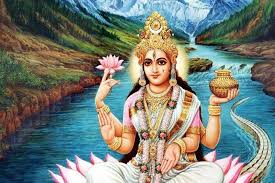
देवि सुरेश्वरि भगवति गङ्गे त्रिभुवनतारिणि तरलतरङ्गे ।
शङ्करमौलिविहारिणि विमले मम मतिरास्तां तव पदकमले ॥१॥
Devi Sure[a-Ii]shvari Bhagavati Gangge Tribhuvana-Taarinni
Tarala-Tarangge |
Shangkara-Mauli-Vihaarinni Vimale Mama Matir-Aastaam Tava Pada-Kamale
||1||
Meaning:
1.1: (Salutations to Devi Ganga) O Devi Bhagavati Ganga, the Goddess of
the Devas, You liberate the Three Worlds with the (merciful) waves of
Your Liquid Form,
1.2: O the Stainless Pure One Who resides in the Head of Shankara, May
my Devotion remain firmly established on Your Lotus Feet.
भागीरथि सुखदायिनि मातस्तव जलमहिमा निगमे ख्यातः ।
नाहं जाने तव महिमानं पाहि कृपामयि मामज्ञानम् ॥२॥
Bhaagiirathi Sukha-Daayini Maatas-Tava Jala-Mahimaa Nigame Khyaatah |
Naaham Jaane Tava Mahimaanam Paahi Krpaamayi Maam-Ajnyaanam ||2||
Meaning:
2.1: (Salutations to Devi Ganga) O Mother Bhagirathi, You give Joy to
All, and the Glory of Your Water is praised in the Scriptures,
2.2: I do not know Your Glory fully, but inspite of my Ignorance, please
protect me, O Compassionate Mother.
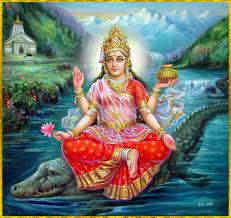
हरिपदपाद्यतरङ्गिणि गङ्गे हिमविधुमुक्ताधवलतरङ्गे ।
दूरीकुरु मम दुष्कृतिभारं कुरु कृपया भवसागरपारम् ॥३॥
Hari-Pada-Paadya-Tarangginni Gangge Hima-Vidhu-Muktaa-Dhavala-Tarangge
|
Duurii-Kuru Mama Dusskrti-Bhaaram Kuru Krpayaa Bhava-Saagara-Paaram
||3||
Meaning:
3.1: (Salutations to Devi Ganga) O Mother Ganga, You originate from the
Feet of Hari, and flow down with Pure White Waves resembling the
Whiteness of Frost, the Whiteness of Moon, as well as the Whiteness of
Pearl,
3.2: O Mother, Please remove the burden in my Mind created due to Evil
deeds, and by Your Grace finally make me cross the ocean of Samsara
(Worldly Existence).
तव जलममलं येन निपीतं परमपदं खलु तेन गृहीतम् ।
मातर्गङ्गे त्वयि यो भक्तः किल तं द्रष्टुं न यमः शक्तः ॥४॥
Tava Jalam-Amalam Yena Nipiitam Parama-Padam Khalu Tena Grhiitam |
Maatar-Gangge Tvayi Yo Bhaktah Kila Tam Drassttum Na Yamah Shaktah ||4||
Meaning:
4.1: (Salutations to Devi Ganga) He who has drunk Your Pure Water,
Indeed he will obtain the Highest Abode,
4.2: Yama is not able to cast his glance on him (i.e. he goes to Your
Abode and not Yamaloka).
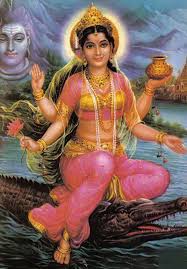
पतितोद्धारिणि जाह्नवि गङ्गे खण्डितगिरिवरमण्डितभङ्गे ।
भीष्मजननि हे मुनिवरकन्ये पतितनिवारिणि त्रिभुवनधन्ये ॥५॥
Patito[a-U]ddhaarinni Jaahnavi Gangge
Khannddita-Giri-Vara-Mannddita-Bhangge |
Bhiissma-Janani He Muni-Vara-Kanye Patita-Nivaarinni Tri-Bhuvana-Dhanye
||5||
Meaning:
5.1: (Salutations to Devi Ganga) O Jahnavi Ganga, You are the uplifter
of the fallen, and You flow meandering through the Great Mountains (of
Himalayas), cutting through them and adorning them,
5.2: O the Mother of Bhisma and the daughter of the great Jahnu Muni,
You save the fallen and bring prosperity to the three Worlds.
कल्पलतामिव फलदां लोके प्रणमति यस्त्वां न पतति शोके ।
पारावारविहारिणि गङ्गे विमुखयुवतिकृततरलापाङ्गे ॥६॥
Kalpa-Lataam-Iva Phala-Daam Loke Prannamati Yastvaam Na Patati Shoke
|
Paaraavaara-Vihaarinni Gangge Vimukha-Yuvati-Krta-Tarala-Apaangge ||6||
Meaning:
6.1: (Salutations to Devi Ganga) You bestow Fruits to the Worlds like
the Kalpalata (Wish-Fulfilling creeper); He who reverentially bows down
to You does not fall into Grief,
6.2: O Mother Ganga, You flow into the ocean with the sportiveness of a
young Maiden turning away with side glances.
तव चेन्मातः स्रोतःस्नातः पुनरपि जठरे सोऽपि न जातः ।
नरकनिवारिणि जाह्नवि गङ्गे कलुषविनाशिनि महिमोत्तुङ्गे ॥७॥
Tava Cen-Maatah Srotah-Snaatah Punar-Api Jatthare Sopi Na Jaatah |
Naraka-Nivaarinni Jaahnavi Gangge Kalussa-Vinaashini Mahimo[a-U]ttungge
||7||
Meaning:
7.1: (Salutations to Devi Ganga) O Mother, he who has bathed in the flow
of Your Pure Water, he will not again take birth from the womb of a
mother (i.e. have rebirth),
7.2: O Jahnavi Ganga, You save people from falling in the Naraka (Hell)
and destroy their Impurities; O Mother Ganga, Your Greatness stands
High.
पुनरसदङ्गे पुण्यतरङ्गे जय जय जाह्नवि करुणापाङ्गे ।
इन्द्रमुकुटमणिराजितचरणे सुखदे शुभदे भृत्यशरण्ये ॥८॥
Punar-Asad-Angge Punnya-Tarangge Jaya Jaya Jaahnavi Karunna-Apaangge
|
Indra-Mukutta-Manni-Raajita-Caranne Sukha-De Shubha-De Bhrtya-Sharannye
||8||
Meaning:
8.1: (Salutations to Devi Ganga) O Jahnavi Ganga, Victory to You, You
make the Impure Body Pure again by Your Holy Waves and Compassionate
Glance,
8.2: O Mother Ganga, Your Feet is adorned with the Crown-Jewel of Indra;
You give Joy and bestow Auspiciousness to the servant who takes Your
Refuge.
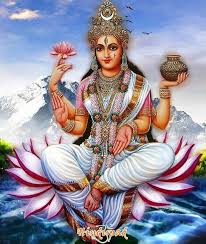
रोगं शोकं तापं पापं हर मे भगवति कुमतिकलापम् ।
त्रिभुवनसारे वसुधाहारे त्वमसि गतिर्मम खलु संसारे ॥९॥
Rogam Shokam Taapam Paapam Hara Me Bhagavati Kumati-Kalaapam |
Tri-Bhuvana-Saare Vasudhaa-Haare Tvam-Asi Gatir-Mama Khalu Samsaare
||9||
Meaning:
9.1: (Salutations to Devi Ganga) O Bhagavati Ganga, Please take away my
Diseases, Sorrows, Afflictions and Sins & Evil-Tendencies from my
Mind,
9.2: O Mother Ganga, You are the Prosperity of the Three Worlds and the
Garland of the Earth, You verily are my Refuge in the Samsara (Worldly
Existence).
अलकानन्दे परमानन्दे कुरु करुणामयि कातरवन्द्ये ।
तव तटनिकटे यस्य निवासः खलु वैकुण्ठे तस्य निवासः ॥१०॥
Alakaanande Parama-[A]anande Kuru Karunnaamayi Kaatara-Vandye |
Tava Tatta-Nikatte Yasya Nivaasah Khalu Vaikunntthe Tasya Nivaasah
||10||
Meaning:
10.1: (Salutations to Devi Ganga) O Alakananda, O the giver of Great
Joy, Please listen to my Prayers and be Gracious to me, O the Merciful
One Who is adored by the Helpless,
10.2: He, who resides near Your River Bank, is indeed residing in
Vaikuntha,
वरमिह नीरे कमठो मीनः किं वा तीरे शरटः क्षीणः ।
अथवा श्वपचो मलिनो दीनस्तव न हि दूरे नृपतिकुलीनः ॥११॥
Varam-Iha Niire Kamattho Miinah Kim Vaa Tiire Sharattah Kssiinnah |
Athavaa Shvapaco Malino Diinas-Tava Na Hi Duure Nrpati-Kuliinah ||11||
Meaning:
11.1: (Salutations to Devi Ganga) O Mother, It is better to live in Your
Waters like a Tortoise or Fish, or in Your River Bank like a feeble
Chameleon, …
11.2: … or be an unclean and miserable Low born (but living near You),
rather than be a King or High Born but being far away from You.
भो भुवनेश्वरि पुण्ये धन्ये देवि द्रवमयि मुनिवरकन्ये ।
गङ्गास्तवमिमममलं नित्यं पठति नरो यः स जयति सत्यम् ॥१२॥
Bho Bhuvaneshvari Punnye Dhanye Devi Dravamayi Muni-Vara-Kanye |
Ganggaa-Stavam-Imam-Amalam Nityam Patthati Naro Yah Sa Jayati Satyam
||12||
Meaning:
12.1: (Salutations to Devi Ganga) O Bhuvaneswari (Goddess of the World),
You are the bestower of Holiness and Prosperity; O Devi, You are the
daughter of the great Jahnu Muni in Liquid Form,
12.2: He who regularly recites this Pure Ganga Stava (Hymn), he truly
becomes successful.
येषां हृदये गङ्गाभक्तिस्तेषां भवति सदा सुखमुक्तिः ।
मधुराकान्तापज्झटिकाभिः परमानन्दकलितललिताभिः ॥१३॥
Yessaam Hrdaye Ganggaa-Bhaktis-Tessaam Bhavati Sadaa Sukha-Muktih |
Madhuraa-Kaantaa-Pajjhattikaabhih Parama-[A]ananda-Kalita-Lalitaabhih
||13||
Meaning:
13.1: (Salutations to Devi Ganga) He who fills his Heart with Devotion
to Devi Ganga, he always feels the Joy of Freedom (within his Heart),
13.2: This Ganga Stotram which is Sweet and Pleasing is composed in
Pajjhatika meter; It is like a Great Joy formed with Artless Innocence
(of Devotion).
गङ्गास्तोत्रमिदं भवसारं वाञ्छितफलदं विमलं सारम् ।
शङ्करसेवकशङ्कररचितं पठति सुखी स्तव इति च समाप्तः ॥१४॥
Ganggaa-Stotram-Idam Bhava-Saaram Vaan.chita-Phala-Dam Vimalam Saaram
|
Shangkara-Sevaka-Shangkara-Racitam Patthati Sukhii Stava Iti Ca
Samaaptah ||14||
Meaning:
14.1: (Salutations to Devi Ganga) This Ganga Stotram is the true
substance in this Samsara, giving desired Fruits, and is the essence of
Purity,
14.2: This hymn is composed by Shankara (Adi Shankaracharya), the
servant of Shankara (Shiva); those who read it will be filled with Joy;
thus ends this Stava (Hymn) (with good wishes for all).
गङ्गा - Descent of Ganga
गङ्गा – Descent of Ganga

श्रीशुक उवाच
तत्र भगवतः साक्षाद्यज्ञलिङ्गस्य
विष्णोर्विक्रमतो वामपादाङ्गुष्ठनख
निर्भिन्नोर्ध्वाण्डकटाह विवरेणान्तःप्रविष्टा
या बाह्यजलधारा
Shriishuka Uvaaca
Tatra Bhagavatah Saakssaad-Yajnya-Linggasya
Vissnnor-Vikramato Vaama-Paada-Anggussttha-Nakha
Nirbhinno[a-U]rdhva-Anndda-Kattaaha Vivarenna-Antah-Pravissttaa
Yaa Baahya-Jaladhaaraa
Meaning:
Sri Shukadeva said: 1.1: Then Bhagavat (the Godhead) Who is the visible
Yagya Linga (the deity of the yagya to whom all oblations go) …
1.2: … Sri Vishnu, took the great stride (as Trivikrama), and with the
nail of the thumb of His Left Foot, …
1.3: … pierced the upper shell of the Brahmanda (Universe); Then, from
that opening entered …
1.4: … the Stream of Water (of Ganga) from outside (the Brahmananda);
तच्चरणपङ्कजावनेजन अरुणकिञ्जल्कोपरञ्जित
अखिलजगदघमलापहा उपस्पर्शनामला
साक्षाद्भगवत्पदी इति अनुपलक्षितवचः
Tac-Caranna-Pangkaja-Avanejana Arunna-Kin.jalko[a-U]paran.jita
Akhila-Jagad-Agha-Mala-Apahaa Upasparshana-Amalaa
Saakssaad-Bhagavat-Padii Iti Anupalakssita-Vacah
Meaning:
1.5: (That Water of Ganga) Washed that Lotus Feet (of Sri Vishnu) which
was Reddish in Colour like the filament of Lotus…
1.6: … (and by) directly touching that Pure (Feet of Vishnu), (became)
the remover of the Sins of the entire World,
1.7: She came to be known as “Bhagavat Padi” (or “Vishnu Padi”), …
अभिधीयमाना अतिमहता कालेन
युगसहस्रोपलक्षणेन दिवो मूर्धन्यवततार
यत्तद्विष्णुपदमाहुः ॥५.१७.१॥
Abhidhiiyamaanaa Ati-Mahataa Kaalena
Yuga-Sahasro[a-U]palakssannena Divo Muurdhany-Avatataara
Yat-Tad-Vissnnu-Padam-Aahuh ||SB 5.17.1||
Meaning:
1.8: … and was considered thus since very old times,
1.9: After thousand Yugas, She descended on the head of the Sky (i.e.
Dhruvaloka), …
1.10: … She, Who is called Vishnu Padi,
यत्र ह वाव वीरव्रत औत्तानपादिः परमभागवतः
अस्मत्कुलदेवताचरणारविन्दोदकमिति
यामनुसवनमुत्कृष्यमाण भगवद्भक्तियोगेन दृढं
क्लिद्यमानान्तर्हृदय औत्कण्ठ्यविवश
Yatra Ha Vaava Viiravrata Auttaanapaadih Parama-Bhaagavatah
Asmat-Kuladevataa-Caranna-Aravindo[a-U]dakam-Iti
Yaam-Anusavanam-Utkrssyamaanna Bhagavad-Bhakti-Yogena Drddham
Klidyamaana-Antar-Hrdaya Autkanntthya-Vivasha
Meaning:
2.1: Here indeed (i.e. at Dhruvaloka where river Ganga has descended),
firm in his vows, the son of king Uttanapada (i.e. Dhruva Maharaj), who
is the most excellent Devotee,
2.2: (Thinking) “This is the water coming from the Lotus Feet of our
Kula-Devata (Sri Vishnu)”,
2.3: With constantly increasing (Devotion), by steady flow of Bhakti
towards God (Sri Vishnu),
2.4: And the interior of the Heart moist (melting) with spontaneous
Yearning;
अमीलितलोचनयुगल कुड्मलविगलितामलबाष्पकलया
अभिव्यज्यमान रोमपुलककुलकः
अधुनापि परमादरेण शिरसा विभर्ति ॥५.१७.२॥
Amiilita-Locana-Yugala Kuddmala-Vigalita-Amala-Baasspa-Kalayaa
Abhi-Vyajyamaana Roma-Pulaka-Kulakah
Adhunaa-[A]pi Parama-[A]adarenna Shirasaa Vibharti ||SB 5.17.2||
Meaning:
2.5: With the pair of Eyes Half-Open, from which Tears of Pure (Love) is
flowing, as if emanating from Flowers, …
2.6: … and manifesting as ecstasy making the Hairs of the Body
stand,
2.7: (In such a state) Even today, with great Reverence, Dhruva Maharaj
is bearing the river Ganga on his Head (while constantly meditating on
the Feet of Sri Vishnu from where the river has emanated).
ततः सप्त ऋषयस्तत्प्रभावाभिज्ञा यां ननु
तपस_आत्यन्तिकी सिद्धिरेतावती भगवति सर्वात्मनि
Tatah Sapta Rssayas-Tat-Prabhaava-Abhijnyaa Yaam Nanu
Tapasa_Aatyantikii Siddhir-Etaavatii Bhagavati Sarvaatmani
Meaning:
3.1: There (i.e. below Dhruvaloka), the Saptarshis (Seven Great Sages),
indeed knowing the great efficacy of Her (i.e. of River Ganga in
reaching Vasudeva, since She flows from His Feet), …
3.2: … (Vasudeva Who is) The Supreme culmination of all Tapas, the
greatest Siddhi (Spiritual accomplishment), Bhagavati (Divine Godhead)
and Sarvatmani (Residing as the Soul of all),…
वासुदेवेऽनुपरत भक्तियोगलाभेनैव
उपेक्षितान्यार्थात्मगतयो
मुक्तिमिवागतां मुमुक्षव इव
सबहुमानमद्यापि जटाजूटैरुद्वहन्ति ॥५.१७.३॥
Vaasudeve-[A]nuparata Bhaktiyoga-Laabhenai[a-E]va
Upekssita-Anya-Artha-[A]atma-Gatayo
Muktim-Iva-[A]agataam Mumukssava Iva
Sabahumaanam-Adya-Api Jattaajuuttair-Udvahanti ||SB 5.17.3||
Meaning:
3.3: (The Saptarshis) Meditate on Vasudeva uninterruptedly, to commune
with Him through Bhakti Yoga alone, …
3.4: … Disregarding all other paths which leads towards Atman, …
3.5: … such as attaining Mukti through Mumukshava (Intense desire for
liberation), …
3.6: (The Saptarshis) With great reverence even today carry Ganga on
their Matted Hairs (and meditate on the Lotus Feet of Vasudeva from
where Ganga flows),
ततोऽनेकसहस्रकोटिविमानानीकसङ्कुलदेवयानेन
अवतरन्तीन्दुमण्डलमावार्य
ब्रह्मसदने निपतति ॥५.१७.४॥
Tato-[A]neka-Sahasra-Kotti-Vimaana-Aniika-Sangkula-Deva-Yaanena
Avataranti-Indu-Mannddalam-Aavaarya
Brahma-Sadane Nipatati ||SB 5.17.4||
Meaning:
4.1: From there (i.e. from Saptarshiloka), riding on many thousand
crores of Celestial Spacecrafts (i.e. through celestial passageway),
…
4.2: … (River Ganga) descend on the sphere of the Moon, and flowing
unimpeded…
4.3: … Falls on the abode of Lord Brahma,
तत्र चतुर्धा भिद्यमाना
चतुर्भिनामभिश्चतुर्दिशमभिस्पन्दन्ती
नदनदीपतिमेवाभिनिविशति
सीतालकनन्दाचक्षुर्भद्रेति ॥५.१७.५॥
Tatra Caturdhaa Bhidyamaanaa
Caturbhi-Naamabhish-Catur-Disham-Abhispandantii
Nada-Nadii-Patim-Eva-Abhinivishati
Siitaa-[A]lakanandaa-Cakssur-Bhadre[a-I]ti ||SB 5.17.5||
Meaning:
5.1: There (i.e. at the abode of Lord Brahma), River Ganga divides into
four parts,
5.2: It assumes four names and flows in four directions, …
5.3: … (And finally) Enters into the husband of all Rivers (i.e. into
the Ocean),
5.4: (The four branches of River Ganga are) River Sita, River
Alakananda, River Cakshu and River Bhadra,
सीता तु ब्रह्मसदनात्केसराचलादिगिरिशिखरेभ्यो
ऽधोऽधः प्रस्रवन्ती गन्धमादनमूर्धसु पतित्वान्तरेण
भद्राश्ववर्षं प्राच्यां दिशि क्षारसमुद्रमभिप्रविशति ॥५.१७.६॥
Siitaa Tu Brahma-Sadanaat-Kesaraacala-[A]adi-Giri-Shikharebhyo
[A]dho-[A]dhah Prasravantii Gandhamaadana-Muurdhasu Patitva-Antarenna
Bhadraashvavarssam Praacyaam Dishi Kssaara-Samudram-Abhipravishati ||SB
5.17.6||
Meaning:
6.1: River Sita flows from the abode of Brahma to Kesarachala and other
mountain peaks, …
6.2: … And flowing downward falls on the top of the Gandhamadana
mountain, and then falls within, …
6.3: … Bhadrashvavarsha, and thereafter flowing in the eastern
direction enters into the Salty Ocean,
एवं माल्यवच्छिखरान्निष्पतन्ती ततो ऽनुपरतवेगा
केतुमालामभि चक्षुः प्रतीच्यां दिशि सरित्पतिं प्रविशति ॥५.१७.७॥
Evam Maalyavac-Chikharaan-Nisspatantii Tato Anuparata-Vegaa
Ketumaalaam-Abhi Cakssuh Pratiicyaam Dishi Sarit-Patim Pravishati ||SB
5.17.7||
Meaning:
7.1: In this way, falling on the top of the Malyavan mountain, and then
with uninterrupted force, …
7.2: … flowing towards Ketumalavarsha, River Cakshu flows in the
western direction and finally enters into the husband of all rivers
(i.e. the Ocean),
भद्रा चोत्तरतो मेरुशिरसो निपतिता
गिरिशिखराद्गिरिशिखरमतिहाय शृङ्गवतः शृङ्गादवस्यन्दमाना
उत्तरांस्तु कुरूनभित उदीच्यां दिशि जलधिमभिप्रविशति ॥५.१७.८॥
Bhadraa Co[a-U]ttarato Meru-Shiraso Nipatitaa
Giri-Shikharaad-Giri-Shikharam-Atihaaya Shrnggavatah
Shrnggaad-Avasyandamaanaa
Uttaraams-Tu Kuruun-Abhita Udiicyaam Dishi Jaladhim-Abhipravishati ||SB
5.17.8||
Meaning:
8.1: The river Bhadra falls from the top of Mount Meru from the northern
side, …
8.2: … And jumping from one peak to another it flows on the peak of
Mount Sringavana, …
8.3: … And thereafter flowing towards north on the land of Kuru enters
the Ocean.
तथैवालकनन्दा दक्षिणेन ब्रह्मसदनाद्बहूनि गिरिकूटान्यतिक्रम्य
हेमकूटाद्धैमकूटान्यतिरभसतररंहसा लुठयन्ती
भारतमभिवर्षं दक्षिणस्यां दिशि जलधिमभिप्रविशति
यस्यां स्नानार्थं चागच्छतः पुंसः पदे पदेऽश्वमेध
राजसूयादीनां फलं न दुर्लभमिति ॥५.१७.९॥
Tathai[a-E]va-Alakanandaa Dakssinnena Brahma-Sadanaad-Bahuuni
Giri-Kuuttaany-Atikramya
Hemakuuttaad-Dhaimakuuttaany-Ati-Rabhasatara-Ramhasaa Lutthayantii
Bhaaratam-Abhivarssam Dakssinnasyaam Dishi Jaladhim-Abhipravishati
Yasyaam Snaana-Artham Ca-Agacchatah Pumsah Pade Pade-[A]shvamedha
Raajasuuya-[A]adiinaam Phalam Na Durlabham-Iti ||SB 5.17.9||
Meaning:
9.1: Similarly, river Alakananda flows from the southern side of the
abode of Brahma, and crossing many mountain peaks, …
9.2: … It rolls down (i.e. fall) on Hemakuta and Himakuta mountains
with great force, …
9.3: … and then raining on (i.e. entering) Bharatavarsha, flows
towards the south and enters the Ocean,
9.4: By taking bath in this (holy river), for a person to obtain at
every step, the fruits of Ashwamedha, …
9.5: … Rajasuya and other yagyas is not very difficult.
गङ्गा - Description of Ganga
गङ्गा – Description of Ganga

तत्र त्रिपथगां दिव्यां शीततोयामशैवलाम् ।
ददर्श राघवो गङ्गा रम्यामृषिनिषेविताम् ॥२.५०.१२॥
Tatra Tri-Patha-Gaam Divyaam Shiita-Toyaam-Ashaivalaam |
Dadarsha Raaghavo Ganggaa Ramyaam-Rssi-Nissevitaam ||VR 2.50.12||
Meaning:
1: There, the river which flows along Three Paths, the river which is
Divine, the river which carries cool and clear waters without weeds or
moss, …
2: … Raghava (Sri Rama) saw that river Ganga, which is pleasing to the
eyes and which is frequented and honoured by the Sages.
आश्रमैरविदूरस्थैः श्रीमद्भिः समलंकृताम् ।
कालेऽप्सरोभिर्हृष्टाभिः सेविताम्भोह्रदां शिवाम् ॥२.५०.१३॥
Aashramair-Aviduurasthaih Shriimadbhih Samalamkrtaam |
Kaale-[A]psarobhir-Hrssttaabhih Sevita-Ambho-Hradaam Shivaam ||VR
2.50.13||
Meaning:
1: The river bank was well adorned with beautiful Hermitages situated
not far from each other,
2: At suitable hours, Apsaras (celestial Nymphs) frequented that river
of Auspicious Waters and greatly rejoiced in that surroundings.
देवदानवगन्धर्वैः किंनरैरुपशोभिताम् ।
नागगन्धर्वपत्नीभिः सेवितां सततं शिवाम् ॥२.५०.१४॥
Deva-Daanava-Gandharvaih Kinnarair-Upashobhitaam |
Naaga-Gandharva-Patniibhih Sevitaam Satatam Shivaam ||VR 2.50.14||
Meaning:
1: The river was adorned with the presence of Devas, Danavas (Demons),
Gandharvas (Celestial Singers), Kinnaras, …
2: … as well as the wives of Nagas and Gandharvas who always
frequented that Auspicious surroundings.
देवाक्रीडशताकीर्णां देवोद्यानयुतां नदीम् ।
देवार्थमाकाशगतां विख्यातां देवपद्मिनीम् ॥२.५०.१५॥
Devaa-Kriidda-Shata-[A]akiirnnaam Devo[a-U]dyaana-Yutaam Nadiim |
Deva-Artham-Aakaasha-Gataam Vikhyaataam Deva-Padminiim ||VR 2.50.15||
Meaning:
1: The River is filled with hundreds of Celestial Playgrounds which are
connected with Celestial Gardens,
2: For the sake of the Devas, the most excellent Devi (i.e. Devi Ganga)
flowed in Heaven (one stream of Ganga flows in heaven), and this tale is
well-known to all.
जलाघाताट्टहासोग्रां फेननिर्मलहासिनीम् ।
क्वचिद् वेणीकृत जलां क्वचिदावर्तशोभिताम् ॥२.५०.१६॥
Jala-[A]aghaat-Aattttahaaso[a-U]graam Phena-Nirmala-Haasiniim |
Kvacid Vennii-Krta Jalaam Kvacid-Aavarta-Shobhitaam ||VR 2.50.16||
Meaning:
1: At places where the river water strikes (against rocks), it creates
loud mighty Laughter, and (which is followed by) soft Laughter created
by Pure Foams,
2: At some places the river water twists like Plaited Hair, and at other
places it is adorned by Whirlpool.
क्वाचित् स्थिमितगम्भीरां क्वचिद् वेगसमाकुलाम् ।
क्वचिद् गम्भीर निर्घोषां क्वचिद् भैरवनिःस्वनाम् ॥२.५०.१७॥
Kvaacit Sthimita-Gambhiiraam Kvacid Vega-Samaakulaam |
Kvacid Gambhiira Nirghossaam Kvacid Bhairava-Nihsvanaam ||VR 2.50.17||
Meaning:
1: At some places the river is Calm and Deep, while at other places it
bursts with Speed,
2: At some places one can hear the Sound of her Deep (Silence), while at
other places one can feel the Silence within her Terrible (Flow).
देवसंघाप्लुतजलां निर्मलोत्पलसंकुलाम् ।
क्वचिदाभोगपुलिनां क्वचिन्निर्मलवालुकाम् ॥२.५०.१८॥
Deva-Sangha-Apluta-Jalaam Nirmalo[a-U]tpala-Samkulaam |
Kvacid-Aabhoga-Pulinaam Kvacin-Nirmala-Vaalukaam ||VR 2.50.18||
Meaning:
1: The river Water is bathed with congregation of Devas, and abounds
with stainless Pure Lotuses,
2: At some places it has curved Islands, and at other places it has
clear Sand (Banks).
हंससारससंघुष्टां चक्रवाकोपशोभिताम् ।
सदामत्तैश्च विहगैरभिपन्नामनिन्दिताम् ॥२.५०.१९॥
Hamsa-Saarasa-Samghussttaam Cakravaako[a-U]pashobhitaam |
Sadaa-Mattaish-Ca Vihagair-Abhipannaam-Aninditaam ||VR 2.50.19||
Meaning:
1: The river is resonant with the sounds of Swans and Cranes, adorned
with Chakra Birds, ….
2: … as well as filled with many other Birds who are always overjoyed
(and stays in her vicinity); such is the virtuous river.
क्वचित् तीररुहैर्वृक्षैर्मालाभिरिव शोभिताम् ।
क्वचित् फुल्लोत्पलच्छन्नां क्वचित् पद्मवनाकुलाम् ॥२.५०.२०॥
Kvacit Tiira-Ruhair-Vrkssair-Maalaabhir-Iva Shobhitaam |
Kvacit Phullo[a-U]tpalac-Channaam Kvacit Padma-Vana-[A]akulaam ||VR
2.50.20||
Meaning:
1: At some places Trees adorn the river banks like a garland,
2: At some places it is covered with blooming Lotuses, while at other
places it is filled with Lotus groves.
क्वचित् कुमुदखण्डैश्च कुड्मलैरुपशोभिताम् ।
नानापुष्परजोध्वस्तां समदामिव च क्वचित् ॥२.५०.२१॥
Kvacit Kumuda-Khannddaish-Ca Kuddmalair-Upashobhitaam |
Naanaa-Pusspa-Rajo-Dhvastaam Samadaam-Iva Ca Kvacit ||VR 2.50.21||
Meaning:
1: At some places the river is adorned with multitude of buds of
Water-Lilies,
2: And at other places the various Flowers fill the atmosphere with
their pollen, as if intoxicated.
व्यपेतमलसंघातां मणिनिर्मलदर्शनाम् ।
दिशागजैर्वनगजैर्मत्तैश्च वरवारणैः ॥२.५०.२२॥
Vyapeta-Mala-Sanghaataam Manni-Nirmala-Darshanaam |
Dishaa-Gajair-Vana-Gajair-Mattaish-Ca Vara-Vaarannaih ||VR 2.50.22||
Meaning:
1: Due to the presence of the river, mass of impurities have
disappeared, and the directions are appearing like spotlessly Pure
Gem,
2: Due to the Elephants (symbolical) of the Directions (rendered Pure by
the river), the Elephants of the Forests have become overjoyed; those
excellent Elephants.
देवराजोपवाह्यैश्च संनादितवनान्तराम् ।
प्रमदामिव यत्नेन भूषितां भूषणोत्तमैः ॥२.५०.२३॥
Devaraajo[a-U]pavaahyaish-Ca Samnaadita-Vanaantaraam |
Pramadaam-Iva Yatnena Bhuussitaam Bhuussanno[a-U]ttamaih ||VR 2.50.23||
Meaning:
1: (As if) The entire Forest is filled with the trumpets of the
Elephants which carries Devaraja (i.e. Indra Deva),
2: The whole region is as if carefully decorated with various excellent
ornaments (of Nature) for rejoicing in it.
फलपुष्पैः किसलयैर्वृतां गुल्मैर्द्विजैस्तथा ।
विष्णुपादच्युतां दिव्यामपापां पापनाशिनीम् ॥२.५०.२४॥
Phala-Pusspaih Kisalayair-Vrtaam Gulmair-Dvijais-Tathaa |
Vissnnu-Psaada-Cyutaam Divyaam-Apaapaam Paapa-Naashiniim ||VR 2.50.24||
Meaning:
1: The cluster of Trees and Shrubs are decorated with various Fruits and
Flowers, and covered with young tender leaves, and also by various Birds
(playing over them),
2: The river has originated from the Feet of Sri Vishnu; She is Divine
and sinless, and the destroyer of Sins.
शिंशुमारैश्च नक्रैश्च भुजङ्गैश्च समन्विताम् ।
शंकरस्य जटाजूटाद् भ्रष्टां सागरतेजसा ॥२.५०.२५॥
Shimshumaaraish-Ca Nakraish-Ca Bhujanggaish-Ca Samanvitaam |
Shankarasya Jattaajuuttaad Bhrassttaam Saagara-Tejasaa ||VR 2.50.25||
Meaning:
1: The (deeper parts of the) river are filled with Porpoises, Crocodiles
and various Serpents,
2: The river has fallen from the Matted Hairs of Sri Shankara, and is
filled with the power of penance of king Sagara and his descendants.
समुद्रमहिषीं गङ्गा सारसक्रौञ्चनादिताम् ।
आससाद महाबाहुः शृङ्गवेरपुरं प्रति ॥२.५०.२६॥
Samudra-Mahissiim Ganggaa Saarasa-Kraun.ca-Naaditaam |
Aasasaada Mahaa-Baahuh Shrnggaverapuram Prati ||VR 2.50.26||
Meaning:
1: River Ganga, the consort of the Ocean, which was resounding with the
sounds of Cranes and Ospreys, ….
2: … Sri Rama, the one with Mighty Arms, reached her banks near the
place known as Shringaverapura.
तामूर्मिकलिलावर्तामन्ववेक्ष्य महारथः ।
सुमन्त्रमब्रवीत् सूतमिहैवाद्य वसामहे ॥२.५०.२७॥
Taam-Uurmi-Kalila-[A]avartaam-Anvavekssya Mahaarathah |
Sumantram-Abraviit Suutam-Ihai[a-E]va-Adya Vasaamahe ||VR 2.50.27||
Meaning:
1: Seeing her waters full of Waves forming beautiful Curves, the great
Warrier Sri Rama, …
2: … said to Sumantra, the charioteer, “we will stay here today”.
अविदूरादयं नद्या बहुपुष्पप्रवालवान् ।
सुमहानिङ्गुदीवृक्षो वसामोऽत्रैव सारथे ॥२.५०.२८॥
Aviduuraad-Ayam Nadyaa Bahu-Pusspa-Pravaalavaan |
Sumahaan-Inggudii-Vrksso Vasaamo-[A]trai[a-E]va Saarathe ||VR 2.50.28||
Meaning:
1: (Sri Rama said:) Not very far from here, and nourished by the River,
with many Flowers and Shoots, …
2: … is that very huge Ingudi Tree; we will stay there itself, O
Sarathi (Charioteer).
प्रेक्षामि सरितां श्रेष्ठां सम्मान्यसलिलां शिवाम् ।
देवमानवगन्धर्वमृगपन्नगपक्षिणाम् ॥२.५०.२९॥
Prekssaami Saritaam Shresstthaam Sammaanya-Salilaam Shivaam |
Deva-Maanava-Gandharva-Mrga-Pannaga-Pakssinnaam ||2.50.29||
Meaning:
1: I will see the most excellent River, the waters of which is
Auspicious and respected by …
2: … Devas, Human Beings, Gandharvas (Celestial Singers), Animals,
Serpents and Birds.




