



























Story of Ganga

Story of Ganga
The Ganga, especially, is the river of India, beloved of her people, round which are interwined her memories, her hopes and fears, her songs of triumph, her victories and her defeats. She has been a symbol of India’s age long culture and civilization, ever changing , ever flowing, and yet ever the same Ganga.”
There are many versions of stories regarding the origin of Ganges. The river Ganga is said to have originated when Lord Brahma (one of the Supreme forms of divinity) washed the feet of Lord Vishnu in His incarnation as Vamana – the dwarf Brahmin. When He (Lord Vishnu, as Vamana) measured the world in three steps, the nails on His left foot caused a pore on the upper side of the universe from where Ganga fell down into heaven.
According to Valmiki’s Ramayana, Ganges was the daughter of Himalaya and Menaka. The deities abducted her and took her to heaven. From that time onwards Ganga started living inside the Karmandala (a spout shaped vessel). According to Krittivas’ Ramayana the deities had taken Ganga to Lord Shiva to get married with him. When Menaka did not find her in the house, she cursed Ganga to attain the form of water.
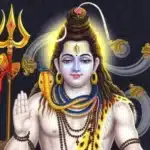
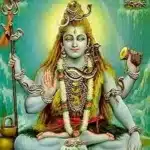
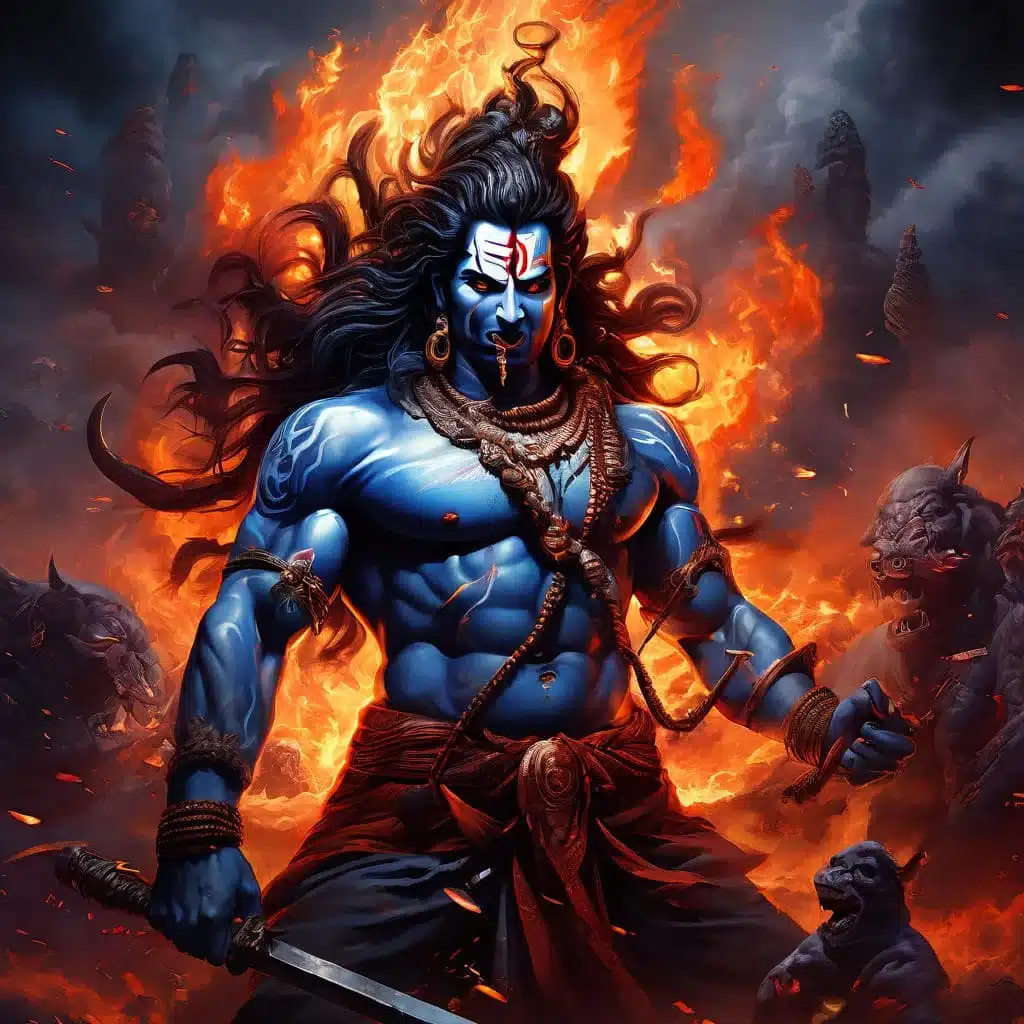
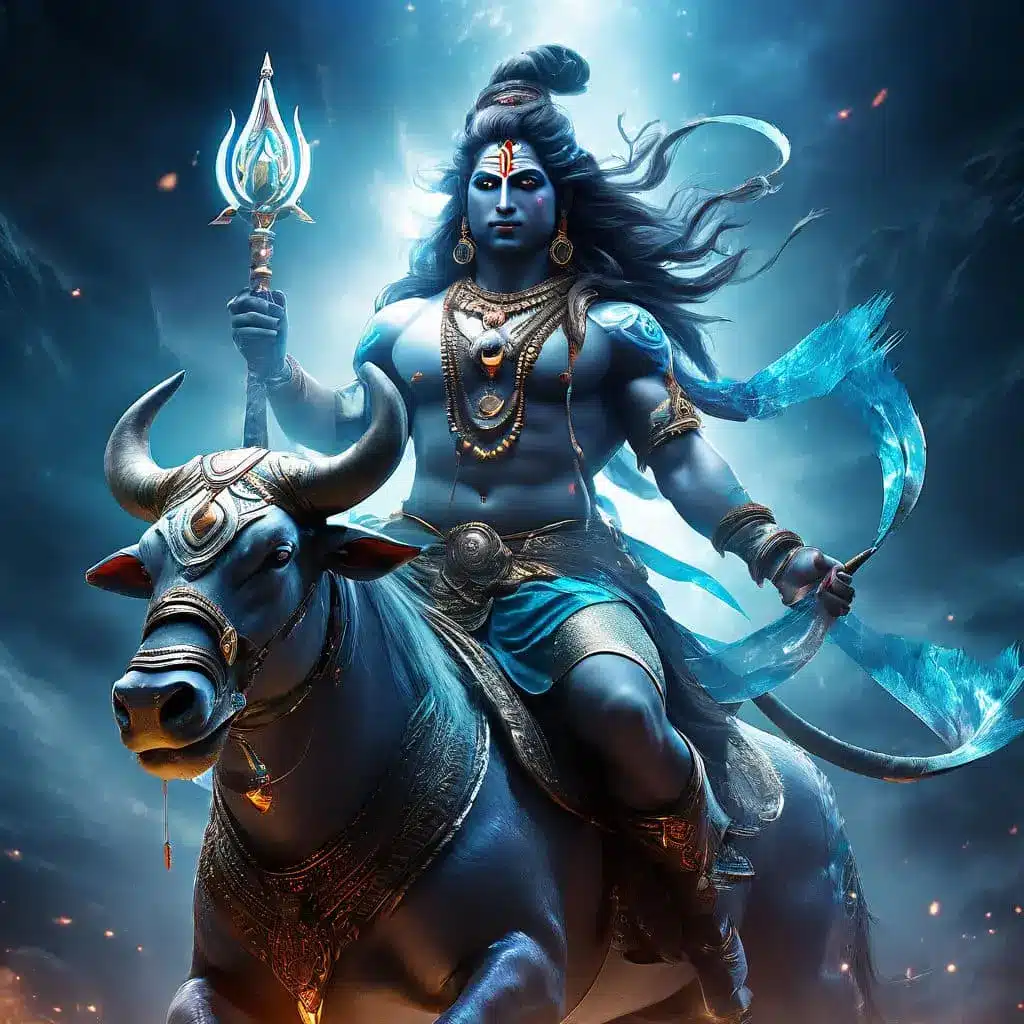
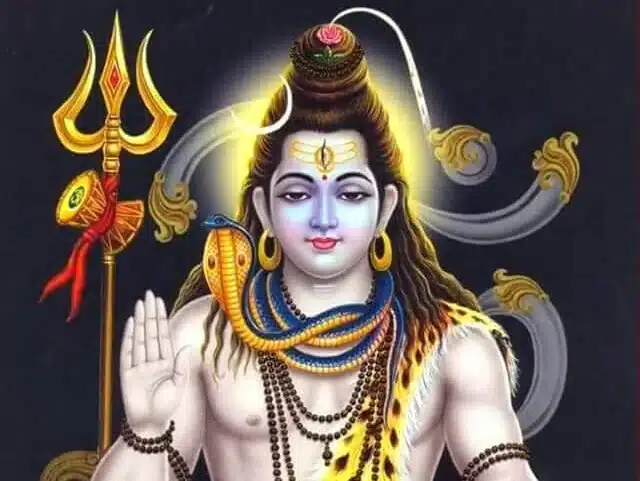
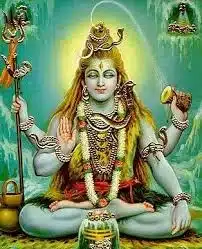
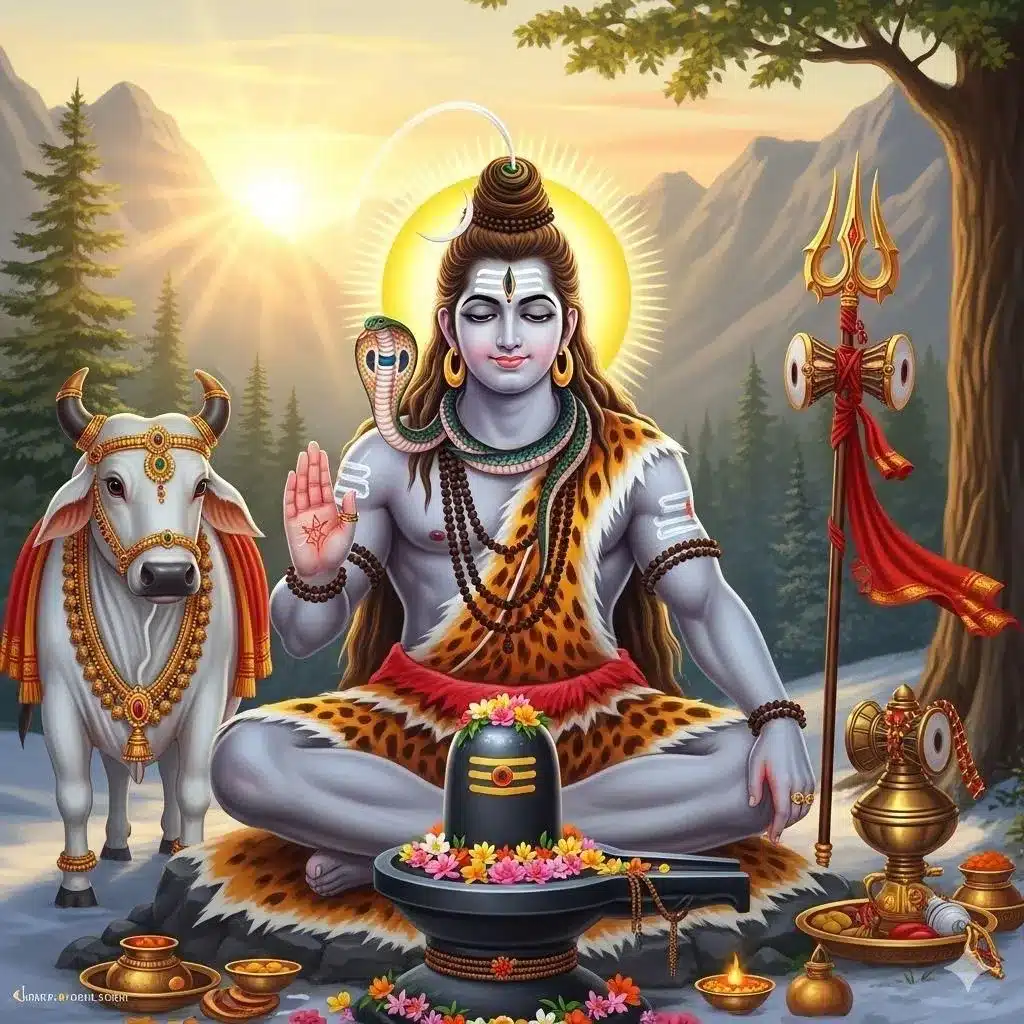
The Vishnu Purana describes the birth of Ganga in the following manner: she said to have issued forth from the big toe of Lord Vishnu’s left foot. Dhruva, the pole star, received her in her descent and sustained her day and night on his head, while the seven Rishis (the Pleiades) performed their ablutions in her waters (because the Pleiades revolve around the Pole Star). Ganga then encompassed the orb of the Moon by her currents, which added to the luminary’s brilliance. Thereafter, having issued from the Moon, she alit upon Mount Meru, and then flowed in four branches to the four corners of the Earth for the sake of its purification. The name of theses branches are Sita, Alakananda, Chaksu and Bhadra. The southern branch, Alakananda, was held affectionately by Lord Shiva on His head for one hundred divine years and then was released from His matted locks. Hence Lord Shiva is depicted in Indian iconography with a crescent Moon on his head, from where a shoot of water springs forth. Thereafter, the southern branch of Ganga journeyed through India and divided itself into seven rivers which flow into the southern ocean. Hence Alakananda is known as the most sacred river of the four branches.
According to another version, Goddess Ganga, once lived on Mount Kailash and flowed demurely for the sole pleasure of the Gods. Legend has that Sagar, King of Oudh, the 13th ancestor of Lord Rama, the descendent of Sun God (Suryavanshi), had performed the Ashwamedha Yagna, or the horse-sacrifice, 99 times. This ceremony consisted in sending a horse round the Indian world, with defiance to all the earth to arrest its progress. If the horse returned unopposed , it was understood to be acquiescence in the supremacy of the king, and the horse was then solemnly sacrificed to the gods. When King Sagar made preparations for the 100th sacrifice, Indra, King of Heaven, who had himself performed the ceremony a 100 times, jealous of being displaced by this new rival, stole the horse, and concealed it in a subterranean cell, where the sage Kapila, or Kapila Muni, was absorbed in meditation, dead to all occurrences of the external world.
The sixty thousand sons of Sagar traced the horse to its hiding place, and believing the sage to be the author of the theft assaulted him. The holy man being thus roused opened his eyes and cursed the assailants, who were immediately burnt to ashes and sentenced to hell. Sagar heard of this fate through Narada (devotee of Lord Narayana), the heavenly wonderer, and sent the grandson Ansuman to undo the harm. Ansuman descended to the underworld and met Kapila, who was much pleased with the youth’s bearing and conversation. He granted that the souls of the sons of Sagar may be released by the waters of Ganga, then resident in heaven. Despite much austerity and prayer, neither Sagar nor Ansuman after him, nor his son Dilip could get Ganga to appear on earth.

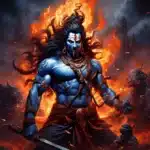
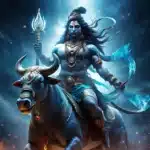
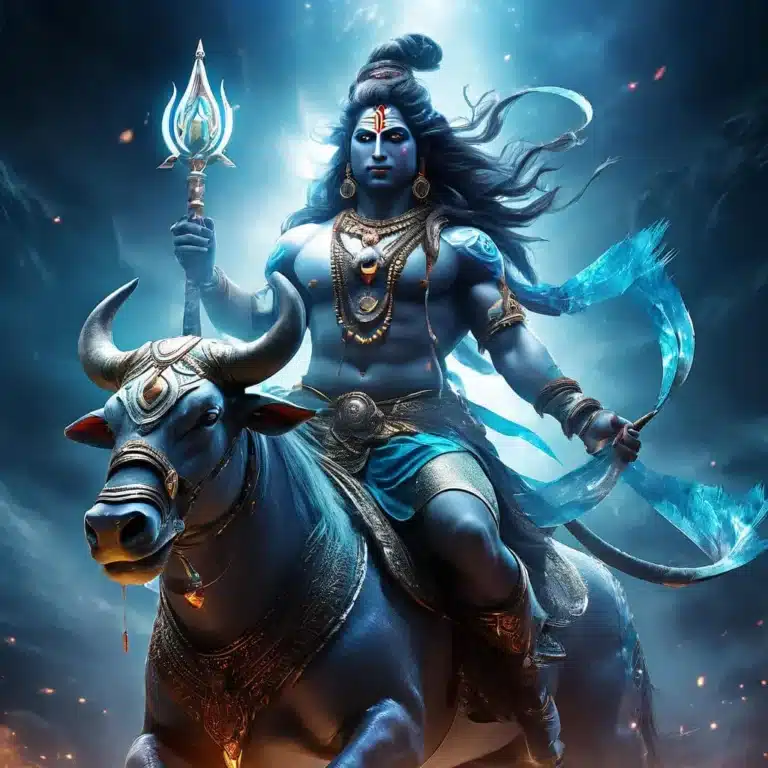
Finally it was Dilip’s son Bhagiratha, who after severe austerities, propitiated the Goddess, and she agreed to come down to earth and then to the nether world to rescue the tormented souls of the sons of Sagar. However, the impact of her fall would be so severe, that it could be borne by none less than Lord Shiva himself. Therefore Bhagiratha went into meditation again and obtained Shiva’s consent after many more austerities. Finally, the river came down and fell into Lord Shiva’s matted hair, (this manifestation of Lord Shiva is known as Gangadhara), from where she separated into seven streams, of which three flowed to the west and three to the west. The seventh stream followed Bhagirath to earth and then to the nether worlds.
Bhagirath patiently led the river down to the sea from the Himalayas and for this reason the Ganges is also known as the Bhagirathi. However, being unable to locate the exact spot where the ashes lay, he requested Ganga to follow her own course. The Ganga, therefore in the region of Bengal, divided herself into a hundred mouths and formed the Ganges delta. One of these streams washed the ashes, and offered salvation to the souls of the departed. In this way the children of Sagar were saved and an ocean formed from the waters there. This is the Sagar Island of today, where the Ganges flows into the Bay of Bengal, where a bath at the confluence of the river and the sea is considered to be sacred on Makara Sankranti (mid January).
Thus on the tenth day of the bright half of Jyeshth (last week of May), Goddess Ganga began to flow from heaven to the matted hair of Lord Shiva, and from the hair of Lord Shiva she began to flow on earth. The first ten days of the month of Jyeshth (last week of May), known as Dashahara, are dedicated to honour the river Ganges, or Mother Ganges. The Ganges is believed to flow in the three worlds – heaven, earth and the nether world (patala – where the ashes of the sixty thousand sons of King Sagar lay): Thus the Ganga is known as “Three Path River”. People believe that by bathing in the Ganga sins are washed away. The principle centers for the worship of the Ganga are Gangotri, the source of the river; Haridwar, where she comes down to the plains; Allahabad, where she joins the Yamuna; Varanasi, the holy city; and Sagara Island in her estuary where she finally flows into the Bay of Bengal.





