











SO-HUM
SO-HUM
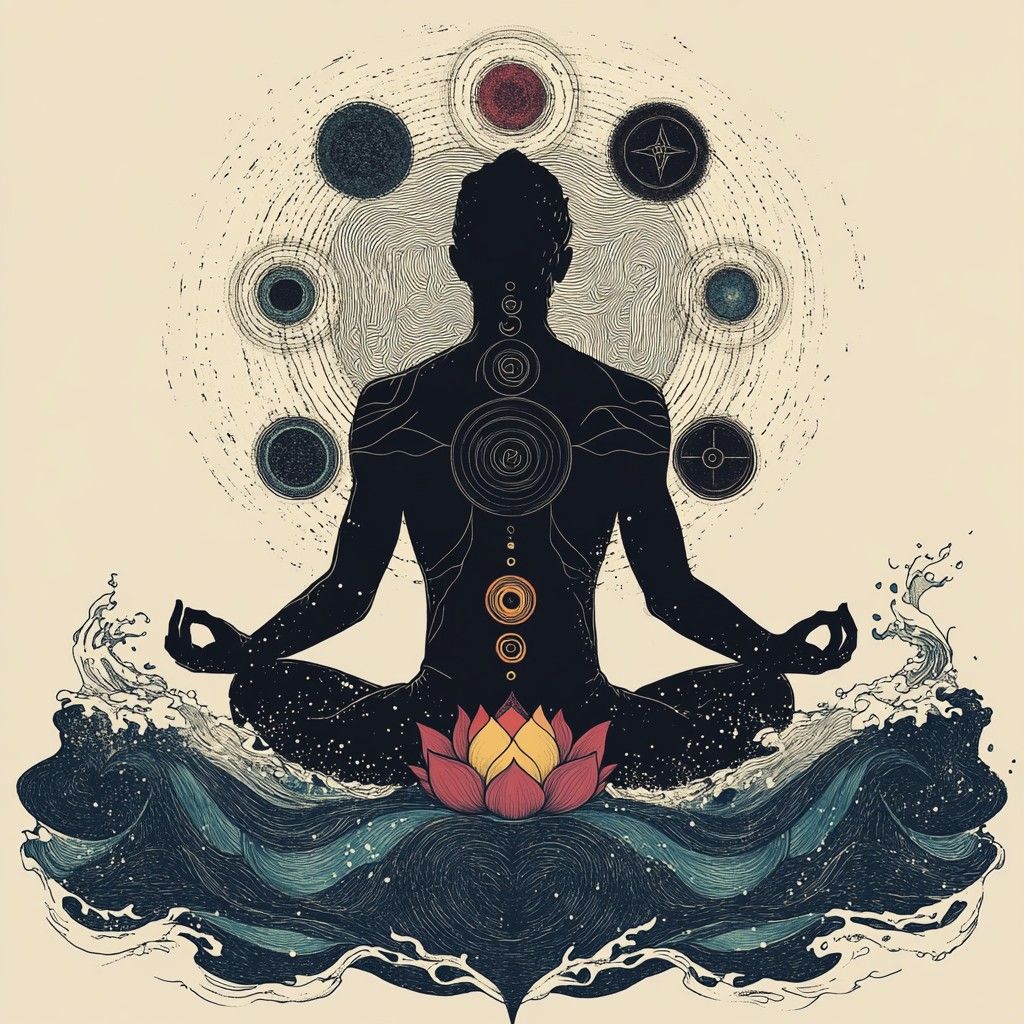
Soham Meditation
The joy we get from singing bhajans and by performing worship is temporary. But by experiencing the essence of “soham” mantra, you will get eternal joy. This soham is also known by the name “Hamsa Gayatri”. “So” means “that”; “ham” means “I am”. “I am that” is the meaning of soham. You should chant soham with every breath. When you breathe, you are inhaling “so” and you are exhaling “ham”. If we repeat soham mantra with every inhalation and exhalation of breath, it will do a lot of good to you. Repeat “soham” with every breath and watch your breath carefully.
Brahma is the Creator of the whole Universe,
Vishnu is the Sustainer, and
Siva is the Destroyer of all sins.
This is the Truth I am revealing to you.
(Telugu Poem)
Embodiments of Love!
What is man, immersed in an ocean of sorrow, seeking in this vast and limitless universe? What for is he doing sadhana (spiritual exercises)? Some are seeking fulfilment in worldly things; some others are wasting their valuable time in trying to seek satisfaction of their unfulfilled desires. Yet, others are entering the spiritual path with a desire to have darshan, sparshan, and sambhashan of Divinity. Human beings contemplate on God as Brahma, Vishnu, and Maheswara. But these are not Gods with a human form. They have neither a form nor a place. If one enquires into the nature of their form, it will become clear that they have only some attributes, with no specific upadhi (vesture).
It is said “Easwarah sarva bhoothanam (God is the indweller of every living being) “. But with what form? How can one contemplate on God with an invisible form? What is the use of such contemplation? Divinity is the very life breath that can be perceived and heard. How can one recognise and experience the sound of this Divine breath?
The Upanishads have given the names of Brahman and Atma invisible divine breath in human beings. But one cannot understand these abstract concepts, with any amount of explanation.
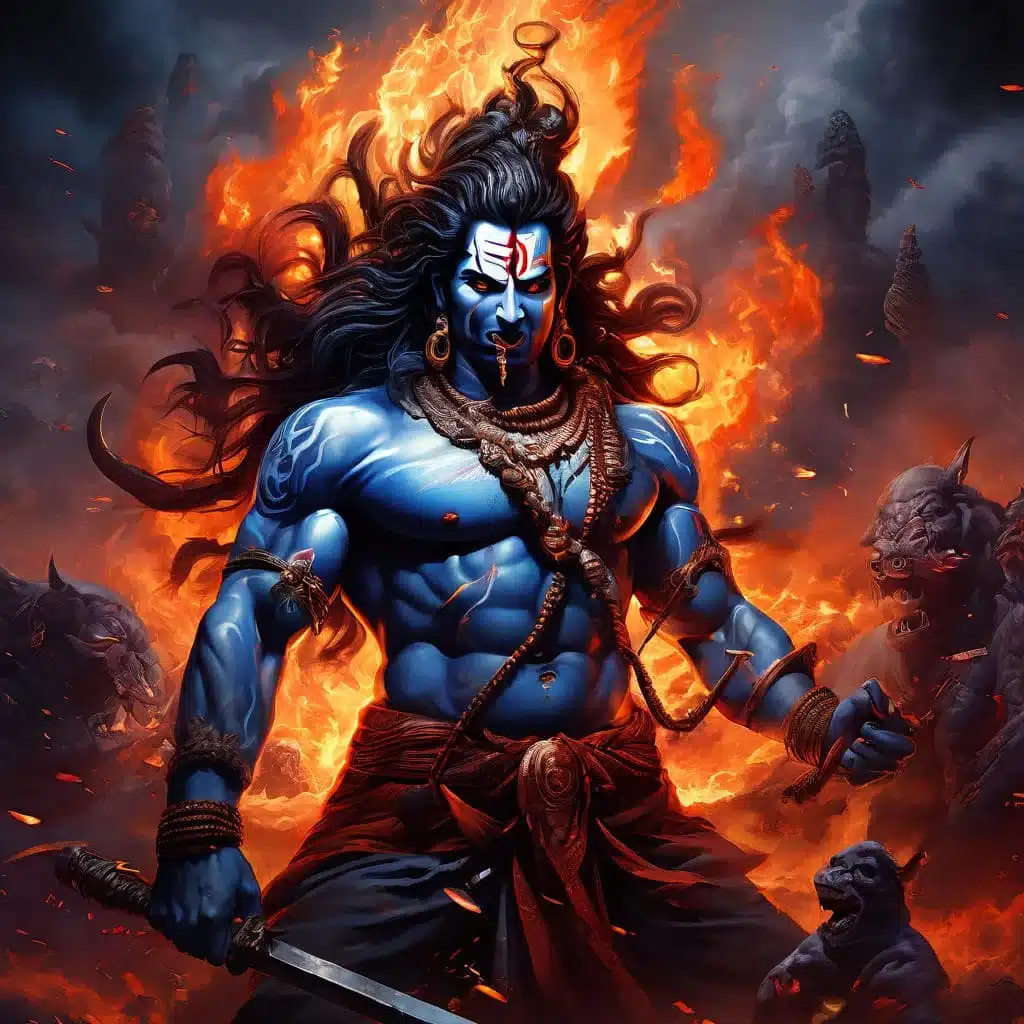
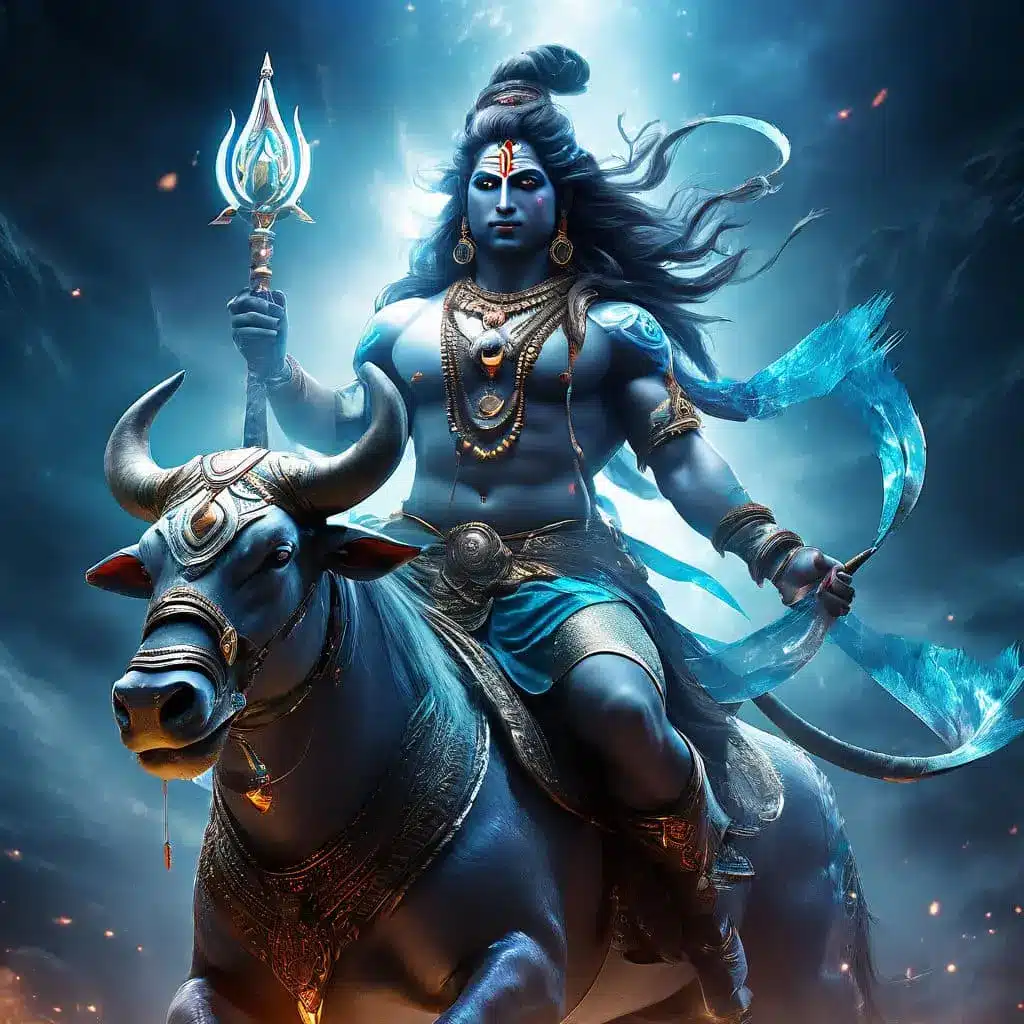
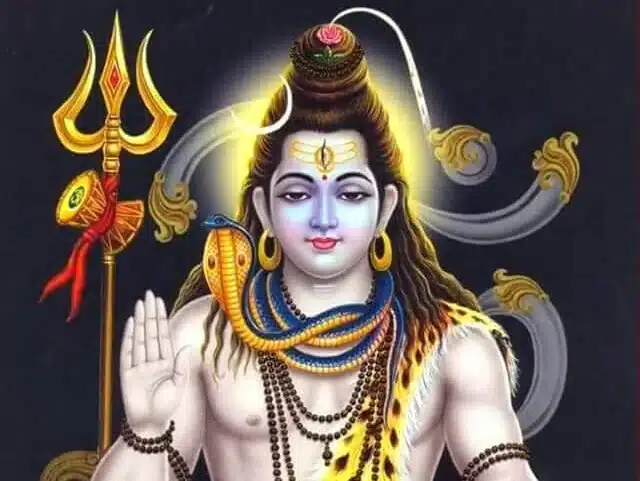
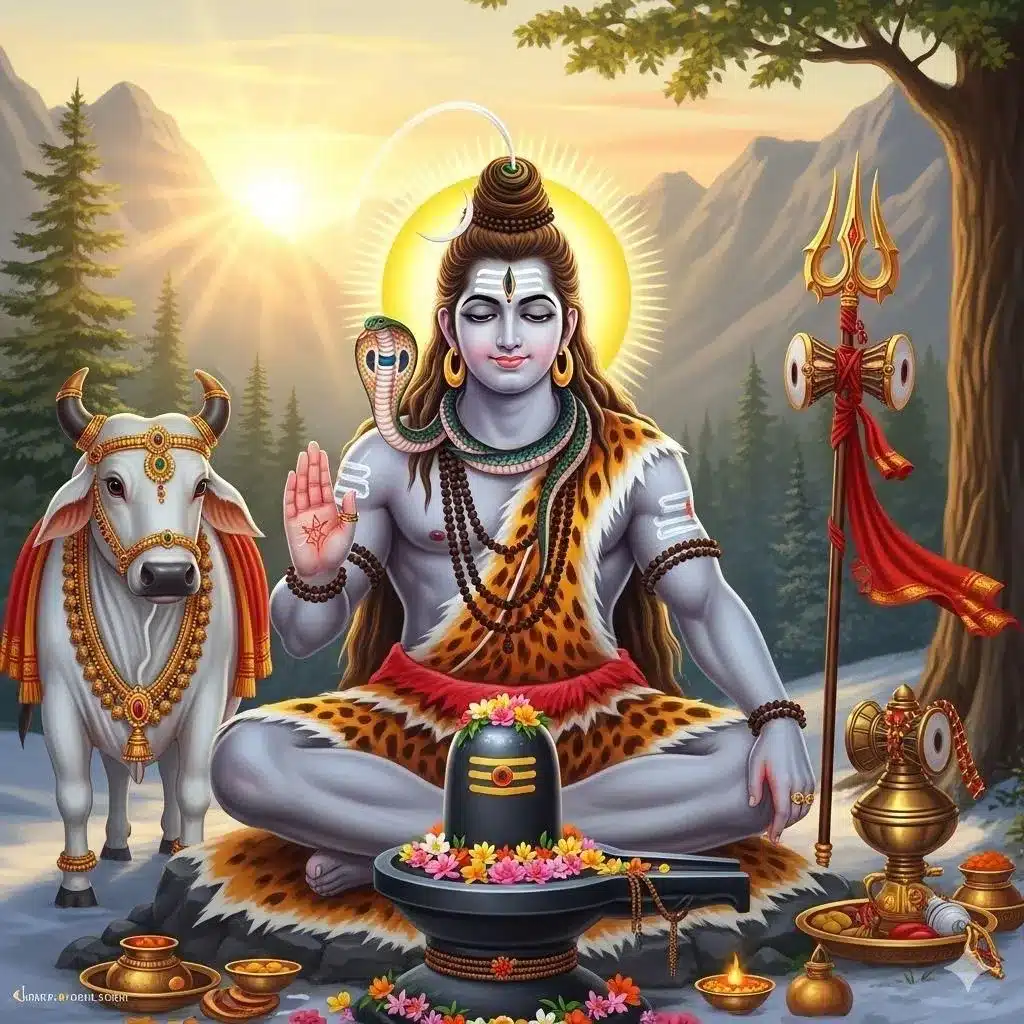
What is the meaning of Easwarathwa (Divinity)? It can be understood as the Divine, auspicious breath of soham that emanates from a human being. Soham means “I am that ” (Divinity). The sound of the breath in human being, i.e. soham establishes the nature of Divinity. If one tries to contemplate on the form without recognising the sound, he will not be able to understand the nature of Divinity. Soham is sathwic (pure, serene) in nature. This sathwa guna is Easwarathwa (the Shiva Principle).
There is another principle that emanates from this Divine breath, namely, Vishnuthwa (the Vishnu Principle). What is the form of this Vishnu Principle? The feelings in the mind. In other words, mind is the Vishnu Principle. There is yet another form that emerges from the navel of Vishnu, namely, Brahma. Thus, the principles of Brahma, Vishnu, and Maheswara are emanating from the Soham Tathwa in a human being itself.
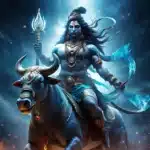
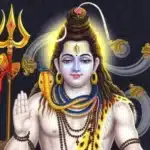
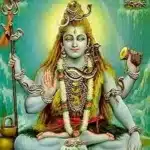
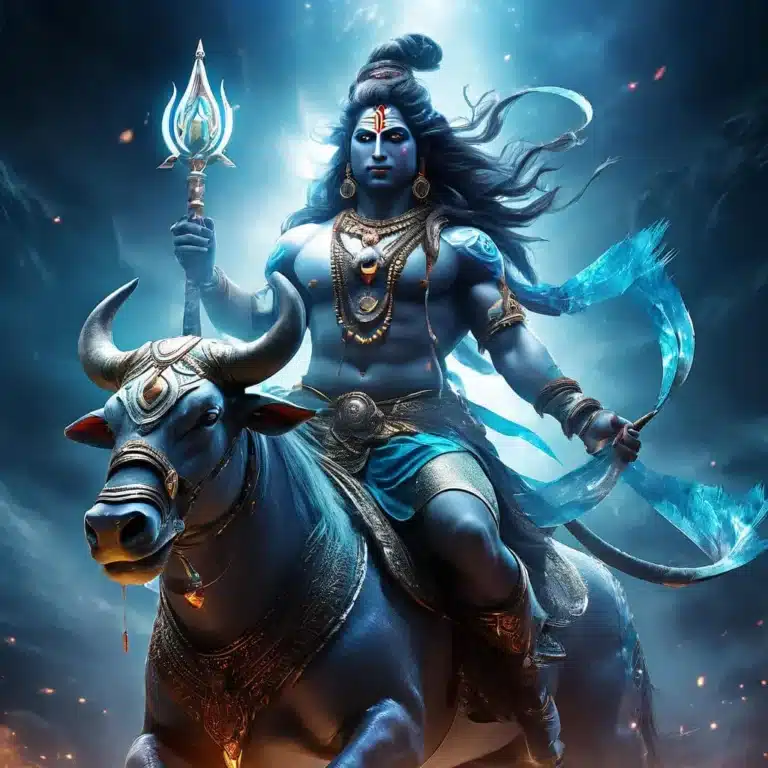
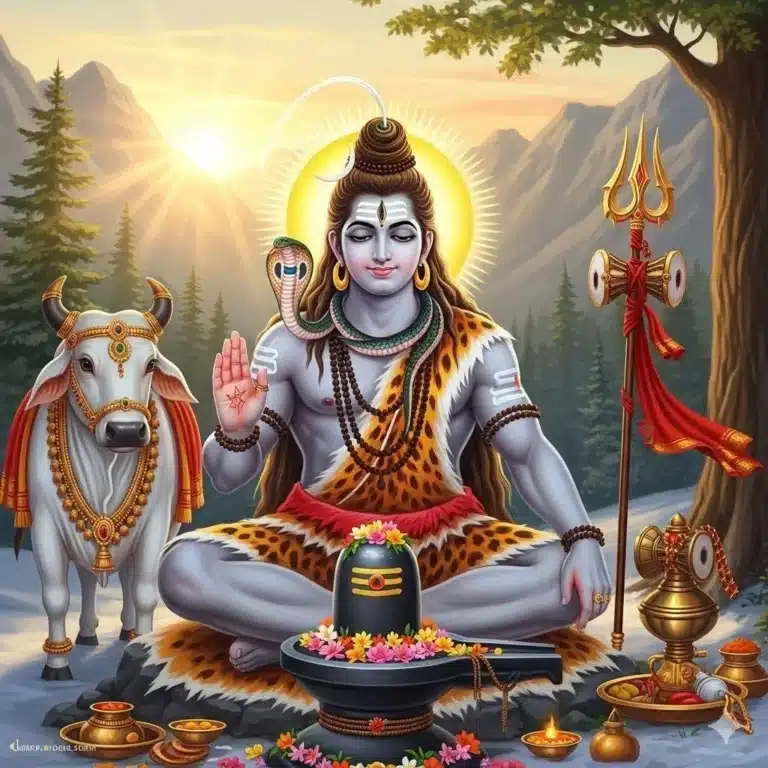
In this trinity, Shiva is the Soham Tathwa, Vishnu is the mind, and Brahma is the vak swarupa (in the form of words). It means, every word that emerges from the human being is Brahma; every resolve (sankalpa) emerging from the mind is Vishnu and every breath coming out of the body is Easwara. Thus, Divinity is permeating the entire human body. The body is living as long as the life breath emanates from the body. Mind is made up of (sankalpa (resolution) and vikalpa (negation or dissolution). This is the Vishnu Principle. The Principle that emerges from the navel of Vishnu is Brahma. What is the root cause for this Brahma Principle? That which attracts the sound (sabda).
It is said, Sabda Brahmamayi (sound is Brahman), Characharamayi (that which permeates the whole universe, movable and immovable is Brahman), and Vangmayi (word is Brahman). Durga, Lakshmi, and Saraswathi are the embodiments of these three, namely, sound, pervasiveness, and word. In every breath of the human being, there is this soham chanting. Without this soham sound, the breath cannot exist. Similarly, devoid of mind, sankalpa cannot arise. And, without sankalpa, the word cannot emerge. Thus, there is inseparable and inter-dependent relationship between the soham sound, the sankalpa in the mind, and the word. Several efforts are being made by several people to recognise this relationship. However, this principle cannot be understood by sadhana (spiritual exercise). It can be realised only through enquiry.
Man today is engaged in the study of several Upanishads. What is the essence of these Upanishads? The essence of Upanishads is the principle of unity in diversity. We are nourishing and nurturing the body. For what purpose? What is the benefit accruing out of this nourishment? In fact, nothing. As long as the body exists, we have to feed it. As long as we take food, we sleep as well. During sleep, we experience happiness. But, once we wake up, are we able to experience the same happiness? No. Therefore, in order to experience everlasting bliss, we have to realise the essence of the Upanishads. Divinity has no names. All names and forms belong to God. There is no place in which He does not exist. Nor is there an object in this world, which does not belong to Him.

Embodiments of Love!
The essential nature of Divinity is Love. However, few make the effort to recognise this principle of love. There are several systems in the human body like the digestive system, nervous system, etc. But there is one main switch, which controls all the systems in the body. The eyes see several colours. The tongue tastes several delicacies. The ears hear several types of sounds. But, what is the basis for all these experiences? That basis is called the fundamental principle, because of which man is able to experience all these things. That fundamental principle is given the name of Atma.
Because of this Atma Tathwa, several sankalpas and bhavas arise in our heart. Hridaya (heart) is the Veda. The sankalpas are the sruthis. The essence of these sruthis is Vedanta. Hence, it should not be presumed that the Vedas are somewhere in a distant corner. The all-pervading sound of the sruthis is constantly in us, with us, and is part of us. Therefore, we have to recognise the sounds that emerge from the Veda of our heart. During the past three days, in the morning you must have observed the pandits chanting the Vedic mantras with several intonations, in the Poornachandra Auditorium. When you hear the sound of the mantras, you feel very happy, even though you are not able to understand their meanings. There may be several meanings for the words in these mantras. But the very sound emerging from the chanting of these mantras will make you happy.
In order to know the true meanings of the words in these mantras, one must enter into the process of spiritual enquiry in an environment of deep silence. For, it is only in the depth of silence, the voice of God can be heard. Yesterday, I was mentioning to you in My discourse about the inherent nature (sahaja) of an object. How did sweetness come into the sugarcane? How did hot taste come into the chillies? How did bitterness come into the neem leaves? How did fragrance come into the jasmine flower? We call it nature. No, no. The divine Nature is expressing itself through these forms.
In order to understand the nature of Divinity (Paramatma), we must engage our mind in the contemplation of the Transcendental Principle (Parathathwa). Where does the mind come from? It comes from the sankalpa (resolve) and vikalpa (negation or dissolution). They in turn come from the nature of sabda (sound). Sound is the real Brahmathathwa (the Principle of Brahma). The soham principle in the Brahmathathwa is Atmathathwa, in essence. Therefore, in order to understand Atmathathwa, one has to recognise the nature of the swasa (divine breath).
Soham is also called as Hamsa Gayathri. So (sah) means that, and ham (aham), means I. Thus, soham means “I am that “.
What is this “that “? What is it that proclaims “I am that “? Is it mind? If so, the mind becomes an obstacle to realise the soham principle, since it is like a mad monkey. How can you march forward in your spiritual journey by relying on such an unsteady mind? This kind of approach is not correct. Manas (mind) is verily the embodiment of Vishnu, who is all-pervading. Without such a mind, there cannot be the swasa (breath). It is only on account of the life breath that the mind functions.
In order to understand such subtle meanings, one has to depend upon the method of enquiry. When you sit for meditation on the soham principle, you will observe that the so comes in and ham goes out while inhaling and exhaling. This process has to be watched carefully. Here so relates to the Divine Principle and ham to ahamkara (ego). Thus, while Divinity enters into our body, ego leaves us. And that Divine Principle which has entered into our body must be held firmly in our system by the process of kumbhakam (holding on).
People doing pranayama sadhana call these processes puraka (inhaling), kumbhaka (holding) and rechaka (exhaling) of the breath. Soham, the Hamsa Gayathri, consists of inhaling the breath through one nostril while chanting so and exhaling the breath through the other nostril while chanting ham and in between holding the breath for sometime. The most effective method lies in observing strict timings for all the three processes involved in the soham. Disregarding the timings, if one does pranayama, it will endanger one’s life itself. The time spent for the three processes of puraka, kumbhaka, and rechaka must be exactly the same. Time is the essence of this pranayama sadhana, since God is Kalaswarupa (the embodiment of time).
Our sankalpa (resolutions) must always be sathwic (pure) in nature. In order that we have sathwic sankalpas, our swasa (breath) must be pure in nature. Thus, the principle of Brahma, Vishnu, and Maheswara are inseparable and interdependant. They are one and the same. We must try to understand the essential nature of their unity.
Today, no one is able to realise the true meaning of the Upanishads. It will take at least a month to describe, analyse, and understand the inner meaning of each one of the slokas (verses) in the Upanishads. There are several meanings for each word, and we must take that meaning that is appropriate to a given situation.
A small example. There is a young boy who is still in the process of learning to talk. Considering his age, if you say orally the word “Rama “, he will pronounce it as “Lama “. That is the correct pronunciation at his age, as far as he is concerned. But in our view, it may be wrong. Only when we take into consideration all factors like the age, time, and the particular word used, is it possible to decide whether it is right or wrong. There are many educated boys. If you ask them to spell chapa (mat), they will pronounce it as chepa (fish). Only when one knows what chapa is will one be able to distinguish it from chepa. Otherwise both chapa and chepa would mean the same for him. In the Gajendra Moksha episode in Bhagawatha, Lord Vishnu was rushing to the rescue of the elephant from the jaws of the crocodile. His consort, Lakshmi, was on his side at that time. She wanted to ask Him where He was rushing to, but there was no time. The famous poet Pothana was describing that scene beautifully thus:
Running fast behind Lord Vishnu
To enquire as to what has happened;
But she was not sure, whether He would reply;
Anxious and confused,
Her locks of hair loosening while running,
Unable to catch up with Him
She sat down dumb-founded.
Thus, each language and each country have some beautiful ways of portraying a given situation, which are specific to them.
Dear students,
If you want to know the meanings of the Upanishads, you have to approach the great souls who are well-versed in them. The essence of all the Upanishads is derived from the Brahmathathwa. And this Brahmathathwa expresses itself through the vak (word). Vishnuthathwa is based on the mind. It consists of good thoughts. When there are good thoughts in the mind, they will find expression through good words. The good words in turn, give good meanings. The Trinity of Brahma, Vishnu, and Maheswara are not three separate entities. Brahma is swasa (breath), Vishnu is manas (mind), and Maheswara is vak (word). The unity of these three is the Atmathathwa.