













Hari Om

Menu

Shri Biraja Temple Shakti Peetha

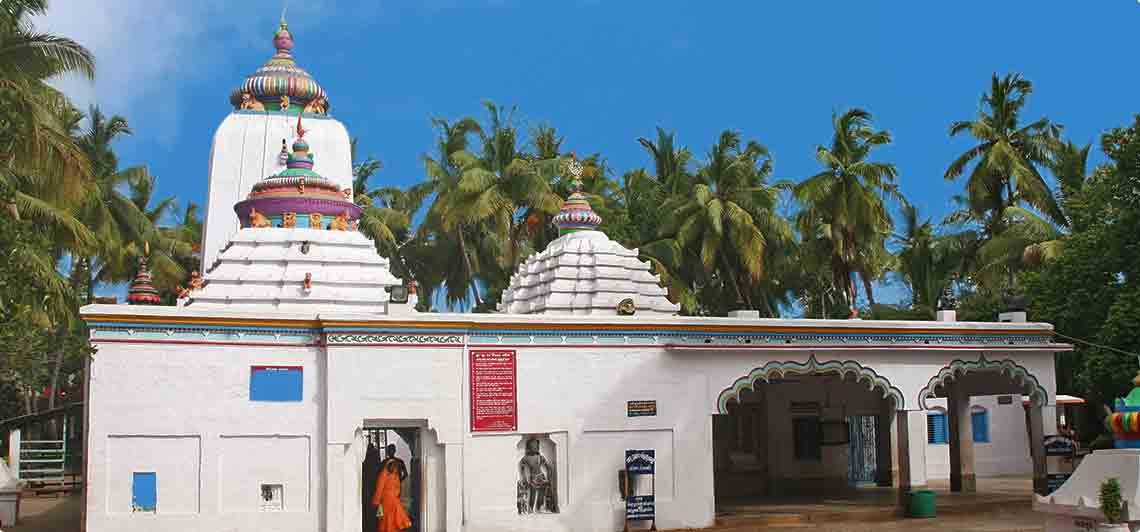
Shri Biraja Shaktipeeth, located in Jajpur, Odisha, is one of the most ancient and significant Shakti Peethas in India. Here, it is believed that the navel (nabhi) of Goddess Sati fell after her body was dismembered by Lord Vishnu’s Sudarshan Chakra.

lotus removebg preview

“या देवी सर्वभूतेषु शक्ति-रूपेण संस्थिता।
नमस्तस्यै नमस्तस्यै नमस्तस्यै नमो नमः॥

― Shri Biraja Temple Shakti Peetha

This site is believed to be the place where the left arm of Goddess Sati fell. The goddess is worshipped here as Bahula Devi, which means “the Magnificent One” or “She Who is Abundant,” and Lord Shiva is worshipped here as Bhiruk or Bhirukeshwar Bhairava
lotus removebg preview
Biraja Temple Shakti Peeth Jajpur Pin

Mythological Significance

In the legend of Daksha Yagna, when Sati self-immolated due to the insult of Lord Shiva, her body parts fell in various places. In Jajpur, the navel or yoni of Sati is said to have fallen, sanctifying this land as a Shaktipeeth.
The place was once known as Viraja Kshetra and is described in ancient texts like the Skanda Purana and Brahmanda Purana. It was also referred to as Navigaya, one of the places where performing shraddha is believed to free ancestors from the cycle of rebirth.

lotus removebg preview

Spiritual Importance

Maa Biraja is considered Adi Shakti, the primordial goddess who governs energy, courage, and righteousness. This Peeth is especially powerful for devotees seeking freedom from negativity, bad karma, and spiritual liberation.
Beliefs:
Performing Pitru Shraddha here brings peace to ancestral souls.
Women pray for fertility and protection during childbirth.
The goddess is known to remove Mahisha (ego) from within the devotee’s mind.

birla ji temple devotional
lotus removebg preview

Architecture of the Temple

lotus removebg preview
simha stambh biraja devi mandir jajpur

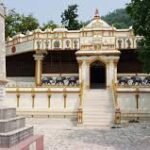
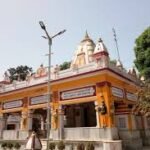
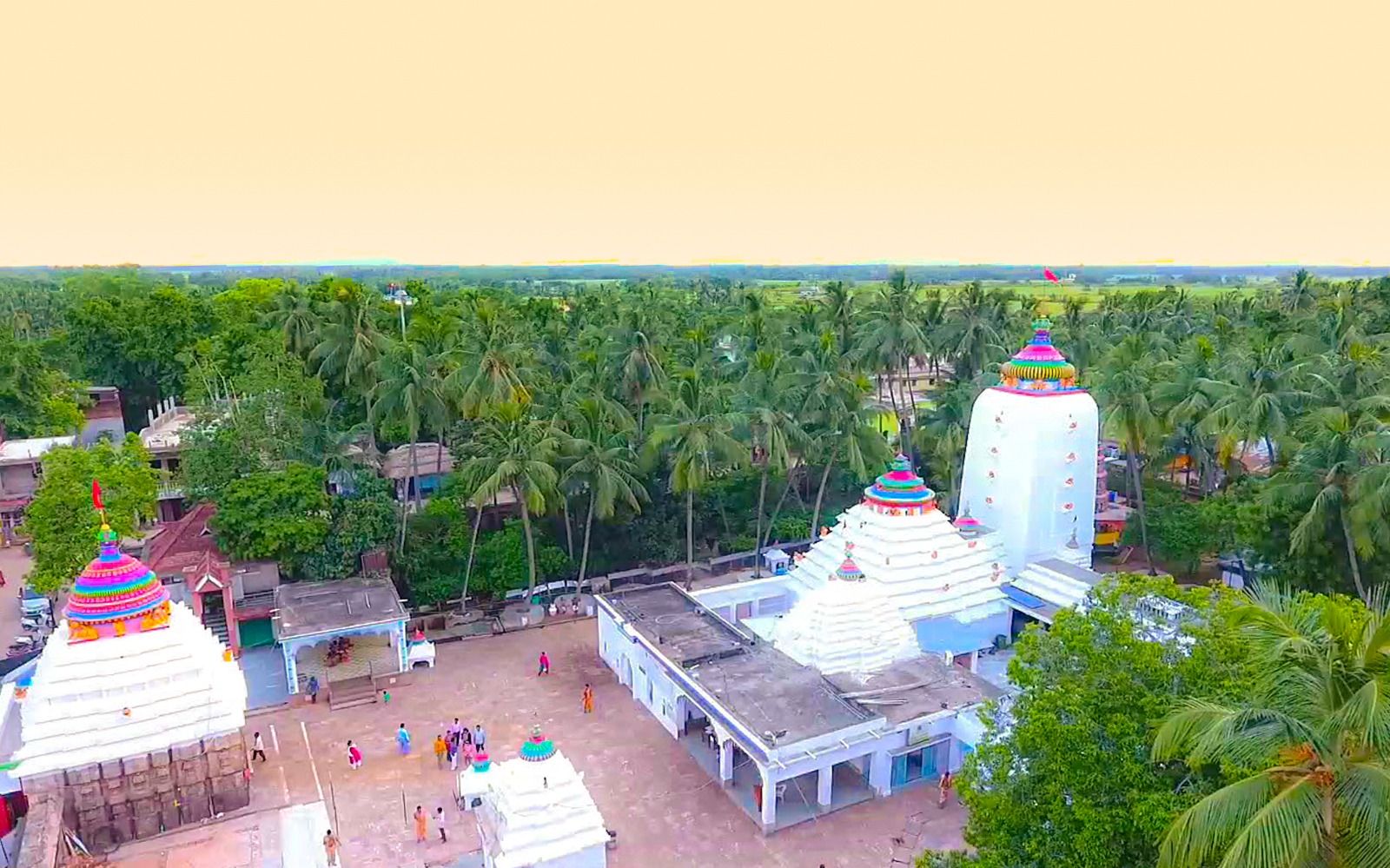
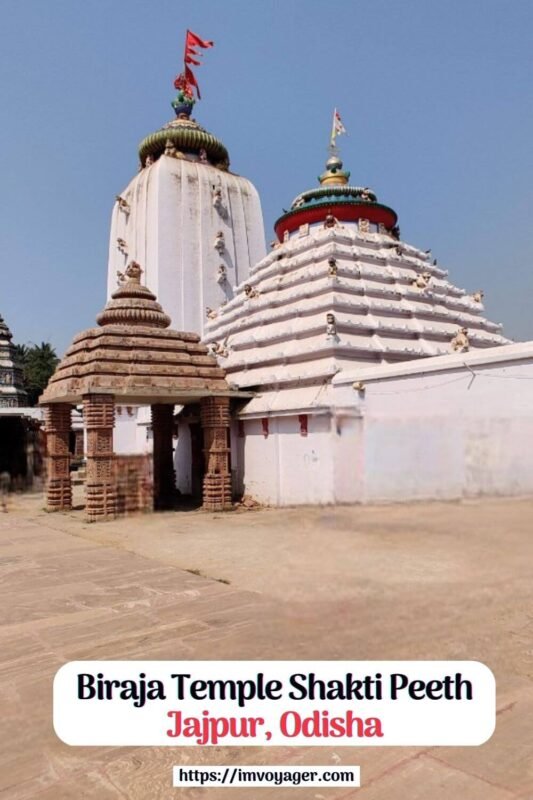
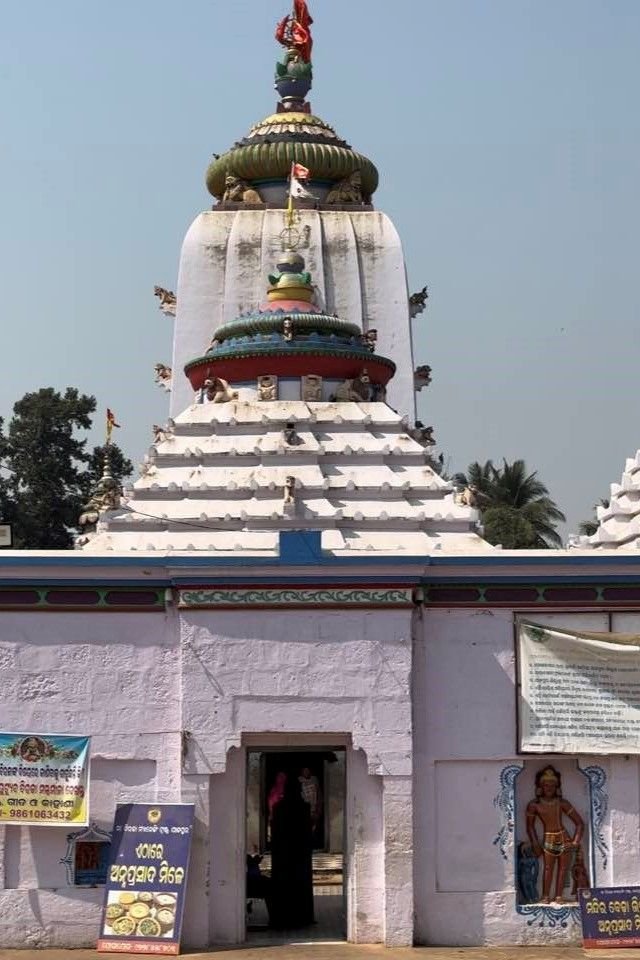
The Biraja Temple is a classic example of Kalinga-style temple architecture with a towering rekha deula (shikhara) and intricate stone carvings. Built in the 13th century, it reflects strong elements of Odisha’s temple design heritage.

Notable Features:

A sacred well inside the temple is used for ritual purification before performing rites.

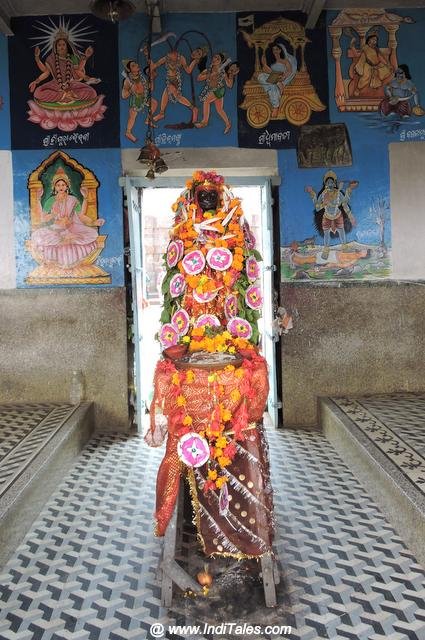
The idol of Maa Biraja is about two-armed and 8 feet high, seen killing Mahishasura by piercing him with a spear and pulling his trunk with her hands.

A lion (her vahana) is also seen attacking the demon, symbolizing divine power.

The temple complex also houses 108 smaller shrines dedicated to various deities, saints, and aspects of Devi.

Temple Timings

  • Morning Temple Opening & Closing Timing

    6:00 AM to 12:30 PM

biraja corosal3
  • Evening Temple Opening & Closing Timing

    3:00 PM – 9:00 PM

lotus removebg preview

Temple Location

Related posts: