











Modes of Worship by Swami and insights
Modes of Worship by Swami and insights
From ancient times to today humanity cannot live without worship. The ways and methods of spiritual worship are different but the joyful peace in mind what one can receive from that is in core the same.
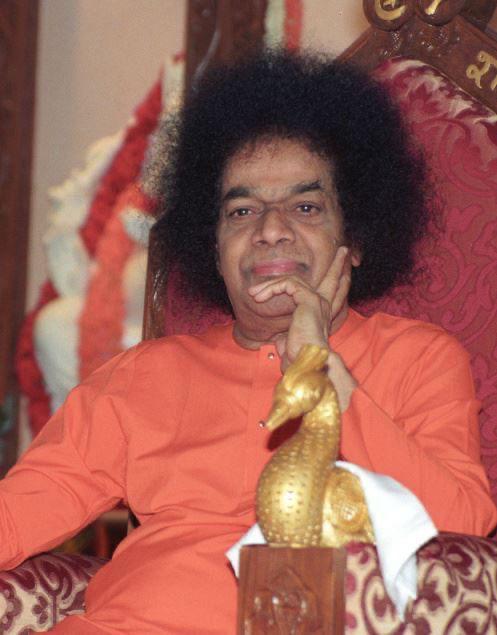
There is a question arises. Our generation of human beings live at the same time with Avatar, present incarnation of previous Gods in different countries, in different times. As Swami, so His devotees honour and worship the ancient Divine incarnations. Swami modestly advices us to see one and the same God within, what is the basis of Atmic reality. But who is leading and guiding humanity today? It is not only Swami in his material form, but also His expanded Cosmic form, it is the Divine energy what shines through every His word, what shines through every devotee who shares his/her experiences. It illuminates through Sailogram (developed by Sailoptics team) and Swami’s holographic and other pictures created with love by His devotees. Here Swami’s Divine energy is entwined with faith of his devotees. It illuminates through His manifestations… It illuminates everywhere in the Nature. This illumination is as a call to look into own Self by the help of the real Divine power and vision.
This illumination or Divine shining is real. Recently I removed Swami’s pictures from my flat and carried to the hall where a seminar (two days) about human values was. My flat became cold and uncomfortable not only for me. All who visited me during these days were surprised and asked what has happened, why in my flat was such unfriendly atmosphere? The door to the rooms where the pictures were, was shut and they did not know about absence of Swami’s pictures.
How can our generation to worship Swami, a real living Divine incarnation? Probably our worship should be directed on spiritual development of inner knowledge of the Atmic unity. This knowledge is the basis for development of all humanity and also the single persons who are carriers of eternal spirit, where all good or bad that is made by them you will leave a no erasable trace.
Swami has properly analysed and described modes of worship in His work “Sathya Sai Vahini” in the frame of Vedas and different sacred texts.
Below are excerpts of Sathya Sai Vahini. Chapter “Modes of Worship” contains the most clear explanation about different methods of worship than the other scientific sources. He stresses the role of idols, mantras, rituals and gives a pictorial conclusion that all modes of worship will become into one in Unity of Atmic reality.
The Veda is the most ancient as well as the most lasting knowledge (or Sastra) discovered by man. That is to say, man has not invented it; he has only recollected it in the serene silence of the soul. So, the Veda can lead man into the Vision of the Truth, unreachable by the senses and unrelated to the material world. It is inaccessible to human reason because it is transcendent.
The Supreme Lord is All-seeing; He is the Person on whom all the hymns of the Vedas converge. The Vedas enable man to get the vision of that Lord and those who have earned that Vision are the Rshis. As a result, the Supreme Lord Himself is referred to as the Great Sage (Maharshi) in the Brahma-Sutra. Among the 108 Names of Siva, the Supreme Lord, we find Maha-rshi and Mukhya-rshi (the Chief Sage, the foremost Sage). Even the Veda is personified and referred to as Rshi, for the same reason. Brahmam (the Vast Expanse) is another word which denotes the Supreme Lord as well as the Veda. Hence, all acts, undertaken with no other desire than the attainment of Brahmam, are also known as Brahma activity – Brahmayajna. A Rshi yajna is a sacrificial act – with no desire to earn the fruit ensuing therefrom – designed to gain the Vision of Truth.
The scriptures distinguish the Divine Body and the Material Body, which each entity and being possess. The Divine Body of every one cannot be cognised by the senses. When an oblation is given to it, it becomes sanctified. The Aahuthi is trans-substantiated into Havis.
The oblation or Aahuthi is thus described in the Veda. The offering and offeree become one through the acceptance. (The Attha and the Adya). Who in this case is the offeree, the acceptor? It is Agni, the Divine Power inherent in Fire, in the Sun, in the Warmth of the Vital Air that sustains Life. When with the recitation of the appropriate ceremonial formulae, material oblations are placed in Agni with the phrase Swaaha, it is not a mere exclamation; it is expiation; it is realisation of the prayer, which the ritual represents.
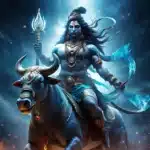
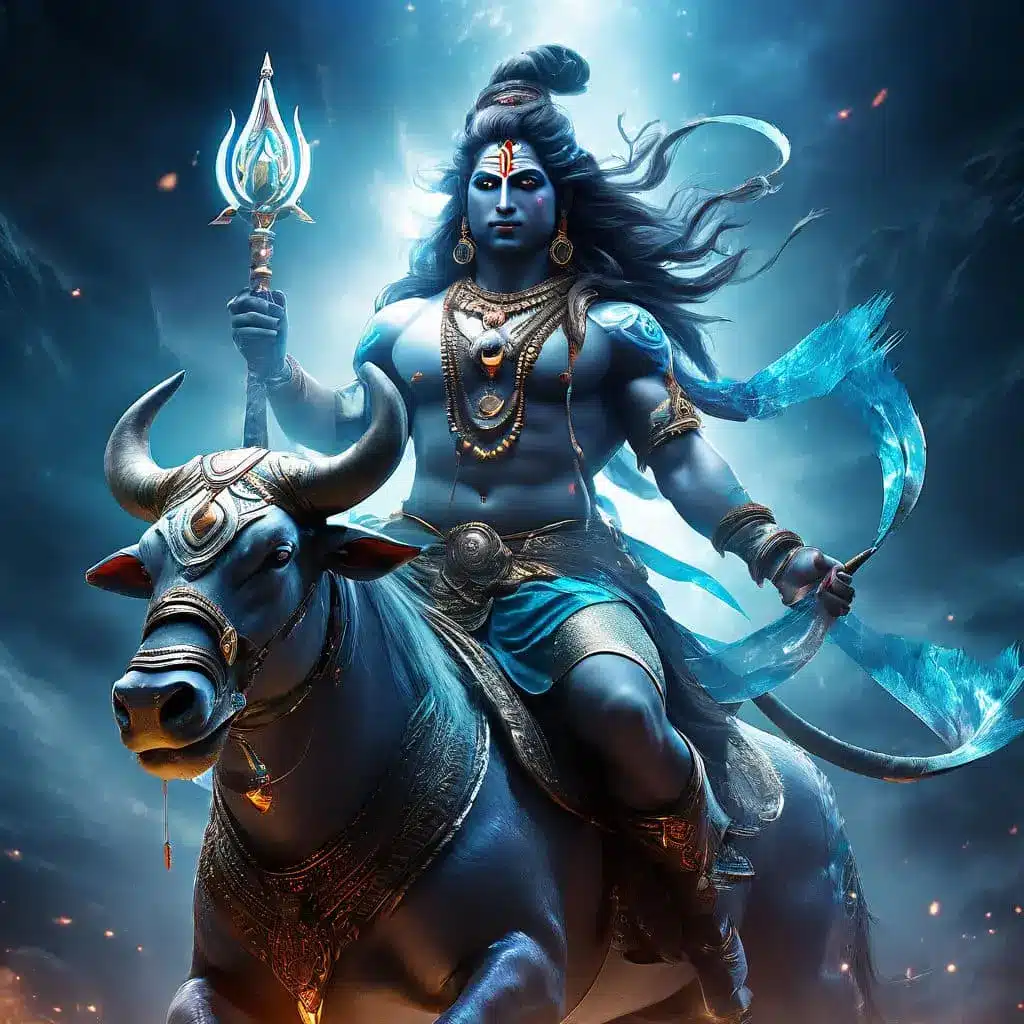
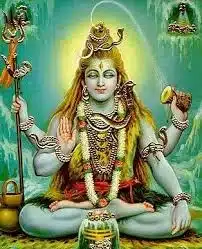
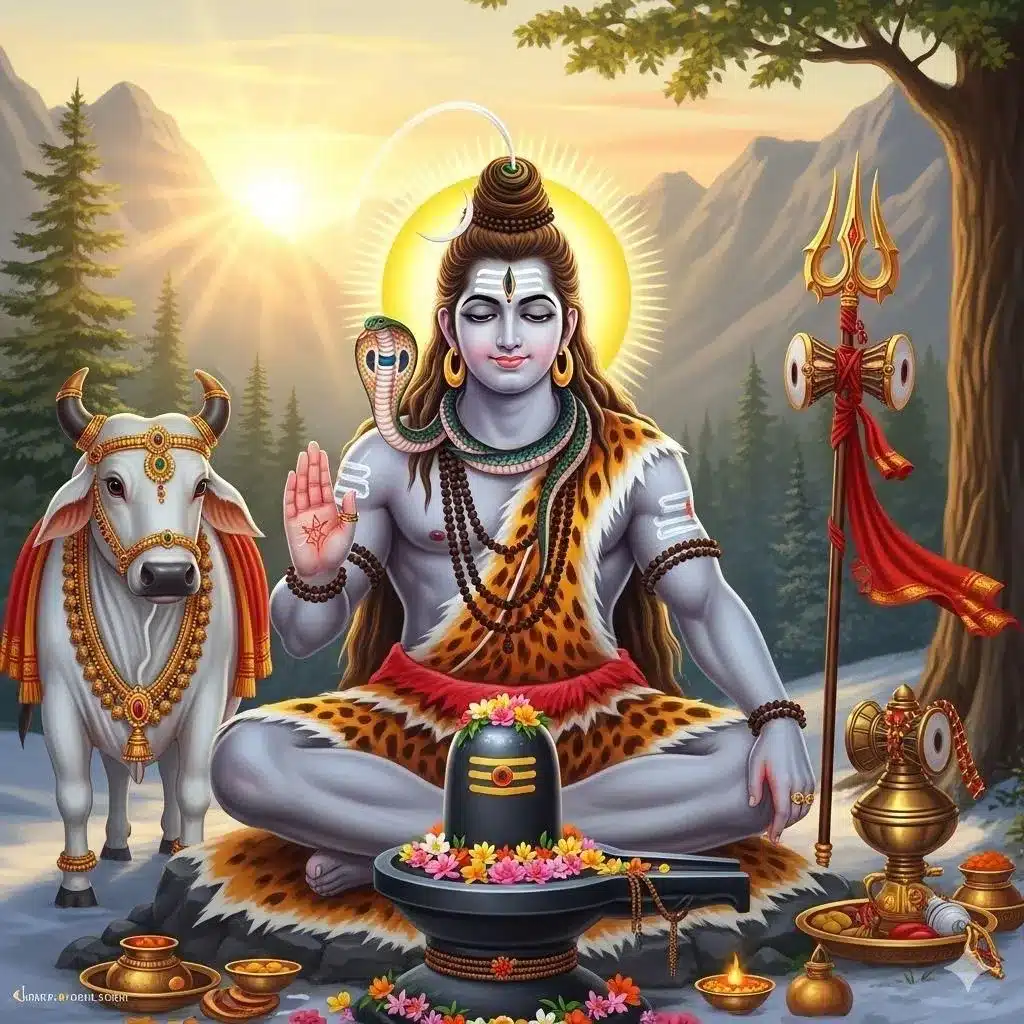
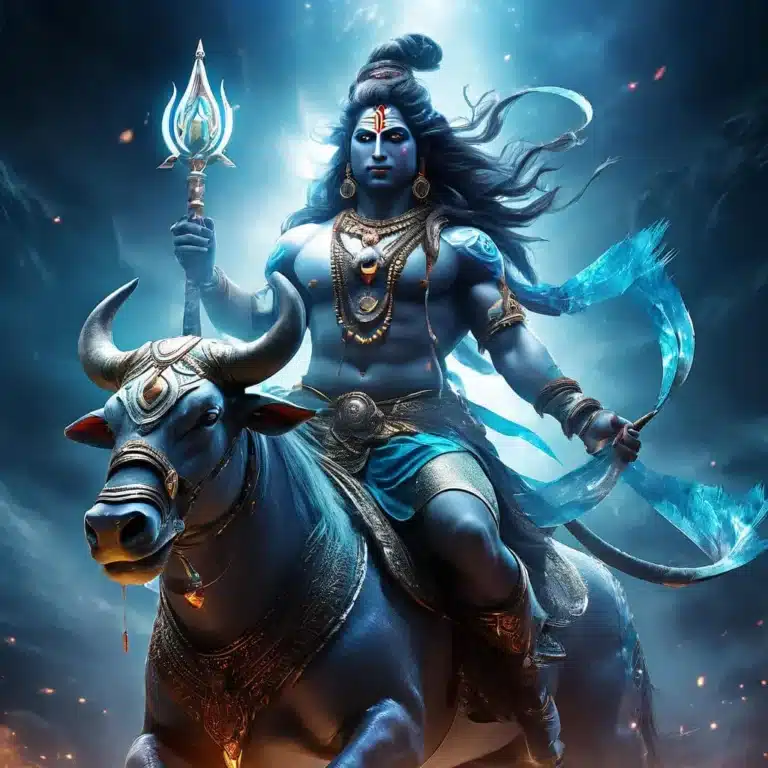
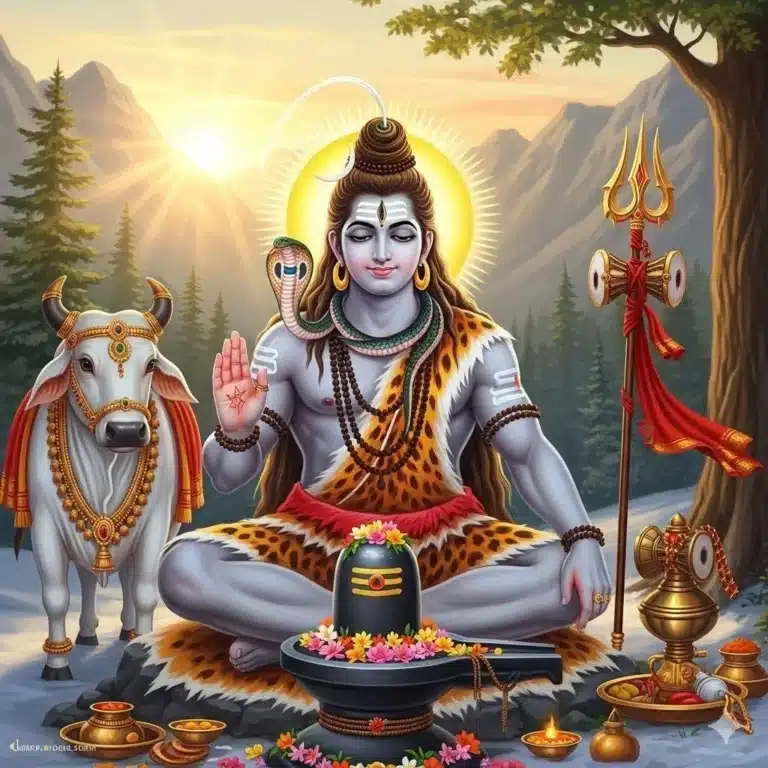
The sacred ceremonies and rituals which the Vedas expound confer joy not only on the participants but on the entire world and even on worlds beyond. The Supreme Lord who is the source of Bliss, is known in the scriptural text as Yajnaanga (having the Vedic ritual as His Limbs), Yajna-vahana (using the Vedic ritual as His Vehicle). When Godhead assumes Form the first manifestation is Hiranyagarbha (the Golden Womb). This too is embodied Bliss, having as vehicle the Bird with wings of Beauty, or Garuda. The Supreme Lord is also known as Vrsha-ratha, He whose chariot is the Bull, the symbol of Dharma (Righteousness). This is the reason why in temples we find the bird Garuda carved or kept as an idol before the shrine of Vishnu and the figure of the Bull or its idol placed before shrines of Siva.
Chha or Chhaadana has as its root meaning another important aspect of the Vedas – shielding, fostering or promoting, promoting the welfare, the ultimate liberation of humans engaged in the unceasing round of worldly affairs. Humans are ever caught up in activities pursued with the profit available as the purpose. They have to be moulded as righteous men and women at the same time; the Tree of Life has to be guarded to offer them fruits and shade. The Veda has to shield from destruction the activist ‘doers’ (Karma lovers) from the evil temptation to court unrighteousness and, the inquiry-fond thinkers (Jnana seekers) from the evil temptation to pursue the pleasure-bound senses.
There is a myth about the Vedic rituals, collectively known as Yajna. Once, Yajna fled from the gods taking the form of a black antelope; the gods went in pursuit, but they succeeded only in retrieving its skin. That skin became the Yajna, the symbol of the rite. The white, dark and tawny colours on that skin represent the Vedas, Rg, Yajur and Saama, and it was adored as sacred for this very reason. It was honoured as symbolising the Triple Knowledge, that is to say, Mastery of the three Vedas. The three colours are believed to represent the three worlds too and, therefore, he who is seated on the skin or wears it benefits the three worlds by his Vedic recitations and oblations.
The master of the ceremonials at the Vedic yajna is described in the vedic scripture as the “Foetus in the Womb.” As the foetus is safe and secure, with its fingers clasped and body prostrate enveloped in the mother, the priest initiate must be enveloped in the antelope skin symbolising Mother Veda. To human eyes, it is just a skin but during Vedic rites, it becomes a shield. This is the reason why, before wearing it, the initiate prays, addressing it, “You are the shield, Charma, shield me as Charma.” Charma since it shields man from grief, injury, and wrong has come to mean happiness and bliss. Vishnu, the second of the Trinity, is the embodiment of Bliss. And Vedic sacrifices confer bliss. Vishnu is praised as Yajna itself (Yajno vai Vishnuh). The Lord Vishnu is the embodiment of the Triple Veda.