













Keelaka Stotram
Keelaka Stotram

मार्कण्डेय उवाच
विशुद्धज्ञानदेहाय त्रिवेदीदिव्यचक्षुषे ।
श्रेयः प्राप्तिनिमित्ताय नमः सोमार्धधारिणे ॥१॥
mārkaṇḍeya uvāca .
oṃ viśuddhajñānadehāya trivedīdivyacakṣuṣe .
śreyaḥprāptinimittāya namaḥ somārdhadhāriṇe .. 1 ..
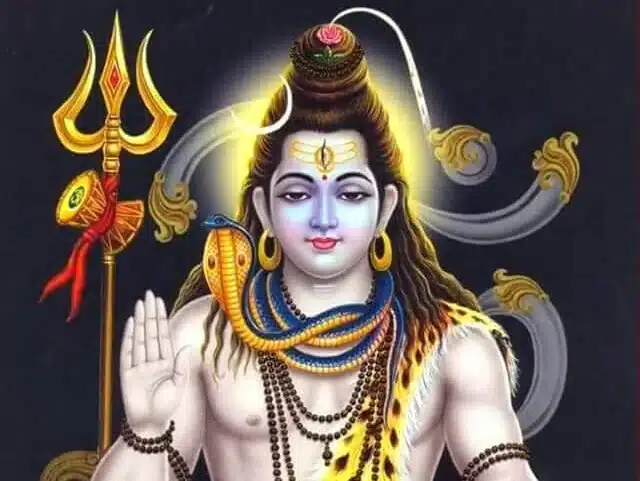
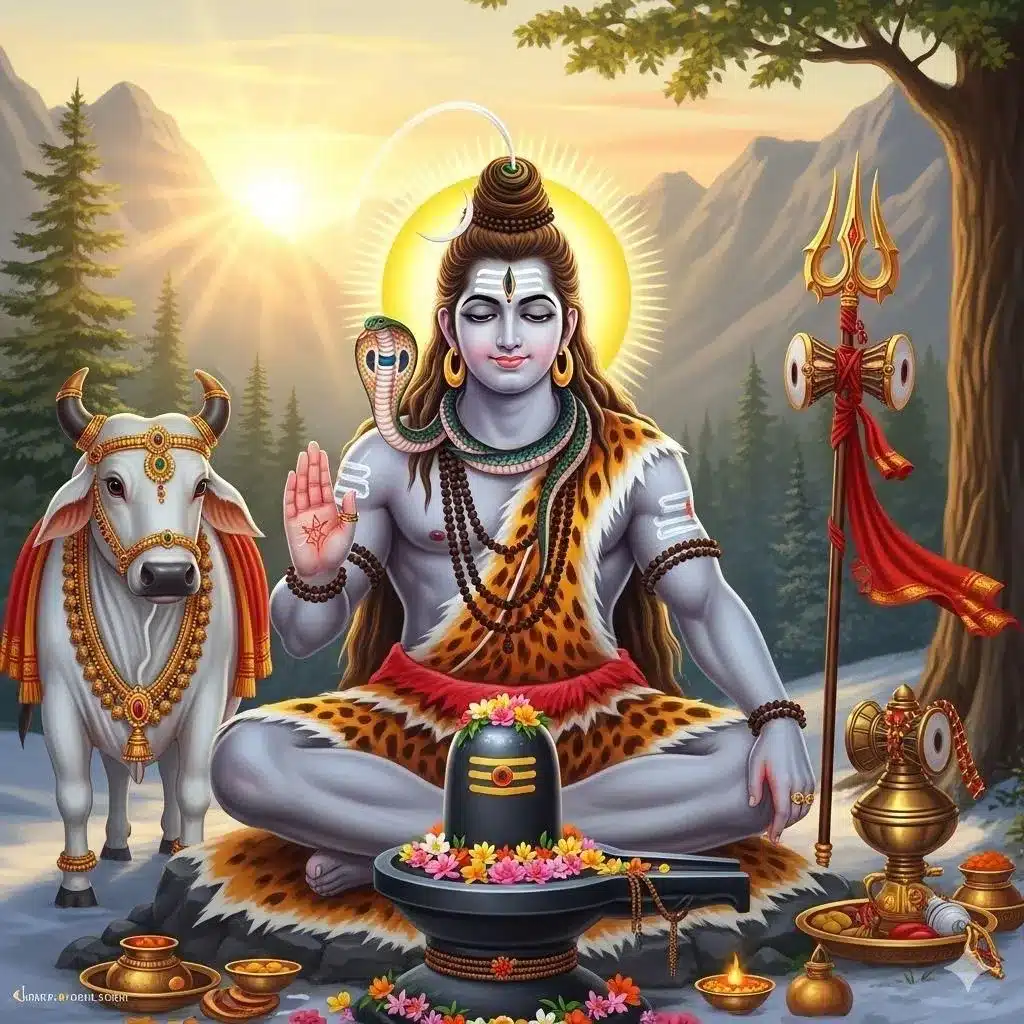
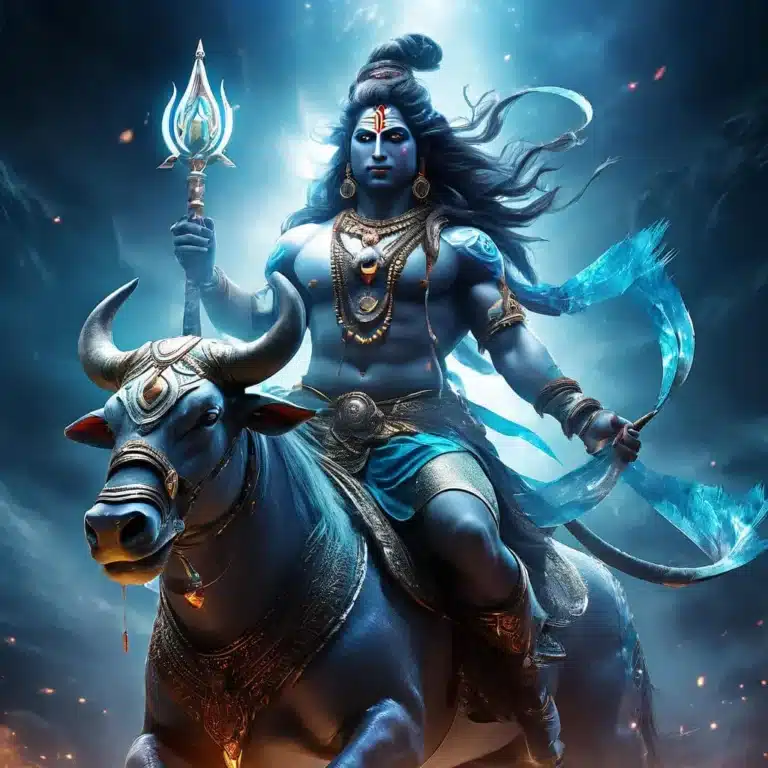
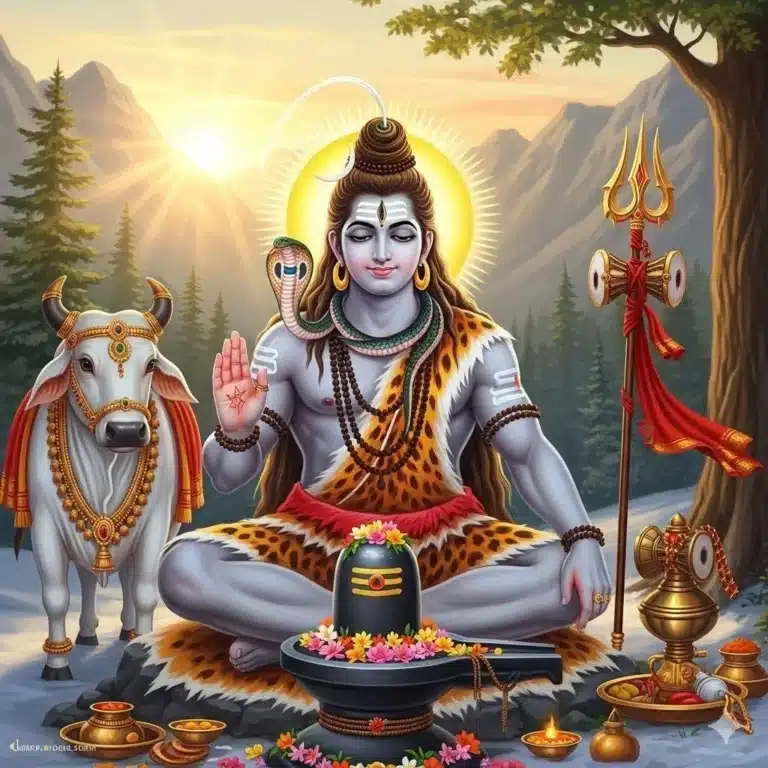
Sage Markandeya said: (I offer my salutations to the one) the essence of whose form is that of pure knowledge (of absolute consciousness) [vishuddha-jnana-dehaya] and whose three divine eyes form the three vedas [tri-vedi-divya-cakssusse],
to imbibe that auspiciousness (of pure knowledge). I meditate on Shiva and Shakti in their conscious blissful form. I offer my salutations to Shiva who bears the half-of-soma (soma means moon) and also to Shakti who bears half-of-soma (in her body as ardhanareeswara. Soma here is Shiva). Therefore, she has the same qualities of Shiva, of visuddha jnana deha and trivedi divya cakssu. Keelaka is pin or nail. The conscious form of Shakti is pinned to all the mantras of devi mahatmyam as the underlying principle through the keelaka stotram.
सर्वमेतद् विजानीयान्मन्त्राणामपि कीलकम् ।
सोऽपि क्षेममवाप्नोति सततं जाप्यतत्परः ॥२॥
sarvametadvijānīyānmantrāṇāmapi kīlakam .
so’pi kṣemamavāpnoti satataṃ japyatatparaḥ .. 2 ..
All these hymns of Keelaka stotram, one should know, are indeed the keelaka (pin or nail) by which the mantras (of devi mahatmyan are pinned) (i.e. by which the underlying principle of the conscious form of devi are pinned), he who devotes himself to continuously chant these hymns, indeed attains tranquility of mind (i.e. he who continuously meditates on the conscious form of devi in the heart indeed attains tranquility of mind).
सिद्ध्यन्त्युच्चाटनादीनि कर्माणि सकलान्यपि ।
एतेन स्तुवतां देविं स्तोत्रवृन्देन भक्तितः ॥३॥
siddhyantyuccāṭanādīni karmāṇi sakalānyapi .
etena stuvatāṃ devīṃ stotravṛndena bhaktitaḥ .. 3 ..
He accomplishes uccatana (eradication of inner enemies) to the very root, and all related (spiritual) accomplishments, by extolling the devi with devotional fervour with this collection of hymns.
न मन्त्रो नौषधं तत्र न किञ्चिदपि विद्यते ।
विना जप्येन सिद्धयेत्तु सर्वमुच्चाटनादिकम् ॥४॥
na mantro nauṣadhaṃ tasya na kiñcidapi vidyate .
vinā japyena siddhyettu sarvamuccāṭanādikam .. 4 ..
There are no mantras (hymns) or ousadha (medicine) available, even a trace (which can accomplish uccatana), without chanting (any mantras) one accomplishes uccatana (eradication of inner enemies), all to its very root (by meditating on the conscious form of devi in the heart while reciting the devi mahatmyam).(here reciting devi mahatmyam is not like chanting any mantra to obtain the fruit of uccatana, but for meditation on the conscious form of devi and merging our ego in her.)
समग्राण्यपि सेत्स्यन्ति लोकशङ्कामिमां हरः ।
कृत्वा निमन्त्रयामास सर्वमेवमिदं शुभम् ॥५॥
samagrāṇyapi setsyanti lokaśaṅkāmimāṃ haraḥ .
kṛtvā nimantrayāmāsa sarvamevamidaṃ śubham .. 5 ..
People had this doubt, how can it be that everything is indeed accomplished (uccatana and other fruits) by reciting the devi mahatmyam which appears to be full of violence; Lord Shiva summoned and pinned the underlying principle of the conscious form of devi to all the mantras of devi mahatmyam; and having done that all this indeed became auspicious (i.e. now the violence in the battlefield became the auspicious force purging us from within).
स्तोत्रं वै चण्डिकायास्तु तच्च गुह्यं चकार सः ।
समाप्नोति स पुण्येन तां यथावन्निमन्त्रणाम् ॥६॥
stotraṃ vai caṇḍikāyāstu tacca guhyaṃ cakāra saḥ .
samāpnoti sa puṇyena tāṃ yathāvannimantraṇām .. 6 ..
That stotra of devi Chandika (i.e. Keelaka stotra), lord Shiva indeed made it hidden (behind every mantra of devi mahatmyam) thus making the conscious form of devi as the object of meditation, he achieves everything by her auspiciousness, when she is invoked in the right manner by meditating on her eternal conscious form.
सोऽपि क्षेममवाप्नोति सर्वमेव न संशयः ।
कृष्णायां वा चतुर्दश्यामष्टम्यां वा समाहितः ॥७॥
so’pi kṣemamavāpnoti sarvameva na saṃśayaḥ .
kṛṣṇāyāṃ vā caturdaśyāmaṣṭamyāṃ vā samāhitaḥ .. 7 ..
He indeed attains tranquility of mind and all other fruits, there is no doubt about it, he who meditates (on the devi) on Krishna paksha chaturdashi or ashtami of a month.
ददाति प्रतिगृह्णाति नान्यथैषा प्रसीदति ।
इत्थंरूपेण कीलेन महादेवेन कीलितम् ॥८॥
dadāti pratigṛhṇāti nānyathaiṣā prasīdati .
itthaṃ rūpeṇa kīlena mahādevena kīlitam .. 8 ..
While meditating on the conscious form of devi during recitation of devi mahatmyam, he should give himself in surrender to her lotus feet, and receive in return her grace; Otherwise she is not pleased (by mechanical recitation of devi mahatmyam bereft of devotion), in this manner, by the keela (pin of keelaka stotram) Mahadeva pinned the mantras of devi mahatmyam (making the meditation on the conscious form of devi the central theme).
यो निष्कीलां विधायैनां चण्डीं जपति नित्यशः ।
स सिद्धः स गणः सोऽथ गन्धर्वो जायते ध्रुवम् ॥९॥
yo niṣkīlāṃ vidhāyaināṃ caṇḍīṃ japati nityaśaḥ .
sa siddhaḥ sa gaṇaḥ so’tha gandharvo jāyate dhruvam .. 9 ..
He who after unpinning the keelaka makes her manifest (i.e. invokes her conscious form in the heart), and then recites the chandi, by constantly dwelling (on her conscious form), he becomes a siddha (spiritually accomplished), he becomes a gana (an attendent of the devi), he becomes a gandharva (celestial singer who glorifies the devi), truly.
न चैवापाटवं तस्य भयं क्वापि न जायते ।
नापमृत्युवशं याति मृते च मोक्षमाप्नुयात् ॥१०॥
na caivāpāṭavaṃ tasya bhayaṃ kvāpi na jāyate .
nāpamṛtyuvaśaṃ yāti mṛte ca mokṣamāpnuyāt .. 10 ..
He indeed does not become handicapped (prematurely) with major diseases; fear does not rise in him anywhere (which leads to unnecessary anxiety), he does not become victim of premature death; and after death attains moksha (liberation).
ज्ञात्वा प्रारभ्य कुर्वीत ह्यकुर्वाणो विनश्यति ।
ततो ज्ञात्वैव सम्पूर्णमिदं प्रारभ्यते बुधैः ॥११॥
jñātvā prārabhya kurvīta hyakurvāṇo vinaśyati .
tato jñātvaiva sampūrṇamidaṃ prārabhyate budhaiḥ .. 11 ..
Only after knowing (the keelakam), he should begin (reciting the devi mahatmyam); if not done in this manner, he is deprived (of the fruits of recitation), therefore only after knowing this fully (i.e. understanding the keelaka fully), the wise men begin reciting the devi mahatmyam.
सौभाग्यादि च यत्किञ्चिद् दृश्यते ललनाजने ।
तत्सर्वं तत्प्रसादेन तेन जप्यमिदं शुभम् ॥१२॥
saubhāgyādi ca yatkiñcid dṛśyate lalanājane .
tatsarvaṃ tatprasādena tena japyamidaṃ śubham .. 12 ..
Whatever good fortune, beauty, charm and the like are seen in women, all that is the result of your grace; Therefore women should chant this auspicious stotra and meditate on the auspicious form of the devi.
शनैस्तु जप्यमानेऽस्मिन् स्तोत्रे सम्पत्तिरुच्चकैः ।
भवत्येव समग्रापि ततः प्रारभ्यमेव तत् ॥१३॥
śanaistu japyamāne’smin stotre sampattiruccakaiḥ .
bhavatyeva samagrāpi tataḥ prārabhyameva tat .. 13 ..
If this stotra is chanted gently (without haste) (meditating on its true import), one attains (spiritual) wealth of the highest kind, one indeed becomes the whole (i.e. fragmentation of the ego gradually melts and one feels the conscious form of devi behind everything); therefore, one should undertake the chanting of this keelaka.
ऐश्वर्यं यत्प्रसादेन सौभाग्यारोग्यसम्पदः ।
शत्रुहानिः परो मोक्षः स्तूयते सा न किं जनैः ॥१४॥
aiśvaryaṃ tatprasādena saubhāgyārogyameva ca .
śatruhāniḥ paro mokṣaḥ stūyate sā na kiṃ janaiḥ .. 14 ..
By whose grace divine qualities (aishwaryam) are awakened; by whose presence good fortune (saubhagya), health (freedom from disease) (arogya) and wealth (sampada) are manifested, by whose mercy enemies are eradicated; (and) by whose special grace one finally attains the highest liberation (moksha); why should’nt she be praised by the people (who is all-merciful)?
चण्डिकां हृदयेनापि यः स्मरेत् सततं नरः ।
हृद्यं काममवाप्नोति हृदि देवी सदा वसेत् ॥१५॥
caṇḍikāṃ hṛdayenāpi yaḥ smaret satataṃ naraḥ .
hṛdyaṃ kāmamavāpnoti hṛdi devī sadā vaset .. 15 ..
The person who constantly remembers (the conscious form of) devi Chandika with devotion, attains his innermost longing; and devi always dwells in his heart.
अग्रतोऽमुं महादेवकृतं कीलकवारणम् ।
निष्किलञ्च तथा कृत्वा पठितव्यं समाहितैः ॥१६॥
agrato’muṃ mahādevakṛtaṃ kīlakavāraṇam .
niṣkīlañca tathā kṛtvā paṭhitavyaṃ samāhitaiḥ .. 16 ..
First of all, the preventive measure of keelaka created by Mahadeva (i.e. the pin of keelaka) should be unpinned, and then after doing that one should recite (the devi mahatmyam) with concentration (meditating on the conscious form of the devi).
Keelaka Stotram – Introduction
In the Keelaka Stotram, Rishi Markandeya tells his disciples in sixteen shlokas the ways and means of removing obstacles faced by devotees while reading Devi Mahatmya. Keelaka here refers to a “pin” or “nail” that serves as a spiritual key or underlying principle.
The Keelaka Stotram reveals that Lord Shiva has embedded the conscious, blissful form of Devi as the underlying spiritual principle within all the mantras of the Devi Mahatmyam, like a pin that holds everything together. This divine “keelaka” or pin transforms what appears to be violent battlefield narratives into auspicious spiritual forces that purify devotees from within. The stotram explains that continuous meditation on Devi’s conscious form while reciting these hymns leads to profound spiritual accomplishments, including the complete eradication of inner enemies, tranquility of mind, and ultimate liberation.
True devotion requires surrendering to Devi’s lotus feet and receiving her grace rather than mechanical recitation, with the understanding that all beauty, fortune, and divine qualities manifest through her power. Those who properly “unpin” this spiritual key by understanding and meditating on Devi’s eternal conscious form become spiritually accomplished, free from premature disease and death, and ultimately attain moksha. The stotram emphasizes that this preparatory practice is essential before reciting the Devi Mahatmyam, as it enables devotees to access the transformative spiritual wealth hidden within the text and experience Devi dwelling constantly in their hearts, fulfilling their deepest spiritual longings.