





















Radha Ashtami
Radha Ashtami
Radha Ashtami, also called Radhashtami, is a Hindu festival celebrating the birth of Goddess Radha, the eternal consort of Lord Krishna and the embodiment of pure devotion (bhakti) and divine love. It falls on the eighth day (Ashtami) of the bright fortnight (Shukla Paksha) of Bhadrapada month (August–September) according to the Hindu lunar calendar. The festival is especially significant in Vrindavan, Barsana, and Mathura, where Radha’s childhood and divine pastimes with Krishna are celebrated with devotion, music, and cultural events.
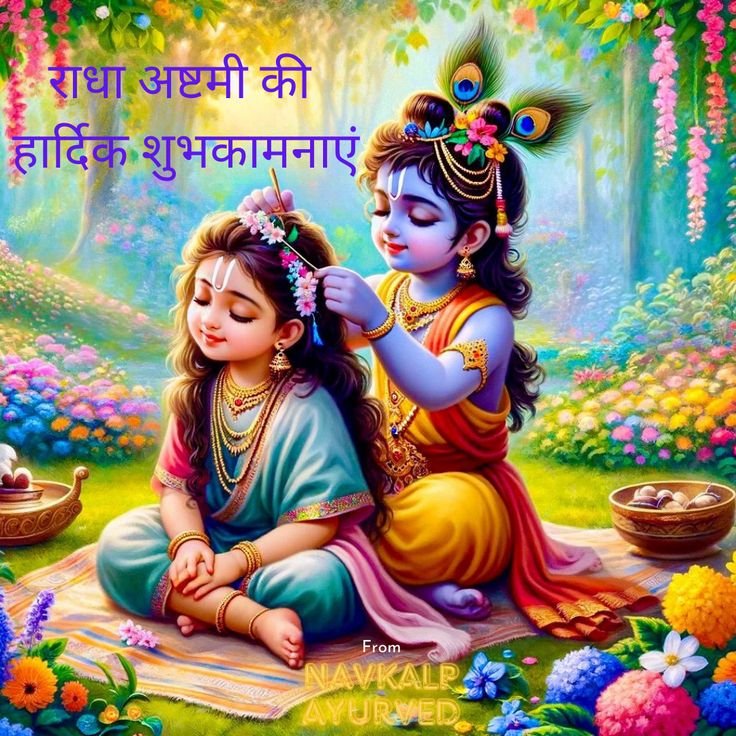

Radha Ashtami, also known as Radhashtami, is a Hindu festival celebrating the birth of Goddess Radha, the eternal consort of Lord Krishna and the embodiment of pure devotion and divine love. Observed on the eighth day (Ashtami) of the bright fortnight of the Bhadrapada month


Rituals & Traditions of Radha Ashtami

Radha Ashtami is observed with deep devotion and vibrant cultural practices, especially in Vrindavan, Barsana, and Mathura, where Goddess Radha’s life and divine pastimes with Krishna are celebrated. Devotees begin the day with fasting and perform morning pujas, offering flowers, fruits, milk, and sweets to Radha and Krishna idols. Homes and temples are decorated with rangoli, lights, and garlands, creating a festive and spiritual atmosphere. Idols of Radha-Krishna are ceremonially bathed (abhishek) and placed in cradles or adorned altars for worship. Devotional recitations from scriptures like the Bhagavata Purana narrate Radha’s divine love and her eternal bond with Krishna. Cultural events such as kirtans, bhajans, and devotional dances dramatize Radha-Krishna leelas, engaging the community in celebration and devotion. In Barsana, grand processions and folk performances honor Radha’s birthplace, while Vrindavan hosts elaborate rituals, musical programs, and communal offerings. These practices emphasize spiritual devotion, purity of heart, community unity, and the celebration of divine love, making Radha Ashtami both a spiritual and culturally rich festival.
Reading from sacred texts like the Bhagavata Purana and narrating Radha-Krishna leelas are key practices, reminding devotees of divine love, devotion, and humility. Cultural celebrations include devotional dances, musical performances, and dramatic enactments of Radha’s life and her pastimes with Krishna, often involving the community and creating a festive atmosphere. In Barsana, grand processions are organized where devotees carry idols and perform traditional folk dances, while in Vrindavan, temples host extended rituals, musical programs, and communal offerings of prasad. These traditions collectively emphasize purity of heart, spiritual discipline, selfless devotion, and community bonding, making Radha Ashtami both a deeply spiritual and culturally rich festival that inspires love, devotion, and moral values among devotees.
Spiritual Importance & Cultural Significance
Radha Ashtami holds profound spiritual and cultural significance in Hinduism, as it celebrates the birth of Goddess Radha, the embodiment of pure devotion (bhakti) and divine love. Spiritually, the festival emphasizes the importance of selfless love, humility, and unwavering devotion toward the divine, inspiring devotees to cultivate purity of heart and moral virtues in their daily lives. Radha’s eternal bond with Lord Krishna symbolizes the union of the soul (jiva) with the supreme soul (paramatma), reminding devotees that true devotion transcends worldly desires and ego.
Culturally, Radha Ashtami unites communities through devotional music, dances, kirtans, and enactments of Radha-Krishna leelas, particularly in regions like Vrindavan, Barsana, and Mathura. Temples and homes are adorned with rangoli, flowers, and lights, creating a festive atmosphere of joy and devotion. The festival also strengthens family and social bonds, as devotees come together to celebrate, share prasad, and participate in communal rituals. Modern celebrations incorporate live streaming of temple events, online bhajans, and cultural programs, allowing devotees worldwide to partake in the festival. Overall, Radha Ashtami is a harmonious blend of spiritual devotion, moral teachings, cultural heritage, and communal joy, highlighting the timeless values of love, devotion, and virtue.

Food & Sweets & Modern Celebrations

Radha Ashtami is celebrated with devotion and joy, and food and sweets play an important role in honoring Goddess Radha. Devotees prepare offerings such as kheer, pedas, laddoos, milk-based sweets, and fruits, which are distributed as prasad to family, friends, and fellow devotees. Many devotees observing fasts consume satvik foods like fruits, milk, yogurt, and light preparations that align with the spirit of devotion and purity.
Modern celebrations have added vibrancy and accessibility to traditional practices. Temples in Vrindavan, Barsana, and Mathura organize elaborate rituals, devotional singing, kirtans, and musical performances narrating the divine leelas of Radha and Krishna. In Barsana, processions and folk dances are held to honor Radha’s birthplace, while in Vrindavan, temples host extended rituals, cultural programs, and community feasts. Technology has also enhanced participation, with online live streaming of temple events, virtual bhajans, and social media sharing allowing devotees worldwide to join the festivities. These celebrations combine spiritual devotion, cultural richness, and community engagement, making Radha Ashtami both a sacred and joyous festival.