













Navratri
Navratri

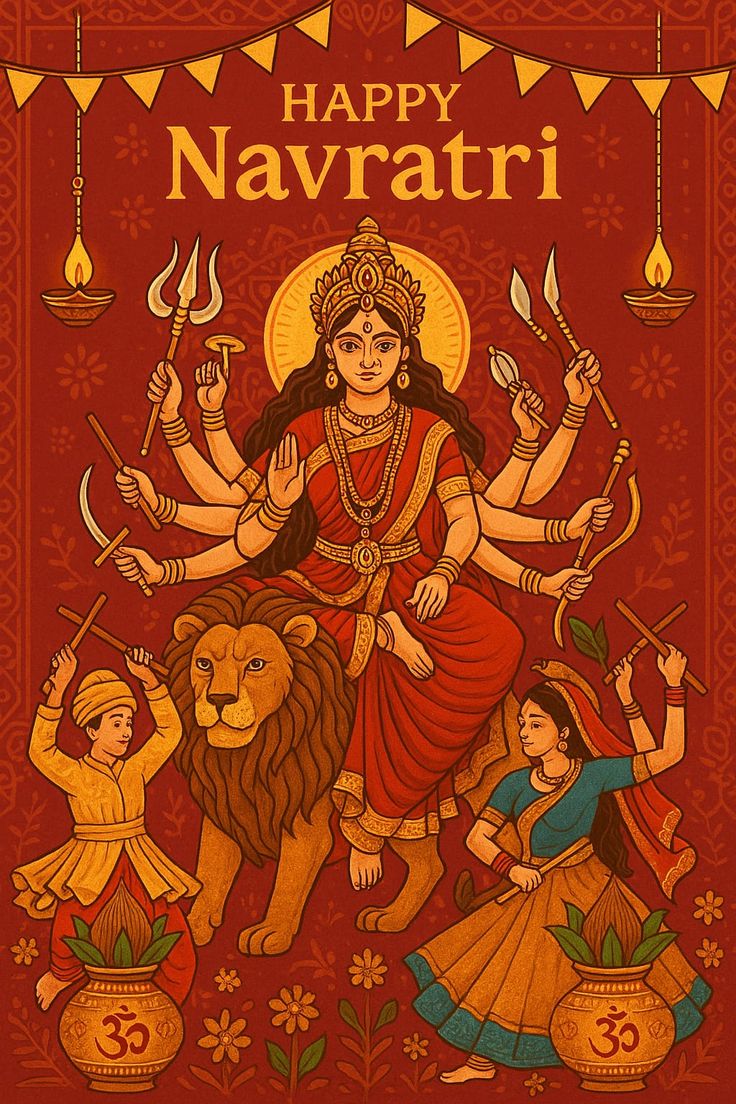
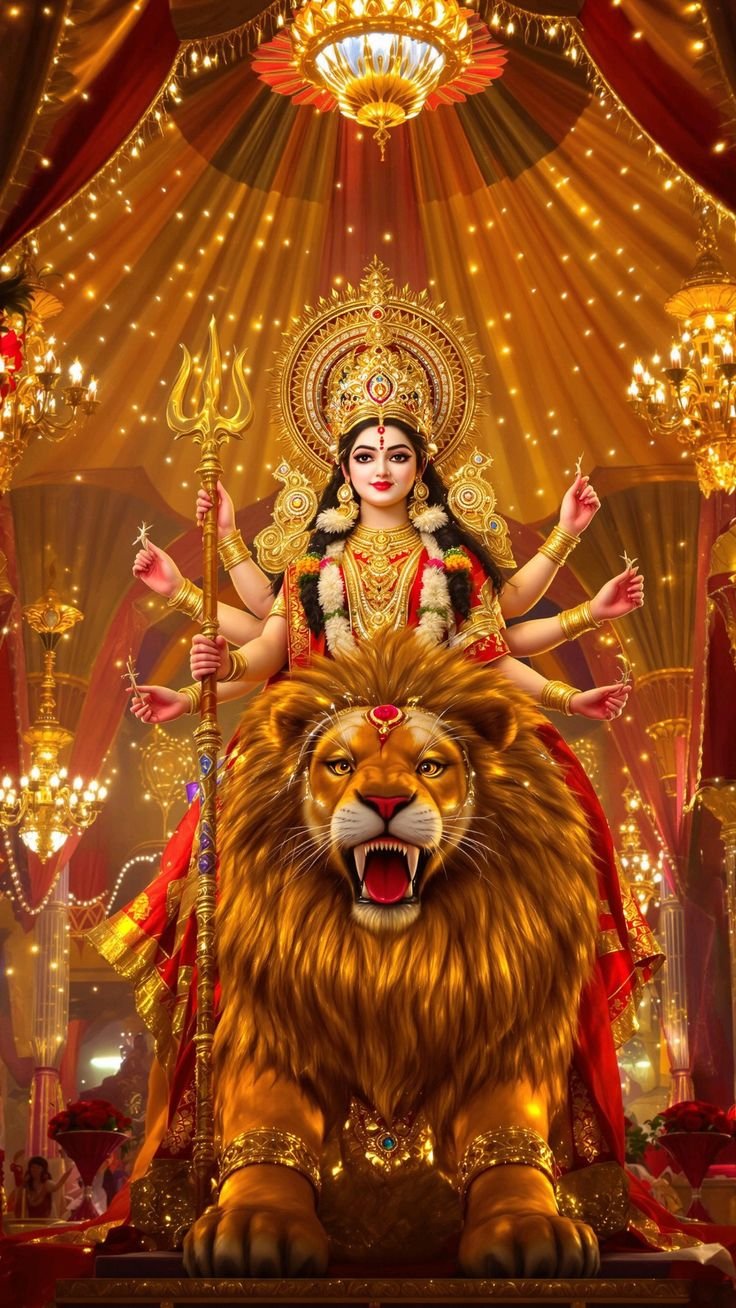
Navratri (meaning “nine nights”) is one of the most vibrant and spiritually significant Hindu festivals, celebrated over nine days and nights in honor of Goddess Durga and her nine divine forms, known as the Navadurga. It is observed twice a year—Chaitra Navratri (spring) and Sharad Navratri (autumn), with Sharad Navratri being the more widely celebrated.

Dussehra, or Vijayadashami, is a festival that symbolizes moral strength and the ultimate triumph of good. From Ramlila enactments and Ravana effigy burnings in the north to Durga idol immersions in the east, this day unites India’s cultural diversity in a shared celebration of justice and divine power.

Rituals & Traditions of Navratri
Navratri is celebrated with unique rituals and traditions that vary across India but share the common theme of honoring the divine feminine. The festival begins with Ghatasthapana or Kalash Sthapana, where a sacred pot is installed and worshipped as a symbol of Goddess Durga’s power. For nine days, devotees perform daily pujas, aartis, and recite scriptures dedicated to the nine forms of Durga, each day representing a different aspect of Shakti. Many observe fasts or consume only satvik food, emphasizing self-discipline and spiritual cleansing. In Gujarat and Maharashtra, evenings are filled with vibrant Garba and Dandiya Raas dances, symbolizing devotion and joy, while in South India, families create elaborate Golu displays of dolls and figurines to honor art, culture, and divine stories. Eastern India celebrates Durga Puja during the last five days, featuring beautifully crafted idols, cultural programs, and grand processions. In Karnataka and Tamil Nadu, Ayudha Puja and Saraswati Puja are performed to worship tools, books, and instruments, signifying respect for knowledge and livelihood. Across regions, the final day, Vijayadashami or Dussehra, marks the victory of good over evil, concluding the festival with prayers, processions, and celebrations of righteousness.
Spiritual Importance & Cultural Significance
Navratri holds immense spiritual importance as it is a time dedicated to honoring Shakti, the divine feminine energy believed to sustain the universe. Spiritually, the nine days symbolize the victory of light over darkness and good over evil, reminding devotees to conquer inner negativity such as ego, anger, and greed, and to embrace virtues like humility, strength, and wisdom. The festival encourages self-purification through fasting, meditation, prayer, and devotion, making it a period of transformation and spiritual growth. Culturally, Navratri showcases India’s vibrant diversity, with unique traditions in every region—Garba and Dandiya in Gujarat, Durga Puja in Bengal, Golu displays in Tamil Nadu, and Mysore Dasara in Karnataka—all highlighting devotion and artistic expression. Communities come together to celebrate through music, dance, cultural performances, and feasts, creating unity and joy. Navratri thus serves as both a sacred spiritual journey and a colorful cultural celebration, inspiring people to seek blessings, strengthen moral values, and celebrate the power of the divine feminine
Food & Sweets & Modern Celebrations

Navratri is a festival filled with devotion and joy, and its celebrations are beautifully complemented by unique food traditions and sweets. Devotees observing fasts prepare satvik meals that exclude onion, garlic, and grains, focusing instead on wholesome ingredients like sabudana (tapioca pearls), kuttu (buckwheat flour), singhara (water chestnut flour), potatoes, milk, yogurt, fruits, and dry fruits. Popular fasting delicacies include sabudana khichdi, kuttu puris, aloo sabzi, makhana kheer, samak rice pulao, and fruit chaat, while sweets like coconut laddoos, milk peda, halwa, and barfi add festive flavor. Families share prasad (holy offerings) and invite friends and relatives for meals, spreading love and harmony. Modern celebrations bring an added charm, with vibrant Garba and Dandiya nights, Durga Puja pandals, cultural performances, fairs, and online live streams of rituals connecting devotees globally. Cities and temples are adorned with lights and decorations, while social media and virtual platforms help people share festive moments. Navratri today is a perfect blend of spirituality, culture, and modern creativity, making it one of the most colorful and widely celebrated festivals in India.