






















Hari Om

Menu

Dakshinaarka Sun Temple

Dakshinaarka Sun Temple

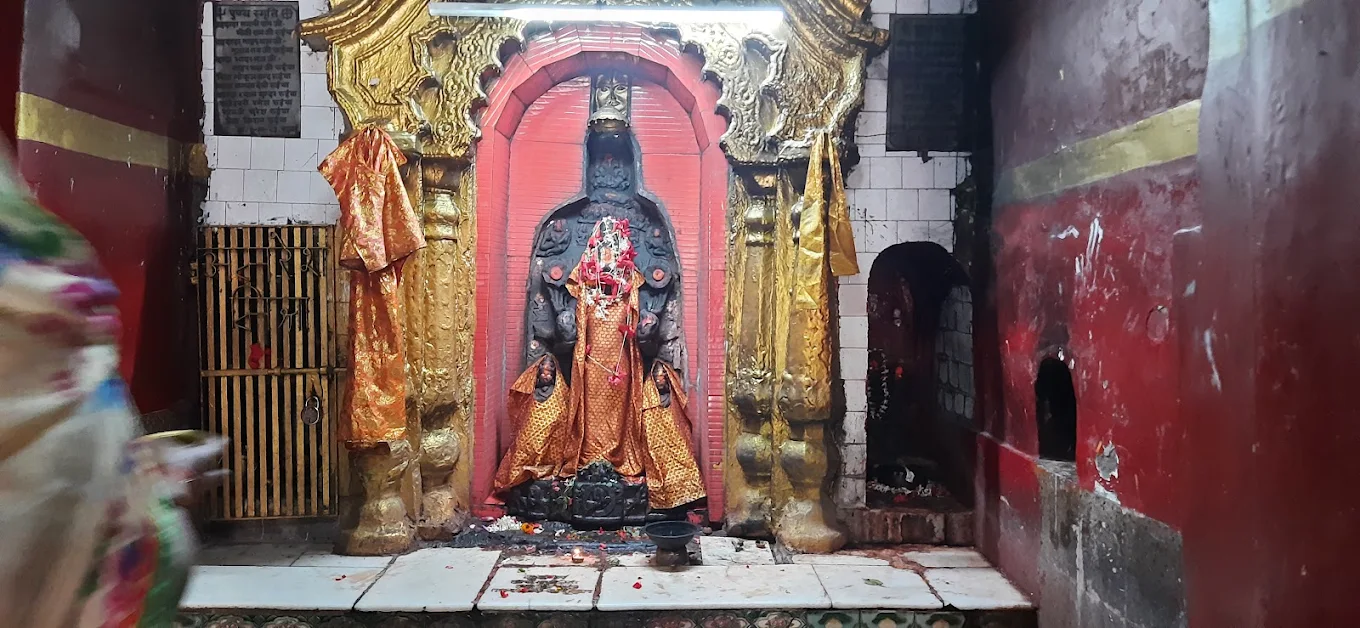
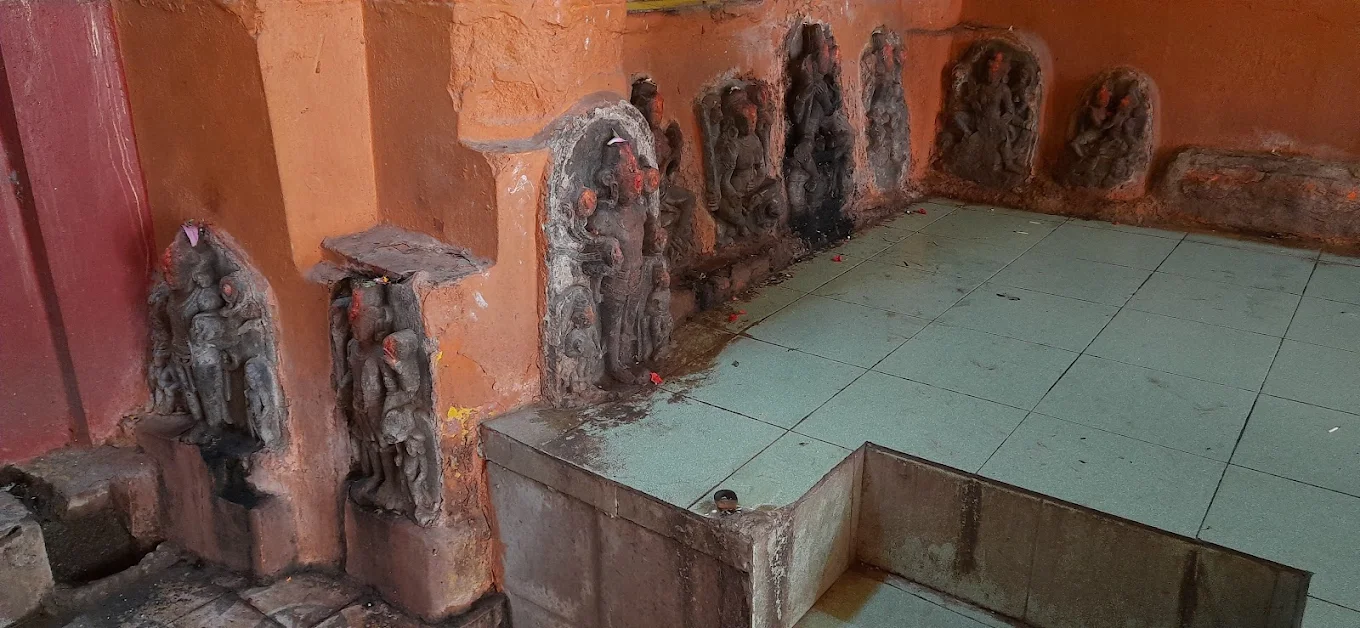
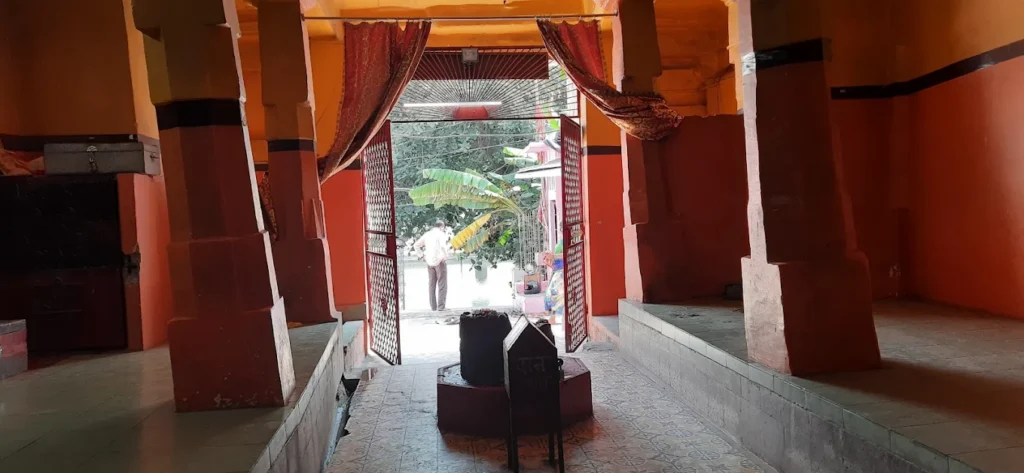
Peer Kho Cave Temple (also called Peer‑Kho, Peer Khoh, or Jamvant Gufa) is a cave shrine dedicated primarily to Lord Shiva, located in Jammu city, Jammu & Kashmir, India. The temple is built into natural caves on the banks of the Tawi River.

lotus removebg preview

“जहाँ सूर्य की हर किरण आत्मा को छूती है, वहीं दक्षिणार्क सूर्य मंदिर जीवन को नया अर्थ देता है।”

― Dakshinaarka Sun Templec

It is revered both for its mystical/legendary associations and for being a place of pilgrimage and spiritual retreat.
lotus removebg preview
unnamed 2025 10 04T142736.820

Mythological Significance & History

The temple is believed to have been constructed in the 15th century A.D. during the rule of Raja Ajaib Dev of Jammu.
It was built for Saint Siddha Ghareeb Nath, locally known as Peer (a spiritual figure), who belonged to the Guru Gorakh Nath order, and is said to have resided there. Thus the name “Peer‑Kho”: Kho meaning ‘cave’ in local dialect.
There is also a legend that Jamvant, the bear king (Jamvant or Jambavan) from the Ramayana epic, meditated in this cave. Because of that, the cave is sometimes called Jamvant Gufa.

lotus removebg preview

Significance of the Temple

The cave has natural/deep spiritual ambience. Devotees believe the Shiva Linga in the cave is swayambhu, meaning self‑manifested.
It is a place where many important festivals are observed, especially Shivratri, Puranmashi, Amavasya, Ekadashi, Shravan Purnima, Raksha Bandhan etc. Devotees gather in large numbers on these occasions.
Its connection with Ramayana legends (Jamvant) and the history of local saints adds to its cultural and mythological importance.

unnamed 2025 10 04T142659.411
lotus removebg preview

lotus removebg preview

Architecture of the Temple

unnamed 2025 10 04T142651.917

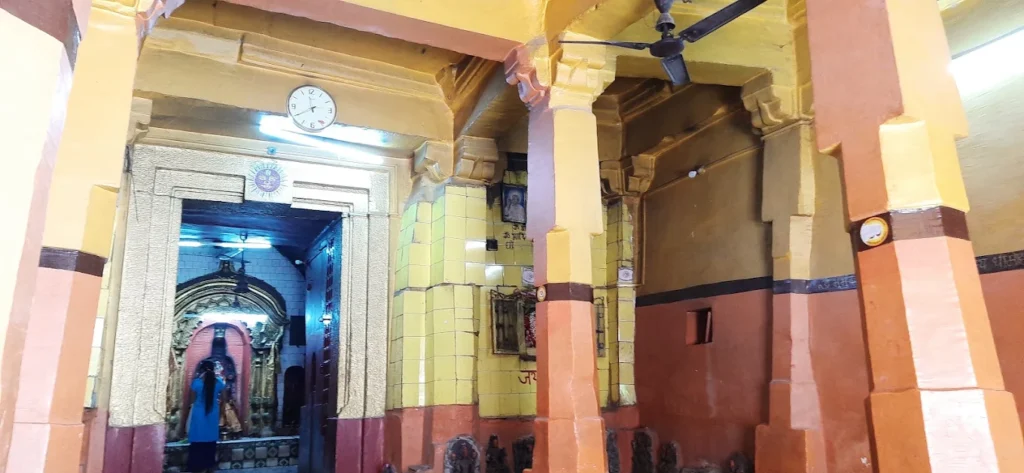
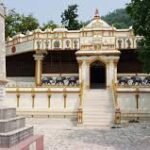
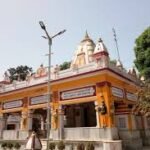
The temple structure includes a courtyard with three shikharas (temple spires), two are modern and one ancient.

There is a tall pink arched gateway at entrance, with stairs made of white marble, with railings.

Flooring includes marble and mosaic in the verandah, with a long verandah (corridor) leading to cave entrance.

The entrance to the cave is under a dome (Gumband), which is ribbed and adorned; the dome entrance shows paintings with Mughal and Dogra style influence, especially floral motifs. The ceiling of dome and niches are decorated in style akin to Jammu school of painting (19th century) with colours like indigo etc.

How to Reach to Temple

Location: On Circular Road in Jammu city, about 2‑4 kilometres from Raghunath Bazar, on the bank of River Tawi.

By Road: It is accessible by auto‐rickshaw, taxi or local transport from city centre. Being close to major area of Jammu, reaching via road is easy.

By Train/Air: Jammu Tawi Railway Station is nearest railway hub. Jammu Airport is the air access. From there local transport to the temple. (Exact distances depend on your starting location in Jammu.) — this is typical for temples in city.
unnamed 2025 10 04T142710.086

Temple Timings

  • Morning Temple Opening & Closing Timing

    5:00 AM to 7:00 PM

unnamed 2025 10 04T142736.820
  • Evening Temple Opening & Closing Timing

    8:00 AM – 7:00 PM

lotus removebg preview

Temple Location

Related posts: