
















Bhava Avatar Of Lord Shiva
Bhava Avatar
Bhava Avatar of Lord Shiva
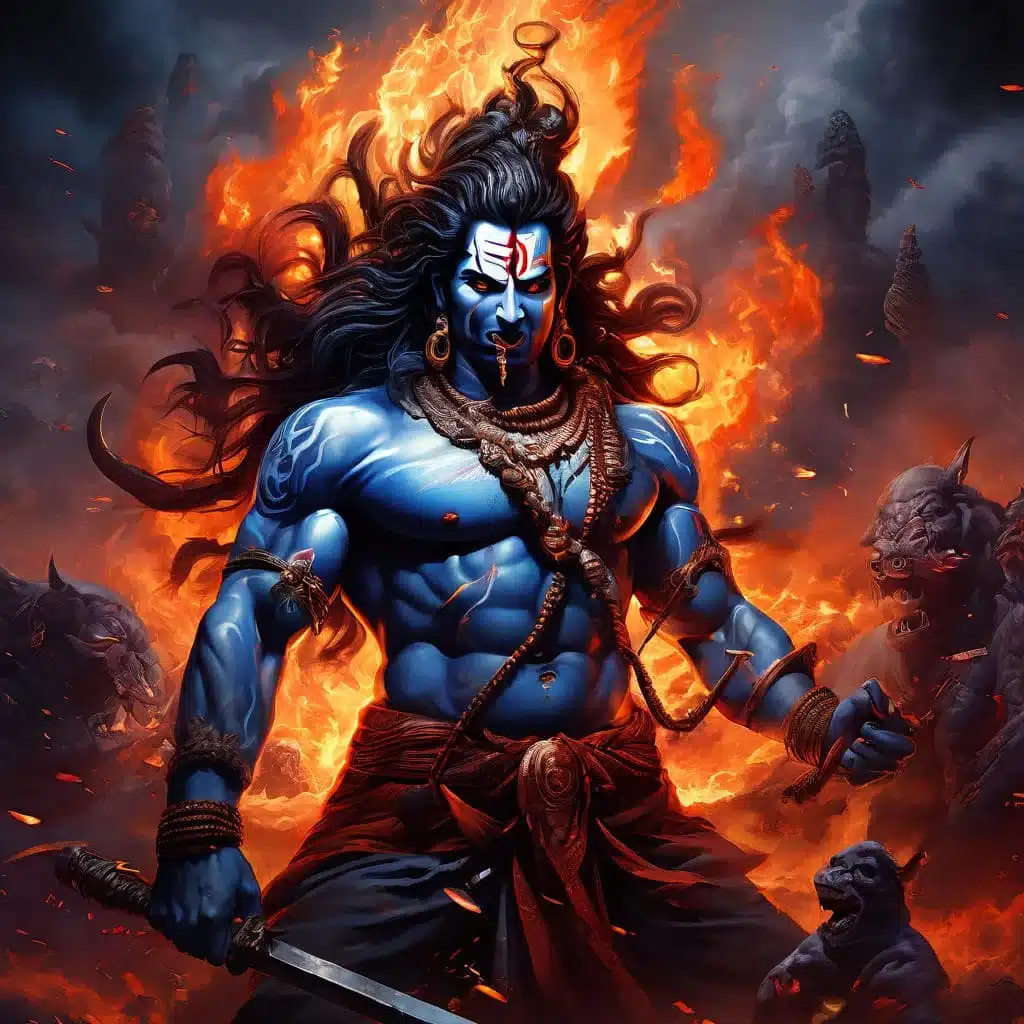
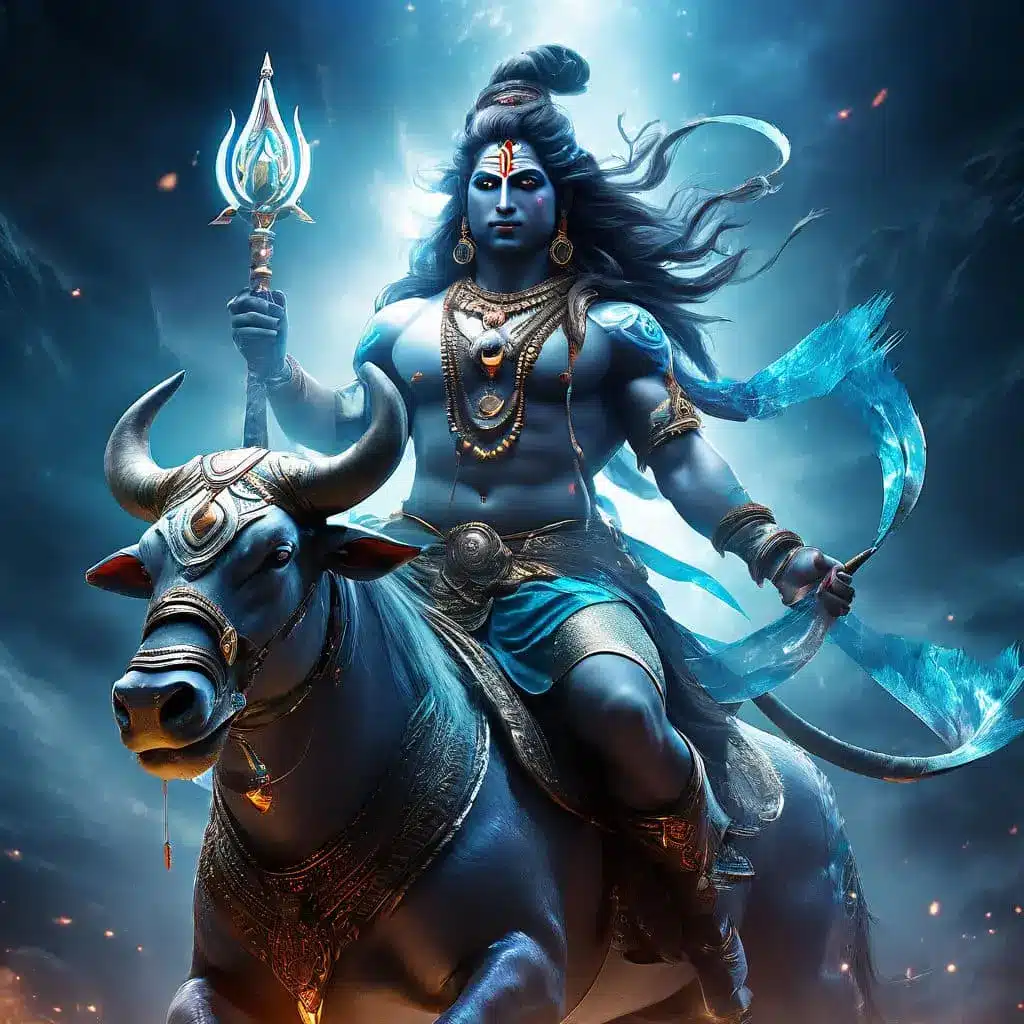
The Bhava Avatar of Lord Shiva is one of the sacred manifestations associated with the many divine forms of Shiva described in Hindu scriptures. In ancient Vedic and Puranic traditions, Bhava is considered one of the important names and forms of Rudra, the powerful and compassionate aspect of Lord Shiva. The word “Bhava” comes from Sanskrit and generally means existence, creation, emotions, or the source of life. In this form, Lord Shiva represents the origin of life and the divine force that sustains all beings in the universe.
The Bhava Avatar highlights Shiva’s role not only as a destroyer but also as a creator and protector of life. It emphasizes the idea that the same divine power responsible for destruction also nurtures and sustains the world. Through this form, Shiva expresses his compassionate nature and his connection to every living being in creation.
Meaning of Bhava in Hindu Philosophy
In Hindu philosophy, the term Bhava carries deep spiritual meaning. It refers to the state of existence or the process of becoming. Everything in the universe — living beings, nature, and cosmic forces — arises from this divine existence. As Bhava, Lord Shiva represents the origin and essence of all life.
This form reminds devotees that Shiva is not only a powerful cosmic force but also the source of creation and the essence present in every being. The Bhava Avatar symbolizes the continuous cycle of birth, growth, transformation, and renewal that takes place in the universe.
Bhava also represents divine emotions and spiritual devotion. In devotional traditions, the word is used to describe the deep feeling of love, surrender, and connection between a devotee and the divine. Thus, Shiva as Bhava embodies both the cosmic creator and the compassionate lord who responds to devotion.
Bhava as One of the Forms of Rudra
In the Vedic scriptures, particularly in the Yajurveda and other ancient texts, Lord Shiva is described through several names such as Bhava, Sharva, Rudra, Pashupati, and Mahadeva. These names represent different aspects of the same supreme divine power.
Among these, Bhava is associated with the life-giving and sustaining energy of Shiva. While some forms of Rudra represent fierce and destructive forces, Bhava reflects the gentler and nurturing side of the divine.
In this form, Shiva is seen as the lord of all living beings, guiding them through the cycles of existence and helping them achieve spiritual liberation. Bhava reminds devotees that Shiva’s presence exists in every part of the universe, from the smallest creature to the vast cosmic systems.
Symbolism and Characteristics of the Bhava Avatar
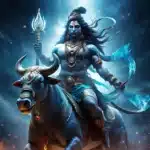
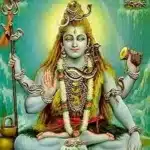
The Bhava Avatar represents the creative and sustaining energy of Lord Shiva. In symbolic representations, Shiva in this form is often associated with nature, life, and the eternal flow of existence.
Several elements connected with Lord Shiva also reflect the meaning of Bhava:
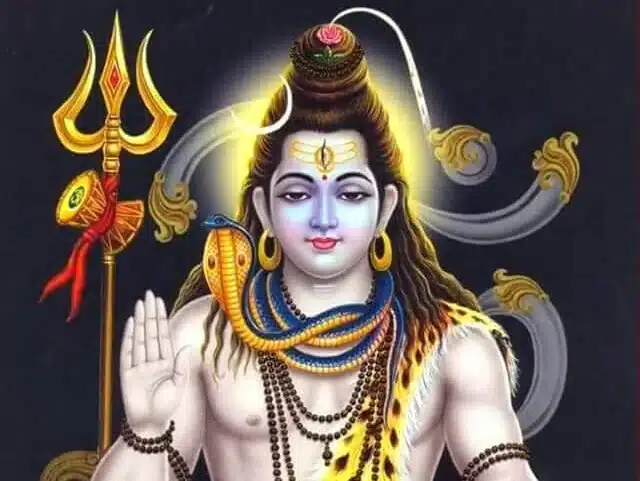
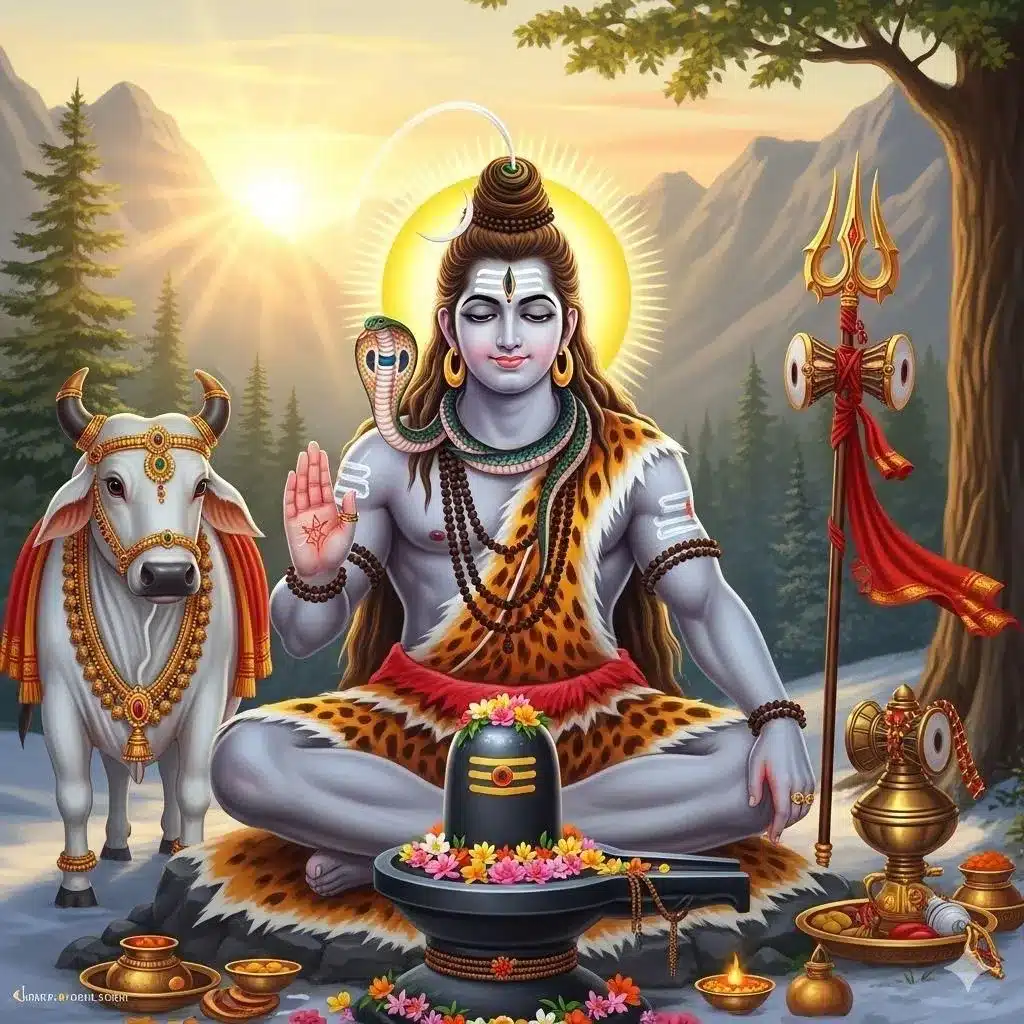
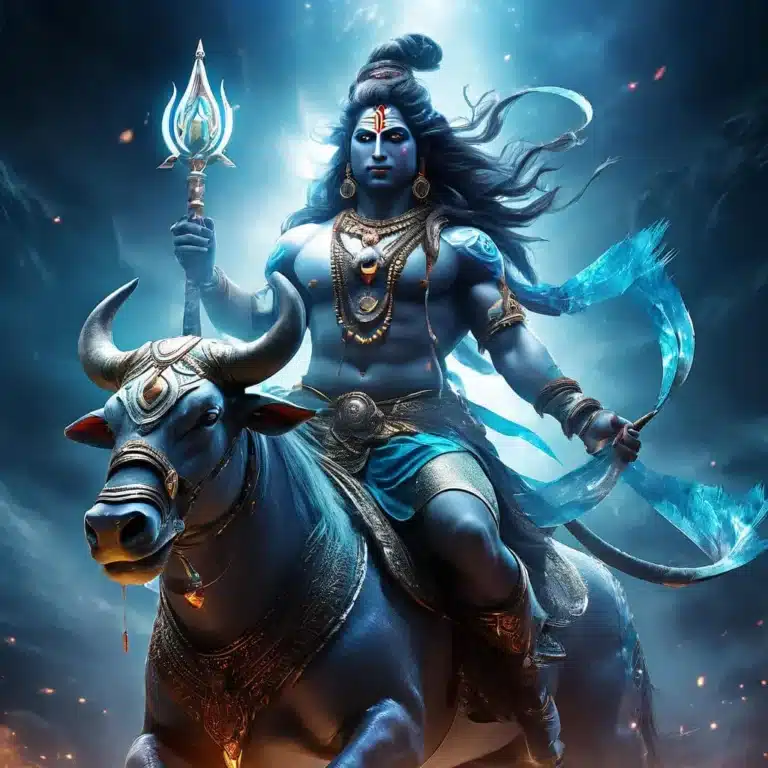
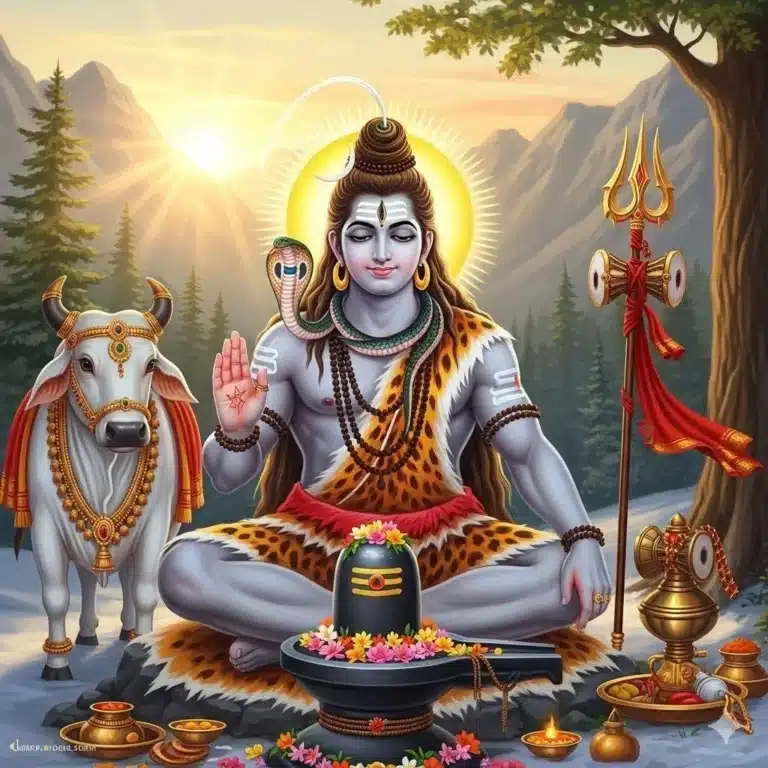
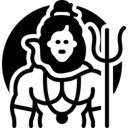
The Ganga flowing from Shiva’s hair symbolizes the flow of life and purity that nourishes the world.
The crescent moon on his head represents the cycles of time and the continuous rhythm of creation.
The serpent around his neck symbolizes control over fear, death, and hidden energies.
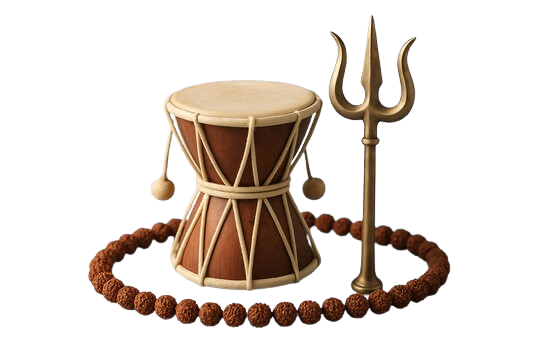
The Trishula (trident) represents the three fundamental aspects of existence — creation, preservation, and destruction.
These symbols remind devotees that life is a divine gift sustained by the eternal presence of Shiva.
Role and Purpose of the Bhava Avatar
The Bhava Avatar emphasizes Shiva’s role as the giver and sustainer of life. While Shiva is often known for his destructive aspect, this form highlights the deeper truth that destruction and creation are part of the same cosmic process.
The main purposes of the Bhava Avatar include:
Supporting the existence of all living beings
Maintaining the natural balance of the universe
Encouraging spiritual devotion and inner transformation
Guiding souls toward liberation (moksha)
Through this form, Shiva teaches that life itself is sacred and that every being carries a spark of the divine within them.
Spiritual Significance of Bhava
The Bhava Avatar holds great importance in spiritual practice and devotion. It teaches that the divine presence exists in every moment of life and every aspect of creation. By recognizing this truth, devotees can develop a deeper sense of respect for all living beings and the natural world.
This form also emphasizes the importance of bhava (devotional feeling) in spiritual practice. In many Hindu traditions, sincere devotion and emotional connection with the divine are considered powerful paths to spiritual realization.
When devotees worship Shiva with true bhava — meaning pure love and surrender — they experience inner peace, spiritual growth, and a deeper connection with the divine.
Bhava in Devotional Traditions
In many Shaivite traditions, the name Bhava is used in prayers and hymns dedicated to Lord Shiva. Devotees often chant sacred mantras and names of Shiva to express their devotion and gratitude.
One well-known example is the Rudram prayer, where Shiva is praised through multiple divine names, including Bhava. These prayers highlight the belief that Shiva exists everywhere — in nature, in living beings, and in the universe itself.
Through devotion to Bhava, followers seek blessings for protection, prosperity, spiritual wisdom, and liberation.
Conclusion
The Bhava Avatar of Lord Shiva represents the divine force of existence, life, and spiritual devotion. In this form, Shiva is not only the destroyer of evil but also the source and sustainer of all creation. The meaning of Bhava reminds us that every living being and every aspect of the universe is connected to the divine presence of Shiva.
This avatar teaches that life is sacred and that spiritual growth comes through devotion, awareness, and understanding the deeper truth of existence. By worshipping Shiva as Bhava, devotees learn to see the divine in all things and develop a deeper connection with the eternal source of life. 🙏