














Tattvabodha
Tattvabodha
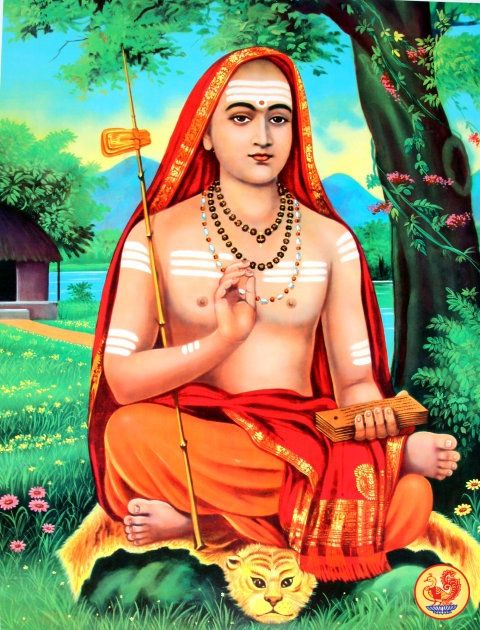
वासुदेवेन्द्रयोगीन्द्रं नत्वा ज्ञानप्रदं गुरुम् ।
मुमुक्षूणां हितार्थाय तत्त्वबोधोऽभिधीयते ॥
Vāsudevendrayogīndram natvā jñānapradaṃ gurum |
Mumukṣūṇāṃ hitārthāya tattvabodho’bhidhīyate ||
Having saluted Śrī Vāsudevendra, the king among yogis, the guru who bestows knowledge, Tattvabodha is expounded for the benefit of seekers of liberation.
साधनचतुष्टयसम्पन्नाधिकारिणां मोक्षसाधनभूतं तत्त्वविवेकप्रकारं वक्ष्यामः ।
Sādhanacatuṣṭaya sampannādhikāriṇāṃ mokṣasādhanabhūtaṃ tattvavivekaprakāraṃ vakṣyāmaḥ ||
We shall explain to those endowed with the fourfold qualifications the method of discrimination which is the means to liberation.
साधनचतुष्टयं किम् ? नित्यानित्यवस्तुविवेकः । इहामुत्रार्थफलभोगविरागः । शमादिषट्कसम्पत्तिः । मुमुक्षुत्वं चेति ।
sādhanacatuṣṭayaṃ kim ? nityānityavastuvivekaḥ | ihāmutrārthaphalabhogavirāgaḥ | śamādiṣaṭkasampattiḥ | mumukṣutvaṃ ceti |
What are the fourfold qualifications? Discrimination between the eternal and the non-eternal, dispassion towards the enjoyments of results of actions here and hereafter, the sixfold inner wealth beginning with śama, and intense desire for liberation.
नित्यानित्यवस्तुविवेकः कः ? नित्यवस्त्वेकं ब्रह्म तद्व्यतिरिक्तं सर्वमनित्यम् । अयमेव नित्यानित्यवस्तुविवेकः ।
nityānityavastuvivekaḥ kaḥ ? nityavastvekaṃ brahma tadvyatiriktaṃ sarvamanityam | ayameva nityānityavastuvivekaḥ |
What is discrimination between the eternal and the non-eternal? Brahman alone is eternal; everything else is impermanent. This firm understanding itself is discrimination.
विरागः कः ? इहस्वर्गभोगेषु इच्छाराहित्यम् ।
virāgaḥ kaḥ ? ihasvargabhogeṣu icchārāhityam |
What is dispassion? Absence of desire for pleasures in this world and in heaven.
शमादिसाधनसम्पत्तिः का ? शमो दम उपरमस्तितिक्षा श्रद्धा समाधानं च ।
śamādisādhanasampattiḥ kā ? śamo dama uparama titikṣā śraddhā samādhānaṃ ca |
Śama is control of the mind, dama is control of external sense organs, uparati is adherence to one’s duty, titikṣā is endurance of heat, cold, pleasure and pain, śraddhā is faith in the words of the guru and Vedānta, and samādhāna is single-pointedness of mind.
मुमुक्षुत्वं किम् ? मोक्षो मे भूयादिति इच्छा । एतत्साधनचतुष्टयम् ।
mumukṣutvaṃ kim ? mokṣo me bhūyād iti icchā | etat sādhanacatuṣṭayam |
What is mumukṣutva? The intense desire “May I attain liberation.” This is the fourfold qualification.
तत्त्वविवेकः कः ? आत्मा सत्यं तदन्यत्सर्वं मिथ्येति ।
tattvavivekaḥ kaḥ ? ātmā satyaṃ tadanyat sarvaṃ mithyeti |
Enquiry into truth is the conviction that the Self alone is real and all else is unreal.
आत्मा तर्हि कः ? सच्चिदानन्दस्वरूपः ।
ātmā tarhi kaḥ ? saccidānandasvarūpaḥ |
The Self is of the nature of Existence-Consciousness-Bliss.
कालत्रयेऽपि तिष्ठतीति सत् । ज्ञानस्वरूपः चित् । सुखस्वरूपः आनन्दः ।
kālatraye’pi tiṣṭhatīti sat | jñānasvarūpaḥ cit | sukhasvarūpaḥ ānandaḥ |
That which exists in all three periods of time is Existence, that which is of the nature of knowledge is Consciousness, and that which is of the nature of happiness is Bliss.
एवं सच्चिदानन्दस्वरूपं स्वात्मानं विजानीयात् ।
evaṃ saccidānandasvarūpaṃ svātmānaṃ vijānīyāt |
Thus one should know one’s own Self as Existence-Consciousness-Bliss.
(इसके बाद शरीरत्रय, अवस्थात्रय, पंचकोश, तत्त्वोत्पत्ति, जीव-ईश्वर ऐक्य, महावाक्य “तत्त्वमसि”, जीवन्मुक्ति, कर्मत्रय और उपसंहार — पूरा पाठ उसी क्रम में बिना किसी border line रखा गया है, जैसा आपने ऊपर दिया है।)
इति श्रीशङ्करभगवत्पादाचार्यप्रणीतं तत्त्वबोधप्रकरणं समाप्तम् ॥
Sri Adi Śaṅkarācārya