













Ātmabōdha
Ātmabōdha

।।श्रीः।।
।।आत्मबोधः।।
तपोभिः क्षीणपापानां शान्तानां वीतरागिणाम्।
मुमुक्षूणामपेक्ष्योऽयमात्मबोधो विधीयते।।1।।
..Śrīḥ..
..Ātmabodhaḥ..
Tapobhiḥ kṣīṇapāpānāṃ śāntānāṃ vītarāgiṇām.
Mumukṣūṇāmapekṣyo’yamātmabodho vidhīyate..1..
1. I am composing the ATMA-BODHA, this treatise of the Knowledge of the Self, for those who have purified themselves by austerities and are peaceful in heart and calm, who are free from cravings and are desirous of liberation.
Word Meaning
तपोभिः (tapobhiḥ) – by austerities
क्षीणपापानां (kṣīṇapāpānāṃ) – for those who have purified themselves
शान्तानाम् (śāntānām) – for those who are peaceful
वीतरागिणाम् (vītarāgiṇām) – for those who are free from cravings
मुमुक्षूणाम् (mumukṣūṇām) – for those who are desirous of Liberation
अपेक्ष्यः (apekṣyaḥ) – hoping for, expecting to gain
अयम् (ayam) – this
आत्मबोधः (ātmabodhaḥ) – the knowledge of the Self
विधीयते (vidhīyate) – is composed
बोधोऽन्यसाधनेभ्यो हि साक्षान्मोक्षैकसाधनम्।
पाकस्य वह्निवज्ज्ञानं विना मोक्षो न सिध्यति।।2।।
Bodho’nyasādhanebhyo hi sākṣānmokṣaikasādhanam.
Pākasya vahnivajjñānaṃ vinā mokṣo na sidhyati..2..
2. Just as the fire is the direct cause for cooking, so without Knowledge no emancipation can be had. Compared with all other forms of discipline Knowledge of the Self is the one direct means for liberation.
Word Meaning
बोधः (bodhaḥ) – Knowledge
अन्यसाधनेभ्यः (anyasādhanebhyaḥ) – in comparison with other means
हि (hi) – indeed
साक्षात् (sākṣāt) – direct
मोक्षैकसाधनम् (mokṣaikasādhanam) – the only means for Liberation
पाकस्य (pākasya) – for cooking
वह्निवत् (vahnivat) – just as the fire
ज्ञानं (jñānaṃ) – knowledge
विना (vinā) – without
मोक्षः (mokṣaḥ) – Liberation
न (na) – not
सिध्यति (sidhyati) – is accomplished
अविरोधितया कर्म नाविद्यां विनिवर्तयेत्।
विद्याविद्यां निहन्त्येव तेजस्तिमिरसंघवत्।।3।।
Avirodhitayā karma nāvidyāṃ vinivartayet.
Vidyāvidyāṃ nihantyeva tejastimirasaṃghavat..3..
3. Action cannot destroy ignorance, for it is not in conflict with or opposed to ignorance. Knowledge does verily destroy ignorance as light destroys deep darkness.
Word Meaning
अविरोधितया (avirodhitayā) – since it is not opposed to
कर्म (karma) – action
न (na) – not
अविद्यां (avidyāṃ) – ignorance
विनिवर्तयेत् (vinivartayet) – destroys
विद्या (vidyā) – Knowledge
अविद्यां (avidyāṃ) – ignorance
निहन्ति (nihanti) – destroys
एव (eva) – verily
तेजः (tejaḥ) – light
तिमिरसङ्घवत् (timirasaṅghavat) – as deep darkness
अवच्छिन्न इवाज्ञानात्तन्नाशे सति केवलः।
स्वयं प्रकाशते ह्यात्मा मेघापायेंऽशुमानिव।।4।।
Avacchinna ivājñānāttannāśe sati kevalaḥ.
Svayaṃ prakāśate hyātmā meghāpāyeṃ’śumāniva..4..
4. The Soul appears to be finite because of ignorance. When ignorance is destroyed the Self which does not admit of any multiplicity truly reveals itself by itself: like the Sun when the clouds pass away.
Word Meaning
परिच्छिन्नः (paricchinnaḥ) – finite
इव (iva) – as if
अज्ञानात् (ajñānāt) – because of ignorance
तत् (tat) – that
नाशे सति (nāśe sati) – when destroyed
केवलः (kevalaḥ) – alone
स्वयं (svayaṃ) – by Itself
प्रकाशते (prakāśate) – reveals
हि (hi) – verily
आत्मा (ātmā) – the Self
मेघापाये (meghāpāye) – when clouds pass away
अंशुमान् (aṃśumān) – the sun
इव (iva) – like
अज्ञानकलुषं जीवं ज्ञानाभ्यासाद्विनिर्मलम्।अज्ञानकलुषं जीवं ज्ञानाभ्यासाद्विनिर्मलम्।
कृत्वा ज्ञानं स्वयं नश्येज्जलं कतकरेणुवत्।।5।।
Ajñānakaluṣaṃ jīvaṃ jñānābhyāsādvinirmalam.
Kṛtvā jñānaṃ svayaṃ naśyejjalaṃ katakareṇuvat..5..
5. Constant practice of knowledge purifies the Self (‘Jivatman’), stained by ignorance and then disappears itself – as the powder of the’Kataka-nut’ settles down after it has cleansed the muddy water.कृत्वा ज्ञानं स्वयं नश्येज्जलं कतकरेणु
ज्ञानाभ्यासात् (jñānābhyāsāt) – by constant practice of Self-knowledge
विनिर्मलम् (vinirmalam) – pure
कृत्वा (kṛtvā) – having made
ज्ञानं (jñānaṃ) – Self-knowledge
स्वयं (svayaṃ) – itself
नश्येत् (naśyet) – disappears
जलं (jalaṃ) – water
कतकरेणुवत् (katakareṇuvat) – as the powder of the ‘kataka-nut’
संसारः स्वप्नतुल्यो हि रागद्वेषादिसंकुलः।
स्वकाले सत्यवद्भाति प्रबोधे सत्यसद्भवेत्।।6।।
Saṃsāraḥ svapnatulyo hi rāgadveṣādisaṃkulaḥ.
Svakāle satyavadbhāti prabodhe satyasadbhavet..6..
6. The world which is full of attachments, aversions, etc., is like a dream. It appears to be real, as long as it continues but appears to be unreal when one is awake (i.e., when true wisdom dawns).
Word Meaning
संसारः (saṃsāraḥ) – the world
स्वप्नतुल्यः (svapnatulyaḥ) – like a dream
हि (hi) – verily
रागद्वेषादिसङ्कुलः (rāgadveṣādisaṅkulaḥ) – full of attachments, aversions and so on
स्वकाले (svakāle) – in its duration
सत्यवत् भाति (satyavat bhāti) – appears to be real
प्रबोधे सति (prabodhe sati) – when awake
असत् (asat) – unreal
भवेत् (bhavet) – becomes
तावत्सत्यं जगद्भाति शुक्तिकारजतं यथा।
यावन्न ज्ञायते ब्रह्म सर्वाधिष्ठानमद्वयम्।।7।।
Tāvatsatyaṃ jagadbhāti śuktikārajataṃ yathā.
Yāvanna jñāyate brahma sarvādhiṣṭhānamadvayam..7..
7. The Jagat appears to be true (Satyam) so long as Brahman, the substratum, the basis of all this creation, is not realised. It is like the illusion of silver in the mother-of pearl.
Word Meaning
तावत् (tāvat) – so long as
सत्यं (satyaṃ) – real
जगत् (jagat) – world
भाति (bhāti) – appears
शुक्तिकारजतं (śuktikārajataṃ) – silver in the mother-of-pearl
यथा (yathā) – like
यावत् (yāvat) – as long as
न (na) – not
ज्ञायते (jñāyate) – is realised
ब्रह्म (brahma) – Brahman
सर्वाधिष्ठानम् (sarvādhiṣṭhānam) – the substratum for all
अद्वयम् (advayam) – one without a second
उपादानेऽखिलाधारे जगन्ति परमेश्वरे।
सर्गस्थितिलयान्यान्ति बुद्बुदानीव वारिणि।।8।।
Upādāne’khilādhāre jaganti parameśvare.
Sargasthitilayānyānti budbudānīva vāriṇi..8..
8. Like bubbles in the water, the worlds rise, exist and dissolve in the Supreme Self, which is the material cause and the prop of everything.
Word Meaning
उपादाने (upādāne) – which is the material cause
अखिलाधारे (akhilādhāre) – which is the support of everything
जगन्ति (jaganti) – the worlds
परमेश्वरे (parameśvare) – in the supreme Self
सर्गस्थितिलयान् यान्ति (sargasthitilayān yānti) – rise, exist and dissolve at the end
बुद्बुदानि (budbudāni) – bubbles
इव (iva) – like
वारिणि (vāriṇi) – in the water
सच्चिदात्मन्यनुस्यूते नित्ये विष्णौ प्रकल्पिताः।
व्यक्तयो विविधाः सर्वा हाटके कटकादिवत्।।9।।
Saccidātmanyanusyūte nitye viṣṇau prakalpitāḥ.
Vyaktayo vividhāḥ sarvā hāṭake kaṭakādivat..9..
9. All the manifested world of things and beings are projected by imagination upon the substratum which is the Eternal All-pervading Vishnu, whose nature is Existence-Intelligence; just as the different ornaments are all made out of the same gold.
Word Meaning
सच्चिदात्मनि (saccidātmani) – in the Self whose nature is Existence-Consciousness
अनुस्यूते (anusyūte) – in the all-pervading
नित्ये (nitye) – in the eternal
विष्णौ (viṣṇau) – upon Viṣṇu
प्रकल्पिताः (prakalpitāḥ) – projected by imagination
व्यक्तयः (vyaktayaḥ) – manifested
विविधाः (vividhāḥ) – manifold
सर्वाः (sarvāḥ) – all
हाटके (hāṭake) – out of gold
कटकादिवत् (kaṭakādivat) – just as bracelets and other ornaments
यथाकाशो हृषीकेशो नानोपाधिगतो विभुः।
तद्भेदाद्भिन्नवद्भाति तन्नाशे केवलो भवेत्।।10।।
Yathākāśo hṛṣīkeśo nānopādhigato vibhuḥ.
Tadbhedādbhinnavadbhāti tannāśe kevalo bhavet..10..
10. The All-pervading Akasa appears to be diverse on account of its association with various conditionings (Upadhis) which are different from each other. Space becomes one on the destruction of these limiting adjuncts: So also the Omnipresent Truth appears to be diverse on account of Its association with the various Upadhis and becomes one on the destruction of these Upadhis.
Word Meaning
यथा (yathā) – just as
आकाशः (ākāśaḥ) – space
हृषीकेशः (hṛṣīkeśaḥ) – the omnipresent Truth
नाना उपाधिगतः (nānā upādhigataḥ) – associated with various conditionings
विभुः (vibhuḥ) – the all-pervading
तत् भेदात् (tat bhedāt) – on account of their manifold nature distinct from each other
भिन्नवत् भाति (bhinnavat bhāti) – appears to be diverse
तत् नाशे (tat nāśe) – on the destruction of these upādhis, केवलः – one
भवेत् (bhavet) – becomes
नानोपाधिवशादेव जातिनामाश्रमादयः।
आत्मन्यारोपितास्तोये रसवर्णादिभेदवत्।।11।।
Nānopādhivaśādeva jātināmāśramādayaḥ.
Ātmanyāropitāstoye rasavarṇādibhedavat..11..
11. Because of Its association with different conditionings (Upadhis) such ideas as caste, colour and position are super-imposed upon the Atman, as flavour, colour, etc., are super-imposed on water.
Word Meaning
एव (eva) – only
जातिवर्णाश्रमादयः (jātivarṇāśramādayaḥ) – caste, colour, position and so on
आत्मनि (ātmani) – upon the Ᾱtman
आरोपिताः (āropitāḥ) – are superimposed
तोये (toye) – on water
रसवर्णादिभेदवत् (rasavarṇādibhedavat) – differences such as flavour, colour and so on
पञ्चीकृतमहाभूतसंभवं कर्मसंचितम्।
शरीरं सुखदुःखानां भोगायतनमुच्यते।।12।।
Pañcīkṛtamahābhūtasaṃbhavaṃ karmasaṃcitam.
Śarīraṃ sukhaduḥkhānāṃ bhogāyatanamucyate..12..
12. Determined for each individual by his own past actions and made up of the Five elements – that have gone through the process of “five-fold self-division and mutual combination” (Pancheekarana) – are born the gross-body, the medium through which pleasure and pain are experienced, the tent-of-experiences.
Word Meaning
पञ्चीकृतमहाभूतसम्भवं (pañcīkṛtamahābhūtasambhavaṃ) – the five elements that have gone through the process of fivefold self division and mutual combination
कर्मसञ्चितम् (karmasañcitam) – determined by one’s own past actions
शरीरं (śarīraṃ) – the gross body
सुखदुःखानां (sukhaduḥkhānāṃ) – for pleasure and pain
भोगायतनम् (bhogāyatanam) – medium of experiencing
उच्यते (ucyate) – is said
पञ्चप्राणमनोबुद्धिदशेन्द्रियसमन्वितम्।
अपञ्चीकृतभूतोत्थं सूक्ष्माङ्गं भोगसाधनम्।।13।।
Pañcaprāṇamanobuddhidaśendriyasamanvitam.
Apañcīkṛtabhūtotthaṃ sūkṣmāṅgaṃ bhogasādhanam..13..
13. The five Pranas, the ten organs and the Manas and the Buddhi, formed from the rudimentary elements (Tanmatras) before their “five-fold division and mutual combination with one another” (Pancheekarana) and this is the subtle body, the instruments-of-experience (of the individual).
Word Meaning
पञ्चप्राणमनोबुद्धिदशेन्द्रियसमन्वितम् (pañcaprāṇamanobuddhidaśendriyasamanvitam) – the five prāṇas, mind, intellect and the ten organs combined
अपञ्चीकृतभूतोत्थं (apañcīkṛtabhūtotthaṃ) – formed from the rudimentary elements
सूक्ष्माङ्गं (sūkṣmāṅgaṃ) – the subtle body
भोगसाधनम् (bhogasādhanam) – instrument of experience
अनाद्यविद्यानिर्वाच्या कारणोपाधिरुच्यते।
उपाधित्रितयादन्यमात्मानमवधारयेत्।।14।।
Anādyavidyānirvācyā kāraṇopādhirucyate.
Upādhitritayādanyamātmānamavadhārayet..14..
14. Avidya which is indescribable and beginningless is the Causal Body. Know for certain that the Atman is other than these three conditioning bodies (Upadhis).
Word Meaning
अनाद्यविद्या (anādyavidyā) – beginningless ignorance
अनिर्वाच्या (anirvācyā) – indescribable
कारणोपाधिः (kāraṇopādhiḥ) – causal body
उच्यते (ucyate) – is said
उपाधित्रितयात् अन्यम् (upādhitritayāt anyam) – other than the three conditioning bodies
आत्मानम् (ātmānam) – the Ᾱtman
अवधारयेत् (avadhārayet) – should understand
पञ्चकोशादियोगेन तत्तन्मय इव स्थितः।
शुद्धात्मा नीलवस्त्रादियोगेन स्फटिको यथा।।15।।
Pañcakośādiyogena tattanmaya iva sthitaḥ.
Śuddhātmā nīlavastrādiyogena sphaṭiko yathā..15..
15. In its identification with the five-sheaths the Immaculate Atman appears to have borrowed their qualities upon Itself; as in the case of a crystal which appears to gather unto itself colour of its vicinity (blue cloth, etc.,).
Word Meaning
पञ्चकोशादियोगेन (pañcakośādiyogena) – by identification with the five sheaths and so on
तत् (tat) – that
तन्मय (tanmaya) – identical with that
इव (iva) – like
स्थितः (sthitaḥ) – appears
शुद्धात्मा (śuddhātmā) – the pure Self
नीलवस्त्रादियोगेन (nīlavastrādiyogena) – association with blue garment and so on
स्फटिकः (sphaṭikaḥ) – crystal
यथा (yathā) – just as
वपुस्तुषादिभिः कोशैर्युक्तं युक्त्यवघाततः।
आत्मानमान्तरं शुद्धं विविञ्च्यात्तण्डुलं यथा।।16।।
Vapustuṣādibhiḥ kośairyuktaṃ yuktyavaghātataḥ.
Ātmānamāntaraṃ śuddhaṃ viviñcyāttaṇḍulaṃ yathā..16..
16. Through discriminative self-analysis and logical thinking one should separate the Pure self within from the sheaths as one separates the rice from the husk, bran, etc., that are covering it.
Word Meaning
वपुस्तुषादिभिः (vapustuṣādibhiḥ) – the form with husk and so on
कोशैः (kośaiḥ) – with sheaths
युक्तं (yuktaṃ) – covered
युक्त्या (yuktyā) – by logical thinking
अवघाततः (avaghātataḥ) – by thrashing rice in a mortar
आत्मानम् (ātmānam) – the Self
अन्तरं (antaraṃ) – within
शुद्धम् (śuddham) – pure
विविच्यात् (vivicyāt) – should separate
तण्डुलं (taṇḍulaṃ) – rice
यथा (yathā) – just as
सदा सर्वगतोऽप्यात्मा न सर्वत्रावभासते।
बुद्धावेवावभासेत स्वच्छेषु प्रतिबिम्बवत्।।17।।
Sadā sarvagato’pyātmā na sarvatrāvabhāsate.
Buddhāvevāvabhāseta svaccheṣu pratibimbavat..17..
17. The Atman does not shine in everything although He is All-pervading. He is manifest only in the inner equipment, the intellect (Buddhi): just as the reflection in a clean mirror.
Word Meaning
सदा (sadā) – always
सर्वगतः (sarvagataḥ) – all-pervading
अपि (api) – although
आत्मा (ātmā) – the Self
न (na) – not
सर्वत्र (sarvatra) – everywhere
अवभासते (avabhāsate) – shines
बुद्धौ (buddhau) – in the intellect
एव (eva) – only
अवभासेत (avabhāseta) – manifests
स्वच्छेषु (svaccheṣu) – in the transparent surface
प्रतिबिम्बवत् (pratibimbavat) – just as the reflection
देहेन्द्रियमनोबुद्धिप्रकृतिभ्यो विलक्षणम्।
तद्वृत्तिसाक्षिणं विद्यादात्मानं राजवत्सदा।।18।।
Dehendriyamanobuddhiprakṛtibhyo vilakṣaṇam.
Tadvṛttisākṣiṇaṃ vidyādātmānaṃ rājavatsadā..18..
18. One should understand that the Atman is always like the King, distinct from the body, senses, mind and intellect, all of which constitute the matter (Prakriti); and is the witness of their functions.
Word Meaning
देहेन्द्रियमनोबुद्धिप्रकृतिभ्यः (dehendriyamanobuddhiprakṛtibhyaḥ) – from the body, senses, mind and intellect constituting the matter (prakṛti)
विलक्षणम् (vilakṣaṇam) – distinct
तद्वृित्तसाक्षिणं (tadvṛittasākṣiṇaṃ) – witness of their functions
विद्यात् (vidyāt) – know
आत्मानं (ātmānaṃ) – the Self
राजवत् (rājavat) – like a king
सदा (sadā) – always
व्यापृतेष्विन्द्रियेष्वात्मा व्यापारीवाविवेकिनाम्।
दृश्यतेऽभ्रेषु धावत्सु धावन्निव यथा शशी।।19।।
Vyāpṛteṣvindriyeṣvātmā vyāpārīvāvivekinām.
Dṛśyate’bhreṣu dhāvatsu dhāvanniva yathā śaśī..19..
19. The moon appears to be running when the clouds move in the sky. Likewise to the non-discriminating person the Atman appears to be active when It is observed through the functions of the sense-organs.
Word Meaning
व्यापृतेषु (vyāpṛteṣu) – while functioning
इन्द्रियेषु (indriyeṣu) – the sense organs
आत्मा (ātmā) – the Self
व्यापारी (vyāpārī) – active
इव (iva) – like
अविवेकिनाम् (avivekinām) – for non-discriminating person
दृश्यते (dṛśyate) – appears
अभ्रेषु (abhreṣu) – the clouds
धावत्सु (dhāvatsu) – that are moving
धावन् इव (dhāvan iva) – as though running
यथा (yathā) – just as
शशी (śaśī) – the moon
आत्मचैतन्यमाश्रित्य देहेन्द्रियमनोधियः।
स्वकीयार्थेषु वर्तन्ते सूर्यालोकं यथा जनाः।।20।।
Ātmacaitanyamāśritya dehendriyamanodhiyaḥ.
Svakīyārtheṣu vartante sūryālokaṃ yathā janāḥ..20..
20. Depending upon the energy of vitality of Consciousness (Atma Chaitanya) the body, senses, mind and intellect engage themselves in their respective activities, just as men work depending upon the light of the Sun.
Word Meaning
आत्मचैतन्यम् (ātmacaitanyam) – Self which is of the nature of Consciousness
आश्रित्य (āśritya) – depending upon
देहेन्द्रियमनोधियः (dehendriyamanodhiyaḥ) – body, senses, mind and intellect
स्वक्रियार्थेषु (svakriyārtheṣu) – in their respective activities
वर्तन्ते (vartante) – engage
सूर्यालोकं (sūryālokaṃ) – light of the sun
यथा (yathā) – just as
जनाः (janāḥ) – people
देहेन्द्रियगुणान्कर्माण्यमले सच्चिदात्मनि।
अध्यस्यन्त्यविवेकेन गगने नीलतादिवत्।।21।।
Dehendriyaguṇānkarmāṇyamale saccidātmani.
Adhyasyantyavivekena gagane nīlatādivat..21..
21. Fools, because they lack in their powers of discrimination superimpose on the Atman, the Absolute-Existence-Knowledge (Sat-Chit), all the varied functions of the body and the senses, just as they attribute blue colour and the like to the sky.
अज्ञानान्मानसोपाधेः कर्तृत्वादीनि चात्मनि।
कल्प्यन्तेऽम्बुगते चन्द्रे चलनादि यथाम्भसः।।22।।
Ajñānānmānasopādheḥ kartṛtvādīni cātmani.
Kalpyante’mbugate candre calanādi yathāmbhasaḥ..22..
22. The tremblings that belong to the waters are attributed through ignorance to the reflected moon dancing on it: likewise agency of action, of enjoyment and of other limitations (which really belong to the mind) are delusively understood as the nature of the Self (Atman).
रागेच्छासुखदुःखादि बुद्धौ सत्यां प्रवर्तते।
सुषुप्तौ नास्ति तन्नाशे तस्माद्बुद्धेस्तु नात्मनः।।23।।
Rāgecchāsukhaduḥkhādi buddhau satyāṃ pravartate.
Suṣuptau nāsti tannāśe tasmādbuddhestu nātmanaḥ..23..
23. Attachment, desire, pleasure, pain, etc., are perceived to exist so long as Buddhi or mind functions. They are not perceived in deep sleep when the mind ceases to exist. Therefore they belong to the mind alone and not to the Atman.
प्रकाशोऽर्कस्य तोयस्य शैत्यमग्नेर्यथोष्णता।
स्वभावः सच्चिदानन्दनित्यनिर्मलतात्मनः।।24।।
Prakāśo’rkasya toyasya śaityamagneryathoṣṇatā.
Svabhāvaḥ saccidānandanityanirmalatātmanaḥ..24..
24. Just as luminosity is the nature of the Sun, coolness of water and heat of fire, so too the nature of the Atman is Eternity, Purity, Reality, Consciousness and Bliss.
आत्मनः सच्चिदंशश्च बुद्धेर्वृत्तिरिति द्वयम्।
संयोज्य चाविवेकेन जानामीति प्रवर्तते।।25।।
Ātmanaḥ saccidaṃśaśca buddhervṛttiriti dvayam.
Saṃyojya cāvivekena jānāmīti pravartate..25..
25. By the indiscriminate blending of the two – the Existence-Knowledge-aspect of the Self and the thought-wave of the intellect – there arises the notion of “I know”.
आत्मनो विक्रिया नास्ति बुद्धेर्बोधो न जात्विति।
जीवः सर्वमलं ज्ञात्वा ज्ञाता द्रष्टेति मुह्यति।।26।।
Ātmano vikriyā nāsti buddherbodho na jātviti.
Jīvaḥ sarvamalaṃ jñātvā jñātā draṣṭeti muhyati..26..
26. Atman never does anything and the intellect of its own accord has no capacity to experience’I know’. But the individuality in us delusorily thinks he is himself the seer and the knower.
रज्जुसर्पवदात्मानं जीवं ज्ञात्वा भयं वहेत्।
नाहं जीवः परात्मेति ज्ञातश्चेन्निर्भयो भवेत्।।27।।
Rajjusarpavadātmānaṃ jīvaṃ jñātvā bhayaṃ vahet.
Nāhaṃ jīvaḥ parātmeti jñātaścennirbhayo bhavet..27..
27. Just as the person who regards a rope as a snake is overcome by fear, so also one considering oneself as the ego (Jiva) is overcome by fear. The ego-centric individuality in us regains fearlessness by realising that It is not a Jiva but is Itself the Supreme Soul.
आत्मावभासयत्येको बुद्ध्यादीनीन्द्रियाणि हि।
दीपो घटादिवत्स्वात्मा जडैस्तैर्नावभास्यते।।28।।
Ātmāvabhāsayatyeko buddhyādīnīndriyāṇi hi.
Dīpo ghaṭādivatsvātmā jaḍaistairnāvabhāsyate..28..
28. Just as a lamp illumines a jar or a pot, so also the Atman illumines the mind and the sense organs, etc. These material-objects by themselves cannot illumine themselves because they are inert.
स्वबोधे नान्यबोधेच्छा बोधरूपतयात्मनः।
न दीपस्यान्यदीपेच्छा यथा स्वात्मप्रकाशने।।29।।
Svabodhe nānyabodhecchā bodharūpatayātmanaḥ.
Na dīpasyānyadīpecchā yathā svātmaprakāśane..29..
29. A lighted-lamp does not need another lamp to illumine its light. So too, Atman which is Knowledge itself needs no other knowledge to know it.
निषिध्य निखिलोपाधीन्नेति नेतीति वाक्यतः।
विद्यादैक्यं महावाक्यैर्जीवात्मपरमात्मनोः।।30।।
Niṣidhya nikhilopādhīnneti netīti vākyataḥ.
Vidyādaikyaṃ mahāvākyairjīvātmaparamātmanoḥ..30..
30. By a process of negation of the conditionings (Upadhis) through the help of the scriptural statement’It is not this, It is not this’, the oneness of the individual soul and the Supreme Soul, as indicated by the great Mahavakyas, has to be realised.
आविद्यकं शरीरादि दृश्यं बुद्बुदवत्क्षरम्।
एतद्विलक्षणं विद्यादहं ब्रह्मेति निर्मलम्।।31।।
Āvidyakaṃ śarīrādi dṛśyaṃ budbudavatkṣaram.
Etadvilakṣaṇaṃ vidyādahaṃ brahmeti nirmalam..31..
31. The body, etc., up to the “Causal Body” – Ignorance – which are objects perceived, are as perishable as bubbles. Realise through discrimination that I am the’Pure Brahman’ ever completely separate from all these.
देहान्यत्वान्न मे जन्मजराकार्श्यलयादयः।
शब्दादिविषयैः सङ्गो निरिन्द्रियतया न च।।32।।
Dehānyatvānna me janmajarākārśyalayādayaḥ.
Śabdādiviṣayaiḥ saṅgo nirindriyatayā na ca..32..
32. I am other than the body and so I am free from changes such as birth, wrinkling, senility, death, etc. I have nothing to do with the sense objects such as sound and taste, for I am without the sense-organs.
अमनस्त्वान्न मे दुःखरागद्वेषभयादयः।
अप्राणो ह्यमनाः शुभ्र इत्यादिश्रुतिशासनात्।।33।।
Amanastvānna me duḥkharāgadveṣabhayādayaḥ.
Aprāṇo hyamanāḥ śubhra ityādiśrutiśāsanāt..33..
33. I am other than the mind and hence, I am free from sorrow, attachment, malice and fear, for “HE is without breath and without mind, Pure, etc.”, is the Commandment of the great scripture, the Upanishads.
निर्गुणो निष्क्रियो नित्यो निर्विकल्पो निरञ्जनः।
निर्विकारो निराकारो नित्यमुक्तोऽस्मि निर्मलः।।34।।
Nirguṇo niṣkriyo nityo nirvikalpo nirañjanaḥ.
Nirvikāro nirākāro nityamukto’smi nirmalaḥ..34..
34. I am without attributes and actions; Eternal (Nitya) without any desire and thought (Nirvikalpa), without any dirt (Niranjana), without any change (Nirvikara), without form (Nirakara), ever-liberated (Nitya Mukta) ever-pure (Nirmala).
अहमाकाशवत्सर्वं बहिरन्तर्गतोऽच्युतः।
सदा सर्वसमः सिद्धो निःसङ्गो निर्मलोऽचलः।।35।।
Ahamākāśavatsarvaṃ bahirantargato’cyutaḥ.
Sadā sarvasamaḥ siddho niḥsaṅgo nirmalo’calaḥ..35..
35. Like the space I fill all things within and without. Changeless and the same in all, at all times I am pure, unattached, stainless and motionless.
नित्यशुद्धविमुक्तैकमखण्डानन्दमद्वयम्।
सत्यं ज्ञानमनन्तं यत्परं ब्रह्माहमेव तत्।।36।।
Nityaśuddhavimuktaikamakhaṇḍānandamadvayam.
Satyaṃ jñānamanantaṃ yatparaṃ brahmāhameva tat..36..
36. I am verily that Supreme Brahman alone which is Eternal, Pure and Free, One, indivisible and non-dual and of the nature of Changeless-Knowledge-Infinite.
एवं निरन्तरकृता ब्रह्मैवास्मीति वासना।
हरत्यविद्याविक्षेपान्रोगानिव रसायनम्।।37।।
Evaṃ nirantarakṛtā brahmaivāsmīti vāsanā.
Haratyavidyāvikṣepānrogāniva rasāyanam..37..
37. The impression “I am Brahman” thus created by constant practice destroys ignorance and the agitation caused by it, just as medicine or Rasayana destroys disease.
विविक्तदेश आसीनो विरागो विजितेन्द्रियः।
भावयेदेकमात्मानं तमनन्तमनन्यधीः।।38।।
Viviktadeśa āsīno virāgo vijitendriyaḥ.
Bhāvayedekamātmānaṃ tamanantamananyadhīḥ..38..
38. Sitting in a solitary place, freeing the mind from desires and controlling the senses, meditate with unswerving attention on the Atman which is One without-a-second.
आत्मन्येवाखिलं दृश्यं प्रविलाप्य धिया सुधीः।
भावयेदेकमात्मानं निर्मलाकाशवत्सदा।।39।।
Ātmanyevākhilaṃ dṛśyaṃ pravilāpya dhiyā sudhīḥ.
Bhāvayedekamātmānaṃ nirmalākāśavatsadā..39..
39. The wise one should intelligently merge the entire world-of-objects in the Atman alone and constantly think of the Self ever as contaminated by anything as the sky.
रूपवर्णादिकं सर्वं विहाय परमार्थवित्।
परिपूर्णचिदानन्दस्वरूपेणावतिष्ठते।।40।।
Rūpavarṇādikaṃ sarvaṃ vihāya paramārthavit.
Paripūrṇacidānandasvarūpeṇāvatiṣṭhate..40..
40. He who has realised the Supreme, discards all his identification with the objects of names and forms. (Thereafter) he dwells as an embodiment of the Infinite Consciousness and Bliss. He becomes the Self.
ज्ञातृज्ञानज्ञेयभेदः परे नात्मनि विद्यते।
चिदानन्दैकरूपत्वाद्दीप्यते स्वयमेव हि।।41।।
Jñātṛjñānajñeyabhedaḥ pare nātmani vidyate.
Cidānandaikarūpatvāddīpyate svayameva hi..41..
41. There are no distinctions such as “Knower”, the “Knowledge” and the “Object of Knowledge” in the Supreme Self. On account of Its being of the nature of endless Bliss, It does not admit of such distinctions within Itself. It alone shines by Itself.
एवमात्मारणौ ध्यानमथने सततं कृते।
उदितावगतिज्वाला सर्वाज्ञानेन्धनं दहेत्।।42।।
Evamātmāraṇau dhyānamathane satataṃ kṛte.
Uditāvagatijvālā sarvājñānendhanaṃ dahet..42..
42. When this the lower and the higher aspects of the Self are well churned together, the fire of knowledge is born from it, which in its mighty conflagration shall burn down all the fuel of ignorance in us.
अरुणेनेव बोधेन पूर्वं संतमसे हृते।
तत आविर्भवेदात्मा स्वयमेवांशुमानिव।।43।।
Aruṇeneva bodhena pūrvaṃ saṃtamase hṛte.
Tata āvirbhavedātmā svayamevāṃśumāniva..43..
43. The Lord of the early dawn (Aruna) himself has already looted away the thick darkness, when soon the sun rises. The Divine Consciousness of the Self rises when the right knowledge has already killed the darkness in the bosom.
आत्मा तु सततं प्राप्तोऽप्यप्राप्तवदविद्यया।
तन्नाशे प्राप्तवद्भाति स्वकण्ठाभरणं यथा।।44।।
Ātmā tu satataṃ prāpto’pyaprāptavadavidyayā.
Tannāśe prāptavadbhāti svakaṇṭhābharaṇaṃ yathā..44..
44. Atman is an ever-present Reality. Yet, because of ignorance it is not realised. On the destruction of ignorance Atman is realised. It is like the missing ornament of one’s neck.
स्थाणौ पुरुषवद्भ्रान्त्या कृता ब्रह्मणि जीवता।
जीवस्य तात्त्विके रूपे तस्मिन्दृष्टे निवर्तते।।45।।
Sthāṇau puruṣavadbhrāntyā kṛtā brahmaṇi jīvatā.
Jīvasya tāttvike rūpe tasmindṛṣṭe nivartate..45..
45. Brahman appears to be a’Jiva’ because of ignorance, just as a post appears to be a ghost. The ego-centric-individuality is destroyed when the real nature of the’Jiva’ is realised as the Self.
तत्त्वस्वरूपानुभवादुत्पन्नं ज्ञानमञ्जसा।
अहं ममेति चाज्ञानं बाधते दिग्भ्रमादिवत्।।46।।
Tattvasvarūpānubhavādutpannaṃ jñānamañjasā.
Ahaṃ mameti cājñānaṃ bādhate digbhramādivat..46..
46. The ignorance characterised by the notions’I’ and’Mine’ is destroyed by the knowledge produced by the realisation of the true nature of the Self, just as right information removes the wrong notion about the directions.
सम्यग्विज्ञानवान्योगी स्वात्मन्येवाखिलं स्थितम्।
एकं च सर्वमात्मानमीक्षते ज्ञानचक्षुषा।।47।।
Samyagvijñānavānyogī svātmanyevākhilaṃ sthitam.
Ekaṃ ca sarvamātmānamīkṣate jñānacakṣuṣā..47..
47. The Yogi of perfect realisation and enlightenment sees through his “eye of wisdom” (Gyana Chakshush) the entire universe in his own Self and regards everything else as his own Self and nothing else.
आत्मैवेदं जगत्सर्वमात्मनोऽन्यन्न किंचन।
मृदो यद्वद्धटादीनि स्वात्मानं सर्वमीक्षते।।48।।
Ātmaivedaṃ jagatsarvamātmano’nyanna kiṃcana.
Mṛdo yadvaddhaṭādīni svātmānaṃ sarvamīkṣate..48..
48. Nothing whatever exists other than the Atman: the tangible universe is verily Atman. As pots and jars are verily made of clay and cannot be said to be anything but clay, so too, to the enlightened soul and that is perceived is the Self.
जीवन्मुक्तस्तु तद्विद्वान्पूर्वोपाधिगुणांस्त्यजेत्।
स सच्चिदादिधर्मत्वं भेजे भ्रमरकीटवत्।।49।।
Jīvanmuktastu tadvidvānpūrvopādhiguṇāṃstyajet.
Sa saccidādidharmatvaṃ bheje bhramarakīṭavat..49..
49. A liberated one, endowed with Self-knowledge, gives up the traits of his previously explained equipments (Upadhis) and because of his nature of Sat-chit-ananda, he verily becomes Brahman like (the worm that grows to be) a wasp.
तीर्त्वा मोहार्णवं हत्वा रागद्वेषादिराक्षसान्।
योगी शान्तिसमायुक्त आत्मा रामो विराजते।।50।।
Tīrtvā mohārṇavaṃ hatvā rāgadveṣādirākṣasān.
Yogī śāntisamāyukta ātmā rāmo virājate..50..
50. After crossing the ocean of delusion and killing the monsters of likes and dislikes, the Yogi who is united with peace dwells in the glory of his own realised Self – as an Atmaram.
बाह्यानित्यसुखासक्तिं हित्वात्मसुखनिर्वृतः।
घटस्थदीपवच्छश्वदन्तरेव प्रकाशते।।51।।
Bāhyānityasukhāsaktiṃ hitvātmasukhanirvṛtaḥ.
Ghaṭasthadīpavacchaśvadantareva prakāśate..51..
51. The self-abiding Jivan Mukta, relinquishing all his attachments to the illusory external happiness and satisfied with the bliss derived from the Atman, shines inwardly like a lamp placed inside a jar.
उपाधिस्थोऽपि तद्धर्मैरलिप्तो व्योमवन्मुनिः।
सर्वविन्मूढवत्तिष्ठेदसक्तो वायुवच्चरेत्।।52।।
Upādhistho’pi taddharmairalipto vyomavanmuniḥ.
Sarvavinmūḍhavattiṣṭhedasakto vāyuvaccaret..52..
52. Though he lives in the conditionings (Upadhis), he, the contemplative one, remains ever unconcerned with anything or he may move about like the wind, perfectly unattached.
उपाधिविलयाद्विष्णौ निर्विशेषं विशेन्मुनिः।
जले जलं वियद्व्योम्नि तेजस्तेजसि वा यथा।।53।।
Upādhivilayādviṣṇau nirviśeṣaṃ viśenmuniḥ.
Jale jalaṃ viyadvyomni tejastejasi vā yathā..53..
53. On the destruction of the Upadhis, the contemplative one is totally absorbed in’Vishnu’, the All-pervading Spirit, like water into water, space into space and light into light.
यल्लाभान्नापरो लाभो यत्सुखान्नापरं सुखम्।
यज्ज्ञानान्नापरं ज्ञानं तद्ब्रह्मेत्यवधारयेत्।।54।।
Yallābhānnāparo lābho yatsukhānnāparaṃ sukham.
Yajjñānānnāparaṃ jñānaṃ tadbrahmetyavadhārayet..54..
54. Realise That to be Brahman, the attainment of which leaves nothing more to be attained, the blessedness of which leaves no other blessing to be desired and the knowledge of which leaves nothing more to be known.
यद्दृष्ट्वा नापरं दृश्यं यद्भूत्वा न पुनर्भवः।
यज्ज्ञात्वा नापरं ज्ञेयं तद्ब्रह्मेत्यवधारयेत्।।55।।
Yaddṛṣṭvā nāparaṃ dṛśyaṃ yadbhūtvā na punarbhavaḥ.
Yajjñātvā nāparaṃ jñeyaṃ tadbrahmetyavadhārayet..55..
55. Realise that to be Brahman which, when seen, leaves nothing more to be seen, which having become one is not born again in this world and which, when knowing leaves nothing else to be known.
तिर्यगूर्ध्वमधः पूर्णं सच्चिदानन्दमद्वयम्।
अनन्तं नित्यमेकं यत्तद्ब्रह्मेत्यवधारयेत्।।56।।
Tiryagūrdhvamadhaḥ pūrṇaṃ saccidānandamadvayam.
Anantaṃ nityamekaṃ yattadbrahmetyavadhārayet..56..
56. Realise that to be Brahman which is Existence-Knowledge-Bliss-Absolute, which is Non-dual, Infinite, Eternal and One and which fills all the quarters – above and below and all that exists between.
अतद्व्यावृत्तिरूपेण वेदान्तैर्लक्ष्यतेऽव्ययम्।
अखण्डानन्दमेकं यत्तद्ब्रह्मेत्यवधारयेत्।।57।।
Atadvyāvṛttirūpeṇa vedāntairlakṣyate’vyayam.
Akhaṇḍānandamekaṃ yattadbrahmetyavadhārayet..57..
57. Realise that to be Brahman which is Non-dual, Indivisible, One and Blissful and which is indicated in Vedanta as the Immutable Substratum, realised after the negation of all tangible objects.
अखण्डानन्दरूपस्य तस्यानन्दलवाश्रिताः।
ब्रह्माद्यास्तारतम्येन भवन्त्यानन्दिनोऽखिलाः।।58।।
Akhaṇḍānandarūpasya tasyānandalavāśritāḥ.
Brahmādyāstāratamyena bhavantyānandino’khilāḥ..58..
58. Deities like Brahma and others taste only a particle, of the unlimited Bliss of Brahman and enjoy in proportion their share of that particle.
तद्युक्तमखिलं वस्तु व्यवहारश्चिदन्वितः।
तस्मात्सर्वगतं ब्रह्म क्षीरे सर्पिरिवाखिले।।59।।
Tadyuktamakhilaṃ vastu vyavahāraścidanvitaḥ.
Tasmātsarvagataṃ brahma kṣīre sarpirivākhile..59..
59. All objects are pervaded by Brahman. All actions are possible because of Brahman: therefore Brahman permeates everything as butter permeates milk.
अनण्वस्थूलमह्रस्वमदीर्घमजमव्ययम्।
अरूपगुणवर्णाख्यं तद्ब्रह्मेत्यवधारयेत्।।60।।
Anaṇvasthūlamahrasvamadīrghamajamavyayam.
Arūpaguṇavarṇākhyaṃ tadbrahmetyavadhārayet..60..
60. Realise that to be Brahman which is neither subtle nor gross: neither short nor long: without birth or change: without form, qualities, colour and name.
यद्भासा भास्यतेऽर्कादि भास्यैर्यत्तु न भास्यते।
येन सर्वमिदं भाति तद्ब्रह्मेत्यवधारयेत्।।61।।
Yadbhāsā bhāsyate’rkādi bhāsyairyattu na bhāsyate.
Yena sarvamidaṃ bhāti tadbrahmetyavadhārayet..61..
61. That by the light of which the luminous, orbs like the Sun and the Moon are illuminated, but which is not illumined by their light, realise that to be Brahman.
स्वयमन्तर्बहिर्व्याप्य भासयन्नखिलं जगत्।
ब्रह्म प्रकाशते वह्निप्रतप्तायसपिण्डवत्।।62।।
Svayamantarbahirvyāpya bhāsayannakhilaṃ jagat.
Brahma prakāśate vahniprataptāyasapiṇḍavat..62..
62. Pervading the entire universe outwardly and inwardly the Supreme Brahman shines of Itself like the fire that permeates a red-hot iron-ball and glows by itself.
जगद्विलक्षणं ब्रह्म ब्रह्मणोऽन्यन्न किंचन।
ब्रह्मान्यद्भाति चेन्मिथ्या यथा मरुमरीचिका।।63।।
Jagadvilakṣaṇaṃ brahma brahmaṇo’nyanna kiṃcana.
Brahmānyadbhāti cenmithyā yathā marumarīcikā..63..
63. Brahman is other than this, the universe. There exists nothing that is not Brahman. If any object other than Brahman appears to exist, it is unreal like the mirage.
दृश्यते श्रूयते यद्यद्ब्रह्मणोऽन्यन्न तद्भवेत्।
तत्त्वज्ञानाच्च तद्ब्रह्म सच्चिदानन्दमद्वयम्।।64।।
Dṛśyate śrūyate yadyadbrahmaṇo’nyanna tadbhavet.
Tattvajñānācca tadbrahma saccidānandamadvayam..64..
64. All that is perceived, or heard, is Brahman and nothing else. Attaining the knowledge of the Reality, one sees the Universe as the non-dual Brahman, Existence-Knowledge-Bliss-Absolute.
सर्वगं सच्चिदानन्दं ज्ञानचक्षुर्निरीक्षते।
अज्ञानचक्षुर्नेक्षेत भास्वन्तं भानुमन्धवत्।।65।।
Sarvagaṃ saccidānandaṃ jñānacakṣurnirīkṣate.
Ajñānacakṣurnekṣeta bhāsvantaṃ bhānumandhavat..65..
65. Though Atman is Pure Consciousness and ever present everywhere, yet It is perceived by the eye-of-wisdom alone: but one whose vision is obscured by ignorance he does not see It; as the blind do not see the resplendent Sun.
श्रवणादिभिरुद्दीप्त
ज्ञानाग्निपरितापितः।
जीवः सर्वमलान्मुक्तः
स्वर्णवद्द्योतते स्वयम्।।66।।
Śravaṇādibhiruddīpta
Jñānāgniparitāpitaḥ.
Jīvaḥ sarvamalānmuktaḥ
Svarṇavaddyotate svayam..66..
66. The’Jiva’ free from impurities, being heated in the fire of knowledge kindled by hearing and so on, shines of itself like gold.
हृदाकाशोदितो ह्यात्मा
बोधभानुस्तमोपहृत्।
सर्वव्यापी सर्वधारी
भाति भासयतेऽखिलम्।।67।।
Hṛdākāśodito hyātmā
Bodhabhānustamopahṛt.
Sarvavyāpī sarvadhārī
Bhāti bhāsayate’khilam..67..
67. The Atman, the Sun of Knowledge that rises in the sky of the heart, destroys the darkness of the ignorance, pervades and sustains all and shines and makes everything to shine.
दिग्देशकालाद्यनपेक्ष्य सर्वगं
शीतादिहृन्नित्यसुखं निरञ्जनम्।
यः स्वात्मतीर्थं भजते विनिष्क्रियः
स सर्ववित्सर्वगतोऽमृतो भवेत्।।68।।
Digdeśakālādyanapekṣya sarvagaṃ
Śītādihṛnnityasukhaṃ nirañjanam.
Yaḥ svātmatīrthaṃ bhajate viniṣkriyaḥ
Sa sarvavitsarvagato’mṛto bhavet..68..
68. He who renouncing all activities, who is free of all the limitations of time, space and direction, worships his own Atman which is present everywhere, which is the destroyer of heat and cold, which is Bliss-Eternal and stainless, becomes All-knowing and All-pervading and attains thereafter Immortality.
इति श्रीमत्परमहंसपरिव्राजकाचार्यस्य श्रीगोविन्दभगव़
त्पूज्यपादशिष्यस्य श्रीमच्छंकरभगवतः कृतौ
आत्मबोधः संपूर्णः।।
Iti śrīmatparamahaṃsaparivrājakācāryasya śrīgovindabhagav̈a
Tpūjyapādaśiṣyasya śrīmacchaṃkarabhagavataḥ kṛtau
Ātmabodhaḥ saṃpūrṇaḥ..
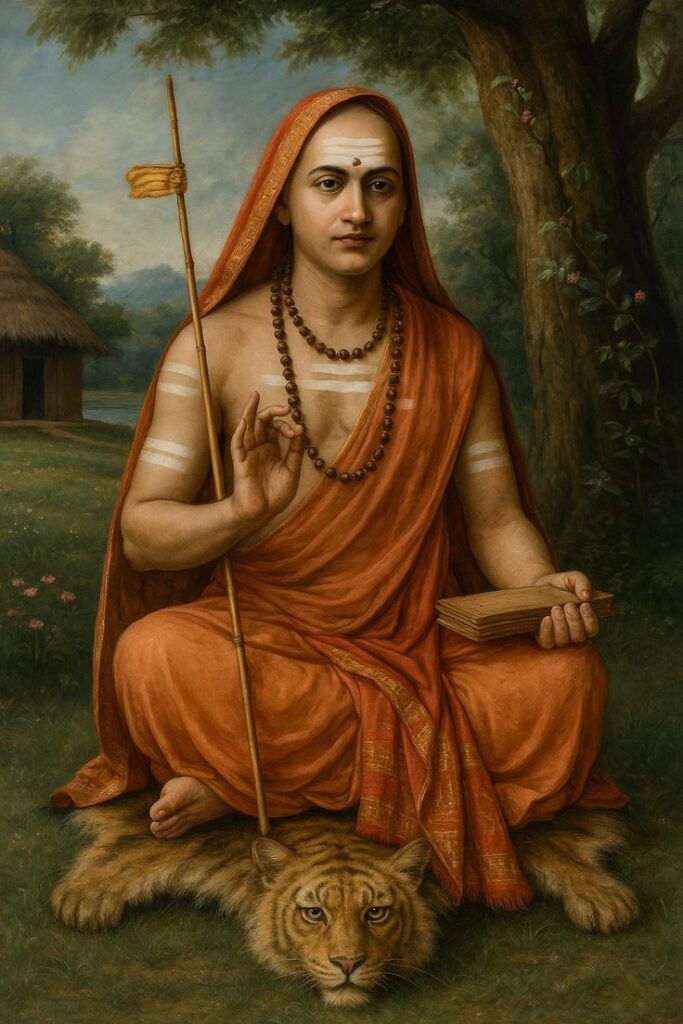
Thus ends the Ātmabodha, composed by the revered Śrī Śaṅkarabhagavatpāda, the disciple of the worshipful teacher Govinda Bhagavatpāda, who was a great Paramahaṃsa and wandering ascetic.