




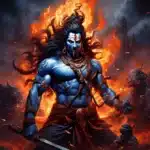
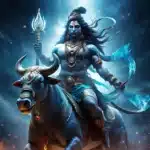

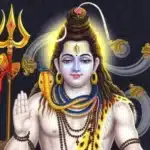
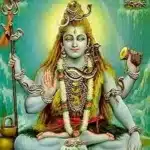






















Ahirbudhnya Avatar Of Lord Shiva
Ahirbudhnya Avatar

Ahirbudhnya Avatar of Lord Shiva
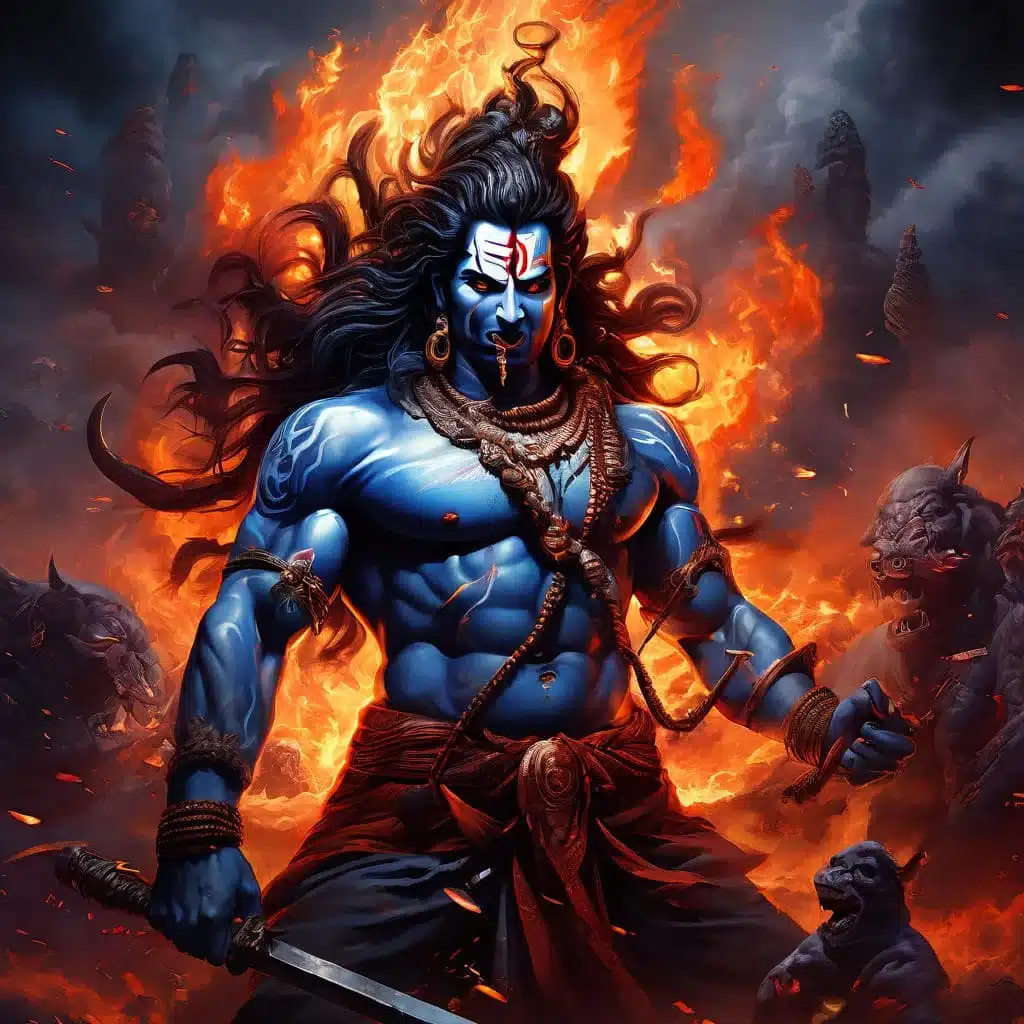
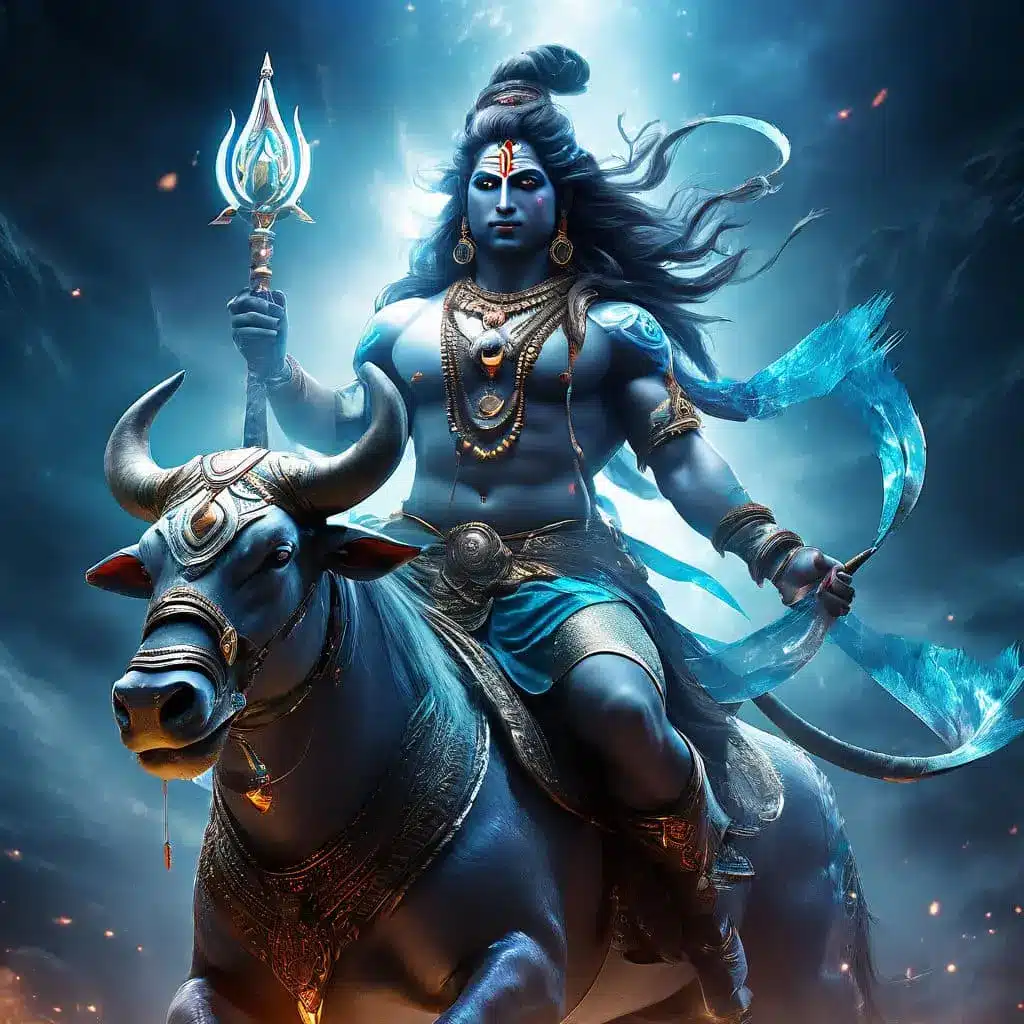
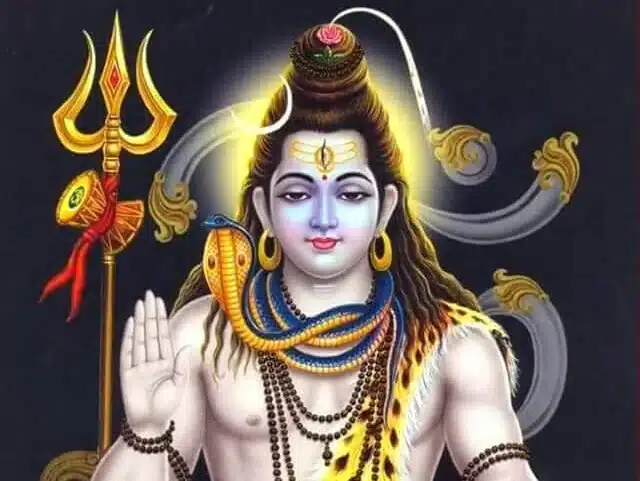
The Ahirbudhnya Avatar of Lord Shiva is a powerful and mysterious manifestation described in ancient Hindu scriptures, particularly in the Vedas and Puranas. In this form, Lord Shiva represents the deep, hidden cosmic power that exists within the universe. The name Ahirbudhnya comes from Sanskrit, where “Ahir” means serpent or cosmic serpent and “Budhnya” means the deep foundation or the bottom of the ocean. Together, the name symbolizes the serpent of the deep cosmic waters, representing the hidden forces that sustain and control the universe.
Ahirbudhnya is considered one of the eleven Rudras, the fierce and divine manifestations of Lord Shiva that govern powerful cosmic energies. This avatar highlights Shiva’s connection with the mysterious depths of existence, the unseen energies of nature, and the protection of cosmic balance.
Meaning and Origin of Ahirbudhnya
The origin of the Ahirbudhnya Avatar can be traced back to Vedic literature, especially the Rigveda and later texts like the Shiva Purana and other Puranas. In these sacred texts, Ahirbudhnya is described as a powerful Rudra deity who resides in the depths of the cosmic ocean and controls hidden spiritual energies.
The symbolism of a serpent in the deep waters is very significant in Hindu philosophy. Serpents often represent cosmic energy, wisdom, and hidden power. In the form of Ahirbudhnya, Lord Shiva is seen as the guardian of the mysterious forces that exist beneath the surface of creation.
Just as the deep ocean hides many unknown mysteries, this avatar represents the invisible energies that support the universe. It teaches that not all divine power is visible; much of it operates silently in the background to maintain cosmic harmony.
Appearance and Symbolism
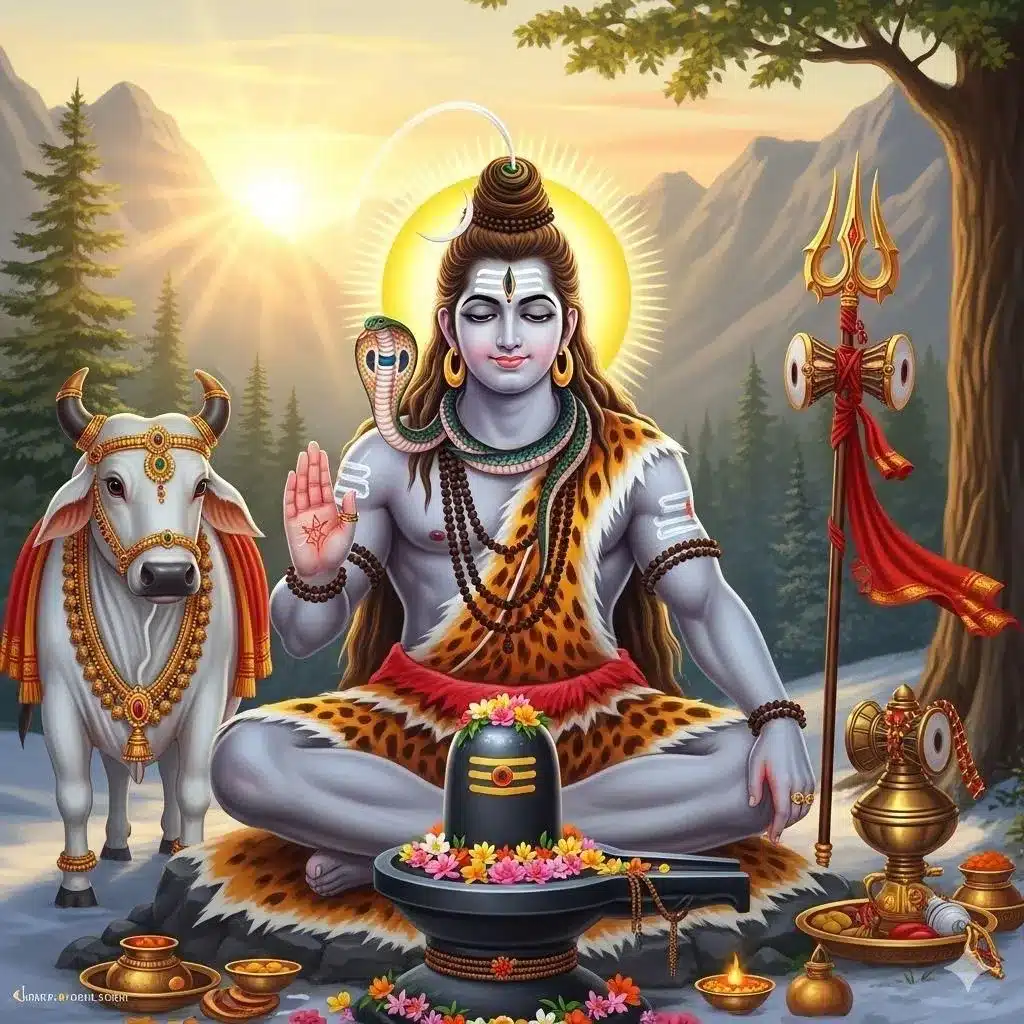
In descriptions found in ancient texts, the Ahirbudhnya Avatar is associated with the imagery of a cosmic serpent dwelling in the depths of the ocean or the foundation of the universe. This form represents the immense spiritual power hidden within the cosmic waters.
The serpent symbolizes infinite energy, protection, and transformation. In Hindu tradition, serpents (Nagas) are often connected with divine knowledge and spiritual awakening. In this avatar, Shiva is seen as the controller of these mystical energies.
The deep ocean represents the unconscious and hidden layers of existence. It symbolizes the unknown dimensions of the universe where divine forces operate beyond human understanding. Ahirbudhnya thus represents the foundation of cosmic stability, ensuring that the universe remains balanced.
This avatar also symbolizes the connection between creation, preservation, and destruction, the three fundamental aspects of cosmic existence. As the lord of hidden energies, Shiva in this form governs forces that shape the universe in subtle ways.
Role and Purpose of the Ahirbudhnya Avatar
The Ahirbudhnya Avatar plays an important role in maintaining cosmic order and balance. As one of the Rudra forms, Shiva manifests as Ahirbudhnya to control the powerful energies that exist beneath the visible universe.
The main purposes of this avatar include:
Protecting the cosmic foundations of the universe
Controlling hidden spiritual and natural energies
Maintaining balance between different forces of creation
Guiding the transformation of cosmic cycles
This form also symbolizes the idea that the universe is supported by deep spiritual forces that remain unseen but are always active. Lord Shiva, through the Ahirbudhnya Avatar, governs these forces and ensures that the cosmic system continues to function smoothly.
Spiritual Significance
The Ahirbudhnya Avatar carries profound spiritual meaning for devotees and seekers of knowledge. It teaches that the universe is much deeper than what we can perceive with our senses. Beneath the surface of physical reality lies a vast ocean of divine energy and consciousness.
For spiritual practitioners, this avatar represents the awakening of hidden inner power. Just as the cosmic serpent symbolizes energy within the universe, it also represents the inner spiritual energy within every human being.
In yogic philosophy, this concept is often connected with Kundalini energy, which is described as a coiled serpent resting at the base of the spine. When awakened through spiritual practice, this energy leads to enlightenment and higher consciousness.
Thus, the Ahirbudhnya Avatar reminds devotees that true spiritual power lies within the depths of the soul, waiting to be awakened through devotion, meditation, and self-realization.
Ahirbudhnya in Hindu Tradition
Although the Ahirbudhnya Avatar is not as widely worshipped as other popular forms of Lord Shiva, it holds significant importance in Vedic and Shaivite traditions. Scholars and spiritual teachers often interpret this avatar as a representation of the mysterious and infinite nature of Shiva.
Some ancient rituals and philosophical teachings reference Ahirbudhnya as a guardian of the cosmic waters and hidden spiritual knowledge. Devotees who study deeper aspects of Hindu philosophy often meditate on this form to understand the mystical dimensions of the universe and divine consciousness.
Conclusion
The Ahirbudhnya Avatar of Lord Shiva represents the hidden and mysterious forces that exist within the depths of the universe. As a manifestation of Rudra, this avatar symbolizes cosmic energy, protection, and the unseen power that maintains the stability of creation.
Through this form, Lord Shiva teaches that the universe is supported by divine forces that operate beyond human perception. The symbolism of the cosmic serpent and the deep ocean reminds us that spiritual truth often lies beneath the surface, waiting to be discovered.
For devotees and spiritual seekers, the Ahirbudhnya Avatar is a powerful reminder of the infinite depth of divine wisdom and the hidden energies that sustain the universe. By understanding and meditating on this form of Shiva, one can gain deeper insight into the mysteries of existence and the eternal presence of the Supreme Divine.




