





















The 5 Places of Kali-Yug
The 5 Places Of Kali-Yug Will be – (Tat Twam Asi)
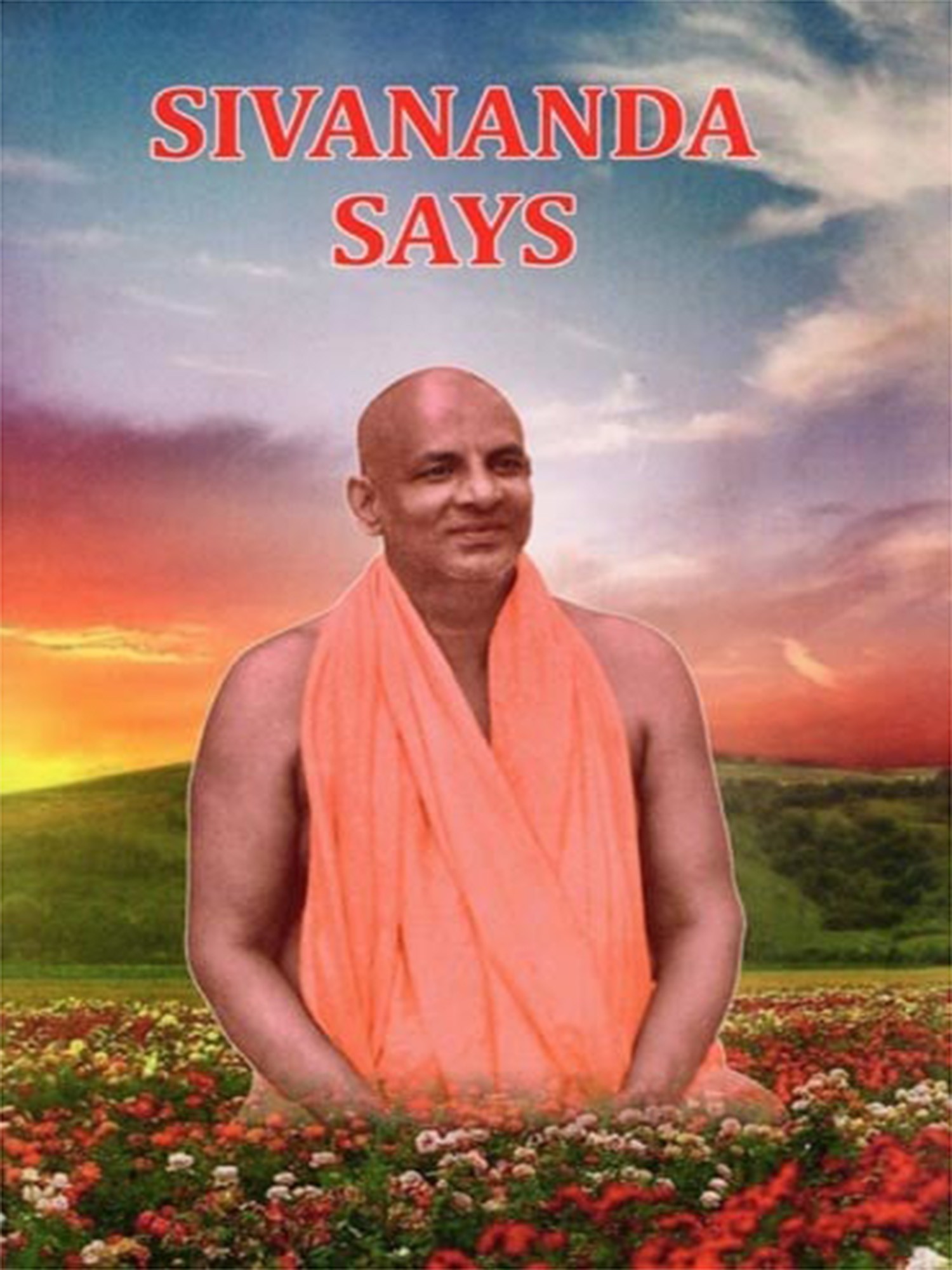
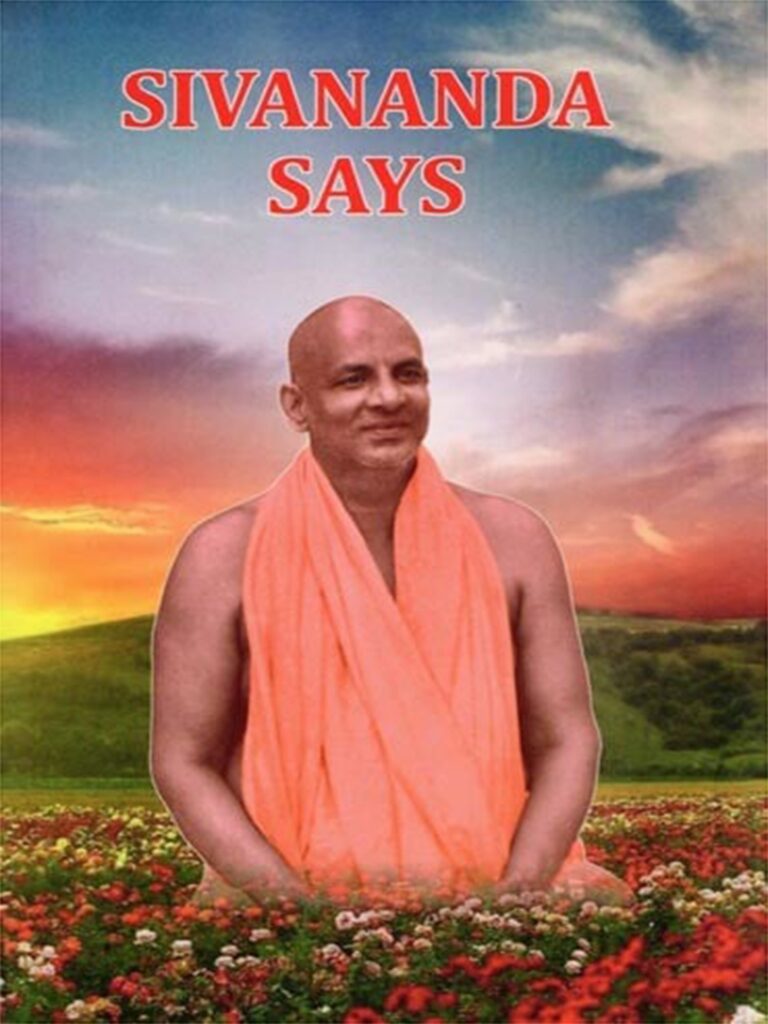
by Swami Sivananda
The sage Uddalaka gave instructions to his son Svetaketu on the significance of Tat Tvam Asi Mahavakya nine times. This comes in Chhandogya Upanishad VI-7. The identity of Jivatma and Paramatma, the individual soul and the Supreme Soul is realised by meditating on the right significance of this Mahavakya or great sentence of the Upanishads.
The relation between sound and its meaning is the Vritti of the sound. This Vritti is of two kinds, viz., Sakti Vritti and Lakshana Vritti. There is a power in the sound to generate the knowledge of the meaning of the sound. The direct connection between a sound and its meaning is its Sakti Vritti. The Parampara relationship between sound and its meaning, through the meaning known through the Sakti Vritti is the Lakshana Vritti of the sound. The meaning that is understood through the Sakti Vritti is the Vachyartha of the sound. The meaning that is understood by the Lakshana Vritti is the Lakshyartha of the sound.
There are three kinds of relations, viz.,
Samanadhi Karanya: (appositional) or the relation between two words having the same substratum.
Visheshana-Visheshya: (the definitive) or the relation between the two words qualifying each other so as to signify a common object and Lakshya Lakshana Bhava: (the connotive) or the relation between two words and an identical thing implied by them (here Brahman).
Samanadhi Karanya is the relationship between two words having the same substratum. by way of illustration take the sentence, This is that Devadatta. The word that indicates Devadatta connected with the past and the word this indicates Devadatta connected with the present. Both refer to one and the same person called Devadatta. Likewise, in the sentence Thou art That, the word That indicates consciousness characterised by remoteness, and the word Thou denotes consciousness characterised by nearness. Both refer to one and the same consciousness viz., the Brahman.
The second relation is Visheshana-Visheshya Bhava. In the sentence, This is that Devadatta, that meaning a person endowed with the attribute of having been seen before is a conception of the past. They are dissimilar ideas but still they qualify each other so as to indicate a common object. Likewise in the Vedic sentence Thou art That, the meaning of the word Thou is consciousness characterised by nearness. They are dissimilar ideas but they qualify each other so as to indicate a common object.
The third relation is Lakshya-Lakshana Bhava. In the sentence This is that Devadatta, this endowed with the attribute of having been seen at a particular place or in a particular dress or a particular time cannot be entirely identical with that endowed with the attribute of being seen at a different place, in a different dress in a different time. To equate them, therefore, we must abandon the inconsistent attributes and see the identity of the individual who has those varying attributes. Similarly in the Vedic sentence, Thou art That, to equate That, the omniscient, unmanifested Atman with Thou, the little-knowing, manifested, Jiva, we must abandon the inconsistent attributes such as omniscience and little knowledge etc., associated with That and Thou respectively and take up the pure consciousness which is common to both. Though the words That and Thou may indicate distinct conceptions, they must be taken to connote the same underlying reality or common consciousness.
There are three kinds of Lakshana:
Jahallakshan: Here the direct meaning of a sentence is abandoned completely in favour of an indirect meaning. For example, Gangayam Gosha, The village is on the Ganga. The direct meaning of The village is on the Ganga is abandoned in favour of the indirect meaning near the Ganga. There cannot be any village on the Ganga. There can be a village near the Ganga only. This Lakshana is not suitable for explaining Tat Tvam Asi Mahavakya because if the Kutasta Chaitanya, the Lakshyartha of Tvam Pada is abandoned, there is no Svarupa for the aspirant.
Ajahallakshan: Here the direct meaning of a sentence is not abandoned but amplified. As for example, The red is running. Here we have to add the word horse, and understand as The red horse is running, because, redness being but a quality cannot run. This Lakshana also is not suitable to explain the identity of Jiva and Brahman in Tat Tvam Asi Mahavakya.
Jahadajahallakshan: This is also known by the name Bhaga Tyaga Lakshana. Here a part of the direct meaning of a sentence is abandoned and another part is retained. As for example, This is that Devadatta, the associations regarding time and place are abandoned, but the person called Devadatta is retained. Likewise, in the great saying Thou art That the inconsistent attributes of remoteness and nearness, omni-science and little-knowledge, etc., associated with That and Thou respectively are abandoned and pure consciousness or Brahman, which is common to both is retained. The real meaning of the Vedic sentence is obtained by applying this Lakshana only. Identity of Jiva and Brahman is shown by applying this Lakshana.
In the Vedic sentence, That art Thou or Thou art That, the direct significance of the word That is Maya plus the Brahman reflected therein, plus the pure Brahman, the substratum of Maya. The direct significance of the word Thou is Avidya plus the Self reflected therein plus Kutastha, the substratum of Avidya. The connotation or the real indicative meaning of the word That is pure Brahman. The connotation or the real indicative meaning of the word Thou is the Kutastha. The inconsistent attributes of Maya and Avidya have to be eliminated and the Kutastha whose nature is Existence, Knowledge and Bliss has to be identified with the pure Brahman whose nature is also Existence, Knowledge and Bliss. He who realises the identity through direct intuitive perception attains Moksha. He is a Jivanmukta. This is the emphatic unanimous voice of the Upanishads.