















Swami Vivekananda Poetry
Swami Vivekananda Poetry

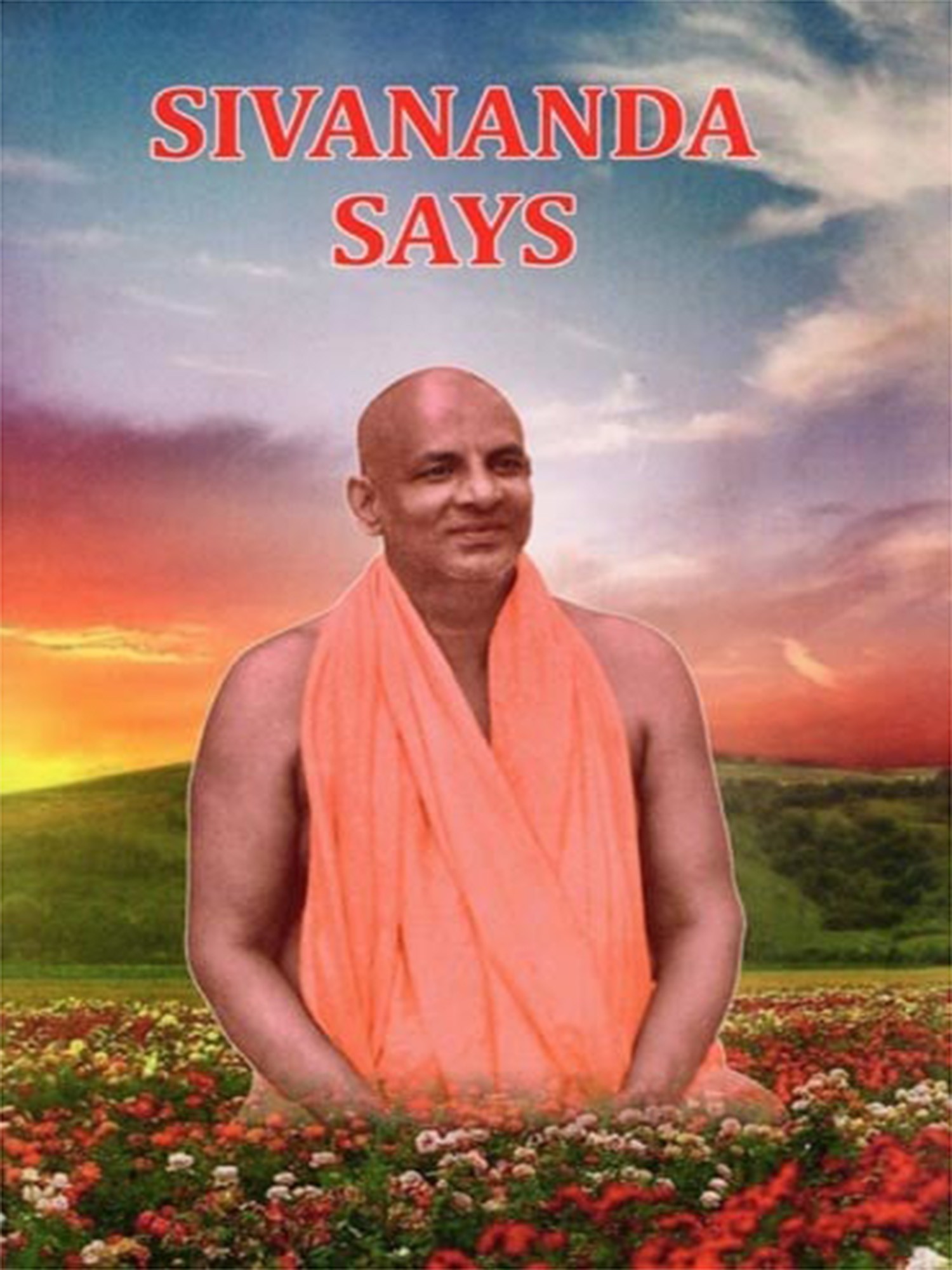
Swami Vivekananda was a Hindu monk and a key figure in the introduction of Indian philosophies of Vedanta and Yoga to the West. He is best known for his inspiring lectures and writings, which continue to offer guidance and meaning to people around the world.
His writings are characterized by a clear and direct style, often using metaphors and anecdotes to illustrate complex philosophical concepts. He emphasized the universality of spiritual truths, drawing from various religious traditions to present a holistic view of human existence.
A major theme in his work is the potential for spiritual awakening within every individual. He believed in the inherent divinity of humanity and encouraged self-discovery through meditation, selfless service, and the pursuit of knowledge.
His teachings are often compared to those of other prominent figures in the 19th-century religious landscape like Henry David Thoreau and Ralph Waldo Emerson, who similarly emphasized self-reliance and the importance of connecting with the inner spirit. Vivekananda’s work remains relevant today, offering a timeless message of unity, compassion, and the pursuit of a meaningful life.
A Benediction
The mother’s heart, the hero’s will,
The sweetness of the southern breeze,
The sacred charm and strength that dwell
On Aryan altars, flaming, free;
All these be yours, and many more
No ancient soul could dream before —
Be thou to India’s future son
The mistress, servant, friend in one.
Analysis : The poem “A Benediction” is a short, lyrical poem that celebrates the virtues of courage, compassion, and devotion. The poem is written in the form of a blessing, with the speaker invoking various blessings upon the reader.
The poem begins with the line “The mother’s heart, the hero’s will,” which sets the tone for the rest of the poem. The speaker goes on to bless the reader with “the sweetness of the southern breeze,” “the sacred charm and strength that dwell on Aryan altars,” and “all these be yours, and many more.”
The poem is notable for its simplicity and its use of vivid imagery. The speaker’s blessings are all heartfelt and sincere, and the poem conveys a sense of deep love and affection for the reader.
The poem can be compared to other works by the author in that it shares the same themes of love, compassion, and spirituality. However, the poem is unique in its focus on the future of India. The speaker’s blessings are all directed towards the reader, who is seen as the hope for India’s future.
The poem is also notable for its historical context. It was written during a time of great upheaval in India, and the speaker’s blessings can be seen as a call for hope and unity in the face of adversity.
Hold Yet A While
Hold yet a while, Strong Heart,
Not part a lifelong yoke
Though blighted looks the present, future gloom.
And age it seems since you and I began our
March up hill or down. Sailing smooth o’er
Seas that are so rare-
Thou nearer unto me, than oft-times I myself-
Proclaiming mental moves before they were !
Reflector true-Thy pulse so timed to mine,
Thou perfect note of thoughts, however fine-
Shall we now part, Recorder, say ?
In thee is friendship, faith,
For thou didst warn when evil thoughts were brewing-
And though, alas, thy warning thrown away,
Went on the same as ever-good and true.
Analysis This poem explores the complex relationship between the heart and mind, reflecting on the passage of time and the interconnectedness of the two. Compared to other works by Swami Vivekananda, it is notable for its personal and introspective tone, contrasting with his more philosophical and oratorical style. The poem is also a product of its time, reflecting the Victorian era’s emphasis on self-reflection and the pursuit of inner wisdom.
Song of the Sannyasin
The Song of the Sannyasin
Wake up the note! the song that had its birth
Far off, where worldly taint could never reach
In mountain caves and glades of forest deep,
Whose calm no sigh for lust or wealth or fame
Could ever dare to break; where rolled the stream
Of knowledge, truth, and bliss that follows both.
Sing high that note, Sannyasin bold! Say –
‘Om tat sat, Om!’
Strike off thy fetters! Bonds that bind thee down,
Of shining gold or darker, baser ore;
Love, hate; good, bad; and all the dual throng,
Know, slave is slave, caressed or whipped, not free
For fetters, though of gold, are not less strong to bind;
Then off with them, Sannyasin bold! Say –
‘Om tat sat, Om!’
Let darkness go! the will-o’-the-wisp that leads
With blinking light to pile more gloom on gloom.
This thirst for life, for ever quench; it drags
From birth to death, and death to birth, the soul
He conquers all who conquers self. Know this
And never yield, Sannyasin bold! Say –
‘Om tat sat, Om!’
‘Who sows must reap,’ they say, ‘and cause must bring
The sure effect; good, good; bad, bad; and none
Escape the law. But whoso wears a form
Must wear the chain.’ Too true; but far beyond
Both name and form is Atman, ever free.
Know thou art That, Sannyasin bold! Say –
‘Om tat sat, Om!’
They know not truth who dream such vacant dreams
As father, mother, children, wife and friend.
The sexless Self! whose father He? whose child?
Whose friend, whose foe is He who is but One?
The Self is all in all, none else exists;
And thou art That, Sannyasin bold! Say –
‘Om tat sat, Om!’
There is but One – The Free, The Knower – Self!
Without a name, without a form or stain.
In him is Maya, dreaming all this dream.
The Witness, He appears as nature, soul.
Know thou art That, Sannyasin bold! Say –
‘Om tat sat, Om!’
Where seekest thou? That freedom, friend, this world
Nor that can give. In books and temples vain
Thy search. Thine only is that hand that holds
The rope that drags thee on. Then cease lament,
Let go thy hold, Sannyasin bold! Say –
‘Om tat sat, Om!’
Say, ‘Peace to all: From me no danger be
To aught that lives. In those that dwell on high,
In those that lowly creep, I am the Self in all.
All life both here and there, do I renounce,
All heavens and earths and hells, all hopes and fears.’
Thus cut thy bonds, Sannyasin bold! Say –
‘Om tat sat, Om!’
Heed then no more how body lives or goes,
Its task is done. Let Karma float it down;
Let one put garlands on, another kick
This frame; say naught. No praise or blame can be
Where praiser praised, and blamer blamed are one.
Thus be thou calm, Sannyasin bold! Say –
‘Om tat sat, Om!’
Truth never comes where lust and fame and greed
Of gain reside. No man who thinks of woman
As his wife can ever perfect be;
Nor he who owns the least of things, nor he
Whom anger chains, can ever pass thro’ Maya’s gates.
So give these up, Sannyasin bold! Say –
‘Om tat sat, Om!’
Have thou no home. What home can hold thee, friend?
The sky thy roof, the grass thy bed; and food
What chance may bring, well cooked or ill, judge not.
No food or drink can taint that noble Self
Which knows itself. Like rolling river free
Thou ever be, Sannyasin bold! Say –
‘Om tat sat, Om!’
Few only know the truth. The rest will hate
And laugh at thee, great one; but pay no heed.
Go thou, the free, from place to place, and help
Them out of darkness, Maya’s veil. Without
The fear of pain or search for pleasure, go
Beyond them both, Sannyasin bold! Say –
‘Om tat sat, Om!’
Thus, day by day, till Karma’s powers spent,
Release the soul for ever. No more is birth,
Nor I, nor thou, nor God, nor man. The ‘I’
Has All become, the All is ‘I’ and Bliss.
Know thou art That, Sannyasin bold! Say –
‘Om tat sat, Om!’
— Swami Vivekananda
Analysis The “Song of the Sannyasi” by Swami Vivekananda extols the virtues of renunciation and detachment from worldly desires, echoing the prevalent spiritual and philosophical teachings of the late 19th century.
The poem urges the reader to shed the bonds of material possessions, relationships, and desires, recognizing them as obstacles to spiritual liberation. It emphasizes the importance of self-realization, asserting that the true Self is beyond form and name.
Through imagery of nature and spiritual metaphors, the poem conveys the idea that freedom lies in the embrace of non-duality, where the distinctions between oneself, others, and the divine dissolve. The repetition of the mantra “Tat tvam asi” (That thou art) reinforces this central theme, as it urges the reader to recognize the divinity within.
The poem reflects the broader societal and cultural changes occurring in India during Vivekananda’s time, as the influence of Western thought and modernism challenged traditional beliefs and practices. It is a testament to the enduring relevance of spiritual teachings in guiding individuals towards introspection, self-discovery, and ultimately, enlightenment
Thy Love I Fear
Thy knowledge, man! I value not,
It is thy love I fear;
It is thy love that shakes My throne,
Brings God to human tear.
For love, behold the Lord of all,
The formless, ever free,
Is made to take the human form
To play and live with thee.
What learning, they of Vrinda’s groves,
The herdsmen, ever got?
What science, girls that milked the kine?
They loved, and Me they bought.
Vrinda: Vrindaban, abode of Krishna.
Swamiji wrote this from the point of view of Krishna Himself. He expresses, that nothing, no knowledge, no science, but love, love alone, can bring the Lord to our hearts…
Analysis : This poem expresses the superiority of love over knowledge and intellect. The speaker fears the power of love, as it has the ability to shake even God’s throne and bring him to tears. Love is seen as a transformative force that can make the formless and infinite God take on human form to interact with humanity. The poem contrasts the wisdom of scholars with the simple love of milkmaids and cowherds, suggesting that love is the path to true understanding. This theme is consistent with the author’s other works, which often emphasize the importance of devotion and love in spiritual practice, and it reflects the broader cultural and religious context of the time period, in which bhakti or devotional love was a central aspect of religious experience
The Song Of The Free
The wounded snake its hood unfurls,
The flame stirred up doth blaze,
The desert air resounds the calls
Of heart-struck lion’s rage.
The cloud puts forth it deluge strength
When lightning cleaves its breast,
When the soul is stirred to its in most depth
Great ones unfold their best.
Let eyes grow dim and heart grow faint,
And friendship fail and love betray,
Let Fate its hundred horrors send,
And clotted darkness block the way.
All nature wear one angry frown,
To crush you out – still know, my soul,
You are Divine. March on and on,
Nor right nor left but to the goal.
Nor angel I, nor man, nor brute,
Nor body, mind, nor he nor she,
The books do stop in wonder mute
To tell my nature; I am He.
Before the sun, the moon, the earth,
Before the stars or comets free,
Before e’en time has had its birth,
I was, I am, and I will be.
The beauteous earth, the glorious sun,
The calm sweet moon, the spangled sky,
Causation’s law do make them run;
They live in bonds, in bonds they die.
And mind its mantle dreamy net
Cast o’er them all and holds them fast.
In warp and woof of thought are set,
Earth, hells, and heavens, or worst or best.
Know these are but the outer crust –
All space and time, all effect, cause.
I am beyond all sense, all thoughts,
The witness of the universe.
Not two nor many, ’tis but one,
And thus in me all me’s I have;
I cannot hate, I cannot shun
Myself from me, I can but love.
From dreams awake, from bonds be free,
Be not afraid. This mystery,
My shadow, cannot frighten me,
Know once for all that I am He.
Analysis (ai): This poem explores the power of the human spirit in the face of adversity. The imagery of a wounded snake, a roaring lion, and a lightning-cleaving cloud captures the resilience and strength that emerges from within. Despite the challenges and setbacks that life presents, the speaker emphasizes the importance of maintaining a connection to one’s divine nature. The language is direct and forceful, conveying a sense of urgency and determination. Compared to the author’s other works, this poem demonstrates a more outward focus, addressing themes of self-empowerment and the interconnectedness of all things. It reflects the prevailing philosophical and spiritual currents of the time period, emphasizing the need for personal growth and the realization of one’s true potential.
To The Fourth Of July
Behold, the dark clouds melt away,
That gathered thick at night, and hung
So like a gloomy pall above the earth!
Before thy magic touch, the world
Awakes. The birds in chorus sing.
The flowers raise their star-like crowns-
Dew-set, and wave thee welcome fair.
The lakes are opening wide in love
Their hundred thousand lotus-eyes
To welcome thee, with all their depth.
All hail to thee, thou Lord of Light!
A welcome new to thee, today,
O sun! today thou sheddest LIBERTY!
Bethink thee how the world did wait,
And search for thee, through time and clime.
Some gave up home and love of friends,
And went in quest of thee, self banished,
Through dreary oceans, through primeval forests,
Each step a struggle for their life or death;
Then came the day when work bore fruit,
And worship, love, and sacrifice,
Fulfilled, accepted, and complete.
Then thou, propitious, rose to shed
The light of FREEDOM on mankind.
Move on, O Lord, on thy resistless path!
Till thy high noon o’erspreads the world.
Till every land reflects thy light,
Till men and women, with uplifted head,
Behold their shackles broken, and
Know, in springing joy, their life renewed!
Analysis (ai): This poem celebrates the arrival of freedom, symbolized by the Fourth of July, invoking the natural world through imagery of light, flowers, and birds. It differs from the author’s typical spiritual and philosophical themes, instead focusing on a more patriotic and celebratory tone. In comparison to its time period, the poem reflects the post-Civil War era’s sentiment of liberation and the hope for a brighter future. The poem’s optimism and belief in progress align with the ideals of the American Enlightenment and the nation’s aspirations for equality and democracy.
A Blessing
The Mother’s heart, the hero’s will,
The softest flowers’ sweetest feel;
The charm and force that ever sway
The altar-fire’s flaming play;
The strength that leads, in love obeys;
Far-reaching dreams, and patient ways,
Eternal faith in Self, in all,
The light Divine in great, in small;
All these and more than I could see,
Today may “Mother” grant to thee!
Analysis (ai): This poem is a blessing or invocation for the recipient, asking for a combination of feminine and masculine qualities: the nurturing heart of a mother, the determined will of a hero, the gentleness of flowers, and the power of a sacred flame. It also emphasizes the importance of self-belief, faith in others, and recognizing the divine in all things.
The poem differs from the author’s other works, which often focus on spiritual teachings and philosophical insights. This poem is more personal and specific, expressing a desire for specific qualities in the recipient.
In terms of the time period, the poem reflects the late 19th-century interest in spiritualism and the search for meaning beyond the material world. The poem’s emphasis on inner strength, self-reliance, and the divine nature of all beings aligns with the prevailing philosophies of self-improvement and transcendentalism.
Light
I look behind and after
And find that all is right,
In my deepest sorrows
There is a soul of light.
© by owner. provided at no charge for educational purposes
Analysis (ai): This poem expresses a profound sense of optimism and resilience. The speaker reflects on their past and future, acknowledging the existence of sorrow but emphasizing the presence of an indwelling light. The poem’s brevity belies its depth, conveying a message of hope amidst adversity.
Compared to the author’s other works, this poem shares themes of self-discovery and spiritual awakening. However, its simplicity and focus on the individual’s inner strength distinguishes it. The poem’s brevity and lack of specific imagery or symbolism also set it apart from the author’s other works.
In the context of its time period, the poem aligns with the late 19th-century emphasis on self-reliance and the power of positive thinking. It reflects the prevailing belief in the inherent goodness of humanity and the ability to overcome adversity through introspection and personal growth.
Kali The Mother
The stars are blotted out,
The clouds are covering clouds.
It is darkness vibrant, sonant.
In the roaring, whirling wind
Are the souls of a million lunatics
Just loosed from the prison-house,
Wrenching trees by the roots,
Sweeping all from the path.
The sea has joined the fray,
And swirled up mountain-waves,
To reach the pitchy sky.
The flash of lurid light
Reveals on every side
A thousand, thousand shades
Of Death begrimed and black-
Scattering plagues and sorrows,
Dancing mad with joy,
Come, Mother, come!
For terror is Thy name,
Death is in thy breath,
And every shaking step
Destoys a world for e’er.
Thou Time, the All-destroyer!
Come, O Mother, come!
Who dares misery love,
And hug the form of Death,
Dance in destruction’s dance
To him the Mother comes.
Analysis (ai): This poem depicts a chaotic and terrifying storm, personified as the goddess Kali, who represents destruction and transformation. The poem’s vivid imagery and rhythmic language convey the force and darkness of the storm. It highlights the duality of nature’s beauty and destructive power.
The poem’s language is reminiscent of devotional hymns, with its repetitive invocations of “Mother” and “Come.” It suggests a reverence for the destructive aspects of life, seeing them as part of a divine cycle of creation and destruction.
Compared to the author’s other works, this poem stands out for its intense and macabre imagery. While other works explore spiritual themes, this poem focuses on the raw power of nature and the inevitability of death.
In the context of its time period (late 19th century), the poem reflects the fascination with the occult and fascination with the concept of a “cosmic mother” figure. It also aligns with the Victorian preoccupation with death and the supernatural.
My Play Is Done
Ever rising, ever falling with the waves of time, still rolling on I go
From fleeting scene to scene ephemeral, with life’s currents’ ebb and flow.
Oh! I am sick of this unending force; these shows they please no more,
This ever running, never reaching, nor e’en a distant glimpse of shore!
From life to life I’m waiting at the gates, alas, they open not.
Dim are my eyes with vain attempt to catch one ray long sought.
On little life’s high, narrow bridge I stand and see below
The struggling, crying, laughing throng. For what? No one can know.
In front yon gates stand frowning dark, and say: `No farther away,
This is the limit; tempt not Fate, bear it as best you may;
Go, mix with them and drink this cup and be as mad as they.
Who dares to know but comes to grief; stop then, and with them stay.’
Alas for me, I cannot rest. This floating bubble, earth—
Its hollow form, its hollow name, its hollow death and birth—
For me is nothing. How i long to get beyond the crust
Of name and form! Ah, open the gates; to me they open must.
Open the gates of light, O Mother, to me Thy tired son.
I long, oh, long to return home! Mother, my play is done.
You sent me out in the dark to play and wore a frightful mask;
Then hope departed, terror came, and play became a task.
Tossed to and fro, from wave to wave in this seething, surging sea
Of passions strong and sorrows deep, grief is, and joy to be.
Where life is living death, alas! and death— who knows but `tis
Another start, another round of this old wheel of grief and bliss?
Where children dream bright, golden dreams, too soon to find them dust,
And aye look back to hope long lost and life a mass of rust!
Too late, the knowledge age doth gain; scare from the wheel we’re gone.
When fresh, young lives put their strength to the wheel, which thus goes on
From day to day and year to year. ‘Tis but delusion’s toy,
False hope its motor; desire,nave;its spokes are grief and joy.
I go adrift and know not whither. Save from this fire!
Rescue me, merciful Mother, from floating with desire!
Turn not to me Thy awful face, ’tis more than I can bear,
Be merciful and kind to me, to chide my faults forbear.
Take me, O Mother, to those shores where strifes for ever cease;
Beyond all sorrows, beyond tears, beyond e’en earthly bliss;
Whose glory neither sun, nor moon, nor stars that twinkle bright,
Nor flash of lightning can express. They but reflect its light.
Let never more delusive dreams veil off Thy face from me.
My play is done; O Mother, break my chains and make me free!
Analysis (ai): This poem conveys a sense of weariness with the cyclical nature of life. The speaker feels trapped in an endless cycle of birth, death, and rebirth, longing for liberation. This theme is echoed in other works by the author, such as “The Song of the Sannyasin,” which expresses a similar longing for freedom from worldly attachments.
The poem also reflects the spiritual beliefs of the time period, particularly the concept of Maya or illusion. The speaker sees the world as a veil of deception that obscures the true nature of reality. This perspective is influenced by Hindu philosophy, which emphasizes the impermanence of worldly existence.
The poem’s tone is one of resignation and longing. The speaker acknowledges the futility of life’s struggles and desires, but still yearns for something more. This sense of longing is expressed through powerful imagery, such as “this floating bubble, earth” and “too late, the knowledge age doth gain.”
Overall, this poem offers a reflection on the nature of human existence and the desire for liberation from the cycle of birth and death.
Quest For God
O’ver hill and dale and mountain range,
In temple, church, and mosque,
In Vedas, Bible, Al Koran
I had searched for Thee in vain.
Like a child in the wildest forest lost
I have cried and cried alone,
“Where art Thou gone, my God, my love?
The echo answered, “gone.”
And days and nights and years then passed
A fire was in the brain,
I knew not when day changed in night
The heart seemed rent in twain.
I laid me down on Ganges’s shore,
Exposed to sun and rain;
With burning tears I laid the dust
And wailed with waters’ roar.
I called on all the holy names
Of every clime and creed.
“Show me the way, in mercy, ye
Great ones who have reached the goal.”
Years then passed in bitter cry,
Each moment seemed an age,
Till one day midst my cries and groans
Some one seemed calling me.
A gentle soft and soothing voice
That said ‘my son’ ‘my son’,
That seemed to thrill in unison
With all the chords of my soul.
I stood on my feet and tried to find
The place the voice came from;
I searched and searched and turned to see
Round me, before, behind,
Again, again it seemed to speak
The voice divine to me.
In rapture all my soul was hushed,
Entranced, enthralled in bliss.
A flash illumined all my soul;
The heart of my heart opened wide.
O joy, O bliss, what do I find!
My love, my love you are here
And you are here, my love, my all!
And I was searching thee –
From all eternity you were there
Enthroned in majesty!
From that day forth, wherever I roam,
I feel Him standing by
O’ver hill and dale, high mount and vale,
Far far away and high.
The moon’s soft light, the stars so bright,
The glorious orb of day,
He shines in them; His beauty – might –
Reflected lights are they.
The majestic morn, the melting eve,
The boundless billowing sea,
In nature’s beauty, songs of birds,
I see through them – it is He.
When dire calamity seizes me,
The heart seems weak and faint,
All nature seems to crush me down,
With laws that never bend.
Meseems I hear Thee whispering sweet
My love, “I am near”, “I am near”.
My heart gets strong. With thee, my love,
A thousand deaths no fear.
Thou speakest in the mother’s lay
Thou shuts the babies eye,
When innocent children laugh and play,
I see Thee standing by.
When holy friendship shakes the hand,
He stands between them too;
He pours the nectar in mother’s kiss
And the baby’s sweet “mama”.
Thou wert my God with prophets old,
All creeds do come from Thee,
The Vedas, Bible, and Koran bold
Sing Thee in Harmony.
“Thou art,” Thou art” the Soul of souls
In the rushing stream of life.
“Om tat sat om.” Thou art my God,
My love, I am thine, I am thine.
This was part of the letter written by Swamiji on Sep. 4, 1893 to Prof. J.H. Wright of Boston who introduced Swami Vivekananda in the Parliament of Religions. © by owner. provided at no charge for educational purposes
Analysis (ai): This poem expresses the narrator’s spiritual journey of seeking God. Despite searching through various religions and holy places, they fail to find God until a voice calls to them. This voice leads them to a deeper understanding of God’s omnipresence, revealing that God has always been present, even within the narrator’s own heart.
Compared to the author’s other works, this poem focuses more intimately on the narrator’s personal quest for God, while others explore broader philosophical and religious themes. It reflects the religious fervor and questioning of the late 19th century, when religious traditions were challenged by scientific advancements and societal changes. The poem’s emphasis on finding God within oneself and in the natural world aligns with the prevalent philosophies of the time, which sought to reconnect individuals
Hold Yet A While
Hold yet a while, Strong Heart,
Not part a lifelong yoke
Though blighted looks the present, future gloom.
And age it seems since you and I began our
March up hill or down. Sailing smooth o’er
Seas that are so rare-
Thou nearer unto me, than oft-times I myself-
Proclaiming mental moves before they were !
Reflector true-Thy pulse so timed to mine,
Thou perfect note of thoughts, however fine-
Shall we now part, Recorder, say ?
In thee is friendship, faith,
For thou didst warn when evil thoughts were brewing-
And though, alas, thy warning thrown away,
Went on the same as ever-good and true.
Analysis (ai): This poem explores the complex relationship between the heart and mind, reflecting on the passage of time and the interconnectedness of the two. Compared to other works by Swami Vivekananda, it is notable for its personal and introspective tone, contrasting with his more philosophical and oratorical style. The poem is also a product of its time, reflecting the Victorian era’s emphasis on self-reflection and the pursuit of inner wisdom.
On The Sea’s Bosom
In blue sky floats a multitude of clouds —
White, black, of many shades and thicknesses;
An orange sun, about to say farewell,
Touches the massed cloud-shapes with streaks of red.
The wind blows as it lists, a hurricane
Now carving shapes, now breaking them apart:
Fancies, colours, forms, inert creations —
A myriad scenes, though real, yet fantastic.
There light clouds spread, heaping up spun cotton;
See next a huge snake, then a strong lion;
Again, behold a couple locked in love.
All vanish, at last, in the vapoury sky.
Below, the sea sings a varied music,
But not grand, O India, nor ennobling:
Thy waters, widely praised, murmur serene
In soothing cadence, without a harsh roar.
Swami Vivekananda composed this poem in Bengali during his return from his second trip to the West. At the time of writing it, he was probably crossing the eastern Mediterranean. © by owner. provided at no charge for educational purposes
Analysis (ai): This poem depicts a vibrant sky filled with diverse clouds, illuminated by the setting sun, and contrasted with the calm, murmuring sea below. The poem evokes a sense of impermanence and the interplay between contrasting elements.
Compared to the author’s other works, this poem stands out for its focus on nature and its exploration of the relationship between the physical and spiritual realms. In the context of its time period, the poem reflects the late 19th-century fascination with naturalism and the exploration of the subconscious and the ephemeral.
Thou Blessed Dream
If things go ill or well-
If joy rebounding spreads the face,
Or sea of sorrows swells-
It is a dream, a play.
A play- we each have a part
Each one to weep or laugh as may;
Each one his dress to don-
Alternate shine or rain.
Thou dream, O blessed dream!
Spread far and near thy veil of haze,
Tone down the lines so sharp,
Make smooth what roughness seems.
No magic but in thee!
Thy touch makes desert bloom to life,
Harsh thunder, sweetest song,
Fell death, the sweet release.
Analysis (ai): This poem presents life as a dream or play, where individuals enact their roles amidst both joy and sorrow. The transient nature of experience is emphasized, and the poem suggests that dreams can soften the harsh realities of life, making the unbearable bearable.
Compared to the author’s other works, this poem shares themes of impermanence and the search for meaning in life. However, it differs in its more optimistic tone, as it finds solace in the transformative power of dreams.
Within the context of its time period, the poem reflects the growing disillusionment with material pursuits and the quest for spiritual enlightenment prevalent in late 19th-century India.
Peace
Behold, it comes in might,
The power that is not power,
The light that is in darkness,
The shade in dazzling light.
It is joy that never spoke,
And grief unfelt, profound,
Immortal life unlived,
Eternal death unmourned.
It is not joy nor sorrow,
But that which is between,
It is not noght nor morrow,
But that which joins them in.
It is sweet rest in music;
And pause in sacred art;
The silence between speaking;
Between two fits of passion —
It is the calm of heart.
It is beauty never seen,
And love that stands alone,
It is song that lives un-sung,
And knowledge never known.
It is death between two lives,
And lull between two storms,
The void whence rose creation,
And that where it returns.
To it the tear-drop goes,
To spread the smiling form
It is the Goal of Life,
And Peace — its only home!
Analysis (ai): This poem explores the elusive nature of peace, describing it as a paradox and a state beyond human comprehension. The speaker emphasizes the contrast between the familiar and the unknown, the transient and the eternal. Unlike the author’s other works, which often focus on the spiritual path to enlightenment, this poem delves into the abstract concept of peace itself.
The poem’s structure reflects its subject matter, using binary oppositions to convey the paradoxical nature of peace. The language is sparse and evocative, creating a sense of mystery and wonder. The poem’s brevity adds to its impact, leaving the reader with a lingering sense of contemplation.
Compared to works from the same time period, this poem stands out for its unique and abstract exploration of peace. It echoes the broader themes of spirituality and existentialism that were prevalent in the late 19th and early 20th centuries, yet its focus on the nature of peace gives it a timeless quality.
A Benediction
The mother’s heart, the hero’s will,
The sweetness of the southern breeze,
The sacred charm and strength that dwell
On Aryan altars, flaming, free;
All these be yours, and many more
No ancient soul could dream before —
Be thou to India’s future son
The mistress, servant, friend in one
Analysis (ai): The poem “A Benediction” is a short, lyrical poem that celebrates the virtues of courage, compassion, and devotion. The poem is written in the form of a blessing, with the speaker invoking various blessings upon the reader.
The poem begins with the line “The mother’s heart, the hero’s will,” which sets the tone for the rest of the poem. The speaker goes on to bless the reader with “the sweetness of the southern breeze,” “the sacred charm and strength that dwell on Aryan altars,” and “all these be yours, and many more.”
The poem is notable for its simplicity and its use of vivid imagery. The speaker’s blessings are all heartfelt and sincere, and the poem conveys a sense of deep love and affection for the reader.
The poem can be compared to other works by the author in that it shares the same themes of love, compassion, and spirituality. However, the poem is unique in its focus on the future of India. The speaker’s blessings are all directed towards the reader, who is seen as the hope for India’s future.
The poem is also notable for its historical context. It was written during a time of great upheaval in India, and the speaker’s blessings can be seen as a call for hope and unity in the face of adversity.
The Cup
This is your cup — the cup assigned
to you from the beginning.
Nay, My child, I know how much
of that dark drink is your own brew
Of fault and passion, ages long ago,
In the deep years of yesterday, I know.
This is your road — a painful road and drear.
I made the stones that never give you rest.
I set your friend in pleasant ways and clear,
And he shall come like you, unto My breast.
But you, My child, must travel here.
This is your task. It has no joy nor grace,
But it is not meant for any other hand,
And in My universe hath measured place,
Take it. I do not bid you understand.
I bid you close your eyes to see My face.
© by owner. provided at no charge for educational purposes
Analysis (ai): This poem explores the concept of individual destiny and suffering. It presents a cup and a road as metaphors for the challenges and path assigned to each individual. The speaker, a divine or authoritative figure, acknowledges the individual’s own role in shaping their difficulties, implying consequences for past actions. The poem emphasizes the solitary and arduous nature of this journey, contrasting it with the easier path taken by others. The task is presented as without joy or grace but essential within the larger cosmic order. The poem invites the individual to embrace their destiny with acceptance and faith, suggesting that understanding is not necessary for fulfillment.
The Living God
He who is in you and outside you,
Who works through all hands,
Who walks on all feet,
Whose body are all ye,
Him worship, and break all other idols!
He who is at once the high and low,
The sinner and the saint,
Both God and worm,
Him worship — visible, knowable, real, omnipresent,
Break all other idols!
In whom is neither past life
Nor future birth nor death,
In whom we always have been
And always shall be one,
Him worship. Break all other idols!
Ye fools! who neglect the living God,
And His infinite reflections with which the world is full.
While ye run after imaginary shadows,
That lead alone to fights and quarrels,
Him worship, the only visible!
Break all other idols!
Analysis (ai): “The Living God” by Swami Vivekananda is a powerful and evocative poem that celebrates the omnipresence of God within and outside ourselves. It encourages readers to worship the “living God” and break all other idols, representing the rejection of false beliefs and the embrace of a direct connection with the divine. The poem reflects the philosophical teachings of Vedanta and Advaita, emphasizing the unity of all beings and the interconnectedness of the universe. It stands out from the author’s other works by its simple yet profound language, and its timeless message of spiritual awakening. The poem’s universal themes resonate with readers across time periods, inviting them to transcend dogma and experience the transformative power of recognizing the divine within.
Song of the Sannyasin
The Song of the Sannyasin
Wake up the note! the song that had its birth
Far off, where worldly taint could never reach
In mountain caves and glades of forest deep,
Whose calm no sigh for lust or wealth or fame
Could ever dare to break; where rolled the stream
Of knowledge, truth, and bliss that follows both.
Sing high that note, Sannyasin bold! Say –
‘Om tat sat, Om!’
Strike off thy fetters! Bonds that bind thee down,
Of shining gold or darker, baser ore;
Love, hate; good, bad; and all the dual throng,
Know, slave is slave, caressed or whipped, not free
For fetters, though of gold, are not less strong to bind;
Then off with them, Sannyasin bold! Say –
‘Om tat sat, Om!’
Let darkness go! the will-o’-the-wisp that leads
With blinking light to pile more gloom on gloom.
This thirst for life, for ever quench; it drags
From birth to death, and death to birth, the soul
He conquers all who conquers self. Know this
And never yield, Sannyasin bold! Say –
‘Om tat sat, Om!’
‘Who sows must reap,’ they say, ‘and cause must bring
The sure effect; good, good; bad, bad; and none
Escape the law. But whoso wears a form
Must wear the chain.’ Too true; but far beyond
Both name and form is Atman, ever free.
Know thou art That, Sannyasin bold! Say –
‘Om tat sat, Om!’
They know not truth who dream such vacant dreams
As father, mother, children, wife and friend.
The sexless Self! whose father He? whose child?
Whose friend, whose foe is He who is but One?
The Self is all in all, none else exists;
And thou art That, Sannyasin bold! Say –
‘Om tat sat, Om!’
There is but One – The Free, The Knower – Self!
Without a name, without a form or stain.
In him is Maya, dreaming all this dream.
The Witness, He appears as nature, soul.
Know thou art That, Sannyasin bold! Say –
‘Om tat sat, Om!’
Where seekest thou? That freedom, friend, this world
Nor that can give. In books and temples vain
Thy search. Thine only is that hand that holds
The rope that drags thee on. Then cease lament,
Let go thy hold, Sannyasin bold! Say –
‘Om tat sat, Om!’
Say, ‘Peace to all: From me no danger be
To aught that lives. In those that dwell on high,
In those that lowly creep, I am the Self in all.
All life both here and there, do I renounce,
All heavens and earths and hells, all hopes and fears.’
Thus cut thy bonds, Sannyasin bold! Say –
‘Om tat sat, Om!’
Heed then no more how body lives or goes,
Its task is done. Let Karma float it down;
Let one put garlands on, another kick
This frame; say naught. No praise or blame can be
Where praiser praised, and blamer blamed are one.
Thus be thou calm, Sannyasin bold! Say –
‘Om tat sat, Om!’
Truth never comes where lust and fame and greed
Of gain reside. No man who thinks of woman
As his wife can ever perfect be;
Nor he who owns the least of things, nor he
Whom anger chains, can ever pass thro’ Maya’s gates.
So give these up, Sannyasin bold! Say –
‘Om tat sat, Om!’
Have thou no home. What home can hold thee, friend?
The sky thy roof, the grass thy bed; and food
What chance may bring, well cooked or ill, judge not.
No food or drink can taint that noble Self
Which knows itself. Like rolling river free
Thou ever be, Sannyasin bold! Say –
‘Om tat sat, Om!’
Few only know the truth. The rest will hate
And laugh at thee, great one; but pay no heed.
Go thou, the free, from place to place, and help
Them out of darkness, Maya’s veil. Without
The fear of pain or search for pleasure, go
Beyond them both, Sannyasin bold! Say –
‘Om tat sat, Om!’
Thus, day by day, till Karma’s powers spent,
Release the soul for ever. No more is birth,
Nor I, nor thou, nor God, nor man. The ‘I’
Has All become, the All is ‘I’ and Bliss.
Know thou art That, Sannyasin bold! Say –
‘Om tat sat, Om!’
— Swami Vivekananda
Analysis (ai): The “Song of the Sannyasi” by Swami Vivekananda extols the virtues of renunciation and detachment from worldly desires, echoing the prevalent spiritual and philosophical teachings of the late 19th century.
The poem urges the reader to shed the bonds of material possessions, relationships, and desires, recognizing them as obstacles to spiritual liberation. It emphasizes the importance of self-realization, asserting that the true Self is beyond form and name.
Through imagery of nature and spiritual metaphors, the poem conveys the idea that freedom lies in the embrace of non-duality, where the distinctions between oneself, others, and the divine dissolve. The repetition of the mantra “Tat tvam asi” (That thou art) reinforces this central theme, as it urges the reader to recognize the divinity within.
The poem reflects the broader societal and cultural changes occurring in India during Vivekananda’s time, as the influence of Western thought and modernism challenged traditional beliefs and practices. It is a testament to the enduring relevance of spiritual teachings in guiding individuals towards introspection, self-discovery, and ultimately, enlightenment.
To My Own Soul
Hold yet a while, Strong Heart,
Not part a lifelong yoke
Though blighted looks the present, future gloom.
And age it seems since you and I began our
March up hil1 or down. Sailing smooth o’er
Seas that are so rare-
Thou nearer unto me, than oft-times I myself-
Proclaiming mental moves before they were !
Reflector true-Thy pulse so timed to mine,
Thou perfect note of thoughts, however fine-
Shall we now part, Recorder, say ?
In thee is friendship, faith,
For thou didst warn when evil thoughts were brewing-
And though, alas, thy warning thrown away,
Went on the same as ever-good and true.
Analysis (ai): The poem “To My Own Soul” by Swami Vivekananda explores the relationship between the speaker and their inner self. The speaker personifies their soul as a “Strong Heart” and acknowledges its unwavering presence throughout their life’s journey. Despite present challenges and the looming threat of age, the speaker remains steadfast in their connection to their soul.
The poem highlights the soul as a constant companion, a “Reflector true” that mirrors the speaker’s thoughts and emotions. It serves as a recorder of the speaker’s experiences and a guide, warning them of impending danger. The speaker expresses regret for neglecting their soul’s warnings, but ultimately recognizes its enduring presence and unwavering support.
In comparison to Vivekananda’s other works, “To My Own Soul” stands out for its introspective nature and personal tone. While his other works often focus on spirituality and philosophy, this poem offers a glimpse into the author’s inner struggles and his deep connection to his soul.
Within the context of the time period, the poem reflects the prevailing philosophies of the late 19th century. The speaker’s emphasis on self-reflection and the importance of an inner guide resonates with the transcendentalist movement, which stressed the inherent divinity of all individuals and the need for self-reliance.
Who Knows How Mother Plays
Perchance a prophet thou-
Who knows? Who dares touch
The depths where Mother hides
Her silent failless bolts!
Perchance the child had glimpse
Of shades, behind the scenes,
With eager eyes and strained,
Quivering forms-ready
To jump in front and be
Events, resistless, strong.
Who knows but Mother, how,
And where, and when, they come?
Perchance the shining sage
Saw more than he could tell;
Who knows, what soul, and when,
The Mother makes Her throne?
What law would freedom bind?
What merit guide Her will,
Whose freak is greatest order,
Whose will resistless law?
To child may glories ope
Which father never dreamt;
May thousandfold in daughter
Her powers Mother store.
© by owner. provided at no charge for educational purposes
Analysis (ai): This poem explores the enigmatic nature of destiny and the role of Mother Nature in shaping events. It questions the limits of human knowledge and speculates that there may be unseen forces at play beyond our comprehension. The poem’s tone is reverent, suggesting that the speaker views Nature as a divine and enigmatic entity. Stylistically, it employs rhetorical questions and allusions to wisdom figures to convey a sense of mystery and awe. Compared to the author’s other works, this poem shares themes of introspection and the search for deeper truths. It also reflects the intellectual and spiritual concerns of the period, where people sought to explore the boundaries of human knowledge and understanding.
A Hymn to Shiva
May my luminous love fasten firm to Him, to Shiva,
In whom arise visions of glories immeasurable!
May my luminous love cling to Him who is utterly pure, like the sky,
Who is Lord of all, having no lord over Himself!
May my luminous devotion be attached to Him
By whom all delusion is destroyed,
In whom Lordship is forever existent!
May it be attached to Him who, manifesting surpassing Love,
is named “the Great God.”
The firm embrace of Him—Love Itself—reveals within the heart
The infinity of being, the falseness of the worlds.
I salute Mind which has its support in Shiva,
But has lost its pristine perfection and assumed misshapen forms;
I salute Mind in which all the impresses of the past are blowing
like a furious tempest,
Stirring up energies violently, like waters lashed into furious waves;
In which flows ceaselessly the dual current of the sense of “I” and “thou.”
I worship Shiva in whom ideas of cause and effect,
Thoughts and impresses and countless varied forms become the Real One.
I worship Him in whom—when the wind of change is calmed—
There is neither within nor without.
I worship Him who is the perfect stillness of the Mind.
He whose thunderous laughter is the flood of Knowledge,
He from whom all darkness is dispersed, who manifests as white radiance,
who is beautiful as the white lotus;
He who is indivisible, who is sought in meditation;
He who is realized in the heart of men of self-control—
May He, that Lordly Swan of my mind, protect me!
May He protect me, who am bowing before Him!
Him, who destroys sin and removes the dark stain of our age;
Whose benign eyes watch over all who have surrendered to Him;
Who joyously sacrifices Himself for the good of others,
Whose throat is blue from drinking the poison intended for others—
Him, lustrous as the white water lily—
Him I salute!
-Swami Vivekananda
Original Sanskrit:
॥शिवस्तोत्रम्॥
ॐ नमः शिवाय॥
निखिलभुवनजन्मस्थेमभङ्गप्ररोहाः
अकलितमहिमानः कल्पिता यत्र तस्मिन्।
सुविमलगगनाभे ईशसंस्थेऽप्यनीशे
मम भवतु भवेऽस्मिन् भासुरो भावबन्धः॥१॥
निहतनिखिलमोहेऽधीशता यत्र रूढा
प्रकटितपरप्रेम्णा यो महादेवसञ्ज्ञः
अशिथिलपरिरम्भः प्रेमरूपस्य यस्य
प्रणयति हृदि विश्वं व्याजमात्रं विभुत्वम्॥ २॥
वहति विपुलवातः पूर्वसंस्काररूपः
प्रमथति बलवृन्दं घूर्णितेवोर्मिमाला।
प्रचलति खलु युग्मं युष्मदस्मत्प्रतीतम्
अतिविकलितरूपं नौमि चित्तं शिवस्थम्॥ ३॥
जनकजनितभावो वृत्तयः संस्कृताश्च
अगणनबहुरूपो यत्र एको यथार्थः।
शमितविकृतिवाते यत्र नान्तर्बहिश्च
तमहह हरमीडे चित्तवृत्तेर्निरोधम्॥ ४॥
गलिततिमिरमालः शुभ्रतेजःप्रकाशः
धवलकमलशोभः ज्ञानपुञ्जाट्टहासः।
यमिजनहृदिगम्यः निष्कलं ध्यायमानः
प्रणतमवतु मां स मानसो राजहंसः॥ ५॥
दुरितदलनदक्षं दक्षजादत्तदोषं
कलितकलिकलङ्कं कम्रकह्लारकान्तम्।
परहितकरणाय प्राणविच्छेदसूत्कं
नतनयननियुक्तं नीलकण्ठं नमामः॥ ६॥
from ‘The Voice of India’, published by the
‘Vedanta Society of Northern California’ in the 1940s. © by owner. provided at no charge for educational purposes
Analysis (ai): This Sanskrit hymn by Swami Vivekananda praises Shiva, the Hindu god of destruction and transformation. The speaker’s love for Shiva is boundless and unwavering. He seeks Shiva’s protection and guidance, recognizing that Shiva is the ultimate reality and the source of all knowledge and wisdom.
The hymn begins with a description of Shiva’s majesty and power. He is the creator of all things and the destroyer of all illusions. His love is pure and unwavering and his devotion brings liberation from suffering.
The speaker then describes the power of Shiva’s mind. Shiva’s mind is the source of all creation, and it is also the source of all delusion. The speaker prays to Shiva to help him control his mind and to find the path to enlightenment.
The hymn concludes with a plea for Shiva’s protection. The speaker prays to Shiva to protect him from the dangers of the world and to help him find his way to salvation.
This hymn is a beautiful and powerful expression of devotion to Shiva. It is a reminder that Shiva is the supreme reality and that he is the source of all happiness and peace.
Glory to Radha
They have made Radha queen, in the beautilul groves of Brindavan.
At her gate stands Krishna, on guard.
His flute is singing all the time;
‘Radha is about to distribute infinite wealth of love.
‘Though I am guard, all the world
may enter.
Come all ye who thirst! Say only
“Glory unto Radha!”
Enter the region of love!’
Swamiji translated this from a Bengali poem written by Himself.
(Notes of some wanderings with the Swami Vivekananda by Sister Nivedita) © by owner. provided at no charge for educational purposes
Analysis (ai): This poem exalts the Hindu deity Radha, portraying her as a transcendent source of love and spiritual liberation. Krishna, her consort, stands as the gatekeeper, inviting all to partake in Radha’s boundless love.
The poem’s concise language and repetitive refrain “Glory unto Radha” convey a sense of unwavering devotion and reverence. The imagery of Radha as a queen in Brindavan evokes a celestial realm, while Krishna’s role as guard suggests the exclusivity and preciousness of Radha’s love.
Compared to the author’s other works, this poem is relatively short and focused, emphasizing the devotional aspect of Radha’s worship. In the context of its time, it reflects the resurgence of Hindu spiritual revivalism and the growing popularity of devotional poetry.
To An Early Violet
What though thy bed be frozen earth,
Thy cloak the chilling blast;
What though no mate to clear thy path,
Thy sky with gloom o’ercast —
What though of love itself doth fail,
Thy fragrance strewed in vain;
What though if bad o’er good prevail,
And vice o’er virtue reign —
Change not thy nature, gentle bloom,
Thou violet, sweet and pure,
But ever pour thy sweet perfume
Unasked, unstinted, sure !
– Swami Vivekananda
(Written to Sister Christine from New York on 6th January 1896). Violet is the spring flower of the West. But when it blooms in late winter, before the advent of spring, it has to fight against the cold blast.
The poem is meant to give encouragement to the disciple to stand up to adverse circumstances.
© by owner. provided at no charge for educational purposes
Analysis (ai): This poem explores the themes of resilience and unwavering hope in the face of adversity. The author uses the metaphor of an early violet, blooming despite the harsh winter conditions, to convey the idea that even in the most difficult times, it is essential to maintain one’s true nature and virtues.
The poem’s rhythmic structure and use of alliteration create a sense of determination and resilience. The repetition of the “What though” phrase emphasizes the challenges the violet faces, but the poet’s unwavering faith in the flower’s ability to persevere shines through.
Compared to the author’s other works, this poem stands out for its simplicity and directness. It delivers a powerful message about the importance of staying true to oneself, regardless of the circumstances. In the context of its time period, the poem speaks to the challenges and uncertainties of the early 20th century, offering a message of hope and encouragement.
Misunderstood
In days of yore
On Ganga’s shore, preaching,
A hoary priest was teaching-
How gods they come
As Sita Ram
And gentle Sita pining, weeping.
The sermons end,
They homeward wend their way-
The hearers musing, thinking.
When from the crowd
A voice aloud
This question asked beseeching, seeking-
‘Sir, tell me, pray
Who were but they,
These Sita Ram you were teaching, speaking!’
So Mary Hale,
Allow me tell-
You mar my doctrines wronging, baulking.
I never taught
Such queer thought
That all was God-unmeaning talking!
But this I say,
Remember pray,
That God is true, all else is nothing!
This world’s a dream
Though true it seem.
And only Truth is He the living!
The real me is none but He
And never never matter changing!
-Swami Vivekananda
Written to a disciple Mary Hale, with who Swamiji conversed and debated in poetry.
The Sister Mary misunderstood His teachings, and this is the Swami’s beautiful answer. © by owner. provided at no charge for educational purposes
Analysis : This poem reflects the author’s spiritual beliefs, emphasizing the supremacy of God and the illusory nature of the material world. The speaker questions a priest’s interpretation of deities, suggesting it is a misinterpretation of the true nature of God. The poem echoes themes found in other works by the author, exploring the duality of the material and spiritual worlds. It is an example of religious poetry written in the late 19th century, reflecting the spiritual and philosophical explorations of the time.
A Song I Sing To Thee
A song I sing. A song I sing to Thee!
Nor care I for men’s comments, good or bad.
Censure or praise I hold of no account.
Servant am I, true servant of Thee Both (Purusha and Prakriti together.),
Low at Thy feet, with Shakti, I salute!
Thou standest steadfast, ever at my back,
Hence when I turn me round, I see Thy face,
Thy smiling face. Therefore I sing again
And yet again. Therefore I fear no fear;
For birth and death lie prostrate at my feet.
Thy servant am I through birth after birth,
Sea of mercy, inscrutable Thy ways;
So is my destiny inscrutable;
It is unknown; nor would I wish to know.
Bhakti, Mukti, Japa, Tapas, all these,
Enjoyment, worship, and devotion too —
These things and all things similar to these,
I have expelled at Thy supreme command.
But only one desire is left in me —
An intimacy with Thee, mutual!
Take me, O Lord across to Thee;
Let no desire’s dividing line prevent.
The eye looks out upon the universe,
Nor does it seek to look upon itself;
Why should it? It sees itself in others.
Thou art my eyes! Thou and Thou alone;
For every living temple shrines Thy face.
Like to the playing of a little child
Is every attitude of mine toward Thee.
Even, at times, I dare be angered with Thee;
Even, at times, I’d wander far away: —
Yet there, in greyest gloom of darkest night,
Yet there, with speechless mouth and tearful eyes,
Thou standest fronting me, and Thy sweet Face
Stoops down with loving look on face of mine.
Then, instantly, I turn me back to Thee,
And at Thy feet I fall on bended knees.
I crave no pardon at Thy gentle hands,
For Thou art never angry with Thy son.
Who else with all my foolish freaks would bear?
Thou art my Master! Thou my soul’s real mate.
Many a time I see Thee — I am Thee!
Ay, I am Thee, and Thou, my Lord, art me!
Thou art within my speech. Within my throat
Art Thou, as Vinapani, (Goddess of learning) learned, wise.
On the flow of Thy current and its force
Humanity is carried as Thou wilt.
The thunder of Thy Voice is borne upon the boom
Of crashing waves, of over-leaping seas;
The sun and moon give utterance to Thy Voice;
Thy conversation, in the gentle breeze
Makes itself heard in truth, in very truth,
True! True! And yet, the while, these gross precepts
Give not the message of the Higher Truth
Known to the knower!
Lo! The sun, the moon,
The moving planets and the shining stars,
Spheres of abode by myriads in the skies,
The comet swift, the glimmering lightning-flash,
The firmament, expanded, infinite —
These all, observant watchful eyes behold,
Anger, desire, greed, Moha, (delusion) and the rest (Such as pride and malice, the sixfold evil),
Whence issues forth the waving of the play
Of this existence; the home wherein dwells
Knowledge, and non-knowledge — whose centre is
The feeling of small self, the “Aham!” “Aham!”
Full of the dual sense of pleasure and of pain,
Teeming with birth and life, decay and death,
Whose arms are “The External” and “The Internal”,
All things that are, down to the ocean’s depths,
Up to sun, moon, and stars in spanless space —
The Mind, the Buddhi, Chitta, Ahamkar,
The Deva, Yaksha, man and demon, all,
The quadruped, the bird, the worm, all insect life,
The atom and its compound, all that is,
Animate and inanimate, all, all —
The Internal and the External — dwell
In that one common plane of existence!
This outward presentation is of order gross,
As hair on human brow, Ay! very gross.
On the spurs of the massive Mount Meru (The name of a fabulous mountain round which the planed are said to revolve.)
The everlasting snowy ranges lie,
Extending miles and miles beyond more miles.
Piercing through clouds into the sky above
Its peaks thrust up in hundreds, glorious,
Brilliantly glistening, countless, snowy-white:
Flash upon flash of vivid lightning fleet,
The sun, high in his northern solstice hung,
With force of thousand rays concentrating,
Pours down upon the mountain floods of heat,
Furious as a billion thunderbolts,
From peak to peak.
Behold! The radiant sun
Swoons, as it were, in each. Then melts
The massive mountain with its crested peaks!
Down, down, it falls, with a horrific crash!
Water with water lies commingled now,
And all has passed like to a passing dream.
When all the many movements of the mind
Are, by Thy grace, made one, and unified,
The light of that unfoldment is so great
That, in its splendour, it surpasses far
The brilliance of ten thousand rising suns.
Then, sooth, the sun of Chit (Knowledge) reveals itself.
And melt away the sun and moon and stars,
High heaven above, the nether worlds, and all!
This universe seems but a tiny pool
Held in a hollow caused by some cow’s hoof.
This is the reaching of the region which
Beyond the plane of the External lies.
Calmed are the clamours of the urgent flesh,
The tumult of the boastful mind is hushed,
Cords of the heart are loosened and set free,
Unfastened are the bandages that bind,
Attachment and delusion are no more!
Ay! There sounds sonorous the Sound
Void of vibration. Verily! Thy Voice!
Hearing that Voice, Thy servant, reverently,
Stands ever ready to fulfil Thy work.
“I exist. When, at Pralaya time
This wondrous universe is swallowed up;
Knowledge, the knower and the known, dissolved;
The world no more distinguishable, now,
No more conceivable; when sun and moon
And all the outspent stars, remain no more —
Then is the state of Maha-Nirvana,
When action, act, and actor, are no more,
When instrumentality is no more;
Great darkness veils the bosom of the dark —
There I am present.
“I am present! At Pralaya time,
When this vast universe is swallowed up,
Knowledge, and knower, and the known
Merged into one.
The universe no more
Can be distinguished or can be conceived
By intellect. The sun and moon and stars are not.
Over the bosom of the darkness, darkness moves
Intense Devoid of all the threefold bonds,
Remains the universe. Gunas are calmed
Of all distinctions. Everything deluged
In one homogeneous mass, subtle,
Pure, of atom-form, indivisible —
There I am present.
“Once again, I unfold Myself — that ‘I’;
Of My ‘Shakti’ the first great change is Om;
The Primal Voice rings through the void;
Infinite Space hears that great vibrant sound.
The group of Primal Causes shakes off sleep,
New life revives atoms interminable;
Cosmic existence heaves and whirls and sways,
Dances and gyrates, moves towards the core,
From distances immeasurably far.
The animate Wind arouses rings of Waves
Over the Ocean of great Elements;
Stirring, falling, surging, that vast range of Waves
Rushes with lightning fury. Fragments thrown
By force of royal resistance through the path
Of space, rush, endless, in the form of spheres
Celestial, numberless. Planets and stars
Speed swift; and man’ abode, the earth revolves.
“At the Beginning, I the Omniscient One,
I am! The moving and the un-moving,
All this Creation comes into being
By the unfoldment of My power supreme.
I play with My own Maya, My Power Divine.
The One, I become the many, to behold
My own Form.
“At the Beginning, I, the Omniscient One,
I am! The moving and the un-moving,
All this Creation comes into being
By the unfoldment of My power supreme.
Perforce of My command, the wild storm blows
On the face of the earth; clouds clash and roar;
The flash of lightning startles and rebounds;
Softly and gently the Malaya breeze
Flows in and out like calm, unruffled breath;
The moon’s rays pour their cooling current forth;
The earth’s bare body in fair garb is clothed,
Of trees and creepers multitudinous;
And the flower abloom lifts her happy face,
Washed with drops of dew, towards the sun.”
Analysis : Swami Vivekananda’s “A Song I Sing to Thee” is a devotional hymn characterized by its bold and unwavering devotion. Unlike his other works that often addressed social and philosophical themes, this poem focuses solely on the speaker’s intense devotion to the divine. The language is straightforward and simple, emphasizing the speaker’s humble subservience and intimate connection with the divine. Compared to the time period, the poem echoes the Bhakti movement in India, which emphasized personal devotion and a direct relationship with God. The poem’s reverence and humility suggest a deep spiritual yearning and a longing for a profound connection with the divine.
Rudra-Prayer
From the Unreal lead us to the Real.
From darkness lead us unto Light.
From death lead us to Immortality.
Reach us through and through our self.
And evermore protect us-Oh Thou Terrible!
From ignorance, by Thy sweet compassionate Face.
Swamiji wrote this as a prayer to Rudra, the most fearful aspect of Shiva, the supreme God Himself. © by owner. provided at no charge for educational purposes
Analysis : Rudra-Prayer is a prayer for enlightenment and protection. It expresses a desire to move from the false to the true, from ignorance to knowledge, and from darkness to light. The poem is written in the first person plural, suggesting that it is a prayer for both the individual and the collective. The language is simple and direct, but the imagery is powerful. The poem is structured around three parallel lines, each of which begins with the phrase “From” and ends with the phrase “Lead us.” This repetition creates a sense of rhythm and urgency, and it also emphasizes the poem’s central theme: the journey from darkness to light.
The poem can be seen as a reflection of the author’s own spiritual journey. Swami Vivekananda was a Hindu monk and philosopher who lived in the late 19th and early 20th centuries. He was a key figure in the introduction of Hinduism to the West, and he is considered one of the most influential spiritual teachers of all time. Rudra-Prayer is a testament to Vivekananda’s belief in the power of prayer and the importance of seeking enlightenment.
The poem can also be seen as a reflection of the time period in which it was written. The late 19th and early 20th centuries were a time of great social and political change. The Industrial Revolution was transforming the world, and the rise of nationalism was leading to new conflicts and tensions. In this context, Rudra-Prayer can be seen as a plea for guidance and protection in a rapidly changing world. The poem’s message of hope and enlightenment is still relevant today, and it continues to inspire people around the world.
Thy Love I Fear
Thy knowledge, man! I value not,
It is thy love I fear;
It is thy love that shakes My throne,
Brings God to human tear.
For love, behold the Lord of all,
The formless, ever free,
Is made to take the human form
To play and live with thee.
What learning, they of Vrinda’s groves,
The herdsmen, ever got?
What science, girls that milked the kine?
They loved, and Me they bought.
Vrinda: Vrindaban, abode of Krishna.
Swamiji wrote this from the point of view of Krishna Himself. He expresses, that nothing, no knowledge, no science, but love, love alone, can bring the Lord to our hearts…
Analysis : This poem expresses the superiority of love over knowledge and intellect. The speaker fears the power of love, as it has the ability to shake even God’s throne and bring him to tears. Love is seen as a transformative force that can make the formless and infinite God take on human form to interact with humanity. The poem contrasts the wisdom of scholars with the simple love of milkmaids and cowherds, suggesting that love is the path to true understanding. This theme is consistent with the author’s other works, which often emphasize