




























Likhita Smriti
Likhita Smriti
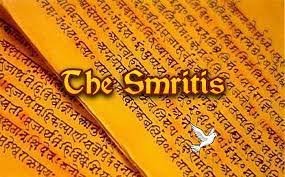
The Likhita Smriti is one of the 18 traditional Dharma Smritis, attributed to Sage Likhita, who is often paired with Sage Śaṅkha. Because of this, it is usually referred to together with the Śaṅkha Smriti as the Śaṅkha–Likhita Smriti. Unlike the larger and more systematic works like Manu or Yājñavalkya Smriti, the Likhita Smriti is short, direct, and practical, dealing primarily with personal conduct, family duties, and penances (prāyaścitta). It was intended more as a guide for householders and priests rather than as a comprehensive legal code for rulers or courts.
The content of the Likhita Smriti emphasizes ethical living, ritual purity, rules of marriage, duties of children towards parents, inheritance laws, property matters, funeral observances, and moral responsibilities of men and women. Like Śaṅkha Smriti, it devotes considerable attention to penances for sins, including misconduct such as theft, dishonesty, neglect of Vedic duties, or violations of caste rules. It prescribes methods of atonement through fasting, mantra recitation, pilgrimages, gifts, and austerities. A unique feature of the Likhita Smriti is its stress on truthfulness, humility, and respect for elders and teachers, presenting dharma as a code of morality and discipline that must be followed in everyday life.
In significance, the Likhita Smriti was widely cited in medieval dharma digests (Nibandhas), often alongside Śaṅkha Smriti, especially in discussions of prāyaścitta (penance), ritual conduct, and family law. It was considered less authoritative in matters of judicial law compared to texts like Nārada Smriti or Yājñavalkya Smriti, but it held an important place in domestic, ritual, and ethical guidance. Together with the Śaṅkha Smriti, it provided a simpler, more accessible framework for ordinary people to understand and practice dharma. Today, the Likhita Smriti is remembered as part of the Śaṅkha–Likhita tradition, valued for its emphasis on moral discipline, religious duty, and the practical observance of dharma in daily life.




