Hari Om

Menu

vedas

images 42 1
Smriti

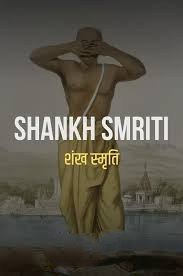
Shankha Smriti

Shankha Smriti The Śaṅkha Smriti is one of the 18 principal Dharma Smritis and is attributed to Sage Śaṅkha, a revered law-giver in ancient India. Along with the Likhita Smriti, it is often mentioned together as Śaṅkha-Likhita Smriti, since both were widely respected in questions of law, social conduct, and penances. Unlike the more expansive Smritis such as Manu or Yājñavalkya, the Śaṅkha Smriti is shorter and practical in orientation, focusing mainly on daily conduct, ritual rules, social order, and penances (prāyaścitta) rather than elaborate judicial procedures. The content of the Śaṅkha Smriti covers a wide range of topics, including rules of purity and impurity, duties of householders, marriage regulations, inheritance, laws relating to property, funeral rites, conduct of women, and ethical duties of individuals. A large portion of the text is devoted to prāyaścitta (penances and expiations), prescribing ways of atonement for sins such as theft, falsehood, neglect of rituals, violence, and breach of caste duties. It emphasizes discipline, truthfulness, non-violence, devotion, and charity as essential virtues for maintaining dharma. Because of its strong focus on moral and religious conduct, Śaṅkha Smriti was especially valued by priests and householders for guiding domestic and ritual life. In terms of significance, the Śaṅkha Smriti was highly regarded by later legal digest writers (Nibandhakāras), who frequently quoted it in their works. Although it did not become as dominant in royal courts as Yājñavalkya or Nārada Smriti, it was a trusted authority in matters of ritual purity, penance, and family law. Together with Likhita Smriti, it became an important source for defining the duties of individuals in everyday life. Today, the Śaṅkha Smriti is studied as part of the broader Dharmaśāstra tradition, valued for its emphasis on ethical discipline, religious observance, and social harmony, reflecting how ancient Indian society balanced law with spirituality.

Shankha Smriti Read Post »

90b02f8b0bb45ad9bbd571b225b37ebb
Smriti

Gautama Smriti

Gautama Smriti The Gautama Smriti, more commonly known as the Gautama Dharma Sūtra, is regarded as one of the earliest surviving Dharmaśāstra texts and is attributed to Sage Gautama of the Sāmaveda lineage. Unlike many later Smritis composed in poetic verses, it is written in the concise sūtra style, made up of brief aphorisms that convey laws and duties with precision. The text is considered a foundational work in the codification of Hindu law and social conduct, outlining in detail the principles of Ācāra (rituals, daily conduct, and social responsibilities), Vyavahāra (laws, governance, property, and judicial matters), and Prāyaścitta (penances and expiations for sins). Among its many topics are the duties of students, householders, forest-dwellers, and ascetics, rules concerning purity and impurity, marriage, inheritance, funeral rites, property ownership, witnesses in courts, punishments for crimes, and various means of atonement for intentional and unintentional misdeeds. Its structure and focus reflect an early Indian society where ritual purity, ethical discipline, and legal order were seen as parts of a single dharmic framework meant to sustain harmony in both spiritual and social life. The significance of the Gautama Smriti lies in its antiquity, clarity, and influence. It represents one of the earliest systematic attempts to codify dharma, setting the groundwork for later, more expansive Smritis like Manu Smriti and Yājñavalkya Smriti. While concise, it was highly respected and widely quoted in medieval digest literature (Nibandhas), particularly in matters of inheritance, ritual purity, and expiations. For kings and rulers, it served as a guide to fair governance and justice, while for householders it offered practical rules for everyday conduct, purification, and religious duties. Because of its compact style, it was accessible and authoritative, making it a vital reference for priests, teachers, and lawmakers in ancient India. Today, scholars see the Gautama Smriti not only as a ** Here’s the Gautama Smriti content in two long, detailed paragraphs: The Gautama Smriti, also called the Gautama Dharma Sūtra, is considered one of the oldest Dharmaśāstra texts and is attributed to Sage Gautama of the Sāmaveda tradition. Unlike later Smritis composed in poetic verse, it is written in the aphoristic sūtra style, making it concise, systematic, and practical. The text presents an early codification of dharma, divided into the traditional branches of Ācāra (rituals, daily conduct, and social rules), Vyavahāra (laws, governance, property, justice, and punishments), and Prāyaścitta (penances for sins and wrongdoings). It covers duties of different life stages—student, householder, forest-dweller, and renunciate—as well as rules of purity and impurity, marriage customs, inheritance laws, funeral rites, and proper conduct for women and men. It also emphasizes the responsibilities of kings in maintaining justice, handling property disputes, and punishing crimes. In its section on penance, the Smriti prescribes various acts like fasting, ritual recitations, pilgrimages, and charity to atone for sins, showing how spiritual purification was connected with social law.

Gautama Smriti Read Post »

9887e197a6d50b5ed7c6ec81891e9db7
Smriti

Daksha Smriti

Daksha Smriti The Dakṣa Smriti, attributed to Sage Dakṣa Prajāpati, is one of the traditional 18 Dharma Smritis and is often considered one of the older texts in the Dharmaśāstra tradition. Compared to Manu Smriti or Yājñavalkya Smriti, it is much shorter and more concise, containing around 900 verses in different recensions. Its primary focus is on conduct, duties, and penances, rather than on detailed legal and judicial procedures. Because of this, it is sometimes called more of a manual for personal and social dharma than a comprehensive law book. The content of Dakṣa Smriti deals with topics such as daily duties (nitya karma), purification rituals, conduct of householders, marriage, duties of the four varnas, rules for women, inheritance laws, funeral rites, and especially prāyaścitta (penances for sins). In fact, the text is best known for its elaborate treatment of expiations, providing detailed rules for atonement of sins—both intentional and accidental. It describes how different types of misconduct, including violations of caste rules, eating forbidden foods, or committing violence, could be purified through fasting, recitation of mantras, pilgrimages, or ritual acts of charity. This strong emphasis on penance made Dakṣa Smriti particularly popular among priests and householders who sought practical guidance on religious purification. In terms of significance, the Dakṣa Smriti was frequently quoted by medieval commentators and digest-writers (Nibandhas), especially in discussions on śauca (purity), ācāra (conduct), and prāyaścitta (penance). Though it did not become the primary legal authority in courts like Yājñavalkya or Nārada Smriti, it was widely respected in matters of ritual law and domestic observances. Its verses reflect a worldview rooted in discipline, devotion, and social order, echoing the idea that dharma was not only about law but also about spiritual purity and harmony in daily life. Today, the Dakṣa Smriti survives in different versions, some shorter and some expanded, but all focusing heavily on ritual conduct and expiations. It is studied as a representative of the earlier style of Dharmaśāstras, where emphasis was placed on religious discipline, purity, and atonement rather than on secular law. For this reason, it remains an important text for understanding how Hindu dharma was practiced in the household and religious life of ancient and medieval India.

Daksha Smriti Read Post »

images 41 1
Smriti

Vyasa Smriti

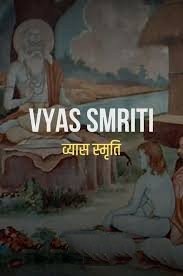
Vyāsa Smriti The Vyāsa Smriti, attributed to Sage Vyāsa—the legendary compiler of the Vedas and author of the Mahābhārata—is one of the traditional 18 Dharma Smritis. Compared to Manu, Yājñavalkya, Nārada, or Kātyāyana Smritis, the Vyāsa Smriti is shorter and less systematically preserved, but it carries great authority because of its association with Vyāsa, one of the greatest sages in Hindu tradition. The text is composed in verse form and deals with the three usual divisions of Dharmaśāstra: Ācāra (moral and social conduct), Vyavahāra (law and judicial matters), and Prāyaścitta (penances and expiations). The content of the Vyāsa Smriti includes rules on daily duties, rituals, purification, marriage laws, inheritance, property division, social conduct, duties of kings, and punishments for crimes. It also emphasizes moral discipline, charity, and respect for elders and teachers, making it as much a guide for ethical living as a legal text. Its Prāyaścitta section is particularly noted for prescribing penances for various sins, both intentional and unintentional, reflecting the belief that spiritual purification is as important as legal justice. Some surviving verses also highlight the importance of truthfulness, non-violence, and devotion, aligning Vyāsa Smriti closely with the spiritual vision of the Mahābhārata. In terms of historical significance, the Vyāsa Smriti was widely quoted by medieval digest writers (Nibandhakāras) such as Hemādri, Aparārka, and Mitramiśra. While it may not have been as dominant in courts of law as Yājñavalkya or Nārada Smriti, it was highly respected in matters of penance, purification, and domestic rituals. Because it blends law, ethics, and spirituality, it is often seen as a more balanced Dharmaśāstra—one that unites legal obligations with higher moral ideals. Today, the Vyāsa Smriti is studied mainly through its quotations in later works, since a full manuscript is not widely available. Nevertheless, it stands as an important link in the tradition of Hindu Dharmaśāstras, valued both for its practical guidance and for carrying the spiritual authority of Sage Vyāsa.

Vyasa Smriti Read Post »

Katyayan Smriti pdf
Smriti

Kātyāyana Smriti

Kātyāyana Smriti The Kātyāyana Smriti, attributed to Sage Kātyāyana, is one of the authoritative Dharmaśāstras with a strong focus on law, judicial procedure, and property rights. It is believed to have been composed between the 6th and 8th century CE, a period when legal thought in India was becoming increasingly systematic. Like the Nārada and Bṛhaspati Smritis, the Kātyāyana Smriti is often classified as a Vyavahāra text—meaning it gives more attention to legal practice than to rituals or penances. This shows the growing importance of law as an independent discipline within the Dharmaśāstra tradition. Although parts of the original text are lost, a significant portion survives through quotations in medieval digests (Nibandhas), where it was frequently cited as an authority. The content of the Kātyāyana Smriti covers a wide range of legal and social matters, with special detail given to inheritance law, property disputes, family law, contracts, debts, witnesses, judicial procedures, and the duties of kings as law-givers. Kātyāyana is particularly praised for his clear treatment of inheritance and partition of property, offering rules on how wealth should be distributed among sons, daughters, widows, and other relatives. The Smriti also outlines the functioning of royal courts, the process of hearing lawsuits, examination of witnesses, and the role of written documents as evidence—an advanced feature for its time. It pays attention to the rights of women, especially widows and daughters, in matters of inheritance, reflecting an evolving social awareness. In terms of significance, the Kātyāyana Smriti was highly respected among jurists and became one of the primary sources for later Hindu law. Medieval scholars such as Aparārka, Vīramitrodaya, and Smṛticandrikā frequently quoted Kātyāyana when discussing inheritance and judicial procedure. Its rational, precise, and well-organized approach made it invaluable for courts and legal debates. Compared to Manu Smriti, which was more philosophical and moralistic, Kātyāyana Smriti was practical, technical, and law-oriented, representing a mature stage of Hindu jurisprudence. Today, even though the complete text does not survive, the surviving fragments show its sophistication and its role in shaping the Mitākṣarā and Dāyabhāga schools of Hindu inheritance law, which influenced Indian legal practice well into the modern era. It stands as a testament to how ancient Indian thinkers developed not only moral and religious codes but also highly detailed frameworks for justice, property law, and governance.

Kātyāyana Smriti Read Post »

images 40 2
Smriti

brhaspati smriti

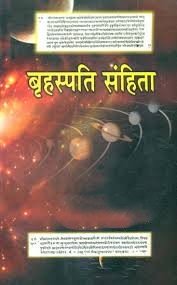
Bṛhaspati Smriti The Parāśara Smriti is a Dharmaśāstra attributed to Sage Parāśara, who is regarded as the father of Vyāsa (the compiler of the Mahābhārata and the Vedas). Unlike Manu Smriti, Yājñavalkya Smriti, or Nārada Smriti, which were designed as law books for society at large, the Parāśara Smriti is often described as the “Smriti for the Kali Yuga” (the current age of decline). It is much shorter in comparison to other Smritis, containing about 600–700 verses, but its significance lies in the fact that it adapts the principles of dharma to the conditions of the Kali Yuga, when people’s moral strength and adherence to discipline were believed to have declined. Because of this, it is regarded as more lenient, practical, and compassionate, offering a softened version of law and dharma suited to changing times. The text deals with subjects such as rites, purification, conduct of householders, penances, inheritance rules, duties of women and men, and the obligations of kings and rulers. One of its unique features is its emphasis on family duties, domestic rituals, and religious observances rather than on judicial procedures. It shows a shift from rigid legal codes to more devotional and ritual practices, stressing bhakti (devotion) and purity in household life. The Parāśara Smriti also provides guidelines for expiations and penances but in a more forgiving manner, reflecting the belief that strict rules from earlier ages (like those in Manu Smriti) were too harsh for Kali Yuga. Because of this adaptability, it was widely respected in medieval times, especially among householders, priests, and those concerned with religious rites. The Parāśara Smriti holds importance in shaping later Hindu social and religious customs. Many medieval Dharma digests (Nibandhas) cite Parāśara as an authority when discussing rules for the Kali Yuga. Its influence is seen particularly in matters of marriage, inheritance, funeral rites, and domestic law, where it often presents a simpler and more merciful approach. Today, it is valued not only as a Dharmaśāstra but also as a cultural text that reflects how Hindu law and tradition evolved with time, adjusting to the realities of social and spiritual life in different ages. The content of the Parāśara Smriti covers a wide range of topics, though with a stronger emphasis on domestic, ritual, and religious duties rather than complex judicial procedures. It discusses marriage laws, duties of women and men, inheritance and property rules, purification rites, food regulations, conduct of householders, funeral ceremonies, penances (prāyaścitta), and the duties of rulers. It places great importance on the gṛhastha āśrama (householder stage of life), recognizing it as the foundation of society. Interestingly, while Manu Smriti is known for its rigid caste rules and strict punishments, the Parāśara Smriti shows a more lenient and compassionate approach—acknowledging that in Kali Yuga, dharma must adapt to the diminished capacities of human beings. For example, it prescribes simpler forms of expiation for sins and highlights bhakti (devotion to God) as a path of purification alongside ritual duties. Philosophically, the Parāśara Smriti represents a shift from a purely legalistic outlook to a more devotional and ritual-centered worldview, reflecting the religious currents of its time. It harmonizes dharma (duty), bhakti (devotion), and practical living, making it highly relevant for ordinary people rather than just kings or scholars. The text also gives women a distinct role in religious and domestic life, prescribing duties for wives, widows, and mothers, often with more sensitivity than earlier Smritis. Its rules on inheritance and property distribution also influenced Hindu family law in medieval India. In terms of historical impact, the Parāśara Smriti was widely cited by medieval commentators and digest-writers like Madanapāla, Hemādri, and Aparārka, who considered it the ultimate authority for Kali Yuga. Ritual manuals (gṛhya texts) and priestly traditions often relied on Parāśara for instructions on marriage rites, śrāddha (ancestral offerings), and śauca (purification rules). Because of its adaptability and leniency, it became the most practical Dharmaśāstra for householders and was respected across different regions of India. Even today, when priests conduct domestic rituals or speak of dharma for Kali Yuga, they often refer to the authority of Parāśara.

brhaspati smriti Read Post »

a13d3fcbccd88e504d4d12ec0b4b1f29
Smriti

Parāśara Smriti

Parāśara Smriti The Parāśara Smriti is a Dharmaśāstra attributed to Sage Parāśara, who is regarded as the father of Vyāsa (the compiler of the Mahābhārata and the Vedas). Unlike Manu Smriti, Yājñavalkya Smriti, or Nārada Smriti, which were designed as law books for society at large, the Parāśara Smriti is often described as the “Smriti for the Kali Yuga” (the current age of decline). It is much shorter in comparison to other Smritis, containing about 600–700 verses, but its significance lies in the fact that it adapts the principles of dharma to the conditions of the Kali Yuga, when people’s moral strength and adherence to discipline were believed to have declined. Because of this, it is regarded as more lenient, practical, and compassionate, offering a softened version of law and dharma suited to changing times. The text deals with subjects such as rites, purification, conduct of householders, penances, inheritance rules, duties of women and men, and the obligations of kings and rulers. One of its unique features is its emphasis on family duties, domestic rituals, and religious observances rather than on judicial procedures. It shows a shift from rigid legal codes to more devotional and ritual practices, stressing bhakti (devotion) and purity in household life. The Parāśara Smriti also provides guidelines for expiations and penances but in a more forgiving manner, reflecting the belief that strict rules from earlier ages (like those in Manu Smriti) were too harsh for Kali Yuga. Because of this adaptability, it was widely respected in medieval times, especially among householders, priests, and those concerned with religious rites. The Parāśara Smriti holds importance in shaping later Hindu social and religious customs. Many medieval Dharma digests (Nibandhas) cite Parāśara as an authority when discussing rules for the Kali Yuga. Its influence is seen particularly in matters of marriage, inheritance, funeral rites, and domestic law, where it often presents a simpler and more merciful approach. Today, it is valued not only as a Dharmaśāstra but also as a cultural text that reflects how Hindu law and tradition evolved with time, adjusting to the realities of social and spiritual life in different ages. The content of the Parāśara Smriti covers a wide range of topics, though with a stronger emphasis on domestic, ritual, and religious duties rather than complex judicial procedures. It discusses marriage laws, duties of women and men, inheritance and property rules, purification rites, food regulations, conduct of householders, funeral ceremonies, penances (prāyaścitta), and the duties of rulers. It places great importance on the gṛhastha āśrama (householder stage of life), recognizing it as the foundation of society. Interestingly, while Manu Smriti is known for its rigid caste rules and strict punishments, the Parāśara Smriti shows a more lenient and compassionate approach—acknowledging that in Kali Yuga, dharma must adapt to the diminished capacities of human beings. For example, it prescribes simpler forms of expiation for sins and highlights bhakti (devotion to God) as a path of purification alongside ritual duties. Philosophically, the Parāśara Smriti represents a shift from a purely legalistic outlook to a more devotional and ritual-centered worldview, reflecting the religious currents of its time. It harmonizes dharma (duty), bhakti (devotion), and practical living, making it highly relevant for ordinary people rather than just kings or scholars. The text also gives women a distinct role in religious and domestic life, prescribing duties for wives, widows, and mothers, often with more sensitivity than earlier Smritis. Its rules on inheritance and property distribution also influenced Hindu family law in medieval India. In terms of historical impact, the Parāśara Smriti was widely cited by medieval commentators and digest-writers like Madanapāla, Hemādri, and Aparārka, who considered it the ultimate authority for Kali Yuga. Ritual manuals (gṛhya texts) and priestly traditions often relied on Parāśara for instructions on marriage rites, śrāddha (ancestral offerings), and śauca (purification rules). Because of its adaptability and leniency, it became the most practical Dharmaśāstra for householders and was respected across different regions of India. Even today, when priests conduct domestic rituals or speak of dharma for Kali Yuga, they often refer to the authority of Parāśara.

Parāśara Smriti Read Post »

images 39 1
Smriti

Narada Smriti

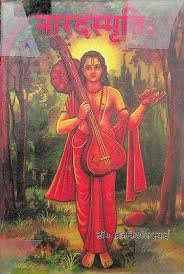
Narada Smriti The Nārada Smriti is one of the most important Dharmaśāstras, notable because it focuses almost entirely on law, justice, and judicial procedure, unlike other Smritis that also cover rituals, duties, and penances. It is attributed to the sage Nārada, a legendary figure revered as both a divine sage and law-giver. Composed between the 2nd and 5th century CE, this text is considered a practical manual for judges and legal experts, making it unique among the Dharmaśāstra tradition. The Nārada Smriti organizes its content into about 18 chapters, dealing with topics such as court systems, legal procedures, contracts, debts, property disputes, inheritance, marriage, boundary conflicts, and punishments for various crimes. What sets the Nārada Smriti apart is its exclusive legal orientation—it deliberately omits sections on ācāra (social and religious duties) and prāyaścitta (penance), concentrating instead on vyavahāra (legal practice). This reflects the growing importance of judicial administration in society at the time, showing that law was evolving into a specialized discipline. The text lays down the duties of a king as the chief administrator of justice, procedures for hearing cases, qualifications of witnesses, standards of evidence, and rules for deciding disputes. It gives significant attention to contracts, debts, mortgages, and commerce, indicating the flourishing of economic activity and the need for clear legal guidelines in ancient India. The Nārada Smriti became highly respected in later centuries because of its clarity and focus. Many medieval commentaries were written on it, and it was often cited by scholars and judges. Compared to Manu Smriti and Yājñavalkya Smriti, it is considered more realistic and practical, dealing directly with the problems people faced in everyday life. Its detailed discussion of inheritance laws and property rights was especially influential, shaping Hindu law well into the medieval and modern periods. Today, it is studied as a cornerstone of ancient Indian legal tradition, offering valuable insights into how justice, fairness, and social order were maintained in early Indian civilization. The text itself is structured around 18 titles of law (vyavahārapadas), covering almost every aspect of civil and criminal jurisprudence in ancient India. These include non-payment of debts, deposits, partnerships, sales, gifts, non-delivery of goods, boundary disputes, ownership disputes, inheritance, property division, wages, assault, defamation, theft, adultery, gambling, and duties of kings and judges. Each section discusses how cases should be heard, how evidence should be evaluated, what punishments are appropriate, and how fairness must be upheld. The Smriti emphasizes that the king (ruler) is the ultimate guardian of law and justice, and he must appoint qualified judges to ensure impartiality. It also stresses the importance of witnesses, written documents, and oaths, showing how sophisticated the legal system had become. One of the most remarkable contributions of the Nārada Smriti is its attention to contracts, commerce, and property law, which reflects the growing economic activity of the time. It provides elaborate rules on partnerships, loans, mortgages, and inheritance, thereby functioning almost like a manual of commercial and family law. Because of this, it became highly influential for centuries, especially in guiding practical law courts in ancient and medieval India. Many later jurists, such as those writing commentaries and digests (nibandhas), relied heavily on Nārada’s clear and structured presentation. In terms of legacy, the Nārada Smriti was admired not only in India but also by early European Indologists and colonial administrators, who saw it as a valuable window into the legal traditions of ancient India. While Manu Smriti shaped the moral and social code, and Yājñavalkya Smriti refined Hindu jurisprudence, it was Nārada Smriti that gave the clearest and most practical framework of law as an independent discipline. Even today, it is studied by historians, jurists, and Sanskrit scholars as one of the finest examples of legal thought in classical India, bridging the gap between religion, morality, and statecraft.


Narada Smriti Read Post »

9267a64d6c5a14749d56b7f9d7f6cf9b
Smriti

Yajnavalkya Smriti

Yajnavalkya Smriti The Yājñavalkya Smriti is one of the most respected and influential Dharmaśāstras after the Manu Smriti. It is attributed to the sage Yājñavalkya, a revered philosopher and law-giver, who is also known from the Brihadaranyaka Upanishad. Unlike Manu Smriti, which is composed in twelve chapters and over 2,600 verses, the Yājñavalkya Smriti is more concise, systematic, and practical, containing about 1,000 verses divided into three major sections: Ācāra (conduct and duties of individuals), Vyavahāra (law and judicial procedure), and Prāyaścitta (penance and expiation). The text provides a refined code of ethics and laws governing daily life, social relationships, duties of the four varnas and ashramas, rights of women, inheritance laws, property distribution, marriage rules, and the obligations of kings and administrators. Its systematic approach made it more adaptable and easier for practical application in courts and governance. Historically, the Yājñavalkya Smriti played a central role in shaping Hindu law and jurisprudence, especially because it served as the foundation for the famous Mitākṣarā commentary by Vijnaneshwara, which became the basis of Hindu law in most of India. It was highly regarded for its balanced treatment of subjects, its comparatively liberal stance on women’s property rights, and its focus on justice, fairness, and social harmony. While Manu Smriti was considered more authoritative in earlier times, the Yājñavalkya Smriti came to be preferred in legal practice during the medieval period because of its clarity, brevity, and logical arrangement of topics. Even under British rule in India, when Hindu personal laws were codified, much of the legal framework was drawn from the Yājñavalkya Smriti through Mitākṣarā. Today, it is studied as a key text for understanding ancient Indian law, ethics, and governance, reflecting both the continuity and evolution of dharma through the ages. Beyond legal matters, the Ācāra section prescribes rules for daily duties, rites, religious observances, and the responsibilities of the four ashramas (student, householder, hermit, renunciate), showing how law and spirituality were interwoven in Hindu society. The Prāyaścitta section deals with different kinds of sins—both intentional and unintentional—and the penances or rituals necessary to purify oneself. This reflects the deep connection between morality, law, and spiritual redemption in Hindu philosophy. Because of its clarity, brevity, and structured approach, the Yājñavalkya Smriti gradually surpassed the Manu Smriti in practical use. During the medieval period, it became the standard reference for courts and jurists, and even during the colonial era, when the British codified Hindu law, much of the framework was based on this Smriti through Mitākṣarā. Today, it is valued not only as a legal text but also as a window into ancient Indian social, cultural, and philosophical life, showing how dharma was meant to regulate human behavior in harmony with cosmic order.

Yajnavalkya Smriti Read Post »

4c7b83ca451318dfcd5fde89d74028f1
Smriti

Manu Smriti

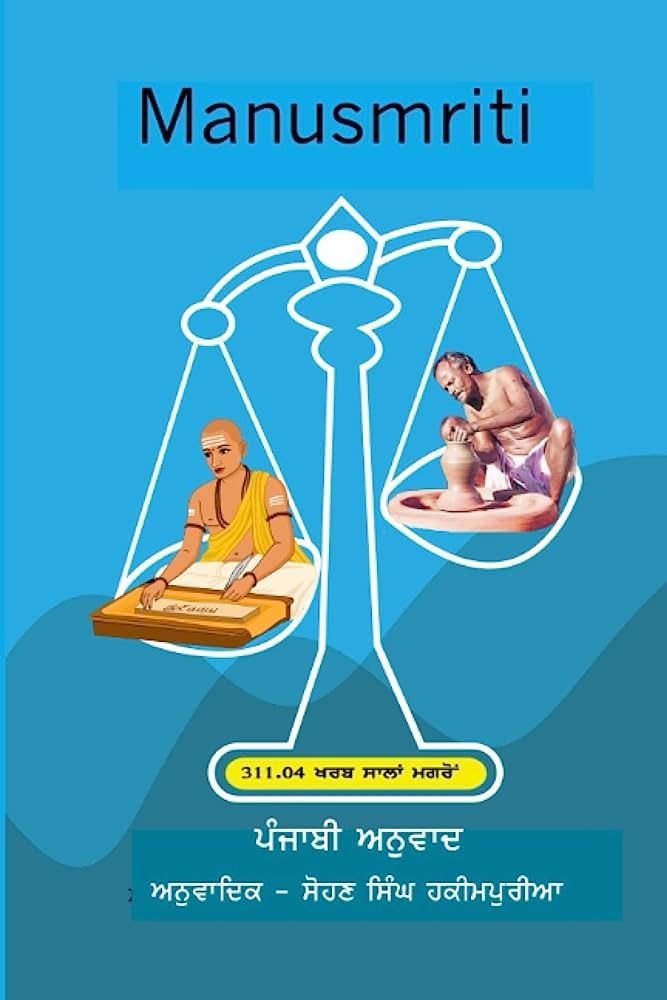
Manu Smriti The Manu Smriti, also called the Laws of Manu, is one of the oldest and most authoritative texts among the Dharmaśāstras of Hinduism. It is traditionally attributed to Sage Manu, who is considered the progenitor of mankind and the first teacher of dharma. The text is written in verse form and contains more than 2,600 shlokas (verses), arranged into 12 chapters. These chapters cover a wide range of subjects including cosmology, the origin of creation, duties of different social classes (varnas), stages of life (ashramas), moral principles, family and inheritance laws, conduct of women and men, rules of kingship, and judicial procedures. Manu Smriti places strong emphasis on dharma (righteous duty) as the guiding force of human life and provides a code of conduct to maintain harmony in society. It highlights how individuals should live ethically and responsibly, aligning personal behavior with cosmic order. Over centuries, the Manu Smriti became a foundational text for Hindu law and social organization. It was highly influential in shaping legal systems, governance, and cultural practices in ancient and medieval India. While it presents lofty ideals of morality, duty, and justice, the text also contains strict regulations regarding caste divisions, social hierarchy, and gender roles, which are seen as controversial in modern times. Despite debates, Manu Smriti remains a crucial source for understanding the evolution of Indian jurisprudence, social philosophy, and religious thought. Scholars and historians study it not only as a law book but also as a reflection of ancient Indian society’s values, challenges, and worldview. Its enduring presence in discussions on dharma and justice shows its lasting impact on Indian civilization. For centuries, the Manu Smriti served as a guiding framework for Hindu jurisprudence and social organization, influencing not only ancient Indian kings and scholars but also later law-givers and commentators. Its verses were cited in judicial decisions, debates on dharma, and discussions on governance. While it has been revered as a text that preserved order and stability in society, it has also been criticized for its rigid social hierarchy, caste distinctions, and restrictions on women, aspects that modern readers often find problematic. Despite this, its importance as a historical document cannot be overstated—it offers invaluable insights into the beliefs, customs, and social systems of early Indian civilization. Today, scholars read the Manu Smriti not as a literal law book but as a cultural mirror of its time, helping us understand how ancient Indians interpreted the ideas of duty, justice, morality, and the relationship between the individual and the cosmos.

Manu Smriti Read Post »