












Hari Om

Menu

vedas

be32dbf6e8a7207bf37d7dc7b90d57ba
Ithihas

Mahabharata

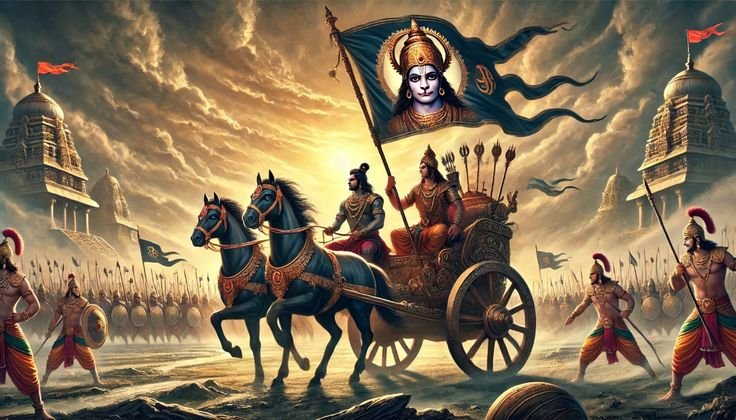
Ithihas Of Mahabharata The Mahabharata is one of the most sacred and monumental epics in the Ithihas (divine history) of ancient India, composed by Sage Vyasa, who is also revered as Ved Vyasa—the compiler of the Vedas and Puranas. It is not merely a tale of kings and war but a profound spiritual, moral, and philosophical scripture that reflects the essence of human life and the eternal struggle between righteousness (dharma) and unrighteousness (adharma). Written in Sanskrit, the Mahabharata is the world’s longest epic, consisting of about 100,000 shlokas divided into 18 Parvas (books) and includes the divine scripture Bhagavad Gita, which stands as the heart of its wisdom. The Ithihas of the Mahabharata begins with the royal lineage of the Kuru dynasty, based in the ancient kingdom of Hastinapura. The story revolves around the rivalry between the Pandavas and the Kauravas, two branches of the same royal family. The five Pandava brothers—Yudhishthira, Bhima, Arjuna, Nakula, and Sahadeva—were born to King Pandu, while the hundred Kauravas were the sons of his blind elder brother Dhritarashtra. Their growing enmity, fuelled by jealousy, pride, and the thirst for power, set the stage for the greatest war in history—the Kurukshetra War. In the epic’s narrative, the Pandavas, despite being rightful heirs, were deceived in a rigged game of dice by Duryodhana and his uncle Shakuni. As a result, they were exiled for thirteen years, enduring hardship but remaining faithful to truth and virtue. After completing their exile, they sought peace and the return of their kingdom, but Duryodhana’s arrogance led to inevitable war. On the battlefield of Kurukshetra, the two sides stood ready to fight, and it was here that Lord Krishna, serving as Arjuna’s charioteer, delivered the timeless wisdom of the Bhagavad Gita. This divine discourse revealed the eternal truths of existence—duty, detachment, devotion, and the immortality of the soul. The Mahabharata is not just a record of battles but a reflection of the human condition. It portrays the complexities of relationships, morality, and destiny. Each character represents different aspects of human nature—Yudhishthira embodies righteousness, Bhima symbolizes strength and passion, Arjuna reflects valor and doubt, Draupadi represents dignity and endurance, while Lord Krishna stands as the eternal guide of divine wisdom. Even the so-called antagonists, such as Duryodhana and Karna, are depicted with depth, showing that good and evil coexist within the human heart. As the war concludes, nearly all warriors are destroyed, leaving behind a haunting silence that speaks of the futility of greed and the cost of pride. Yudhishthira, burdened by sorrow, finally understands the impermanence of worldly glory. In the end, the Pandavas renounce their kingdom and journey toward the Himalayas in search of liberation, symbolizing the soul’s path toward divine union. The Mahabharata stands as an eternal Ithihas—not mythology but divine truth passed through generations. It teaches that life itself is a battlefield where every individual must uphold dharma despite trials and temptations. It reveals that the true victory is not over others, but over one’s own ignorance, ego, and desires. The message of the Mahabharata continues to echo through time—“Yato dharmastato jayah”—where there is righteousness, there is victory.
Mahabharata Read Post »

097d5d260964c0c4ab5f4d2f24501d49
Ithihas

Ramayan

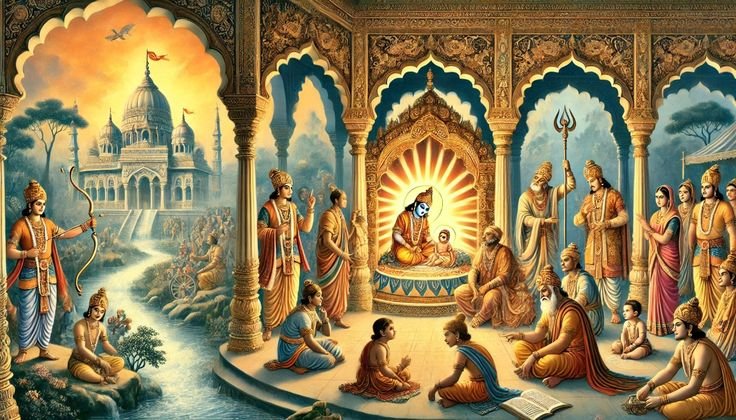
Ithihas of Ramayan The Ramayana is one of the most revered and ancient epics of India, composed by the sage Valmiki, who is honored as the Adi Kavi or the first poet. It is considered not merely a story, but an Ithihas — a divine chronicle of truth and history that portrays the eternal values of dharma (righteousness), satya (truth), and bhakti (devotion). The epic was composed thousands of years ago during the Treta Yuga and is written in classical Sanskrit, consisting of nearly 24,000 verses divided into seven sections known as Kandas. It narrates the life, virtues, and struggles of Lord Rama, the seventh incarnation of Lord Vishnu, who descended upon the earth to destroy evil and uphold righteousness. The story begins in the ancient kingdom of Ayodhya, ruled by the wise and noble King Dasharatha. He had four sons — Rama, Bharata, Lakshmana, and Shatrughna — born through a divine blessing. Among them, Rama was the embodiment of truth, virtue, and compassion, beloved by all. On the day of his coronation, destiny took a turn when Queen Kaikeyi demanded that Rama be exiled for fourteen years and her son Bharata be crowned king. Without hesitation, Rama accepted the exile to honor his father’s word. Accompanied by his devoted wife Sita and loyal brother Lakshmana, Rama set forth into the forests, leaving behind the luxuries of palace life to follow the path of duty and sacrifice. During their exile, the trio encountered sages, demons, and divine beings. It was in the forest that the great tragedy occurred — the abduction of Sita by Ravana, the powerful demon king of Lanka. This event became the turning point of the epic. In his quest to rescue Sita, Rama formed an alliance with the Vanara (monkey) king Sugriva and met the devoted Hanuman, whose unwavering loyalty and faith became legendary. Hanuman’s leap across the ocean to Lanka, his burning of the city, and his discovery of Sita in Ashok Vatika are among the most cherished episodes of the Ramayana. The epic reaches its climax with the great war between Rama’s army and Ravana’s forces. With divine strength, strategic wisdom, and the help of his companions, Rama defeats Ravana, symbolizing the eternal victory of good over evil. After rescuing Sita and completing his exile, Rama returns to Ayodhya, where his coronation is celebrated with immense joy and devotion. This grand homecoming is remembered every year as Diwali, the festival of lights, marking the triumph of righteousness and the dispelling of darkness. The Ramayana is not just a tale of adventure or war — it is a spiritual guide that reflects the deepest truths of human life. Each character in the epic embodies a profound moral lesson: Rama represents ideal virtue and duty, Sita stands for purity and steadfastness, Lakshmana exemplifies loyalty, Bharata signifies selfless love, and Hanuman is the eternal symbol of devotion and strength. Even Ravana, despite being the antagonist, represents the downfall caused by pride and ego, reminding humanity of the dangers of arrogance. Over millennia, the Ramayana has transcended time and geography. Its message of love, faith, and righteousness continues to inspire countless generations. Variations of the story exist across Asia — in Thailand’s Ramakein, Cambodia’s Reamker, Indonesia’s Kakawin Ramayana, and many more. Its influence on Indian art, literature, dance, drama, and philosophy is immeasurable. The recitations of the Ramcharitmanas by Tulsidas in the Bhakti era further brought the story closer to the hearts of the common people, making it a living scripture rather than just a historical text. Thus, the Ramayana stands as a timeless reflection of divine truth and human ideals. It teaches that even in moments of great trial, righteousness and devotion must never be forsaken. It is an eternal source of inspiration that reminds us that no matter how dark the path may seem, the light of truth and dharma will always lead to victory.

Ramayan Read Post »

images 49 1
Smriti

Atri Smriti

Atri Smriti The Atri Smriti, attributed to the sage Atri Rishi, is one of the 18 principal Dharma Smritis and an important part of the Dharmaśāstra tradition. Like other Smritis, it seeks to codify dharma—ethical, legal, social, and spiritual duties—but it is especially valued for its guidance on moral conduct and religious observances. Scholars believe the Atri Smriti was composed during the early medieval period (around 3rd–7th century CE), when the Smriti tradition was already well developed. It reflects a society where varna-ashrama dharma (duties of caste and life stages), ritual practices, and personal ethics were central to sustaining order. The content of the Atri Smriti covers the three branches of dharma: Ācāra (daily conduct, duties, and rituals), Vyavahāra (law, social regulations, and judicial matters), and Prāyaścitta (penances and expiations for sins). It contains rules for the four stages of life—brahmacharya (student), grihastha (householder), vanaprastha (forest-dweller), and sannyasa (renunciate). It provides detailed instructions regarding marriage, inheritance, purity and pollution, duties of women and men, rituals for ancestors, and funeral rites. A significant portion of the text is devoted to penances (Prāyaścitta), laying out specific expiations for both intentional and unintentional sins, including fasting, mantra recitation, charity, and pilgrimages. The Smriti also places strong emphasis on virtues such as truthfulness, non-violence, devotion, charity, self-control, and respect for elders and teachers, portraying dharma not only as a set of rules but also as a path to spiritual upliftment. In significance, the Atri Smriti was often cited by later medieval legal digest writers (Nibandhakāras) in matters relating to ritual conduct, social duties, and penances. While it may not have carried the same judicial weight as Nārada or Yājñavalkya Smriti in royal courts, it was highly respected among priests, scholars, and householders for its emphasis on practical dharma in everyday life. Today, the Atri Smriti is studied as part of the broader Dharmaśāstra literature, appreciated for its moral and spiritual orientation, showing how ancient Indian thought sought to balance law, ethics, and devotion to uphold social harmony and individual spiritual progress.

Atri Smriti Read Post »

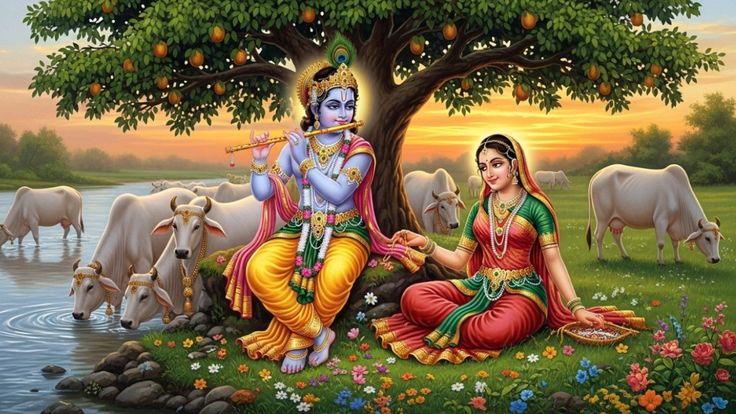
Radha Krishna sitting under tree with cows near river in Vrindavan. image
Smriti

Usana Smriti

Usana Smriti The Usana Smriti, attributed to Sage Usana (another name often associated with Shukra, the preceptor of the Asuras), is one of the 18 principal Dharma Smritis in the Hindu tradition. It is considered an important text for understanding dharma, law, and social ethics. Composed probably between the 3rd and 6th century CE, the Usana Smriti focuses on providing practical guidance for householders, rulers, and priests, emphasizing the connection between moral conduct, social order, and spiritual growth. Like other Smritis, it covers the three traditional branches of dharma: Ācāra (conduct), Vyavahāra (law and social regulations), and Prāyaścitta (penances and expiations). The content of the Usana Smriti includes detailed guidance on the duties of students, householders, ascetics, and kings, with specific rules regarding marriage, inheritance, property rights, purity, funeral rites, and family responsibilities. A large portion is devoted to Prāyaścitta, prescribing penances for sins such as theft, false speech, neglect of rituals, or breaches of social and caste duties. The text emphasizes ethical virtues such as truthfulness, non-violence, charity, devotion, and respect for elders and teachers, reflecting a holistic approach to dharma where moral discipline, social conduct, and spiritual practice are integrated. In terms of significance, the Usana Smriti was respected by later medieval legal digest writers (Nibandhakāras) and frequently cited in discussions of domestic law, ritual observances, and ethical duties. While it was not the primary legal authority in royal courts like Yājñavalkya or Nārada Smriti, it provided practical guidance for everyday life, especially for householders and scholars. Today, the Usana Smriti is studied as part of the broader Dharmaśāstra tradition, valued for its clarity, ethical guidance, and integration of law with morality and spirituality, offering insight into how ancient Indian society maintained dharma in both domestic and public life.

Usana Smriti Read Post »

images 47 1
Smriti

Yama Smriti

Yama Smriti The Yama Smriti, attributed to Sage Yama, the god of death and dharma, is one of the 18 principal Dharma Smritis and occupies a special place in Hindu law literature. Composed probably between the 3rd and 6th century CE, it is considered one of the earlier Smritis that systematically codifies ethical, social, and legal duties. Unlike the more poetic Manu Smriti, Yama Smriti is concise, emphasizing practical guidance for both rulers and householders, with a focus on justice, moral conduct, and penance. Its content is rooted in the idea that adherence to dharma ensures both social order and spiritual well-being. The Yama Smriti covers the three traditional divisions of Dharma: Ācāra (daily conduct and ritual duties), Vyavahāra (laws, judicial procedures, and social regulations), and Prāyaścitta (penances for sins and moral failings). It includes guidance for different stages of life (āśramas), and details rules related to marriage, inheritance, property rights, family duties, purity, and funeral rites. A significant portion of the text focuses on penances and expiations, prescribing methods like fasting, pilgrimages, mantra recitation, and charitable acts to atone for sins. Ethical virtues such as truthfulness, non-violence, respect for elders, devotion, and charity are repeatedly emphasized, reinforcing the idea that moral behavior is inseparable from spiritual growth. In significance, the Yama Smriti influenced later Dharmaśāstra literature and was frequently cited by medieval digest writers (Nibandhakāras) for guidance on inheritance, penances, and social conduct. Though less dominant in royal courts compared to Yājñavalkya or Nārada Smriti, it was widely respected for its practical moral guidance, especially for householders and scholars. Today, the Yama Smriti is studied as an essential text within the Dharmaśāstra tradition, valued for its integration of ethical, social, and ritual duties, illustrating how ancient Indian society sought to harmonize law, morality, and spirituality in daily life.

Yama Smriti Read Post »

images 46 1
Smriti

Harita Smriti

Harita Smriti The Harita Smriti is one of the 18 traditional Dharma Smritis in Hindu law and is attributed to Sage Harita, a revered ancient rishi. Like other Smritis, it is concerned with dharma (law, ethics, and duties), but it is particularly focused on ritual conduct, moral behavior, and penances rather than elaborate judicial procedures. Scholars consider it to be a later Smriti, likely composed between the 3rd and 6th century CE, during a period when the Dharmaśāstra tradition had already developed a systematic structure combining moral, legal, and ritual guidance. The content of the Harita Smriti addresses the three classical branches of Dharma: Ācāra (proper daily conduct and social duties), Vyavahāra (laws and social regulations), and Prāyaścitta (penances and expiations). It lays down rules for householders, students, ascetics, and rulers, covering topics such as marriage, inheritance, property rights, funeral rites, duties of women and men, and rules of purity and pollution. A significant portion is devoted to Prāyaścitta, detailing atonement for sins such as theft, false speech, neglect of rituals, and breach of caste or social duties. The Smriti emphasizes virtues such as truthfulness, non-violence, charity, devotion, and respect for elders and teachers, reflecting a strong moral and ethical orientation. In terms of significance, the Harita Smriti was respected by later medieval digest writers (Nibandhakāras) and often cited in discussions on ritual observances, domestic duties, and penances. While it did not serve as a primary legal text in royal courts like Yājñavalkya or Nārada Smriti, it was an important guide for householders, priests, and scholars who sought practical guidance on living a dharmic life. Today, it is studied as part of the broader Dharmaśāstra tradition, valued for its emphasis on ethical conduct, social harmony, and the integration of ritual and moral duties, showing how ancient Indian society sought to maintain dharma in daily life.

Harita Smriti Read Post »

images 45 1
Smriti

Samvarta Smriti

Samvarta Smriti The Samvarta Smriti is one of the traditional Dharma Smritis, attributed to Sage Samvarta, and is considered an important text for understanding dharma, social conduct, and ethical duties in ancient India. Unlike some of the larger Smritis like Manu or Yājñavalkya, it is relatively concise, focusing primarily on practical guidance for householders and priests. Composed likely between the 3rd and 6th century CE, it reflects the concerns of society in the classical period, where moral discipline, ritual observance, and social order were intertwined. The text addresses all three traditional aspects of dharma: Ācāra (proper daily conduct and ritual duties), Vyavahāra (legal rules and social regulations), and Prāyaścitta (penances and expiations). It provides guidance for different stages of life, including students, householders, ascetics, and rulers, outlining their duties and responsibilities. Topics include rules for marriage, inheritance, property, purity, funeral rites, and the conduct of women and men, along with moral principles such as truthfulness, non-violence, devotion, charity, and respect for elders and teachers. The Samvarta Smriti places special emphasis on Prāyaścitta (penances), detailing methods of atonement for sins such as theft, lying, neglect of rituals, or violations of social and caste duties. It emphasizes that dharma is not only about external conduct but also about internal moral discipline, linking ethical behavior with spiritual purification. Though it was not as widely used in royal courts as Nārada or Yājñavalkya Smriti, it was highly respected among householders, priests, and scholars for domestic guidance and ritual correctness. Medieval Dharma digest writers frequently cited it in discussions of family law, penances, and domestic conduct. Today, the Samvarta Smriti is studied as a practical and ethical guide, showing how ancient Indian society sought to harmonize law, morality, and spirituality in daily life. The text provides detailed guidance for the duties of the four āśramas—students, householders, forest-dwellers, and renunciates—and covers a wide range of topics, including marriage, inheritance, property distribution, purity regulations, funeral rites, and the ethical and religious conduct of women and men. A distinctive feature of the Samvarta Smriti is its strong emphasis on Prāyaścitta, prescribing penances for intentional and unintentional violations of dharma. It specifies fasting, recitation of mantras, pilgrimages, charitable acts, and other rituals to atone for sins such as lying, theft, neglecting one’s duties, or breaking caste rules. Beyond legal and ritual obligations, the text underscores the importance of virtues like truthfulness, non-violence, devotion, humility, charity, and respect for teachers and elders, reflecting a holistic view of dharma that integrates moral, social, and spiritual dimensions. While it was not the primary legal authority in royal courts like Nārada or Yājñavalkya Smriti, the Samvarta Smriti was widely respected by priests, scholars, and householders, and its prescriptions were frequently cited in medieval Dharma digest literature (Nibandhas). Today, the Samvarta Smriti is studied as a practical, ethical, and ritual guide, illustrating how ancient Indian society sought to harmonize law, morality, and spirituality in everyday life.

Samvarta Smriti Read Post »

968482bef22ded7c046f0f02293fceb9
Smriti

Vishnu Smriti

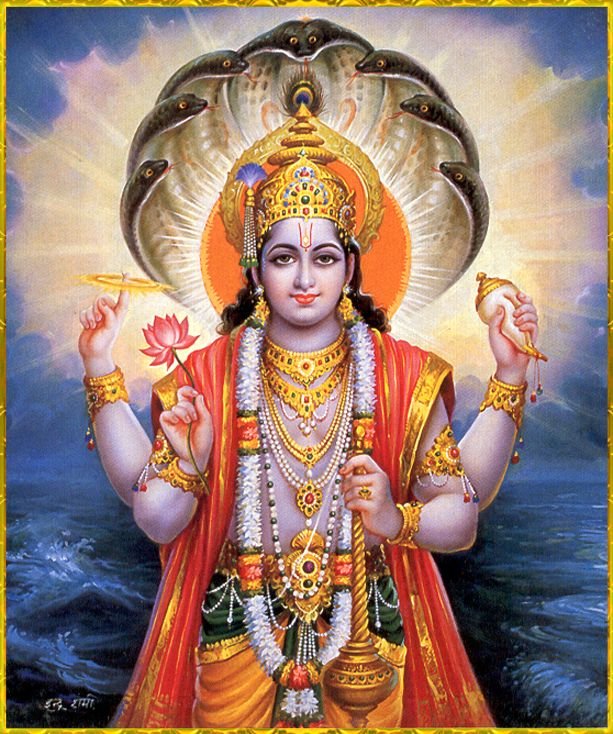
Vishnu Smriti The Viṣṇu Smriti, also called the Vaishnava Dharmaśāstra, is one of the 18 principal Smritis and is attributed to Lord Viṣṇu himself, though in practice it was composed by followers of the Vaishnava tradition. It is considered one of the later Dharmaśāstras, composed probably between the 3rd and 7th century CE, and is unique for combining law, ritual, and devotion in a single framework. Unlike the older Dharma Sūtras, which are aphoristic, the Viṣṇu Smriti is written entirely in metrical verse (śloka form), making it closer in style to Manu Smriti. It is divided into 100 chapters with about 1,000 verses, covering topics of Ācāra (conduct and daily duties), Vyavahāra (law and judicial matters), and Prāyaścitta (penances and expiations), along with strong emphasis on bhakti (devotion to Lord Viṣṇu). The content of the Viṣṇu Smriti is very wide-ranging. It lays down rules for personal conduct, purity, marriage, inheritance, duties of kings, administration of justice, witness testimony, punishments for crimes, and property disputes. Its sections on Prāyaścitta (penances) are especially detailed, prescribing fasting, pilgrimages, mantra recitations, and acts of charity for sins of various degrees. What makes this Smriti unique is its integration of religious devotion with legal and social duties. Along with laws and rituals, it emphasizes bhakti towards Lord Viṣṇu, the chanting of his names, temple worship, and surrender to God as a path of liberation. It also advocates ethical virtues such as truthfulness, non-violence, compassion, and purity of heart, giving it a distinctly spiritual orientation. The significance of the Viṣṇu Smriti lies in its synthesis of dharma and devotion. It was widely cited in medieval legal digests, especially for rules on penance and conduct, but also became an important manual for the Vaishnava community, linking law, morality, and bhakti. While it followed the classical Dharmaśāstra tradition of Manu and Yājñavalkya, it gave a new dimension by placing Viṣṇu at the center of dharma. Today, the Viṣṇu Smriti is studied both as a legal text and a devotional scripture, reflecting how Hindu law gradually evolved to integrate religious devotion with social and legal life.

Vishnu Smriti Read Post »

images 44 1
Smriti

Apastamba Smriti

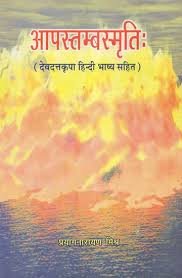
Āpastamba Smriti The Āpastamba Smriti is one of the 18 principal Dharma Smritis and is attributed to Sage Āpastamba, who is also known for his contributions to the Āpastamba Śrauta Sūtra and Gṛhya Sūtra. Belonging to the Kr̥ṣṇa Yajurveda tradition, this Smriti is considered one of the older and more systematic texts on dharma, though it is more concise compared to Manu or Yājñavalkya Smriti. Composed likely between the 3rd and 5th century BCE/CE, it is written in sutra style rather than verse, giving it a compact, aphoristic format suitable for memorization and teaching. The text primarily focuses on Vyavahāra (law and judicial procedures) but also includes rules for Ācāra (conduct and rituals) and Prāyaścitta (penances), making it a complete Dharmaśāstra. The content of the Āpastamba Smriti covers a wide range of subjects. It deals with duties of the four āśramas (stages of life), marriage rules, inheritance laws, property distribution, contracts, debts, disputes, criminal law, and judicial procedures, including the proper conduct of courts, role of judges, and methods of evidence. A major emphasis is placed on Vyavahāra, making it particularly significant as a practical legal manual. It also addresses Prāyaścitta, prescribing penances for intentional and unintentional violations of dharma, along with ethical guidance for householders and ascetics. The text is notable for its clarity, systematic approach, and logical organization, which later influenced other Dharmaśāstras, including Yājñavalkya Smriti and the Mitākṣarā commentary tradition. In terms of significance, the Āpastamba Smriti has been highly respected in the history of Hindu law. Medieval digest writers frequently cited it as an authority in inheritance, contracts, property disputes, and penances. Its emphasis on judicial procedure and proper conduct of courts reflects the sophistication of ancient Indian legal thought, bridging the gap between moral law and practical governance. Today, it is studied as a foundational text for understanding early Hindu legal principles, social conduct, and the integration of law with dharma, showing how ancient society sought to harmonize justice, ethics, and spiritual duties. What makes Āpastamba Smriti particularly notable is its focus on judicial procedure and practical law. The text lays down rules for how courts should operate, the duties and qualifications of judges, the role of witnesses, and the use of written and oral evidence in trials. It addresses civil matters like contracts, debts, partnerships, and property disputes, as well as criminal acts and appropriate punishments, reflecting a sophisticated understanding of law and governance. Compared to Manu or Yājñavalkya Smriti, Āpastamba Smriti is more concise and technical, providing practical guidance to rulers, judges, and householders rather than moralistic or philosophical elaboration. Its influence on later Hindu law is profound: medieval digest writers cited it frequently, especially on inheritance, property, contracts, and court procedure. Today, it is valued as a foundational text demonstrating the early integration of ethics, law, and social governance, showing how ancient Indian thinkers sought to maintain justice, order, and dharma in society.

Apastamba Smriti Read Post »

images 43 1
Smriti

Likhita Smriti

Likhita Smriti The Likhita Smriti is one of the 18 traditional Dharma Smritis, attributed to Sage Likhita, who is often paired with Sage Śaṅkha. Because of this, it is usually referred to together with the Śaṅkha Smriti as the Śaṅkha–Likhita Smriti. Unlike the larger and more systematic works like Manu or Yājñavalkya Smriti, the Likhita Smriti is short, direct, and practical, dealing primarily with personal conduct, family duties, and penances (prāyaścitta). It was intended more as a guide for householders and priests rather than as a comprehensive legal code for rulers or courts. The content of the Likhita Smriti emphasizes ethical living, ritual purity, rules of marriage, duties of children towards parents, inheritance laws, property matters, funeral observances, and moral responsibilities of men and women. Like Śaṅkha Smriti, it devotes considerable attention to penances for sins, including misconduct such as theft, dishonesty, neglect of Vedic duties, or violations of caste rules. It prescribes methods of atonement through fasting, mantra recitation, pilgrimages, gifts, and austerities. A unique feature of the Likhita Smriti is its stress on truthfulness, humility, and respect for elders and teachers, presenting dharma as a code of morality and discipline that must be followed in everyday life. In significance, the Likhita Smriti was widely cited in medieval dharma digests (Nibandhas), often alongside Śaṅkha Smriti, especially in discussions of prāyaścitta (penance), ritual conduct, and family law. It was considered less authoritative in matters of judicial law compared to texts like Nārada Smriti or Yājñavalkya Smriti, but it held an important place in domestic, ritual, and ethical guidance. Together with the Śaṅkha Smriti, it provided a simpler, more accessible framework for ordinary people to understand and practice dharma. Today, the Likhita Smriti is remembered as part of the Śaṅkha–Likhita tradition, valued for its emphasis on moral discipline, religious duty, and the practical observance of dharma in daily life.

Likhita Smriti Read Post »