






Hari Om

Menu

Uncategorized

Subramanya Bhujangam 1
Adi Shankaracharya, stotram, Uncategorized

Subramanya Bhujangam

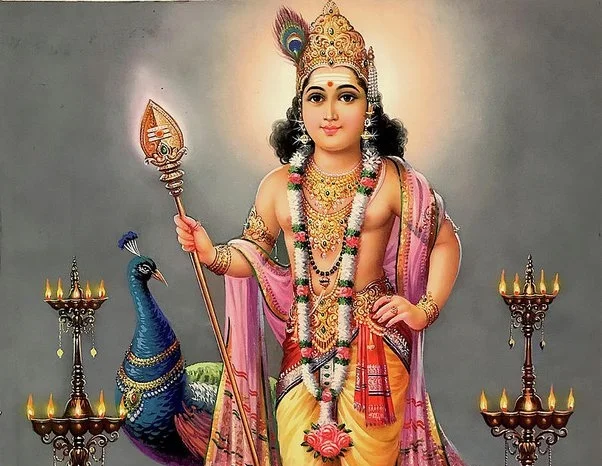
Subramanya Bhujangam (श्रीसुब्रह्मण्यभुजङ्गम्) Sri Kartikeya सदा बालरूपाऽपि विघ्नाद्रिहन्त्रीमहादन्तिवक्त्राऽपि पञ्चास्यमान्या ।विधीन्द्रादिमृग्या गणेशाभिधा मेविधत्तां श्रियं काऽपि कल्याणमूर्तिः ॥१॥Sadaa Baala-Ruupa-Api Vighna-Adri-HantriiMahaa-Danti-Vaktra-Api Pan.caasya-Maanyaa |Vidhi-Indra-[A]adi-Mrgyaa Gannesha-Abhidhaa MeVidhattaam Shriyam Kaa-Api Kalyaanna-Muurtih ||1|| Meaning:1.1: (Obeisance to Sri Ganesha) Who Always has a Child-like Form, but can Destroy Mountains of Obstacles,1.2: Who has an Elephant Face with a Huge Tusk, but is respected by the Five-Faced Shiva,1.3: Who is sought after by Vidhi (Brahma), Indra and Others; and Who is known as Ganesha; To me …1.4: … please bestow Sri (Glory and Prosperity), O the Lord with an Auspicious Form. न जानामि शब्दं न जानामि चार्थंन जानामि पद्यं न जानामि गद्यम् ।चिदेका षडास्या हृदि द्योतते मेमुखान्निःसरन्ते गिरश्चापि चित्रम् ॥२॥Na Jaanaami Shabdam Na Jaanaami Ca-ArthamNa Jaanaami Padyam Na Jaanaami Gadyam Cid-Ekaa Ssaddaasyaa Hrdi Dyota-Te MeMukhaan-Nihsarante Girash-Ca-Api Citram ||2|| Meaning:2.1: (Obeisance to Sri Subramanya) I know neither Words, nor their Meanings O Lord,2.2: And I know neither Poetry, nor Prose, but …2.3: … within the Core of my Heart, I see the Conscious Effulgence of Your Six Faces, …2.4: … which is making these various Words pour forth through my Mouth. मयूराधिरूढं महावाक्यगूढंमनोहारिदेहं महच्चित्तगेहम् ।महीदेवदेवं महावेदभावंमहादेवबालं भजे लोकपालम् ॥३॥Mayuura-Adhiruuddham Mahaa-Vaakya-GuuddhamManohaari-Deham Mahac-Citta-Geham |Mahii-Deva-Devam Mahaa-Veda-BhaavamMahaa-Deva-Baalam Bhaje Loka-Paalam ||3|| Meaning:3.1: (Obeisance to Sri Subramanya) Whose Form Mounted on a Peacock represents the deepest Secret of the Upanishadic Maha Vakyas,3.2: Whose Heart-Stealing Beautiful Body Dwells within the Great Heart of Spiritual Consciousness,3.3: Who is the Great God of the Devas and represents what the Great Vedas convey,3.4: I Worship that Son of Mahadeva (another name of Shiva) Who is the Protector of the World. यदा संनिधानं गता मानवा मेभवाम्भोधिपारं गतास्ते तदैव ।इति व्यञ्जयन्सिन्धुतीरे य आस्तेतमीडे पवित्रं पराशक्तिपुत्रम् ॥४॥Yadaa Samnidhaanam Gataa Maanavaa MeBhava-Ambhodhi-Paaram Gataas-Te Tadai[a-E]va |Iti Vyan.jayan-Sindhu-Tiire Ya AasteTam-Iidde Pavitram Paraashakti-Putram ||4|| Meaning:4.1: (Obeisance to Sri Subramanya) When Persons come to My Presence (and completely surrender to me),4.2: They have Indeed Crossed the Ocean of the Samsara,4.3: Thus You seem to proclaim Manifesting on the Shore of the Sea (at Tiruchendur) and Dwelling there,4.4: May I always Praise You, O the Ever Pure Son of Parashakti (Divine Mother). यथाब्धेस्तरङ्गा लयं यान्ति तुङ्गाःतथैवापदः सन्निधौ सेवतां मे ।इतीवोर्मिपंक्तीर्नृणां दर्शयन्तंसदा भावये हृत्सरोजे गुहं तम् ॥५॥Yatha-Abdhes-Taranggaa Layam Yaanti TunggaahTathai[aa-E]va-[A]apadah Sannidhau Sevataam Me |Iti-Ivo[a-Uu]rmi-Pangktiir-Nrnnaam DarshayantamSadaa Bhaavaye Hrt-Saroje Guham Tam ||5|| Meaning:5.1: (Obeisance to Sri Subramanya) Like the Huge Waves of the Sea Disappear within the Sea, …5.2: … similarly, the Calamities of My Devotees will Disappear Who come to My Presence where I Dwell (and completely surrender to me),5.3: Thus You seem to proclaim showing the Rows of Waves on the Sea (to the Devotees),5.4: May I always Meditate on You, O Guha (another name of Subramanya) within the Lotus of my Heart. गिरौ मन्निवासे नरा येऽधिरूढाःतदा पर्वते राजते तेऽधिरूढाः ।इतीव ब्रुवन्गन्धशैलाधिरूढःस देवो मुदे मे सदा षण्मुखोऽस्तु ॥६॥Girau Man-Nivaase Naraa Ye-AdhiruuddhaaTadaa Parvate Raajate Te-Adhiruuddhaah |Iti-Iva Bruvan-Gandhashaila-AdhiruuddhahSa Devo Mude Me Sadaa Ssannmukho-Astu ||6|| Meaning:6.1: (Obeisance to Sri Subramanya) Those Persons who Ascend the Hills of My Abode (and completely surrender to me), …6.2: … they thereby Ascend the Great Silvery Mountain which leads to the path of Liberation (referring to Mount Kailash which appears Silvery due to snow),6.3: Thus You seem to proclaim Abiding on the Sugandha Hill,6.4: Let me always Rejoice in the contemplation of You, O my Lord Shanmukha. महाम्भोधितीरे महापापचोरेमुनीन्द्रानुकूले सुगन्धाख्यशैले ।गुहायां वसन्तं स्वभासा लसन्तंजनार्तिं हरन्तं श्रयामो गुहं तम् ॥७॥Mahaa-[A]mbhodhi-Tiire Mahaa-Paapa-CoreMuni-Indra-Anukuule Sugandha-[A]akhya-Shaile |Guhaayaam Vasantam Sva-Bhaasaa LasantamJana-[A]artim Harantam Shrayaamo Guham Tam ||7|| Meaning:7.1: (Obeisance to Sri Subramanya) On the Shores of the Great Sea, the Place which Steals away the Great Sins of the People, …7.2: … the Place which is very Favourable for Munis (Saints or Ascetics) to perform Sadhana, the Place which is known as the Sugandha Hill, …7.3: … the Place where Guha Abides in His Own Splendour, …7.4: … and Removes the Distress of the People; I Remember that Place and take Refuge in You, O Guha. लसत्स्वर्णगेहे नृणां कामदोहेसुमस्तोमसंछन्नमाणिक्यमञ्चे ।समुद्यत्सहस्रार्कतुल्यप्रकाशंसदा भावये कार्तिकेयं सुरेशम् ॥८॥Lasat-Svarnna-Gehe Nrnnaam Kaama-DoheSuma-Stoma-Samchanna-Maannikya-Man.ce |Sam-Udyat-Sahasra-Arka-Tulya-PrakaashamSadaa Bhaavaye Kaartikeyam Sure[a-Ii]sham ||8|| Meaning:8.1: (Obeisance to Sri Subramanya) Within the Shining Golden House (i.e. Temple Room), Granting the Wishes of the Devotees, …8.2: … Abides the Lord on a Shrine which is covered with heaps of Flowers and various Gems, …8.3: … the Lord Himself Shining with the Effulgence of Thousand Suns,8.4: Let me always Meditate on that Form of Kartikeya, the Lord of the Devas. रणद्धंसके मञ्जुलेऽत्यन्तशोणेमनोहारिलावण्यपीयूषपूर्णेमनःषट्पदो मे भवक्लेशतप्तःसदा मोदतां स्कन्द ते पादपद्मे ॥९॥Rannad-Dhamsake Man.jule-Atyanta-ShonneManohaari-Laavannya-Piiyuussa-PuurnneManah-Ssatt-Pado Me Bhava-Klesha-TaptahSadaa Modataam Skanda Te Paada-Padme ||9|| Meaning:9.1: (Obeisance to Sri Subramanya) On the Jingling Anklets on the Feet which are very Charming and Reddish, …9.2: … the Feet which are Heart-Stealing, Lovely and filled with Nectar …9.3: … On those Six pair of Feet (in Your Six Abodes), let me who is afflicted with the Distress and Heat of the World, …9.4: … always Rejoice, O Skanda, keeping my Mind always on Your Lotus Feet. सुवर्णाभदिव्याम्बरैर्भासमानांक्वणत्किङ्किणीमेखलाशोभमानाम् ।लसद्धेमपट्टेन विद्योतमानांकटिं भावये स्कन्द ते दीप्यमानाम् ॥१०॥Suvarnna-[A]abha-Divya-Ambarair-BhaasamaanaamKvannat-Kingkinnii-Mekhalaa-Shobhamaanaam |Lasad-Dhema-Pattttena VidyotamaanaamKattim Bhaavaye Skanda Te Diipyamaanaam ||10|| Meaning:10.1: (Obeisance to Sri Subramanya) Clad in Divine Clothes which are Shining with the Lustre of Gold, …10.2: … and wearing a beautiful Girdle on the Waist on which small Bells are Tinkling, …10.3: … along with a Golden Silk Cloth which is Flashing like Lightning, …10.4: … I Meditate on Your Waist, O Skanda, You Who Enlighten my Heart. पुलिन्देशकन्याघनाभोगतुङ्ग_स्तनालिङ्गनासक्तकाश्मीररागम् ।नमस्यामहं तारकारे तवोरःस्वभक्तावने सर्वदा सानुरागम् ॥११॥Pulindesha-Kanyaa-Ghanaa-Bhoga-Tungga_Stana-[A]alinggana-[A]asakta-Kaashmiira-Raagam |Namasyaam-Aham Taaraka-Are TavorahSva-Bhakta-Avane Sarvadaa Sa-Anuraagam ||11|| Meaning:11.1: (Obeisance to Sri Subramanya) Like how You Embraced the Woman of the Pulinda Tribe (i.e. Sri Valli, who meditated on You for long) who had Big and Round ….11.2: … Bosom, and as a result of that Embrace, Your Chest became Red like Saffron (signifying deep attachment towards Devotees), …11.3: … I Bow down to You, the Enemy of Taraka, and Who is extremely Powerful, …11.4: … Please extend the same Anuraga (Love and Affection which You showed towards Valli) towards Your Devotees also, always, You Who are the Joy of the Devotees. विधौ क्ऌप्तदण्डान् स्वलीलाधृताण्डान्निरस्तेभशुण्डान् द्विषत्कालदण्डान् ।हतेन्द्रारिषण्डाञ्जगत्त्राणशौण्डान्सदा ते प्रचण्डान् श्रये बाहुदण्डान् ॥१२॥Vidhau Klpta-Dannddaan Sva-Liilaa-Dhrta-AnnddaanNirastebha-Shunnddaan Dvissat-Kaala-Dannddaan |Hate[a-I]ndra-Ari-Ssannddaan.-Jagat-Traanna-ShaunnddaanSadaa Te Pracannddaan Shraye Baahu-Dannddaan ||12|| Meaning:12.1: (Obeisance to Sri Subramanya) The Arms which Effected Punishment to Vidhi (Sri Brahma) and the Arms which Supported the Universe as One’s Play, …12.2: … The Arms which Casted off the Elephant (Valli Story) and the Arms which are like Kaaladanda (Staff of Death) to the Hostile, …12.3: … The Arms which Killed the Multitude of Enemies of Indra, and the Arms which are Skilled in Protecting the World, …12.4: … I Always take Refuge in Your Formidable Arms, O Subramanya (which are like a Mighty Protecting Staff for the World). सदा शारदाः षण्मृगाङ्का यदि स्युःसमुद्यन्त एव स्थिताश्चेत्समन्तात् ।सदा पूर्णबिम्बाः कलङ्कैश्च हीनाःतदा त्वन्मुखानां ब्रुवे स्कन्द साम्यम् ॥१३॥Sadaa Shaaradaah Ssann-Mrgaangkaa Yadi SyuhSam-Udyanta Eva Sthitaash-Cet-Samantaat |Sadaa Puurnna-Bimbaah Kalangkaish-Ca HiinaahTadaa Tvan-Mukhaanaam Bruve Skanda Saamyam ||13|| Meaning:13.1: (Obeisance to Sri Subramanya) If Six Autumn Moons Continuously Shine, …13.2: … Rising Together and Staying side by side, such that their Splendour is a Continuous Whole, …13.3: … and they are Always Shining with Full Brightness, without any Spot on them, …13.4: … Even then, they can be said to be like Your Face, only for the name’s sake, O Skanda, without the real Splendour matching. स्फुरन्मन्दहासैः सहंसानि चञ्चत्कटाक्षावलीभृङ्गसंघोज्ज्वलानि ।सुधास्यन्दिबिम्बाधराणीशसूनोतवालोकये षण्मुखाम्भोरुहाणि ॥१४॥Sphuran-Manda-Haasaih Sa-Hamsaani Can.catKattaakssaa-Valii-Bhrngga-Samgho[a-U]jjvalaani |Sudhaasyandi-Bimbaa-Dharaannii-[Ii]sha-SuunoTava-[A]alokaye Ssann-Mukha-Ambhoruhaanni ||14|| Meaning:14.1: (Obeisance to Sri Subramanya) With Shining Gentle Smile like a group of Swans Moving Happily, …14.2: … and Side Glances like a group of Bees Shining with Splendour, …14.3: … along with Lips like Bimba Fruit filled with Nectar; O the Son of the Lord of Earth, …14.4: … I Behold Your Six Faces within my Heart; those Six Faces which blossom like Six Lotuses. विशालेषु कर्णान्तदीर्घेष्वजस्रंदयास्यन्दिषु द्वादशस्वीक्षणेषु ।मयीषत्कटाक्षः सकृत्पातितश्चेद्भवेत्ते दयाशील का नाम हानिः ॥१५॥Vishaalessu Karnna-Anta-Diirghessv[u]-AjasramDayaa-Syandissu Dvaadashas-Viikssannessu |Mayi-[I]issat-Kattaakssah Sakrt-Paatitash-CedBhavet-Te Dayaashiila Kaa Naama Haanih ||15|| Meaning:15.1: (Obeisance to Sri Subramanya) From Your Large and Long Eyes extending till the Ears, from which continually …15.2: … pours forth Compassion; those Twelve Eyes, …15.3: … If on me once Cast their Glance, …15.4: … What Loss indeed will there be to You, O my Compassionate Lord? सुताङ्गोद्भवो मेऽसि जीवेति षड्धाजपन्मन्त्रमीशो मुदा जिघ्रते यान् ।जगद्भारभृद्भ्यो जगन्नाथ तेभ्यःकिरीटोज्ज्वलेभ्यो नमो मस्तकेभ्यः ॥१६॥Suta-Anggo[a-U]dbhavo Me-Asi Jiive[a-I]ti Ssadd-DhaaJapan-Mantram-Iisho Mudaa Jighrate Yaan |Jagad-Bhaara-Bhrdbhyo Jagan-Naatha TebhyahKiriitto[a-U]jjvalebhyo Namo Mastakebhyah ||16|| Meaning:16.1: (Obeisance to Sri Subramanya) “Son, you are born from my body, May your glory live (forever)”; Over Your Six Heads which Supports the World, …16.2: … Mahadeva, the Great Lord, Joyfully uttered Mantras and Blessed You,16.3: O Jagannatha (Lord of the World), You Who Bear the Burden of the World, …16.4: … I Bow to those Six Heads (blessed by Mahadeva and) which are Adorned with Shining Diadems. स्फुरद्रत्नकेयूरहाराभिरामःचलत्कुण्डलश्रीलसद्गण्डभागः ।कटौ पीतवासाः करे चारुशक्तिपुरस्तान्ममास्तां पुरारेस्तनूज ॥१७॥Sphurad-Ratna-Keyuura-Haara-AbhiraamahCalat-Kunnddala-Shrii-Lasad-Ganndda-Bhaagah |Kattau Piita-Vaasaah Kare Caaru-ShaktiPurastaan-Mamaas-Taam Puraares-Tanuuja ||17|| Meaning:17.1: (Obeisance to Sri Subramanya) With a Delightfully Pleasing Form adorned with Bracelets and Garlands studded with Glittering Gems, …17.2: … and Beautiful Ear-Rings moving to and fro over the Shining Face, …17.3: … With Golden Yellow Clothes over the Waist and the Beautiful Shakti Vel on His Hands, …17.4: .. I See Your Beautiful Form before my eyes, O the Son of the Enemy of Tripurasura (referring to Shiva) .इहायाहि वत्सेति हस्तान्प्रसार्या_ह्वयत्यादशच्छङ्करे मातुरङ्कात् ।समुत्पत्य तातं श्रयन्तं कुमारंहराश्लिष्टगात्रं भजे बालमूर्तिम् ॥१८॥Iha-Ayaahi Vatse[a-I]ti Hastaan-Prasaaryaa_(Aa)Hvaya-Tyaada-Shacchangkare Maatur-Angkaat |Samutpatya Taatam Shrayantam KumaaramHara-[A]ashlisstta-Gaatram Bhaje Baala-Muurtim ||18|| Meaning:18.1: (Obeisance to Sri Subramanya) “Come here, my Son”, by Extending the Arms …18.2: … When Shankara calls You, You from Your Mother’s Lap …18.3: … Spring up and go towards the endearing Embrace of Your Father, O Kumara (another name of Subramanya),18.4: I Worship that Form of Bala Kumara (Child Kumara) Whose Body was Embraced by Hara (another name of Shiva). कुमारेशसूनो गुह स्कन्द सेना_पते शक्तिपाणे मयूराधिरूढ ।पुलिन्दात्मजाकान्त भक्तार्तिहारिन्प्रभो तारकारे सदा रक्ष मां त्वम् ॥१९॥Kumaare[a-I]sha-Suuno Guha Skanda Senaa_Pate Shakti-Paanne Mayuura-Adhiruuddha |Pulinda-Atmajaa-Kaanta Bhakta-Arti-HaarinPrabho Taaraka-Are Sadaa Rakssa Maam Tvam ||19|| Meaning:19.1: (Obeisance to Sri Subramanya) O Kumara, You Who are the Son of the Lord (Shiva), You Who are also called Guha and Skanda, You Who are the Commandar of the Army of Devas, …19.2: … You Who hold the Shakti Vel in Your Hands, You Who Mount the Peacock, …19.3: … You Who are the Beloved of the Daughter of the hunter of Pulinda tribe (referring to Valli), …19.4: … O Lord, You Who are the Enemy of Tarakasura, Please Protect me always. प्रशान्तेन्द्रिये नष्टसंज्ञे विचेष्टेकफोद्गारिवक्त्रे भयोत्कम्पिगात्रे ।प्रयाणोन्मुखे मय्यनाथे तदानींद्रुतं मे दयालो भवाग्रे गुह त्वम् ॥२०॥Prashaante[a-I]ndriye Nasstta-Samjnye VicesstteKapho[a-U]dgaari-Vaktre Bhayot-Kampi-Gaatre |Prayaanno[a-U]nmukhe Mayy-Anaathe TadaaniimDrutam Me Dayaalo Bhava-Agre Guha Tvam ||20|| Meaning:20.1: (Obeisance to Sri Subramanya) During my Old Age, when my Senses will

Subramanya Bhujangam Read Post »
4763aa2fe66ae7c1d8faf7627f1c1e57
Hindu festivals, Uncategorized

Pitru Paksha

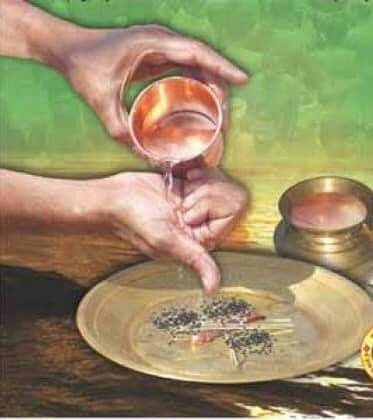
Pitru Paksha Pitru Paksha is a sacred 16-day period in the Hindu calendar dedicated to paying homage to one’s ancestors. It usually falls in the month of Bhadrapada (September–October), starting from the full moon day (Purnima) and ending on the new moon day (Amavasya), also called Sarva Pitru Amavasya. According to Hindu belief, during this time the souls of ancestors visit the earth to bless their descendants. To honor them, families perform Shraddha rituals, which include offering water (tarpan), food (pind daan), and prayers to ensure peace for the departed souls. Special dishes, often including kheer, puri, and seasonal fruits, are prepared and offered first to the ancestors and then shared among family members and the needy. Pitru Paksha is not only a way to express gratitude but also a reminder of the eternal bond between generations, emphasizing respect for family lineage and traditions. Pitru Paksha is a 16-day Hindu period devoted to honoring ancestors through rituals like Shraddha, tarpan, and pind daan, performed with devotion. It is believed that during this time, the souls of ancestors visit the earth, and offerings of food, water, and prayers bring them peace and blessings, ensuring harmony and prosperity for descendants. Rituals & Traditions of Pitru Paksha Pitru Paksha, also called Shraddha Paksha, is a sacred 16-day period in the Hindu lunar calendar dedicated to honoring ancestors. It usually falls in the month of Bhadrapada (September–October), beginning from the full moon day (Purnima) and ending on the new moon day (Amavasya), known as Sarva Pitru Amavasya. According to Hindu belief, during this period the souls of ancestors visit the earth to bless their descendants, and therefore families perform rituals to ensure their peace and salvation. The most important ritual during Pitru Paksha is Shraddha, which includes offerings of food (pind daan), water (tarpan), and prayers for the departed souls. Traditional vegetarian dishes such as kheer, puri, dal, rice, vegetables, and fruits are prepared with devotion. These are first offered to the ancestors symbolically and then distributed among Brahmins, cows, crows, and the poor, who are considered mediums to deliver the offerings. Many devotees also engage in fasting, feeding the needy, and acts of charity, which are believed to bring spiritual merit. Beyond the rituals, Pitru Paksha has great cultural and spiritual significance. It is a time to reflect on the contributions of forefathers, express gratitude, and acknowledge the eternal bond between generations. Observing Pitru Paksha sincerely is believed to bring peace to ancestors’ souls and bestow blessings of prosperity, harmony, and protection upon the family. Spiritual Importance & Cultural Significance Pitru Paksha, also known as Shraddha Paksha, is a deeply significant 16-day period in the Hindu calendar dedicated to paying homage to ancestors. It usually falls in the lunar month of Bhadrapada (September–October), beginning on the full moon day (Purnima) and ending on the new moon day (Amavasya), also known as Sarva Pitru Amavasya. According to Hindu belief, it is during this fortnight that the souls of departed ancestors visit the earth to bless their descendants. To express gratitude and ensure peace for their souls, devotees perform rituals collectively known as Shraddha. The rituals of Pitru Paksha include tarpan (offering water), pind daan (offering rice balls mixed with sesame and barley), and food offerings. Special vegetarian meals are prepared, such as kheer, puri, dal, rice, seasonal vegetables, and fruits, which are first offered to the ancestors with devotion. Traditionally, the food is then given to Brahmins, crows, cows, and the poor, symbolizing the sharing of blessings and ensuring that the offerings reach the departed souls. Feeding the needy and acts of charity are also considered essential, as they reflect compassion and humility. Pitru Paksha is not only about rituals but also carries a profound spiritual message. It highlights the cycle of life and death, reminding people of the eternal bond between generations. By remembering the contributions and sacrifices of forefathers, individuals strengthen their connection to their roots and uphold family traditions. Observing this period with sincerity is believed to bring peace to ancestors, liberation to their souls, and blessings of prosperity, harmony, and protection for the living family. Thus, Pitru Paksha is both a spiritual and cultural observance, teaching gratitude, respect, and the importance of lineage, while keeping alive the timeless value of honoring one’s ancestors. Food & Sweets & Modern Celebrations Pitru Paksha, also known as Shraddha Paksha, is a sacred 16-day period in the Hindu lunar calendar dedicated to honoring and remembering one’s ancestors. It occurs in the month of Bhadrapada (September–October), beginning on the full moon day (Purnima) and ending on the new moon day (Amavasya), also known as Sarva Pitru Amavasya. According to ancient Hindu belief, during this fortnight, the souls of departed forefathers descend to the earth to bless their descendants. To express gratitude and ensure peace for these souls, Hindus perform rituals known as Shraddha. The primary rituals of Pitru Paksha include tarpan (offering water with sesame seeds), pind daan (offering balls made of rice, barley, and sesame), and food offerings. Devotees prepare traditional vegetarian meals such as kheer, puri, rice, dal, vegetables, and fruits, which are first symbolically offered to the ancestors and then served to Brahmins, cows, crows, and the poor. These acts are believed to carry the essence of offerings to the departed souls, ensuring their satisfaction and blessing the family with prosperity and harmony. Acts of charity, feeding the needy, and observing simplicity are strongly encouraged during this period.Pitru Paksha also carries deep spiritual and cultural importance. It emphasizes the value of gratitude and remembrance, teaching that the living are forever connected to their lineage. By acknowledging the contributions and sacrifices of ancestors, families maintain continuity with traditions and honor their roots. Observing Pitru Paksha with sincerity is believed to grant peace to departed souls and bring health, wealth, and spiritual well-being to future generations. In essence, Pitru Paksha is more than a ritual; it is a time of reflection, devotion, and respect that bridges the bond between the past, present, and

,

Pitru Paksha Read Post »

Uncategorized

Shri Sathya Sai Now you can go

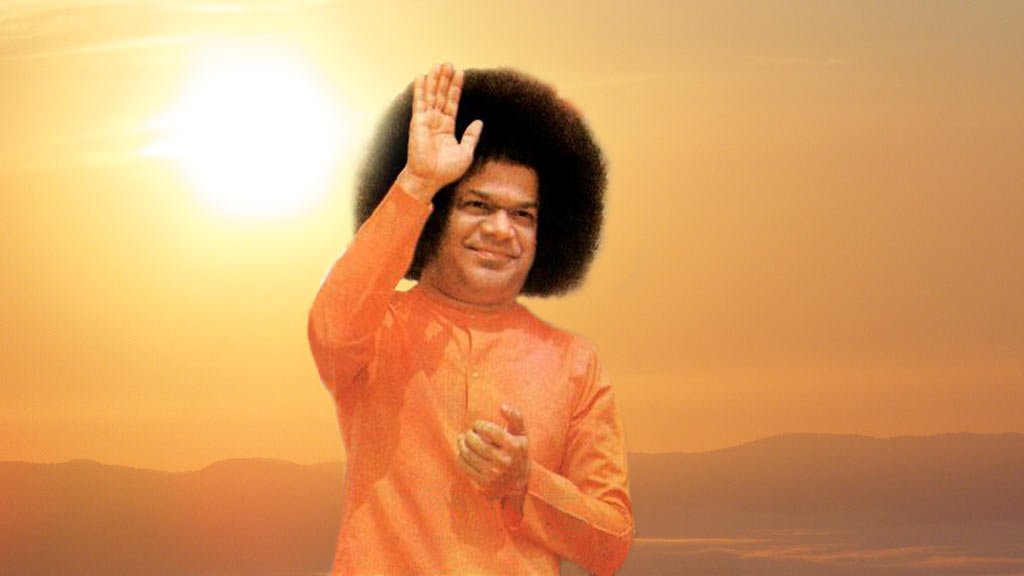
Om Sri Sai Ram “Prof. N Kasturi in “Sathyam Shivam Sundaram” narrates this thrilling experience of Sri Seshagiri Rao, who served as the priest at the Mandir in Prasanthi Nilayam: Seshagiri Rao, who tended the shrine at the Old Mandir and later at the Nilayam for full 14 years had been injured by a fall and was in the throes of death. He was declaring aloud with his last breath the amazing Truth (enshrined in the Isavasya Upanishad) which no one except sages recall at the moment of mortal crisis: “This body composed of the five elements is disintegrating into its components; I am being liberated!” I stood by admiring and envying the old man. “What great good fortune, to pass into the beyond with these words on one’s lips!” I told myself. Suddenly, Baba appeared in the room, as someone had informed Him of the approaching demise of His trusted servitor. Baba chided Seshagiri Rao in firm tones. He said, “How dare you start on this journey, without taking a ticket from Me? Come down; do the task allotted to you. I order you to come to the Prayer Hall this noon and carry on with Arathi, as usual. We stood aghast at this ‘unkindness’ , but who are we to pit our judgement against the All-knowing One? Seshagiri Rao obeyed the order; he attended Bhajan and went through the allotted schedule of work. Six months later, he fell ill, seriously ill and was admitted to the Sathya Sai Hospital; his condition worsened. His mental faculties began to fail, he lost all disgust for dirt and it saddened everyone that a faithful servant of God should suffer so. His brother came from Bangalore and prayed to Baba that he may be allowed to take him to the Victoria Hospital where he could be given personal attention by his son and his nephews, who were employed there. But, Baba said, “Do not worry at his present plight. I am allowing him to work out the suffering he has to undergo. After this, he has the chance to die peacefully and quite happily. Otherwise, I could have despatched him months ago, when he had a fall.” And, it happened so. A month passed. Seshagiri Rao recovered quite mysteriously. The sun shone around him in his apartment. He spent six weeks of bliss, doing his chores. Then he started to decline and took to his bed. His son was by his side, tending him lovingly. One evening, Baba went into Seshagiri Rao’s room. I had the privilege of going with Him. He asked me to bring a cup of hot milk. Spoon by spoon, He fed him the entire cup, calling on him by name and telling him that it was his Baba that was feeding him! Then, He rose and moved; turning back at the door, He looked at him and said, “Now you can go!” And, Seshagiri Rao obeyed, within an hour! Baba knew when he had to come down and when he had to “go”. We can only watch and pray, only stand agape at the wonder and the meaningful “waywardness” of the wind of Grace”. Reference: “Sathyam Shivam Sundaram”, Vol-II by Prof. N. Kasturi. Page: 224-225. (Chapter: ‘Signs and Wonders’). Published by Sri Sathya Sai Books and Publications Trust, Prasanthi Nilayam.

Shri Sathya Sai Now you can go Read Post »

Sathya Sai Baba 11
love is my form, Uncategorized

I know everything

Om Sri Sai Ram “Baba was talking to some of the institute students (studying in SRI SATYA SAI INSTITUTE OF HIGHER LEARNING). They had just returned from holidays. Baba suddenly turned one of the students and asked — “kyon re, picture dekne gaya tha — theatre mein (did you not go for a movie in a theater).” The student said — “Nahi Baba, mein to ghar par he tha. (No Baba, I was at home).” Baba then swirled his hand in the air and created a picture of the student sitting in the same theater to which he had gone . The picture also showed the position he was sitting in most of the time when he was watching the film with his hometown friends. Baba asked the student — “Ab kya bolta hai? (What do you say now?)” The student fell at Baba’s feet saying — “Baba, maf karo.Galti hogayi. (Baba, forgive me. It’s my mistake.)” Baba said — “Tum kya karte ho, Kaha jate ho,Sai sab jaanta hai. (What you do, where you go, Sai knows everything.)” Like this Baba has revealed so many times his omnipresence. He is as he always says– “One in all. All in one.”

I know everything Read Post »

Narayana Upanishadd.webp
Uncategorized, Upanishad

Narayana Upanishad – The Upanishad of Lord Narayana

Narayana Upanishad (नारायणोपनिषत्) (With english & hindi meaning) Śloka 1 ॐ सह नाववतु।सह नौ भुनक्तु।सह वीर्यं करवावहै।तेजस्वि नावधीतमस्तु।मा विद्विषावहै।ॐ शान्तिः शान्तिः शान्तिः॥ Aum ! May He protect us both together; may He nourish us both together;May we work conjointly with great energy,May our study be vigorous and effective;May we not mutually dispute (or may we not hate any).Aum ! Let there be Peace in me !Let there be Peace in my environment !Let there be Peace in the forces that act on me ! “हे भगवान! आप हम दोनों (गुरु और शिष्य) की रक्षा करें,हम दोनों को अच्छा पालन-पोषण और ज्ञान दें।हम मिलकर पूरी शक्ति से पढ़ाई करें।हमारा अध्ययन उज्ज्वल और सफल हो।हमारे बीच कभी झगड़ा या दुश्मनी न हो।ॐ! सब जगह शांति रहे, शांति रहे, शांति रहे।” 2 ॐ अथ पुरुषो ह वै नारायणोऽकामयत प्रजाः सृजेयेति।नारायणात् प्राणो जायते।मनः सर्वेन्द्रियाणि च।खं वायुर् ज्योतिर् आपः पृथिवी विश्वस्य धारणि।नारायणाद् ब्रह्मा जायते।नारायणाद् रुद्रो जायते।नारायणाद् इन्द्रो जायते।नारायणात् प्रजापतयः प्रजायन्ते।नारायणाद् द्वादशादित्या रुद्रा वसवः सर्वाणि च्छन्दांसि।नारायणादेव समुत्पद्यन्ते।नारायणे प्रवर्तन्ते।नारायणे प्रलीयन्ते॥ Aum adha purusho ha vai Narayano akaamayath. Praja srujeyethi. Narayanath prano jayathe. Mana sarvendriyani cha kham vayur jyothirapa prithvi viswasya dharini. Narayanath brahma jayathe. Narayanath Rudra jayathe. Narayanath Indro Jayathe. Narayanath prajapathi prajayathe. Narayanath Dwadasa aadhithya Rudra Vasava sarvaani Chandamsi Narayana deva Samudpadyanthe. Narayanath pravarthanthe. Narayane praleeyanthe. Eethath Rig veda siro adithe. Aum! Narayana desired to create people. Because of this thought, Soul (prana) rose from him. Mind and all body parts, sky, air, light, water and the earth which can carry all these created beings took their form. From Narayana, Brahma was born. From Narayana, Rudra was born. From Narayana, Indra was born .From Narayana those people who rule these human beings were born. From Narayana, the twelve suns, eleven Rudras, Eight Vasus and all those meters (for writing) were born. All these function because of Narayana. All these end in Narayana. Thus is read, the Upanishads of Rig Veda. (The twelve Adithyas (sons of Adithi) are Datha, Mithra, Aaryama, Rudra, Varuna, Surya , Bhaga, Vivaswan, Poosha, Savitha, Thwashta and Vishnu. The eleven Rudras are Manyu, Manu, Mahinasan, Mahan, Shivan, Ruthudwajan, Ugra rethas, Bhavan, Kaman, Vamadevan and Druthavruthan. The eight Vasus who are children of Vasu who is the daughter of Daksha are Dharan, Druvan, Soman, Ahass, Anilan, Analan Prathyushan and Prabhasan.) “ॐ! तब पुरुष (भगवान) नारायण ने इच्छा की कि ‘मैं प्रजाओं (जीवों) की सृष्टि करूँ।’नारायण से प्राण (जीवन शक्ति) उत्पन्न हुए।मन, सभी इंद्रियाँ, आकाश, वायु, अग्नि (प्रकाश), जल और पृथ्वी — जो समस्त जगत को धारण करती है — ये सब नारायण से उत्पन्न हुए।नारायण से ब्रह्मा उत्पन्न हुए।नारायण से रुद्र उत्पन्न हुए।नारायण से इन्द्र उत्पन्न हुए।नारायण से प्रजापति उत्पन्न हुए।नारायण से बारह आदित्य, रुद्र, वसु और सभी वेदों के छंद प्रकट हुए।नारायण से ही सबकी उत्पत्ति होती है।नारायण में ही सबका पालन होता है।नारायण में ही सबका अंत (लीन होना) होता है।” 3 ॐ । अथ नित्यो नारायणः ।ब्रह्मा नारायणः ।शिवश्च नारायणः ।शक्रश्च नारायणः ।द्यावापृथिव्यौ च नारायणः ।कालश्च नारायणः । दिशश्च नारायणः ।ऊर्ध्वश्च नारायणः । अधश्च नारायणः ।अन्तर्बहिश्च नारायणः ।नारायण एवेदं सर्वम् ।यद्भूतं यच्च भव्यम् ।निष्कलो निरञ्जनो निर्विकल्पो निराख्यातः शुद्धो देव एको नारायणः ।न द्वितीयोऽस्ति कश्चित् ।य एवम् वेद ।स विष्णुरेव भवति, स विष्णुरेव भवति ॥ Adha nithyo Narayana. Brahma Narayana. Shivascha Narayana. Shankrascha Narayana. Kaalascha Narayana. Disascha Narayana. Vidhisascha Narayana. Oordhwascha Narayana. Adhascha Narayana. Anthar bahischa Narayana. Narayana eevedam sarva yad bhootham yachcha bhavyam. Nish kalanko niranjano Nirvikalpo niraakhyatha shabho deva eka Narayano na dwitheyesthi kaschit. Ya evam veda sa vishnureva bhavathi sa Vishnureva bhavathi. Ethad Yajur veda siro adithe. He is perennial. Narayana is Brahma. Narayana is Shiva. Narayana is Indra and Kaala (god of death). All directions are Narayana. All sides are Narayana. Inside and outside is Narayana. Narayana is what has happened, what is happening and what will happen. Narayana is the only God who is blemish less, stain less, order less, end less and who cannot be described and when Narayana is there, there is no other second. He who knows this, becomes himself Lord Vishnu. Thus is read, the Upanishads of Yajur Veda. “ॐ! नारायण शाश्वत हैं।ब्रह्मा नारायण हैं।शिव भी नारायण हैं।इन्द्र (देवताओं के राजा) नारायण हैं।आकाश और पृथ्वी नारायण हैं।काल (समय) नारायण हैं।दिशाएँ नारायण हैं।ऊपर नारायण हैं। नीचे नारायण हैं।भीतर और बाहर सब जगह नारायण ही हैं।यह सम्पूर्ण जगत, जो हुआ है और जो होगा, सब नारायण ही है।वे निराकार, निष्कल (भागरहित), पवित्र, निर्विकार, वर्णन से परे,एकमात्र देव नारायण हैं।उनके सिवा दूसरा कोई नहीं है।जो इस सत्य को जानता है, वह स्वयं विष्णुस्वरूप हो जाता है।” 4 ॐ इत्यग्रे व्याहरेत् ।नम इति पश्चात् ।नारायणायेत्युपरिष्टात् ।ॐ इत्येकाक्षरम् ।नम इति द्वे अक्षरे ।नारायणायेति पञ्चाक्षराणि ।एतद्वै नारायणस्याष्टाक्षरं पदम् ।यो ह वै नारायणस्याष्टाक्षरं पदमधीयीत ।अनपब्रुवः सर्वमायुरेति ।विन्दते प्राजापत्यं रायस्पोषं गवपत्यं ।ततोऽमृतत्वमश्नुते, ततोऽमृतत्वमश्नुते इति ।य एवं वेद ॥  Aum ithyagre vyaahareth nama ithi paschath. Narayanasa ethyuparishath. Aum ithyekaksharam. Nama ithi dhwe akshare. Narayanayethi Panchaksharani. Ethadwai Narayanasyashtaksharam padam. Yoha vai Narayanasya ashtaksharam pada madhyethi. AAnapabroova sarva mayurethi. Vindathe Prajapathyam rayasposham gowpathyam thatho amruthathwamasruthe thatho amrutha masnutha ithi. Ethath Sama Veda siro adithe. Tell “Aum “ first and then tell “Nama” After this tell “Narayana”. There is one letter in “Aum”. There are two letters in “Nama”. There are five letters in “Narayana.” Together is formed the eight lettered “Aum Namo Narayana”. He, who tells these eight letters, attains full life without any blemish. He would attain salvation after becoming the lord of the people and be blessed with lots of wealth, lots of cows and all other forms of wealth. Thus is read the Upanishads of Sama Veda. “इस मंत्र का उच्चारण इस प्रकार करना चाहिए —सबसे पहले ‘ॐ’ कहना चाहिए।फिर ‘नमः’ कहना चाहिए।फिर ‘नारायणाय’ कहना चाहिए।‘ॐ’ एक अक्षर है।‘नमः’ दो अक्षर हैं।‘नारायणाय’ पाँच अक्षर हैं।इस प्रकार यह नारायण का अष्टाक्षर (आठ अक्षरों वाला) मंत्र है।जो इस नारायण के अष्टाक्षर मंत्र का जप और ध्यान करता है,वह सम्पूर्ण आयु को प्राप्त करता है।वह प्रजापति-समान यश, धन-समृद्धि, गौ-सम्पत्ति प्राप्त करता है।अंततः वह अमरत्व को प्राप्त करता है, अमरत्व को प्राप्त करता है।जो इस रहस्य को जानता है, वही यह फल पाता है।” 5 प्रत्यगानन्दं ब्रह्म पुरुषं प्रणवस्वरूपम् ।अकार उकार मकार इति ।तानैकधा

Narayana Upanishad – The Upanishad of Lord Narayana Read Post »

amarnath yatra jammu kashmir
Uncategorized

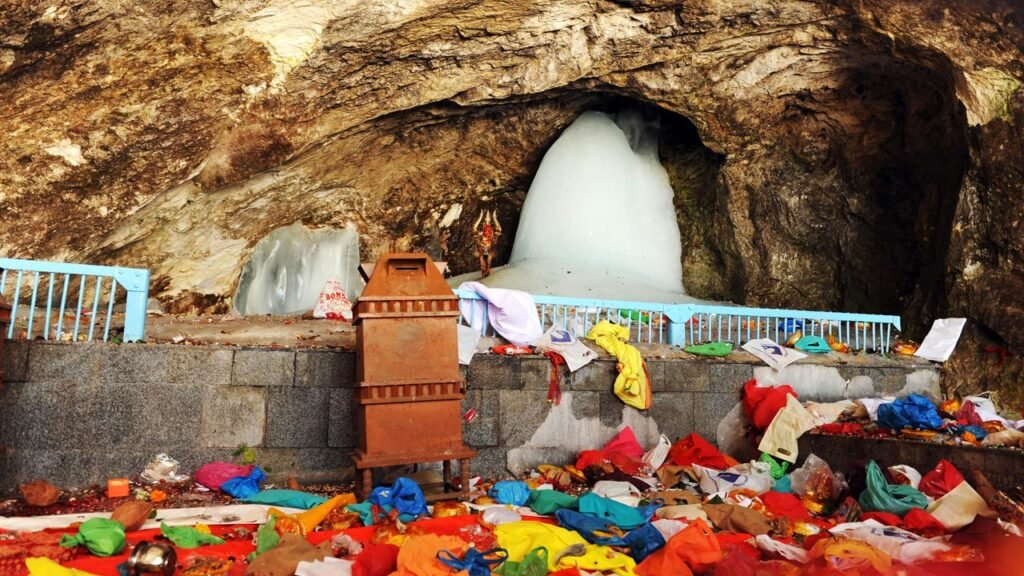
Shri Amarnath Cave Temple

The sanctum of mysticism. The Amarnath Caves are situated at an altitude of 3,888 meters. The mystical Amarnath shrine is like no other temple, because here, both the abode and the Shivalinga are created by nature, and not man. Holy Amarnath Dham Amarnath caves hold Hindu beliefs in Lord Shiva from 5000 years. It is 40 m (130 ft) high and 90 ft long cave in Himalayan glacial valley. Ice incrustation hererepresents Shiva in the form of Shivlinga. The shape and size of it changes with phases of the moon. Geographically, the Holy Amarnath Dham is positioned in a narrow gauge at the farthest side of Lidder valley. It is elevated at a height of 3,888 meters above sea level and is located about 141 km East of Srinagar, and, merely 46km away from Pahalgam. The Amarnath Cave Temple stands as a revered Hindu shrine, drawing countless pilgrims annually to its sacred grounds. Nestled amidst the Himalayas, it holds profound significance as one of the holiest Lord Shiva shrines in Hindu mythology. The cave’s unique feature lies in the naturally formed Shivling, created by the continuous melting of ice from the cave’s ceiling onto the floor, symbolizing Lord Shiva’s presence. Pilgrims from all corners of the globe embark on the arduous journey of the Amarnath Yatra, organized by the Shri Amarnath Ji Shrine Board, to seek the divine blessings of Lord Shiva. Temple Timings Temple Location

Shri Amarnath Cave Temple Read Post »

Uncategorized

Read Bhagavad Gita Chapter Eighteen New

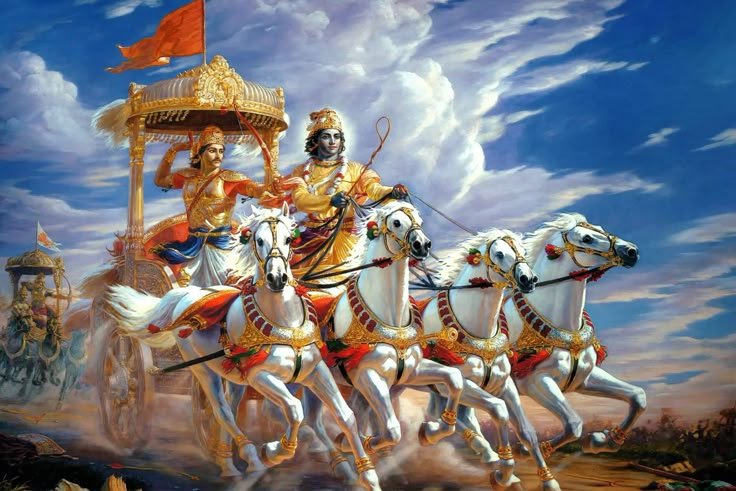
Chapter 18 Moksha Sanyaas Yoga The eighteenth chapter of the Bhagavad Gita is “Moksha Sanyas Yoga”. Arjuna requests the Lord to explain the difference between the two types of renunciations – sanyaas(renunciation of actions) and tyaag(renunciation of desires). Krishna explains that a sanyaasi is one who abandons family and society in order to practise spiritual discipline whereas a tyaagi is one who performs their duties without attachment to the rewards of their actions and dedicating them to the God. Krishna recommends the second kind of renunciation – tyaag. Krishna then gives a detailed analysis of the effects of the three modes of material nature. He declares that the highest path of spirituality is pure, unconditional loving service unto the Supreme Divine Personality, Krishna. If we always remember Him, keep chanting His name and dedicate all our actions unto Him, take refuge in Him and make Him our Supreme goal, then by His grace, we will surely overcome all obstacles and difficulties and be freed from this cycle of birth and death. Bhagavad Gita 18.1 अर्जुन उवाच संन्यासस्य महाबाहो तत्त्वमिच्छामि वेदितुम्। त्यागस्य च हृषीकेश पृथक्केशिनिषूदन।।18.1।। arjuna uvācha sannyāsasya mahā-bāho tattvam ichchhāmi veditum tyāgasya cha hṛiṣhīkeśha pṛithak keśhi-niṣhūdana arjunaḥ uvācha—Arjun said; sanyāsasya—of renunciation of actions; mahā-bāho—mighty-armed one; tattvam—the truth; ichchhāmi—I wish; veditum—to understand; tyāgasya—of renunciation of desires for enjoying the fruits of actions; cha—and; hṛiṣhīkeśha—Krishna, the Lord of the senses; pṛithak—distinctively; keśhī-niṣhūdana—Krishna, the killer of the Keshi demon Translation Arjuna said, “O mighty-armed Hrishikesa, I desire to know the essence or truth of renunciation and abandonment severally, O slayer of Kesi.” Commentary 18.1 संन्यासस्य of renunciation? महाबाहो O mightyarmed? तत्त्वम् the essence of truth? इच्छामि (I) wish? वेदितुम् to know? त्यागस्य of Tyaga or abandonment? च and? हृषीकेशः O Krishna? पृथक् severally? केशिनिषूदन् slayer of Kesi.Commentary The teaching of the whole of the GitaSastra is summed up beautifully in this discourse. This last discourse is a brief masterly summary of all that is told in the previous chapters. Arjuna wishes to know the distinction between Sannyasa and Tyaga.Kesi was an Asura whom Lord Krishna slew. So Lord Krishna is addressed as Kesinishudana by Arjuna.The words Sannyasa and Tyaga have been used here and there in the preceding discourses but their connotations are not lucidly distinguished. Therefore Lord Krishna clearly explains to Arjuna the right significance of the two terms in the following verse. Bhagavad Gita 18.2 श्री भगवानुवाच काम्यानां कर्मणां न्यासं संन्यासं कवयो विदुः। सर्वकर्मफलत्यागं प्राहुस्त्यागं विचक्षणाः।।18.2।। śhrī-bhagavān uvācha kāmyānāṁ karmaṇāṁ nyāsaṁ sannyāsaṁ kavayo viduḥ sarva-karma-phala-tyāgaṁ prāhus tyāgaṁ vichakṣhaṇāḥ śhrī-bhagavān uvācha—the Supreme Divine Personality said; kāmyānām—desireful; karmaṇām—of actions; nyāsam—giving up; sanyāsam—renunciation of actions; kavayaḥ—the learned; viduḥ—to understand; sarva—all; karma-phala—fruits of actions; tyāgam—renunciation of desires for enjoying the fruits of actions; prāhuḥ—declare; tyāgam—renunciation of desires for enjoying the fruits of actions; vichakṣhaṇāḥ—the wise Translation The Blessed Lord said, “The sages understand sannyasa to be the renunciation of action with desire; the wise declare the abandonment of the fruits of all actions to be tyaga.” Commentary English Commentary By Swami Sivananda Bhagavad Gita 1.3 पश्यैतां पाण्डुपुत्राणामाचार्य महतीं चमूम्। व्यूढां द्रुपदपुत्रेण तव शिष्येण धीमता।।1.3।। paśhyaitāṁ pāṇḍu-putrāṇām āchārya mahatīṁ chamūm vyūḍhāṁ drupada-putreṇa tava śhiṣhyeṇa dhīmatā paśhya—behold; etām—this; pāṇḍu-putrāṇām—of the sons of Pandu; āchārya—respected teacher; mahatīm—mighty; chamūm—army; vyūḍhām—arrayed in a military formation; drupada-putreṇa—son of Drupad, Dhrishtadyumna; tava—by your; śhiṣhyeṇa—disciple; dhī-matā—intelligent Translation Behold, O Teacher! This mighty army of the sons of Pandu, arrayed by the son of Drupada, thy wise disciple. Commentary 1.3 पश्य behold? एताम् this? पाण्डुपुत्राणाम् of the sons of Pandu? आचार्य O Teacher? महतीम् great? चमूम् army? व्यूढाम् arrayed? द्रुपदपुत्रेण son of Drupada? तव शिष्येण by your disciple? धीमता wise.No Commentary. Bhagavad Gita 1.4 अत्र शूरा महेष्वासा भीमार्जुनसमा युधि। युयुधानो विराटश्च द्रुपदश्च महारथः।।1.4।। atra śhūrā maheṣhvāsā bhīmārjuna-samā yudhi yuyudhāno virāṭaśhcha drupadaśhcha mahā-rathaḥ atra—here; śhūrāḥ—powerful warriors; mahā-iṣhu-āsāḥ—great bowmen; bhīma-arjuna-samāḥ—equal to Bheem and Arjun; yudhi—in military prowess; yuyudhānaḥ—Yuyudhan; virāṭaḥ—Virat; cha—and; drupadaḥ—Drupad; cha—also; mahā-rathaḥ—warriors who could single handedly match the strength of ten thousand ordinary warriors; Translation Here are heroes, mighty archers, equal in battle to Bhima and Arjuna, Yuyudhana (Satyaki), Virata, and Drupada—all mighty warriors. Commentary 1.4 अत्र here? शूराः heroes? महेष्वासाः mighty archers? भीमार्जुनसमाः eal to Bhima and Arjuna? युधि in battle? युयुधानः Yuyudhana? विराटः Virata? च and? द्रुपदः Drupada? च and? महारथः of the great car.Commentary Technically? maharatha means a warrior who is proficient in the science of war and who is able to fight alone with ten thousand archers. Bhagavad Gita 1.5 धृष्टकेतुश्चेकितानः काशिराजश्च वीर्यवान्। पुरुजित्कुन्तिभोजश्च शैब्यश्च नरपुङ्गवः।।1.5।। dhṛiṣhṭaketuśhchekitānaḥ kāśhirājaśhcha vīryavān purujit kuntibhojaśhcha śhaibyaśhcha nara-puṅgavaḥ yudhāmanyuśhcha vikrānta uttamaujāśhcha vīryavān dhṛiṣhṭaketuḥ—Dhrishtaketu; chekitānaḥ—Chekitan; kāśhirājaḥ—Kashiraj; cha—and; vīrya-vān—heroic; purujit—Purujit; kuntibhojaḥ—Kuntibhoj; cha—and; śhaibyaḥ—Shaibya; cha—and; nara-puṅgavaḥ—best of men; yudhāmanyuḥ—Yudhamanyu; cha—and; vikrāntaḥ—courageous; uttamaujāḥ—Uttamauja; cha—and; vīrya-vān—gallant; Translation Dhrishtaketu, Chekitana, the valiant king of Kasi, Purujit, Kuntibhoja, and Saibya—the best of men. Commentary 1.5 धृष्टकेतुः Dhrishtaketu? चेकितानः Chekitana? काशिराजः king of Kasi? च and? वीर्यवान् valiant? पुरुजित् Purujit? कुन्तिभोजः Kuntibhoja? च and? शैब्यः son of Sibi? च and? नरपुङ्गवः the best of men.No Commentary. Bhagavad Gita 1.6 युधामन्युश्च विक्रान्त उत्तमौजाश्च वीर्यवान्। सौभद्रो द्रौपदेयाश्च सर्व एव महारथाः।।1.6।। saubhadro draupadeyāśhcha sarva eva mahā-rathāḥ saubhadraḥ—the son of Subhadra; draupadeyāḥ—the sons of Draupadi; cha—and; sarve—all; eva—indeed; mahā-rathāḥ—warriors who could single handedly match the strength of ten thousand ordinary warriors Translation The strong Yudhamanyu and the brave Uttamaujas, the son of Subhadra (Abhimanyu, the son of Subhadra and Arjuna), and the sons of Draupadi, all of them great charioteers (great heroes).” Commentary 1.6 युधामन्युः Yudhamanyu? च and? विक्रान्तः the strong? उत्तमौजाः Uttamaujas? च and? वीर्यवान् the brave? सौभद्रः the son of Subhadra? द्रौपदेयाः the sons of Draupadi? च and? सर्वे all? एव even? महारथाः great carwarriors.No Commentary. Bhagavad Gita 1.7 अस्माकं तु विशिष्टा ये तान्निबोध द्विजोत्तम। नायका मम सैन्यस्य संज्ञार्थं तान्ब्रवीमि ते।।1.7।। asmākaṁ tu viśhiṣhṭā ye tānnibodha dwijottama nāyakā mama sainyasya sanjñārthaṁ tānbravīmi te asmākam—ours; tu—but; viśhiṣhṭāḥ—special; ye—who; tān—them; nibodha—be informed; dwija-uttama—best of Brahmnis; nāyakāḥ—principal generals; mama—our; sainyasya—of army; sanjñā-artham—for information; tān—them; bravīmi—I recount; te—unto you Translation Know also, O best among the twice-born! the names of those who are the most distinguished amongst ourselves, the leaders of my army; these I name to you for your

Read Bhagavad Gita Chapter Eighteen New Read Post »

79f54d771661cc380b8803fced4bbff0 1
Uncategorized

Devguru Bhrispati

Gurudev Bhrispati In the Bhagavad Geetea, Shree Krishn teaches that among the priests, He is Brihaspati, that shows that He addresses Brihaspati as the highest, and proves that Brihaspati is like Bhagavaan Himself. Brihaspati in Jyotish In Jyotish (Hindu astrology), Brihaspati is the name for the planet Jupiter, which is one of the Nava Graha (cosmic influencers) or planets. It is also known as Guru, Kuraa and Devaguru. Brihaspati is considered to be the greatest benefic of any of the planets. He rules over the signs Dhanus (Sagittarius) and Meen (Pisces), he is exalted in Kark (Cancer) and is fallen in Makar Capricorn) signs. The Sun, Moon and Mars are considered friendly to Brihaspati, Mercury is hostile and Saturn is neutral. Brihaspati is the Lord of three Nakshatras or lunar mansions: Punarvasu, Vishaakhaa and Poorv-Bhaadrapad. Yellow colored items, like yellow cloth, Moong Daal, Chanaa Daal, jaggry etc, are considered associated with Brihaspati: his color is yellow, metal is gold and gemstone is yellow topaz. The season associated with him is winter (snow), direction is north-east and element is ether or space. Guru in Vedic astrology is considered to be of the element ether (space) or Aakaash Tattwa (Aakaash = Space/Sky/Aether; Tattwa = Essence/Category/Truth). This indicates vastness, growth and expansion in a person’s horoscope and life. Brihaspati also represents the balance of past Karm, religion, philosophy, knowledge and issues relating to offspring. He is concerned with education, teaching and the dispensation of knowledge. Humans with Jupiter dominating in their horoscope could grow fat as life progresses and their empire and prosperity increases; and diabetes is an ailment directly related to Jupiter. According to traditional Hindu astrology, worship or propitiation of Brihaspati or Guru (Jupiter) results in cure from ailments affecting the stomach and helps ward off sins. Brihaspati is a Kaarak or indicator of fortune, wealth, fame, luck, devotion and faith, spirituality, charity, morality, meditation, Mantra, children, Magistrates, ministers, lawyers, leaders in government and religion There lived a King who had 7 sons and their wives. Two Braahmans used to come to them to beg the alms from them, but the wives used to return them empty handed. Therefore Brihaspati Dev got angry with them, so he took all wealth from the King. When poverty reigned all over the kingdom, the youngest wife sought forgiveness of those Braahman and started giving them alms. But the elder 6 wives still denied alms to them. The youngest wife asked the Braahman the remedy to getting over their bad days. The Braahman advised her to keep fast on Thursdays and feed Braahman. If anyone’s husband has gone to foreign country, then she should make two human figures behind the door that would make sure his early safe return. If the family is stricken with poverty then these figures should be made on a box. The King’s 7 sons had already gone to far countries, so the youngest wife observed all the rituals as advised by those Braahman. Her husband had gone to a country whose king had died. The King had no son. So after his death his people were looking for a successor. To find a suitable successor, they hung a garland on the horn of a female elephant. Now that she-elephant will put that garland in whoever’s neck he will be the next King of that country according to their tradition. The she-elephant was going all around, and she put that garland in the youngest son’s neck. Now he became the king of that country. He searched for his brothers but in vain. He had to build a tank for his people, so he engaged thousands of laborers. Among them were his brothers also. He called all of them, took them to his palace and all started living peacefully. Seeing this effect of Brihaspati’s Vrat, all other wives also started keeping it and all of them became prosperous. Worship of Brihaspati results in a cure for ailments affecting the stomach and helps one to ward off his sins, helps him in gaining strength, valor and longevity etc. He grants the boon of fatherhood to the childless, and good education. He should be worshipped on Thursdays. The following story goes whenever he is worshipped  In Jyotish (Hindu astrology), Brihaspati is the name for the planet Jupiter, which is one of the Nava Graha (cosmic influencers) or planets. It is also known as Guru, Kuraa and Devaguru. Brihaspati is considered to be the greatest benefic of any of the planets. He rules over the signs Dhanus (Sagittarius) and Meen (Pisces), he is exalted in Kark (Cancer) and is fallen in Makar Capricorn) signs. The Sun, Moon and Mars are considered friendly to Brihaspati, Mercury is hostile and Saturn is neutral. Brihaspati is the Lord of three Nakshatras or lunar mansions: Punarvasu, Vishaakhaa and Poorv-Bhaadrapad. Yellow colored items, like yellow cloth, Moong Daal, Chanaa Daal, jaggry etc, are considered associated with Brihaspati: his color is yellow, metal is gold and gemstone is yellow topaz. The season associated with him is winter (snow), direction is north-east and element is ether or space. Source – sushmajee

Devguru Bhrispati Read Post »

shri krishna Bhagavad Gita
Uncategorized

Read Bhagavad Gita Chapter Ten

Chapter 10 Vibhooti Yoga The tenth chapter of the Bhagavad Gita is “Vibhooti Yoga”. In this chapter, Krishna reveals Himself as the cause of all causes. He describes His various manifestations and opulences in order to increase Arjuna’s Bhakti. Arjuna is fully convinced of the Lord’s paramount position and proclaims him to be the Supreme Personality. He prays to Krishna to describe more of His divine glories, which are like nectar to hear. Bhagavad Gita 10.1 श्री भगवानुवाच भूय एव महाबाहो श्रृणु मे परमं वचः। यत्तेऽहं प्रीयमाणाय वक्ष्यामि हितकाम्यया।।10.1।। śhrī bhagavān uvācha bhūya eva mahā-bāho śhṛiṇu me paramaṁ vachaḥ yatte ’haṁ prīyamāṇāya vakṣhyāmi hita-kāmyayā śhrī-bhagavān uvācha—the Blessed Lord said; bhūyaḥ—again; eva—verily; mahā-bāho—mighty armed one; śhṛiṇu—hear; me—my; paramam—divine; vachaḥ—teachings; yat—which; te—to you; aham—I; prīyamāṇāya—you are my beloved confidant; vakṣhyāmi—say; hita-kāmyayā—for desiring your welfare Translation The Blessed Lord said, Again, O mighty-armed Arjuna, listen to my supreme word which I will declare to you, who are beloved, for your welfare. Commentary 10.1 भूयः again? एव verily? महाबाहो O mightyarmed? श्रृणु hear? मे My? परमम् supreme? वचः word? यत् which? ते to thee? अहम् I? प्रीयमाणाय who art beloved? वक्ष्यामि (I) will declare? हितकाम्यया wishing (thy) welfare.Commentary I shall repeat what I said before (in the seventh and the ninth discourses). My essential nature and My manifestations have already been pointed out. As it is very difficult to understand the divine nature? I shall describe it once more to you. although it has been described already. I shall tell you of the divine glories and point out in which forms of being I should be thought of.I will speak to you as you are delighted to hear Me. Now your heart is taking delight in Me.The Lord wants to encourage Arjuna and cheer him up and so He Himself comes forward to give instructions to Arjuna even without his reest.Paramam Vachah supreme word. Paramam means supreme? revealing the unsurpassed truth (Niratisaya Vastu which is Brahman).O Arjuna You are immensely delighted with My speech? as if you are drinking the immortalising nectar. Bhagavad Gita 10.2 न मे विदुः सुरगणाः प्रभवं न महर्षयः। अहमादिर्हि देवानां महर्षीणां च सर्वशः।।10.2।। na me viduḥ sura-gaṇāḥ prabhavaṁ na maharṣhayaḥ aham ādir hi devānāṁ maharṣhīṇāṁ cha sarvaśhaḥ na—neither; me—my; viduḥ—know; sura-gaṇāḥ—the celestial gods; prabhavam—origin; na—nor; mahā-ṛiṣhayaḥ—the great sages; aham—I; ādiḥ—the source; hi—certainly; devānām—of the celestial gods; mahā-ṛiṣhīṇām—of the great seers; cha—also; sarvaśhaḥ—in every way Translation Neither the hosts of the gods nor the great sages know My origin; for I am the source of all the gods and the great sages in every way. Commentary 10.2 Commentary Prabhavam Origin. It may also mean great lordly power.Maharshis great sages like Bhrigu.As I am the source of all these gods? sages and living beings? it is very difficult for them to know Me.Sarvasah In every way — not only am I the source of all the gods and the sages but also their efficient cause? their inner ruler and the dispenser or ordainer and the guide of their intellect? etc. BG 10.1 श्री भगवानुवाच भूय एव महाबाहो श्रृणु मे परमं वचः। यत्तेऽहं प्रीयमाणाय वक्ष्यामि हितकाम्यया।।10.1।। śhrī bhagavān uvācha bhūya eva mahā-bāho śhṛiṇu me paramaṁ vachaḥ yatte ’haṁ prīyamāṇāya vakṣhyāmi hita-kāmyayā śhrī-bhagavān uvācha—the Blessed Lord said; bhūyaḥ—again; eva—verily; mahā-bāho—mighty armed one; śhṛiṇu—hear; me—my; paramam—divine; vachaḥ—teachings; yat—which; te—to you; aham—I; prīyamāṇāya—you are my beloved confidant; vakṣhyāmi—say; hita-kāmyayā—for desiring your welfare Translation The Blessed Lord said, Again, O mighty-armed Arjuna, listen to my supreme word which I will declare to you, who are beloved, for your welfare. Commentary 10.1 भूयः again? एव verily? महाबाहो O mightyarmed? श्रृणु hear? मे My? परमम् supreme? वचः word? यत् which? ते to thee? अहम् I? प्रीयमाणाय who art beloved? वक्ष्यामि (I) will declare? हितकाम्यया wishing (thy) welfare.Commentary I shall repeat what I said before (in the seventh and the ninth discourses). My essential nature and My manifestations have already been pointed out. As it is very difficult to understand the divine nature? I shall describe it once more to you? although it has been described already. I shall tell you of the divine glories and point out in which forms of being I should be thought of.I will speak to you as you are delighted to hear Me. Now your heart is taking delight in Me.The Lord wants to encourage Arjuna and cheer him up and so He Himself comes forward to give instructions to Arjuna even without his reest.Paramam Vachah supreme word. Paramam means supreme? revealing the unsurpassed truth (Niratisaya Vastu which is Brahman).O Arjuna You are immensely delighted with My speech? as if you are drinking the immortalising nectar. BG 10.2 न मे विदुः सुरगणाः प्रभवं न महर्षयः। अहमादिर्हि देवानां महर्षीणां च सर्वशः।।10.2।। na me viduḥ sura-gaṇāḥ prabhavaṁ na maharṣhayaḥ aham ādir hi devānāṁ maharṣhīṇāṁ cha sarvaśhaḥ na—neither; me—my; viduḥ—know; sura-gaṇāḥ—the celestial gods; prabhavam—origin; na—nor; mahā-ṛiṣhayaḥ—the great sages; aham—I; ādiḥ—the source; hi—certainly; devānām—of the celestial gods; mahā-ṛiṣhīṇām—of the great seers; cha—also; sarvaśhaḥ—in every way Translation Neither the hosts of the gods nor the great sages know My origin; for I am the source of all the gods and the great sages in every way. Commentary 10.2 Commentary Prabhavam Origin. It may also mean great lordly power.Maharshis great sages like Bhrigu.As I am the source of all these gods? sages and living beings? it is very difficult for them to know Me.Sarvasah In every way — not only am I the source of all the gods and the sages but also their efficient cause? their inner ruler and the dispenser or ordainer and the guide of their intellect? etc. BG 10.3 यो मामजमनादिं च वेत्ति लोकमहेश्वरम्। असम्मूढः स मर्त्येषु सर्वपापैः प्रमुच्यते।।10.3।। yo māmajam anādiṁ cha vetti loka-maheśhvaram asammūḍhaḥ sa martyeṣhu sarva-pāpaiḥ pramuchyate verseyaḥ—who; mām—me; ajam—unborn; anādim—beginningless; cha—and; vetti—know; loka—of the universe; mahā-īśhvaram—the Supreme Lord; asammūḍhaḥ—undeluded; saḥ—they; martyeṣhu—among mortals; sarva-pāpaiḥ—from all evils; pramuchyate—are freed from-3 Translation He who knows Me as unborn and beginningless, as the great Lord of the worlds, he among mortals is undeluded and is liberated from all sins. Commentary 10.3 यः who? माम् Me? अजम्

Read Bhagavad Gita Chapter Ten Read Post »