






















Jainism
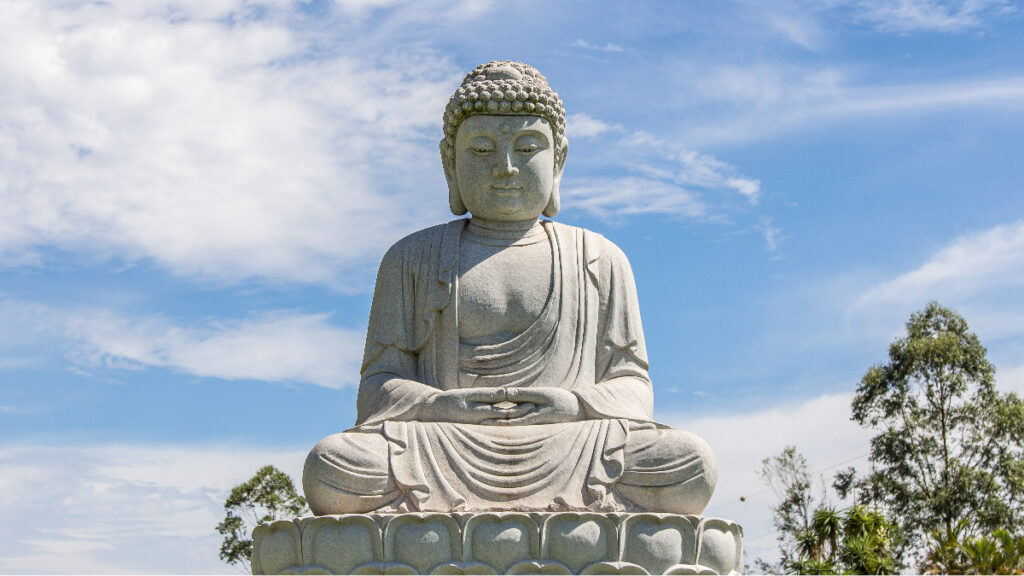
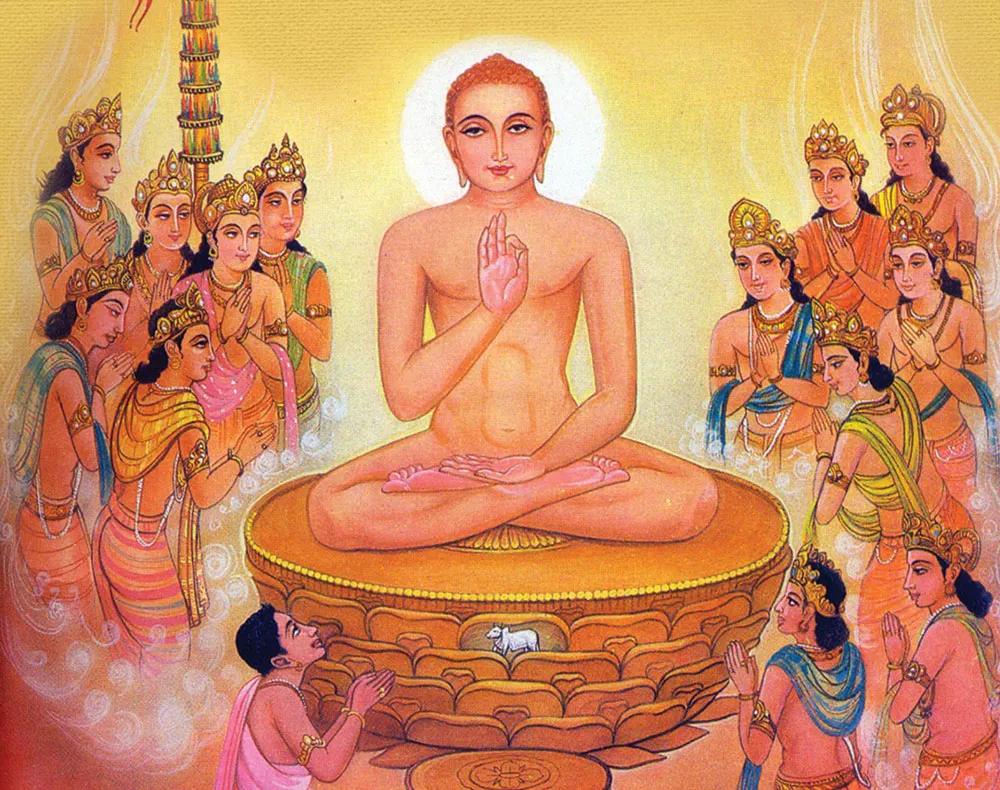
Jainism By SRI SWAMI SIVANANDA “Jain” or more properly speaking “Jaina” means a follower of Jina, which is applied to those persons who have conquered the lower nature, passion, hatred, etc. The word ‘Jain’ comes from the word ‘Jina’ which means a conqueror. ‘Jina’ comes from the root ‘Ji’–‘to conquer’. It means conquering the passions. It does not mean conquering nations. The passions are considered as enemies of the soul. They taint the natural qualities of the soul, obscure right belief, cause false knowledge and wrong conduct. Lust, anger, pride and greed are considered as the major passions. The chief point in the Jaina creed is the reverence paid to holy men, who have raised themselves to divine perfection through long discipline. The Jina or the ‘conquering saint’, who has conquered all worldly desires is with Jains what the Buddha or the perfectly enlightened saint is with Buddhas. He is also called Jineswara (chief of the Jinas), Arhat, “the venerable”, Tirthankara or the saint who has made the passage of the world, Sarvajna (omniscient), Bhagavat (holy one). ‘Tirtha’ literally means a ford, a means of crossing over. It metaphorically denotes a spiritual guide or philosophy which enables one to cross over the ocean of recurring births in this world. ‘Kara’ means ‘one who makes’. The word Tirthankara means a ‘Jain Holy Teacher’. According to the belief of the Jains, only the omniscient are able to give a right code of rules of life. These teachers or Tirthankaras are not creators or rulers of the world. They are pure divine souls, who have attained perfection. They never again take human birth. Mahavira is not the founder of Jainism. He revived the Jain doctrines. He was more a reformer than the founder of the faith. He was the first active propagator. He was the twenty-fourth Tirthankara. He is claimed to have been omniscient. ‘Maha’ means ‘great’ and ‘Vira’ means ‘a hero’. Parasvanath was the twenty-third. The first of these twenty-four was named Rishabha Dev. The idols which represent the Tirthankaras are like that of Buddha in a meditative posture, Jainism is a representative of Buddhistic ideas. It has much in common with Buddhism. It is a near relative of Buddhism, if not its actual descendant. The Jain theory is based on reason. It is based on right faith, right knowledge, right conduct, tempered with mercy. Jainism is not a theistic system in the sense of the belief in the existence of a God as the Creator and the Ruler of the world. The highest being in the Jain philosophy is a person and not a Being without attributes like the Brahman of the Vedanta. JAIN PHILOSOPHY The Jain philosophy bases its doctrine on the absolute necessity of conquering the lower nature for the realisation of Truth. The Jains do not accept the authority of the Vedas. Jainism divides the whole universe into two main divisions viz., sentient beings (Chetana, also called Jiva or Soul) and non-sentient things (Jada, also called Ajiva or non-soul). Soul is that element which thinks, knows and feels. It is the divine element in the living being. The true nature of the soul is right knowledge, right faith and right conduct. The soul is undergoing evolution and involution, so long as it is subject to transmigration. Whatever is not soul is non-soul (Ajiva). The combination of the Jiva and the Ajiva causes all diversities in this universe. Their interaction or interplay is the cause of the world-process or evolution. When the soul is stripped of all its Ajiva bondage, it becomes pure and attains its ultimate Mukti. GOD Jainism does not regard God as a Creator. God in the sense of an extra cosmic personal Creator has no place in the Jain philosophy. But there is a subtle essence underlying all substances, conscious and unconscious, which becomes the cause of all modifications. This is termed God. The Jain idea of Godhood is the perfected Soul (Siddha), the liberated soul (Mukta). The Jains worship these liberated souls (Tirthankaras) who have destroyed all Karmas and attained salvation, as their God. They accept those enlightened souls only, who have abandoned all worldly connections, who lead the life of true Sadhus, who have controlled all selfish desires, as their spiritual teachers. They accept that only as the true religion, which is promulgated by them. The Jain Tirthankara is free from faults. He is true God. He is the knower of all things and the revealer of Dharma. He is free from the 18 kinds of blemishes viz., hunger, thirst, senility, disease, birth, death, fear, pride, attachment, aversion, infatuation, worry, conceit, hatred, uneasiness, sweat, sleep and surprise. The Jain philosophy teaches that each soul is a separate individuality, uncreated and eternal in existence. It has lived from time immemorial in some embodied state. It evolves from the lower to the higher condition through the Law of Karma, or cause and effect. It takes fresh bodies after death so long as the Karmas or forces generated in previous lives have not been fully worked out. Eventually it unfolds its absolute purity by breaking the bonds of Karma and attains perfection, Nirvana or Mukti. The individuality is not merged into anything. It is not annihilated also. It attains right realisation, right knowledge and right life. The perfected soul is neither masculine, feminine, nor neuter. Every soul is potentially omniscient. Consciousness is the very nature of the soul. Soul is a pure embodiment of knowledge. The soul has infinite potentialities. It has infinite capacity for removing Karma-bondages. WORLD The world is beginningless and endless. There is no extra cosmic creator or ruler of the world. There are six real substances which constitute the world. These six are space, time, matter, souls, Dharmastikaya (fulcrum of motion) and Adharmastikaya (fulcrum of stability, or rest). Space serves as a receptacle for the other substances. It is infinite. Time is real. It is beginningless and endless. Material objects consist of atoms.DOCTRINE OF KARMA AND REINCARNATIONThe only enemy of the