













Hari Om

Menu

February 20, 2026

Swami Sivananda standing by seashore photo
Preliminaries of Meditation, Swami Sivananda

Requisites for Meditation

Requisites for Meditation When the mind becomes Nirvishaya (free from thinking of sense-objects and their enjoyments) it is meditation. God has hidden Himself in this world (immanent) and is seated in the cavity of the lotus of your heart. He is an absentee landlord. You will have to seek Him through concentration and meditation with a pure mind. This is the real play of hide and seek. For purposes of meditation everything is to be rendered Sattvic. The place of meditation must be Sattvic. The food must be Sattvic. The wearing apparel must be Sattvic. The company must be Sattvic. Talking must be Sattvic. The sound that you hear must be Sattvic. Thinking must be Sattvic. Study must be Sattvic. Everything must be Sattvic. Then only good progress in Sadhana is possible, particularly in the case of beginners (neophytes). Requisites (a) A cool Sattvic place like Uttarakasi, Rishikesh, Lakshmanjhula, Kankhal or Badrinath is necessary for meditation, because the brain gets hot during meditation. (b) There must be capacity for Sadhana. (c) There must be good, Sattvic, substantial, light and nutritious food. (d) There must be a good spiritual teacher (Anubhava Guru) to guide you. (e) There must be good books for study. (f) There must be burning Vairagya, burning Mumukshutva and strong Viveka in you. (g) You must have a sharp, subtle, calm and one-pointed Buddhi to understand the Brahma-Tattva or Brahma Vastu. Then and then only Realisation is possible. Many do not get the above favourable conditions for spiritual Sadhana. This is the reason why they do not make any spiritual progress. Meditation is possible when the mind is full of Sattva Guna. The stomach should not be loaded. There is an intimate connection between the mind and the food. A heavy meal is harmful. Take a full meal at 11 a.m. and half a seer of milk at night. The night meal should be light for those who meditate. Every human being has within himself various potentialities and capacities. He is a magazine of power and knowledge. As he evolves, he unfolds new powers, new faculties and new qualities. Now he can change his environments and influence others. He can subdue other minds. He can conquer internal and external nature. He can enter into superconscious state. In a dark room if a pot, containing a lamp inside it, is broken, the darkness of the room is dispelled and you see light everywhere in the room. Even so, if the body-pot is broken through constant meditation on the Self, i.e., if you destroy ignorance (Avidya) and its effect such as identification with the body, and rise above body-consciousness, you will cognise the supreme light of the Atman everywhere. Pose or Asana is really mental. Try to have a mental Padma or mental Siddha Asana. If the mind is wandering, you cannot have steady body or a steady physical pose. When the mind is steady or fixed in Brahman, steadiness of the body automatically follows. Constantly think of God. The mind should always move towards God. Fasten the mind with a fine silk-thread to the Lotus-Feet of Lord Siva or Hari. Do not allow any worldly thought to enter the mind. Do not allow the mind to think of any physical or mental enjoyment. When it indulges in these thoughts, give it a good hammering. Then it will move towards God. Just as the Ganga flows continuously towards the sea, thoughts of God should flow continuously towards the Lord. Just as the harmonious sound produced from the ringing of bells falls upon the ear in a continuous stream, so also the mind should come towards God in one continuous stream. There must be a continuous divine Vritti-Pravaha from the Sattvic mind towards God through continuous Sadhana. To think of nothing is to attain the highest contemplation. In Nididhyasana or profound and continued meditation, thinking ceases. There is only one idea of “Aham Brahma Asmi.” When this idea is also given up, Nirvikalpa Samadhi or Sahaja Advaita-Nishtha ensues. Man tries to grasp the abstract through forms. After the mind has been purified, an abstract image is formed in the purified mind by Sravana (listening to spiritual discourses and holy scriptures) and Brahma-Chintana. This abstract image melts later on in deep Nididhyasana. What is left behind is Chinmatra or Kevala Asti (Pure Existence alone). The mind should be adored as Brahman. This is intellectual worship. This is Upasana-Vakya. Mind is Brahman or God in manifestation. Mind is God in motion. As Brahman is approachable by means of the mind it is only proper to meditate upon the mind as Brahman. If the readers of works dealing with Atma-Jnana, who do take delight therein will not be hasty in longing for the fruits at once but will meditate regularly and gradually upon them, then the mind will by degrees be ripened and in the end, the endless Atman will be reached. When you read a book with absorbed interest and attention, your mind gets fixed to the ideas. Even so, in Nirguna meditation of Brahman (formless Dhyana) the mind is fixed on one idea, viz., that of Atman. You want for meditation a properly trained instrument (mind). It should be calm, clear, pure, subtle, sharp, steady and one-pointed. Brahman is pure and subtle and you need a pure and subtle mind to approach Brahman. Sit in a lonely place in the Padma, Siddha or Sukha Asana. Free yourself from all passions, emotions and impulses. Subjugate the senses. Withdraw the mind from objects. Now the mind will be calm, one-pointed, pure and subtle. With the help of this trained instrument and disciplined mind, contemplate on that one Infinite Self. Do not think of anything else. Allow the one Brahmic idea to flow gently and continuously. Drive out foreign or extraneous worldly ideas gently. Try to keep up the Brahmakara Vritti by repeating OM or ‘Aham Brahma Asmi’ mentally very often. The idea of Infinity, the idea of an ocean of Light, the idea

Requisites for Meditation Read Post »

Swami Sivananda in calm side profile image
Preliminaries of Meditation, Swami Sivananda

When and Where to Meditate

When and Where to Meditate Practise meditation in Brahmamuhurta. This is the best period for meditation. Always choose that part of the day or night when your mind is clear and when you are least likely to be disturbed. You can have a sitting just before retiring to bed. The mind will be calm at this time. You can have good meditation on Sundays, because it is a holiday and the mind is free. Do vigorous meditation on Sundays. You can have very good concentration when you live on milk and fruits alone, or when you fast. Use your common-sense always and try to bring good outturn in meditation. Meditate at night. A second sitting is necessary. If you have not got sufficient leisure you can meditate even for a few minutes, say 10 or 15 minutes at night. You will have no bad dreams at night. The divine thoughts will be carried during sleep also. The good impressions will be there. An aspirant who meditates in a solitary upstair room in a town will have as much quiet there as in a forest. But he will not have the congenial spiritual vibrations there as in Rishikesh, Uttarakasi or Gangotri. Vibrations play a vital part in the elevation of mind and in producing Ekagrata of mind. In these holy places the vibrations of Rishis are lodged in the ethereal space and the aspirants are highly benefited by these vibrations. Vairagya, Sattvic Bhava and the meditative mood come by themselves without effort or struggle in these holy places. Some ladies got down from the train at the Rishikesh station. The moment they saw the Himalayas they uttered: “Who is son? Who is father? Everything is Maya. Everything is false!” Such is the powerful influence of vibrations on the mind. It is only sages and Yogis who can know at once the nature of vibrations of a place for meditation. You have been given a key to unlock many of the secrets of life. That key is meditation. Meditate regularly in the morning between 4 and 7 a.m. and attain eternal bliss and immortality. The banks of the Ganga or Narmada, Himalayan sceneries, lovely flower-gardens and sacred temples are the places which elevate the mind in concentration and meditation. Have recourse to them. A solitary place where the climate is cool with spiritual vibratory conditions is best suited for concentration of mind.You will have a clear and calm mind in the early morning hours. There is a spiritual influence and mysterious silence then. All saints and Yogis practise meditation at this period and send their spiritual vibrations to the whole world. You will be highly benefited by their vibrations if you start your prayer, Japa and meditation at this period. You need not exert. The meditative state of mind will come of itself.

When and Where to Meditate Read Post »

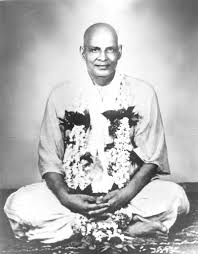
swami sivananda Black-and-white portrait of monk seated with flower garlands image
Preliminaries of Meditation, Swami Sivananda

How to Meditate

How to Meditate Preparation for Meditation Keep the head, neck and back in one straight line. Read the 11th and 13th Slokas of chapter VI of the Gita, wherein a description of the Asana is given. Spread a four-folded blanket and over this spread a piece of soft, white cloth. This will do nicely. If you can get a good tiger-skin or deer-skin, it is all the more better. A tiger-skin has got its own advantages. It generates electricity in the body quickly and does not allow leakage of electric current from the body. It is full of magnetism. Face East or North. A spiritual neophyte should observe this rule. In facing North he is in communion with the Rishis of the Himalayas and he is mysteriously benefited by their currents. How to Meditate Habitual meditation and habitual silence are great assets for you in the spiritual path. Meditation gives a lot of spiritual strength, peace, new vigour and vitality. If a meditator gets irritated very often, it shows he is not having good, uninterrupted meditation. There is something wrong with his Sadhana and contemplation. You will have to meditate with a calm mind. Then only you will enter into Samadhi quickly. If you control the Indriyas and if you become desireless you will have a calm mind. Keen longing for liberation and thoughts of God will destroy all desires. He who has a calm mind, is an Emperor or emperors, the Shah of Shahs. The state of one who has a calm mind is indescribable. In meditation and concentration you will have to train the mind in a variety of ways. Then only the gross mind will become subtle (Sukshma). Whatever you meditate on in silence should be manifested in daily life. You should keep up poise and harmony in action. You will be ever peaceful. Then only you will enjoy the real fruit of meditation. Process of Meditation Keeping the upper parts (the chest, neck and the head) erect and equal to the (other parts of the) body, subduing within the heart the senses together with the mind, let the wise by the raft of Brahman (OM) cross over all the fearful torrents of the world. Keeping down the senses (Pranas), subduing his desires, and gently respiring through the nostrils, let the wise diligently attend to the mind, as the charioteer to a car, drawn by vicious horses. When in the Yogi’s body, composed of earth, water, light, air and ether, the fivefold qualities which mark concentration as described below are manifest, then there is no disease or age or pain for him, who has obtained the body burning with the fire of concentration. When the body is light and without diseases, the mind without desire, when the colour is shining, the voice sweet and the smell pleasant, when the excrements are few, they say, the first degree of concentration is gained. General Hints Just as you saturate the salt or sugar with the water you will have to saturate the mind with thoughts of God, with divine Glory, divine Presence, with sublime soul-awakening spiritual thoughts. Then only you will be established in the divine Consciousness always. Five things are indispensable if you want to practise vigorous meditation and attain Samadhi or Self-realisation quickly. They are Mouna, light diet or a diet of milk and fruits, solitude with charming scenery, personal contact with a teacher and a cool place. You will enter into deep meditation only if you lead a moral life. You may try further to build up discrimination and the other steps in your mind. You can cultivate the mind in concentration and can finally devote yourself to meditation. The more you lead the moral life, the more you meditate, the greater likelihood will then be for you to enter into Nirvikalpa Samadhi which can liberate you from the round of births and deaths and can confer on you Eternal Bliss and Immortality. What does Lord Krishna teach by holding the flute in His hands? What is the symbolic philosophy of the flute? Flute is the symbol of Om. He says, “Empty your egoism. I will play on your body-flute. Let your will become one with My will. Take refuge in OM. You will enter into My being. Hear the inner soul-stirring music of the soul and rest in everlasting peace!” Samadhi is possible by the practice of concentration and meditation with light diet. Meditate for 2 or 3 hours. If you get tired, take rest for half an hour. Take a cup of milk and then again sit for meditation. Repeat the process of meditation again and again. You can have a stroll in the verandah in the evening. Do not allow the mind to entertain any worldly thought even for a few minutes. Just as the student creates interest in his study of mathematics or geometry, although it is disgusting in the beginning, by imagining the advantages that he will gain by passing the examination, so also you will have to create interest in meditation by thinking on the incalculable benefits that will be derived by its constant practice, viz., Immortality, Supreme Peace and Infinite Bliss. When you have disinclination for work and a desire for meditation only, you can lead a life of complete seclusion, living on milk and fruits alone. You will have good spiritual progress. When there is inclination for work, when the meditative mood vanishes, take up work again. Thus by gradual practice the mind should be moulded. Put a piece of iron in the blazing furnace. It becomes red like fire. Remove it. It loses its red colour. If you want to keep it always red, you must always keep it in fire. So also if you want to keep the mind charged with the fire of Brahmic Wisdom, you must keep it always in contact or touch with Brahmic fire of knowledge through constant and intense meditation. You must keep up an unceasing flow of the Brahmic

How to Meditate Read Post »

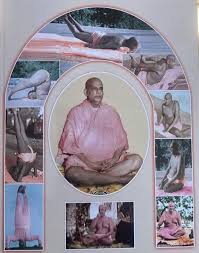
swami sivananda Monk in red robes with garland in decorative floral frame image
Preliminaries of Meditation, Swami Sivananda

Cave-Life for Meditation

Cave-Life for Meditation Cave-life is extremely good. The ancient Rishis and seers of India lived in the caves of Himalayas and did rigorous Tapascharya. The temperature is quite even in caves. Caves are very cooling. The heat of scorching summer cannot penetrate inside the cave. It is quite warm in winter. All external sounds are shut out in a cave. You can have very beautiful, uninterrupted meditation. There is solitude in caves. The spiritual currents are elevating. There is no mundane atmosphere there, because modern civilisation has not penetrated there. Such are the advantages of cave-life. There is the beautiful Vasishtha Guha in the Himalayas, which is fourteen miles away from Rishikesh. Maharshi Vasishtha did Tapas here. Hence the name “Vasishthaguha.” Guha means a cave. You can get milk from the neighbouring villages. Bamrugha Guha, near Tehri, Himalayas, is another good cave. There are caves near Nilakanth hills six miles from Rishikesh. Cave-like is not suitable for aspirants who have modern education and delicate constitution, and who are timid. It is meant for aspirants who have a strong sturdy frame, who are fearless and who have intense power of endurance. Those who have some Divya Siddhis can live there. Those who have a good knowledge of Butis or Himalayan herbs, who have strengthened the body by means of special Kayakalpa, who have a body which is proof against bites of poisonous insects or creatures by taking a course of Nimi Kalpa or purified nux vomica, those who have Mantra-Siddhi, who have control over wild animals, who can bear heat and cold, hunger and thirst, those who have lost all attractions for the world, sense-objects, work of any kind, who can meditate for a long time, who have internal dispassion, can remain in a cave. Some young raw aspirants with weak body and indifferent health, in whom a ray of Viveka and dispassion has recently dawned through study of some religious books, through some mishap or some difficulties in life, run to the Himalayan caves without any previous preparation or bodily and mental discipline. Just as the mercury in the thermometer runs to 106 degrees in high fevers, so also juvenile bubbling emotion runs to 112 degrees to the crown of the head. It cools down quickly. They find it difficult to pull on there and leave the place in a few days. For some, cave-life is not suitable. They develop some sort of skin-diseases and pale-bloodedness owing to lack of ventilation. Artificial caves like Kaivalya-Guha, Ananda Kutir, with good ventilation can be built underneath the ground in any solitary place, even in your own compound or village. Two walls with a hollow in the middle and pipes to bring in cool air and take away hot air, will keep the cave quite cool. All real aspirants who remain in the world should build one for their meditation. They will be immensely benefited. There is another disadvantage in cave-life. He who lives in the cave for a long time becomes Tamasic. He is unable to do any kind of work. He cannot mix with people. He is terribly afraid of multitude of people. His mind gets distracted soon if he is in the company of a few persons, if he hears a little noise. This is not balanced life. This is one-sided development. He who dwells in the cave must be able to keep his balance, even when he comes to a busy town. This is the sign of his spiritual growth. The real snug, well-furnished, marvellous, awe-inspiring cave is in your heart. It is the Hridaya-Guha of the Upanishads, wherein Dattatreya, Sankara, and Yajnavalkya dwelt in days of yore. Even now, modern Rishis and sages abide there, withdrawing the outgoing senses and mind. They drink the nectar of Immortality there, and remain ever-blissful.May you all dwell in this mysterious, magnificent cave in the heart alone in communion with your Inner Self, the secondless Brahman or the Absolute, the Goal, the Sole Refuge of all!!!

Cave-Life for Meditation Read Post »

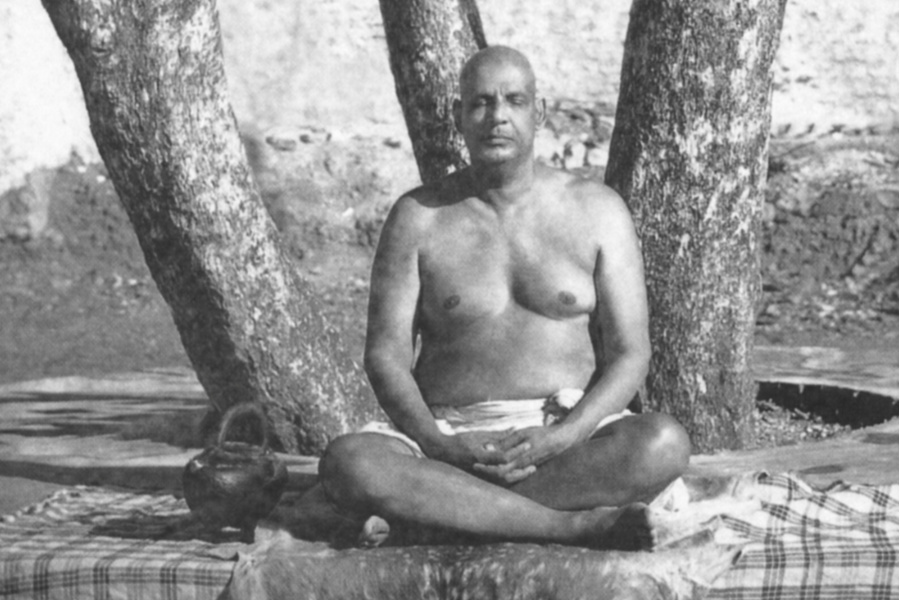
swami sivananda Monk meditating under tree outdoors image
Preliminaries of Meditation, Swami Sivananda

Places for Meditation

Places for Meditation “One should perform his Yogic meditation in concentration on a level place, free from pebbles, fire, wind, dust, dampness and disturbing noises, where the scenery is charming and pleasing to the eyes and where there are bowers, caves, good waterplaces which help the practice of concentration.” -Svetasvataropanishad: 11-10. The world will not suit you for meditation when you advance in the spiritual path. There are many disturbing causes. The environments are not elevating. Your friends are your worst enemies. They take away all your time through vain talks. It is inevitable. You are puzzled. You are worried. Then you try to get out of the environments. To save time, money, wanderings, I shall mention some good places for meditation. You can select one of these places. The place must have a temperate, even climate, and must suit you during summer, rainy season and winter. You must stick to one place for three years with firm determination. As all places combine some advantages and disadvantages, you will have to select that place which has more advantages and less disadvantages. Everything is relative in this world. Even if you wander from pole to pole, you can hardly get an ideal place that can satisfy you from all viewpoints. You will have to create your own spiritual atmosphere through Japa, meditation and prayer. To get an ideal place is an impossibility. You must not shift when you get some inconvenience. You must put up with it. There is no benefit in frequent wanderings. Do not compare one place with another. Maya tempts you in various ways. Use your Viveka and reason. Mussoorie will appear to you most charming when you are at Simla. Simla will appear more delightful when you are at Mussoorie. Do not believe the mind and senses any more. Enough; enough of their tricks. Be on the watch to guard you off from sense-deceptions and temptations. First, I suggest Rishikesh and Munikireti. They are wonderful places for meditation. They are admirably adapted. The charm and spiritual influence are simply marvellous. You can put up your cottage here. Uttarakasi, Brahmapuri, Garudachatti, Nilakanth (near Rishikesh), are other nice places. Almora, Nainital, are also good. Any village on the banks of the Ganga, Narmada, Yamuna, is beautiful. Kulu Valley and Champa Valley are quite suitable. If you want a cave-life, go in for Vasishtha Guha, fourteen miles from Rishikesh. It is a beautiful cave, where Swami Rama Tirtha lived for some time. Milk is available from neighbouring villages. Rama Guha in Brahmapuri near Rishikesh is another good charming place. You can get dry rations for fifteen days from Kali Kamliwala’s Kshetra. Bamrughi Guha, near Tehri, Himalayas, is a good cave. You will find many villages near Tehri for contemplation. Muralidhar has built up fine, pukka Kutia with a fine garden. You also can have this. Mount Abu is a beautiful cool place. Cool places are needed for meditation. The brain gets tired very soon in a hot place. In a cool place, you can meditate all the twenty-four hours. You will not feel exhaustion. Maharajahs of Alwar and Limbdi have built nice caves in Mount Abu and arranged food and other conveniences for good, educated Sadhus only. Lakshmanjhula is another good place. There is ample space for erection of new cottages. Brahma-Varta, near Kanpur, is a suitable place. There are many good places seven miles beyond Mathura on the banks of the Yamuna. Uttarakasi has beautiful, spiritual vibratory condition. You can stay in a solitary place called Laksheshvar. Important Places for Meditation 1. Rishikesh (Himalayas) 2. Haridwar 3. Uttarkasi (via Tehri) 4. Kankhal (near Haridwar) 5. Badri Narayan (Himalayas) 6. Devaprayag (Himalayas) 7. Gangotri (Himalayas) 8. Ayodhya 9. Mount Abu 10. Nasik 11. Varanasi 12. Brindavan (Mathura) 13. Srinagar (Kashmir) 14. Almora 15. Nainital 16. Bangalore 17. Puri 18. Dwaraka 19. Pandharpur 20 Tiruvottiyur 21. Alandi, near Poona 22. Tiruvengoi Hills, Musiri, S. India 23. Tirupathi Hills 24. Papanasam (Tirunelveli Dt.) (Select some secluded spots in these places.) Any place or village on the banks of the Ganga, Yamuna, Cauveri, Godavari, Krishna, Tamraparni, will suit you for meditation. You can select any place which has an even climate. Of all the places, Rishikesh is the best place in the world. The spiritual vibrations are soul-elevating. The scenery is highly charming. It is a beauty-spot. Mussoorie, Darjeeling, Simla, Ooty, Kodaikanal, and all hill-stations are cool places. They have a beautiful scenery also. But they are Rajasic centres. They have no elevating spiritual vibrations. People go there for enjoyment and taint the atmosphere. Hence they are not suitable for meditation. You must have some conveniences also such as library, medical aid, a railway station, in the beginning. You must be able to get some fruits and milk. Otherwise it is difficult to continue your Sadhana in one place for a long time. When you are advanced in Sadhana, when you go above body-consciousness, you can remain in any place. Solitude and intense meditation are two important requisites for Self-realisation. The banks of the Ganga or Narmada, Himalayan scenery, lovely flower gardens, sacred temples-these are the place which elevate the mind in concentration and meditation. Have recourse to them.A solitary place, spiritual vibratory conditions as at Uttarakasi, Rishikesh, Badri Narayan, a good place and temperate climate-these conditions are indispensably requisite for concentration of mind.

Places for Meditation Read Post »

swami sivananda Bald monk wearing red robe and flower garland outdoors image
Preliminaries of Meditation, Swami Sivananda

Meditation Room

Meditation Room Have a separate meditation room under lock and key. This is a sine qua non. Convert a room into a forest. Do not allow anybody to enter the room. Keep it holy. If you cannot afford to have a separate room, convert a small corner of the room as the meditation room with screens or curtains. Burn incense or scented sticks and camphor in the morning and evening. Keep a photo of Lord Krishna, Siva, Rama, Devi, Gayatri, Guru, Lord Jesus or Lord Buddha. Place your seat in front of the picture. Keep some books such as the Gita, the Ramayana, the Bhagavata, the Upanishads, the Vivekachudamani, the Yogavasishtha, the Brahma-Sutras, the Bible, the Zend-Avesta, the Koran, etc., in the room. Decorate the room with inspiring pictures of great saints, sages, prophets and world-teachers. Take a bath before you enter the room. Or wash your face, hands and legs before you enter the room. Sit on the Asana in front of the deity. Sing devotional hymns or repeat Guru Stotras. Then take to the practice of Japa, concentration and meditation. The room should be regarded as a temple of God. You should enter the room with a pious and reverent mind. Thoughts of jealousy, lust, greed and anger should not be entertained within the four walls of the room. No worldly talks should be indulged in there. For every word that is uttered, every thought that is cherished and every deed that is done is not lost. They are reflected on the subtle layers of ether encircling the room where they are done and hence affect the mind invariably.When you repeat the Mantra or the name of the Lord, the powerful vibrations are lodged in the ether of the room. In six months’ time you will feel peace and purity in the atmosphere of the room. Whenever your mind is much disturbed by worldly influence, sit in the room and repeat the name of the Lord for half an hour. Then you will find entire change in the mind immediately. Practise and feel the soothing, spiritual influences yourself. You will find a local Mussoorie, Darjeeling, Simla, Ooty in your own house. You need not go to a hill-station for change. Nothing is like Spiritual Sadhana or Yoga practice.

Meditation Room Read Post »

Swami Sivananda Group of monks standing by riverside image
Preliminaries of Meditation, Swami Sivananda

Brahmamuhurta-Best Time for Meditation

Brahmamuhurta-Best Time for Meditation O Aspirants! Get up at Brahmamuhurta and practise meditation. Do not fail at any cost. Brahmamuhurta is the morning period from 3.30 a.m. to 5.30 a.m. It is very favourable for meditation. The mind is quite refreshed after good sleep. It is quite calm and serene. There is the preponderance of Sattva or purity in the mind at this time. In the atmosphere also, Sattva predominates at this period. The mind is like a blank sheet of paper or a clean tablet and comparatively free from worldly Samskaras or impressions at this period. Raga-Dvesha currents have not yet deeply entered the mind. The mind can be moulded very easily at this period in any way you like. You can charge the mind now easily with divine thoughts. Further, all the Yogis, Paramahamsas, Sannyasins, aspirants and the Rishis of the Himalayas start their meditation at this period and send their vibrations throughout the world. You will be immensely benefited by their spiritual currents. Meditation will come by itself without any effort. It is a terrible spiritual loss for you if you do not utilise the period in divine contemplation and if you snore at this time. Do not become a Kumbhakarna. Become a Yogi like Jnana Deva. In the winter it is not necessary that you should take a cold bath. A mental bath will suffice. Imagine and feel, “I am taking a bath now in the sacred Triveni at Prayaga or Manikarnika at Benares.” Remember the pure Atman. Repeat the formula, “I am ever pure Soul.” This is the most powerful wisdom-bath in Jnana-Ganga. This is highly purifying. It burns all sins. Answer the calls of nature quickly. Cleanse the teeth quickly. Do not waste much time in cleansing the teeth and taking bath. Be quick. Hurry up. Get ready soon. The Brahmamuhurta will pass away quickly. You must utilise this precious time in Japa and meditation. Wash the face, hands and feet quickly. Dash cold water on the face and top of the head. This will cool the brain and the eyes. Sit in Siddha, Padma or Sukha Asana. Try to climb the supreme height of Brahman, the peak of divine glory and splendour. If you are not in the habit of getting up early, have an alarm timepiece. Once the habit is established, there will be no difficulty. The subconscious mind will become your willing and obedient servant to wake you up at the particular time. If you are a subject of chronic constipation, you can drink a tumbler of cold water or lukewarm water as soon as you get up after cleansing the teeth. This is Usha-Pana treatment in the science of Hatha Yoga. This will give you a good motion. You can drink Triphala water also. Soak two Harad (Myrobalan), two Amalaka and two Thannikkai in a tumblerful of cold water at night. Drink the water in the morning after cleansing the teeth. You can keep a ready powder of these three drugs and put one or two teaspoonfuls in the water. Cultivate the habit answering the calls of nature as soon as you get up from bed. If you suffer from incurable, old constipation, due to old sins, do meditation as soon as you get up. You can answer the calls of nature after finishing your morning meditation with the help of a cup of hot milk. As soon as you get up from bed, do Japa and meditation. This is important. After finishing your Japa and meditation, you can take to the practice of Asana, Pranayama and study of the Gita and other religious books. Every Sandhya time, or dusk, is also favourable for meditation. During Brahmamuhurta and dusk, Sushumna Nadi flows readily. You will enter into deep meditation and Samadhi without much effort when Sushumna-Nadi flows. That is the reason why Rishis, Yogis and scriptures speak very highly of these two periods of time. When the breath flows through both nostrils, know that the Sushumna is working. Whenever the Sushumna functions, sit for meditation and enjoy the inner peace of Atman or Soul. Repeat some Divine Stotras or hymns or Guru Stotras or chant OM twelve times, or do Kirtan for five minutes before you start your Japa and meditation. This will quickly elevate your mind and drive off laziness and sleepiness. Do Sirshasana or Sarvangasana or any Asana for five minutes. Do Pranayama for five minutes. This also will make you quite fit for the practice of meditation and removes laziness and sleepy condition. O Man! It is Brahmamuhurta now! Do not snore. Do not roll in the bed. Throw away the blanket. Get up, start your meditation vigorously, and enjoy the eternal bliss of the Inner Self.

Brahmamuhurta-Best Time for Meditation Read Post »

Swami Sivananda yoga master performing asanas and meditation in different scenes
Principal Asanas, Swami Sivananda

Halasana (Plough Pose)

Halasana (Plough Pose) When this pose is practised, it gives the exact appearance of a plough. Hala means a plough in Sanskrit. TECHNIQUE Spread a blanket on the ground. Lie flat on your back. Keep the hands at the sides on the ground with the palm facing the ground. Join both your legs. Lift them up very slowly. Do not bend the legs. Do not raise the hands. Do not bend the trunk. Make an obtuse angle. Then slowly lower the legs. Fold them over the body until the toes touch the ground. Keep the knees quite straight and close together. The legs and thighs must be in one straight line. Press the chin against the chest. Breathe slowly through the nose only and not through the mouth. There is another variety of doing this Asana. After the above posture is done, slowly bring the hands and catch hold of the toes. This is also a better method. There should be no jerk in any way. When the Asana is finished, very, very slowly raise the legs and bring them to the original posture of lying flat on the ground. BENEFITS This Asana tones the spinal nerves, the muscles of the back, the vertebral bones and the sympathetic nervous system that runs along the vertebral column on both sides. This Asana fulfils and amplifies Sarvangasana. A large quantity of blood is poured into the spinal roots of nerves, spinal cord, sympathetic ganglia, sympathetic nerves and muscles of the back. Hence, they are all well nourished. The vertebral column is rendered very, very soft and elastic. This Asana prevents the early ossification of the vertebral bones. Ossification is quick degeneration of bones. Old age manifests quickly on account of early ossification. The bones become hard and brittle in the degenerative process. He who practises Halasana is very nimble, agile, full of energy. The muscles of the back are alternatively contracted, relaxed and then pulled and stretched. Hence they draw a good supply of blood by these various movements and are well nourished. Various sorts of myalgia (muscular rheumatism), lumbago, sprain and neuralgia are cured by this Asana. The vertebral column becomes soft and elastic. It is twisted and rolled as it were like a piece of canvas sheet. A man who practises Halasana can never become lazy. The vertebral column is a very important structure. It supports the whole body. It contains the spinal cord, spinal nerve and sympathetic system. In Hatha Yoga the spine is termed as Meru Danda. Therefore you must keep it healthy, strong and elastic by the practice of Halasana. The muscles of the abdomen, the rectal muscles and the muscels of the thigh are also toned and nourished. Obesity or corpulence and habitual or chronic constipation, gulma, congestion and enlargement of the liver and spleen are cured by this Asana.

Halasana (Plough Pose) Read Post »

Swami Sivananda writing spiritual teachings surrounded by books
Preliminaries of Meditation, Swami Sivananda

Fruits of Meditation

Fruits of Meditation Even Indra, the Lord of the Devas, who is rolling in abundant wealth, cannot enjoy that bliss which comes to a sage who has a Self-centred mind free from desires, who is resting in his own Svarupa and who has equal vision for all. Learn the science of self-control. Possess a steady mind by constant practice of meditation. Fix your mind upon God. You will have divine life. Light will shine. There will be inflooding of all divine qualities. All negative tendencies will vanish. All conflicting forces will be reconciled. You will enjoy perfect harmony, undisturbed happiness, abiding peace. Meditation is the only real, royal road to the attainment of salvation. Meditation kills all pains, sufferings and sorrows. Meditation destroys all causes of sorrow. Meditation gives vision of unity. Meditation induces sense of oneness. Meditation is a balloon or the aeroplane that helps the aspirant to soar high into the realms of eternal bliss, everlasting peace and undying joy. Meditation is the royal road to attain Godhead. It is the grand trunk road which takes the aspirant direct to the destination of divine consciousness. It is the mystic ladder which takes the Yogic student from earth to heaven. It is the divine ladder of Yogis which pushes them to the heights of Asamprajnata Samadhi. It is the step in the staircase of Chidakasa to take the aspirant to the highest storey of Advaita Nishtha and Kaivalya Mukti of Vedantins. Without it, no spiritual progress is possible. It is the aerial ropeway that allows the devotee to glide easily to the other shore of Bhava Samadhi and drink the honey of Prema and the nectar of immorality. Regular meditation opens the avenues of intuition knowledge, makes the mind calm and steady, awakens an ecstatic feeling and brings the Yogic student in contact with the source of the Supreme Purusha. If there are doubts, they are all cleared by themselves when you march on the path of Dhyana Yoga steadily. You will yourself feel the way to place your footsteps on the next rung of the spiritual ladder. A mysterious inner voice will guide you. Hear this attentively, O Yogindra! If you wind the watch at night, it will run smoothly for twenty-four hours. Even so, if you meditate for one or two hours in the Brahmamuhurta, you can work very peacefully throughout the day. Nothing can disturb your mind. The whole system will be charged with the spiritual vibrations or divine wave. Many of your doubts will be cleared by themselves during meditation. Some will have to wait for some time for the clearance of some doubts. However much the teacher explains to you, you cannot understand certain things at a certain time. You will have to evolve a little more. When you have evolved, those doubts, which tormented you three years ago will become clear now. You may have an acute pain, when you get an appendicular colic or when you develop a big abscess. In sleep, you experience no pain at all. When you are under chloroform, there is no pain also. Only when the mind is connected with the body, pain manifests. If you can detach or disconnect the mind from the body, there will be no pain. Atman is a mass of bliss (Anandaghana). If you withdraw the mind from the body and objects and fix it on Atman through constant meditation, all pains will come to an end. Meditation is the only way which can destroy all human miseries. There is no other way. Real rest can be had during meditation when the mind rests in Atman. Change of work can give rest. Remaining idle without work and allowing the mind to wander about wildly like a rutting furious elephant and building castles in the air cannot bring rest. The man who cannot fix his mind in meditation cannot have knowledge of the Self. The unsteady man cannot practise any meditation. He cannot have any intense devotion to knowledge of the Self or any burning longing for liberation or Moksha. He who does not practise any meditation cannot possess peace of mind. How can there be happiness for the unpeaceful? In dream also you will begin to exercise control gradually. You will check the mind when it does an evil act. The force of your Sadhana done in the wakeful state will come to your aid in the dream. This is a sign of your spiritual growth. Watch the dream carefully. This world is full of miseries and sufferings. If you want to get rid of the pains and afflictions of this Samsara, you must practise meditation. Meditation is the pathway to Divinity. It is the royal road to the kingdom of Brahman. It is a mysterious ladder which reaches from earth to Heaven (Vaikuntha or Kailasa or Brahmaloka), from error to Truth, from darkness to Light, from pain to Bliss, from restlessness to abiding Peace, from ignorance to Knowledge, from mortality to Immortality. Meditation leads to knowledge of the Self which brings about Eternal Peace and Supreme Bliss. Meditation prepares you for the integral experiences or direct intuitive knowledge. Truth is Brahman. Truth is Atman. Truth is quite pure and simple. You cannot realise the Truth without reflection and meditation. Be silent. Know thyself. Know That. Melt the mind in That. Without the help of meditation you cannot attain knowledge of the Self. Without its aid you cannot grow into the Divine state. Without it you cannot liberate yourself from the trammels of the mind and attain Immortality. If you do not practise meditation, the supreme splendour and fadeless glories of Atman will remain hidden from you. Tear the veils that cover the soul by practising regular meditation. Rend asunder the five sheaths that screen the Atman by constant meditation and then attain the final beatitude of life. The fire of meditation annihilates all foulness due to vice. Then suddenly comes Knowledge or Divine Wisdom which directly leads to Mukti or

Fruits of Meditation Read Post »

Swami Sivananda sitting with veena musical instrument spiritual portrait photo
Preliminaries of Meditation, Swami Sivananda

Necessity for Meditation

Necessity for Meditation Meditation is the only way for attaining Immortality and Eternal Bliss. Those who do not concentrate and meditate are slayers of Atman (Atmahanah)-Isa Upanishad, Mantra 3. They are in fact living corpses and miserable wretches. The wise cut asunder the knot of egoism by that sharp sword of constant meditation. Then dawns supreme knowledge of the Self or full inner illumination or Self-realisation. The liberated sage has neither doubts not delusions now. All the bonds of Karma are rent asunder. Therefore be ever engaged in meditation. This is the master-key for opening the realms of eternal bliss. It may be tiring and disgusting in the beginning because the mind will be running away from the point every now and then. After some practice it will be focussed in the centre. You will be immersed in the Divine Bliss. Great Rishis and sages of yore like Yajnavalkya, Uddalaka, etc., acquired the knowledge of the Self which is a means to secure the highest communion through intense meditation. Just as you require food for the body, so also you require food for the soul in the shape of prayers, Japa, Kirtan, meditation, etc. Just as you are agitated when you do not get food in time, so also you will be agitated if you do not pray in the morning and in the evening when you have kept up the practice of prayer and Japa for some time. The food for the soul is more essential than the food for the body. Therefore do your prayers, Japa and meditation regularly. Just as you grow jasmine, rose, lily, honolulu and temple-flowers in your garden, so also you should cultivate the flowers of peaceful thoughts, thoughts of love, mercy, kindness, purity, etc., in the vast garden of your Antahkarana. Through introspection you will have to water this garden of mind and with meditation and sublime thinking remove the weeds of vain, useless, discordant thoughts. When you see the flower on a mango tree, you know pretty well that you will get mangoes quickly. Even so, if you have Santi in your mind, be sure that you will get good meditation and the fruit of Jnana quickly.Like attracts like. This is a great law. Entertain good thoughts. Do meditation. You will attract Sadhus, Yogis and Siddhas. You will be benefited by their vibrations. Your new spiritual vibration will attract them.

Necessity for Meditation Read Post »