Hari Om

Menu

February 20, 2026

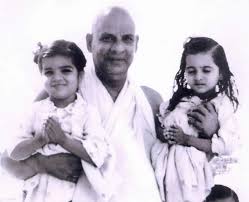
swami sivananda Black-and-white photo of monk holding two young children image
Daily Practice, Swami Sivananda

Conclusion

Conclusion The purpose of Yoga is to create harmony in the physical, vital, mental, psychological and spiritual aspects of the human being. In the foregoing pages of this book, I have described the Technique of relaxation in different postures viz., standing, lying and sitting postures which brings in this harmony. Yoga is not mere practice for an hour or two in a day but it is the most scientific way of living, all the twenty-four hours of the day. During the whole day you may be only in one of these three postures and hence a skilful adjustment in them will effect the required harmony. “Yogasthah Kuru Karmani- Be established in Yoga and do all your duties.” “Yogah karmasu Kausalam-Yoga is skill in action.” Skill here means to be in tune with the nature of the Supreme Reality. Be a Yogin always, is the loving instruction of Lord Krishna. Convert life into Yoga, so that you may ensure success in all the fields of activity. By regular practice, by using your presence of mind, skill and wisdom, you can become Yogins and enjoy happiness and peace, whatever be the circumstances and conditions in which you are placed. May the Grace of Gurudev Sri Swami Sivanandaji Maharaj and the Almighty be ever upon you all!

Conclusion Read Post »

images 92 1
Daily Practice, Swami Sivananda

Dhyana (Meditation)

Dhyana (Meditation) Meditation is the seventh limb according to the Yoga Sutras of sage Patanjali, the eighth being Samadhi. There are many methods of practice of concentration which leads to meditation. The purpose of meditation is to understand the real nature of the object of meditation. The mind is the instrument with which we meditate. A certain amount of the study of the nature of activities of the mind is necessary before one takes up to meditation. The existence of the mind can be found only during its activities. The thief can be found out only during the act of thieving, for at all other times he may look like an ordinary person. When the thief comes to know that the police are after him, he restricts his movements. Similarly, if you begin to study the mind, the mental processes or the activities of the mind will be reduced. There are mainly two stages of meditation. They are: (1) Constantly thinking on one object or thought, to the exclusion of all other objects and thoughts; and (2) keeping the mind free of all thoughts. In the first stage one must concentrate one’s mind on an object, or engage oneself in the repetition of the Mantra into which he is initiated by his preceptor. If one starts repeating the Mantra with concentration on the Mantra, then alone one will come to know the innumerable other thoughts which lie submerged in one’s subconscious and unconscious levels of the mind and which rise to the conscious level and cause disturbance to concentration on the Mantra. When the concentration on one Mantra together with Bhava (feeling of its meaning), is increased through a long and continued practice, the mind reaches the state of meditation. In the second stage, one should sit in a comfortable posture, close the eyes and relax all the limbs of the body from toes to the crown of the head. The ears being open, external sounds naturally will impinge on them. One should be a witness to these external sounds and also be a witness to the inner thoughts that may arise one after another in endless succession. One should not go after those inner thoughts, nor should one pay any serious attention to the external sounds. By complete relaxation in the sitting posture and by remaining as a witness of the internal and external activities of the mind, the mind will become non-objectified, after continued, unbroken practice for a long period. In the early stages care should be taken that one does not go to sleep. Sincerity, earnestness and purity of thought, word and deed, are the important factors for success in the practice of meditation.

Dhyana (Meditation) Read Post »

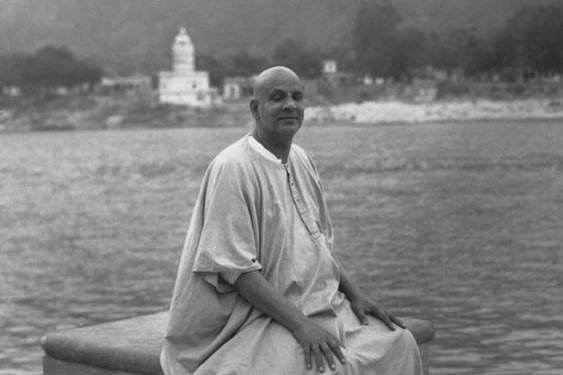
Swami Sivananda seated beside river image
Daily Practice, Swami Sivananda

Pranayama

Pranayama Regulation of Prana (vital force) is called Pranayama. The Prana is not merely the breath. The breathing process, (inhalation, exhalation and retention) does not constitute the Prana by itself, but is an indication that the Prana is working. We cannot see the Prana as it is not a physical object. But we can infer its existence from the process of respiration. Air is taken in and thrown out by a particular action of the Prana. Some hold that there are many Pranas and others think it is one. The Prana is really a single energy, but appears to be many when viewed from the standpoints of its different functions. Pranayama is a method of harmonising not only the breath, but also the senses and the mind. Through the practice of Pranayama, the body becomes strong and healthy. Too much of fat is reduced. There will be lusture in the face of the practitioner who will be free from diseases like cold, cough etc. By the practice of Pranayama, the apices of the lungs will get proper supply of oxygen. There will be an improvement in the quality and quantity of the blood in the system. All the tissues and cells will be nourished with plenty of pure blood and lymph. The process of metabolism will be carried out in an efficient manner. Important Note: (i) Pranayama exercises should be preceded by relaxation in Savasana, so that the body and mind may be calm and undisturbed before starting Pranayama. (ii) All the Pranayama exercises should be practised in any one of the sitting postures with head, neck and spine erect. Deep Breathing Exercise Technique After relaxing in Savasana, sit in any one of the sitting postures according to your convenience. Inhale and exhale through both the nostrils, without producing any sound. During inhalation, expand the chest and lungs and feel that fresh oxygen is entering the system, and during exhalation,contract the lungs as much as possible and also feel that all the impurities are going out. If you feel that the nostrils are blocked due to cold, gently press the right nostril with the right thumb and breathe in; and breathe out through the left nostril, without producing any sound. Then close the left nostril with the help of the little and ring fingers of the right hand, slowly inhale and exhale through the right nostril, without producing any sound. Do this process six times. Gradually increase it to twelve times. This is one round. You can increase the number of rounds according to your strength and capacity. Benefits This clears the bronchial and nasal passages, frees one from cold, headache, etc., and increases the breathing capacity of the lungs. Kapalabhati ‘Kapala’ means skull and ‘Bhati’ means shine. This exercise cleanses the skull. Thus it becomes a purificatory exercise. The regular practice bestows a shining (skull) face to the practitioner. This prepares the student for the practice of Bhastrika Pranayama (see item 3 below). Technique Sit in any one of the sitting postures and keep the spine and neck erect. Exhale quickly through the nostrils with a slight movement of the lower abdomen. Concentrate on the tip of the nose. You should not contract the face muscles. Short inhalation should follow each exhalation. To start with, you can have a speed of one expulsion per second and you can practise one or two rounds, each round consisting of eight or ten expulsions. Take rest with normal breaths after each round. When one is sufficiently advanced in the practice one can increase at the rate of ten expulsions for each round, per week, till one gets 120 expulsions in each round. Two or three rounds may be done in the morning and evening. Benefits This exercise cleanses the skull, the respiratory system and the nasal passages. It destroys diseases of the phlegm. It removes the spasm in the bronchial tubes. Consequently, Asthma is relieved and cured also. The impurities of the blood are thrown out. Heart functions properly. The circulatory, respiratory and digestive systems are toned up to a considerable degree. Bhastrika Bhastrika means bellows. Rapid succession of forcible exhalations is a characteristic feature of the Pranayama. Technique Sit in any of the postures. Rapid and deep expulsion and intake of breath through the nostrils should follow one another in quick succession. With each expulsion and inhalation of breath, contraction and expansion of abdomen should be there. Start with six, eight or ten expulsions of breath for one round, according to your capacity. The final expulsion in each round should follow with deep inhalation and retention of breath as long as you feel comfortable. Rest a while after one round of Bhastrika. Care should be taken that unnecessary pressure is not given on the lungs. Beginners may start with two or three rounds, each round consisting of six to ten expulsions, one expulsion per second. Gradually increase the number of the exhalation and inhalation to 20-30 per round, keeping the number of rounds to 2 or 3. Benefits Bhastrika relieves inflammation of the throat, increases the gastric fire, destroys accumulation of phlegm, removes the diseases of the nose and chest and eradicates asthma, constipation, excess of wind and bile. It gives warmth to the body. The practitioner will keep good health. Sitali Technique Sit in any one of the postures. Open the mouth and form the lips into ‘O’ shape. Protrude the tongue like a tube. Draw in the air through the tongue tube. Fill the lungs with fresh and cool air as much as possible. After inhalation, withdraw the tongue and close the mouth. Lower your head and touch the collar bone with the chin during retention of breath. (For the Posture see page no. 75). Exhale slowly through both the nostrils after bringing your head erect. Practise this daily ten to fifteen times. Benefits This Pranayama cools the system, soothes the eyes and ears and purifies the blood. It quenches thirst and appeases hunger. It cures chronic dyspepsia


Pranayama Read Post »

swami sivananda Framed portrait of monk with garland image
Daily Practice, Swami Sivananda

Sitting Postures

Sitting Postures PADMASANA (LOTUS POSTURE) TECHNIQUE Sit over a folded blanket placed on even floor, with stretched legs. Always keep the spine and neck erect without bend. This is an instruction common to all the sitting postures. Bend the right leg at the knee and place the right foot on the thigh. Then, bend the left leg at the knee and place the left foot on the right thigh. Place the two hands with the palms facing up on the respective knee joints. Let the bent index fingers touch the middle portion of the thumbs and keep the other fingers stretched out. In the alternative, you can make the finger lock, and keep the locked hands over the left ankle. This may be convenient for some persons. In the beginning, sit for ten minutes and gradually increase the duration according to your convenience. SIDDHASANA (ADEPT’S POSTURE) TECHNIQUE Place one heel at the anus, the terminal opening of the alimentary canal or digestive tube. Keep the other heel at the root of the generative organ. The feet and the legs should be so nicely arranged that the ankle-joints should touch each other. Hands can be placed as in Padmasana. SVASTIKASANA (CROSSED LEG POSTURE) TECHNIQUE Fold the left leg and place the feet near the right thigh muscles. Similarly, bend the right leg and push it in the space between the left thigh and calf muscles. Now you find the two feet between the thighs and calves of the legs. Place the hands as in Padmasana. VAJRASANA (ADAMANTINE POSTURE) TECHNIQUE Kneel on the floor; slowly rest the buttocks in between the heels. The calf muscles must touch the thighs. The parts from the toes to the knees should rest on the ground. The entire weight of the body should rest on the knees and ankles. In the beginning of the practice, you may feel a slight pain in the knee and ankle joints, but it will pass away by gradual practice. Place the left and right hand palms on the respective knees. Keep the spine and neck erect. This may be a comfortable sitting posture for many persons. BENEFITS By sitting in any one of the above postures, the body acquires stability which results in the harmonious flow of blood and Prana (Vital Force) in the entire system, which is prerequisite for meditation. These sitting postures strengthen the waist, tone up the nervous system and balance the vital forces. If one sits in this Vajrasana for about half an hour immediately after food, the food will be digested well. The nerves, muscles of the legs and thighs are strengthened.

Sitting Postures Read Post »

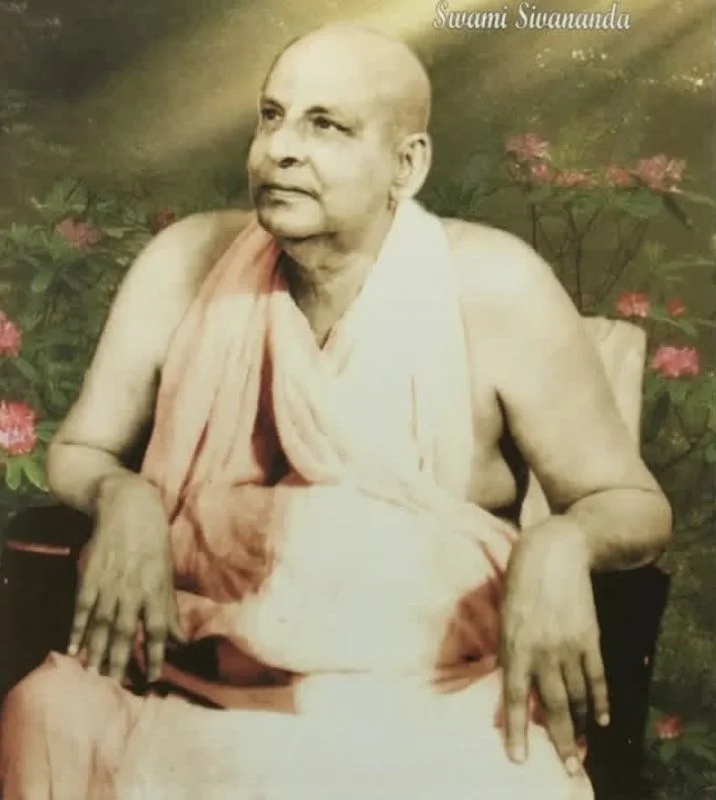
swami sivananda Portrait of Swami Sivananda seated with floral background image
Daily Practice, Swami Sivananda

Yoga Mudra (Yogin’s sealing posture)

Yoga Mudra (Yogin’s sealing posture) TECHNIQUE Sit on a folded blanket. Form a foot-lock by placing the right foot over the left thigh and left foot over the right thigh. In other words, assume the Padmasana posture. Keeping the head and spine erect, throw the hands to the back. With the left hand catch hold of the right wrist, behind the trunk. Exhale and slowly bend forward until the forehead touches the floor. Retain in this posture without inhalation, (or with normal breathing, whichever you feel comfortable) for ten seconds in the beginning. Concentrate on the forehead, abdomen and back muscles. Then, slowly return to the upright sitting position and release the hands. Gradually increase the duration from five to six minutes with normal breathing. Variation: Instead of catching hold of the wrist, you may catch hold of the toes, the right toes by the right hand and the left toes by the left hand, as in the picture. BENEFITS This removes abdominal disorders and tones up the abdominal organs of secretion. This also intensifies the peristaltic activity, removes constipation and increases the digestive power. This Asana also helps to awaken the Kundalini Sakti.

Yoga Mudra (Yogin’s sealing posture) Read Post »

image 18
Daily Practice, Swami Sivananda

Mayurasana (Peacock Posture)

Mayurasana (Peacock Posture) TECHNIQUE Kneel on the floor with the knees slightly apart and the toes resting on the ground. Bend the body forward, join the arms together and rest the palms on the floor, with the two little fingers touching each other, and all the fingers pointing to the feet. Keep the arms firm, bent at the elbows. Let the forearms be kept close together. Slowly bend forward and rest the abdomen on the elbows, and the chest on the upper part of the arms. Stretch the legs back one by one, and keep them together, stiff. Exhale and stretch your body, raising and keeping the legs straight. Secure balance and further stretch out the body parallel to the ground, and remain in the pose as long as you can comfortably. Retain the posture for a few seconds to start with. Gradually increase the duration to two or three minutes with normal breathing. To release from the pose, first lower the head and then the legs. Then place the knees by the side of the hands and thereafter release the position of the hands. Lie flat on the floor and relax in Savasana. You would notice that your balance and the duration of stay in the Asana, increase as your wrists gradually gain strength. Note: Beginners may find it difficult to maintain the balance when they raise the feet off the ground. Sometimes, they may have a fall forwards and may cause hurt to their nose. To avoid this, a cushion may be kept in front. When there is any difficulty to keep the balance, try to slip on the sides. In the final position, the head, trunk, legs and feet will be in one straight line, parallel to the ground. BENEFITS Besides strengthening the forearms, elbows and wrists, this Asana removes various abdominal diseases. It increases digestive power and tones up the stomach, kidneys and spleen. It is specially beneficial to those suffering from diabetes. Proper circulation of fresh blood is effected into the internal organs of the abdominal region.

Mayurasana (Peacock Posture) Read Post »

swami sivananda Framed portrait of monk with umbrella
Daily Practice, Swami Sivananda

Ardha-Matsyendrasana (Lateral spinal twist posture)

Ardha-Matsyendrasana (Lateral spinal twist posture) TECHNIQUE Sit on the floor with legs stretched out. Bend the right leg at the knee and set the heel firmly against the perineum. Bend the left leg at the knee and lifting it from the floor with the support of the hands, place it by the side of the right thigh so that the left outer ankle touches the outer right thigh. Be secure in this position and keep the shin perpendicular to the floor. Now turn the trunk 90 degrees to the left, so that the right armpit touches the outer side of the left knee. Passing the right hand over the left knee, firmly catch hold of the left big toe with the right hand. Swing the left hand back and bring it round the right side of the waist to catch the right thigh. Turn the head over the left shoulder and direct the gaze over it. Give a full twist to the spine and stiffen the position. Retain the posture with normal breathing. Concentrate on the spine and the flow of breath. Remain in the posture for thirty seconds to one minute, and gradually increase to two to three minutes and then release. Repeat the same process by bending the left leg. BENEFITS A steady practice of this Asana cures lumbago and other muscular pains of the back. The spine is made elastic. The muscles and organs of the abdominal region are massaged. The roots of the nerves at the spine and the sympathetic system are toned up with a good supply of fresh and pure blood. Constipation and dyspepsia are removed. The nervous system and the vertebrae of the spinal column are given good exercise and they are toned up.
Ardha-Matsyendrasana (Lateral spinal twist posture) Read Post »

swami sivananda laughing joyfully with disciple in vintage photo
Daily Practice, Swami Sivananda

Ardha-Matsyendrasana (Lateral spinal twist posture)

Ardha-Matsyendrasana (Lateral spinal twist posture) Matsyendra here refers to the Rishi or the teacher who first taught this Asana. TECHNIQUE Sit on the floor with legs stretched out. Bend the right leg at the knee and set the heel firmly against the perineum. Bend the left leg at the knee and lifting it from the floor with the support of the hands, place it by the side of the right thigh so that the left outer ankle touches the outer right thigh. Be secure in this position and keep the shin perpendicular to the floor. Now turn the trunk 90 degrees to the left, so that the right armpit touches the outer side of the left knee. Passing the right hand over the left knee, firmly catch hold of the left big toe with the right hand. Swing the left hand back and bring it round the right side of the waist to catch the right thigh. Turn the head over the left shoulder and direct the gaze over it. Give a full twist to the spine and stiffen the position. Retain the posture with normal breathing. Concentrate on the spine and the flow of breath. Remain in the posture for thirty seconds to one minute, and gradually increase to two to three minutes and then release. Repeat the same process by bending the left leg. BENEFITS A steady practice of this Asana cures lumbago and other muscular pains of the back. The spine is made elastic. The muscles and organs of the abdominal region are massaged. The roots of the nerves at the spine and the sympathetic system are toned up with a good supply of fresh and pure blood. Constipation and dyspepsia are removed. The nervous system and the vertebrae of the spinal column are given good exercise and they are toned up.

Ardha-Matsyendrasana (Lateral spinal twist posture) Read Post »

swami sivananda Vintage photo of garlanded guru seated outdoors with attendant image
Daily Practice, Swami Sivananda

Chakrasana (Wheel posture)

Chakrasana (Wheel posture) TECHNIQUE Lie down on your back. Bend the legs at the knees and place the soles on the ground near the buttocks. Place the palms by the side of your head, fingers pointing towards the body. Slowly raise the body up by resting on the hands and feet, thus making a curve of your spine. Retain the posture for five seconds, and gradually increase the duration to one or two minutes. Concentrate on spine with normal breathing. BENEFITS All the benefits of Salabha, Bhujanga and Dhanurasanas are derived from this Asana. All parts of the body are given proper exercise during this posture.

Chakrasana (Wheel posture) Read Post »

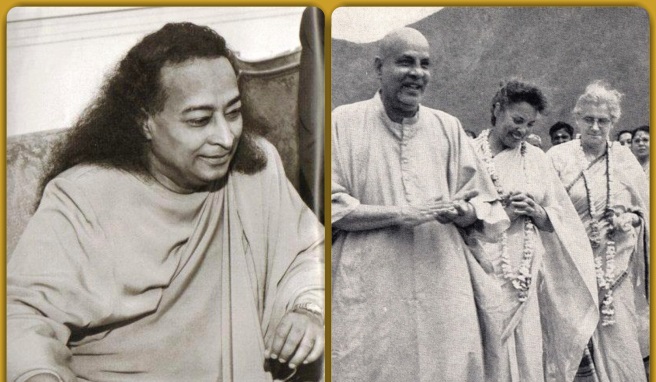
Swami Sivananda collage with Spiritual teachers picture
Daily Practice, Swami Sivananda

Makarasana (Crocodile Posture)

Makarasana (Crocodile Posture) TECHNIQUE Lie down face prone on the floor. Keep your crossed folded hands below the head, palms resting on the shoulders. Stretch the legs as far as possible, toes pointing outwards. Relax in this posture for two to three minutes, with normal breathing. BENEFITS The muscles that are put under severe strain demand relaxation and rest, and it is Makarasana that promptly and efficiently ensures complete relaxation and perfect ease to these muscles.

Makarasana (Crocodile Posture) Read Post »