


















Hari Om

Menu

February 3, 2026

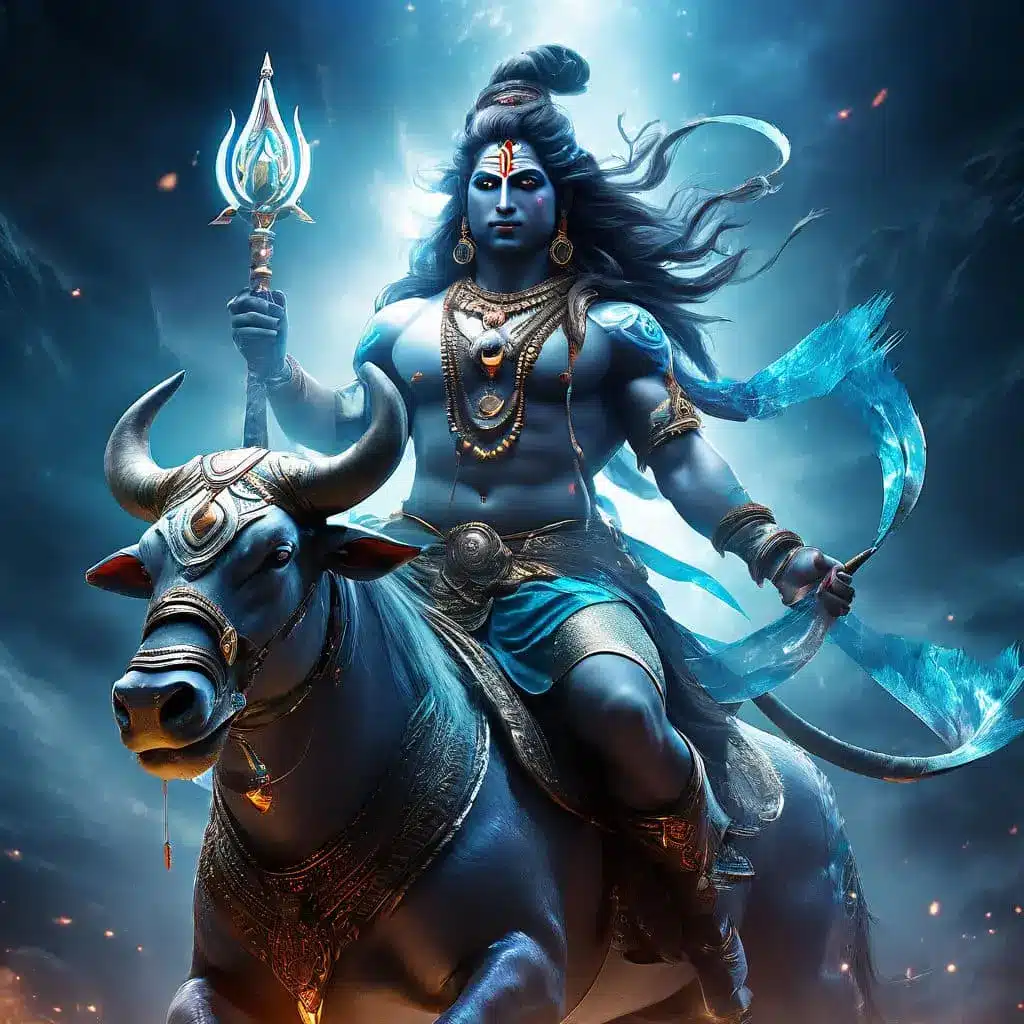
Goddess Parvati seated on Nandi with trident image
Uncategorized

Shakradaya Stuti

Shakradaya Stuti शक्रादयः सुरगणा निहतेऽतिवीर्येतस्मिन्दुरात्मनि सुरारिबले च देव्या ।तां तुष्टुवुः प्रणतिनम्रशिरोधरंसावाग्भिः प्रहर्षपुलकोद्गमचारुदेहाः ॥१॥ ṣakra-[ā]adayah Sura-ġannā ṇihate-[ā]ti-Vīryeṭasmin-ḍurātmani Sura-āri-Bale Ca ḍevyā |ṭām ṭussttuvuh Prannati-ṇamra-ṣirodharamsāVāgbhih Praharssa-Pulako[a-ū]dgama-Cāru-ḍehāh ||1|| Devas eulogize the devi with ecstatic devotion: Shakra (Indra) and other suras (rejoiced), when Mahishasura of great strength and his army who were the enemies of the devas was killed by devi, the devas eulogized her, bowing their heads and shoulders in reverence, they eulogized her by their speech, as the hairs on their beautiful bodies stood on their ends due to joy mixed with awe and reverence. देव्या यया ततमिदं जगदात्मशक्त्यानिःशेषदेवगणशक्तिसमूहमूर्त्या ।तामम्बिकामखिलदेवमहर्षिपूज्यांभक्त्या नताः स्म विदधातु शुभानि सा नः ॥२॥ ḍevyā ẏayā ṭatam-īdam Jagad-āatma-ṣaktyāṇihśessa-ḍeva-ġanna-ṣakti-Samūha-ṃūrtyā |ṭām-āmbikām-ākhila-ḍeva-ṃaharssi-PūjyāmBhaktyā ṇatāh Sma Vidadhātu ṣubhāni Sā ṇah ||2|| The universe is pervaded by the power of the devi: by that devi, by whose power is pervaded this universe, by whose power is manifested the powers of all the devas, that Ambika who is worthy of worship by all the devas and maharshis, we ever bow down to her with devotion; may she bestow us with all auspiciousness. यस्याः प्रभावमतुलं भगवाननन्तोब्रह्मा हरस्च न हि वक्तुमलं बलं च ।सा चण्डिकाखिलजगत्परिपालनायनाशाय चाशुभभयस्य मतिं करोतु ॥३॥ ẏasyāh Prabhāvam-ātulam Bhagavān-ānantoBrahmā ḥaras-Ca ṇa ḥi Vaktum-ālam Balam Ca |Sā Cannddikā-[ā]khila-Jagat-Paripālanāyaṇāśāya Ca-āśubha-Bhayasya ṃatim k͟harotu ||3|| The incomparable greatness and strength of devi cannot be described: whose incomparable greatness, even bhagavan Ananta (Vishnu), Brahma and Hara (Shiva) are not able to describe; and similarly whose incomparable strength cannot be limited by description, may that Chandika for protecting and sustaining the entire world, be inclined towards destroying the fear of evil from our minds i.e. destroying the evil forces which are present. या श्रीः स्वयं सुकृतिनां भवनेष्वलक्ष्मीःपापात्मनां कृतधियां हृदयेषु बुद्धिः ।श्रद्धा सतां कुलजनप्रभवस्य ल्ज्जातां त्वां नताः स्म परिपालय देवि विश्वम् ॥४॥ ẏā ṣrīh Svayam Sukrtinām Bhavanessv[u]-ālakssmīhPāpātmanām k͟hrtadhiyām ḥrdayessu Buddhih |ṣraddhā Satām k͟hulajana-Prabhavasya l̤ajjāṭām ṭvām ṇatāh Sma Paripālaya ḍevi Viśvam ||4|| Devi is good-fortune of the virtuous, ill-fortune of the evil-minded, as well as intelligence, shraddha and modesty: She who herself is great-fortune in the dwellings of the virtuous, and similarly ill-fortune in the dwellings of the evil-minded; she who herself is the intelligence arising within the hearts of those of steady mind, and shraddha arising within the hearts of the good (i.e. saintly); and she who herself is the modesty (shrinking away from stooping low) of the distinguished noble-hearted ones, to her we ever bow down in reverence; O devi, please protect and sustain this world by your power. किं वर्णयाम तव रूपमचिन्त्यमेतत्किञ्चातिवीर्यमसुरक्षयकारि भूरि ।किं चाहवेषु चरितानि तवाति यानिसर्वेषु देव्यसुरदेवगणादिकेषु ॥५॥ k͟him Varnnayāma ṭava ṟūpam-ācintyam-ĕtatk͟hin.-Ca-āti-Vīryam-āsura-k͟hssaya-k͟hāri Bhūri |k͟him Ca-āhavessu Caritāni ṭava-āti ẏāniSarvessu ḍevy-āsura-ḍeva-ġanna-[ā]adik-ĕssu ||5|| The inconceivable form, power and deeds of the devi cannot be described: O devi how can we describe your inconceivable beauty (this which we witnessed)? and similarly, how can we describe your great power which diminishes (the power of) the numerous asuras (in the battle)? and again, how can we describe your great deeds in the battle, which O devi, (shine) among all the hosts of devas, asuras and others? हेतुः समस्तजगतां त्रिगुणापि दोषैर्_न ज्ञायसे हरिहरादिभिरप्यपारा ।सर्वाश्रयाखिलमिदं जगदंशभूतम्_अव्याकृता हि परमा प्रकृतिस्त्वमाद्या ॥६॥ ḥetuh Samasta-Jagatām ṭri-ġunna-āpi ḍossair_ṇa Jnyāyase ḥari-ḥara-[ā]adibhir-āpy[i]-āpārā |Sarva-[ā]aśraya-ākhilam-īdam Jagad-āmśa-Bhūtam_āvyākrtā ḥi Paramā Prakrtis-ṭvam-āadyā ||6|| Devi is the changeless cause of all the worlds but is not contaminated by the defects of the gunas: O devi you are the cause of all the worlds, but even then not contaminated by the defects (doshas) of the three gunas (by which the worlds are created), your boundless nature is not known even to Hari, Hara and others, you are the support of all, and this whole universe is produced from your part, but you remain changeless as the substratum consciousness; you who are the supreme primordial prakriti. यस्याः समस्तसुरता समुदीरणेनतृप्तिं प्रयाति सकलेषु मखेषु देवि ।स्वाहासि वै पितृगणस्य च तृप्तिहेतुर्_उच्चार्यसे त्वमत एव जनैः स्वधा च ॥७॥ ẏasyāh Samasta-Suratā Samudīrannenaṭrptim Prayāti Sakalessu ṃakhessu ḍevi |Svāhā-[ā]si Vai Pitr-ġannasya Ca ṭrptihetur_ūccāryase ṭvam-āta ĕva Janaih Svadhā Ca ||7|| Devi is the swaha and devi is the swadha of the sacrifice: O devi by uttering which, all the suras (devas) Obtain satisfaction in all the yagnas (sacrifices); O devi, you indeed are that swaha; and for the satisfaction of the pitriganas (manes) (that which) is uttered by the people (in the yagnas), you indeed are also that swadha. या मुक्तिहेतुरविचिन्त्यमहाव्रता त्वंअभ्यस्यसे सुनियतेन्द्रियतत्त्वसारैः ।मोक्षार्थिभिर्मुनिभिरस्तसमस्तदोषैर्_विद्यासि सा भगवती परमा हि देवि ॥८॥ ẏā ṃukti-ḥetur-āvicintya-ṃahā-Vratā ṭvamābhyasyase Suniyate[a-ī]ndriya-ṭattva-Sāraih |ṃokssa-ārthibhir-ṃunibhir-āsta-Samasta-ḍossair_Vidyā-[ā]si Sā Bhagavatī Paramā ḥi ḍevi ||8|| Devi is the great penance for the cause of liberation: O devi you are that inconceivable great penance for the cause of liberation (moksha), which is practiced with well-controlled sense organs and meditation on the essence of reality (i.e. consciousness) by the great munis with longing for liberation (moksha); whose all blemishes have vanished, you are that supreme vidya, (you are) that Bhagavati, O devi (who takes one towards liberation). शब्दात्मिका सुविमलर्ग्यजुषां निधानम्उद्गीथरम्यपदपाठवतां च साम्नाम् ।देवी त्रयी भगवती भवभावनायवार्ता च सर्वजगतां परमार्तिहन्त्री ॥९॥ ṣabda-[ā]atmikā Suvimala-ṟg-ẏajussām ṇidhānamūdgītha-ṟamya-Pada-Pātthavatām Ca Sāmnām |ḍevī ṭrayī Bhagavatī Bhava-BhāvanāyaVārtā Ca Sarva-Jagatām Parama-[ā]arti-ḥantrī ||9|| Devi is the sabda Brahman behind the rig, yajur and sama recitals of the vedas: O devi you are the shabda brahman manifesting through the treasure of the very pure rig and yajur mantras, and through the delightful udgitha of the sama recitals, O devi, you are the embodiment of the three vedas; and O Bhagavati, your thought of the world is the supreme message (Of sabda brahman), (continuously being recited) underlying all the worlds, which is the supreme destroyer of all inner distress (when comprehended). मेधासि देवि विदिताखिलशास्त्रसारादुर्गासि दुर्गभवसागरनौरसङ्गा ।श्रीः कैटभारिहृदयैककृताधिवासागौरि त्वमेव शशिमौलिकृतप्रतिष्ठा ॥१०॥ ṃedhā-[ā]si ḍevi Vidita-ākhila-ṣāstra-Sārāḍurgāsi ḍurgabhavasāgaranaurasanggā |ṣrīh k͟haittabha-āri-ḥrdayai[a-ĕ]ka-k͟hrta-ādhivāsāġauri ṭvam-ĕva ṣaśi-ṃauli-k͟hrta-Pratisstthā ||10|| Devi is the intelligence by which the essence of all the scriptures are comprehended: O devi you are the intelligence (medha) by which the essence of all the scriptures (sastras) are comprehended, you are Durga which is the boat which carries one beyond the difficult ocean of worldly attachments to the ever detached state (Of bliss-consciousness), you are Sri, who alone made her abode in the heart
Shakradaya Stuti Read Post »

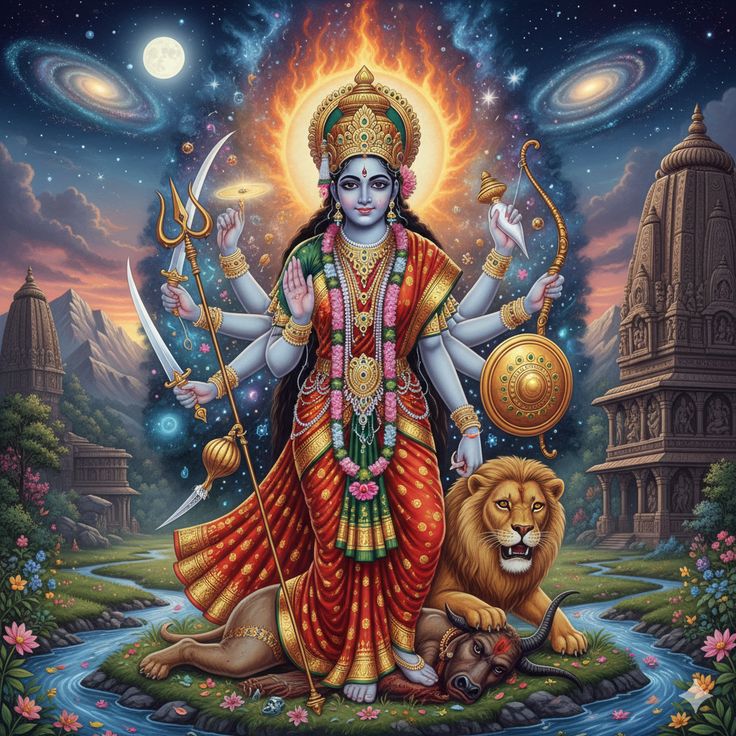
Goddess Durga standing with lion and weapons under cosmic sky picture
Durga

Sarva Mangala Mangalye

Sarva Mangala Mangalye सर्वमङ्गलमाङ्गल्ये शिवे सर्वार्थसाधिके ।शरण्ये त्र्यम्बके गौरि नारायणि नमोऽस्तु ते ॥ sarvamaṅgalamāṅgalye śive sarvārthasādhike .śaraṇye tryambake gauri nārāyaṇi namo’stu te .. O the most auspicious among all that is auspicious, O consort of Shiva, the fulfiller of all objectives and desires! O refuge of all seekers, O three-eyed one, O Gauri (the radiant goddess)! O Nārāyaṇi, I bow to you in reverence and offer my salutations. Description This verse is a heartfelt invocation to the Goddess, seeking her blessings and protection. It praises her as the source of all auspiciousness, the granter of all desires, and the one who offers refuge. The Goddess is revered in her various forms: Gauri (the fair one), Tryambake (the three-eyed), and Narayani (connected with Vishnu). The prayer is often recited to invite prosperity, well-being, and divine grace, requesting the removal of obstacles and protection in every aspect of life. Word-by-Word meaning sarvamaṅgalamāṅgalye: the most auspicious among all that is auspiciousśive: O benevolent onesarvārthasādhike: one who fulfills all desires and grants all achievements śaraṇye: O refuge of all beings, the one who offers protectiontryambake: the three-eyed goddess (a reference to Goddess Parvati)gauri: O fair-complexioned one nārāyaṇi: consort of Lord Narayana (Vishnu)namo’stu te: I bow to You A powerful Durga Devi mantra. It is from Devi Mahatyam which is part of Markandeya Purana. When Goddess killed two demons Sumbha and Nisumbha, Devas eulogized Devi with their hymns. This hymn is part of their eulogy to Divine Mother. This shlokam comprises seven names praising Goddess Durga. Sarva Mangala Mangalye, Shive, Sarvartha Sadhike, Sharanye, Triyambake, Gauri, Narayani We bow to that great Goddess, the Shakti as the giver of all fortunes and our refuge, our saviour. Commentries on the Devi Mahatyam instruct that this Shlokam can be chanted 7 times daily on a regular basis to attain the blessings of the Goddess. Note: Although Sarvartha Sadhike literally means to say that She fulfills the desires of all, there is another meaning for Sarvartha – the 4 (arthas) attainments in a human life:Dharma (Righteousness, Dutiful Living)Artha (Prosperity, Wealth)Kama (Desire)Moksha (Liberation) Note: There are interpretations of this verse to be dedicated to Goddess Lakshmi as well. In reality those with wisdom do not differentiate between the 3 goddess deities of Lakshmi, Saraswati and Parvati (Durga) and worship all three as the same divine Mother of all.

Sarva Mangala Mangalye Read Post »

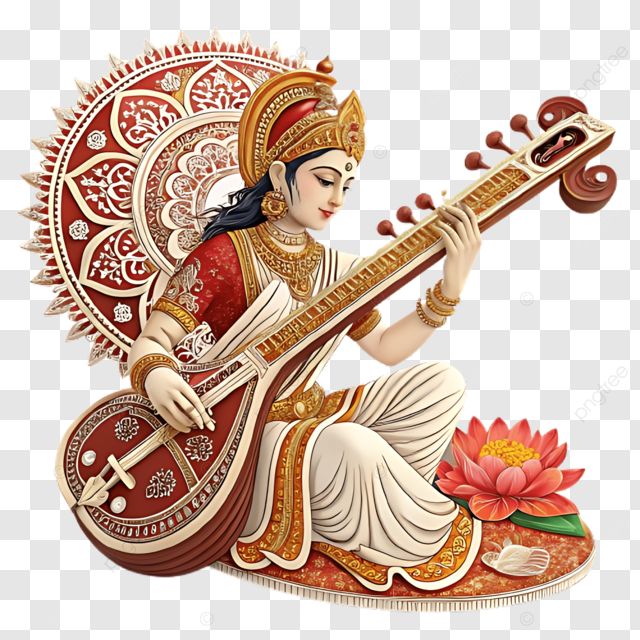
Maa Saraswati sitting with veena and decorative halo picture
Durga

Navadurga Stotram

Navadurga Stotram नवदुर्गास्तोत्रम्देवी शैलपुत्री ।वन्दे वाञ्छितलाभाय चन्द्रार्धकृतशेखराम् ।वृषारूढां शूलधरां शैलपुत्रीं यशस्विनीम् ॥ navadurgāstotramdevī śailaputrī .vande vāñchitalābhāya candrārdhakṛtaśekharām .vṛṣārūḍhāṃ śūladharāṃ śailaputrīṃ yaśasvinīm .. देवी ब्रह्मचारिणी ।दधाना करपद्माभ्यामक्षमालाकमण्डलू ।देवी प्रसीदतु मयि ब्रह्मचारिण्यनुत्तमा ॥ devī brahmacāriṇī .dadhānā karapadmābhyāmakṣamālākamaṇḍalū .devī prasīdatu mayi brahmacāriṇyanuttamā .. देवी चन्द्रघण्टेति ।पिण्डजप्रवरारूढा चण्डकोपास्त्रकैर्युता ।प्रसादं तनुते मह्यं चन्द्रघण्टेति विश्रुता ॥ devī candraghaṇṭeti .piṇḍajapravarārūḍhā caṇḍakopāstrakairyutā .prasādaṃ tanute mahyaṃ candraghaṇṭeti viśrutā .. देवी कूष्मांडा ।सुरासम्पूर्णकलशं रुधिराप्लुतमेव च ।दधाना हस्तपद्माभ्यां कूष्माण्डा शुभदास्तु मे ॥ devī kūṣmāṃḍā .surāsampūrṇakalaśaṃ rudhirāplutameva ca .dadhānā hastapadmābhyāṃ kūṣmāṇḍā śubhadāstu me .. देवीस्कन्दमाता ।सिंहासनगता नित्यं पद्माश्रितकरद्वया ।शुभदास्तु सदा देवी स्कन्दमाता यशस्विनी ॥ devīskandamātā .siṃhāsanagatā nityaṃ padmāśritakaradvayā .śubhadāstu sadā devī skandamātā yaśasvinī .. देवीकात्यायनी ।चन्द्रहासोज्ज्वलकरा शार्दूलवरवाहना ।कात्यायनी शुभं दद्यादेवी दानवघातिनी ॥ devīkātyāyanī .candrahāsojjvalakarā śārdūlavaravāhanā .kātyāyanī śubhaṃ dadyādevī dānavaghātinī .. देवीकालरात्रि ।एकवेणी जपाकर्णपूरा नग्ना खरास्थिता ।लम्बोष्ठी कर्णिकाकर्णी तैलाभ्यक्तशरीरिणी ॥ devīkālarātri .ekaveṇī japākarṇapūrā nagnā kharāsthitā .lamboṣṭhī karṇikākarṇī tailābhyaktaśarīriṇī .. वामपादोल्लसल्लोहलताकण्टकभूषणा ।वर्धन्मूर्धध्वजा कृष्णा कालरात्रिर्भयङ्करी ॥ vāmapādollasallohalatākaṇṭakabhūṣaṇā .vardhanmūrdhadhvajā kṛṣṇā kālarātrirbhayaṅkarī .. देवीमहागौरी ।श्वेते वृषे समारूढा श्वेताम्बरधरा शुचिः ।महागौरी शुभं दद्यान्महादेवप्रमोददा ॥ devīmahāgaurī .śvete vṛṣe samārūḍhā śvetāmbaradharā śuciḥ .mahāgaurī śubhaṃ dadyānmahādevapramodadā .. देवीसिद्धिदात्रि ।सिद्धगन्धर्वयक्षाद्यैरसुरैरमरैरपि ।सेव्यमाना सदा भूयात् सिद्धिदा सिद्धिदायिनी ॥ devīsiddhidātri .siddhagandharvayakṣādyairasurairamarairapi .sevyamānā sadā bhūyāt siddhidā siddhidāyinī .. इति नवदुर्गास्तोत्रं सम्पूर्णम् । iti navadurgāstotraṃ sampūrṇam . Navadurga Stotram – Introduction The Navadurga Stotram is a sacred hymn dedicated to the nine forms of Goddess Durga, collectively known as the Navadurga (nava means nine). This devotional text holds special significance during the nine-day festival of Navaratri, when each form of the goddess is worshipped on successive days. The stotram serves as a comprehensive prayer that honors the divine feminine in her various manifestations, from the gentle mountain daughter to the fierce destroyer of evil. Each verse is dedicated to one of the nine forms, beginning with Shailaputri and progressing through Brahmacharini, Chandraghanta, Kushmanda, Skandamata, Katyayani, Kalaratri, Mahagauri, and concluding with Siddhidatri. The Navadurga Stotram encompasses the complete spectrum of divine feminine energy, from nurturing motherhood to fierce protection. Each of the nine verses captures the unique attributes, iconography, and spiritual significance of the respective goddess form. The hymn progresses through various aspects of divine power. Nine forms of Durga Shailaputri (1st Day of Navaratri)Meaning: “Daughter of the Mountain” (Shaila = mountain, Putri = daughter)The daughter of the mountains, depicted riding a bull and carrying a trident. She is worshipped for strength, stability, and grounding energy to begin the spiritual journey. Brahmacharini (2nd Day of Navaratri)Meaning: “One who practices devotion” (Brahma = divine/sacred, Charini = one who moves/practices)The ascetic form holding a rosary and water pot, representing penance and devotion. She is worshipped for wisdom, knowledge, and spiritual discipline in studies and meditation. Chandraghanta (3rd Day of Navaratri)Meaning: “Moon Bell” (Chandra = moon, Ghanta = bell)The warrior goddess with a crescent moon on her forehead, riding a tiger. She is worshipped for courage, protection from enemies, and victory in battles both external and internal. Kushmanda (4th Day of Navaratri)Meaning: “Creator of the Universe” (Ku = little, Ushma = warmth/energy, Anda = egg/universe)The cosmic creator with eight arms, residing in the sun’s core and holding various weapons. She is worshipped for health, wealth, prosperity, and the power of creation and manifestation. Skandamata (5th Day of Navaratri)Meaning: “Mother of Skanda” (Skanda = Lord Kartikeya, Mata = mother)The mother of Lord Skanda (Kartikeya), depicted holding her son while riding a lion. She is worshipped for motherly protection, fertility, and blessings for children and family welfare. Katyayani (6th Day of Navaratri)Meaning: “Daughter of Sage Katyayana” (born from Sage Katyayana’s penance)The fierce warrior goddess born from the combined energies of all gods to defeat Mahishasura. She is worshipped for marriage, love relationships, and the destruction of evil forces. Kalaratri (7th Day of Navaratri)Meaning: “Night of Death/Destruction” (Kala = time/death, Ratri = night)The dark, fierce form with four arms riding a donkey, destroyer of demons and negativity. She is worshipped for protection from fear, removal of obstacles, and elimination of negative energies. Mahagauri (8th Day of Navaratri)Meaning: “Great White One” (Maha = great, Gauri = fair/white)The radiant, white-complexioned goddess symbolizing purity and peace. She is worshipped for purification of sins, inner cleansing, and attaining spiritual enlightenment and serenity. Siddhidatri (9th Day of Navaratri)Meaning: “Giver of Supernatural Powers” (Siddhi = supernatural powers, Datri = giver)The supreme goddess who grants all supernatural powers (siddhis) and sits on a lotus. She is worshipped for the fulfillment of desires, spiritual accomplishments, and the attainment of divine powers. This Navadurga stotram is traditionally recited during Navaratri celebrations, daily worship, and personal spiritual practice, believed to invoke the blessings and protection of all nine forms of the Divine Mother while guiding devotees through different stages of spiritual evolution.

Navadurga Stotram Read Post »



