























Varaha Purana
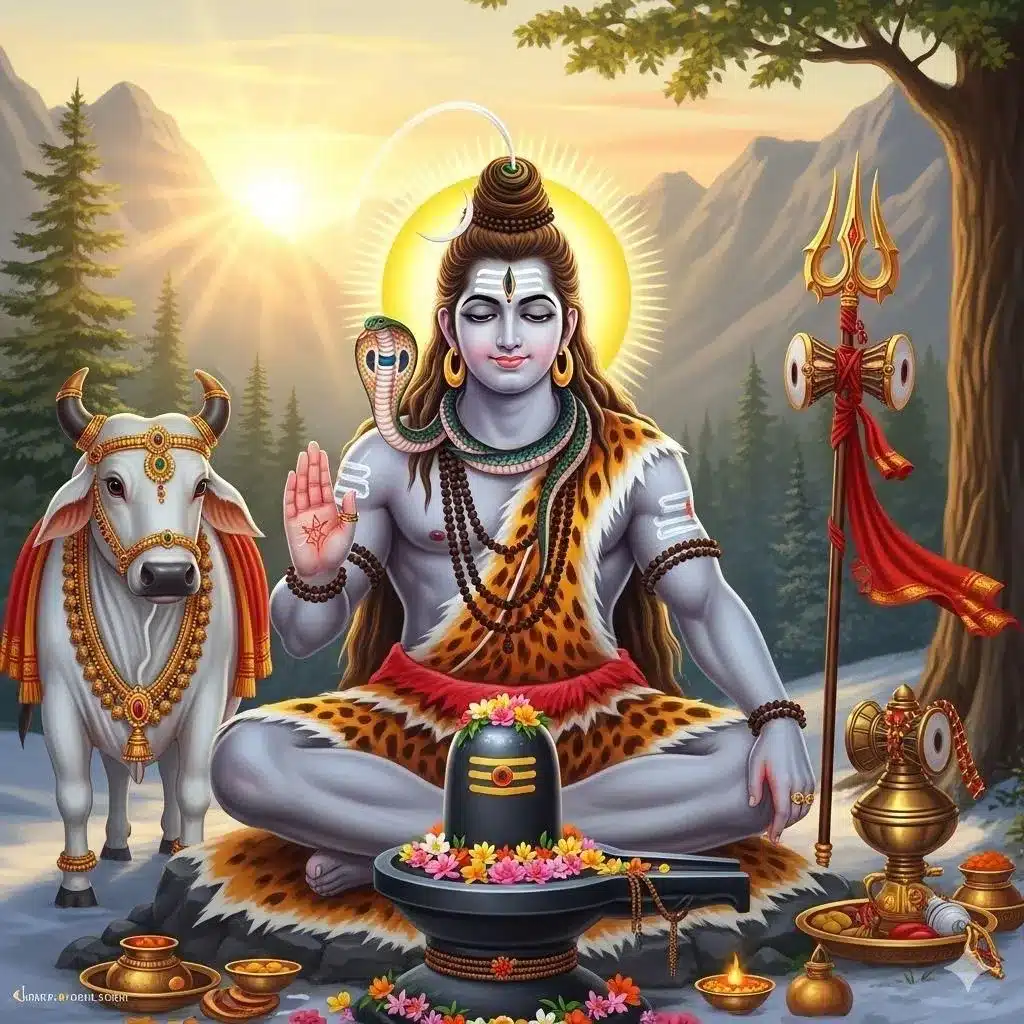
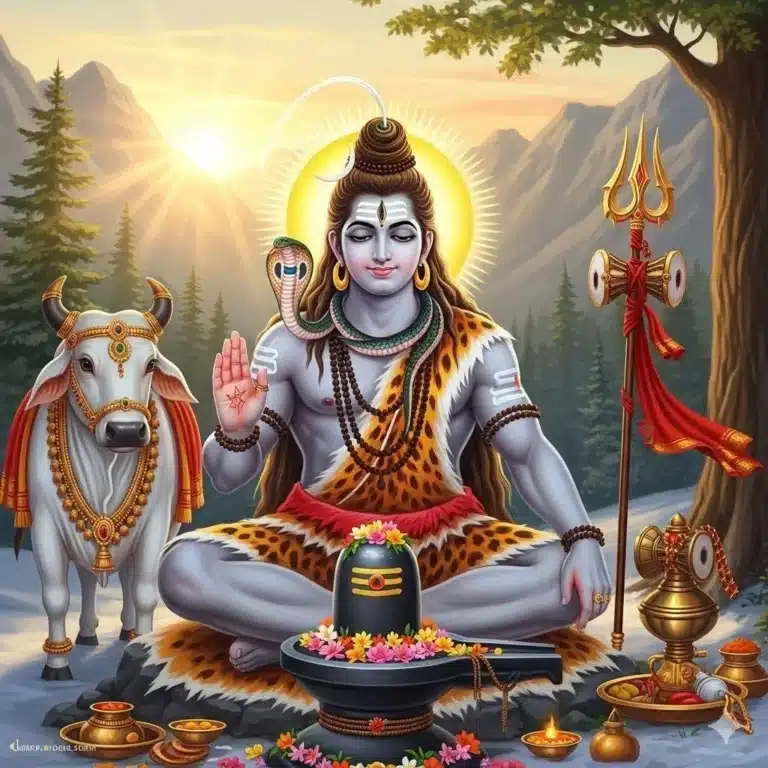
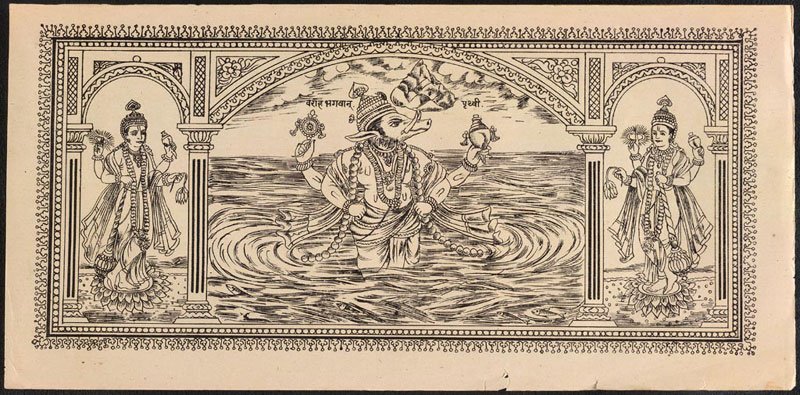
Varaha Puran The Varāha Purāṇa is one of the eighteen Mahāpurāṇas of Hindu tradition. It takes its name from Varāha, the boar incarnation (avatāra) of Vishnu, who rescues the earth goddess (Bhūdevī) from the cosmic waters. Yet, like many Purāṇas, its contents extend far beyond the myth suggested by its title. The extant text is a wide-ranging compilation of mythology, theology, sacred geography, and ritual instructions, reflecting centuries of religious development. Date and Composition The Varāha Purāṇa, like most Purāṇas, is not the work of a single author or time. Scholars generally agree that its core composition dates between the 7th and 10th centuries CE, with additional material inserted during the medieval period up to perhaps the 12th century. Older references suggest the original work may have contained over 24,000 verses, but surviving manuscripts preserve only about 10,000–14,000 verses in roughly 215 chapters. This indicates significant loss or reshaping over time. The text is presented primarily as a dialogue between Vishnu in his Varāha form and Bhūdevī, though other sages and deities contribute to the narrative in different sections. Structure and Themes The Varāha Purāṇa does not always follow the fivefold pañcalakṣaṇa structure (creation, dissolution, genealogies, reigns of Manus, dynastic history) expected of a Purāṇa. Instead, it focuses on: Religious Orientation Although named after a Vishnu avatāra, the Purāṇa is not purely Vaishnava. Large sections glorify Shiva, sacred lingas, and goddess shrines, making the text pluralistic and inclusive. This syncretism reflects the broader role of Purāṇas as shared religious texts rather than strictly sectarian scriptures. Cultural and Historical Significance The Varāha Purāṇa is especially valuable for its detailed tīrtha-māhātmya passages, which illuminate how Hindu sacred geography developed in the medieval period. Pilgrimage guides embedded in the text helped to establish networks of holy sites, sanctify landscapes, and promote temple cultures in various regions. Its integration of cosmological myth, practical ritual, and sacred geography shows how Purāṇas were designed to link cosmic truths with daily religious life. The Varāha myth itself, symbolizing the rescue of the earth, was connected with the idea of Vishnu as protector of cosmic order, reinforcing his centrality in Hindu devotion. Historical Influence While not as famous as the Bhāgavata or Viṣṇu Purāṇa, the Varāha Purāṇa remains important as a regional and devotional text, shaping temple practices and pilgrimage traditions. For historians, it provides a window into the religious pluralism of early medieval India and the ways in which myth, geography, and ritual were interwoven into a single Purāṇic framework.