








Hari Om

Menu

Hindu festivals

ebfccc45bd38e664152eab03f5ba658a
Hindu festivals

Janmashtami

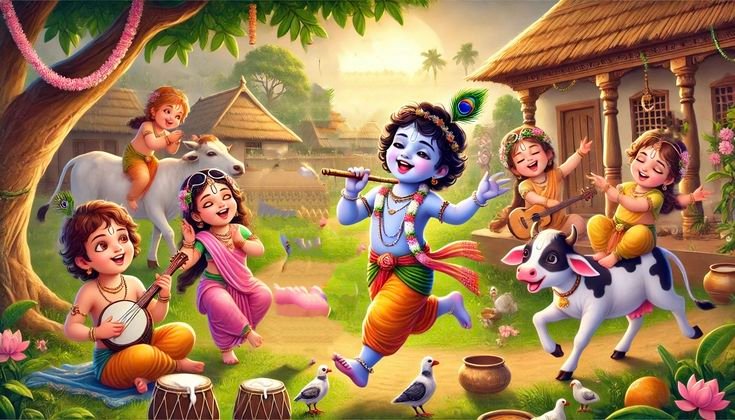
Janmashtami Janmashtami, also called Krishna Janmashtami, is a Hindu festival that celebrates the birth of Lord Krishna, the eighth incarnation (avatar) of Lord Vishnu. It is observed on the Ashtami (eighth day) of the Krishna Paksha (dark fortnight) in the month of Bhadrapada (August–September), according to the Hindu lunar calendar. The festival holds deep spiritual, cultural, and devotional significance and is celebrated across India with great fervor. Janmashtami, also known as Krishna Janmashtami, is a vibrant Hindu festival celebrating the birth of Lord Krishna, the eighth incarnation of Lord Vishnu. Observed on the eighth day of the dark fortnight in the month of Bhadrapada, the festival honors Krishna’s divine life, teachings, and playful exploits, inspiring devotion, righteousness, and joy. Rituals & Traditions of Janmashtami Janmashtami is celebrated with devotion, joy, and vibrant cultural traditions across India, each highlighting different aspects of Lord Krishna’s life. Devotees observe fasting throughout the day, often consuming only fruits or milk products, and keep night-long vigils (Jagran) in anticipation of Krishna’s birth at midnight. Homes and temples are decorated with flowers and lights, and Krishna idols are placed in cradles symbolizing his birth, which are rocked amid devotional songs and chants. In Maharashtra, Gujarat, and other regions, the playful tradition of Dahi Handi recreates Krishna’s childhood exploits of stealing butter, with groups forming human pyramids to break a pot filled with curd, butter, or milk, symbolizing joy and community spirit. Temples host Bhajans, Kirtans, and Rasa Lila performances, dramatizing Krishna’s life, his childhood pranks, and divine teachings. Devotees also recite scriptures like the Bhagavad Gita and Bhagavata Purana, and prepare special offerings and prasad, including milk sweets, butter, and fruits. Across regions, these rituals collectively reflect devotion, moral teachings, community bonding, and celebration of Krishna’s divine presence on earth. Spiritual Importance & Cultural Significance Janmashtami holds deep spiritual and cultural significance as it celebrates the divine incarnation of Lord Krishna, who embodies love, righteousness, wisdom, and joy. Spiritually, the festival reminds devotees of the victory of good over evil and inspires them to cultivate virtues such as compassion, devotion, humility, and moral courage in their own lives. Observing fasts, performing prayers, singing bhajans, and participating in night-long vigils strengthen self-discipline and devotion, fostering a closer connection with the divine. Culturally, Janmashtami unites communities through music, dance, drama, and festive activities such as Dahi Handi, Rasa Lila performances, and decorating Krishna idols, showcasing India’s rich traditions and artistic heritage. The festival also emphasizes family and social bonding, with people gathering to celebrate Krishna’s life, share prasad, and pass on spiritual teachings to younger generations. In essence, Janmashtami is a celebration of devotion, moral values, cultural richness, and the eternal guidance of the divine. Janmashtami is a festival that carries profound spiritual meaning and vibrant cultural expressions. Spiritually, it celebrates the birth of Lord Krishna, whose life teaches the values of truth, righteousness, devotion, and divine love. His birth signifies the triumph of good over evil, as Krishna was born to defeat the tyrant Kansa and restore Dharma on earth. Observing Janmashtami encourages devotees to cultivate inner virtues, Food & Sweets & Modern Celebrations Janmashtami is celebrated with devotion, festivity, and a delightful array of foods and sweets that honor Lord Krishna’s love for milk and butter. Traditional offerings include makhan (butter), paneer, milk-based sweets like peda, laddu, kheer, rabri, and chhena-based delicacies, reflecting Krishna’s fondness for dairy products. Devotees prepare fruit dishes, sabudana (tapioca) recipes, and special fasting foods, which are offered as prasad and later shared with family and community members. Across India, celebrations are vibrant and culturally rich: Dahi Handi events in Maharashtra and Gujarat recreate Krishna’s playful childhood pranks, with human pyramids forming to break pots filled with curd and butter, drawing large crowds and community participation. Temples are decorated with flowers, lights, and colorful rangolis, hosting Bhajans, Kirtans, and Rasa Lila performances that dramatize Krishna’s life stories. In modern times, technology has enhanced the celebrations, with online streaming of temple rituals, virtual bhajans, and social media sharing connecting devotees worldwide. Janmashtami thus beautifully blends devotion, cultural expression, and community joy, making it both a spiritual and festive occasion. Modern celebrations bring additional excitement and cultural richness. Dahi Handi events, popular in Maharashtra and Gujarat, involve forming human pyramids to break pots of curd, butter, or milk, symbolizing Krishna’s playful exploits and encouraging teamwork and joy. Temples and homes are adorned with flowers, lights, rangoli, and beautifully decorated Krishna idols, and devotees participate in Bhajans, Kirtans, Rasa Lila performances, and dramatic enactments of Krishna’s life.

,

Janmashtami Read Post »

d625ba5fbdc4607c5aa55eeccbfbaa78
Hindu festivals

Navratri

Navratri Navratri (meaning “nine nights”) is one of the most vibrant and spiritually significant Hindu festivals, celebrated over nine days and nights in honor of Goddess Durga and her nine divine forms, known as the Navadurga. It is observed twice a year—Chaitra Navratri (spring) and Sharad Navratri (autumn), with Sharad Navratri being the more widely celebrated. Dussehra, or Vijayadashami, is a festival that symbolizes moral strength and the ultimate triumph of good. From Ramlila enactments and Ravana effigy burnings in the north to Durga idol immersions in the east, this day unites India’s cultural diversity in a shared celebration of justice and divine power. Rituals & Traditions of Navratri Navratri is celebrated with unique rituals and traditions that vary across India but share the common theme of honoring the divine feminine. The festival begins with Ghatasthapana or Kalash Sthapana, where a sacred pot is installed and worshipped as a symbol of Goddess Durga’s power. For nine days, devotees perform daily pujas, aartis, and recite scriptures dedicated to the nine forms of Durga, each day representing a different aspect of Shakti. Many observe fasts or consume only satvik food, emphasizing self-discipline and spiritual cleansing. In Gujarat and Maharashtra, evenings are filled with vibrant Garba and Dandiya Raas dances, symbolizing devotion and joy, while in South India, families create elaborate Golu displays of dolls and figurines to honor art, culture, and divine stories. Eastern India celebrates Durga Puja during the last five days, featuring beautifully crafted idols, cultural programs, and grand processions. In Karnataka and Tamil Nadu, Ayudha Puja and Saraswati Puja are performed to worship tools, books, and instruments, signifying respect for knowledge and livelihood. Across regions, the final day, Vijayadashami or Dussehra, marks the victory of good over evil, concluding the festival with prayers, processions, and celebrations of righteousness. Spiritual Importance & Cultural Significance Navratri holds immense spiritual importance as it is a time dedicated to honoring Shakti, the divine feminine energy believed to sustain the universe. Spiritually, the nine days symbolize the victory of light over darkness and good over evil, reminding devotees to conquer inner negativity such as ego, anger, and greed, and to embrace virtues like humility, strength, and wisdom. The festival encourages self-purification through fasting, meditation, prayer, and devotion, making it a period of transformation and spiritual growth. Culturally, Navratri showcases India’s vibrant diversity, with unique traditions in every region—Garba and Dandiya in Gujarat, Durga Puja in Bengal, Golu displays in Tamil Nadu, and Mysore Dasara in Karnataka—all highlighting devotion and artistic expression. Communities come together to celebrate through music, dance, cultural performances, and feasts, creating unity and joy. Navratri thus serves as both a sacred spiritual journey and a colorful cultural celebration, inspiring people to seek blessings, strengthen moral values, and celebrate the power of the divine feminine Food & Sweets & Modern Celebrations Navratri is a festival filled with devotion and joy, and its celebrations are beautifully complemented by unique food traditions and sweets. Devotees observing fasts prepare satvik meals that exclude onion, garlic, and grains, focusing instead on wholesome ingredients like sabudana (tapioca pearls), kuttu (buckwheat flour), singhara (water chestnut flour), potatoes, milk, yogurt, fruits, and dry fruits. Popular fasting delicacies include sabudana khichdi, kuttu puris, aloo sabzi, makhana kheer, samak rice pulao, and fruit chaat, while sweets like coconut laddoos, milk peda, halwa, and barfi add festive flavor. Families share prasad (holy offerings) and invite friends and relatives for meals, spreading love and harmony. Modern celebrations bring an added charm, with vibrant Garba and Dandiya nights, Durga Puja pandals, cultural performances, fairs, and online live streams of rituals connecting devotees globally. Cities and temples are adorned with lights and decorations, while social media and virtual platforms help people share festive moments. Navratri today is a perfect blend of spirituality, culture, and modern creativity, making it one of the most colorful and widely celebrated festivals in India.

,

Navratri Read Post »

1fa9b95b1abb6802b2d6341180197975
Hindu festivals

Vijayadashami (Dussehra)

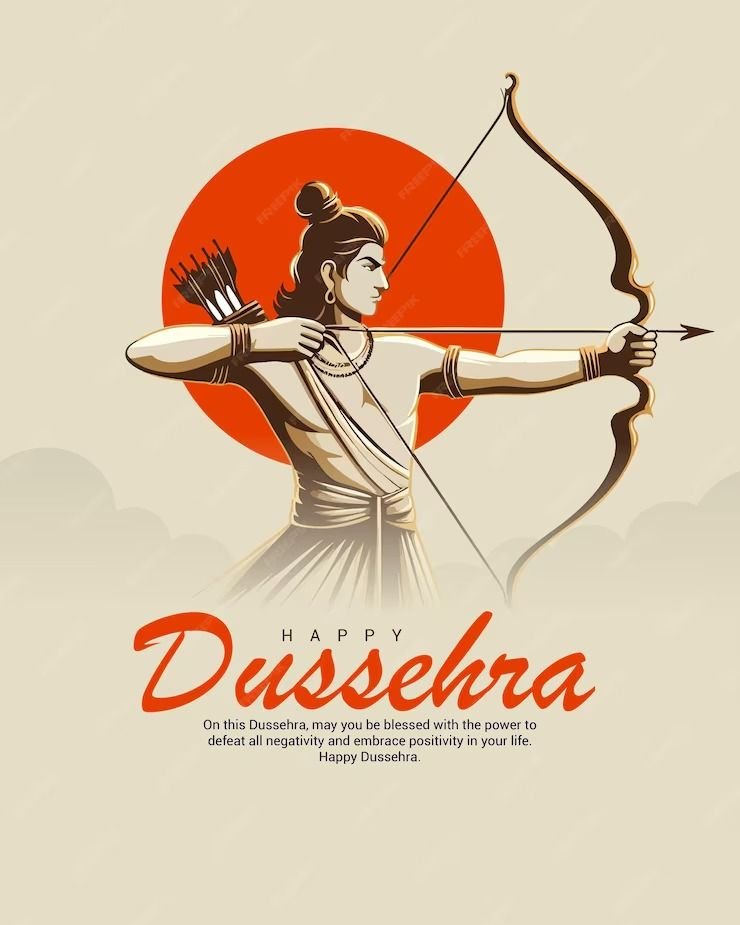
Vijayadashami (Dussehra) Vijayadashami, also known as Dussehra, is a major Hindu festival that celebrates the victory of good over evil, righteousness over unrighteousness. Observed on the tenth day of the Navratri festival, it marks Lord Rama’s triumph over Ravana in the Ramayana and Goddess Durga’s victory over the demon Mahishasura. Celebrated with Ramlila performances, effigy burning, and vibrant processions, it inspires people to overcome negativity and embrace virtue, making it one of India’s most culturally rich and spiritually significant festivals. Dussehra, or Vijayadashami, is a festival that symbolizes moral strength and the ultimate triumph of good. From Ramlila enactments and Ravana effigy burnings in the north to Durga idol immersions in the east, this day unites India’s cultural diversity in a shared celebration of justice and divine power. Rituals & Traditions of Vijayadashami (Dussehra) Vijayadashami, or Dussehra, is celebrated with devotion and grandeur across India, with unique rituals that reflect the central theme of good triumphing over evil. In North India, dramatic enactments of the Ramayana, known as Ramlila, are performed for several days, culminating in the burning of giant effigies of Ravana, Kumbhakarna, and Meghnath to symbolize the destruction of evil. In West Bengal, Odisha, and Assam, this day marks the conclusion of Durga Puja, with elaborate processions and the immersion of Goddess Durga’s idols in rivers, signifying her return to the divine realm. Southern states celebrate the day with Ayudha Puja and Shastra Puja, where weapons, tools, books, and instruments are worshipped as blessings for success and livelihood. In Maharashtra, people perform Shami Puja and exchange Apta leaves as a symbol of prosperity, while in Gujarat, the festivities conclude with vibrant Garba and Dandiya dances. Mysore Dasara is marked by grand royal processions, showcasing the festival’s cultural richness. Vijayadashami is also considered one of the most auspicious days of the year, with many choosing it to begin new ventures, purchase vehicles, or start children’s education, making it a day of devotion, renewal, and celebration of righteousness. Spiritual Importance & Cultural Significance Vijayadashami, or Dussehra, holds deep spiritual significance as it symbolizes the eternal victory of Dharma (righteousness) over Adharma (evil) and inspires devotees to reflect on their inner battles, conquer negative emotions, and walk the path of virtue. It is a day that celebrates divine power, as seen in Lord Rama’s triumph over Ravana and Goddess Durga’s slaying of Mahishasura, reminding us that with faith, courage, and devotion, good will always prevail. Spiritually, it marks the culmination of the nine-day Navratri period of prayer, fasting, and self-purification, leading to renewal of energy and spiritual growth. Culturally, Vijayadashami unites India’s diverse traditions, with grand celebrations like Ramlila and Ravana Dahan in the north, Durga Puja immersion in the east, Mysore Dasara’s royal processions in the south, and festive Garba and Dandiya dances in the west. This diversity highlights India’s rich heritage while reinforcing shared values of morality, strength, and devotion, making Vijayadashami both a spiritual festival and a vibrant cultural celebration. Food & Sweets & Modern Celebrations Vijayadashami, or Dussehra, is not only a deeply spiritual festival but also a celebration of togetherness and festivity marked by delicious traditional foods and sweets. Across India, families prepare regional delicacies like poori, chole, aloo sabzi, kheer, jalebi, laddoos, barfi, payasam, and other festive dishes that vary by culture and region. In South India, special dishes like Kesari, Sundal, and Vada are offered during Ayudha Puja, while in Bengal, sweets such as rasgulla, sandesh, and mishti doi are a highlight of Durga Puja feasts. The festival is also a time for family gatherings, community meals, and sharing prasad, symbolizing harmony and gratitude. Modern celebrations bring an added layer of grandeur, with large-scale Ramlila performances, Ravana effigy burnings with fireworks, cultural fairs, and decorative lighting in towns and cities. In many places, technology has amplified celebrations with live streaming of rituals, virtual pujas, and online cultural events, making it easier for people around the world to participate. Vijayadashami beautifully blends age-old customs with contemporary joy, creating an atmosphere of devotion, celebration, and unity.

,

Vijayadashami (Dussehra) Read Post »

446ca9265977bca76ffd5dd660325aec
Hindu festivals

Nagpanchami

Nagpanchami Nag Panchami is a sacred Hindu festival dedicated to the worship of Nag Devta (Serpent Gods), celebrated on the fifth day of the bright half of the Shravan month (July–August). This ancient festival signifies reverence for snakes, which are seen as powerful symbols of energy, fertility, protection, and connection to nature. Snakes are closely associated with Lord Shiva, who adorns a serpent around his neck, and Lord Vishnu, who rests on Sheshnag, symbolizing the eternal cycle of creation. On this day, devotees worship images or idols of snakes, visit temples, and offer milk, flowers, and prayers to seek blessings for health, prosperity, and protection from harm. Nag Panchami also reflects India’s spiritual belief in living in harmony with nature and respecting Rituals & Traditions of Nagpanchami Nag Panchami is observed with deep devotion, following rituals that honor serpents as divine beings and guardians of nature. The festival is celebrated on the fifth day (Panchami) of the bright fortnight of the Shravan month (July–August), a time considered highly auspicious for worship. Devotees rise early, take a holy bath, and prepare offerings for Nag Devta. One of the main traditions is offering milk, honey, flowers, turmeric, and vermillion to images or idols of snakes, or to snake holes, which are believed to be the dwelling places of serpents. Temples dedicated to Lord Shiva and Nag Devta are decorated, and devotees perform pujas and abhishekam (ritual bathing) of Shiva Lingams, as snakes are closely associated with Lord Shiva. Special mantras and prayers like Nag Gayatri Mantra and Nag Stotra are recited for blessings, protection, and prosperity. In some regions, women observe fasts on Nag Panchami for the well-being of their families, while farmers pray to snakes for a good harvest and protection of their fields. Drawing snake images on walls and floors with natural colors is also a popular custom, symbolizing respect and reverence. In Maharashtra, Karnataka, and other states, folk songs and traditional dances are performed to celebrate this festival, while in South India, grand celebrations take place in temples like Mannarasala Temple in Kerala. In many villages, people avoid ploughing fields on this day to prevent harming snakes, reflecting compassion and ecological awareness deeply rooted in the festival. Spiritual Importance & Cultural Significance Nag Panchami is a festival rich in spiritual symbolism and deeply rooted in the ancient Indian understanding of life’s interconnectedness. In Hindu philosophy, snakes are revered as manifestations of divine power and wisdom. They are closely associated with Kundalini Shakti, the coiled spiritual energy believed to lie dormant at the base of the spine, which, when awakened, leads to enlightenment and liberation. Worshipping Nag Devta on this day is seen as a way to invoke spiritual protection, inner transformation, and strength. The serpent’s shedding of its skin is also viewed as a symbol of rebirth and renewal, teaching devotees the importance of growth and spiritual evolution. Snakes hold a revered place in Hindu mythology, often depicted as protectors of treasures and divine beings. Lord Shiva’s association with the serpent around his neck represents mastery over fear and primal instincts, while Lord Vishnu resting on Sheshnag symbolizes the eternal balance of creation and destruction. This spiritual connection makes Nag Panchami a festival that inspires reverence not out of fear but out of respect for the cosmic order. Culturally, Nag Panchami reflects India’s deep ecological awareness and its ancient tradition of living in harmony with nature. The worship of snakes highlights their vital role in agriculture and the environment, as they control pests and protect crops. Across India, the festival is celebrated in diverse ways—whether through the Nag Yatra in Maharashtra, temple processions in Kerala, or wall art traditions in Bengal—showcasing the country’s rich cultural diversity. The day also carries a message of compassion and coexistence, emphasizing that every creature, no matter how feared, has a role in maintaining the balance of life. Food & Sweets & Modern Celebrations Nag Panchami is celebrated with devotional fasting and traditional vegetarian foods that reflect piety and gratitude. Devotees often begin the day with a fast, offering prayers and milk to Nag Devta. Common festive foods include milk-based dishes, poha (flattened rice), puris, kheer, laddoos, halwa, and sweets made from jaggery, rice, and coconut. In Maharashtra and Karnataka, til ladoos and puran poli are popular, while in South India, payasam, dosa, and appam are often prepared. These offerings are not only shared as prasad but also enjoyed as part of the family feast. Modern celebrations combine devotion with ecological awareness. Many people now offer prayers to snake idols or images instead of live snakes to avoid harm, reflecting compassion and respect for nature. Temples like Mannarasala in Kerala and Nagoba Temple in Maharashtra host grand events, with processions, folk performances, and community pujas, attracting devotees nationwide. In urban areas, digital platforms and online rakhi-like symbolic celebrations help connect families across distances, while awareness campaigns about wildlife conservation have become part of the festival. Thus, Nag Panchami today blends traditional rituals, spiritual devotion, festive foods, and modern values of ecological protection, making it both a cultural and spiritual celebration.

,

Nagpanchami Read Post »

9c14c94d941788f3ee074a8d7a88171e
Hindu festivals

Rakshabandhan

Rakshabandhan Raksha Bandhan, also called Rakhi, is a cherished Hindu festival that celebrates the bond of love, care, and protection between brothers and sisters. Observed on the full moon day (Purnima) of the Shravan month (July–August), this festival is a symbol of family unity, love, and trust. On this day, sisters tie a sacred thread (rakhi) around their brothers’ wrists, praying for their well-being, while brothers vow to protect and support their sisters. Raksha Bandhan, also known as Rakhi, is a popular Hindu festival that celebrates the sacred bond between brothers and sisters. On this day, sisters tie a decorative thread (rakhi) around their brothers’ wrists, praying for their health, Rituals & Traditions of Rakshabandhan Raksha Bandhan is celebrated with great devotion and joy, following rituals that symbolize love and protection. On this day, families gather, and sisters prepare a puja thali decorated with a rakhi, diya, rice grains, kumkum, and sweets. The ceremony begins with sisters performing an aarti for their brothers, applying a tilak (vermilion mark) on their foreheads, and tying the rakhi on their wrists while chanting prayers for their well-being. In return, brothers shower their sisters with gifts and blessings, promising to stand by them in all circumstances. Traditionally observed on the Shravan Purnima (full moon day in the Hindu month of Shravan), this festival is also marked by families exchanging sweets, gifts, and festive meals. In many regions, rakhis are tied to close friends, cousins, and even soldiers as a gesture of goodwill, symbolizing that the bond of protection extends beyond family. Modern celebrations have also embraced online rakhis and virtual blessings, yet the essence of the ritual remains unchanged — a heartfelt expression of sibling love and commitment. Spiritual Importance & Cultural Significance Raksha Bandhan is not just a festival of siblings but a spiritual celebration of love, protection, and righteousness (dharma). Spiritually, the rakhi symbolizes a protective shield that wards off negative energies and strengthens the sacred bond between siblings. The ritual of tying a rakhi represents a thread of faith and blessings, reminding both brothers and sisters of their spiritual duties toward each other. It also reflects the essence of Hindu philosophy, where relationships are rooted in karma, compassion, and selfless service. Culturally, Raksha Bandhan is a festival that unites families and communities. It is celebrated across India with regional variations—known as Rakhi Purnima, Janai Purnima, Narali Purnima, or Kajari Purnima in different states—each with its own traditions. The festival extends beyond biological siblings, as many tie rakhis to friends, cousins, and even soldiers, symbolizing universal brotherhood and protection. In today’s world, Raksha Bandhan continues to bridge distances, with people sending rakhis across cities and countries, reinforcing the cultural message that love and care know no boundaries. Food & Sweets & Modern Celebrations Raksha Bandhan is incomplete without delicious festive food and sweets that symbolize love and joy. Traditional Indian sweets like Rasgulla, Gulab Jamun, Barfi, Kaju Katli, Ladoo, and Jalebi are prepared or purchased to mark the occasion. Many families also enjoy elaborate home-cooked meals, featuring pulao, puri, chole, paneer dishes, and festive snacks, making the celebration a feast for both the heart and the taste buds. In modern times, Raksha Bandhan has evolved to keep pace with changing lifestyles. With families often living in different cities or countries, online rakhi delivery services and virtual celebrations have become common, allowing siblings to express love despite distances. Personalized gifts, designer rakhis, eco-friendly rakhis, and handmade cards add a contemporary touch to the festival. Social media platforms are also widely used to share heartfelt messages, photos, and videos, spreading festive cheer worldwide. Despite modernization, the essence of Raksha Bandhan—love, protection, and the celebration of relationships—remains timeless and deeply cherished.

,

Rakshabandhan Read Post »

054febd6ad1b91ca86102ca37589d6eb
Hindu festivals

Hanuman ji Janmohatsav

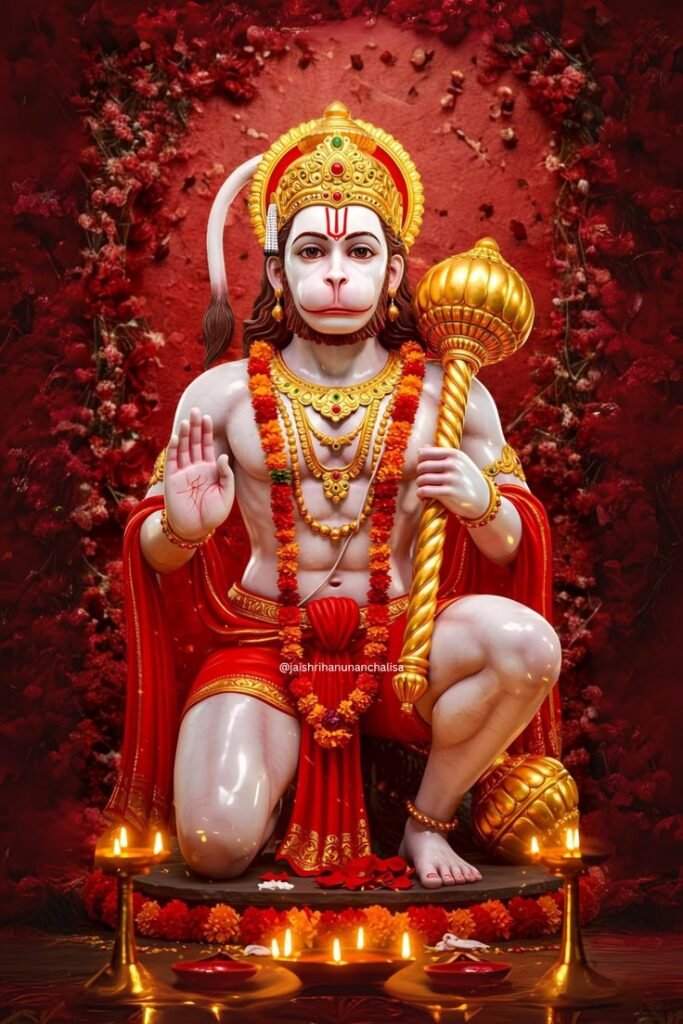
Hanuman ji Janamohatsav Hanuman Jayanti, also called Hanuman Ji Janmotsav, is the celebration of the birth of Lord Hanuman, the divine monkey god who symbolizes strength, devotion, courage, and loyalty. Observed on different dates in various regions of India, it generally falls on the full moon (Purnima) of the Chaitra month in the Hindu calendar (March–April). Devotees celebrate with devotion, prayers, and religious rituals, seeking Hanuman’s blessings for protection, courage, and spiritual growth. Hanuman Jayanti, also known as Hanuman Ji Janmotsav, is a highly revered Hindu festival that celebrates the divine birth of Lord Hanuman, the eternal symbol of strength, devotion, courage, and selfless service. Falling on the Purnima (full moon) of the Chaitra month Rituals & Traditions of Hanuman Janamohatsav Hanuman Jayanti is celebrated with devotion, fasting, and temple rituals. Devotees begin the day with puja and prayers, adorning Lord Hanuman’s idol with flowers, garlands, and sindoor. Many observe a fast, consuming fruits, milk, or vrat-special meals, while chanting the Hanuman Chalisa and reading the Sundarkand to reflect on Hanuman’s devotion, courage, and strength. Temples are beautifully decorated, and devotees offer fruits, sweets, and other sacred items. In many regions, processions, bhajans, and devotional performances are organized, and acts of charity and community sharing are performed. Through these traditions, the festival reinforces faith, devotion, moral courage, and social harmony, making Hanuman Jayanti a celebration of both spiritual and cultural significance. Spiritual Importance & Cultural Significance Spiritually, Hanuman Jayanti celebrates the birth of Lord Hanuman, who embodies strength, courage, devotion, humility, and unwavering faith. Devotees reflect on his virtues, seeking inspiration to overcome obstacles, cultivate discipline, and serve selflessly, following his example of devotion to Lord Rama. Reciting the Hanuman Chalisa and reading the Sundarkand on this day are believed to remove negativity, strengthen the mind, and deepen spiritual awareness. Culturally, Hanuman Jayanti fosters community participation, social harmony, and devotion, with temples adorned for prayers, processions, devotional singing, and charitable acts. Families and communities gather to share prasad and perform rituals, reinforcing bonds and collective reverence. The festival also highlights values of courage, loyalty, and moral integrity, making it a celebration that inspires both personal spiritual growth and communal unity. Food & Sweets & Modern Celebrations During Hanuman Jayanti, devotees prepare special prasad and festive foods to honor Lord Hanuman. Common offerings include boondi laddoo, fruits, milk-based sweets, and jaggery treats, which are shared among family, friends, and temple visitors. Many devotees fast or observe vrat, consuming only fruits, milk, or simple meals until the completion of prayers. Sharing prasad enhances community bonding, devotion, and collective celebration. Modern Celebrations In contemporary times, Hanuman Jayanti has evolved into a grand devotional and cultural event. Temples are beautifully decorated, and processions (Shobha Yatras) with idols of Hanuman are organized, accompanied by bhajans, devotional music, and dramas depicting his life and heroic deeds. Community programs, spiritual discourses, and charitable activities, such as feeding the poor, are increasingly part of modern celebrations. Digital platforms now allow devotees to participate in virtual pujas, live recitations, and temple events, spreading devotion globally. Modern observances blend traditional rituals with social engagement and cultural vibrancy, making Hanuman Jayanti a festival that is spiritually meaningful and widely celebrated.

,

Hanuman ji Janmohatsav Read Post »

45bb4db1c63546aa74294ee722d8b679
Hindu festivals

Ram Navmi

Ram Navmi Ram Navami is a Hindu festival that celebrates the birth of Lord Rama, the seventh avatar of Lord Vishnu and the embodiment of righteousness, virtue, and dharma. It falls on the ninth day (Navami) of the Shukla Paksha in the month of Chaitra (March–April). The festival is celebrated with devotion across India, particularly in Ayodhya, Uttar Pradesh, the birthplace of Lord Rama. Devotees honor the virtues of Lord Rama and seek his blessings for wisdom, courage, and moral integrity. Ram Navami is a revered Hindu festival celebrating the birth of Lord Rama, the seventh incarnation of Lord Vishnu and the ideal embodiment of dharma (righteousness), courage, and virtue. Falling on the ninth day (Navami) of the bright fortnight of Chaitra, Rituals & Traditions of Ram Navmi Ram Navami is celebrated with devotion, fasting, and vibrant temple rituals. Devotees begin the day with early morning prayers and puja, adorning Lord Rama’s idol with flowers and garlands. Many observe a fast, consuming fruits, milk, or special vrat meals, while chanting Ramayana verses and bhajans. Colorful processions (Shobha Yatra) featuring Lord Rama, Sita, Lakshman, and Hanuman are organized in many regions, accompanied by singing, dancing, and devotional music. Temples are beautifully decorated, and devotees offer prasad and sweets, reflecting both spiritual devotion and community participation. Through these traditions, Ram Navami celebrates the birth of Lord Rama, moral righteousness, and cultural unity, inspiring followers to embrace virtue, devotion, and harmony. Spiritual Importance & Cultural Significance Spiritually, Ram Navami honors the birth of Lord Rama, who embodies righteousness, virtue, devotion, and moral integrity. Devotees reflect on his life and teachings, seeking inspiration to follow dharma (righteous conduct), truth, and compassion in their own lives. Observing fasting, prayers, and recitation of the Ramayana helps devotees cultivate discipline, devotion, and inner strength, reinforcing the timeless values exemplified by Lord Rama. Culturally, Ram Navami is a festival of community celebration, social harmony, and collective devotion. Temples and public spaces are decorated, colorful processions bring communities together, and devotees share prasad and festive meals, fostering unity and joy. The festival also preserves Indian traditions, music, and storytelling, passing on moral and spiritual lessons to younger generations. By blending spiritual reverence with cultural festivities, Ram Navami inspires both personal growth and social cohesion, making it a festival of enduring significance and timeless values. Food & Sweets & Modern Celebrations

,

Ram Navmi Read Post »

dbba1a98eff54b0a1982cb86f99649c7
Hindu festivals

Holi / Holika Dahan

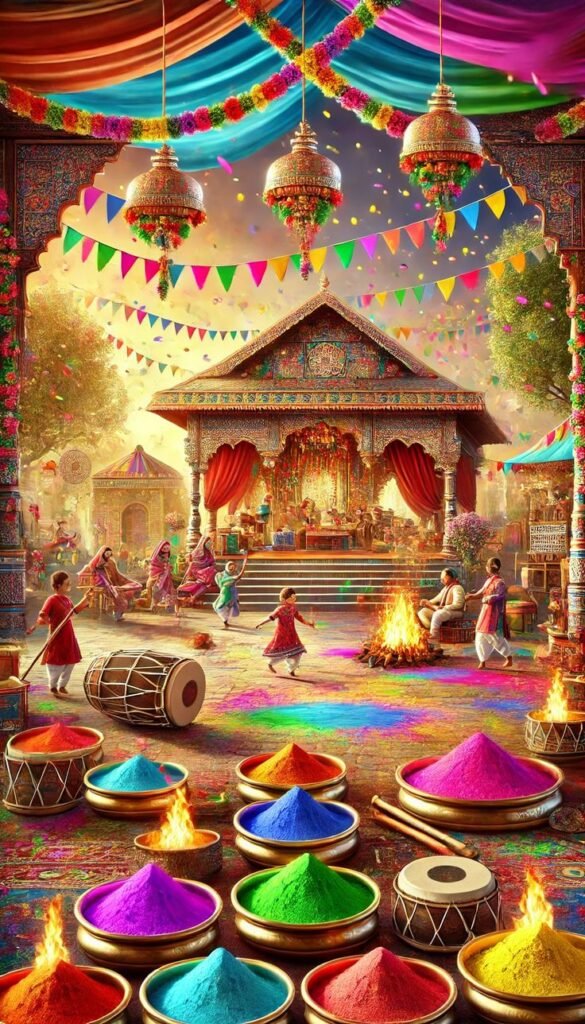
Holi / Holika Dahan Holi, known as the Festival of Colors, is one of the most vibrant and joyous festivals in India. Celebrated in the month of Phalguna (February–March), it marks the arrival of spring (Vasant) and the victory of good over evil. The festival is celebrated over two days: Holika Dahan (the night before) and Rangwali Holi (the day of colors). Holi unites people across ages, communities, and regions in joy, love, and harmony. Holi, famously known as the Festival of Colors, is one of the most joyous and widely celebrated festivals in India. It marks the arrival of spring (Vasant), the end of winter, and the renewal of life, nature, and relationships Rituals & Traditions of Holi / Holika Dahan Holi is celebrated over two days, each filled with unique rituals that blend spiritual significance with cultural exuberance. The festival begins with Holika Dahan, where communities light large bonfires, offer grains, coconuts, and other sacred items into the flames, and gather for prayers and devotional songs. This ritual symbolizes the triumph of good over evil, purifying the mind and spirit while reinforcing social bonds. The following day, Rangwali Holi bursts forth in a riot of colors and joy, as people smear gulal (colored powders), throw colored water, sing, dance, and engage in playful camaraderie. Traditional festive foods like gujiya, malpua, mathri, and thandai are prepared and shared, adding flavor to the celebrations. Holi is also a time for forgiveness, renewal of relationships, and community harmony, breaking down social barriers and uniting people across ages and backgrounds. Through these rituals, Holi not only celebrates spring and the vibrancy of life but also embodies spiritual purification, cultural richness, and collective joy, making it one of India’s most cherished festivals. Spiritual Importance & Cultural Significance Holi and Holika Dahan hold profound spiritual and cultural significance in Hindu tradition. Spiritually, the festival represents the victory of good over evil, as symbolized by Prahlad’s devotion and Holika’s demise, reminding devotees of the power of faith, righteousness, and moral strength. The bonfire of Holika Dahan signifies purification of the mind and soul, burning away negativity, ego, and past grievances. Rangwali Holi, with its vibrant colors, celebrates joy, love, and the renewal of life, encouraging people to embrace positivity and unity. Culturally, Maha Shivratri fosters community participation, religious unity, and collective celebration. Temples and sacred places are illuminated, and pilgrims gather in large numbers for prayers, processions, and devotional singing. The festival has also inspired artistic expressions, music, and storytelling, reflecting the deep-rooted cultural reverence for Lord Shiva. By combining spiritual devotion with cultural vibrancy, Maha Shivratri not only strengthens personal faith and discipline but also promotes social harmony and cultural continuity, making it a festival of both inner enlightenment and communal unity. Food & Sweets & Modern Celebrations

,

Holi / Holika Dahan Read Post »

ed528ce7f55a3199ceb386179f03614f
Hindu festivals

Mahashivratri

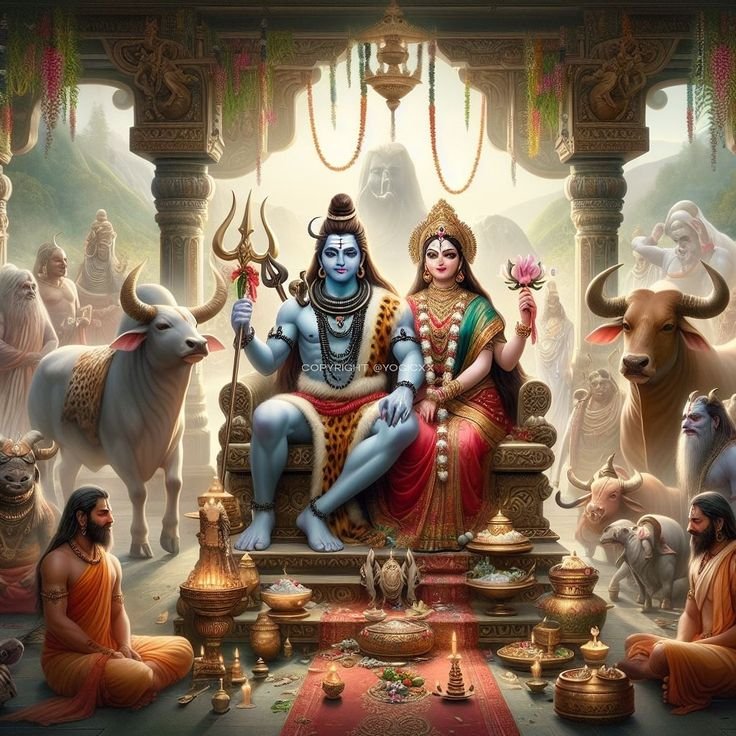
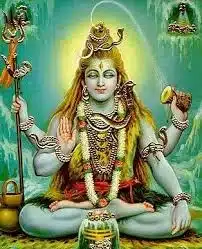
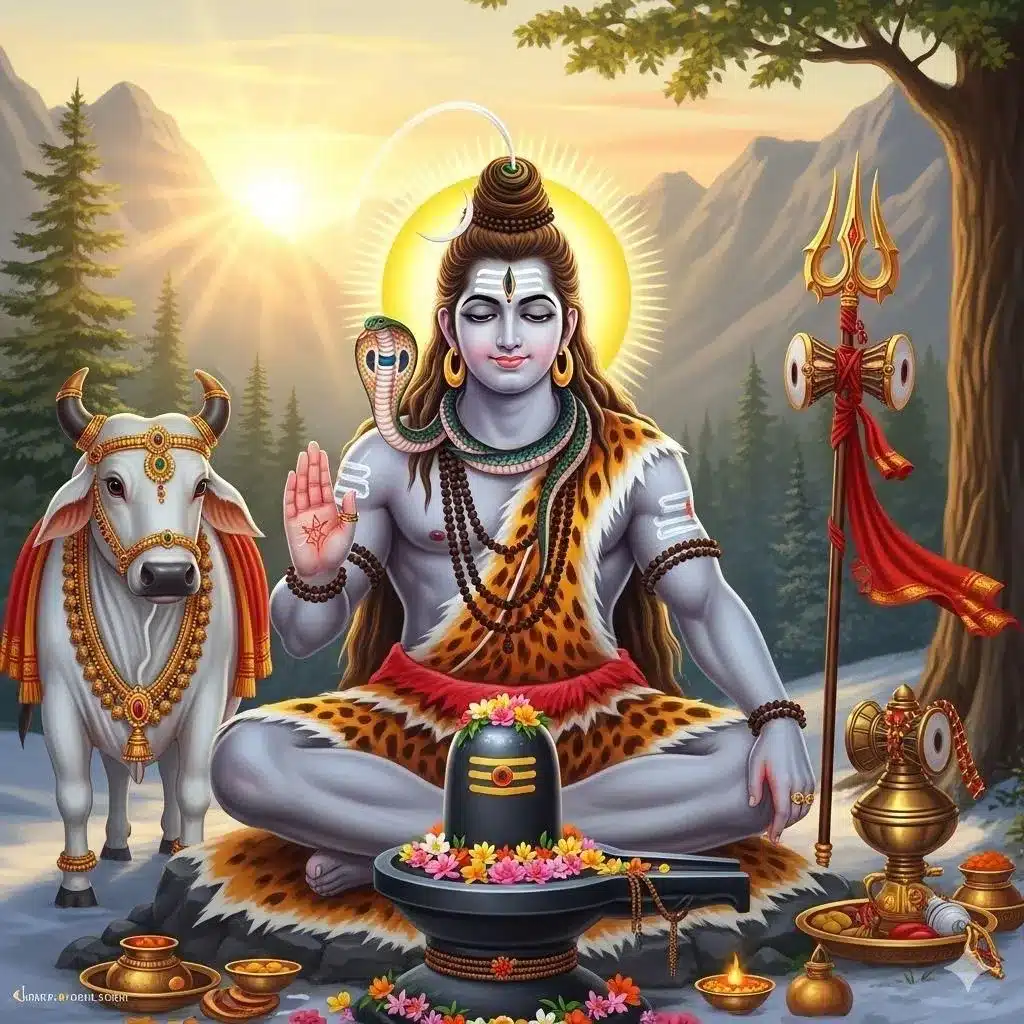
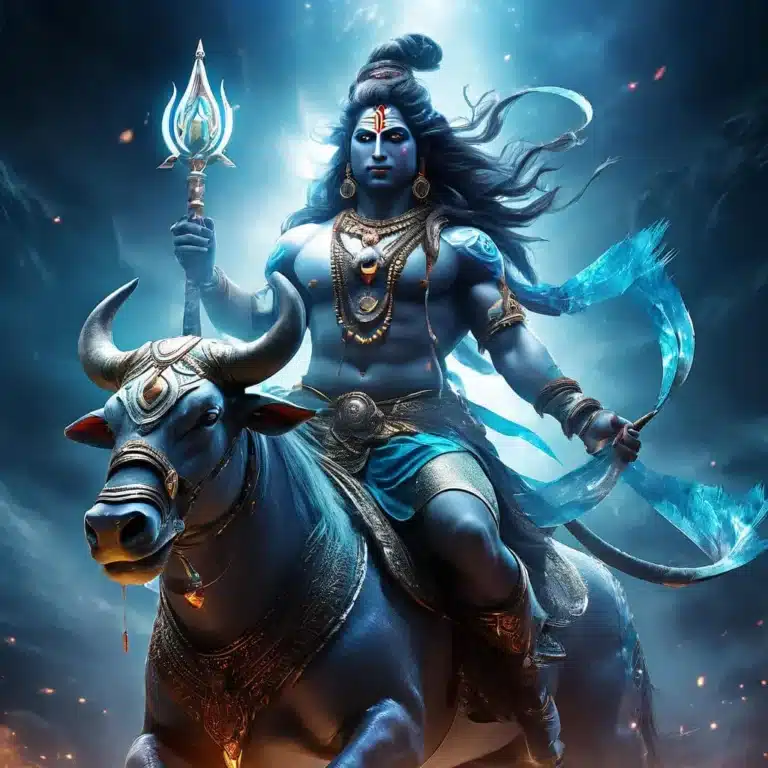
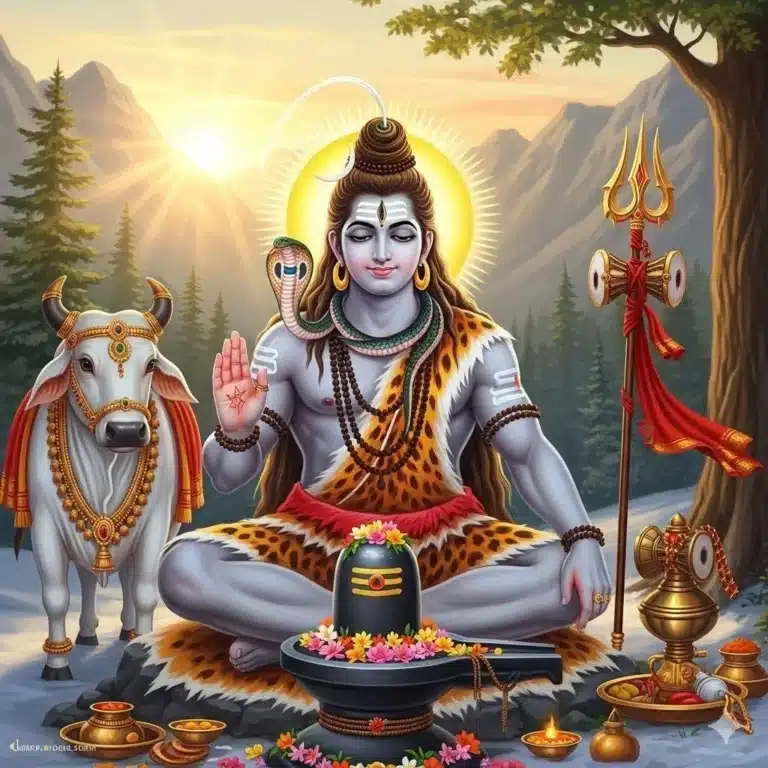
Mahashivratri Vasant Panchami, also known as Basant Panchami or Saraswati Puja, is a Hindu festival dedicated to Goddess Saraswati, the deity of knowledge, wisdom, music, and learning. It falls on the fifth day (Panchami) of the bright half of the month of Magha (January–February). The festival marks the arrival of spring (Vasant) and is celebrated with devotion, learning, and cultural activities across India. Vasant Panchami, also called Basant Panchami, is a festival that heralds the arrival of spring (Vasant) and honors Goddess Saraswati, the embodiment of knowledge, wisdom, learning, and the arts. Rituals & Traditions of Mahashivratri Maha Shivratri, the “Great Night of Lord Shiva,” is observed with deep devotion, fasting, and spiritual practices. Devotees perform Abhishekam (ritual bathing) of the Shiva Linga with milk, water, honey, ghee, and offer bilva leaves, flowers, and fruits while chanting Om Namah Shivaya throughout the night. Many observe a strict fast and night-long vigil (Jagran), singing bhajans and hymns to honor Shiva. Temples are decorated, and pilgrims gather at sacred sites, engaging in meditation, prayers, and devotional rituals. These traditions symbolize purification, devotion, and the awakening of spiritual consciousness, making Maha Shivratri a profound celebration of Lord Shiva’s divine presence. Maha Shivratri, celebrated as the “Great Night of Lord Shiva,” is one of the most spiritually significant festivals in Hinduism. On this day, devotees observe strict fasting, often consuming only fruits, milk, or water, symbolizing self-discipline and purification of the body and mind. The night is dedicated to Jagran (night vigil), during which devotees stay awake, meditate, chant Om Namah Shivaya, and sing devotional hymns like the Shiv Mahimna Stotra, fostering inner reflection and spiritual awakening. Central to the rituals is the Abhishekam of the Shiva Linga, where it is bathed with water, milk, honey, curd, ghee, and adorned with bilva leaves, flowers, and sacred offerings, each representing purity, devotion, and cosmic symbolism. Pilgrims visit temples or sacred sites such as Kashi, Rishikesh, Haridwar, and Kedarnath, participating in communal worship and processions. These rituals not only honor Lord Shiva but also remind devotees of detachment, self-realization, and the pursuit of higher consciousness, making Maha Shivratri a festival of devotion, meditation, and profound spiritual significance. Spiritual Importance & Cultural Significance Spiritually, Maha Shivratri is a night of intense devotion, meditation, and self-reflection, dedicated to Lord Shiva, the supreme deity who embodies consciousness, destruction of ignorance, and spiritual transformation. Devotees believe that worshipping Shiva on this night removes sins, purifies the soul, and grants spiritual awakening and inner strength. The rituals of fasting, night-long vigil, chanting of mantras, and offering to the Shiva Linga symbolize detachment from worldly desires, discipline, and the pursuit of higher consciousness. Culturally, Maha Shivratri fosters community participation, religious unity, and collective celebration. Temples and sacred places are illuminated, and pilgrims gather in large numbers for prayers, processions, and devotional singing. The festival has also inspired artistic expressions, music, and storytelling, reflecting the deep-rooted cultural reverence for Lord Shiva. By combining spiritual devotion with cultural vibrancy, Maha Shivratri not only strengthens personal faith and discipline but also promotes social harmony and cultural continuity, making it a festival of both inner enlightenment and communal unity. Food & Sweets & Modern Celebrations

,

Mahashivratri Read Post »

a27f6e0fdd1c6d926490a98e8099a222
Hindu festivals

Vasant Panchami

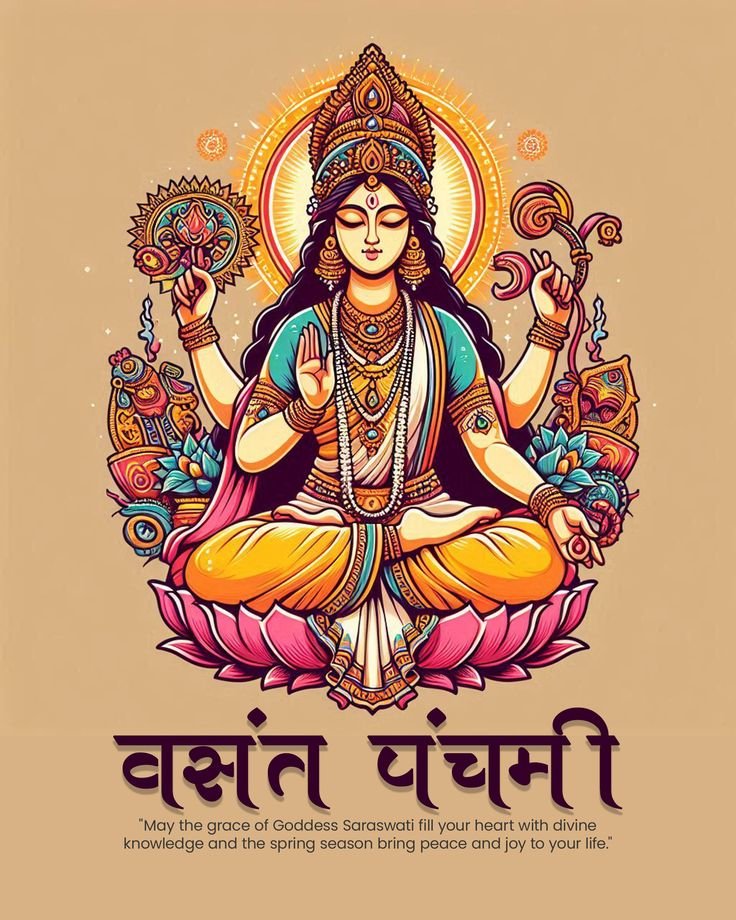
Vasant Panchami Vasant Panchami, also known as Basant Panchami or Saraswati Puja, is a Hindu festival dedicated to Goddess Saraswati, the deity of knowledge, wisdom, music, and learning. It falls on the fifth day (Panchami) of the bright half of the month of Magha (January–February). The festival marks the arrival of spring (Vasant) and is celebrated with devotion, learning, and cultural activities across India. Vasant Panchami, also called Basant Panchami, is a festival that heralds the arrival of spring (Vasant) and honors Goddess Saraswati, the embodiment of knowledge, wisdom, learning, and the arts. Rituals & Traditions of Ganesh Chaturthi Ganesh Chaturthi is celebrated with devotion, grandeur, and vibrant cultural practices. The festival begins with the installation of Ganesha idols at homes or public pandals, accompanied by pranapratishtha rituals, invoking divine presence through sacred mantras. Devotees decorate the surroundings with flowers, rangoli, and lights, creating a festive and auspicious atmosphere. Daily rituals include aarti, chanting of Ganesh mantras, and offering prasad such as modak, laddoo, coconut, and fruits, symbolizing sweetness and prosperity. People also engage in devotional singing, bhajans, and community cultural programs, strengthening social bonds and collective celebration. The festival culminates in Ganesh Visarjan, where idols are immersed in water bodies. This ritual signifies the cyclical nature of life, impermanence of material things, and the importance of detachment, reminding devotees to focus on spiritual growth and wisdom. Over time, eco-friendly practices, including clay idols and natural decorations, have become increasingly popular to protect the environment. Ganesh Chaturthi thus blends spiritual devotion, cultural expression, and social unity, making it one of the most cherished and meaningful festivals in India. Spiritual Importance & Cultural Significance Spiritually, Ganesh Chaturthi celebrates Lord Ganesha as the remover of obstacles (Vighnaharta), the giver of wisdom, intellect, and prosperity. The festival inspires devotees to begin new ventures and spiritual journeys with faith and devotion, seeking Ganesha’s blessings for clarity of mind, success, and courage. The rituals of invoking Ganesha, offering prayers, and performing Visarjan carry profound philosophical lessons: all material things are temporary, and true wealth lies in spiritual growth, humility, and knowledge. Ganesha’s form itself is symbolic—the large head represents wisdom, the trunk adaptability, the mouse vehicle humility, and the broken tusk sacrifice for higher purposes. Culturally, Ganesh Chaturthi has evolved into a grand community celebration of unity, creativity, and joy. Popularized as a public festival during the Maratha era and by freedom fighter Lokmanya Tilak, it became a way to bring people together, transcending caste and social barriers. Today, the festival is marked by beautifully crafted idols, music, dance, theater, and cultural performances, along with initiatives like environmental awareness drives and charity. This blending of devotion with art, culture, and social service makes Ganesh Chaturthi not just a religious observance but a symbol of harmony, collective identity, and spiritual awakening. festivals in India. Food & Sweets & Modern Celebrations Food and sweets play a central role in Ganesh Chaturthi celebrations, as offerings (prasad) are made to Lord Ganesha with devotion and love. The most iconic sweet is modak, a dumpling made of rice flour or wheat with a filling of jaggery and coconut, believed to be Ganesha’s favorite. Other popular offerings include laddoo, peda, kheer, coconut, and seasonal fruits. These delicacies are later distributed among family, friends, and neighbors, reinforcing the spirit of sharing and community joy. In contemporary times, Ganesh Chaturthi has transformed into a grand social and cultural festival alongside traditional rituals. Public pandals showcase elaborate and artistically designed idols, often themed around mythology, social messages, or art. Devotional singing, dance performances, plays, and competitions are organized to involve the community, especially children and youth. Eco-friendly practices, .

,

Vasant Panchami Read Post »