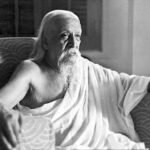
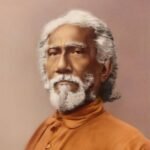
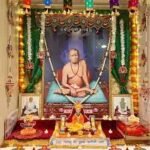
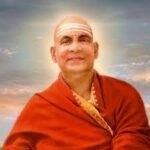
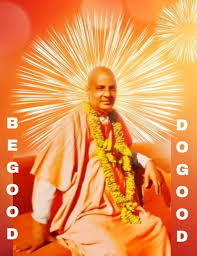
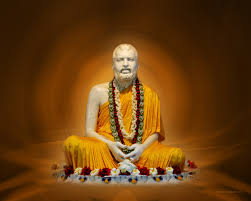
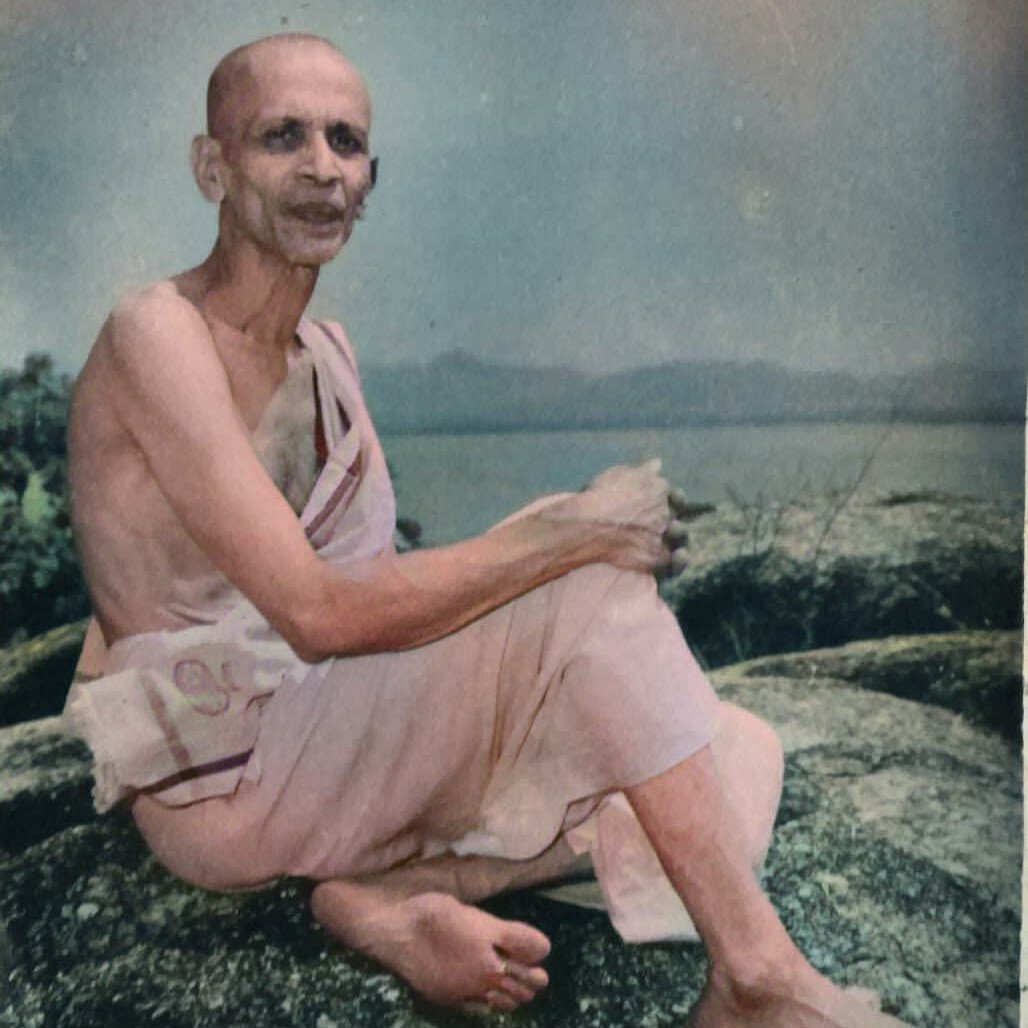
Bharat, the sacred land known as the Tapobhumi (land of penance) and Punyabhumi (land of virtue), has been the cradle of countless divine souls, sages, and saints who have illuminated the path of truth, love, and spiritual wisdom for humanity. The number 108 carries immense significance in Indian spirituality — it symbolizes the wholeness of existence, the union of the individual soul (Atman) with the Supreme (Paramatman), and the cosmic balance reflected in the universe. The 108 Divine Saints of Bharat represent this divine continuum — from the ancient Vedic seers to modern spiritual masters — each one a beacon of light, spreading knowledge, peace, and God-realization.
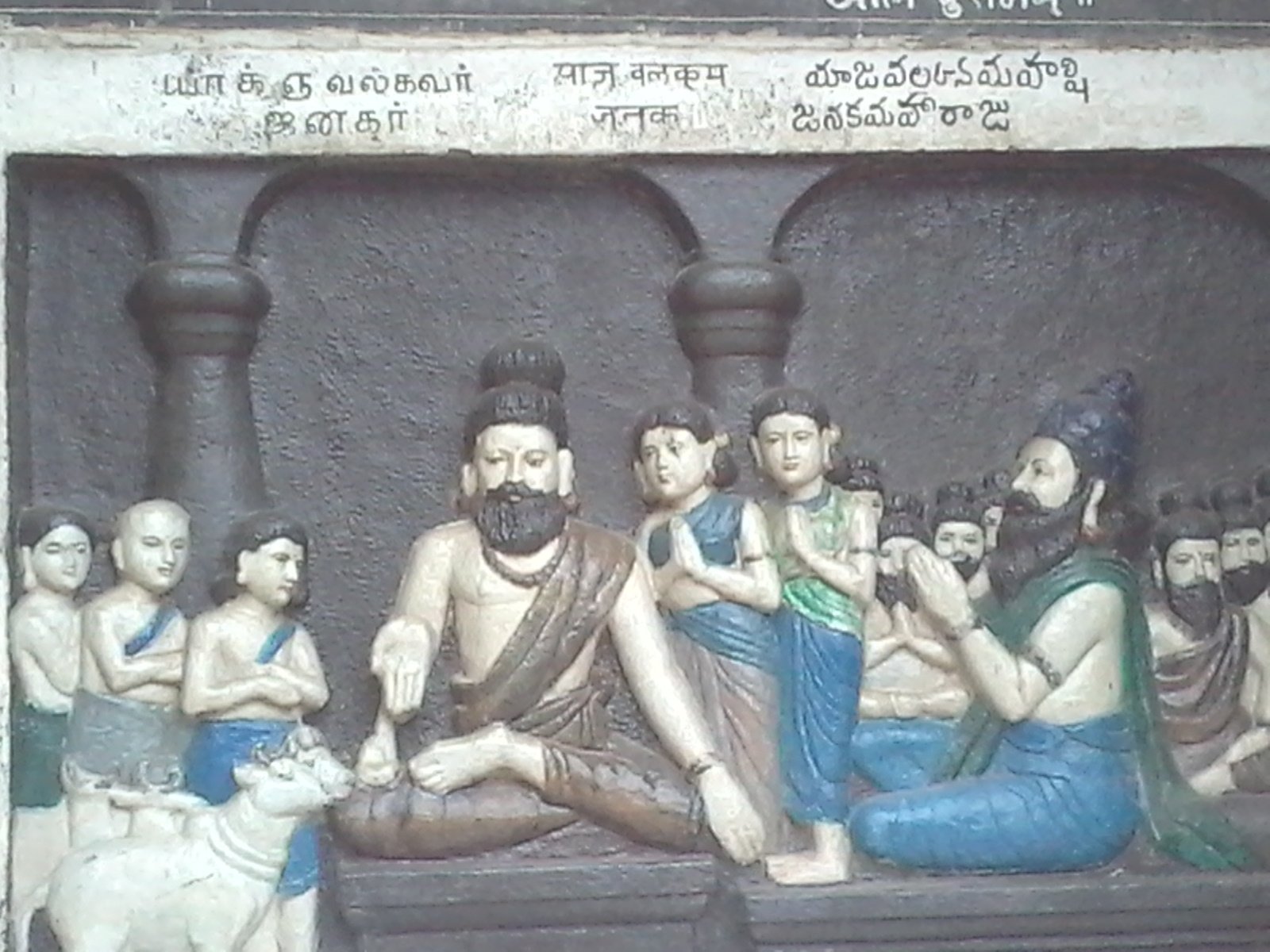
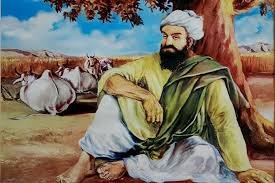
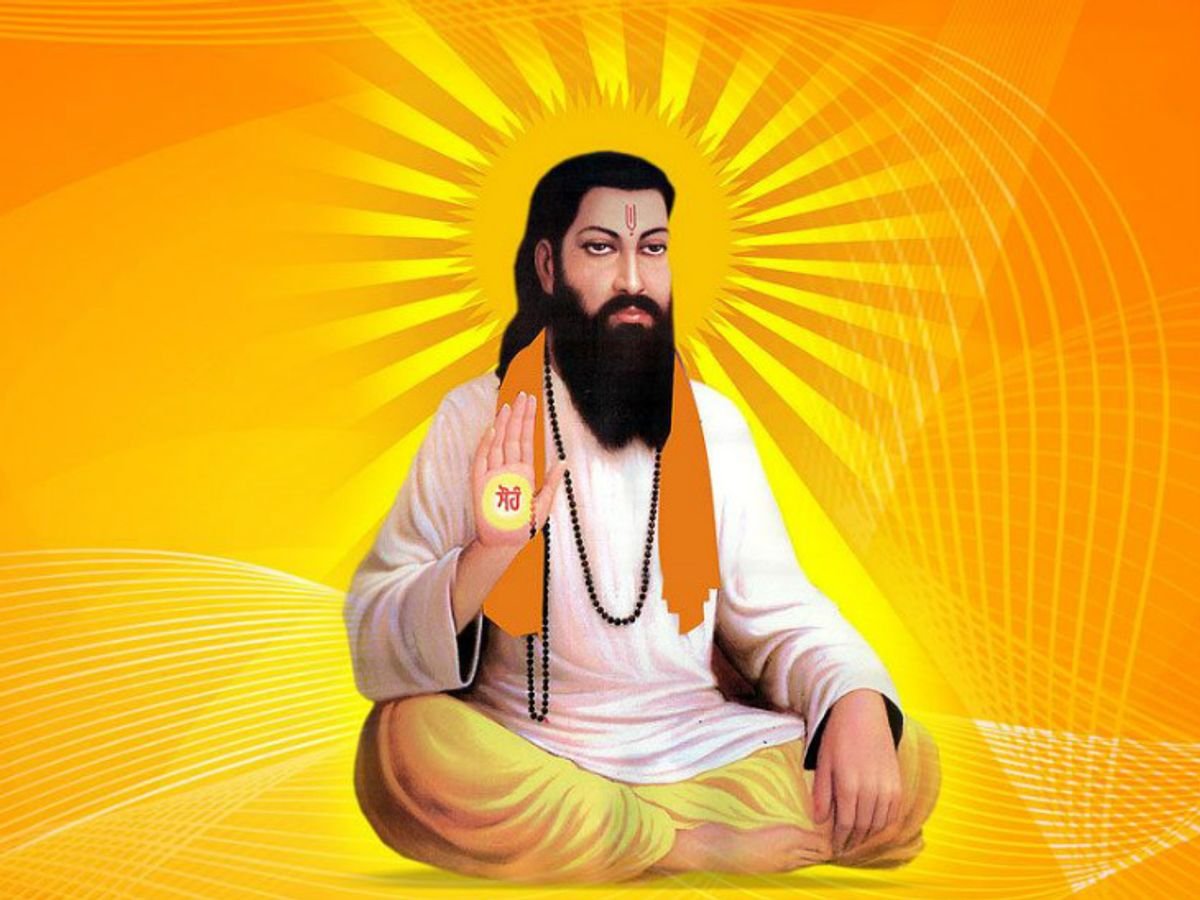
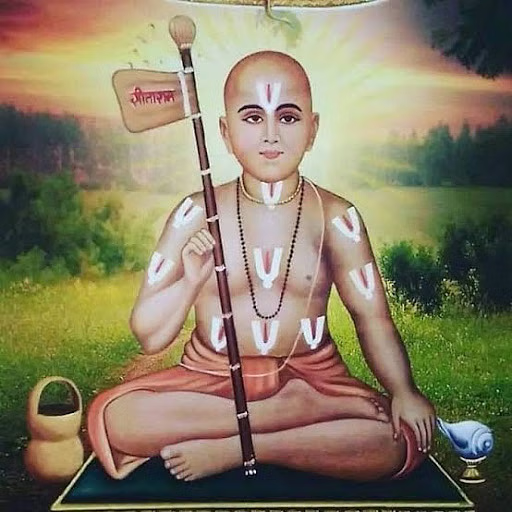
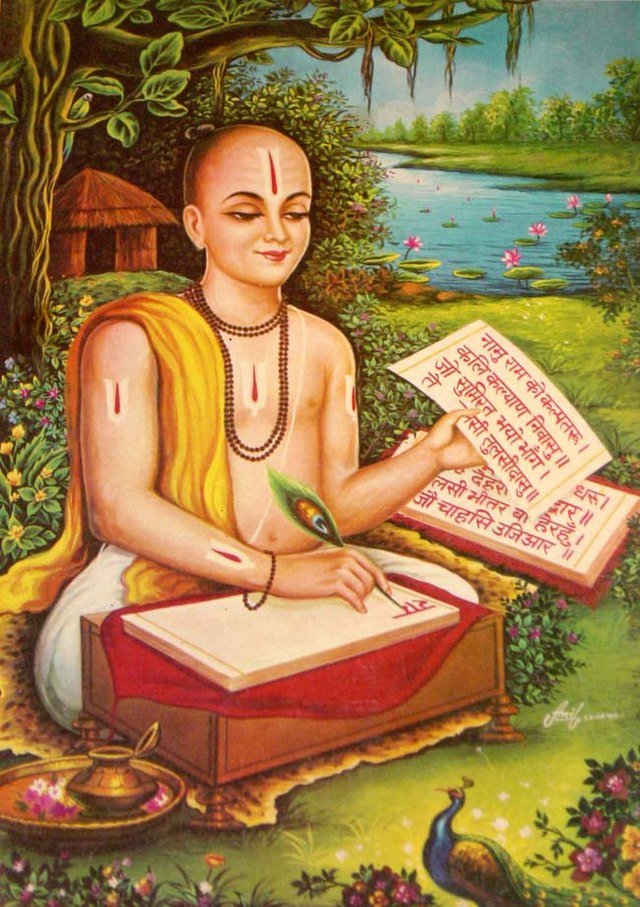
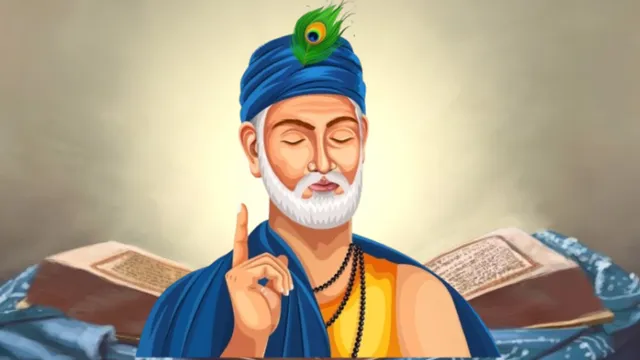
In the ancient era, the great Rishis such as Vashishtha, Vishwamitra, Valmiki, Vyasa, Atri, Agastya, Kapila, Patanjali, Kanva, and Yajnavalkya shaped the spiritual foundation of Sanatana Dharma. They composed the Vedas, Upanishads, Puranas, and Sutras, revealing eternal truths about the soul, nature, and the cosmos. In the age of devotion and divine grace, arose the Bhakti Saints who brought spirituality to the hearts of the common people through love and surrender. Saints like Sant Tulsidas, the composer of Ramcharitmanas; Kabir Das, the mystic poet who preached unity beyond religion; Mirabai, the queen who sang of divine love for Lord Krishna; Surdas, whose devotion flowed through song; and Chaitanya Mahaprabhu, who revived the ecstatic chanting of Hare Krishna, all transformed faith into a living experience of joy and surrender.
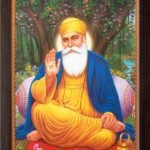
In the south, saints such as Appar, Sundarar, Manikkavachakar, Nayanmars, and Alwars carried the flame of Shiva and Vishnu devotion through poetry and divine service. In the west and north, saints like Namdev, Tukaram, Jnaneshwar, Eknath, Narsinh Mehta, and Guru Nanak Dev Ji preached love, humility, and equality, transcending caste and creed. The Advaita masters such as Adi Shankaracharya, the great philosopher-saint, unified the spiritual essence of the nation by establishing the four Mathas (monastic centers) across India — Badrinath, Dwarka, Puri, and Rameswaram — symbolizing the universal oneness of truth.
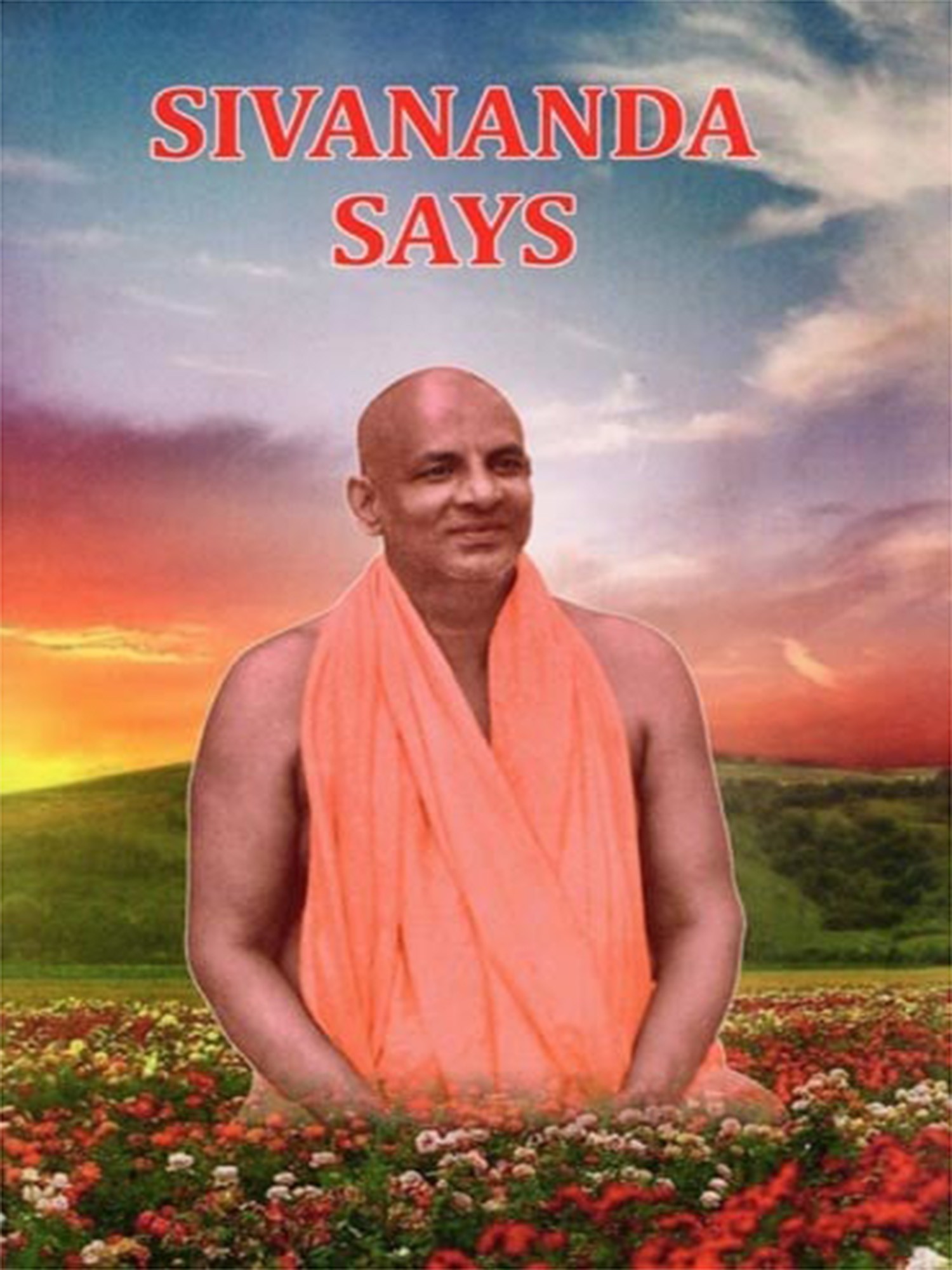
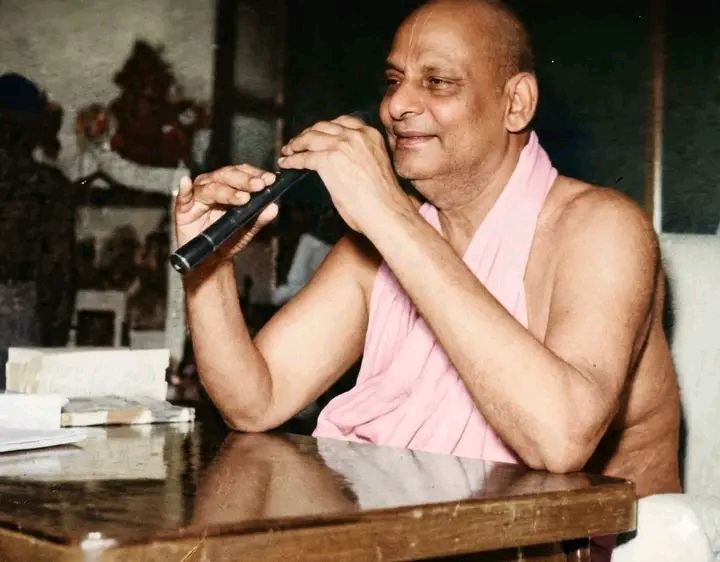
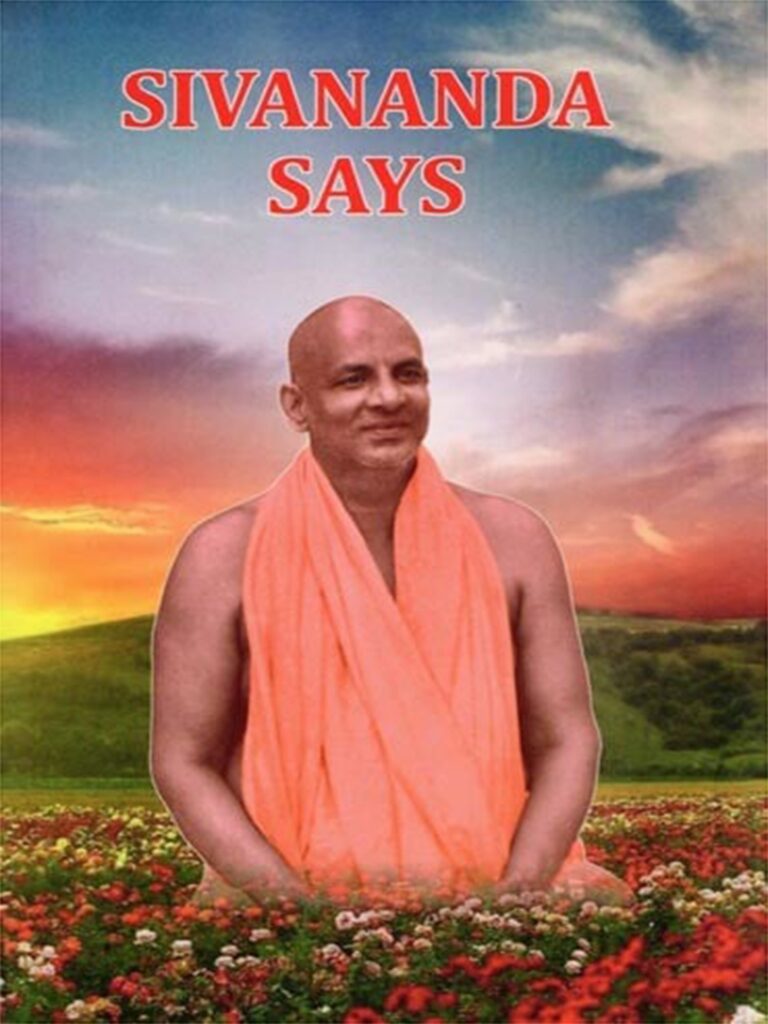
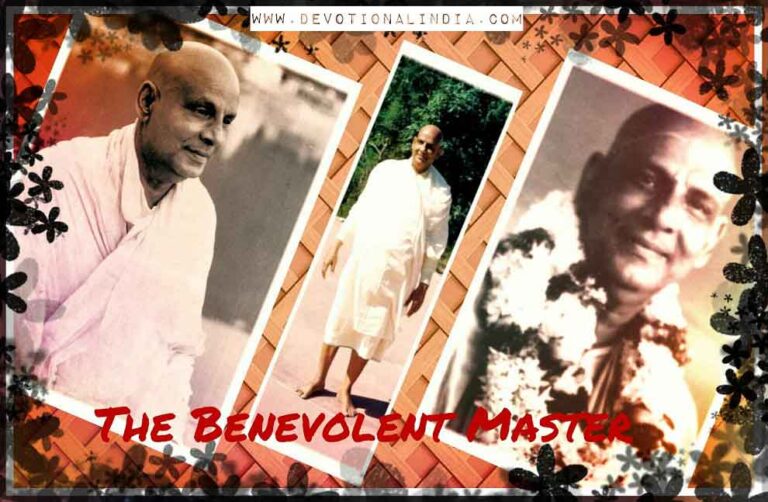
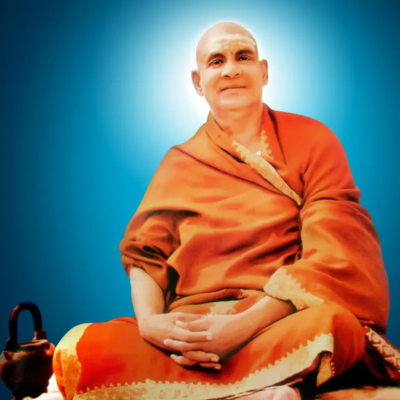
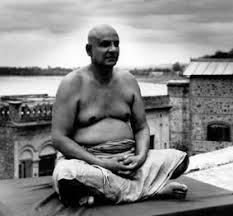
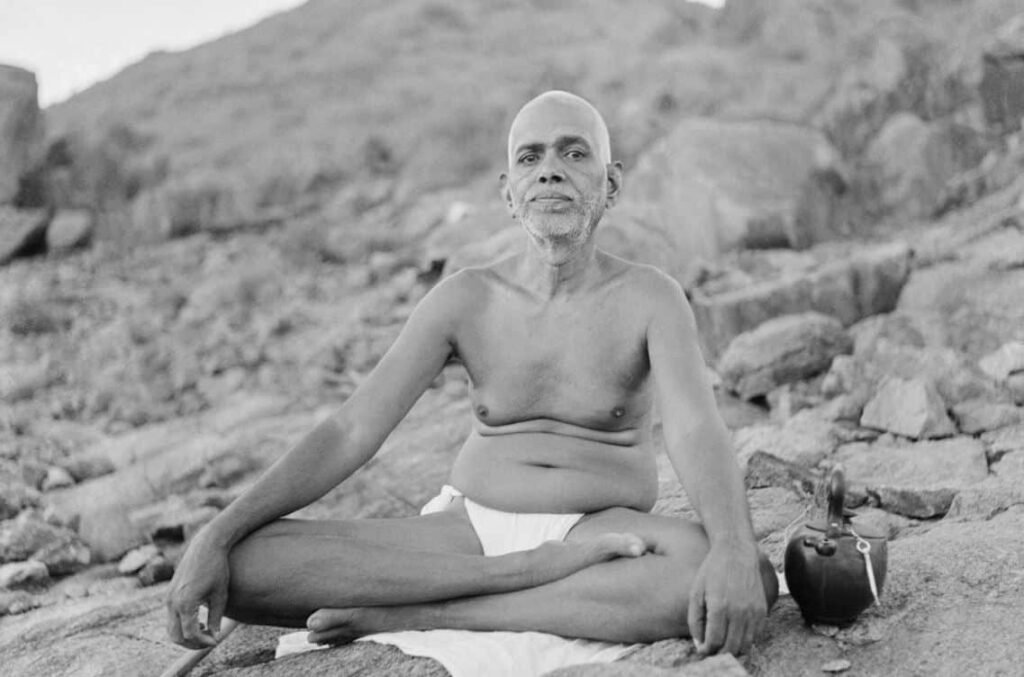
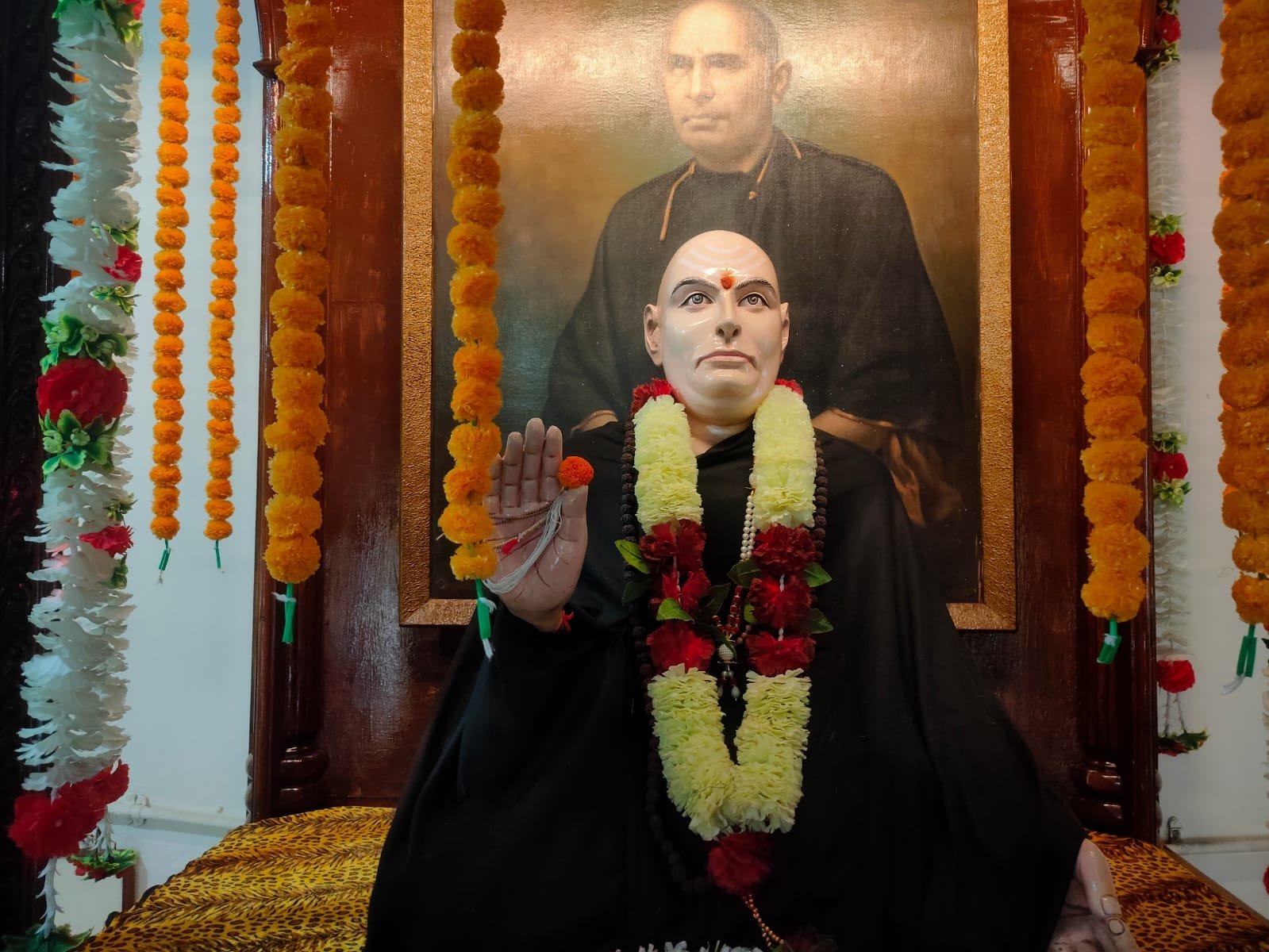
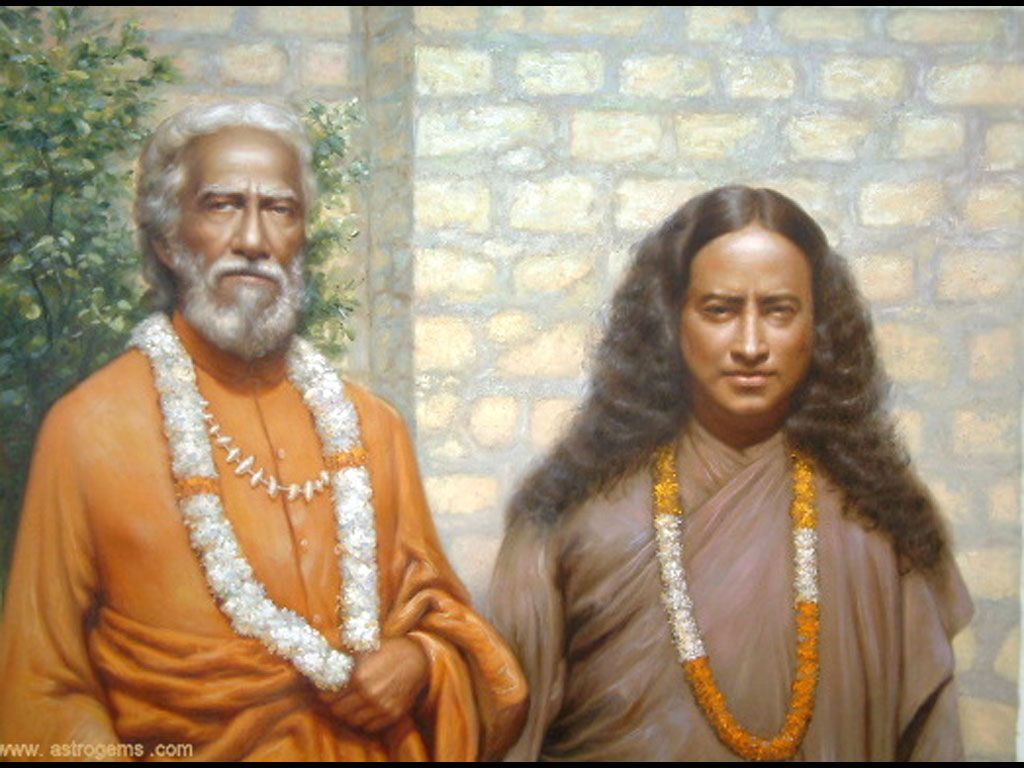
In more recent centuries, divine personalities like Ramakrishna Paramahamsa, Swami Vivekananda, Sri Aurobindo, Raman Maharshi, Swami Sivananda, Maharshi Mahesh Yogi, Neem Karoli Baba, Anandamayi Ma, Shirdi Sai Baba, Satya Sai Baba, and Mata Amritanandamayi Devi have continued this eternal stream of wisdom and service. Their teachings spread beyond India, inspiring seekers across the world to live lives rooted in compassion, meditation, and truth. These saints not only taught prayer and worship but lived as embodiments of the Divine — turning ordinary lives into examples of extraordinary faith, simplicity, and surrender.
The glory of Bharat lies in this unbroken chain of saints — 108 and beyond — who, age after age, have kept alive the spirit of Sanatana Dharma, teaching that God can be realized not in temples alone, but in the purity of one’s heart and service to humanity. Remembering and revering the 108 Divine Saints of Bharat is not merely an act of devotion; it is a journey through the spiritual soul of India — a nation whose heartbeat is sanctified by the prayers, penance, and enlightenment of its holy beings.