Hari Om

Menu

vedas

7397edd9f808e5bb2879e3e70f40ae69
Upanishad

Chandogya Upanishad

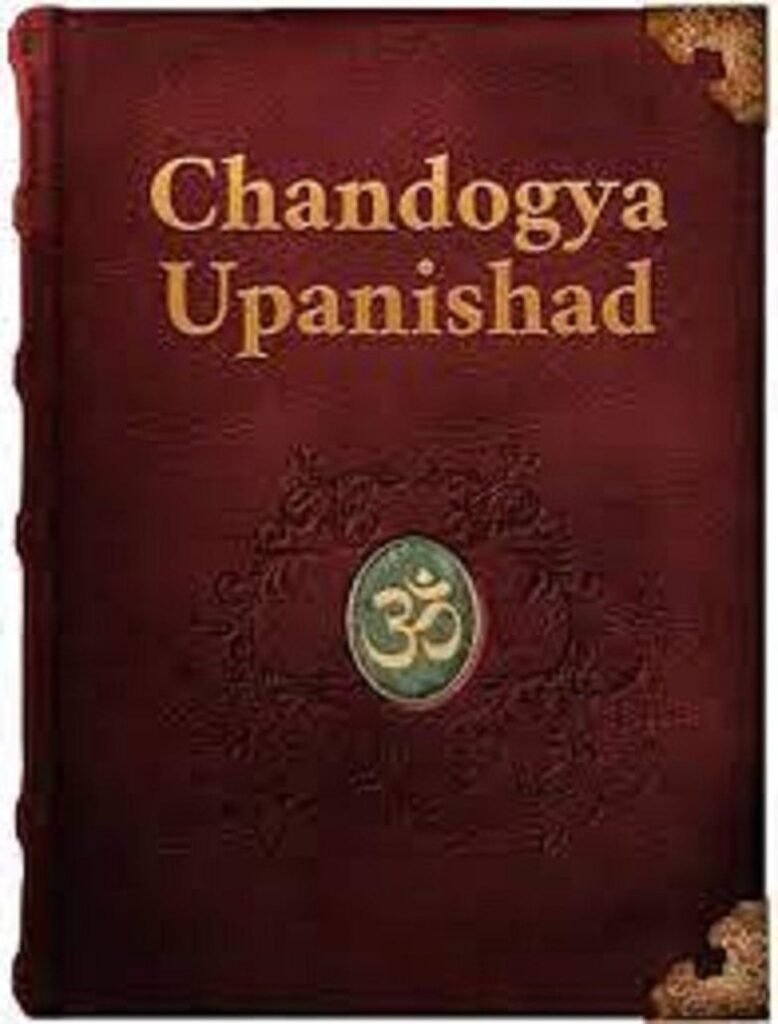
Chandogya Upanisha The Chāndogya Upaniṣad, one of the oldest and most influential Upaniṣads of the Sāma Veda, is a vast text of eight chapters blending symbolic interpretations of rituals with profound philosophical insights, centered on the unity of the individual self (Ātman) and ultimate reality (Brahman). It teaches through parables and dialogues, such as the story of Satyakāma Jābāla, which upholds truth as the highest virtue, and the instruction of sage Uddālaka to his son Śvetaketu, declaring the mahāvākya “Tat Tvam Asi” (“That Thou Art”), affirming the essential oneness of the Self with Brahman. The Upaniṣad also emphasizes meditation, ethical living, the sacredness of sound (Om), and the interconnectedness of life. Rich in both metaphysics and practical wisdom, it portrays liberation as realizing the infinite within oneself and living in harmony with the eternal truth.

Chandogya Upanishad Read Post »

ace305fc223644dfabfb03a753cd973d
Upanishad

Prashna Upanishad

Prashna Upanishad Prashna Upanishad, one of the principal Upanishads, belongs to the Atharva Veda and is composed in the form of a dialogue between six seekers and the sage Pippalada. Its name, Prashna, literally means “question,” reflecting its structure: six profound questions asked by the disciples, each leading to spiritual insights and philosophical teachings. The Upanishad explores the origin of the universe, the nature of vital forces (prana), the structure of the human being, the significance of meditation, and the ultimate reality, Brahman. It emphasizes that true knowledge is gained not merely through study, but through disciplined inquiry, meditation, and understanding the connection between the individual soul (Atman) and the supreme consciousness (Brahman). The dialogue illustrates the importance of questioning and reflection in spiritual growth, highlighting how ethical conduct, self-discipline, and devotion are foundational to attaining higher wisdom. Through its concise yet profound teachings, Prashna Upanishad guides seekers toward the realization of the ultimate truth and the harmonious functioning of life’s energies.

Prashna Upanishad Read Post »

b4c034ebe9b327ad8a681bee1b5c9197
Upanishad

Aitareya Upanishad

Aitareya Upanishad The Aitareya Upaniṣad, belonging to the Rigveda, is a concise but profound text that explores the mystery of creation, consciousness, and the Self (Ātman). It teaches that in the beginning, only the Self existed, which desired to manifest the worlds, deities, and living beings, finally entering the human form as consciousness—the defining essence of humanity. Its central message is that Ātman alone is the source, sustainer, and end of all existence, captured in the declaration “Prajnānam Brahma” (Consciousness is Brahman), one of the great mahāvākyas of Vedānta. Emphasizing that realization of the Self leads to liberation, it presents human birth as the highest privilege, for only as humans can beings attain knowledge of their true nature and unity with Brahman.

Aitareya Upanishad Read Post »

Brihadaranyak Upanishaaacad
Upanishad

Brihadaranyaka Upanishad

Brihadaranyaka Upanishaaacad The Bṛhadāraṇyaka Upaniṣad, one of the oldest and longest Upaniṣads of the White Yajurveda, is a profound text of Indian philosophy that explores the nature of the Self (Ātman), the universe, and ultimate reality (Brahman). Composed of six chapters divided into the Madhu Kāṇḍa, Muni (or Yājñavalkya) Kāṇḍa, and Khila Kāṇḍa, it presents deep teachings through hymns, creation stories, meditations, and dialogues. Its most famous sections include sage Yājñavalkya’s debates, particularly with his wife Maitreyi, where he declares that everything is loved for the sake of the Self, and the mahāvākya “Aham Brahmāsmi” (I am Brahman), affirming the identity of the Self and the Absolute. The text also teaches the method of neti neti (“not this, not that”) to understand Brahman beyond all attributes, the importance of inner realization over external rituals, and the ethical triad of self-control (dama), generosity (dāna), and compassion (dayā). Revered across Vedānta traditions, the Bṛhadāraṇyaka Upaniṣad stands as a spiritual encyclopedia, uniting metaphysics, cosmology, and ethics into a vision of non-dual truth.

Brihadaranyaka Upanishad Read Post »

Screenshot 2025 09 10 140105
Upanishad

Shvetashvatara Upanishad

Shvetashvatara Upanishad The Shvetāshvatara Upanishad, belonging to the Krishna Yajurveda, is one of the principal Upanishads of Hindu philosophy. It explores the deepest questions of existence—about the Self (Atman), the ultimate reality (Brahman), and the cosmic cause of the universe. Unique among Upanishads, it emphasizes both the impersonal absolute and a personal God (Īshvara), often identified with Rudra-Shiva. It highlights the role of yoga, meditation, and devotion as means to realize the divine truth, while introducing concepts like Māyā (cosmic illusion). With its poetic imagery and devotional tone, this text bridges philosophy and theism, inspiring both Vedantic inquiry and the Bhakti tradition.

Shvetashvatara Upanishad Read Post »

ChatGPT Image Sep 10 2025 11 38 15 AM
Upanishad

Kena Upanishad

Kena Upanishad The Kena Upanishad (केनोपनिषद्), also called the Talavakara Upanishad, is a profound philosophical text of the Sama Veda that explores the ultimate source of consciousness and existence. The word “Kena” means “by whom,” and the Upanishad opens with deep questions: “By whom is the mind directed? Who commands the breath and speech? Who is behind sight and hearing?” It teaches that all actions, thoughts, and sensory experiences are powered by a higher reality called Brahman, the eternal Self (Atman) that is beyond the reach of the senses and intellect. Through verses and a symbolic story, it humbles even the gods, showing that their powers come from Brahman alone, and reveals this truth through Uma Devi, the goddess of wisdom. The Upanishad emphasizes humility, meditation, and direct realization rather than ritualistic worship, declaring that Brahman is “the hearer of hearing, the thinker of thought, the knower of knowledge.” With just 35 mantras in four sections, the Kena Upanishad is concise yet deeply spiritual, forming the foundation of Advaita Vedanta and Jnana Yoga. It guides seekers to recognize the Self as the ultimate witness and to go beyond pride and intellectual understanding toward liberation and immortality.

Kena Upanishad Read Post »

ChatGPT Image Sep 10 2025 11 10 35 AM
Upanishad

Katha Upanishad

Katha Upanishad The Katha Upanishad (कठोपनिषद्), a part of the Krishna Yajur Veda, is one of the most famous Upanishads, presenting its teachings through a profound dialogue between a young seeker, Nachiketa, and Yama, the god of death. The story begins with Nachiketa’s unwavering quest for truth, as he approaches Yama to learn the mystery of life, death, and immortality. Impressed by the boy’s determination and purity, Yama imparts deep spiritual wisdom, teaching that the soul or Atman is eternal, unborn, and indestructible, untouched by birth or death. The Upanishad contrasts the path of the pleasant (Preyas) and the path of the good (Shreyas), urging seekers to choose righteousness and spiritual knowledge over worldly pleasures. It explains that liberation (moksha) is attained not through wealth or rituals, but through self-realization, meditation, and detachment. Filled with vivid imagery, it describes the body as a chariot, the senses as horses, the mind as reins, and the soul as the true rider, emphasizing the need for discipline and wisdom to control life’s journey. With its powerful verses like “The Self is not born, nor does it die,” the Katha Upanishad offers timeless guidance on conquering fear, understanding the nature of reality, and realizing one’s unity with Brahman, making it a cornerstone text of Vedanta philosophy.

Katha Upanishad Read Post »

ChatGPT Image Sep 10 2025 10 18 54 AM
Upanishad

Isha Upanishad

Isha Upanishad The Isha Upanishad, also known as the Ishavasya Upanishad, is one of the shortest yet most profound texts of the Upanishadic tradition, consisting of only 18 mantras. It forms part of the Shukla Yajurveda and offers deep spiritual wisdom in a very concise form. The Upanishad opens with the famous declaration “Īśāvāsyam idaṁ sarvam,” meaning “All this—whatever exists in this changing world—is enveloped by the Lord.” It teaches that the entire universe is pervaded by the Divine and that recognizing this truth leads to liberation. The text emphasizes living a life of detachment and self-restraint while performing one’s duties diligently, showing that spiritual growth does not require renunciation of action but rather detachment from the fruits of action. It presents a harmonious balance between karma (action) and jnana (knowledge), guiding seekers toward self-realization. The Isha Upanishad describes the Self (Atman) as eternal, all-pervading, and one with Brahman, the Supreme Reality. It warns against ignorance, material obsession, and illusion (maya), encouraging a life of simplicity, contentment, and spiritual focus. Despite its brevity, the Upanishad encapsulates the essence of Vedantic philosophy, offering timeless guidance for seekers who wish to live in the world without being bound by it, realizing that true freedom and peace come from the awareness of unity between the Self and the Divine.

Isha Upanishad Read Post »

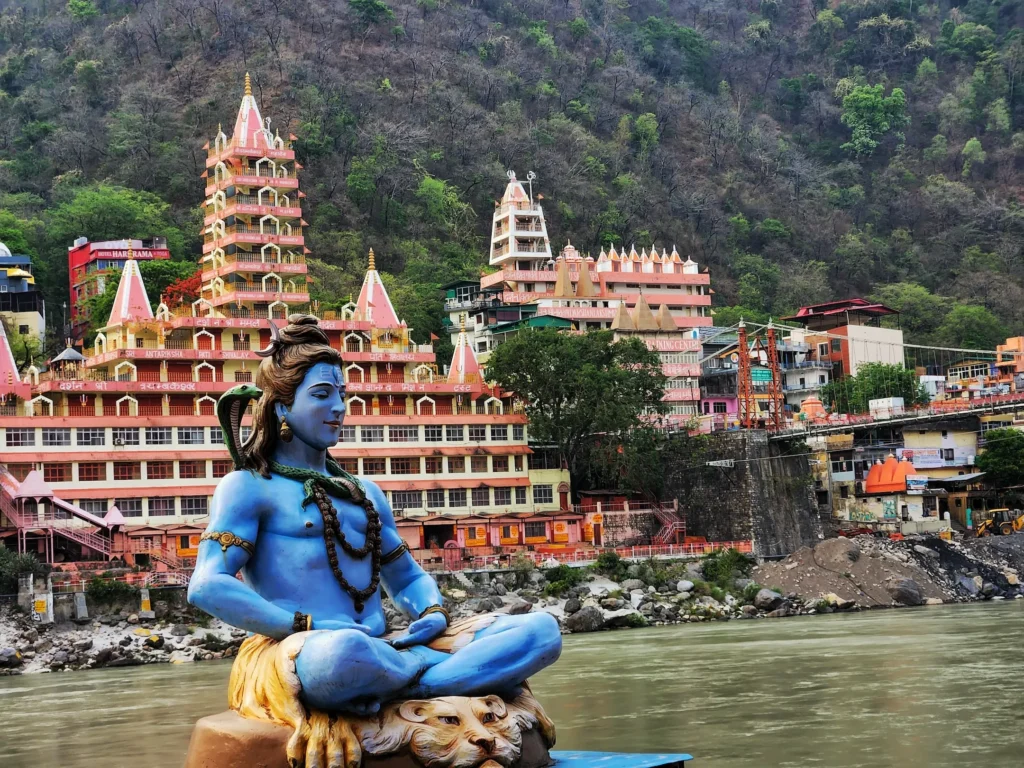
Neelkanth Mahadev Temple
vedas

Dwadasha Jyotirlingas: The Twelve Sacred Abodes of Lord Shiva

Dwadishjyotirlingani 12 Jyotirlinga Temples 1. Somnath (Gujarat)Located on the coast, this is the first Jyotirlinga of Lord Shiva.Rebuilt multiple times despite invasions.A symbol of cultural and religious importance. 2.Mallikarjun (Andhra Pradesh)A sacred site combining Shiva and Shakti worship.Located in a scenic hilly region.A spiritual center for devotees. 3.Mahakaleshwar (Madhya Pradesh)Located in Ujjain, representing immortality and supreme power.Special festivals on Krishna Janmashtami and Maha Shivaratri.Worshipped as the lord of time and death. 4.Omkareshwar (Madhya Pradesh)Situated on the banks of the Narmada River, surrounded by natural beauty.A unique confluence of Shiva and Shakti.An important religious and spiritual site. 5.Kedarnath (Uttarakhand)A highly sacred temple in the Himalayas.A challenging pilgrimage for devoted Shiva worshippers.Enriched by the scenic beauty and spiritual aura. 6.Bhimashankar (Maharashtra)Nestled in the mountains, famous for its natural beauty.A unique confluence of Shiva and Shakti energies.Particularly spectacular during the monsoon season. 7.Kailashnath (Tamil Nadu)A marvel of Pallava architecture and stone carvings.One of the most sacred Jyotirlingas of Lord Shiva.A blend of art, devotion, and history. 8.Rameshwar (Gujarat)Located near the Aravalli hills, surrounded by nature.A significant pilgrimage site for devotees.Symbolizes local culture and religious heritage. 9.Nageshwar (Gujarat)A sacred Jyotirlinga revered by local devotees.An important part of Rajasthan’s cultural heritage.A center for festivals and religious events. 10.Vaidyanath (Jharkhand)A holy site for religious and Ayurvedic significance.Particularly crowded during the month of Shravan.Represents Lord Shiva and divine healing. 11.Trimbakeshwar (Maharashtra)Located at the confluence of Godavari, Ganga, and Bhima rivers.Considered as sacred as Mount Kailash.A path to spiritual liberation for devotees. 12.Grishneshwar (Maharashtra)Situated near the Ajanta and Ellora caves.One of the revered Jyotirlingas of Lord Shiva.Rich in art, architecture, and religious importance. \ राष्ट्रे सोमनाथं च श्रीशैले मल्लिकार्जुन सौम्।उज्जयिन्यं महाकालं_ॐकारमल्लेश्वरम् ॥1॥ In the country are Somnath, and in Srisaila, Mallikarjuna.In Ujjain, Mahakaleshwar, and Omkareshwar, the sacred Jyotirlingas shine. देश में स्थित हैं सोमनाथ और श्रीशैले मल्लिकार्जुन।उज्जैन में महाकालेश्वर और ओंकारेश्वर भी प्रतिष्ठित हैं। पर्ल्यं वैद्यनाथं च डाकिन्यां भीमाशंकरम् ।सेतुबन्धे तु रमेशं नागेशं दारुकावने ॥2॥ In Parli is Vaidyanath, and in Dakini, Bhimashankar.At Rameshwaram is Rameshwar, and in the forest of Daruka is Nageshwar. पर्ली में वैद्यनाथ, और डाकिनी में भीमाशंकर हैं।सेतुबन्ध में रameshwar और दारुकावन में नागेश्वर स्थित हैं।  वाराणस्यां तु विश्वेशं त्र्यंबकं गौतमीते ।हिमाले तु केदारं घुश्मेशं च शिवालये ॥3॥ In Varanasi is Vishweshwar (Kashi Vishwanath), and Tryambakeshwar on the banks of the Godavari.In the Himalayas is Kedarnath, and in the Shivalaya forest is Ghushmeshwar. वाराणसी में विश्वेश्वर (काशी विश्वनाथ), और गौतमी के तट पर त्र्यंबकेश्वर स्थित हैं।हिमालय में केदारनाथ, और शिवालय वन में घुश्मेश्वर स्थित हैं। एतानि ज्योतिर्लिङ्गानि सयं प्रातः पठेन्नरः । सप्तजन्मकृतं पापं स्मरणेन विनश्यति ॥4॥ Whoever recites all these Jyotirlingas together in the morning,the sins of seven lifetimes are destroyed through remembrance. जो कोई सुबह इन सभी ज्योतिर्लिंगों का स्मरण या पाठ करता है,उसके सात जन्मों के पाप स्मरण से नष्ट हो जाते हैं।

Dwadasha Jyotirlingas: The Twelve Sacred Abodes of Lord Shiva Read Post »

Narayana Upanishadd.webp
Uncategorized, Upanishad

Narayana Upanishad – The Upanishad of Lord Narayana

Narayana Upanishad (नारायणोपनिषत्) (With english & hindi meaning) Śloka 1 ॐ सह नाववतु।सह नौ भुनक्तु।सह वीर्यं करवावहै।तेजस्वि नावधीतमस्तु।मा विद्विषावहै।ॐ शान्तिः शान्तिः शान्तिः॥ Aum ! May He protect us both together; may He nourish us both together;May we work conjointly with great energy,May our study be vigorous and effective;May we not mutually dispute (or may we not hate any).Aum ! Let there be Peace in me !Let there be Peace in my environment !Let there be Peace in the forces that act on me ! “हे भगवान! आप हम दोनों (गुरु और शिष्य) की रक्षा करें,हम दोनों को अच्छा पालन-पोषण और ज्ञान दें।हम मिलकर पूरी शक्ति से पढ़ाई करें।हमारा अध्ययन उज्ज्वल और सफल हो।हमारे बीच कभी झगड़ा या दुश्मनी न हो।ॐ! सब जगह शांति रहे, शांति रहे, शांति रहे।” 2 ॐ अथ पुरुषो ह वै नारायणोऽकामयत प्रजाः सृजेयेति।नारायणात् प्राणो जायते।मनः सर्वेन्द्रियाणि च।खं वायुर् ज्योतिर् आपः पृथिवी विश्वस्य धारणि।नारायणाद् ब्रह्मा जायते।नारायणाद् रुद्रो जायते।नारायणाद् इन्द्रो जायते।नारायणात् प्रजापतयः प्रजायन्ते।नारायणाद् द्वादशादित्या रुद्रा वसवः सर्वाणि च्छन्दांसि।नारायणादेव समुत्पद्यन्ते।नारायणे प्रवर्तन्ते।नारायणे प्रलीयन्ते॥ Aum adha purusho ha vai Narayano akaamayath. Praja srujeyethi. Narayanath prano jayathe. Mana sarvendriyani cha kham vayur jyothirapa prithvi viswasya dharini. Narayanath brahma jayathe. Narayanath Rudra jayathe. Narayanath Indro Jayathe. Narayanath prajapathi prajayathe. Narayanath Dwadasa aadhithya Rudra Vasava sarvaani Chandamsi Narayana deva Samudpadyanthe. Narayanath pravarthanthe. Narayane praleeyanthe. Eethath Rig veda siro adithe. Aum! Narayana desired to create people. Because of this thought, Soul (prana) rose from him. Mind and all body parts, sky, air, light, water and the earth which can carry all these created beings took their form. From Narayana, Brahma was born. From Narayana, Rudra was born. From Narayana, Indra was born .From Narayana those people who rule these human beings were born. From Narayana, the twelve suns, eleven Rudras, Eight Vasus and all those meters (for writing) were born. All these function because of Narayana. All these end in Narayana. Thus is read, the Upanishads of Rig Veda. (The twelve Adithyas (sons of Adithi) are Datha, Mithra, Aaryama, Rudra, Varuna, Surya , Bhaga, Vivaswan, Poosha, Savitha, Thwashta and Vishnu. The eleven Rudras are Manyu, Manu, Mahinasan, Mahan, Shivan, Ruthudwajan, Ugra rethas, Bhavan, Kaman, Vamadevan and Druthavruthan. The eight Vasus who are children of Vasu who is the daughter of Daksha are Dharan, Druvan, Soman, Ahass, Anilan, Analan Prathyushan and Prabhasan.) “ॐ! तब पुरुष (भगवान) नारायण ने इच्छा की कि ‘मैं प्रजाओं (जीवों) की सृष्टि करूँ।’नारायण से प्राण (जीवन शक्ति) उत्पन्न हुए।मन, सभी इंद्रियाँ, आकाश, वायु, अग्नि (प्रकाश), जल और पृथ्वी — जो समस्त जगत को धारण करती है — ये सब नारायण से उत्पन्न हुए।नारायण से ब्रह्मा उत्पन्न हुए।नारायण से रुद्र उत्पन्न हुए।नारायण से इन्द्र उत्पन्न हुए।नारायण से प्रजापति उत्पन्न हुए।नारायण से बारह आदित्य, रुद्र, वसु और सभी वेदों के छंद प्रकट हुए।नारायण से ही सबकी उत्पत्ति होती है।नारायण में ही सबका पालन होता है।नारायण में ही सबका अंत (लीन होना) होता है।” 3 ॐ । अथ नित्यो नारायणः ।ब्रह्मा नारायणः ।शिवश्च नारायणः ।शक्रश्च नारायणः ।द्यावापृथिव्यौ च नारायणः ।कालश्च नारायणः । दिशश्च नारायणः ।ऊर्ध्वश्च नारायणः । अधश्च नारायणः ।अन्तर्बहिश्च नारायणः ।नारायण एवेदं सर्वम् ।यद्भूतं यच्च भव्यम् ।निष्कलो निरञ्जनो निर्विकल्पो निराख्यातः शुद्धो देव एको नारायणः ।न द्वितीयोऽस्ति कश्चित् ।य एवम् वेद ।स विष्णुरेव भवति, स विष्णुरेव भवति ॥ Adha nithyo Narayana. Brahma Narayana. Shivascha Narayana. Shankrascha Narayana. Kaalascha Narayana. Disascha Narayana. Vidhisascha Narayana. Oordhwascha Narayana. Adhascha Narayana. Anthar bahischa Narayana. Narayana eevedam sarva yad bhootham yachcha bhavyam. Nish kalanko niranjano Nirvikalpo niraakhyatha shabho deva eka Narayano na dwitheyesthi kaschit. Ya evam veda sa vishnureva bhavathi sa Vishnureva bhavathi. Ethad Yajur veda siro adithe. He is perennial. Narayana is Brahma. Narayana is Shiva. Narayana is Indra and Kaala (god of death). All directions are Narayana. All sides are Narayana. Inside and outside is Narayana. Narayana is what has happened, what is happening and what will happen. Narayana is the only God who is blemish less, stain less, order less, end less and who cannot be described and when Narayana is there, there is no other second. He who knows this, becomes himself Lord Vishnu. Thus is read, the Upanishads of Yajur Veda. “ॐ! नारायण शाश्वत हैं।ब्रह्मा नारायण हैं।शिव भी नारायण हैं।इन्द्र (देवताओं के राजा) नारायण हैं।आकाश और पृथ्वी नारायण हैं।काल (समय) नारायण हैं।दिशाएँ नारायण हैं।ऊपर नारायण हैं। नीचे नारायण हैं।भीतर और बाहर सब जगह नारायण ही हैं।यह सम्पूर्ण जगत, जो हुआ है और जो होगा, सब नारायण ही है।वे निराकार, निष्कल (भागरहित), पवित्र, निर्विकार, वर्णन से परे,एकमात्र देव नारायण हैं।उनके सिवा दूसरा कोई नहीं है।जो इस सत्य को जानता है, वह स्वयं विष्णुस्वरूप हो जाता है।” 4 ॐ इत्यग्रे व्याहरेत् ।नम इति पश्चात् ।नारायणायेत्युपरिष्टात् ।ॐ इत्येकाक्षरम् ।नम इति द्वे अक्षरे ।नारायणायेति पञ्चाक्षराणि ।एतद्वै नारायणस्याष्टाक्षरं पदम् ।यो ह वै नारायणस्याष्टाक्षरं पदमधीयीत ।अनपब्रुवः सर्वमायुरेति ।विन्दते प्राजापत्यं रायस्पोषं गवपत्यं ।ततोऽमृतत्वमश्नुते, ततोऽमृतत्वमश्नुते इति ।य एवं वेद ॥  Aum ithyagre vyaahareth nama ithi paschath. Narayanasa ethyuparishath. Aum ithyekaksharam. Nama ithi dhwe akshare. Narayanayethi Panchaksharani. Ethadwai Narayanasyashtaksharam padam. Yoha vai Narayanasya ashtaksharam pada madhyethi. AAnapabroova sarva mayurethi. Vindathe Prajapathyam rayasposham gowpathyam thatho amruthathwamasruthe thatho amrutha masnutha ithi. Ethath Sama Veda siro adithe. Tell “Aum “ first and then tell “Nama” After this tell “Narayana”. There is one letter in “Aum”. There are two letters in “Nama”. There are five letters in “Narayana.” Together is formed the eight lettered “Aum Namo Narayana”. He, who tells these eight letters, attains full life without any blemish. He would attain salvation after becoming the lord of the people and be blessed with lots of wealth, lots of cows and all other forms of wealth. Thus is read the Upanishads of Sama Veda. “इस मंत्र का उच्चारण इस प्रकार करना चाहिए —सबसे पहले ‘ॐ’ कहना चाहिए।फिर ‘नमः’ कहना चाहिए।फिर ‘नारायणाय’ कहना चाहिए।‘ॐ’ एक अक्षर है।‘नमः’ दो अक्षर हैं।‘नारायणाय’ पाँच अक्षर हैं।इस प्रकार यह नारायण का अष्टाक्षर (आठ अक्षरों वाला) मंत्र है।जो इस नारायण के अष्टाक्षर मंत्र का जप और ध्यान करता है,वह सम्पूर्ण आयु को प्राप्त करता है।वह प्रजापति-समान यश, धन-समृद्धि, गौ-सम्पत्ति प्राप्त करता है।अंततः वह अमरत्व को प्राप्त करता है, अमरत्व को प्राप्त करता है।जो इस रहस्य को जानता है, वही यह फल पाता है।” 5 प्रत्यगानन्दं ब्रह्म पुरुषं प्रणवस्वरूपम् ।अकार उकार मकार इति ।तानैकधा


Narayana Upanishad – The Upanishad of Lord Narayana Read Post »