























Bhramakumaris and Lord Shiva
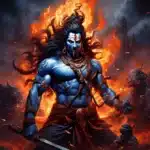
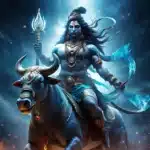
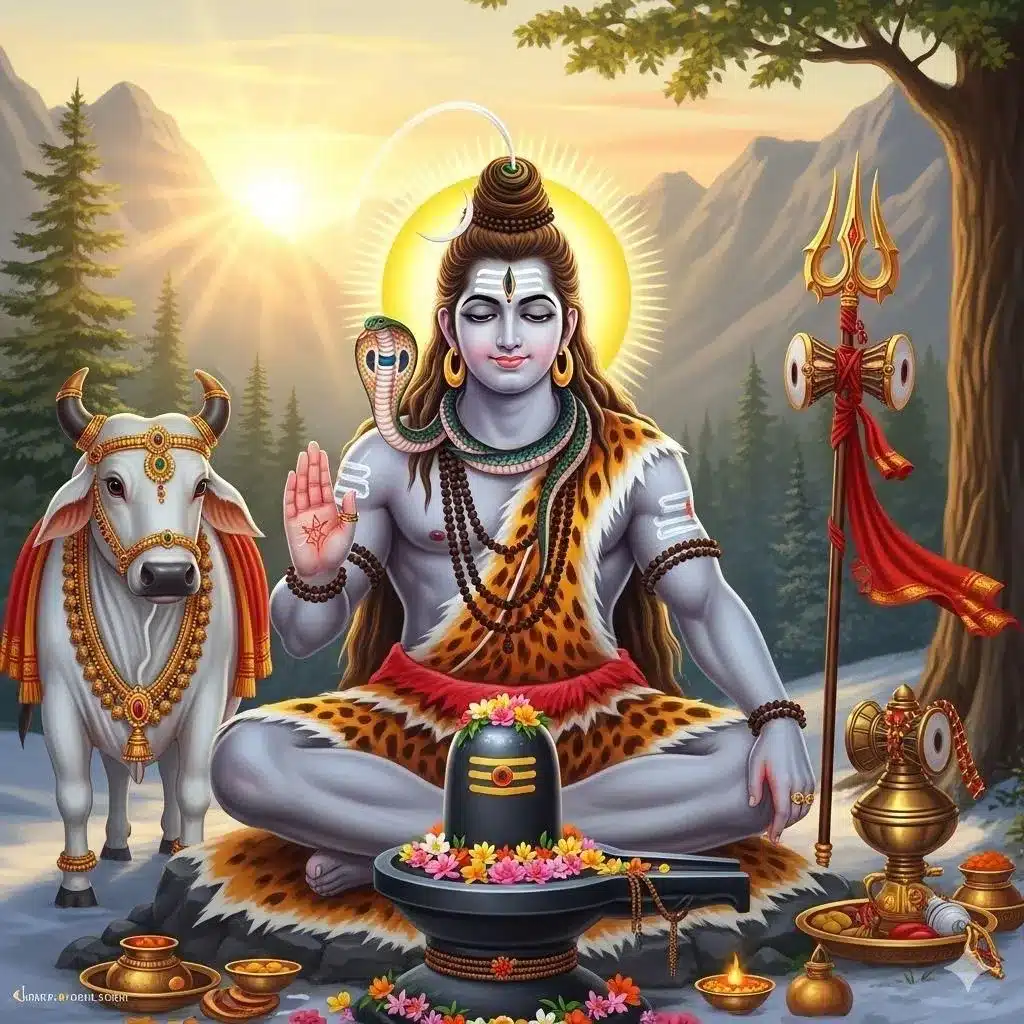
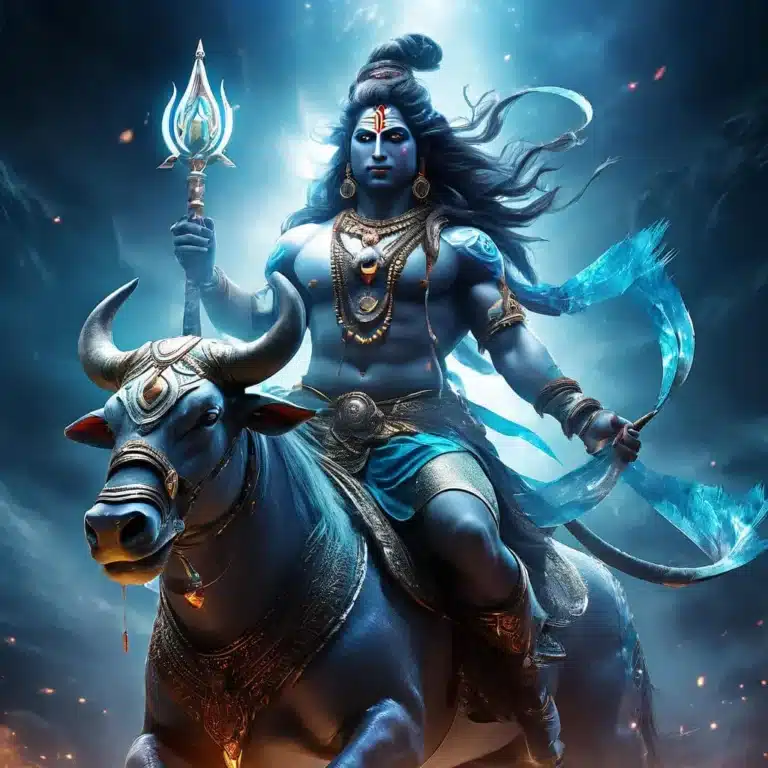
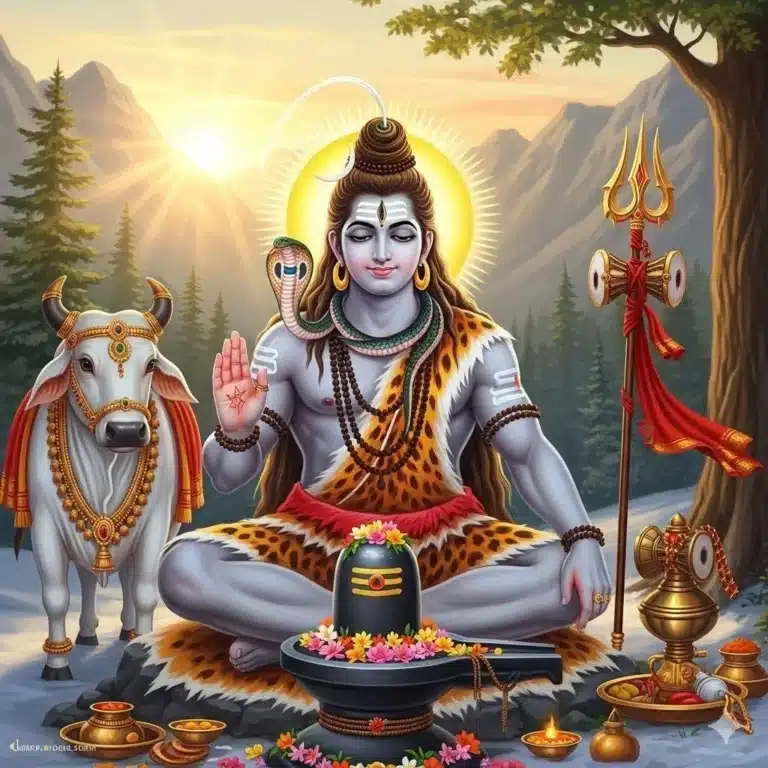
Bhramakumaris and Lord Shiva MahaShivratri or Shiva Jayanti is a festival imbued with deep spiritual meaning. Today, it is celebrated by devout Hindus as one of the many festivals and very few are aware of the deep significance of observing MahaShivratri. Shiva symbolizes the universally worshipped form of God, the Eternal Light. Shiva literally means one who is Kalyankari, the Benefactor of all souls. MahaShivratri, therefore, is the memorial of the divine incarnation and divine acts of the incorporeal God. Shiva is the Supreme Father; He performs the triple role of creation, sustenance, and destruction. This divine Trinity is symbolized as Brahma, Vishnu, and Shankar in Hindu theology. When devoted offer prayers to the Trinity form, they say “Brahma Devtaya Namaha, Vishnu Devtaya Namaha, Shankar Devtaya Namaha” and “Shiv Paramatmaya Namaha” Shiva denotes the Supreme God who is the creator of these three subtle deities through whom he performs divine acts. Only God, the Father has the power to create, sustain and also destroy creation in order to renew it. Shiva is the Paramatma, the Supreme Soul, the Incorporeal, and the Formless. But all deities and incarnations have corporeal form. Shiva and Shankar are worshipped distinctly as God and Deity respectively. The Shivalingam denotes the incorporeal form of God Shiva. The three lines and a dot in the center signify the subtle form of God as a point of light and his three divine acts. The 12 renowned temples in India, the Jyotirlingam Maths, are dedicated to the divine attributes of Shiva. The prayer Om Namo Shivay signifies that Om Namo Shivay signifies that Om is the soul who is worshipping Shiva. Those who believe themselves to be manifestations of God say Shivoham (I am Shiva). We seldom hear of anyone referring to themselves as God, taking the name of deities. The deities are addressed as Lord; they are earthly rulers who appear in the cycle of karma, according to the fruit of their actions. God remains always beyond joy and sorrow. Deities are the highest creations of God; hence they are also worshipped alongside God. But they take birth in the corporeal world while God never appears in the cycle of birth and death, for, He is beyond it. Deities are worshipped as pure beings but only God is Patitapavan, the Purifier of all impure beings. All Shiva temples are named after His divine attributes and acts. Legends tell us that even the most revered deities, Krishna and Rama, invoked the blessings of Shiva, and this is represented by the temples at Rameshwaram and Gopeshwar. God is known as the Liberator who grants salvation to all souls because He is the only one who remains liberated, eternally. Shivaratri signifies the night of ignorance and unrighteousness when Shiva incarnates in order to open our third eye of wisdom. Today, due to ignorance, we say that God is omnipresent; yet, we continue to suffer and seek Him for salvation. In blind faith, we believe every spark of light to be the Sun. When we cannot comprehend God, we look up to His divine creation as God. But it the Supreme Soul who is the eternal source of light and Might. All that seems divine, are in fact, His creation. Due to spiritual ignorance, we have lost our divinity.We can regain our divine nature only when we link ourselves to the Supreme Soul Shiva, who is the Ocean of all divine virtues and powers.As the Gita points out when the Ocean is bestowing everything why stop at a river or pond? God, the Supreme Soul (Shiv Baba) God is called the Supreme Soul or more accurately, the Supreme Soul is known to us as the God, the creator Almighty. He is supreme among all souls. Yet, like souls, God is a subtle point of light. But unlike human Souls, that Soul is beyond the cycle of birth and death and the effects of Karma (actions) in the form of experience of pleasure or pain. God is the Supreme Father, Mother, Teacher, and Guide of all human souls. We all remember Him only in our difficult times, it is built within us. So let us explore the truth about God, as revealed by himself through murlis. Representations of incorporeal God Being incorporeal, God is represented by an oval-shaped stone or light in many religions. In Hinduism, God is worshipped as an oval-shaped stone called Shivlingam or Jyotirlingam, meaning “a symbol of Shiva” or “a symbol of light”. Muslims revere an oval-shaped black stone called Sang-e-Aswad (holy stone), which is placed in the Kaaba in the Grand Mosque in Mecca. Jesus Christ (Christianity) has said and described God as ‘light ‘. Mahatma Buddha started deep meditation and found a spiritual existence of God, beyond the cycle of birth and death. Hence he describes the Self as such free beings detached and as a part of God. All religions point to the supreme soul in one or the other way. The common is clear that ‘God is a being of Light‘ and so is worshipped as a metaphysical power or energy that is present everywhere and within us. Name of God Everything that exists in nature has a name and a form. We get a name when we are born. In each birth, our name is different. But what about the name of one who never takes birth, and is unborn? His name must be eternal. So God has revealed Himself with His eternal name ‘Shiv‘ or ‘Shiva‘ (when pronounced in English). The Sanskrit meaning of Shiv is ‘One who is Ever Benevolent‘. He is the one who brings benefit to everyone. Till now, you have understood the reality of God the incorporeal supreme soul). Now let us turn to what we all souls call – ‘Our sweet home’. This is also the home of our spiritual father (god). There is complete and eternal sweet silence. Why sweet? Because here we are merged in the ocean of love. There is no body-consciousness (as there is no physical body). We and God live there as divine points
Bhramakumaris and Lord Shiva Read Post »