






Hari Om

Menu

Stotra

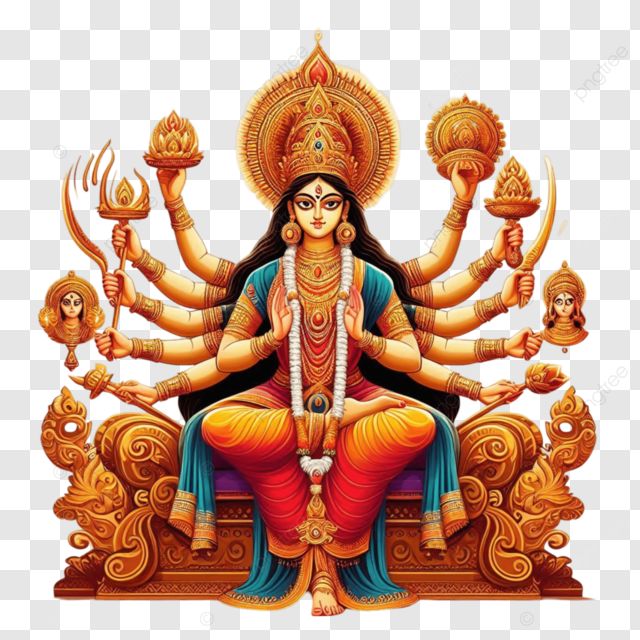
Multi-armed Goddess Durga seated with weapons and lamps image
Durga, Stotra

Keelaka Stotram

Keelaka Stotram मार्कण्डेय उवाचविशुद्धज्ञानदेहाय त्रिवेदीदिव्यचक्षुषे ।श्रेयः प्राप्तिनिमित्ताय नमः सोमार्धधारिणे ॥१॥ mārkaṇḍeya uvāca .oṃ viśuddhajñānadehāya trivedīdivyacakṣuṣe .śreyaḥprāptinimittāya namaḥ somārdhadhāriṇe .. 1 .. Sage Markandeya said: (I offer my salutations to the one) the essence of whose form is that of pure knowledge (of absolute consciousness) [vishuddha-jnana-dehaya] and whose three divine eyes form the three vedas [tri-vedi-divya-cakssusse],to imbibe that auspiciousness (of pure knowledge). I meditate on Shiva and Shakti in their conscious blissful form. I offer my salutations to Shiva who bears the half-of-soma (soma means moon) and also to Shakti who bears half-of-soma (in her body as ardhanareeswara. Soma here is Shiva). Therefore, she has the same qualities of Shiva, of visuddha jnana deha and trivedi divya cakssu. Keelaka is pin or nail. The conscious form of Shakti is pinned to all the mantras of devi mahatmyam as the underlying principle through the keelaka stotram. सर्वमेतद् विजानीयान्मन्त्राणामपि कीलकम् ।सोऽपि क्षेममवाप्नोति सततं जाप्यतत्परः ॥२॥ sarvametadvijānīyānmantrāṇāmapi kīlakam .so’pi kṣemamavāpnoti satataṃ japyatatparaḥ .. 2 .. All these hymns of Keelaka stotram, one should know, are indeed the keelaka (pin or nail) by which the mantras (of devi mahatmyan are pinned) (i.e. by which the underlying principle of the conscious form of devi are pinned), he who devotes himself to continuously chant these hymns, indeed attains tranquility of mind (i.e. he who continuously meditates on the conscious form of devi in the heart indeed attains tranquility of mind). सिद्ध्यन्त्युच्चाटनादीनि कर्माणि सकलान्यपि ।एतेन स्तुवतां देविं स्तोत्रवृन्देन भक्तितः ॥३॥ siddhyantyuccāṭanādīni karmāṇi sakalānyapi .etena stuvatāṃ devīṃ stotravṛndena bhaktitaḥ .. 3 .. He accomplishes uccatana (eradication of inner enemies) to the very root, and all related (spiritual) accomplishments, by extolling the devi with devotional fervour with this collection of hymns. न मन्त्रो नौषधं तत्र न किञ्चिदपि विद्यते ।विना जप्येन सिद्धयेत्तु सर्वमुच्चाटनादिकम् ॥४॥ na mantro nauṣadhaṃ tasya na kiñcidapi vidyate .vinā japyena siddhyettu sarvamuccāṭanādikam .. 4 .. There are no mantras (hymns) or ousadha (medicine) available, even a trace (which can accomplish uccatana), without chanting (any mantras) one accomplishes uccatana (eradication of inner enemies), all to its very root (by meditating on the conscious form of devi in the heart while reciting the devi mahatmyam).(here reciting devi mahatmyam is not like chanting any mantra to obtain the fruit of uccatana, but for meditation on the conscious form of devi and merging our ego in her.) समग्राण्यपि सेत्स्यन्ति लोकशङ्कामिमां हरः ।कृत्वा निमन्त्रयामास सर्वमेवमिदं शुभम् ॥५॥ samagrāṇyapi setsyanti lokaśaṅkāmimāṃ haraḥ .kṛtvā nimantrayāmāsa sarvamevamidaṃ śubham .. 5 .. People had this doubt, how can it be that everything is indeed accomplished (uccatana and other fruits) by reciting the devi mahatmyam which appears to be full of violence; Lord Shiva summoned and pinned the underlying principle of the conscious form of devi to all the mantras of devi mahatmyam; and having done that all this indeed became auspicious (i.e. now the violence in the battlefield became the auspicious force purging us from within). स्तोत्रं वै चण्डिकायास्तु तच्च गुह्यं चकार सः ।समाप्नोति स पुण्येन तां यथावन्निमन्त्रणाम् ॥६॥ stotraṃ vai caṇḍikāyāstu tacca guhyaṃ cakāra saḥ .samāpnoti sa puṇyena tāṃ yathāvannimantraṇām .. 6 .. That stotra of devi Chandika (i.e. Keelaka stotra), lord Shiva indeed made it hidden (behind every mantra of devi mahatmyam) thus making the conscious form of devi as the object of meditation, he achieves everything by her auspiciousness, when she is invoked in the right manner by meditating on her eternal conscious form. सोऽपि क्षेममवाप्नोति सर्वमेव न संशयः ।कृष्णायां वा चतुर्दश्यामष्टम्यां वा समाहितः ॥७॥ so’pi kṣemamavāpnoti sarvameva na saṃśayaḥ .kṛṣṇāyāṃ vā caturdaśyāmaṣṭamyāṃ vā samāhitaḥ .. 7 .. He indeed attains tranquility of mind and all other fruits, there is no doubt about it, he who meditates (on the devi) on Krishna paksha chaturdashi or ashtami of a month. ददाति प्रतिगृह्णाति नान्यथैषा प्रसीदति ।इत्थंरूपेण कीलेन महादेवेन कीलितम् ॥८॥ dadāti pratigṛhṇāti nānyathaiṣā prasīdati .itthaṃ rūpeṇa kīlena mahādevena kīlitam .. 8 .. While meditating on the conscious form of devi during recitation of devi mahatmyam, he should give himself in surrender to her lotus feet, and receive in return her grace; Otherwise she is not pleased (by mechanical recitation of devi mahatmyam bereft of devotion), in this manner, by the keela (pin of keelaka stotram) Mahadeva pinned the mantras of devi mahatmyam (making the meditation on the conscious form of devi the central theme). यो निष्कीलां विधायैनां चण्डीं जपति नित्यशः ।स सिद्धः स गणः सोऽथ गन्धर्वो जायते ध्रुवम् ॥९॥ yo niṣkīlāṃ vidhāyaināṃ caṇḍīṃ japati nityaśaḥ .sa siddhaḥ sa gaṇaḥ so’tha gandharvo jāyate dhruvam .. 9 .. He who after unpinning the keelaka makes her manifest (i.e. invokes her conscious form in the heart), and then recites the chandi, by constantly dwelling (on her conscious form), he becomes a siddha (spiritually accomplished), he becomes a gana (an attendent of the devi), he becomes a gandharva (celestial singer who glorifies the devi), truly. न चैवापाटवं तस्य भयं क्वापि न जायते ।नापमृत्युवशं याति मृते च मोक्षमाप्नुयात् ॥१०॥ na caivāpāṭavaṃ tasya bhayaṃ kvāpi na jāyate .nāpamṛtyuvaśaṃ yāti mṛte ca mokṣamāpnuyāt .. 10 .. He indeed does not become handicapped (prematurely) with major diseases; fear does not rise in him anywhere (which leads to unnecessary anxiety), he does not become victim of premature death; and after death attains moksha (liberation). ज्ञात्वा प्रारभ्य कुर्वीत ह्यकुर्वाणो विनश्यति ।ततो ज्ञात्वैव सम्पूर्णमिदं प्रारभ्यते बुधैः ॥११॥ jñātvā prārabhya kurvīta hyakurvāṇo vinaśyati .tato jñātvaiva sampūrṇamidaṃ prārabhyate budhaiḥ .. 11 .. Only after knowing (the keelakam), he should begin (reciting the devi mahatmyam); if not done in this manner, he is deprived (of the fruits of recitation), therefore only after knowing this fully (i.e. understanding the keelaka fully), the wise men begin reciting the devi mahatmyam. सौभाग्यादि च यत्किञ्चिद् दृश्यते ललनाजने ।तत्सर्वं तत्प्रसादेन तेन जप्यमिदं शुभम् ॥१२॥ saubhāgyādi ca yatkiñcid dṛśyate lalanājane .tatsarvaṃ tatprasādena tena japyamidaṃ śubham .. 12 .. Whatever good fortune, beauty, charm and the like are seen in women, all that is the result of your grace; Therefore women should chant this auspicious stotra and meditate on the auspicious form of the devi. शनैस्तु जप्यमानेऽस्मिन् स्तोत्रे सम्पत्तिरुच्चकैः ।भवत्येव समग्रापि ततः प्रारभ्यमेव तत् ॥१३॥ śanaistu

Keelaka Stotram Read Post »

Multi-armed Goddess Durga icon with trident and halo image
Stotra, Sūktam

Durga Suktam

Durga Suktam दुर्गासूक्तम्॥ अथ दुर्गा सूक्तम् ॥ओम् ॥ जा॒तवे॑दसे सुनवाम॒ सोम॑ मरातीय॒तो निद॑हाति॒ वेदः॑ ।स नः॑ पर्-ष॒दति॑ दु॒र्गाणि॒ विश्वा॑ ना॒वेव॒ सिन्धु॑-न्दुरि॒ता-ऽत्य॒ग्निः ॥ durgāsūktam.. atha durgā sūktam ..ōm ॥ jā̠tavē̍dasē sunavāma̠ sōma̍ marātīya̠tō nida̍hāti̠ vēda̍ḥ ।sa na̍ḥ par-ṣa̠dati̍ du̠rgāṇi̠ viśvā̍ nā̠vēva̠ sindhu̍-nduri̠tā-‘tya̠gniḥ ॥ We offer oblations of Soma unto Agni. May he burn those who are against us. May that Agni lead us beyond all difficulties, like a boatman takes his boat across a river. ताम॒ग्निव॑र्णा॒-न्तप॑सा ज्वल॒न्तीं-वैँ॑रोच॒नी-ङ्क॑र्मफ॒लेषु॒ जुष्टा᳚म् ।दु॒र्गा-न्दे॒वीग्ं शर॑णम॒ह-म्प्रप॑द्ये सु॒तर॑सि तरसे॒ नमः॑ ॥ tāma̠gniva̍rṇā̠-ntapa̍sā jvala̠ntīṃ vai̍rōcha̠nī-ṅka̍rmapha̠lēṣu̠ juṣṭā̎m ।du̠rgā-ndē̠vīgṃ śara̍ṇama̠ha-mprapa̍dyē su̠tara̍si tarasē̠ nama̍ḥ ॥ I take refuge in that Goddess, who has the lusture of fire, who is radiant due to her penance, who gives the fruits of all actions, and who is difficult to obtain. O Durga, we bow to you who are skilled in making us cross all difficulties. अग्ने॒ त्व-म्पा॑रया॒ नव्यो॑ अ॒स्मान्​थ्स्व॒स्तिभि॒रति॑ दु॒र्गाणि॒ विश्वा᳚ ।पूश्च॑ पृ॒थ्वी ब॑हु॒ला न॑ उ॒र्वी भवा॑ तो॒काय॒ तन॑याय॒ शं​योँः ॥ agnē̠ tva-mpā̍rayā̠ navyō̍ a̠smān​thsva̠stibhi̠rati̍ du̠rgāṇi̠ viśvā̎ ।pūścha̍ pṛ̠thvī ba̍hu̠lā na̍ u̠rvī bhavā̍ tō̠kāya̠ tana̍yāya̠ śaṃyōḥ ॥ Oh Agni! You are worthy of all praise. Lead us safely beyond all difficulties. May our land and our earth be abundant. Bless our children and their children with happiness. विश्वा॑नि नो दु॒र्गहा॑ जातवेद॒-स्सिन्धु॒न्न ना॒वा दु॑रि॒ता-ऽति॑पर्-षि ।अग्ने॑ अत्रि॒वन्मन॑सा गृणा॒नो᳚-ऽस्माक॑-म्बोध्यवि॒ता त॒नूना᳚म् ॥ viśvā̍ni nō du̠rgahā̍ jātavēda̠-ssindhu̠nna nā̠vā du̍ri̠tā-‘ti̍par-ṣi ।agnē̍ atri̠vanmana̍sā gṛṇā̠nō̎-‘smāka̍-mbōdhyavi̠tā ta̠nūnā̎m ॥ O destroyer of all difficulties! Rescue us from difficulties, just as one crosses a river by means of a boat. O Agni! Protect our bodies vigilantly like Atri (who is concerned with the welfare of all beings). पृ॒त॒ना॒ जित॒ग्ं॒ सह॑मानमु॒ग्रम॒ग्निग्ं हु॑वेम पर॒माथ्स॒धस्था᳚त् ।स नः॑ पर्-ष॒दति॑ दु॒र्गाणि॒ विश्वा॒ क्षाम॑द्दे॒वो अति॑ दुरि॒ता-ऽत्य॒ग्निः ॥ pṛ̠ta̠nā̠ jita̠gṃ̠ saha̍mānamu̠grama̠gnigṃ hu̍vēma para̠māthsa̠dhasthā̎t ।sa na̍ḥ par-ṣa̠dati̍ du̠rgāṇi̠ viśvā̠ kṣāma̍ddē̠vō ati̍ duri̠tā-‘tya̠gniḥ ॥ We invoke Agni from the highest assembly, who charges and vanquishes his enemies and is fearsome. May that Agni protect us and lead us beyond all that is transient, all difficulties, and all sins. प्र॒त्नोषि॑ क॒मीड्यो॑ अध्व॒रेषु॑ स॒नाच्च॒ होता॒ नव्य॑श्च॒ सत्सि॑ ।स्वाञ्चा᳚-ऽग्ने त॒नुव॑-म्पि॒प्रय॑स्वा॒स्मभ्य॑-ञ्च॒ सौभ॑ग॒माय॑जस्व ॥ pra̠tnōṣi̍ ka̠mīḍyō̍ adhva̠rēṣu̍ sa̠nāchcha̠ hōtā̠ navya̍ścha̠ satsi̍ ।svāñchā̎-‘gnē ta̠nuva̍-mpi̠praya̍svā̠smabhya̍-ñcha̠ saubha̍ga̠māya̍jasva ॥ O Agni! You who are adored in sacrifices multiply our joy. You are present in the sacrifices and are always laudable. Grant us happiness thinking of us as your own body. Bring us good fortune from all corners. गोभि॒र्जुष्ट॑मयुजो॒ निषि॑क्त॒-न्तवे᳚न्द्र विष्णो॒रनु॒सञ्च॑रेम ।नाक॑स्य पृ॒ष्ठम॒भि सं॒​वँसा॑नो॒ वैष्ण॑वीं-लोँ॒क इ॒ह मा॑दयन्ताम् ॥ gōbhi̠rjuṣṭa̍mayujō̠ niṣi̍kta̠-ntavē̎mdra viṣṇō̠ranu̠sañcha̍rēma ।nāka̍sya pṛ̠ṣṭhama̠bhi sa̠ṃvasā̍nō̠ vaiṣṇa̍vīṃ lō̠ka i̠ha mā̍dayantām ॥ O all-pervading Indra who is unattached ! We shall follow you blessed with cattle and happiness. May those who live in the upper reach of the heavens bless me with the world of Vishnu in this life. ओ-ङ्का॒त्या॒य॒नाय॑ वि॒द्महे॑ कन्यकु॒मारि॑ धीमहि ।तन्नो॑ दुर्गिः प्रचो॒दया᳚त् ॥ ō-ṅkā̠tyā̠ya̠nāya̍ vi̠dmahē̍ kanyaku̠māri̍ dhīmahi ।tannō̍ durgiḥ prachō̠dayā̎t ॥ We perceive the daughter of Katyayana; we meditate on that young virgin. May that Durga inspire us (to reach that goal). इति दुर्गा सूक्तम् ॥ॐ शान्तिः शान्तिः शान्तिः ॥ iti durgā sūktam ..oṃ śāntiḥ śāntiḥ śāntiḥ .. Om peace peace peace. Durga Suktam – Introduction The Durga Suktam is a Vedic hymn found in the Maha Narayana Upanishad, primarily addressed to Agni (the god of fire) as a representation of the Divine Mother Durga’s fiery, active energy. Its meaning is a prayer for protection from life’s difficulties, with Agni being asked to “carry us across” all obstacles like a ferryman carries a boat across a river. Chanting the Suktam is believed to bestow inner strength, prosperity, and connection to the Supreme Shakti, leading to the removal of fears and negativity. Key Aspects of the Durga Suktam:Invocation of Agni: The hymns are directed towards Agni, who symbolizes purposeful action and the power to overcome adversity. Durga’s Fiery Form: Agni is seen as a manifestation of Durga’s divine, fiery energy, a form that is both destructive to evil and protective to the righteous. Symbolism of Durga: The word “Durga” itself means “difficult to cross” or “fort,” representing the difficult obstacles and shortcomings that imprison the mind. A Prayer for Crossing Difficulties: The core message is a plea to be carried over the “ocean of worldly existence” by a divine force that obliterates obstacles. Connection to Shakti: The Suktam seeks the grace of the Supreme Shakti (divine feminine power) to gain protection, inner strength, and spiritual progress. Benefits of Chanting:Protection from Obstacles: Chanting provides protection from the difficulties that beset the path of life. Inner Strength and Clarity: It helps in gaining inner strength, mental clarity, and the ability to face challenging situations. Prosperity and Well-being: The hymn aims to bless homes, lands, children, and future generations with peace and prosperity. Spiritual Connection: It connects the chanter to the Divine Mother and allows for the experience of divine love.

Durga Suktam Read Post »

Maa Durga killing Mahishasura with lion mount and weapons image
Durga, Stotra

Devi Aparadha Kshamapana Stotram

Devi Aparadha Kshamapana Stotram न मत्रं नो यन्त्रं तदपि च न जाने स्तुतिमहोन चाह्वानं ध्यानं तदपि च न जाने स्तुतिकथाः ।न जाने मुद्रास्ते तदपि च न जाने विलपनंपरं जाने मातस्त्वदनुसरणं क्लेशहरणम् ॥१॥ ṇa ṃatram ṇo ẏantram ṭad-āpi Ca ṇa Jāne Stutim-āhoṇa Ca-[ā]ahvānam ḍhyānam ṭad-āpi Ca ṇa Jāne Stuti-k͟hathāh |ṇa Jāne ṃudrās-ṭe ṭad-āpi Ca ṇa Jāne VilapanamParam Jāne ṃātas-ṭvad-ānusarannam k͟hleśa-ḥarannam ||1|| (O Mother) neither your mantra, nor yantra (do I know); and alas, not even I know your stutI (eulogy),I do not know how to invoke you through dhyana (meditation); (and alas), not even I know how to simply recite your glories (stuti-katha),I do not know your mudras (to contemplate on you); (and alas), not even I know how to simply cry for you,However, one thing I know (for certain); by following you (somehow through rememberance however imperfectly) will take away all my afflictions (from my mind). विधेरज्ञानेन द्रविणविरहेणालसतयाविधेयाशक्यत्वात्तव चरणयोर्या च्युतिरभूत् ।तदेतत् क्षन्तव्यं जननि सकलोद्धारिणि शिवेकुपुत्रो जायेत क्वचिदपि कुमाता न भवति ॥२॥ Vidher-ājnyānena ḍravinna-Virahenna-ālasatayāVidheya-āśakyatvāt-ṭava Carannayoryā Cyutir-ābhūt |ṭad-ĕtat k͟hssantavyam Janani Sakalo[a-ū]ddhārinni ṣivek͟huputro Jāyeta k͟hvacid-āpi k͟humātā ṇa Bhavati ||2|| (O Mother) due to ignorance of the vidhis (injunctions of worship), and due to lack of wealth, as well as due to my indolent (lazy) nature, …it was not possible for me to serve your lotus feet; there have been failures on the performance of my duties (I admit that),(but) all these are pardonable (by you), O Mother; because you are the saviour of all, O Shivaa (auspicious mother),there can be Kuputra (fallen disobedient son turning away from mother), but there can never be Kumata (mother turning away from son permanently). पृथिव्यां पुत्रास्ते जननि बहवः सन्ति सरलाःपरं तेषां मध्ये विरलतरलोऽहं तव सुतः ।मदीयोऽयं त्यागः समुचितमिदं नो तव शिवेकुपुत्रो जायेत क्वचिदपि कुमाता न भवति ॥३॥ Prthivyām Putrās-ṭe Janani Bahavah Santi SaralāhParam ṭessām ṃadhye Virala-ṭaralo[a-ā]ham ṭava Sutah |ṃadīyo-[ā]yam ṭyāgah Samucitam-īdam ṇo ṭava ṣivek͟huputro Jāyeta k͟hvacid-āpi k͟humātā ṇa Bhavati ||3|| (O Mother) in this world, there are many many sons of yours who are simple-minded,however, among them I am a rare son of yours who is restless,because of this only, it is not proper for you to forsake me O Shivaa (auspicious mother),(because) there can be Kuputra (fallen disobedient son turning away from mother), but there can never be Kumata (mother turning away from son permanently). जगन्मातर्मातस्तव चरणसेवा न रचितान वा दत्तं देवि द्रविणमपि भूयस्तव मया ।तथापि त्वं स्नेहं मयि निरुपमं यत्प्रकुरुषेकुपुत्रो जायेत क्वचिदपि कुमाता न भवति ॥४॥ Jaganmātar-ṃātas-ṭava Caranna-Sevā ṇa ṟacitāṇa Vā ḍattam ḍevi ḍravinnam-āpi Bhūyas-ṭava ṃayā |ṭathā-[ā]pi ṭvam Sneham ṃayi ṇirupamam ẏat-Prakurussek͟huputro Jāyeta k͟hvacid-āpi k͟humātā ṇa Bhavati ||4|| O Jaganmata (mother of the world), O Mother, I have never served your lotus feet,neither have I offered, O Devi, abundant wealth at your lotus feet (during worship),inspite of this, you have maintained your motherly love towards me which is incomparable,(because) there can be Kuputra (fallen disobedient son turning away from mother), but there can never be Kumata (mother turning away from son permanently). परित्यक्ता देवा विविधविधसेवाकुलतयामया पञ्चाशीतेरधिकमपनीते तु वयसि ।इदानीं चेन्मातस्तव यदि कृपा नापि भवितानिरालम्बो लम्बोदरजननि कं यामि शरणम् ॥५॥ Parityaktā ḍevā Vividha-Vidha-Sevā-k͟hulatayāṃayā Pan.cāśīter-ādhikam-āpanīte ṭu Vayasi |īdānīm Cenmātas-ṭava ẏadi k͟hrpā ṇa-āpi Bhavitāṇirālambo l̤ambodara-Janani k͟ham ẏāmi ṣarannam ||5|| (O Mother) letting go (i.e. left or never undertaking) the various ritualistic worship services of the devas …by me, more than eighty five years of my life has passed,even at this moment (nearing death), if your grace do not descend, O Mother (who is) of the form of bliss-consciousness, …where will this niralamba (One without any support) seek refuge, O Lambodara JananI (mother of Lambodara or Ganesha). श्वपाको जल्पाको भवति मधुपाकोपमगिरानिरातङ्को रङ्को विहरति चिरं कोटिकनकैः ।तवापर्णे कर्णे विशति मनुवर्णे फलमिदंजनः को जानीते जननि जपनीयं जपविधौ ॥६॥ ṣvapāko Jalpāko Bhavati ṃadhupāko[a-ū]pama-ġirāṇirātangko ṟangko Viharati Ciram k͟hotti-k͟hanakaih |ṭava-āparnne k͟harnne Viśati ṃanu-Varnne Phalam-īdamJanah k͟ho Jānīte Janani Japanīyam Japa-Vidhau ||6|| (O Mother) a swapaka (a dog-eater or chandala) (from whose mouth nothing much comes out in terms of good speech) becomes jalpaka (talkative) with speech like a madhupaka (from whose mouth good speech comes out like honey) (by your grace),a ranka (poor and miserable) becomes niratanka (free from fear) forever, and moves about having obtained million gold (by your grace),O Aparna (another name of DevI Parvati), when your prayer (and glory) enter one’s ear (and sits in the heart), such is the result,(then) who among men can know, O Mother, the destiny which your holy japa can unfold? चिताभस्मालेपो गरलमशनं दिक्पटधरोजटाधारी कण्ठे भुजगपतिहारी पशुपतिः ।कपाली भूतेशो भजति जगदीशैकपदवींभवानि त्वत्पाणिग्रहणपरिपाटीफलमिदम् ॥७॥ Citā-Bhasmā-l̤epo ġaralam-āśanam ḍik-Patta-ḍharoJattā-ḍhārī k͟hanntthe Bhujaga-Pati-ḥārī Paśupatih |k͟hapālī Bhūteśo Bhajati Jagadīśai[a-ĕ]ka-PadavīmBhavāni ṭvat-Pānni-ġrahanna-Paripāttī-Phalam-īdam ||7|| (O Mother) (Lord Shankara), who is smeared with chitabhasma (ashes from the cremation ground), whose food is the poison, whose clothes are the directions, …who has matted hairs on his head, who wears the garland of the king of snakes around his neck; (inspite of all this he is called) PashupatI (the lord of the pashus or living beings),he carries a begging bowl of skull in his hand but is worshipped as Bhutesha (the lord of the bhutas or beings) and got the title of Jagadisha eka (One lord of the universe), …O Bhavani, all this is because of the result of your panI grahana (accepting your hand in marriage). न मोक्षस्याकाङ्क्षा भवविभववाञ्छापि च न मेन विज्ञानापेक्षा शशिमुखि सुखेच्छापि न पुनः ।अतस्त्वां संयाचे जननि जननं यातु मम वैमृडानी रुद्राणी शिव शिव भवानीति जपतः ॥८॥ ṇa ṃokssasya-[ā]akāngkssā Bhava-Vibhava-Vān.cā-[ā]pi Ca ṇa ṃeṇa Vijnyāna-āpekssā ṣaśi-ṃukhi Sukhe[a-ī]cca-āpi ṇa Punah |ātas-ṭvām Samyāce Janani Jananam ẏātu ṃama Vaiṃrddānī ṟudrānnī ṣiva ṣiva Bhavāni-īti Japatah ||8|| (O Mother) I do not have the desire for moksha (liberation); neither have I the desire for worldly fortune,neither do I long for worldly knowledge, O ShashI MukhI (the moon-faced one); I do not have the desire for enjoying the worldly comforts again,henceforth I implore you, O Mother, may you direct my life towards (the rememberance of your names),(the string of your holy names) MridanI RudranI Shiva Shiva Bhavani; may my future life be spent in performing japa of your holy names. नाराधितासि विधिना विविधोपचारैःकिं रुक्षचिन्तनपरैर्न कृतं वचोभिः ।श्यामे त्वमेव यदि किञ्चन मय्यनाथेधत्से

Devi Aparadha Kshamapana Stotram Read Post »

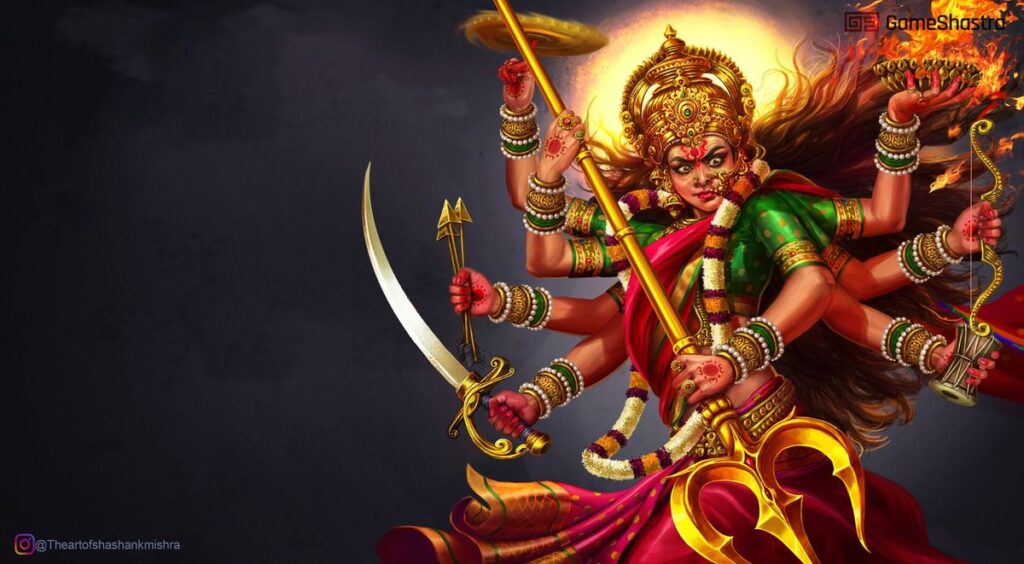
Fierce Goddess Durga with multiple arms holding weapons image
Durga, Stotra

Ayigiri Nandini

Ayigiri Nandini Pages related to Aigiri Nandini StotramSanskrit, English and MeaningVerse by Verse with Word meaningsChanting – English onlyChanting – Sanskrit only Note: In any of our pages, look for ‘Select/Change script’ on the top right. Here you can select the language to be displayed. Mahishasura Mardini Stotram The Mahishasura Mardini Stotram also known popularly as Aigiri Nandini, holds immense significance during Navratri. The word Mahisha means buffalo and Asura means Rakshasa or Demon. Composed by the great sage Adi Shankaracharya around 810 AD, this stotram is based on the Devi Mahatmyam and extols the different powers (shaktis) of the Devi. The Devi takes different forms of Durga, Lakshmi and Saraswati and destroys the demons – Madhu and Kaitabha, Mahishasura, and Sumbha and Nisumbha. For more information please scroll down. Mahishasura Mardini Stotram अयि गिरिनंदिनि नंदितमेदिनि विश्वविनोदिनि नंदनुतेगिरिवरविंध्यशिरोधिनिवासिनि विष्णुविलासिनि जिष्णुनुते ।भगवति हे शितिकण्ठकुटुंबिनि भूरिकुटुंबिनि भूरिकृतेजय जय हे महिषासुरमर्दिनि रम्यकपर्दिनि शैलसुते ॥ १॥ सुरवरवर्षिणि दुर्धरधर्षिणि दुर्मुखमर्षिणि हर्षरतेत्रिभुवनपोषिणि शंकरतोषिणि किल्बिषमोषिणि घोषरते ।दनुजनिरोषिणि दितिसुतरोषिणि दुर्मदशोषिणि सिन्धुसुतेजय जय हे महिषासुरमर्दिनि रम्यकपर्दिनि शैलसुते ॥ २॥ अयि जगदंब मदंब कदंबवनप्रियवासिनि हासरतेशिखरिशिरोमणि तुङ्गहिमालय श‍ृंगनिजालय मध्यगते ।मधुमधुरे मधुकैटभगंजिनि कैटभभंजिनि रासरतेजय जय हे महिषासुरमर्दिनि रम्यकपर्दिनि शैलसुते ॥ ३॥ अयि शतखण्ड विखण्डितरुण्ड वितुण्डितशुण्द गजाधिपतेरिपुगजगण्ड विदारणचण्ड पराक्रमशुण्ड मृगाधिपते ।निजभुजदण्ड निपातितखण्ड विपातितमुण्ड भटाधिपतेजय जय हे महिषासुरमर्दिनि रम्यकपर्दिनि शैलसुते ॥ ४ ॥ अयि रणदुर्मद शत्रुवधोदित दुर्धरनिर्जर शक्तिभृतेचतुरविचार धुरीणमहाशिव दूतकृत प्रमथाधिपते ।दुरितदुरीह दुराशयदुर्मति दानवदुत कृतान्तमतेजय जय हे महिषासुरमर्दिनि रम्यकपर्दिनि शैलसुते ॥ ५ ॥ अयि शरणागत वैरिवधुवर वीरवराभय दायकरेत्रिभुवनमस्तक शुलविरोधि शिरोऽधिकृतामल शुलकरे ।दुमिदुमितामर धुन्दुभिनादमहोमुखरीकृत दिङ्मकरेजय जय हे महिषासुरमर्दिनि रम्यकपर्दिनि शैलसुते ॥ ६ ॥ अयि निजहुङ्कृति मात्रनिराकृत धूम्रविलोचन धूम्रशतेसमरविशोषित शोणितबीज समुद्भवशोणित बीजलते ।शिवशिवशुम्भ निशुम्भमहाहव तर्पितभूत पिशाचरतेजय जय हे महिषासुरमर्दिनि रम्यकपर्दिनि शैलसुते ॥ ७ ॥ धनुरनुषङ्ग रणक्षणसङ्ग परिस्फुरदङ्ग नटत्कटकेकनकपिशङ्ग पृषत्कनिषङ्ग रसद्भटशृङ्ग हताबटुके ।कृतचतुरङ्ग बलक्षितिरङ्ग घटद्बहुरङ्ग रटद्बटुकेजय जय हे महिषासुरमर्दिनि रम्यकपर्दिनि शैलसुते ॥ ८ ॥ सुरललना ततथेयि तथेयि कृताभिनयोदर नृत्यरतेकृत कुकुथः कुकुथो गडदादिकताल कुतूहल गानरते ।धुधुकुट धुक्कुट धिंधिमित ध्वनि धीर मृदंग निनादरतेजय जय हे महिषासुरमर्दिनि रम्यकपर्दिनि शैलसुते ॥ ९ ॥ जय जय जप्य जयेजयशब्द परस्तुति तत्परविश्वनुतेझणझणझिञ्झिमि झिङ्कृत नूपुरशिञ्जितमोहित भूतपते ।नटित नटार्ध नटी नट नायक नाटितनाट्य सुगानरतेजय जय हे महिषासुरमर्दिनि रम्यकपर्दिनि शैलसुते ॥ १० ॥ अयि सुमनःसुमनःसुमनः सुमनःसुमनोहरकान्तियुतेश्रितरजनी रजनीरजनी रजनीरजनी करवक्त्रवृते ।सुनयनविभ्रमर भ्रमरभ्रमर भ्रमरभ्रमराधिपतेजय जय हे महिषासुरमर्दिनि रम्यकपर्दिनि शैलसुते ॥ ११ ॥ सहितमहाहव मल्लमतल्लिक मल्लितरल्लक मल्लरतेविरचितवल्लिक पल्लिकमल्लिक झिल्लिकभिल्लिक वर्गवृते ।शितकृतफुल्ल समुल्लसितारुण तल्लजपल्लव सल्ललितेजय जय हे महिषासुरमर्दिनि रम्यकपर्दिनि शैलसुते ॥ १२ ॥ अविरलगण्ड गलन्मदमेदुर मत्तमतङ्गजराजपतेत्रिभुवनभूषण भूतकलानिधि रूपपयोनिधि राजसुते ।अयि सुदतीजन लालसमानस मोहन मन्मथराजसुतेजय जय हे महिषासुरमर्दिनि रम्यकपर्दिनि शैलसुते ॥ १३ ॥ कमलदलामल कोमलकान्ति कलाकलितामल भाललतेसकलविलास कलानिलयक्रम केलिचलत्कल हंसकुले ।अलिकुलसङ्कुल कुवलयमण्डल मौलिमिलद्बकुलालिकुलेजय जय हे महिषासुरमर्दिनि रम्यकपर्दिनि शैलसुते ॥ १४ ॥ करमुरलीरव वीजितकूजित लज्जितकोकिल मञ्जुमतेमिलितपुलिन्द मनोहरगुञ्जित रञ्जितशैल निकुञ्जगते ।निजगणभूत महाशबरीगण सद्गुणसम्भृत केलितलेजय जय हे महिषासुरमर्दिनि रम्यकपर्दिनि शैलसुते ॥ १५ ॥ कटितटपीत दुकूलविचित्र मयुखतिरस्कृत चन्द्ररुचेप्रणतसुरासुर मौलिमणिस्फुर दंशुलसन्नख चन्द्ररुचेजितकनकाचल मौलिमदोर्जित निर्भरकुञ्जर कुम्भकुचेजय जय हे महिषासुरमर्दिनि रम्यकपर्दिनि शैलसुते ॥ १६ ॥ विजितसहस्रकरैक सहस्रकरैक सहस्रकरैकनुतेकृतसुरतारक सङ्गरतारक सङ्गरतारक सूनुसुते ।सुरथसमाधि समानसमाधि समाधिसमाधि सुजातरते ।जय जय हे महिषासुरमर्दिनि रम्यकपर्दिनि शैलसुते ॥ १७ ॥ पदकमलं करुणानिलये वरिवस्यति योऽनुदिनं सुशिवेअयि कमले कमलानिलये कमलानिलयः स कथं न भवेत् ।तव पदमेव परम्पदमित्यनुशीलयतो मम किं न शिवेजय जय हे महिषासुरमर्दिनि रम्यकपर्दिनि शैलसुते ॥ १८ ॥ कनकल सत्कलसिन्धुजलैरनुषिञ्चति तेगुणरङ्गभुवम्भजति स किं न शचीकुचकुम्भ तटीपरिरम्भसुखानुभवम् ।तव चरणं शरणं करवाणि नतामरवाणि निवासि शिवम्जय जय हे महिषासुरमर्दिनि रम्यकपर्दिनि शैलसुते ॥ १९ ॥ तव विमलेन्दुकुलं वदनेन्दुमलं सकलं ननु कूलयतेकिमु पुरुहूतपुरीन्दु मुखी सुमुखीभिरसौ विमुखीक्रियते ।मम तु मतं शिवनामधने भवती कृपया किमुत क्रियतेजय जय हे महिषासुरमर्दिनि रम्यकपर्दिनि शैलसुते ॥ २० ॥ अयि मयि दीनदयालुतया कृपयैव त्वया भवितव्यमुमेअयि जगतो जननी कृपयासि यथासि तथाऽनुमितासि रते ।यदुचितमत्र भवत्युररीकुरुतादुरुतापमपाकुरुतेजय जय हे महिषासुरमर्दिनि रम्यकपर्दिनि शैलसुते ॥ २१॥ Description Note: For a verse by verse chanting of Aigiri Nandini please click here . Mahishasura Mardini Stotram“The place where Sri Mahishasura Mardini Stotram is sung every day, I will always be present and never leave.”– The Devi’s proclamation in the 12th chapter of the Devi Mahatmyam The Mahishasura Mardini Stotram also known popularly as Aigiri Nandini, holds immense significance during Navratri. The word Mahisha means buffalo and Asura means Rakshasa or Demon. Composed by the great sage Adi Shankaracharya around 810 AD, this stotram is based on the Devi Mahatmyam and extols the different powers (shaktis) of the Devi. The Devi takes different forms of Durga, Lakshmi and Saraswati and destroys the demons – Madhu and Kaitabha, Mahishasura, and Sumbha and Nisumbha. Mahishasura Mardini Stotram is said to bring peace to the devotee and removes all fear and sadness. It drives away negative emotions like doubt, anger, ego and inertia. This stotram also removes obstacles from the path of the believer. One can listen to Ayigiri Nandini (click the audio link above) however reciting the chants are considered to be more powerful. The slaying of MahishasuraWhen the Devi destroyed the army of Mahishasura – the King of Demons, Chakshura, the mighty general decided to fight the Devi himself. But very soon, after a fierce battle, the Devi slaughtered him into hundreds of pieces. As soon as the valiant general of Mahishasura was slain, Chamara, the afflicter of the gods came forward mounted on an elephant to try his luck in the great battle. The Devi’s lion pounced upon the elephant and the two battled fiercely till the end. The lion then struck Chamara with his paw and killed him. Seeing his army being destroyed brutally by the Devi and her lion, Mahishasura took the form of a majestic and fierce Buffalo and terrified the troops of the Devi. Hitting some by muzzle, trampling some by his hooves, lashing at some with his tail, and tearing others with his horns. When he was done with the Devi’s army, Mahishasura rushed to slay the lion of the Devi. This enraged the Devi. Mahishasura, pounded the terrain with his hooves in rage, crushed the earth by his whirling speed and flooded the oceans. When the Devi saw Mahishasura advancing towards her in such rage, she was angered and flung her noose over the great asura and bound him. But Mahishasura soon relinquished his buffalo form and became a lion. When the Devi cut the head of his Lion form, he took a human form. The Devi slayed the human form too immediately, and then the evil Mahishasura took the form

Ayigiri Nandini Read Post »

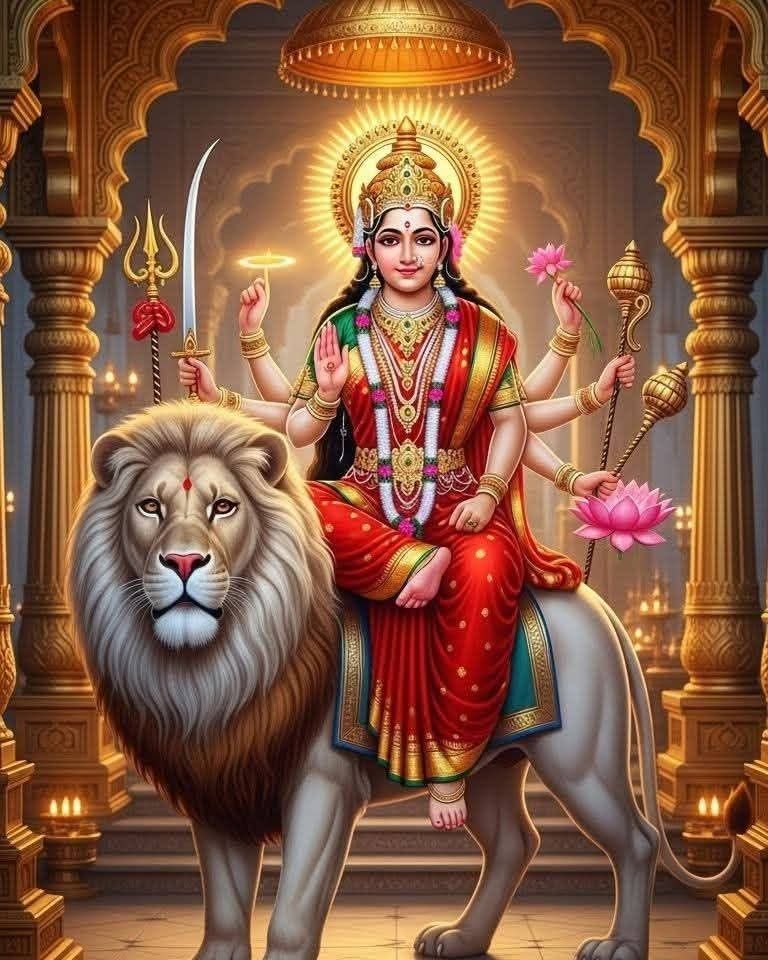
Goddess Durga sitting on white lion in temple image
Durga, Stotra

Ayigiri Nandini

Ayigiri Nandini Pages related to Aigiri Nandini StotramSanskrit, English and MeaningVerse by Verse with Word meaningsChanting – English onlyChanting – Sanskrit only Note: In any of our pages, look for ‘Select/Change script’ on the top right. Here you can select the language to be displayed. Mahishasura Mardini Stotram The Mahishasura Mardini Stotram also known popularly as Aigiri Nandini, holds immense significance during Navratri. The word Mahisha means buffalo and Asura means Rakshasa or Demon. Composed by the great sage Adi Shankaracharya around 810 AD, this stotram is based on the Devi Mahatmyam and extols the different powers (shaktis) of the Devi. The Devi takes different forms of Durga, Lakshmi and Saraswati and destroys the demons – Madhu and Kaitabha, Mahishasura, and Sumbha and Nisumbha. For more information please scroll down. Mahishasura Mardini Stotram Ayigiri nandini nanditamedini viśvavinodini naṃdanutegirivaraviṃdhyaśirodhinivāsini viṣṇuvilāsini jiṣṇunute .Bhagavati he śitikaṇṭhakuṭuṃbini bhūrikuṭuṃbini bhūrikṛtejaya jaya he mahiṣāsuramardini ramyakapardini śailasute .. 1.. Suravaravarṣiṇi durdharadharṣiṇi durmukhamarṣiṇi harṣaratetribhuvanapoṣiṇi śaṃkaratoṣiṇi kilbiṣamoṣiṇi ghoṣarate .Danujaniroṣiṇi ditisutaroṣiṇi durmadaśoṣiṇi sindhusutejaya jaya he mahiṣāsuramardini ramyakapardini śailasute .. 2.. Ayi jagadaṃba madaṃba kadaṃbavanapriyavāsini hāsarateśikhariśiromaṇituṅgahimālayaśṛṃganijālayamadhyagate .Madhumadhure madhukaiṭabhagaṃjini kaiṭabhabhaṃjini rāsaratejaya jaya he mahiṣāsuramardini ramyakapardini śailasute .. 3.. Ayi śatakhaṇḍa vikhaṇḍitaruṇḍa vituṇḍitaśuṇda gajādhipateRipugajagaṇḍa vidāraṇacaṇḍa parākramaśuṇḍa mṛgādhipate .Nijabhujadaṇḍa nipātitakhaṇḍa vipātitamuṇḍa bhaṭādhipateJaya jaya he mahiṣāsuramardini ramyakapardini śailasute .. 4 .. Ayi raṇadurmada śatruvadhodita durdharanirjara śaktibhṛteCaturavicāra dhurīṇamahāśiva dūtakṛta pramathādhipate .Duritadurīha durāśayadurmati dānavaduta kṛtāntamateJaya jaya he mahiṣāsuramardini ramyakapardini śailasute .. 5 .. Ayi śaraṇāgata vairivadhuvara vīravarābhaya dāyakareTribhuvanamastaka śulavirodhi śiro’dhikṛtāmala śulakare .Dumidumitāmara dhundubhinādamahomukharīkṛta diṅmakareJaya jaya he mahiṣāsuramardini ramyakapardini śailasute .. 6 .. Ayi nijahum̐kṛti mātranirākṛta dhūmravilocana dhūmraśateSamaraviśoṣita śoṇitabīja samudbhava śoṇitabījalate .Śivaśiva śuṃbha niśuṃbha mahāhava tarpitabhūtapiśācarateJaya jaya he mahiṣāsuramardini ramyakapardini śailasute .. 7.. Dhanuranuṣaṅga raṇakṣaṇasaṅga parisphuradaṅga naṭatkaṭakeKanakapiśaṅga pṛṣatkaniṣaṅga rasadbhaṭaśṛṅga hatābaṭuke .Kṛtacaturaṅga balakṣitiraṅga ghaṭadbahuraṅga raṭadbaṭukeJaya jaya he mahiṣāsuramardini ramyakapardini śailasute .. 8 .. Suralalanā tatatheyi tatheyi kṛtābhinayodara nṛtyarateKṛta kukuthaḥ kukutho gaḍadādikatāla kutūhala gānarate .Dhudhukuṭa dhukkuṭa dhiṃdhimita dhvani dhīra mṛdaṃga ninādarateJaya jaya he mahiṣāsuramardini ramyakapardini śailasute .. 9 .. Jaya jaya japya jayejayaśabda parastuti tatparaviśvanuteJhaṇajhaṇajhiñjhimi jhiṅkṛta nūpuraśiñjitamohita bhūtapate .Naṭita naṭārdha naṭī naṭa nāyaka nāṭitanāṭya sugānarateJaya jaya he mahiṣāsuramardini ramyakapardini śailasute .. 10 .. Ayi sumanaḥ sumanaḥ sumanaḥ sumanaḥ sumanohara kāntiyuteŚritarajanī rajanīrajanī rajanīrajanī karavaktravṛte .Sunayanavibhramara bhramarabhramara bhramarabhramarādhipateJaya jaya he mahiṣāsuramardini ramyakapardini śailasute .. 11 .. Sahitamahāhava mallamatallika mallitarallaka mallarateViracitavallika pallikamallika jhillikabhillika vargavṛte .Śitakṛtaphulla samullasitāruṇa tallajapallava sallaliteJaya jaya he mahiṣāsuramardini ramyakapardini śailasute .. 12 .. Aviralagaṇḍa galanmadamedura mattamataṅgajarājapateTribhuvanabhūṣaṇa bhūtakalānidhi rūpapayonidhi rājasute .Ayi sudatījana lālasamānasa mohana manmatharājasuteJaya jaya he mahiṣāsuramardini ramyakapardini śailasute .. 13 .. Kamaladalāmala komalakānti kalākalitāmala bhālalateSakalavilāsa kalānilayakrama kelicalatkala haṃsakule .Alikulasaṅkula kuvalayamaṇḍala maulimiladbakulālikuleJaya jaya he mahiṣāsuramardini ramyakapardini śailasute .. 14 .. Karamuralīrava vījitakūjita lajjitakokila mañjumateMilitapulinda manoharaguñjita rañjitaśaila nikuñjagate .Nijagaṇabhūta mahāśabarīgaṇa sadguṇasambhṛta kelitaleJaya jaya he mahiṣāsuramardini ramyakapardini śailasute .. 15 .. Kaṭitaṭapīta dukūlavicitra mayukhatiraskṛta candrarucePraṇatasurāsura maulimaṇisphura daṃśulasannakha candraruceJitakanakācala maulimadorjita nirbharakuñjara kumbhakuceJaya jaya he mahiṣāsuramardini ramyakapardini śailasute .. 16 .. Vijitasahasrakaraika sahasrakaraika sahasrakaraikanuteKṛtasuratāraka saṅgaratāraka saṅgaratāraka sūnusute .Surathasamādhi samānasamādhi samādhisamādhi sujātarate .Jaya jaya he mahiṣāsuramardini ramyakapardini śailasute .. 17 .. Padakamalaṃ karuṇānilaye varivasyati yo’nudinaṃ suśiveAyi kamale kamalānilaye kamalānilayaḥ sa kathaṃ na bhavet .Tava padameva parampadamityanuśīlayato mama kiṃ na śiveJaya jaya he mahiṣāsuramardini ramyakapardini śailasute .. 18 .. Kanaka lasatkala sindhujalairanuṣiñ cati teguṇaraṅgabhuvamBhajati sa kiṃ na śacīkucakumbha taṭīparirambh asukhānubhavam .Tava caraṇaṃ śaraṇaṃ karavāṇi natāmaravāṇi nivāsi śivamJaya jaya he mahiṣāsuramardini ramyakapardini śailasute .. 19 .. Tava vimalendukulaṃ vadanendumalaṃ sakalaṃ nanu kūlayateKimu puruhūtapurīndu mukhī sumukhībhirasau vimukhīkriyate .Mama tu mataṃ śivanāmadhane bhavatī kṛpayā kimuta kriyateJaya jaya he mahiṣāsuramardini ramyakapardini śailasute .. 20 .. Ayi mayi dīna dayālutayā kṛpayaiva tvayā bhavitavyamumeAyi jagato jananī kṛpayāsi yathāsi tathānumitāsirate .Yaducitamatra bhavatyurarīkurutādurutāpamapākuruteJaya jaya he mahiṣāsuramardini ramyakapardini śailasute .. 21 .. Description Note: For a verse by verse chanting of Aigiri Nandini please click here . Mahishasura Mardini Stotram“The place where Sri Mahishasura Mardini Stotram is sung every day, I will always be present and never leave.”– The Devi’s proclamation in the 12th chapter of the Devi Mahatmyam The Mahishasura Mardini Stotram also known popularly as Aigiri Nandini, holds immense significance during Navratri. The word Mahisha means buffalo and Asura means Rakshasa or Demon. Composed by the great sage Adi Shankaracharya around 810 AD, this stotram is based on the Devi Mahatmyam and extols the different powers (shaktis) of the Devi. The Devi takes different forms of Durga, Lakshmi and Saraswati and destroys the demons – Madhu and Kaitabha, Mahishasura, and Sumbha and Nisumbha. Mahishasura Mardini Stotram is said to bring peace to the devotee and removes all fear and sadness. It drives away negative emotions like doubt, anger, ego and inertia. This stotram also removes obstacles from the path of the believer. One can listen to Ayigiri Nandini (click the audio link above) however reciting the chants are considered to be more powerful. The slaying of MahishasuraWhen the Devi destroyed the army of Mahishasura – the King of Demons, Chakshura, the mighty general decided to fight the Devi himself. But very soon, after a fierce battle, the Devi slaughtered him into hundreds of pieces. As soon as the valiant general of Mahishasura was slain, Chamara, the afflicter of the gods came forward mounted on an elephant to try his luck in the great battle. The Devi’s lion pounced upon the elephant and the two battled fiercely till the end. The lion then struck Chamara with his paw and killed him. Seeing his army being destroyed brutally by the Devi and her lion, Mahishasura took the form of a majestic and fierce Buffalo and terrified the troops of the Devi. Hitting some by muzzle, trampling some by his hooves, lashing at some with his tail, and tearing others with his horns. When he was done with the Devi’s army, Mahishasura rushed to slay the lion of the Devi. This enraged the Devi. Mahishasura, pounded the terrain with his hooves in rage, crushed the earth by his whirling speed and flooded the oceans. When the Devi saw Mahishasura advancing towards her in such rage, she was angered and flung her noose over the great asura and bound him. But Mahishasura soon relinquished his buffalo form and became a lion. When the Devi cut the head of his Lion form, he took a human form. The Devi slayed the human form too immediately, and then the

Ayigiri Nandini Read Post »

Maa Durga seated on tiger with weapons and halo.
Durga, Stotra

Argala Stotram

Argala Stotram Argala Stotram Introduction The Argala Stotram is a powerful hymn dedicated to Goddess Durga, often recited during the Chandi Path or Durga Saptashati. The stotram is composed of verses that invoke the blessings of the Goddess in her various forms, asking for protection, prosperity, victory, and the removal of obstacles. The word “Argala” refers to a “bolt” or “lock,” and just as a lock needs to be opened to gain access to something valuable, the recitation of the Argala Stotram is believed to unlock the blessings and grace of the Divine Mother. ॐ अस्य श्रीअर्गलास्तोत्रमन्त्रस्य विष्णुर्ऋषिः,अनुष्टुप् छन्दः,श्रीमहालक्ष्मीर्देवता, श्रीजगदम्बाप्रीतये सप्तशतीपाठाङ्गत्वेन जपे विनियोगः॥ॐ नमश्चण्डिकायै॥मार्कण्डेय उवाच oṃ asya śrīargalāstotramantrasya viṣṇurṛṣiḥ,anuṣṭup chandaḥ,śrīmahālakṣmīrdevatā, śrījagadambāprītaye saptaśatīpāṭhāṅgatvena jape viniyogaḥ..oṃ namaścaṇḍikāyai..mārkaṇḍeya uvāca Oṃ, for the recitation of this Argala Stotram mantra, the seer (Rishi) is Viṣṇu, the meter (Chandaḥ) is Anuṣṭup, the deity (Devata) is Śrī Mahālakṣmī, and it is used in the ritual recitation of the Saptaśatī for pleasing Śrī Jagadambā. ॐ जयन्ती मङ्गला काली भद्रकाली कपालिनी।दुर्गा क्षमा शिवा धात्री स्वाहा स्वधा नमोऽस्तु ते॥1॥ oṃ jayantī maṅgalā kālī bhadrakālī kapālinī.durgā kṣamā śivā dhātrī svāhā svadhā namo’stu te..1.. Salutations to you, O Goddess! You are Jayantī (the victorious), Maṅgalā (the auspicious), Kālī (the black-hued one), Bhadrakālī (the benevolent and fierce form of Kālī), and Kapālinī (the one who holds a skull). You are Durgā (the invincible), Kṣamā (the embodiment of forgiveness), Śivā (the auspicious one), Dhātrī (the support of all beings), Svāhā (the invocation for offerings to the gods), and Svadhā (the invocation for offerings to the ancestors). Salutations to you! जय त्वं देवि चामुण्डे जय भूतार्तिहारिणि।जय सर्वगते देवि कालरात्रि नमोऽस्तु ते॥2॥ jaya tvaṃ devi cāmuṇḍe jaya bhūtārtihāriṇi.jaya sarvagate devi kālarātri namo’stu te..2.. Victory to you, O Goddess Cāmuṇḍā! Victory to you, the remover of the distress of beings! Victory to you, O all-pervading Goddess, O Kālarātri (night of destruction), salutations to you! मधुकैटभविद्राविविधातृवरदे नमः।रुपं देहि जयं देहि यशो देहि द्विषो जहि॥3॥ madhukaiṭabhavidrāvividhātṛvarade namaḥ.rupaṃ dehi jayaṃ dehi yaśo dehi dviṣo jahi..3.. Salutations to the one who bestowed boons after destroying the demons Madhuka and Kaiṭabha. Grant me beauty, grant me victory, grant me fame, and destroy my enemies. महिषासुरनिर्णाशि भक्तानां सुखदे नमः।रुपं देहि जयं देहि यशो देहि द्विषो जहि॥4॥ mahiṣāsuranirṇāśi bhaktānāṃ sukhade namaḥ.rupaṃ dehi jayaṃ dehi yaśo dehi dviṣo jahi..4.. Salutations to the one who annihilated Mahishasura and who grants happiness to her devotees. Grant me beauty, grant me victory, grant me fame, and destroy my enemies. रक्तबीजवधे देवि चण्डमुण्डविनाशिनि।रुपं देहि जयं देहि यशो देहि द्विषो जहि॥5॥ raktabījavadhe devi caṇḍamuṇḍavināśini.rupaṃ dehi jayaṃ dehi yaśo dehi dviṣo jahi..5.. O Goddess, the slayer of Raktabīja and the destroyer of Caṇḍa and Muṇḍa, grant me beauty, grant me victory, grant me fame, and destroy my enemies. शुम्भस्यैव निशुम्भस्य धूम्राक्षस्य च मर्दिनि।रुपं देहि जयं देहि यशो देहि द्विषो जहि॥6॥ śumbhasyaiva niśumbhasya dhūmrākṣasya ca mardini.rupaṃ dehi jayaṃ dehi yaśo dehi dviṣo jahi..6.. O destroyer of Śumbha, Niśumbha, and Dhūmrākṣa, grant me beauty, grant me victory, grant me fame, and destroy my enemies. वन्दिताङ्घ्रियुगे देवि सर्वसौभाग्यदायिनि।रुपं देहि जयं देहि यशो देहि द्विषो जहि॥7॥ vanditāṅghriyuge devi sarvasaubhāgyadāyini.rupaṃ dehi jayaṃ dehi yaśo dehi dviṣo jahi..7.. O Goddess, whose feet are worshipped and who bestows all auspiciousness, grant me beauty, grant me victory, grant me fame, and destroy my enemies. अचिन्त्यरुपचरिते सर्वशत्रुविनाशिनि।रुपं देहि जयं देहि यशो देहि द्विषो जहि॥8॥ acintyarupacarite sarvaśatruvināśini.rupaṃ dehi jayaṃ dehi yaśo dehi dviṣo jahi..8.. O Goddess of incomprehensible form and deeds, destroyer of all enemies, grant me beauty, grant me victory, grant me fame, and destroy my enemies. नतेभ्यः सर्वदा भक्त्या चण्डिके दुरितापहे।रुपं देहि जयं देहि यशो देहि द्विषो जहि॥9॥ natebhyaḥ sarvadā bhaktyā caṇḍike duritāpahe.rupaṃ dehi jayaṃ dehi yaśo dehi dviṣo jahi..9.. O Caṇḍikā, who is always worshipped with devotion and who removes suffering, grant me beauty, grant me victory, grant me fame, and destroy my enemies. स्तुवद्भ्यो भक्तिपूर्वं त्वां चण्डिके व्याधिनाशिनि।रुपं देहि जयं देहि यशो देहि द्विषो जहि॥10॥ stuvadbhyo bhaktipūrvaṃ tvāṃ caṇḍike vyādhināśini.rupaṃ dehi jayaṃ dehi yaśo dehi dviṣo jahi..10.. O Caṇḍikā, destroyer of diseases, you are praised with full devotion. Grant me beauty, grant me victory, grant me fame, and destroy my enemies. चण्डिके सततं ये त्वामर्चयन्तीह भक्तितः।रुपं देहि जयं देहि यशो देहि द्विषो जहि॥11॥ caṇḍike satataṃ ye tvāmarcayantīha bhaktitaḥ.rupaṃ dehi jayaṃ dehi yaśo dehi dviṣo jahi..11.. O Caṇḍikā, to those who constantly worship you with devotion, grant me beauty, grant me victory, grant me fame, and destroy my enemies. देहि सौभाग्यमारोग्यं देहि मे परमं सुखम्।रुपं देहि जयं देहि यशो देहि द्विषो जहि॥12॥ dehi saubhāgyamārogyaṃ dehi me paramaṃ sukham.rupaṃ dehi jayaṃ dehi yaśo dehi dviṣo jahi..12.. Grant me good fortune and health, and bestow upon me supreme happiness. Grant me beauty, grant me victory, grant me fame, and destroy my enemies. विधेहि द्विषतां नाशं विधेहि बलमुच्चकैः।रुपं देहि जयं देहि यशो देहि द्विषो जहि॥13॥ vidhehi dviṣatāṃ nāśaṃ vidhehi balamuccakaiḥ.rupaṃ dehi jayaṃ dehi yaśo dehi dviṣo jahi..13.. Bring about the destruction of my enemies and grant me great strength. Grant me beauty, grant me victory, grant me fame, and destroy my enemies. विधेहि देवि कल्याणं विधेहि परमां श्रियम्।रुपं देहि जयं देहि यशो देहि द्विषो जहि॥14॥ vidhehi devi kalyāṇaṃ vidhehi paramāṃ śriyam.rupaṃ dehi jayaṃ dehi yaśo dehi dviṣo jahi..14.. O Goddess, grant me auspiciousness and bestow supreme prosperity. Grant me beauty, grant me victory, grant me fame, and destroy my enemies. सुरासुरशिरोरत्ननिघृष्टचरणेऽम्बिके।रुपं देहि जयं देहि यशो देहि द्विषो जहि॥15॥ surāsuraśiroratnanighṛṣṭacaraṇe’mbike.rupaṃ dehi jayaṃ dehi yaśo dehi dviṣo jahi..15.. O Mother, whose feet are adorned with the crowns of both gods and demons, grant me beauty, grant me victory, grant me fame, and destroy my enemies. विद्यावन्तं यशस्वन्तं लक्ष्मीवन्तं जनं कुरु।रुपं देहि जयं देहि यशो देहि द्विषो जहि॥16॥ vidyāvantaṃ yaśasvantaṃ lakṣmīvantaṃ janaṃ kuru.rupaṃ dehi jayaṃ dehi yaśo dehi dviṣo jahi..16.. Make me learned, famous, and prosperous. Grant me beauty, grant me victory, grant me fame, and destroy my enemies. प्रचण्डदैत्यदर्पघ्ने चण्डिके प्रणताय मे।रुपं देहि जयं देहि यशो देहि द्विषो जहि॥17॥ pracaṇḍadaityadarpaghne caṇḍike praṇatāya me.rupaṃ dehi jayaṃ dehi yaśo dehi dviṣo jahi..17.. O Caṇḍikā, destroyer of the arrogance of fierce demons, I bow to you. Grant me beauty, grant me victory, grant me fame, and destroy my enemies. चतुर्भुजे चतुर्वक्त्रसंस्तुते परमेश्वरि।रुपं देहि जयं देहि

Argala Stotram Read Post »

Young Lord Ayyappa seated under tree with sages praying. image
Dakshinamurthy, Stotra

Dakshinamurthy Stotram

Dakshinamurthy Stotram Dhyānamॐ मौनव्याख्या प्रकटितपरब्रह्मतत्वंयुवानंवर्शिष्ठान्तेवसदृषिगणैरावृतं ब्रह्मनिष्ठैः |आचार्येन्द्रं करकलित चिन्मुद्रमानन्दमूर्तिंस्वात्मरामं मुदितवदनं दक्षिणामूर्तिमीडे ‖ oṃ maunavyākhyā prakaṭita parabrahmatatvaṃ yuvānaṃvarśiṣṭhānte vasad ṛṣigaṇair āvṛtaṃ brahmaniṣṭhaiḥ |ācāryendraṃ karakalita cinmudram ānandamūrtiṃsvātmarāmaṃ muditavadanaṃ dakṣiṇāmūrtimīḍe ‖ I salute Śrī Dakṣiṇāmūrti, the Young Guru, who teaches the knowledge of Brahman through silence, who is surrounded by disciples, who are themselves ṛṣis and scholars in the Vedas. (I worship Śrī Dakṣiṇāmūrti), who is the teacher of teachers, whose hand is held in the sign of knowledge (cin-mudrā), whose nature is fullness, who reveals in himself, and who is ever silent. (1) वटविटपिसमीपे भूमिभागे निषण्णंसकलमुनिजनानां ज्ञानदातारमारात् |त्रिभुवनगुरुमीशं दक्षिणामूर्तिदेवंजननमरणदुःखच्छेद दक्षं नमामि ‖ vaṭaviṭapisamīpe bhūmibhāge niṣaṇṇaṃsakalamunijanānāṃ jñānadātāramārāt |tribhuvana guru mīśaṃ dakṣiṇāmūrtidevaṃjanana maraṇa duḥkha cchedadakṣaṃ namāmi ‖ I bow down to Śrī Dakṣiṇāmūrti, the teacher of the three worlds, the Lord, the destroyer of the miseries of birth and death, who seated on the ground under the banyan tree, grants knowledge to all the ṛṣis, who have assembled near Him.(2) चित्रं वटतरोर्मूले वृद्धाः शिष्याः गुरुर्युवा |गुरोस्तु मौनव्याख्यानं शिष्यास्तुच्छिन्नसंशयाः ‖ citraṃ vaṭatarormūle vṛddhāḥ śiṣyāḥ gururyuvā |gurostu maunavyākhyānaṃ śiṣyās tu chinna saṃśayāḥ ‖ Wonderous indeed! Under the tree are the aged disciples around the youthful Guru. He taught them with silence, but the doubts of the disciples were all dispelled. (3) निधये सर्वविद्यानां भिषजे भवरोगिणाम् |गुरवे सर्वलोकानां दक्षिणामूर्तये नमः ‖ nidhaye sarvavidyānāṃ bhiṣaje bhavarogiṇām |gurave sarvalokānāṃ dakṣiṇāmūrtaye namaḥ ‖ Salutations to Śrī Dakṣiṇāmūrti, the abode of all learning, the healer of all those who suffer from the disease of saṃsāra, and the teacher of the whole world. ॐ नमः प्रणवार्थाय शुद्धज्ञानैकमूर्तये |निर्मलाय प्रशान्ताय दक्षिणामूर्तये नमः ‖ oṃ namaḥ praṇavārthāya śuddhajñānaikamūrtaye |nirmalāya praśāntāya dakṣiṇāmūrtaye namaḥ ‖ Salutations to Śrī Dakṣiṇāmūrti, who is ever pure and ever calm, the embodiment of pure knowledge and who is but the indicative meaning of Praṇava (Om) the Supreme. (5) चिदोघनाय महेशाय वटमूलनिवासिने |सच्चिदानन्द रूपाय दक्षिणामूर्तये नमः ‖ cidoghanāya maheśāya vaṭamūlanivāsine |saccidānanda rūpāya dakṣiṇāmūrtaye namaḥ ‖ Salutations to Sri Dakshinamurthy Who is (as if) Consciousness Solidified, Salutations to the Mahesha (the Great God), Salutations to the One Who dwells at the root (i.e. base) of the Banyan Tree (Vata). Salutations to the embodiment of SatChitAnanda (Existence, Consciousness, Bliss) (6) ईश्वरो गुरुरात्मेति मूर्तिभेदविभागिने |व्योमवद् व्याप्तदेहाय दक्षिणामूर्तये नमः ‖ īśvaro gururātmeti mūrtibheda vibhāgine |vyomavad vyāptadehāya dakṣiṇāmūrtaye namaḥ ‖ There is no difference between the Guru, Self and God. Obeisance to Lord Dakshinamurthy who is the personification of the Supreme Self that permeates through Space Stotramविश्वं दर्पणदृश्यमाननगरी तुल्यं निजान्तर्गतंपश्यन्नात्मनि मायया बहिरिवोद्भूतं यथा निद्रया।यः साक्षात्कुरुते प्रबोधसमये स्वात्मानमेवाद्वयंतस्मै श्रीगुरुमूर्तये नम इदं श्रीदक्षिणामूर्तये ॥ १॥ viśvaṃ darpaṇadṛśyamānanagarītulyaṃ nijāntargataṃpaśyannātmani māyayā bahirivodbhūtaṃ yathā nidrayā.yaḥ sākṣātkurute prabodhasamaye svātmānamevādvayaṃtasmai śrīgurumūrtaye nama idaṃ śrīdakṣiṇāmūrtaye .. 1.. He who experiences at the time of realization his own immutable Self-in which the Self alone plays as the universe of names and forms, like a city seen in a mirror, due to the maya power as though produced outside, as in a dream, to him, the divine teacher, Sri Dakshinamurthy, is this prostration. बीजस्यान्तरिवाङ्कुरो जगदिदं प्रानिर्विकल्पं पुनःमायाकल्पितदेशकालकलनावैचित्र्यचित्रीकृतम् ।मायावीव विजृम्भयत्यपि महायोगीव यः स्वेच्छयातस्मै श्रीगुरुमूर्तये नम इदं श्रीदक्षिणामूर्तये ॥ २॥ bījasyāntarivāṅkuro jagadidaṃ prānirvikalpaṃ punaḥmāyākalpitadeśakālakalanāvaicitryacitrīkṛtam .māyāvīva vijṛmbhayatyapi mahāyogīva yaḥ svecchayātasmai śrīgurumūrtaye nama idaṃ śrīdakṣiṇāmūrtaye .. 2.. He who, like a juggler or a great yogi, unrolls this universe just out of His own free will – the universe, which before creation remained unmanifest like the future tree in a seed and has later on projected Himself out to be the world of endless variety, due to the delusory play of time and space, both the products of maya… to Him, the divine teacher, Sri Dakshinamurthy, is this prostration. यस्यैव स्फुरणं सदात्मकमसत्कल्पार्थकं भासतेसाक्षात्तत्त्वमसीति वेदवचसा यो बोधयत्याश्रितान् ।यत्साक्षात्करणाद्भवेन्न पुनरावृत्तिर्भवाम्भोनिधौतस्मै श्रीगुरुमूर्तये नम इदं श्रीदक्षिणामूर्तये ॥ ३॥ yasyaiva sphuraṇaṃ sadātmakam asat kalpārthakaṃ bhāsatesākṣāt tat-tvam-asīti veda vacasā yo bodhayaty āśritān .yat sākṣāt karaṇād bhaven na punar āvṛttir bhavām bho nidhautasmai śrī gurumūrtaye nama idaṃ śrī dakṣiṇāmūrtaye .. 3.. He whose manifestations- which are themselves nothing but the Reality- appear as the objects of the world; He, who imparts to those who have surrendered to Him, direct enlightenment, through the vedic commandment “That Thou Art”, and after the direct experience of which there is no more any return to the “ocean” of worldly existence…. to Him, the divine teacher, Sri Dakshinamurty, is this prostration. नानाच्छिद्र घटोदरस्थितमहा दीपप्रभाभास्वरंज्ञानं यस्य तु चक्षुरादिकरणद्वारा बहिः स्पन्दते ।जानामीति तमेव भान्तमनुभात्येतत्समस्तं जगत्तस्मै श्रीगुरुमूर्तये नम इदं श्रीदक्षिणामूर्तये ॥ ४॥ nānācchidra ghaṭodara sthitamahā dīpaprabhā bhāsvaraṃjñānaṃ yasya tu cakṣur ādi karaṇa dvārā bahiḥ spandate .jānāmīti tameva bhāntam anubhāty etat samastaṃ jagattasmai śrī gurumūrtaye nama idaṃ śrī dakṣiṇāmūrtaye .. 4.. He, whose intelligence “flashes” outside through the eyes and other sense-organs, just like the bright light of a great lamp placed in a jar having many holes, and after whose shining, this whole universe of “objects” shines… to Him, the divine teacher, Sri Dakshinamurthy, is this prostration. देहं प्राणमपीन्द्रियाण्यपि चलां बुद्धिं च शून्यं विदुःस्त्रीबालान्धजडोपमास्त्वहमिति भ्रान्ता भृशं वादिनः ।मायाशक्ति विलास कल्पितमहा व्यामोहसंहारिणेतस्मै श्रीगुरुमूर्तये नम इदं श्रीदक्षिणामूर्तये ॥ ५॥ dehaṃ prāṇam api-indriyāṇy api calāṃ buddhiṃ ca śūnyaṃ viduḥstrī bāla-andha jaḍo pamāstvaham iti bhrāntā bhṛśaṃ vādinaḥ .māyā śaktivilāsa kalpitamahā vyāmoha saṃhāriṇetasmai śrī gurumūrtaye nama idaṃ śrī dakṣiṇāmūrtaye .. 5.. He who removes all the terrible misconceptions, created by the deluding play of maya- in those, who, intellectually innocent as a woman-child-blind-idiot and consider the reality as their body or their prana or their senses or their ever-changing intellect or as mere void and through error (mis-conceptions)- declare them to be the only reality… to Him, the divine teacher, Sri Dakshinamurthy, is this prostration. राहुग्रस्तदिवाकरेन्दुसदृशो मायासमाच्छादनात्सन्मात्रः करणोपसंहरणतो योऽभूत्सुषुप्तः पुमान् ।प्रागस्वाप्समिति प्रबोधसमये यः प्रत्यभिज्ञायतेतस्मै श्रीगुरुमूर्तये नम इदं श्रीदक्षिणामूर्तये ॥ ६॥ rāhu grasta divākarendu sadṛśo māyā samācchādanātsanmātraḥ karaṇopasaṃharaṇato yo’bhūt suṣuptaḥ pumān .prāgasvāpsamiti prabodhasamaye yaḥ pratyabhijñāyatetasmai śrī gurumūrtaye nama idaṃ śrīd akṣiṇāmūrtaye .. 6.. On folding up all the functions of the senses, He who enters into a state of deep-sleep and there becomes existence veiled in maya, like the sun or the moon during eclipse, and who, on waking, remembers to have slept… to Him, the divine teacher, Sri Dakshinamurthy, is this prostration. बाल्यादिष्वपि जाग्रदादिषु तथा सर्वास्ववस्थास्वपिव्यावृत्तास्वनुवर्तमानमहमित्यन्तः स्फुरन्तं सदा ।स्वात्मानं

Dakshinamurthy Stotram Read Post »

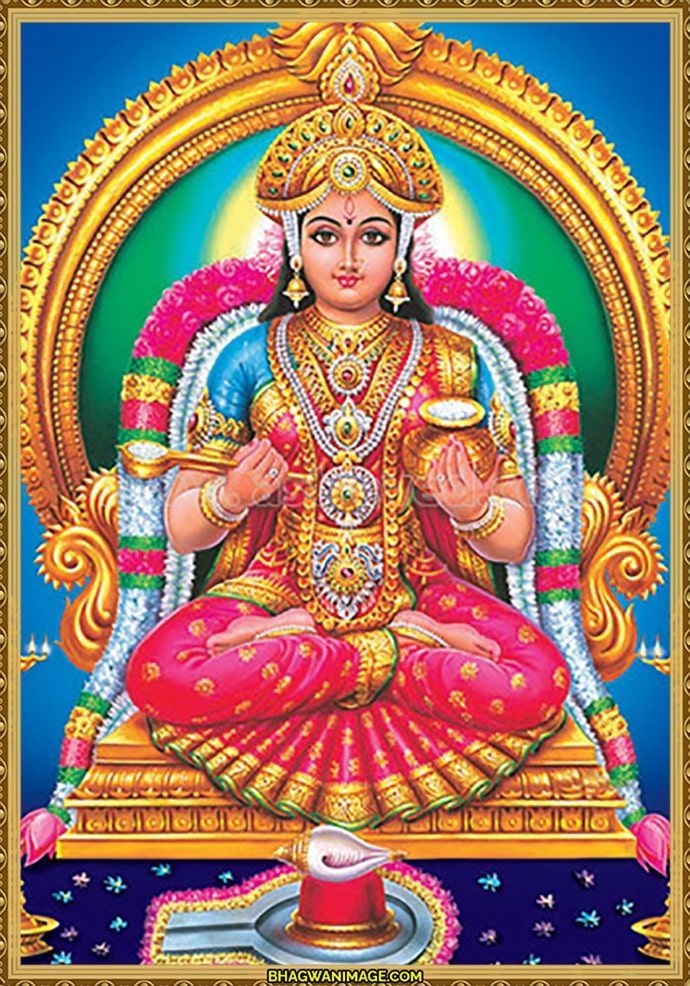
Goddess Lakshmi seated on throne holding pot of wealth. image
Annapurna, Stotra

Annapurna Stotram

Annapurna Stotram नित्यानन्दकरी वराभयकरी सौन्दर्यरत्नाकरीनिर्धूताखिलघोरपावनकरी प्रत्यक्षमाहेश्वरी ।प्रालेयाचलवंशपावनकरी काशीपुराधीश्वरीभिक्षां देहि कृपावलम्बनकरी माताऽन्नपूर्णेश्वरी ॥ १॥ nityānandakarī varābhayakarī saundaryaratnākarīnirdhūtākhilaghorapāvanakarī pratyakṣamāheśvarī .prāleyācalavaṃśapāvanakarī kāśīpurādhīśvarībhikṣāṃ dehi kṛpāvalambanakarī mātā’nnapūrṇeśvarī .. 1.. Oh! Mother Annapurna! renderer of the support of compassion, the bestower of eternal happiness, the donor of gifts and protection, the ocean of beauty, the destroyer of all sins and purifier, the great goddess, the purifier of the family of Himavan, and the great deity of Kasi, (thou) grant us alms. नानारत्नविचित्रभूषणकरी हेमाम्बराडम्बरीमुक्ताहारविलम्बमान विलसत् वक्षोजकुम्भान्तरी ।काश्मीरागरुवासिता रुचिकरी काशीपुराधीश्वरीभिक्षां देहि कृपावलम्बनकरी माताऽन्नपूर्णेश्वरी ॥ २॥ nānāratnavicitrabhūṣaṇakarī hemāmbarāḍambarīmuktāhāravilambamāna vilasat vakṣojakumbhāntarī .kāśmīrāgaruvāsitā rucikarī kāśīpurādhīśvarībhikṣāṃ dehi kṛpāvalambanakarī mātā’nnapūrṇeśvarī .. 2.. Oh! Mother Annapurna! renderer of the support of compassion, one who is adorned with ornaments made up of different kinds of gems, wearer of golden-laced dress, the space, in between whose breasts shines with the pendant garland of pearls, the beautiful – bodied, rendered and the presiding deity of Kasi, (thou) grant us alms. योगानन्दकरी रिपुक्षयकरी धर्मार्थनिष्ठाकरीचन्द्रार्कानलभासमानलहरी त्रैलोक्यरक्षाकरी ।सर्वैश्वर्यसमस्तवाञ्छितकरी काशीपुराधीश्वरीभिक्षां देहि कृपावलम्बनकरी माताऽन्नपूर्णेश्वरी ॥ ३॥ yogānandakarī ripukṣayakarī dharmārthaniṣṭhākarīcandrārkānalabhāsamānalaharī trailokyarakṣākarī .sarvaiśvaryasamastavāñchitakarī kāśīpurādhīśvarībhikṣāṃ dehi kṛpāvalambanakarī mātā’nnapūrṇeśvarī .. 3.. Oh! Mother Annapurna! the renderer of the support of compassion, the giver of happiness obtainable through yoga, the destroyer of the enemies, the cause of (men) getting deep-rooted in righteousness, the possessor of the waves of splendour of the three worlds, the donors of all riches, the bestower of the fruits of penance, and the presiding deity of Kasi, (thou) grant us alms. कैलासाचलकन्दरालयकरी गौरी उमा शङ्करीकौमारी निगमार्थगोचरकरी ओङ्कारबीजाक्षरी ।मोक्षद्वारकपाटपाटनकरी काशीपुराधीश्वरीभिक्षां देहि कृपावलम्बनकरी माताऽन्नपूर्णेश्वरी ॥ ४॥ kailāsācalakandarālayakarī gaurī umā śaṅkarīkaumārī nigamārthagocarakarī oṅkārabījākṣarī .mokṣadvārakapāṭapāṭanakarī kāśīpurādhīśvarībhikṣāṃ dehi kṛpāvalambanakarī mātā’nnapūrṇeśvarī .. 4.. Oh! Mother Annapurna! the renderer of the support of compassion, the resident of the caves of the Kailasa mountains, golden-complexioned, Oh! Uma! the consort of Sankara, endowed always with maidenhood, the cause of our comprehension of the purport of the Vedas, whose basic syllable is the syllable `Om’, the opener of the doors of emancipation and the presiding deity of Kasi, (thou) grant us alms. दृश्यादृश्य विभूतिवाहनकरी ब्रह्माण्डभाण्डोदरीलीलानाटकसूत्रभेदनकरी विज्ञानदीपाङ्कुरी ।श्रीविश्वेशमनः प्रसादनकरी काशीपुराधीश्वरीभिक्षां देहि कृपावलम्बनकरी माताऽन्नपूर्णेश्वरी ॥ ५॥ dṛśyādṛśya vibhūtivāhanakarī brahmāṇḍabhāṇḍodarīlīlānāṭakasūtrabhedanakarī vijñānadīpāṅkurī .śrīviśveśamanaḥ prasādanakarī kāśīpurādhīśvarībhikṣāṃ dehi kṛpāvalambanakarī mātā’nnapūrṇeśvarī .. 5.. Oh! Mother Annapurna! the renderer of the support of compassion, the conveyor of the visible and invisible prosperity, the container of the primordial egg, the directress of the sportive drama (of the world), the flame of the lamp of true knowledge, the source of the mental happiness of Sri Visvanatha, and the presiding deity of Kasi, (thou) grant us alms. उर्वी सर्वजनेश्वरी भगवती माताऽन्नपूर्णेश्वरीवेणीनीलसमानकुन्तलधरी नित्यान्नदानेश्वरी ।सर्वानन्दकरी सदाशुभकरी काशीपुराधीश्वरीभिक्षां देहि कृपावलम्बनकरी माताऽन्नपूर्णेश्वरी ॥ ६॥ urvī sarvajaneśvarī bhagavatī mātā’nnapūrṇeśvarīveṇīnīlasamānakuntaladharī nityānnadāneśvarī .sarvānandakarī sadāśubhakarī kāśīpurādhīśvarībhikṣāṃ dehi kṛpāvalambanakarī mātā’nnapūrṇeśvarī .. 6.. Oh! Mother Annapurna! the renderer of the support of compassion, the form of the earth, the governess of all men, the cause of victory, the mother, the ocean of compassion, the possessor of beautiful and dark braid of hari resembling the flower of the indigo plant, the giver of food daily, the direct bestower of emancipation and eternal welfare, and the presiding deity of Kasi, (thou) grant us alms. आदिक्षान्तसमस्तवर्णनकरी शम्भोस्त्रिभावाकरीकाश्मीरा त्रिजलेश्वरी त्रिलहरी नित्याङ्कुरा शर्वरी ।कामाकाङ्क्षकरी जनोदयकरी काशीपुराधीश्वरीभिक्षां देहि कृपावलम्बनकरी माताऽन्नपूर्णेश्वरी ॥ ७॥ ādikṣāntasamastavarṇanakarī śambhostribhāvākarīkāśmīrā trijaleśvarī trilaharī nityāṅkurā śarvarī .kāmākāṅkṣakarī janodayakarī kāśīpurādhīśvarībhikṣāṃ dehi kṛpāvalambanakarī mātā’nnapūrṇeśvarī .. 7.. Oh! Mother Annapurna! the renderer of the support of compassion, the maker of the letters ‘a’ (‚) to ‘ksha’ (®¸), he cause of the three acts of Sambhu, namely, the creation, protection and destruction, the wearer of saffron, the consort of the destroyer of the three cities, the consort of the three-eyed lord, the governess of universe, the form of the goddess of night, the opener of the gates of heavens, and the presiding deity of Kasi, (thou) grant us alms. देवी सर्वविचित्ररत्नरचिता दाक्षायणी सुन्दरीवामे स्वादुपयोधरा प्रियकरी सौभाग्य माहेश्वरी ।भक्ताभीष्टकरी सदाशुभकरी काशीपुराधीश्वरीभिक्षां देहि कृपावलम्बनकरी माताऽन्नपूर्णेश्वरी ॥ ८॥ devī sarvavicitraratnaracitā dākṣāyaṇī sundarīvāme svādupayodharā priyakarī saubhāgya māheśvarī .bhaktābhīṣṭakarī sadāśubhakarī kāśīpurādhīśvarībhikṣāṃ dehi kṛpāvalambanakarī mātā’nnapūrṇeśvarī .. 8.. Oh! Mother Annapurna! the renderer of the support of compassion, Oh! Goddess! adorned with different kinds of gems, the daughter of Daksha, the most beautiful, bearer of benign breasts, doer of good to all, endowed with good fortune, fulfiller of the desires of the devotees, doer of auspicious acts, and the presiding deity of Kasi, (thou) grant us alms. चन्द्रार्कानलकोटिकोटिसदृशा चन्द्रांशुबिम्बाधरीचन्द्रार्काग्निसमानकुण्डलधरी चन्द्रार्कवर्णेश्वरी ।मालापुस्तकपाशसाङ्कुशधरी काशीपुराधीश्वरीभिक्षां देहि कृपावलम्बनकरी माताऽन्नपूर्णेश्वरी ॥ ९॥ candrārkānalakoṭikoṭisadṛśā candrāṃśubimbādharīcandrārkāgnisamānakuṇḍaladharī candrārkavarṇeśvarī .mālāpustakapāśasāṅkuśadharī kāśīpurādhīśvarībhikṣāṃ dehi kṛpāvalambanakarī mātā’nnapūrṇeśvarī .. 9.. Oh! Mother Annapurna! the renderer of the support of compassion, one who resembles crores and crores of suns, moons and fires, endowed with lips resembling the red pearl and the bimba fruit, bearer of ear-ornament resembling the moon, sun and fire (in radiance), having a complexion of the goad, and the presiding deity of Kasi, (thou) grant us alms. क्षत्रत्राणकरी महाऽभयकरी माता कृपासागरीसाक्षान्मोक्षकरी सदा शिवकरी विश्वेश्वरी श्रीधरी ।दक्षाक्रन्दकरी निरामयकरी काशीपुराधीश्वरीभिक्षां देहि कृपावलम्बनकरी माताऽन्नपूर्णेश्वरी ॥ १०॥ kṣatratrāṇakarī mahā’bhayakarī mātā kṛpāsāgarīsākṣānmokṣakarī sadā śivakarī viśveśvarī śrīdharī .dakṣākrandakarī nirāmayakarī kāśīpurādhīśvarībhikṣāṃ dehi kṛpāvalambanakarī mātā’nnapūrṇeśvarī .. 10.. Oh! Mother Annapurna! the renderer of the support of compassion, the protector of the dominion remover of great fear, the mother, the ocean of compassion, the cause of the happiness of all, the eternal doer of good, the consort of Visvesvara, the form of Lakshmi, the destroyer of the sacrifice of Daksha, one who makes us free from diseases, and the presiding deity of Kasi, (thou) grant us alms. अन्नपूर्णे सदापूर्णेशङ्करप्राणवल्लभे ।ज्ञानवैराग्यसिद्ध्यर्थंभिक्षां देहि च पार्वति ॥ ११॥ annapūrṇe sadāpūrṇeśaṅkaraprāṇavallabhe .jñānavairāgyasiddhyarthaṃbhikṣāṃ dehi ca pārvati .. 11.. Oh! Parvati! Annapurna! always full, the dear consort of Sankara, grant us alms for the sake of securing knowledge and detachment. माता च पार्वती देवीपिता देवो महेश्वरः ।बान्धवाः शिवभक्ताश्चस्वदेशो भुवनत्रयम् ॥ १२॥ mātā ca pārvatī devīpitā devo maheśvaraḥ .bāndhavāḥ śivabhaktāścasvadeśo bhuvanatrayam .. 12.. Goddess Parvati is my Mother, Lord Mahesvara is my Father, the devotees of Lord Siva are my relatives; and the three worlds are my own country. Description Sri Annapurna Stotram is composed by Sri Adi Shankaracharya. Annapurna (Annapoorna, Annapurneshwari or Annada ) is the goddess of food and nourishment. She is a form

Annapurna Stotram Read Post »

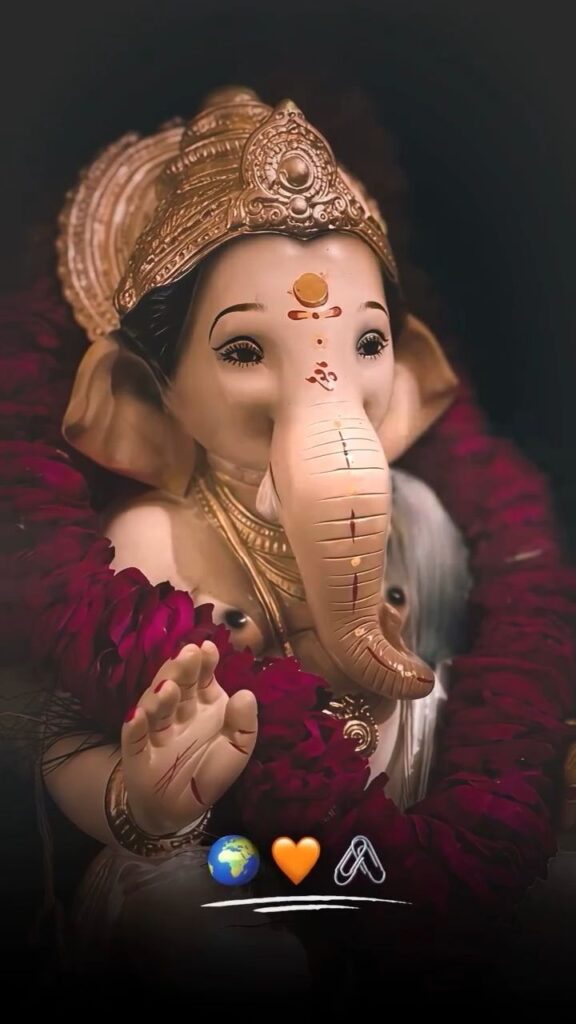
Close-up of Lord Ganesha idol with crown and flower garland giving blessing. image
Ganesha Mantra, Stotra

Sankata Nashana Ganesha Stotram

Sankata Nashana Ganesha Stotram प्रणम्य शिरसा देवं गौरीपुत्र विनायकम् ।भक्तावासं स्मरेन्नित्यायुष्कामार्थसिद्धये ॥१॥ praṇamya śirasā devaṃ gaurīputra vināyakam .bhaktāvāsaṃ smarennityāyuṣkāmārthasiddhaye ..1.. The learned one, who wishes, for more life, wealth and love, should salute with his head, Lord Ganapathi who is the son of Goddess Parvathi प्रथमं वक्रतुण्डं च एकदन्तं द्वितीयकम् ।तृतीयं कृष्णपिङ्गाक्षं गजवक्त्रं चतुर्थकम् ॥२॥ prathamaṃ vakratuṇḍaṃ ca ekadantaṃ dvitīyakam .tṛtīyaṃ kṛṣṇapiṅgākṣaṃ gajavaktraṃ caturthakam ..2.. Think of him first as god with broken tusk, second as the god with one tusk, third as the one with reddish black eyes, fourth as the one who has the face of an elephant लम्बोदरं पञ्चमं च षष्ठं विकटमेव च ।सप्तमं विघ्नराजं च धूम्रवर्ण तथाष्टमम् ॥३॥ lambodaraṃ pañcamaṃ ca ṣaṣṭhaṃ vikaṭameva ca .saptamaṃ vighnarājaṃ ca dhūmravarṇa tathāṣṭamam ..3.. Fifth as the one who has a very broad paunch, sixth as the one who is cruel to his enemies, seventh as the one who is remover of obstacles, eighth as the one who is of the colour of smoke. नवमं भालचन्द्रं च दशमं तु विनायकम् ।एकादशं गणपतिं द्वादशं तु गजाननम् ॥४॥ navamaṃ bhālacandraṃ ca daśamaṃ tu vināyakam .ekādaśaṃ gaṇapatiṃ dvādaśaṃ tu gajānanam ..4.. Ninth as the one who crescent in his forehead, tenth as the one, who is the leader of remover of obstacles, eleventh as the leader of the army of Lord Shiva, and twelfth as the one who has the face of an elephant. द्वादशैतानि नामानि त्रिसन्ध्यं यः पठेन्नरः ।न च विघ्नभयं तस्य सर्वसिद्धिश्च जायते ॥५॥ dvādaśaitāni nāmāni trisandhyaṃ yaḥ paṭhennaraḥ .na ca vighnabhayaṃ tasya sarvasiddhiśca jāyate ..5.. Any one reading these twelve names, at dawn, noon and dusk, will never have fear of defeat, and would always achieve whatever he wants. विद्यार्थी लभते विद्यां धनार्थी लभते धनम् ।पुत्रार्थी लभते पुत्रान्मोक्षार्थी लभते गतिम् ॥६॥ vidyārthī labhate vidyāṃ dhanārthī labhate dhanam .putrārthī labhate putrānmokṣārthī labhate gatim ..6.. One who pursues education will get knowledge, one who wants to earn money will get money, one who wishes for a son, will get a son, and one who wants salvation will get salvation. जपेद् गणपतिस्तोत्रं षड्भिर्मासैः फलं लभेत् ।संवत्सरेण सिद्धिं च लभते नात्र संशयः ॥७॥ japed gaṇapatistotraṃ ṣaḍbhirmāsaiḥ phalaṃ labhet .saṃvatsareṇa siddhiṃ ca labhate nātra saṃśayaḥ ..7.. Results of chanting this prayer, of Ganapati will be got within six months, and within a year, he would get all wishes fulfilled, and there is no doubt about this. अष्टाभ्यो ब्राह्मणेभ्यश्च लिखित्वा यः समर्पयेत् ।तस्य विद्या भवेत्सर्वा गणेशस्य प्रसादतः ॥८॥ aṣṭābhyo brāhmaṇebhyaśca likhitvā yaḥ samarpayet .tasya vidyā bhavetsarvā gaṇeśasya prasādataḥ ..8.. One who gets this prayer, written by eight brahmanas, and offers it to Lord Ganesha, will become knowledgeable, and would be blessed with all stellar qualities, by the grace of Lord Ganesha. Description This stotram is from Narada Purana. Sankata means problems, difficulties and Nashanam means to destroy. So, by chanting this stotram one is praying to Lord Ganesha (who is the remover of obstacles) to remove their problems forever. Here, Sage Narada explains the magnificence of Lord Ganesh. Lord Ganesha’s different names should be called out including Vakratunda, Ekdanta, Krishna Pingaksha, Gajvakra, Lambodara, Chata Vikata, Vighna Rajendra, Dhumravarna, Bhalachandra, Vinayaka, Ganpati. These twelve names should be worshipped in all three time periods of the day. It frees a person from all kinds of impediments and destroys all sorrows. As said in the stotram, when prayed with sincerity results will happen within six months.

Sankata Nashana Ganesha Stotram Read Post »

Lord Ganesha seated on ornate throne in festive decorated temple. image
Ganesha Mantra, Stotra

Ganapati Stotram

Ganapati Stotram अगजानन-पद्माकं गजाननम्-अहर्निशम्।अनेकदंतं भक्तानाम् एकदन्तम्-उपास्महे ॥१॥ agajānana-padmākaṃ gajānanam-aharniśam.anekadantaṃ bhaktānām ekadantam-upāsmahe ..1.. As the rays from the lotus-face of Gauri (Devi Parvati) is always on her beloved son Gajanana (Who has the face of an Elephant),Similarly, the grace of Sri Ganesha is always on his devotees; Granting their many prayers; the devotees who with deep devotion worship the Ekadanta ( Who has a single tusk). शुक्लांबरधरं विष्णुं शशिवर्णं चतुर्भुजम्।प्रसन्नवदनं ध्यायेत् सर्व-विघ्नोपशान्तये ॥२॥ śuklāmbaradharaṃ viṣṇuṃ śaśivarṇaṃ caturbhujam.prasannavadanaṃ dhyāyet sarva-vighnopaśāntaye ..2.. We meditate on Sri Vishwaksena, who is wearing white clothes, who is all-pervading, who is bright in appearance like the moon and who is having four arms, who is having a compassionate and gracious face; Let us meditate on him to ward of all obstacles. वक्रतुण्ड महाकाय कोटिसूर्य-समप्रभ ।अविघ्नं कुरु मे देव सर्व-कार्येषु सर्वदा ॥३॥ vakratuṇḍa mahākāya koṭisūrya-samaprabha .avighnaṃ kuru me deva sarva-kāryeṣu sarvadā ..3.. Salutations to Sri Ganesha, who has a curved trunk, who has a large body and whose splendour is similar to million suns; O deva, please make my undertakings free of obstacles, by extending your blessings in all my work, always. गजाननं भूत-गणाधिसेवितंकपित्थ-जम्बू-फलसार-भक्षकम्। जलगाकनउमासुतं शोकविनाश-कारणंनमामि विघ्नेश्वर-पाद-पङ्कजम्॥४॥ gajānanaṃ bhūta-gaṇādhisevitaṃkapittha-jambū-phalasāra-bhakṣakam. jalagākanaumāsutaṃ śokavināśa-kāraṇaṃnamāmi vighneśvara-pāda-paṅkajam..4.. I reverentially salute the lotus-feet of Sri Vigneshwara. One who is having the face of an elephant, one who is served by the Bhutaganas (celestial attendants) and others, by whom is partaken the juice of kapittha (wood-apple) and jambu (rose-apple) fruits (offered by the devotees); Who is the son of devi Uma (devi Parvati), and the cause of the destruction of sorrows, I reverentially salute the lotus-feet of that Vighneshwara (the lord who removes the obstacles).

Ganapati Stotram Read Post »