








Hari Om

Menu

Hindu festivals

a1ca0f1d07592b358bd34f1763bc8a17
Hindu festivals

Sharad Purnima

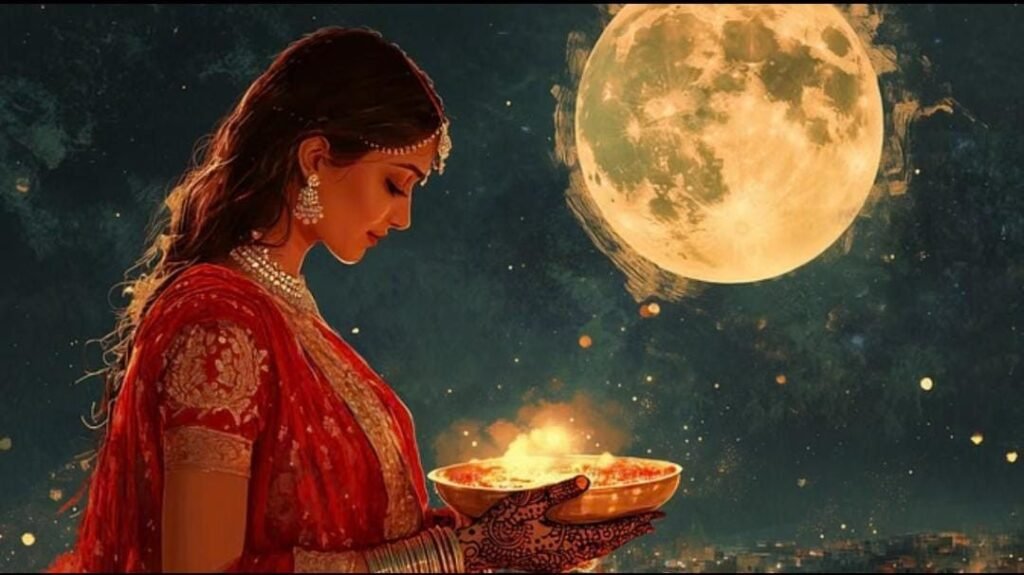
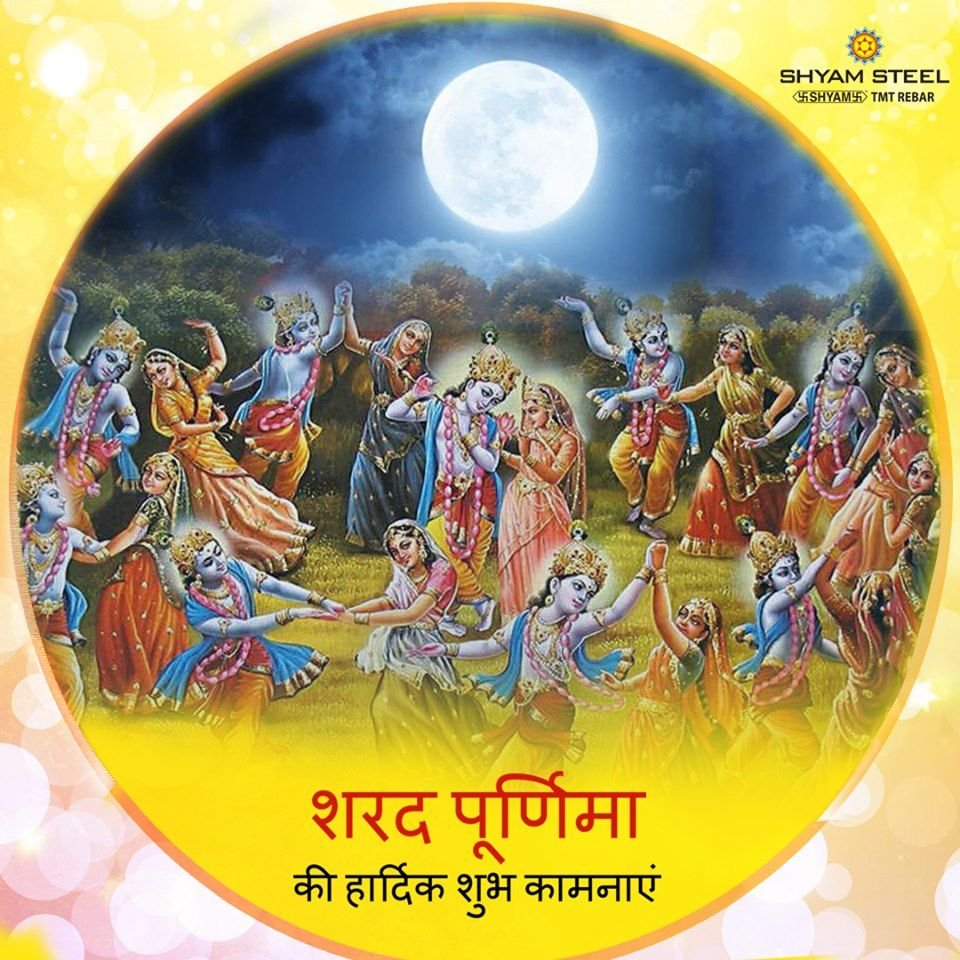
Sharad Purnima Sharad Purnima is a famous Hindu festival celebrated on the full moon night of the month of Ashwin (September–October). It is believed that on this night, the moon showers special healing rays filled with nectar. Devotees prepare kheer (sweet rice pudding) and place it under the moonlight, believing it becomes blessed with divine energy. In many places, people stay awake at night, sing devotional songs, and pray for health, happiness, and prosperity. According to tradition, Sharad Purnima also marks the divine raas leela of Lord Krishna with the Gopis in Vrindavan. The festival thus symbolizes love, devotion, and blessings from the divine. Sharad Purnima is celebrated on the full moon night of Ashwin month. It is believed that on this night the moon showers divine nectar, bringing health and prosperity. Devotees prepare kheer, place it under moonlight, and offer prayers. The festival also commemorates Lord Krishna’s Raas Leela with the Gopis. Rituals & Traditions of Sharad Purnima Sharad Purnima is a famous Hindu festival celebrated on the full moon night of the month of Ashwin, which usually falls in October. It is believed to be the brightest full moon of the year. According to Hindu tradition, on this night the moon showers nectar on the earth, which is considered to have healing and nourishing qualities. On this occasion, people prepare kheer (a sweet dish made of milk and rice) and place it under the open sky to absorb the blessings of the moonlight. The next morning, the kheer is distributed as prasad. Many devotees stay awake the whole night, singing devotional songs, meditating, and praying for health, happiness, and prosperity. Sharad Purnima is also associated with Lord Krishna. It is believed that on this night, he performed the divine raas leela with the Gopis in Vrindavan. This symbolizes divine love, unity, and spiritual bliss. In many parts of India, especially in Mathura and Vrindavan, the festival is celebrated with great devotion and joy. Thus, Sharad Purnima is not only a festival of the full moon but also a celebration of love, devotion, and divine blessings. Spiritual Importance & Cultural Significance Sharad Purnima is a famous Hindu festival celebrated on the full moon night of the month of Ashwin, which usually falls in October. It is believed to be the brightest full moon of the year. According to Hindu tradition, on this night the moon showers nectar on the earth, which is considered to have healing and nourishing qualities. On this occasion, people prepare kheer (a sweet dish made of milk and rice) and place it under the open sky to absorb the blessings of the moonlight. The next morning, the kheer is distributed as prasad. Many devotees stay awake the whole night, singing devotional songs, meditating, and praying for health, happiness, and prosperity.Sharad Purnima is also associated with Lord Krishna. It is believed that on this night, he performed the divine raas leela with the Gopis in Vrindavan. This symbolizes divine love, unity, and spiritual bliss. In many parts of India, especially in Mathura and Vrindavan, the festival is celebrated with great devotion and joy. Thus, Sharad Purnima is not only a festival of the full moon but also a celebration of love, devotion, and divine blessings. Food & Sweets & Modern Celebrations Sharad Purnima is a very significant Hindu festival celebrated on the full moon day of the month of Ashwin, which usually falls in September or October. It is considered the brightest and most beautiful full moon night of the year. According to Hindu belief, on this night, the moon showers its cool rays that are filled with divine nectar, which brings health, happiness, and prosperity to people. One of the most important traditions of this festival is preparing kheer, a sweet dish made of milk, rice, and sugar. Devotees keep this kheer in the open under the moonlight, believing that the moon’s rays bless it with special healing and spiritual qualities. The next morning, it is distributed as prasad among family members and neighbors. People also stay awake the whole night, singing bhajans, reciting prayers, and meditating in the calm atmosphere.Sharad Purnima also has a deep connection with Lord Krishna. It is believed that on this divine night, Krishna performed the sacred raas leela with the Gopis of Vrindavan. This symbolizes eternal love, devotion, and spiritual unity. Because of this, the festival is celebrated with special enthusiasm in places like Vrindavan and Mathura, where devotees organize grand events filled with dance, music, and devotion.Apart from the religious significance, Sharad Purnima also marks the arrival of the harvest season and the beginning of the winter months. Farmers celebrate it as a time of joy and gratitude towards nature. Scientifically, it is believed that on this night, the moonlight has a cooling effect that benefits health and helps the body prepare for the seasonal change.Thus, Sharad Purnima is both a spiritual and cultural celebration. It is a night that combines faith, devotion, health, and harmony with nature. By celebrating it, people are reminded of the values of love, gratitude, and divine blessings, making it one of the most beautiful and meaningful festivals in India.

Sharad Purnima Read Post »

83a4f3559f052540b760c3eb29e0c979
Hindu festivals

Hindu Nav Varsh

Hindu Nav Varsh Hindu Nav Varsh, or the Hindu New Year, is celebrated with great devotion and joy across India, though on different dates in various regions according to local calendars. It generally falls in March–April, marking the arrival of spring and harvest season. The festival symbolizes new beginnings, prosperity, and spiritual growth. In Maharashtra and Goa, it is celebrated as Gudi Padwa, in Karnataka and Andhra Pradesh as Ugadi, in Punjab as Baisakhi, and in Gujarat as the start of the new Samvat. People clean their homes, worship deities, prepare sweets, and begin the year with prayers for peace and prosperity. Hindu Nav Varsh is the celebration of the Hindu New Year, observed in different regions of India with unique traditions like Gudi Padwa, Ugadi, Baisakhi, and others. It symbolizes new beginnings, prosperity, and cultural unity, marked by prayers, festive meals, and joyful rituals to welcome a fresh year Rituals & Traditions of Tulsi Vivah Hindu Nav Varsh, the Hindu New Year, is one of the most significant festivals celebrated across India, marking the beginning of a new era of prosperity, positivity, and spiritual growth. Unlike the English New Year celebrated on January 1, the Hindu New Year is based on the lunar and solar calendars and usually falls in March or April, coinciding with the month of Chaitra. It marks the arrival of spring, the harvest season, and the end of winter, symbolizing renewal and fresh beginnings.The Hindu New Year is celebrated under different names in various parts of India, each with unique traditions. In Maharashtra and Goa, it is observed as Gudi Padwa, where families hoist a decorated Gudi outside their homes, symbolizing victory and good fortune. In Karnataka, Andhra Pradesh, and Telangana, it is known as Ugadi, marked by the preparation of Ugadi Pachadi, a dish with six tastes representing the different emotions of life such as joy, sorrow, anger, fear, disgust, and surprise. In Punjab, the festival coincides with Baisakhi, a harvest festival celebrated with fairs, songs, and bhangra dance. In Gujarat, the New Year begins during Diwali with the start of the Vikram Samvat calendar, while in Kashmir it is celebrated as Navreh, and in Rajasthan as Thapna.The celebrations usually begin with cleaning and decorating homes, wearing new clothes, and offering prayers in temples. Families prepare festive meals and sweets, exchange greetings, and seek divine blessings for health, wealth, and happiness. Many people also start new ventures on this day, as it is believed to be highly auspicious.Beyond regional variations, Hindu Nav Varsh reflects the unity in diversity of Indian culture. It reminds people of the eternal cycle of nature — sowing, harvesting, and renewal — while encouraging them to begin the year with optimism and faith. The festival highlights the importance of spirituality, family bonding, and gratitude towards nature.Thus, Hindu Nav Varsh is not just the beginning of a calendar year but a celebration of life, hope, and cultural heritage, reminding everyone to embrace the future with positivity and devotion. Spiritual Importance & Cultural Significance Hindu Nav Varsh, or the Hindu New Year, is an auspicious festival celebrated with devotion and joy across India. Unlike January 1, which marks the modern New Year, the Hindu New Year is based on the lunar or solar calendar and usually falls in March–April, during the month of Chaitra. It symbolizes the arrival of spring, new beginnings, prosperity, and spiritual renewal. Different regions of India celebrate Hindu Nav Varsh under unique names and traditions. In Maharashtra and Goa, it is observed as Gudi Padwa, where a decorated Gudi is hoisted to symbolize victory and good fortune. In Karnataka, Andhra Pradesh, and Telangana, the festival is called Ugadi, marked by preparing Ugadi Pachadi, a dish with six flavors representing life’s varied experiences. In Punjab, it coincides with Baisakhi, a harvest festival celebrated with cultural fairs and dances. Gujarat begins its New Year during Diwali with the Vikram Samvat calendar, while Kashmir observes Navreh, and Rajasthan celebrates Thapna. The day is marked with cleaning homes, wearing new clothes, temple visits, festive meals, and prayers for health and prosperity. Hindu Nav Varsh beautifully represents India’s unity in diversity, combining faith, culture, and hope for a better future. Hindu Nav Varsh is celebrated across India to mark the beginning of the Hindu New Year, usually in March–April. Known as Gudi Padwa, Ugadi, Baisakhi, and Navreh in different regions, it symbolizes new beginnings, prosperity, and spirituality. People worship, prepare sweets, and welcome the year with joy. Modern Celebrations Hindu Nav Varsh, or the Hindu New Year, is a festival of joy, faith, and cultural unity. Unlike January 1, which follows the Gregorian calendar, the Hindu New Year is based on lunar or solar calculations and usually falls in March–April, during the month of Chaitra. It signifies the arrival of spring, the harvest season, and the renewal of life, making it an auspicious time for fresh beginnings. The festival is celebrated across India under different names, each with its own traditions. In Maharashtra and Goa, it is known as Gudi Padwa, when people hoist a decorated Gudi at their homes to symbolize victory, prosperity, and protection. In Karnataka, Andhra Pradesh, and Telangana, it is celebrated as Ugadi, where families prepare Ugadi Pachadi, a dish with six different tastes symbolizing life’s varied emotions. In Punjab, the same period is observed as Baisakhi, which is both a harvest festival and an occasion of cultural gatherings, dances, and fairs. Gujarat celebrates its New Year during Diwali with the Vikram Samvat calendar, while Kashmir observes Navreh, and Rajasthan celebrates Thapna.Common customs include cleaning and decorating homes, wearing new clothes, visiting temples, preparing sweets, and offering prayers for health, happiness, and prosperity. Many people also start new ventures on this day, as it is considered highly auspicious.Hindu Nav Varsh is more than just the start of a calendar year. It represents the unity in diversity of India, connecting people through faith, tradition, and hope. The festival inspires individuals to welcome the year with positivity, gratitude, and devotion,

Hindu Nav Varsh Read Post »

tulshiii
Hindu festivals

Tulsi Vivah

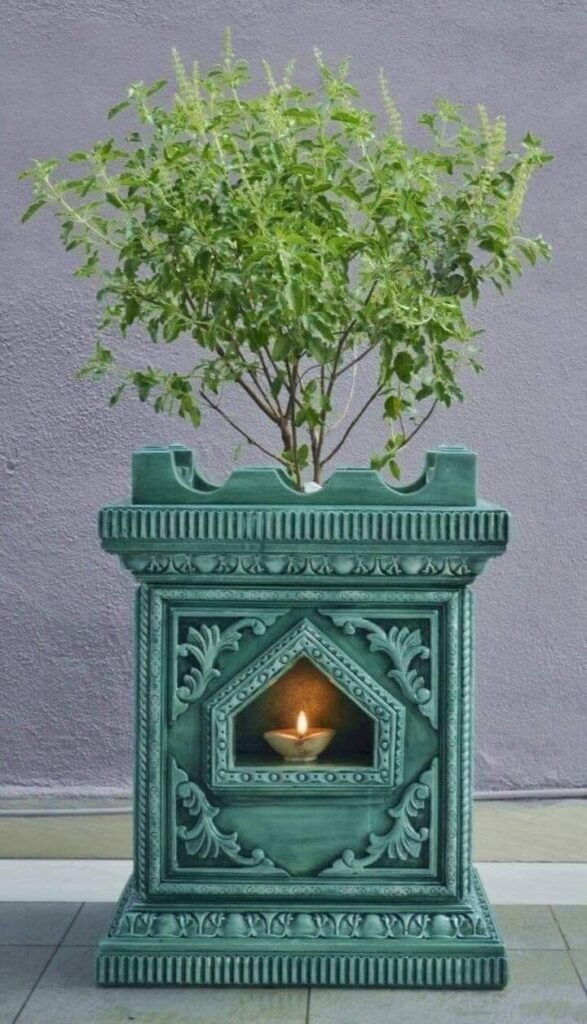
Tulsi Vivah Tulsi Vivah is a sacred Hindu festival that marks the ceremonial marriage of the holy Tulsi plant (a form of Goddess Lakshmi) with Lord Vishnu, often in the form of Shaligram or Krishna. It is observed on the eleventh day (Ekadashi) of the bright half of the Kartik month (October–November). The festival symbolizes the end of the monsoon and the beginning of the Hindu wedding season. Devotees decorate the Tulsi plant like a bride, perform rituals, sing devotional songs, and conduct the wedding ceremony with full traditions. Tulsi Vivah signifies purity, devotion, prosperity, and the union of the divine. Tulsi Vivah also marks the beginning of the Hindu marriage season, making it culturally significant. Married women pray for the long life of their husbands, while unmarried girls seek blessings for an ideal partner. The festival conveys messages of faith, purity, prosperity, and marital harmony, blending mythology with deep-rooted cultural traditions. Rituals & Traditions of Tulsi Vivah Tulsi Vivah is a holy Hindu festival that marks the ceremonial marriage of the sacred Tulsi plant, revered as an incarnation of Goddess Lakshmi, with Lord Vishnu, usually worshipped in the form of Shaligram or Krishna. This festival is observed annually on the eleventh day (Ekadashi) of the bright half of the Kartik month, which usually falls in October–November. It holds immense religious and cultural significance as it symbolizes purity, prosperity, and divine blessings. Tulsi Vivah also marks the beginning of the Hindu wedding season, and thus many auspicious ceremonies start after this day.On the occasion of Tulsi Vivah, the Tulsi plant is decorated with utmost devotion. Devotees adorn the plant with a saree, bangles, flowers, kumkum, and ornaments, treating it like a bride. A mandap (wedding pavilion) is prepared, and rituals resembling a traditional Hindu marriage ceremony are performed. Lord Vishnu, in the form of Shaligram, is placed as the groom, and sacred mantras, bhajans, and aarti are performed. Offerings of fruits, sweets, incense, and diyas are made. The wedding ceremony is carried out with enthusiasm, where family members often play the role of the bride’s and groom’s relatives, creating a festive and spiritual atmosphere.According to Hindu legend, Tulsi was a pious woman named Vrinda, who was blessed and transformed into the holy Tulsi plant after her deep devotion to Lord Vishnu. To honor her faith, Lord Vishnu married her in the form of Shaligram. This story emphasizes devotion, sacrifice, and the eternal connection between the divine and the devotee.Celebrated both in temples and homes, Tulsi Vivah brings people together in faith and devotion. It is believed that performing Tulsi Vivah sincerely ensures prosperity, marital harmony, and happiness in families. Spiritually, the festival represents the union of bhakti Spiritual Importance & Cultural Significance On the occasion of Tulsi Vivah, the Tulsi plant is decorated with utmost devotion. Devotees adorn the plant with a saree, bangles, flowers, kumkum, and ornaments, treating it like a bride. A mandap (wedding pavilion) is prepared, and rituals resembling a traditional Hindu marriage ceremony are performed. Lord Vishnu, in the form of Shaligram, is placed as the groom, and sacred mantras, bhajans, and aarti are performed. Offerings of fruits, sweets, incense, and diyas are made. The wedding ceremony is carried out with enthusiasm, where family members often play the role of the bride’s and groom’s relatives, creating a festive and spiritual atmosphere.According to Hindu legend, Tulsi was a pious woman named Vrinda, who was blessed and transformed into the holy Tulsi plant after her deep devotion to Lord Vishnu. To honor her faith, Lord Vishnu married her in the form of Shaligram. This story emphasizes devotion, sacrifice, and the eternal connection between the divine and the devotee.Celebrated both in temples and homes, Tulsi Vivah brings people together in faith and devotion. It is believed that performing Tulsi Vivah sincerely ensures prosperity, marital harmony, and happiness in families. Spiritually, the festival represents the union of bhakti (devotion) with dharma (righteousness), reminding devotees Food & Sweets & Modern Celebrations The festival is deeply rooted in Hindu mythology. According to ancient legends, Tulsi is considered a manifestation of Goddess Lakshmi, consort of Lord Vishnu. In another narrative, she is identified with Vrinda, the devoted wife of the demon king Jalandhar. Through her unwavering chastity and devotion, Vrinda made her husband invincible, even against the gods. To restore cosmic balance, Lord Vishnu disguised himself as Jalandhar, breaking Vrinda’s chastity and enabling Shiva to defeat Jalandhar. When Vrinda discovered the truth, she cursed Lord Vishnu to turn into a black stone (Shaligram) and later immolated herself. From her ashes grew the sacred Tulsi plant, which has since been worshipped as a goddess. To honor her devotion and purity, Vishnu accepted her as his divine consort in the form of Tulsi Vivah.This myth conveys deep symbolic meaning — it represents the eternal bond between nature (Tulsi) and divinity (Vishnu), as well as the victory of righteousness over evil.Rituals and Celebrations The preparations for Tulsi Vivah begin with cleaning and decorating homes and temples. The Tulsi plant, grown in a special square structure called Tulsi Vrindavan, is the central focus of the celebration. On the day of the festival, the plant is dressed like a bride — adorned with a red sari, ornaments, flowers, and even a small nose ring. A vermilion mark is applied on its leaves, symbolizing the traditional adornments of a Hindu bride.The groom, represented by Shaligram (a black stone form of Vishnu) or an idol of Vishnu/Krishna, is decorated in dhoti, crown, and garlands. The ritual marriage is performed following Hindu wedding traditions — including chanting of mantras, tying of the sacred thread, applying turmeric and vermilion, exchanging garlands, and performing the mangal pheras around the sacred fire. Devotees sing bhajans, perform aarti, and distribute prasad made of sweets, fruits, and other festive delicacies.In many households and temples, this marriage is conducted with

Tulsi Vivah Read Post »

ganga dushrau
Hindu festivals

Ganga Dushera

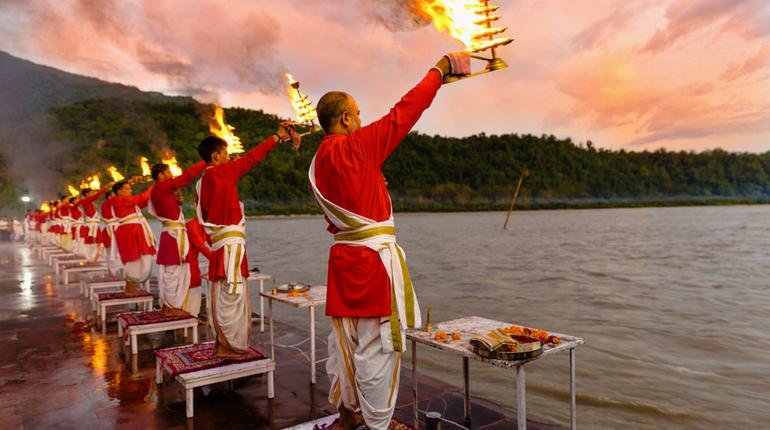
Hindu Festivals Ganga Dushera Ganga Dushera Ganga Dushera is a sacred Hindu festival celebrated to honor the descent of the holy river Ganga from heaven to earth. According to Hindu mythology, King Bhagiratha performed intense penance to bring the Ganga to earth for the salvation of his ancestors. It is believed that on this day, the mighty river descended from the heavens and flowed down to purify humanity. The festival usually falls in the month of Jyeshtha (May–June) on the tenth day of the waxing moon (Shukla Dashami). On Ganga Dushera, devotees take ritual baths in the Ganga and other holy rivers, as it is said to cleanse sins and bring spiritual merit. In cities like Haridwar, Rishikesh, Varanasi, and Prayagraj, thousands of pilgrims gather to worship the river, offer flowers, diyas (lamps), and perform aarti on the ghats. People also recite Vedic hymns and perform charity, believing it brings peace, prosperity, and liberation from past wrongdoings. The name “Dushera” signifies the destruction of ten sins, and bathing in the Ganga on this day is considered equivalent to washing away these ten evils. Thus, Ganga Dushera is not just a festival but also a celebration of purity, devotion, and gratitude toward the sacred river. Ganga Dushera is a sacred Hindu festival that marks the descent of the holy river Ganga from heaven to earth. It is celebrated on the Dashami (tenth day) of the waxing moon in the month of Jyeshtha (May–June). According to legends, King Bhagiratha’s penance brought the Ganga to earth to purify his ancestors’ souls. On this day, devotees take a holy dip in the river, as it is believed to cleanse sins and grant salvation. Rituals, prayers, and offerings are performed on riverbanks, especially at Haridwar, Varanasi, and Prayagraj. The festival symbolizes purity, devotion, and spiritual liberation. Rituals & Traditions of Ganga Dushera Ganga Dushera is one of the most important Hindu festivals, celebrated with deep devotion to honor the holy river Ganga. It marks the occasion when the river is believed to have descended from heaven to earth to purify humanity and grant salvation. The festival is observed on the Dashami (tenth day) of the Shukla Paksha in the month of Jyeshtha (May–June). The word “Dushera” symbolizes the destruction of ten sins, and thus it is believed that bathing in the Ganga on this day cleanses all impurities of body and soul.According to ancient legends, King Bhagiratha performed severe penance to bring Ganga to earth so that the souls of his ancestors could be liberated. Pleased with his devotion, Goddess Ganga agreed to descend, but her mighty flow was unbearable for the earth. Lord Shiva, in his compassion, caught her in his matted locks and released her gently. This sacred event is remembered as Ganga’s descent, celebrated as Ganga Dushera.The festival is observed with grandeur, especially at Haridwar, Rishikesh, Prayagraj, and Varanasi. Devotees gather on riverbanks to take a holy dip, believed to remove sins and grant spiritual merit. They offer prayers, flowers, incense, and diyas to the river. Rituals include performing Ganga aarti, chanting mantras, and lighting lamps that float on the river, creating a divine atmosphere. Another important ritual is “Dasha Daan,” or the offering of ten sacred donations such as clothes, food, and grains, symbolizing purity and charity. Beyond religious faith, Ganga Dushera emphasizes the cultural and ecological significance of rivers in India. The Ganga is not only worshipped as a goddess but also serves as the lifeline for millions, providing water, fertility, and prosperity. Thus, the festival reminds people to preserve and respect rivers as sacred sources of life. Spiritual Importance & Cultural Significance Ganga Dushera is one of the most revered Hindu festivals, celebrated to honor the divine descent of the river Ganga from heaven to earth. It is observed on the Dashami (tenth day) of the Shukla Paksha in the month of Jyeshtha, which usually falls in May or June. The word “Dushera” refers to the destruction of ten sins, symbolizing spiritual purification. On this sacred day, millions of devotees gather at riverbanks to bathe in the holy Ganga, believing that her waters can cleanse their sins and grant liberation.The festival has deep roots in Hindu mythology. According to ancient scriptures, King Bhagiratha performed severe penance to bring the Ganga to earth so that his ancestors, who were cursed and turned to ashes, could attain moksha (salvation). Pleased by his devotion, Ganga agreed to descend. However, her divine flow was so powerful that it threatened to flood the world. To prevent destruction, Lord Shiva captured her mighty waters in his matted locks and gently released them as streams. This sacred act made it possible for Ganga to flow gracefully across the earth, purifying all that she touched. Rituals and Celebrations Modern Celebrations In modern times, Ganga Dushera continues to be celebrated with great devotion, but it has also taken on new forms that blend tradition with contemporary awareness. The main practice of bathing in the holy river remains central, with thousands of devotees gathering at sacred places such as Haridwar, Rishikesh, Varanasi, and Prayagraj to take a dip. Alongside rituals, the festival has become a platform for cultural events, devotional music programs, and large community gatherings where people come together to celebrate their faith.Modern Ganga Dushera also emphasizes environmental awareness. Since the Ganga faces challenges like pollution and overuse, many organizations and local communities use this day to organize river-cleaning drives, awareness rallies, and campaigns to reduce plastic waste. This adds a social and ecological dimension to the traditional religious practices.Another modern aspect is the increasing participation of pilgrims from across the world. With better transport and media coverage, people from various parts of India and abroad travel to Ganga ghats to witness the grandeur of Ganga aarti and join in the festivities. The sight of thousands of lit diyas floating on the river at night is now also a major tourist attraction.In cities, people who cannot travel to the Ganga celebrate the festival at local temples by

,

Ganga Dushera Read Post »

0862f68e8997d3516272894921c2b49c
Hindu festivals

Karwa Chauth

Karwa Chauth Karwa Chauth is a traditional Hindu festival celebrated primarily in North India by married women, who observe a day-long fast for the well-being, longevity, and prosperity of their husbands. Falling on the fourth day after the full moon in the Kartik month (October–November), this festival symbolizes love, devotion, and marital harmony. Women begin the day with Sargi (a pre-dawn meal given by mothers-in-law), spend the day in prayer, and break their fast after sighting the moon and performing rituals with their husbands. Karwa Chauth is also seen as a cultural celebration, marked by beautiful attire, mehendi (henna), and festive gatherings, strengthening family bonds and traditions. Karwa Chauth is a traditional Hindu festival observed mainly by married women across North and Northwestern India. Celebrated on the fourth day after the full moon in the month of Kartik (October–November), it is a day when women fast from sunrise to moonrise, praying for their husbands’ long life, health, and prosperity. The word “Karwa” refers to a clay pot used during rituals, and “Chauth” means the fourth day. This festival is a symbol Rituals & Traditions of Karwa Chauth Spiritual Importance & Cultural Significance Karwa Chauth is more than a ritualistic fast; it is a spiritual practice of devotion, self-discipline, and faith. By observing the fast for their husbands’ health, longevity, and prosperity, women express love, dedication, and gratitude, reflecting the sacredness of marital bonds. The fast is also symbolic of surrender to divine will, cultivating patience, perseverance, and spiritual growth. Traditional prayers and pujas reinforce the belief that faith and devotion can bring positive blessings into one’s life. Culturally, Karwa Chauth strengthens family ties and social bonds. Women gather in groups to perform rituals, sing folk songs, and share festive experiences, fostering a sense of community and solidarity. The festival highlights the importance of marriage and familial harmony, while the exchange of gifts and blessings between spouses and relatives reinforces love and respect. Over time, Karwa Chauth has also become a celebration of traditional attire, mehendi art, and cultural heritage, blending devotion with vibrant festivities that are passed down through generations. Food & Sweets & Modern Celebrations Although Karwa Chauth is primarily a day-long fast, the festival also has special foods associated with pre-dawn and post-moon rituals. The fast begins with Sargi, a nourishing meal given by the mother-in-law, including items like fruits, sweets, dry fruits, milk, and traditional dishes to sustain women through the day. After moon sighting, the fast is broken with water and light satvik (pure vegetarian) meals, often featuring kheer, ladoos, halwa, or fruits, symbolizing gratitude and devotion. In contemporary times, Karwa Chauth has evolved into a blend of tradition and modernity. Women often celebrate with family gatherings, themed parties, and festive selfies, while continuing the spiritual rituals. Husbands participate more actively, offering gifts, jewelry, and special meals. Social media and television have also popularized the festival through stories, recipes, and celebrity events, making it widely recognized beyond North India. Despite modernization, the essence of Karwa Chauth—love, devotion, and marital harmony—remains central, while celebrations now also emphasize family bonding, cultural pride, and community participation.

,

Karwa Chauth Read Post »

7585ade625d091e4fcce62b6dc9113af
Hindu festivals

Sathya Sai Baba Jayanti

Bhagavan Sri Sathya Sai Baba Jayanti Bhagavan Sri Sathya Sai Baba Jayanti is a sacred occasion celebrated to mark the birth anniversary of Bhagavan Sri Sathya Sai Baba, a revered spiritual master, humanitarian, and philanthropist, born on 23rd November 1926 in Puttaparthi, Andhra Pradesh. Devotees across the world commemorate this day with prayers, bhajans, service activities (Seva), and spiritual programs to honor his life, teachings, and mission of promoting love, peace, and selfless service. Sathya Sai Baba is widely regarded as an avatar who emphasized the unity of all religions and the importance of human values—Sathya (Truth), Dharma (Righteousness), Shanti (Peace), Prema (Love), and Ahimsa (Non-violence). His Jayanti is a time for devotees to reflect upon these values and engage in charitable acts and spiritual practices. His Jayanti is celebrated with bhajans, spiritual discourses, community service, and acts of charity, inspiring millions worldwide to live by his guiding principles of “Love All, Serve All” and “Help Ever, Hurt Never.” Rituals & Traditions of Bhagavan Sri Sathya Sai Baba Jayanti Bhagavan Sri Sathya Sai Baba Jayanti is celebrated with devotion, service, and spiritual activities by millions of devotees worldwide, particularly in Puttaparthi, Andhra Pradesh, where Baba was born and lived. The day begins with Omkaram and Suprabhatam (morning prayers), followed by Veda chanting and Nagarsankirtan (devotional singing in procession). Temples, Sai Centers, and ashrams are decorated beautifully, and devotees participate in bhajans, satsangs (spiritual discourses), and meditation sessions to honor Baba’s teachings. A central part of the celebration is Seva (selfless service), where devotees engage in charitable acts such as feeding the poor, organizing blood donation camps, distributing clothes, and supporting education and healthcare initiatives, reflecting Sathya Sai Baba’s mission of serving humanity. In Puttaparthi, grand celebrations include special programs, cultural performances, and large gatherings at Prasanthi Nilayam, where devotees from around the world come together in unity. Many people also observe the day with personal prayer, reflection on Baba’s teachings, and community service, making the Jayanti not just a festival, but a movement of love, spirituality, and selfless giving. Spiritual Importance & Cultural Significance Bhagavan Sri Sathya Sai Baba Jayanti is a deeply spiritual occasion, celebrated as the manifestation of divinity in human form. Devotees believe Sathya Sai Baba came to guide humanity towards a life rooted in truth (Sathya), righteousness (Dharma), peace (Shanti), love (Prema), and non-violence (Ahimsa). This day serves as a reminder for individuals to engage in self-reflection, meditation, and prayer, deepening their spiritual connection and practicing values that elevate the soul. Baba’s message of universal love and unity of all religions inspires devotees to see divinity in everyone and cultivate inner transformation through service and devotion. The Jayanti transcends religious and cultural boundaries, making it a truly global celebration. Sathya Sai Baba’s teachings resonate with people of all faiths, and his humanitarian work in healthcare, education, and water supply has left a profound cultural impact worldwide. On this day, devotees and communities come together in harmony to perform seva (selfless service), organize spiritual gatherings, and honor his legacy. It symbolizes a culture of giving, compassion, and social responsibility, uniting people across nations in a shared vision of peace and service. Food & Sweets & Modern Celebrations Bhagavan Sri Sathya Sai Baba Jayanti is marked by simplicity and service rather than lavish feasting. Devotees often prepare pure vegetarian satvik meals as an offering, free from onion and garlic, symbolizing purity and devotion. Popular South Indian dishes such as sambar, rasam, vegetable curries, coconut-based dishes, pongal, and lemon rice are served during community meals. Prasadam like laddus, kesari, coconut barfi, and payasam are distributed to devotees in temples and Sai centers. The tradition of annadanam (free food distribution) plays a central role, as feeding the needy is considered a powerful act of service and devotion. Today, Sathya Sai Baba Jayanti is a global festival, celebrated by Sai Centers and devotees across more than 150 countries. In Puttaparthi’s Prasanthi Nilayam, grand celebrations include Vedic rituals, bhajan sessions, cultural programs, and seva projects attracting thousands of devotees. Across the world, modern celebrations emphasize seva activities like blood donation drives, free medical camps, educational initiatives, and food distribution, reflecting Baba’s message of “Love All, Serve All.” Many devotees also join online satsangs, bhajan broadcasts, and service initiatives to honor his legacy, making the festival spiritually rich while using modern technology to spread his teachings. Thus, Sathya Sai Baba Jayanti beautifully blends devotion, service, tradition, and global unity, inspiring millions to walk the path of love and selfless service.

,

Sathya Sai Baba Jayanti Read Post »

Happy Onam festival with Kerala boat race image
Hindu festivals

Onam

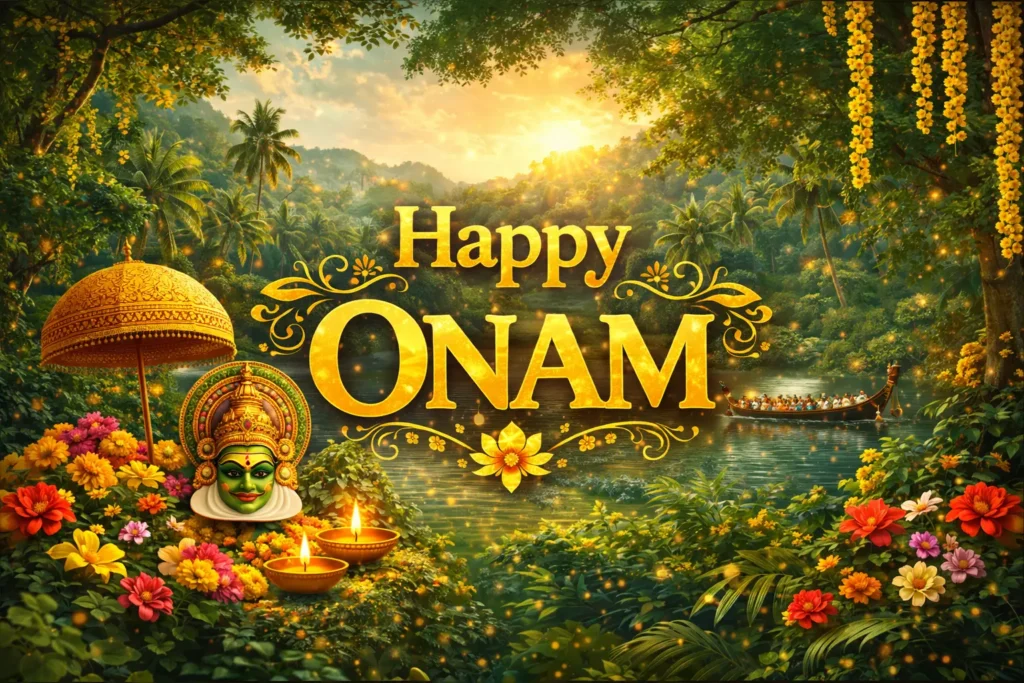
Onam Onam is the grand harvest festival of Kerala, celebrated with great joy, cultural pride, and devotion. It marks the homecoming of King Mahabali, whose reign is remembered as a time of peace, prosperity, and equality. Celebrated for 10 days, Onam usually falls in the Malayalam month of Chingam (August–September) and showcases Kerala’s rich cultural heritage through colorful pookalams (floral rangolis), Vallam Kali (snake boat races), traditional music and dance, and the grand feast known as Onam Sadhya. It is a festival that beautifully blends mythology, agriculture, and tradition, making it one of the most vibrant celebrations in India. Onam is Kerala’s most celebrated and vibrant festival, symbolizing prosperity, cultural heritage, and togetherness. Observed in the Malayalam month of Chingam (August–September), Onam marks the homecoming of King Mahabali, the beloved demon king whose reign is remembered as a golden era of peace and equality. Rituals & Traditions of Onam Spiritual Importance & Cultural Significance Onam is not only a harvest festival but also a celebration of virtue, humility, and devotion. It honors the legendary King Mahabali, symbolizing the triumph of righteousness over ego and reminding people of a golden age where equality and justice prevailed. Spiritually, it inspires individuals to practice kindness, gratitude, and selflessness, mirroring Mahabali’s humility and devotion to Lord Vishnu. The rituals, temple visits, and prayers during Onam strengthen one’s connection with the divine while encouraging a life rooted in moral and spiritual values. Cultural Significance:Culturally, Onam is Kerala’s most significant festival, reflecting the state’s rich heritage, art forms, and unity. From Pookalams and Kathakali performances to Vallam Kali (boat races) and grand feasts, Onam brings communities together irrespective of religion or caste. It serves as a vibrant platform to showcase Kerala’s traditional music, dance, and cuisine, fostering pride in its cultural identity. Today, Onam is celebrated worldwide by Malayalis, strengthening ties to their roots and spreading Kerala’s values of harmony, prosperity, and joy. Food & Sweets & Modern Celebrations Onam is celebrated with the famous Onam Sadhya, a lavish vegetarian feast served on a banana leaf, featuring over 20–26 traditional dishes like Avial, Thoran, Olan, Kootu Curry, and multiple varieties of Payasam, symbolizing abundance and gratitude for the harvest. The festival also highlights Kerala’s culinary richness with banana chips, pappadam, pickles, and ginger curry, making it a true treat for food lovers. In modern times, Onam has become a global celebration, with cultural programs, boat races, Pulikali (tiger dance), and grand events organized by Malayali communities worldwide. Homes are decorated with Pookalams (floral rangolis), and families gather for festive meals, while social media adds a digital touch, allowing people to share greetings, recipes, and memories. Onam today beautifully blends age-old traditions and contemporary celebrations, making it a vibrant symbol of Kerala’s unity, culture, and joy.

,

Onam Read Post »

2693ed6b7e75a32a1e2c0b260d6e136c
Hindu festivals

Shravan Maas

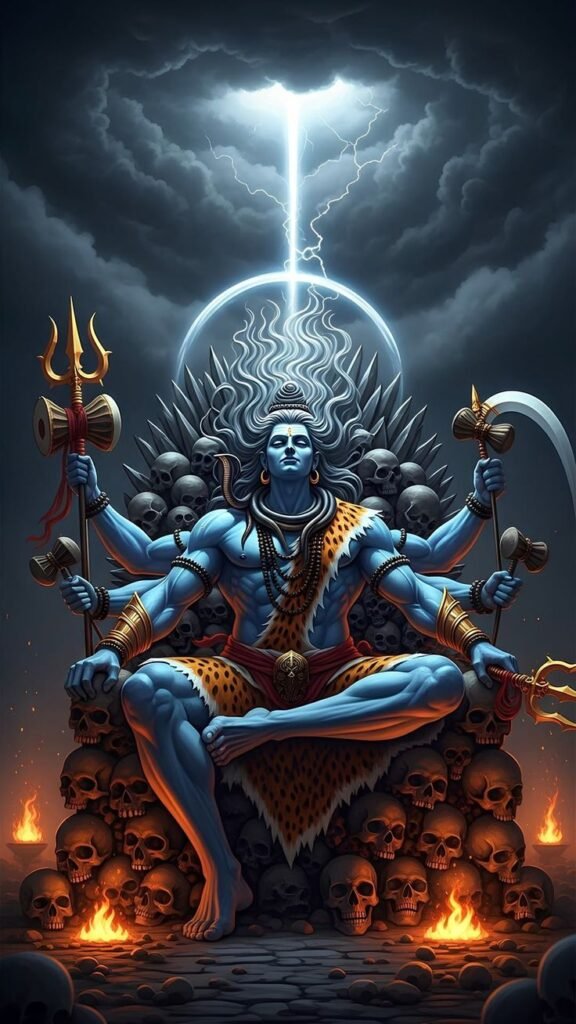
Shravan Maas Shravan Maas, also called Sawan, is the fifth month of the Hindu lunar calendar, usually falling in July–August. It is considered one of the most auspicious months in Hinduism, dedicated primarily to Lord Shiva. Devotees observe fasting, prayers, and special rituals during this month to seek blessings, spiritual growth, and fulfillment of wishes. The month is marked by devotion, austerity, and increased participation in temple visits, religious gatherings, and charitable acts. Shravan Maas, also known as Sawan, is the fifth month of the Hindu lunar calendar, typically falling in July–August. It is considered one of the most auspicious months in Hinduism, dedicated primarily to Lord Shiva. Devotees observe fasting, prayers, and religious rituals throughout the month to seek blessings, spiritual growth, and fulfillment of wishes. Rituals & Traditions of Shravan Maas Spiritual Importance & Cultural Significance Shravan Maas holds deep spiritual and cultural importance in Hindu tradition. Spiritually, it is regarded as a highly auspicious month dedicated to Lord Shiva, where devotees observe fasts, prayers, and rituals to seek his blessings for health, prosperity, longevity, and family welfare. The practices of fasting, reciting Shiva mantras, and performing Abhishekam symbolize self-discipline, purity, devotion, and spiritual growth. Observing this month is believed to cleanse the mind and soul, remove sins, and accumulate divine merit (punya). Culturally, Shravan Maas strengthens family ties and community bonds, as people collectively participate in temple visits, religious gatherings, and festivals such as Nag Panchami, Raksha Bandhan, and Hartalika Teej. The month also promotes charity, respect for nature, and moral values, reflecting the integration of spirituality with social responsibility. Overall, Shravan Maas is a period of faith, devotion, discipline, and cultural celebration, emphasizing the importance of a balanced spiritual and social life Food & Sweets & Modern Celebrations During Shravan Maas, food and fasting play a significant role in the devotional practices. Many devotees observe fasts on Mondays (Shravan Somvar), consuming light vegetarian meals, fruits, milk, or water-only fasts depending on their level of observance. Popular foods during this month include kuttu (buckwheat) and singhare ka atta (water chestnut flour) dishes, sabudana khichdi, fruits, milk-based sweets, and lightly spiced vegetarian curries. Special emphasis is placed on purity and simplicity in cooking, avoiding onion, garlic, and non-vegetarian items. Modern celebrations of Shravan Maas blend traditional devotion with contemporary practices. Devotees may visit temples, participate in community prayers, or share online greetings and spiritual content. Festivals within the month, like Nag Panchami, Raksha Bandhan, and Hartalika Teej, are celebrated with decorations, rangoli, cultural programs, and gift exchanges, making the month socially engaging as well as spiritually enriching. Today, Shravan Maas serves as a time for family bonding, charity, and community participation, while maintaining the core essence of faith, discipline, and devotion to Lord Shiva.

,

Shravan Maas Read Post »

9323621a1eb0d7323be956e8b3a063f9
Hindu festivals

Hindu festival Chhath

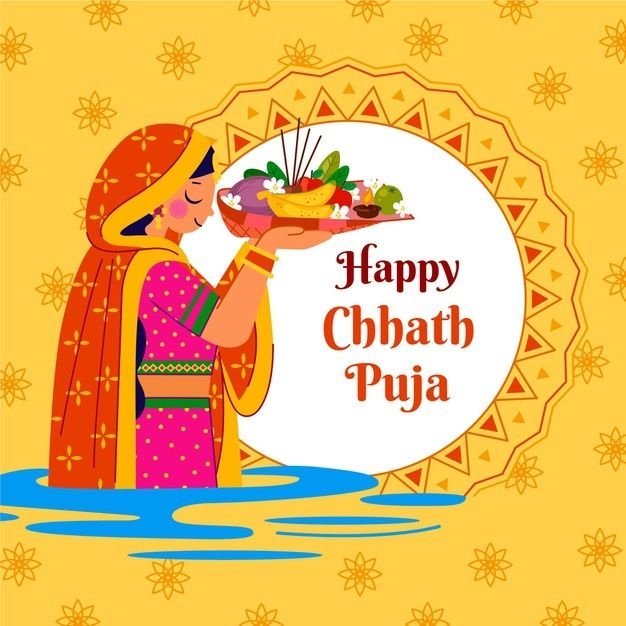
Chhath Chhath Puja is a prominent Hindu festival dedicated to Surya (the Sun God) and Chhathi Maiya (Mother Goddess Usha), celebrated mainly in Bihar, Jharkhand, Uttar Pradesh, and Nepal. Observed over four days, the festival involves rituals of fasting, holy bathing, and offering prayers to the rising and setting sun. It is considered one of the most devotional and rigorous festivals, emphasizing purity, gratitude, and reverence for nature and life-sustaining forces. Chhath Puja is a major Hindu festival dedicated to Lord Surya (the Sun God) and Chhathi Maiya (Mother Goddess Usha), celebrated primarily in Bihar, Jharkhand, Uttar Pradesh, and Nepal. Observed over four days, it involves fasting, holy bathing, and offering prayers to the rising and setting sun. Rituals & Traditions of Chhath Spiritual Importance & Cultural Significance Chhath Puja holds profound spiritual and cultural significance in Hindu tradition. Spiritually, it is a festival of gratitude, devotion, and purification, where devotees offer prayers to Lord Surya (the Sun God) and Chhathi Maiya for health, longevity, and prosperity. The rituals of fasting, holy bathing, and offering Arghya to the rising and setting sun symbolize discipline, self-control, and inner purification, reflecting the devotee’s surrender and reverence to divine forces. Chhath Puja encourages mindfulness, humility, and a deep connection with nature as a life-sustaining force, emphasizing respect for the sun, water, and earth. Culturally, the festival strengthens family bonds and community unity, as families and neighbors gather on riverbanks or ponds to perform rituals together. Traditional preparations, including vegetarian prasad like thekua, fruits, and kheer, along with decorating the surroundings with lamps and rangoli, enhance the festive atmosphere. Chhath Puja also preserves regional customs, folk songs, and cultural heritage, making it a celebration of both spiritual devotion and communal harmony. Overall, the festival embodies the values of purity, gratitude, devotion, and respect for nature, fostering both personal and social well-being. Food & Sweets & Modern Celebrations Chhath Puja holds profound spiritual and cultural significance in Hindu tradition. Spiritually, it is a festival of gratitude, devotion, and purification, where devotees offer prayers to Lord Surya (the Sun God) and Chhathi Maiya for health, longevity, and prosperity. The rituals of fasting, holy bathing, and offering Arghya to the rising and setting sun symbolize discipline, self-control, and inner purification, reflecting the devotee’s surrender and reverence to divine forces. Chhath Puja encourages mindfulness, humility, and a deep connection with nature as a life-sustaining force, emphasizing respect for the sun, water, and earth. Culturally, the festival strengthens family bonds and community unity, as families and neighbors gather on riverbanks or ponds to perform rituals together. Traditional preparations, including vegetarian prasad like thekua, fruits, and kheer, along with decorating the surroundings with lamps and rangoli, enhance the festive atmosphere. Chhath Puja also preserves regional customs, folk songs, and cultural heritage, making it a celebration of both spiritual devotion and communal harmony. Overall, the festival embodies the values of purity, gratitude, devotion, and respect for nature, fostering both personal and social well-being.

,

Hindu festival Chhath Read Post »

bhai dooj scaled 1
Hindu festivals

Bhai Dooj

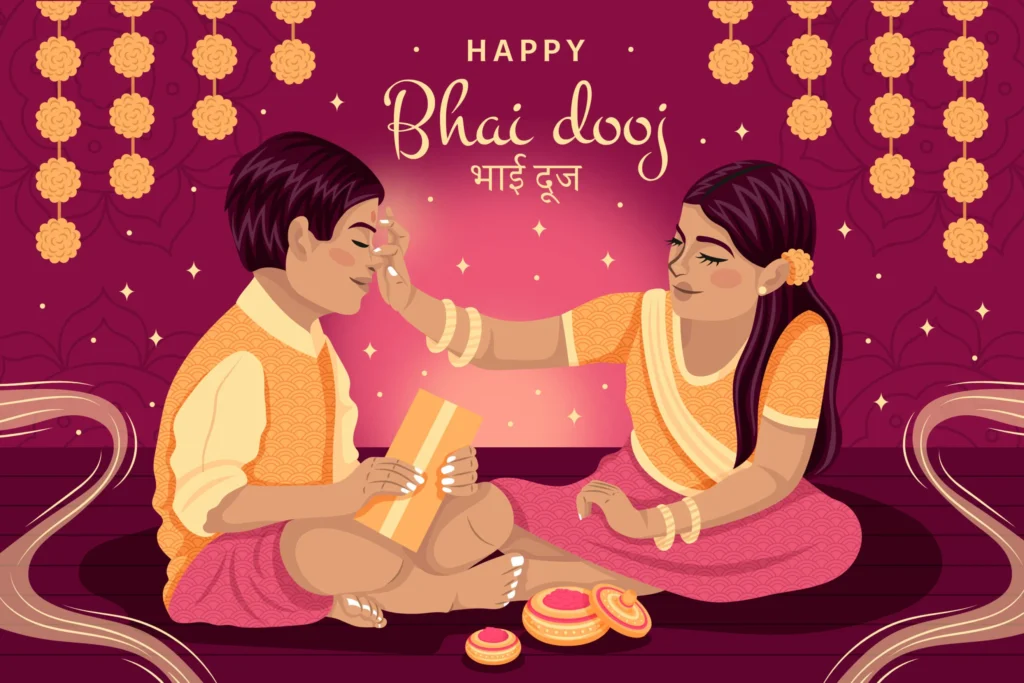
Bhai Dooj Bhai Dooj, also known as Bhaiya Dooj or Bhau Beej, is a Hindu festival that celebrates the bond between brothers and sisters. It is observed on the second day after Diwali, during the Shukla Paksha (waxing phase of the moon) of Kartika month. The festival strengthens family ties, emphasizing love, protection, and the sacred relationship between siblings. Sisters pray for the well-being, prosperity, and long life of their brothers, while brothers vow to protect their sisters and shower them with gifts and affection. Bhai Dooj, also known as Bhaiya Dooj or Bhau Beej, is a Hindu festival celebrated the day after Diwali to honor the special bond between brothers and sisters. On this auspicious day, sisters perform a ceremonial tilak on their brother’s forehead, pray for his long life, prosperity, and well-being, and offer sweets and gifts. Rituals & Traditions of Bhai Dooj Bhai Dooj is celebrated with devotion, love, and a series of traditional rituals that honor the bond between brothers and sisters. The day begins with sisters performing the tilak ceremony (tika) on their brother’s forehead, applying vermilion or sandalwood paste, and praying for his long life, health, and prosperity. Sisters also prepare special sweets, fruits, and festive meals, which are offered to the brothers as part of the ritual. Brothers reciprocate by blessing their sisters and presenting them with gifts, money, or tokens of affection, symbolizing their promise to protect and support them. Homes are often decorated with rangoli, flowers, and lamps, creating a festive and joyous environment. In many regions, families gather for special prayers, cultural programs, and communal feasts, reinforcing family unity and social bonding. Regional variations add unique elements to the celebrations. In Maharashtra, sisters place a safeguard thread (rakhi) on the brother’s wrist; in Uttar Pradesh and Bihar, sisters may also perform a small puja for Yama, the god of death, invoking protection for their brothers. Despite these differences, the core essence remains the same: honoring sibling love, mutual care, protection, and familial harmony. Bhai Dooj thus combines spiritual devotion, emotional bonding, and cultural traditions in a meaningful and joyous celebration. Spiritual Importance & Cultural Significance Bhai Dooj is more than a festive occasion; it holds deep spiritual and cultural meaning. Spiritually, the festival honors the sacred bond between brothers and sisters, symbolizing love, protection, and lifelong devotion. Sisters pray for their brothers’ health, safety, and prosperity, while brothers vow to protect and support their sisters in every way. This practice reinforces family values, moral responsibility, and ethical duty, reminding everyone of the importance of faith, care, and devotion within the family. Culturally, Bhai Dooj brings families together, strengthening social and familial ties. Homes are decorated with rangoli, flowers, and lamps, special sweets and meals are prepared, and gifts are exchanged, creating an atmosphere of joy and unity. The festival also celebrates gratitude, respect, and emotional bonds between siblings, serving as a reminder that strong familial relationships are the foundation of a harmonious society. Across India, regional variations add local flavor, but the essence remains the same: Bhai Dooj is a day to honor, protect, and cherish the sacred relationship between brothers and sisters, blending spiritual devotion with cultural celebration. Food & Sweets & Modern Celebrations Bhai Dooj is celebrated with delicious food, traditional sweets, and joyful gatherings, making it a festive occasion for families. Sisters prepare special sweets and dishes such as laddus, barfi, pedas, kheer, and puris, which are offered to brothers during the tilak ceremony and later shared as prasad. These treats not only symbolize love and affection but also add a sense of celebration and togetherness to the day. Modern celebrations of Bhai Dooj combine traditional rituals with contemporary practices. Brothers give gifts, money, and tokens of appreciation to their sisters, while families decorate homes with rangoli, flowers, and lamps. Many people also celebrate virtually, sharing online greetings and video calls with siblings who live far away. Community gatherings, festive meals, and cultural programs further enhance the joyous atmosphere. Today, Bhai Dooj is both a spiritual and social celebration, blending devotion, family bonding, and modern expressions of love and gratitude, making it a memorable occasion for siblings of all ages. that celebrates faith, gratitude, and divine protection.

,

Bhai Dooj Read Post »