Hari Om

Menu

Adi Shankaracharya

Devi Bhujangam 1 e1772881510654
Adi Shankaracharya, stotram

Devi Bhujangam

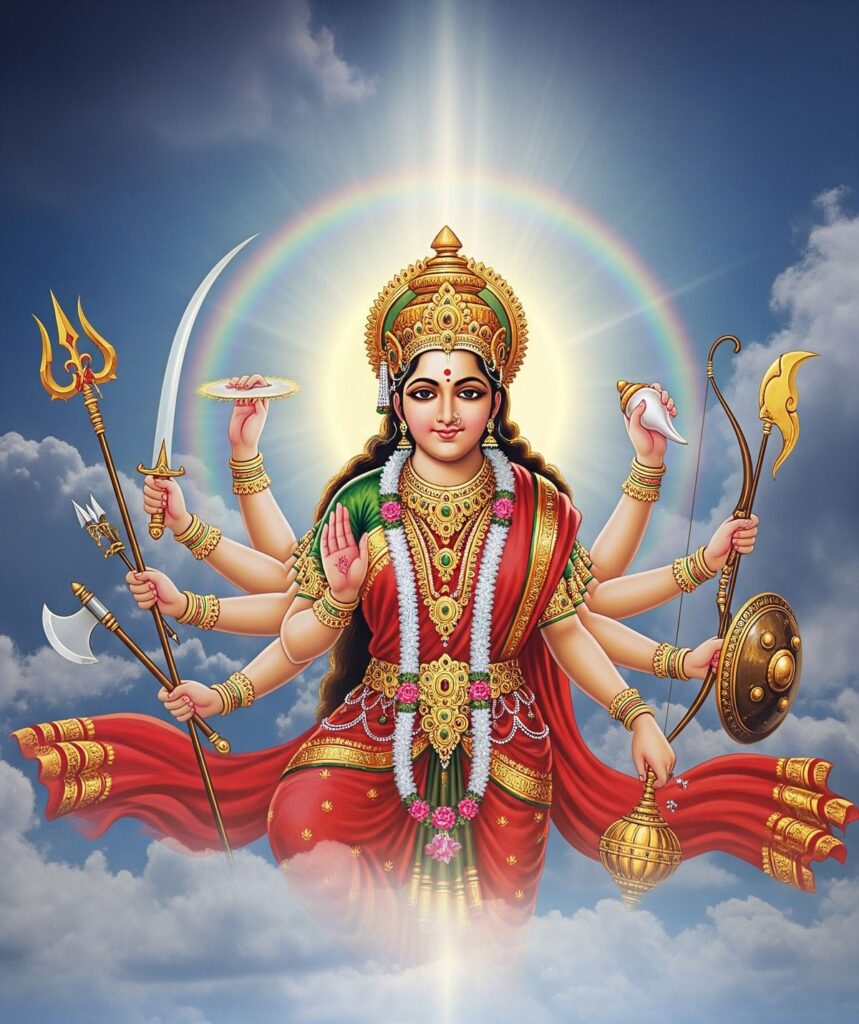
Devi Bhujangam Devi Bhujangam is a sacred hymn composed in the flowing bhujanga metre, dedicated to the Divine Mother, who is revered in Sanatana Dharma as the cosmic energy that sustains, protects, and liberates creation. The word bhujangam means “serpent,” and the metre is designed to resemble the gliding motion of a snake, creating a melodious and soothing rhythm that enhances the devotional mood of the composition. This hymn is traditionally attributed to great masters like Adi Shankaracharya, who composed many bhujanga stotras in praise of various deities to guide spiritual aspirants on the path of devotion and realization. In the Devi Bhujangam, the Divine Mother is praised as Durga, Kali, Parvati, Lakshmi, and Saraswati—the embodiment of power, wealth, knowledge, and compassion. She is seen as the remover of fear, the slayer of demons representing inner negativities such as ignorance, ego, and desire, and the eternal source of strength for her devotees. The verses of the hymn portray Devi as seated on the lion, holding weapons to protect the righteous and destroy adharma, while simultaneously showering blessings on her children with motherly affection. The poetic imagery often includes references to her dazzling form adorned with jewels, her lotus-like eyes radiating compassion, and her countless hands symbolizing her infinite powers. Chanting or meditating upon the Devi Bhujangam is believed to grant inner courage, clarity of mind, and freedom from suffering. For householders, it brings prosperity and harmony; for seekers, it leads to wisdom and detachment. The philosophical depth of the hymn reflects the Advaita vision of the Divine Mother not merely as a form but as the very substratum of the universe—the Shakti without which Shiva, pure consciousness, cannot manifest. Thus, Devi Bhujangam beautifully weaves devotion with philosophy, urging devotees to recognize the Divine Mother both as an external protector and as the inner energy animating all beings. Festivals like Navaratri and Durga Puja often feature the recitation of stotras such as Devi Bhujangam, filling temples and homes with vibrations of devotion, music, and surrender. The hymn reminds devotees that the Goddess is not distant but ever-present, responding to sincere prayers with grace and compassion. By surrendering to her, one gains protection from worldly troubles and is guided towards liberation from the cycle of birth and death. In essence, Devi Bhujangam is not only a poetic prayer but also a spiritual map leading the soul from fear to fearlessness, from duality to unity, and from worldly bondage to divine freedom. Even in modern times, the chanting of Devi Bhujangam continues to inspire faith and inner strength, making it a timeless treasure of devotion.

Devi Bhujangam Read Post »

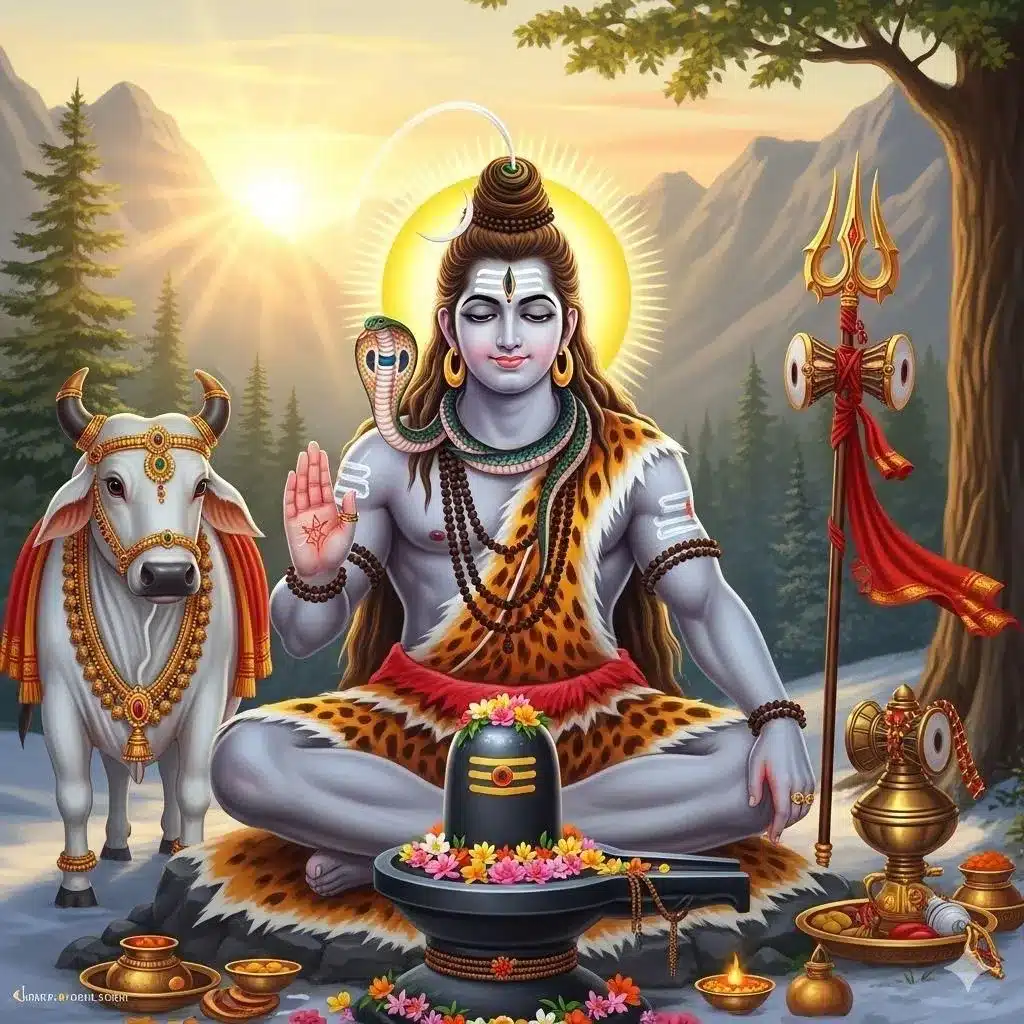
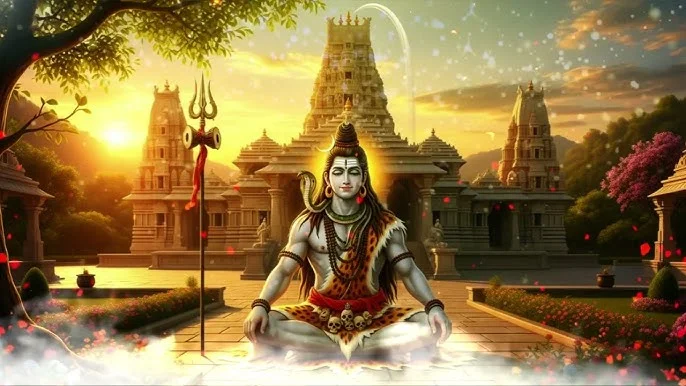
Lord Shiva meditating in front of grand temple at sunrise
Adi Shankaracharya, stotram

Shiva Bhujangam

Shiva Bhujangam Shiva Bhujangam is a devotional hymn composed in the Bhujanga metre, dedicated to Lord Shiva, the supreme deity of the Hindu pantheon. The word Bhujangam literally means “serpent” and the metre resembles the movement of a snake, flowing smoothly in rhythmic beauty . This style of poetry is often used in Sanskrit devotional literature to express deep reverence, humility, and surrender to God. The Shiva Bhujangam, attributed to great saints such as Adi Shankaracharya and other enlightened poets, praises Lord Shiva as the eternal source of creation, sustenance, and dissolution. In these verses, the devotee contemplates Shiva as the embodiment of truth, auspiciousness, and compassion, while also recognizing him as the fierce destroyer of ignorance and ego. The imagery used in the hymn is rich with descriptions of Mount Kailash, the sacred Ganga flowing from Shiva’s matted hair, the crescent moon adorning his head, and the serpent Vasuki coiled around his neck, signifying control over death and fear. The hymn also vividly portrays Shiva as Nataraja, the cosmic dancer whose rhythm sustains the universe, and as Ardhanarishvara, the union of divine masculine and feminine energies. Reciting or meditating on Shiva Bhujangam is said to purify the mind, remove obstacles, and invoke inner strength and wisdom. Devotees believe that chanting it with devotion brings freedom from worldly suffering and establishes a connection with the transcendental presence of Shiva. Its verses carry a profound philosophical essence of Advaita Vedanta, emphasizing that the individual soul and the supreme consciousness are not separate but one reality. Thus, Shiva Bhujangam is not only a poetic prayer but also a guide to spiritual realization, encouraging seekers to rise above worldly attachments and rest in the bliss of self-awareness. The beauty of this composition lies in its blend of devotion, philosophy, and poetic grace, making it timeless and universal. Even today, Shiva Bhujangam is chanted in temples, homes, and during festivals like Maha Shivaratri, where devotees spend the night in prayer, bhajans, and meditation on the Lord. For spiritual aspirants, it serves as a reminder that surrender to Shiva leads to liberation, peace, and divine grace.

Shiva Bhujangam Read Post »

nzy154
Adi Shankaracharya, ⁠Books by Sri Sathya Sai Baba, stotram

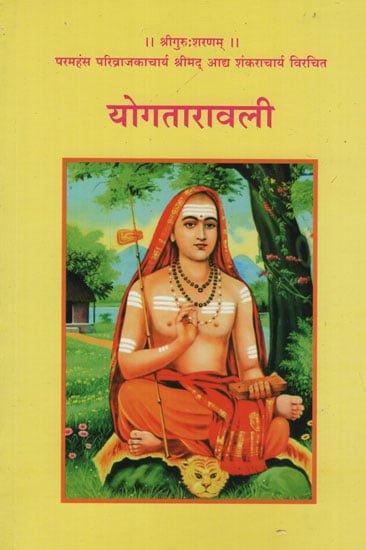
Yoga Taravali Book

Yoga Taravali Yoga Taravali, meaning “A Garland of Verses on Yoga”, is a powerful and poetic Sanskrit text traditionally attributed to Adi Shankaracharya, the great 8th-century philosopher and saint best known for his exposition of Advaita Vedanta (non-dualism). Though he is widely revered for his teachings on knowledge (jnana yoga), in Yoga Taravali, Shankara demonstrates a deep understanding and reverence for yoga as a spiritual discipline, especially as a preparation for Self-realization. This text is a bridge between yoga and Vedanta, blending yogic techniques and insights with the ultimate goal of realizing the non-dual Self (Atman). Unlike systematized yogic manuals like the Yoga Sutras of Patanjali, Yoga Taravali is poetic, experiential, and philosophical, capturing the inner journey of a yogi in search of liberation. Meaning and Context The text consists of around 29 verses (though some versions vary slightly in count), each filled with deep meaning and direct spiritual insight. Core Themes and Teachings

Yoga Taravali Book Read Post »

Adi Shankaracharya, ⁠Books by Sri Sathya Sai Baba, stotram

Adi Shankaracharya sadaachaar anusandhaanam Book

sadaachaar anusandhaanam Sadachara Anusandhanam, meaning “Inquiry into Right Conduct”, is a concise yet profound Sanskrit text composed by Adi Shankaracharya, one of the greatest spiritual teachers and philosophers in the Advaita Vedanta tradition. This short treatise, often overlooked compared to his more technical works, focuses on the daily conduct, duties, and spiritual discipline expected of a seeker who desires liberation (moksha). While Shankaracharya is widely known for his abstract metaphysical writings, Sadachara Anusandhanam stands out for its practical orientation, offering clear and actionable guidelines for righteous living. The term sadachara means good or noble conduct, and anusandhanam means inquiry or contemplation. Thus, the text is a manual for self-reflection and disciplined living aligned with spiritual goals. The text is intended for spiritual aspirants, particularly householders, who wish to live a life of dharma (righteousness) while also progressing toward Self-realization. It outlines how to integrate Vedantic wisdom into everyday actions—right from waking up in the morning to sleeping at night. Unlike purely ritualistic or ascetic texts, Sadachara Anusandhanam strikes a balance between worldly duties and inner contemplation, making it accessible and relevant for both monks and laypeople. Key Themes and Teachings

Adi Shankaracharya sadaachaar anusandhaanam Book Read Post »

hbw196
Adi Shankaracharya, ⁠Books by Sri Sathya Sai Baba

Prasnottara Ratna Malika Book

Prasnottara Ratna Malika Prasnottara Ratna Malika, meaning “A Garland of Jewel-like Questions and Answers,” is a revered Sanskrit text attributed to the great philosopher and spiritual teacher Adi Shankaracharya. This concise and insightful work presents essential spiritual and ethical teachings in the form of questions and answers, making it accessible, clear, and highly practical. Composed in simple yet profound language, the text is structured as a series of direct questions (prasna) followed by succinct, wise answers (uttara), much like a catechism in the Hindu tradition. The text touches upon a wide range of topics, from ethics and devotion to knowledge and liberation, offering timeless guidance for anyone seeking truth and a righteous life. Structure and Purpose The question-and-answer format serves both pedagogical and meditative purposes. It allows readers to engage with each topic reflectively and contemplate the meaning of each answer deeply. Unlike abstract philosophical treatises, this text is more practical and personal, offering direct instructions for living a spiritually meaningful life. The “ratna malika” or “garland of jewels” metaphor suggests that each question-answer pair is a gem — valuable, self-contained, and illuminating. Core Themes

Prasnottara Ratna Malika Book Read Post »

skanuj0183
Adi Shankaracharya

Brahma-anucintanam Book

Brahma-anucintanam Brahma-Anucintanam (also spelled Brahmānucintanam) is a philosophical and contemplative text rooted in the tradition of Advaita Vedanta. The term Brahma refers to Brahman, the ultimate, infinite reality in Vedanta philosophy, and Anucintanam means deep contemplation or reflection. Thus, Brahma-Anucintanam literally means “Contemplation on Brahman.” The text serves as a manual for seekers who wish to attain liberation (moksha) through the constant remembrance, inquiry, and contemplation of Brahman — the formless, changeless, eternal Self that underlies all of existence. Purpose of the Text The goal of Brahma-Anucintanam is to help the aspirant shift attention from the world of names and forms to the inner reality, which is pure consciousness. Unlike texts that focus on rituals or devotion to personal gods, this work emphasizes inquiry, discrimination, and inner meditation to realize the non-dual Self. It’s not merely a philosophical exploration but a practical spiritual guide, aiming to lead the seeker from intellectual understanding to direct realization. Key Themes and Teachings

Brahma-anucintanam Book Read Post »

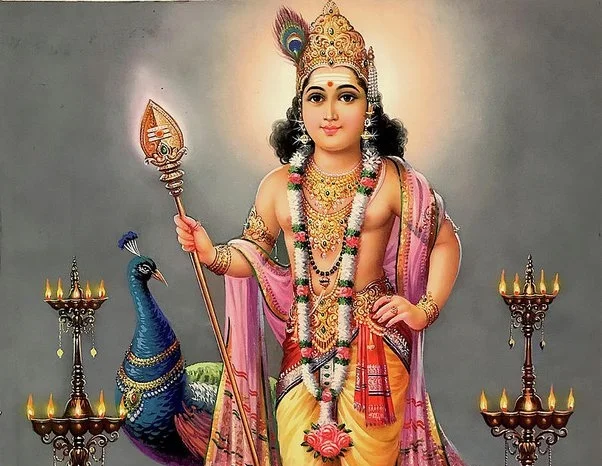
Lord Murugan standing with spear and peacock image
Adi Shankaracharya, stotram, Uncategorized

Subramanya Bhujangam

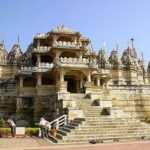
Subramanya Bhujangam (श्रीसुब्रह्मण्यभुजङ्गम्) Sri Kartikeya सदा बालरूपाऽपि विघ्नाद्रिहन्त्रीमहादन्तिवक्त्राऽपि पञ्चास्यमान्या ।विधीन्द्रादिमृग्या गणेशाभिधा मेविधत्तां श्रियं काऽपि कल्याणमूर्तिः ॥१॥Sadaa Baala-Ruupa-Api Vighna-Adri-HantriiMahaa-Danti-Vaktra-Api Pan.caasya-Maanyaa |Vidhi-Indra-[A]adi-Mrgyaa Gannesha-Abhidhaa MeVidhattaam Shriyam Kaa-Api Kalyaanna-Muurtih ||1|| Meaning:1.1: (Obeisance to Sri Ganesha) Who Always has a Child-like Form, but can Destroy Mountains of Obstacles,1.2: Who has an Elephant Face with a Huge Tusk, but is respected by the Five-Faced Shiva,1.3: Who is sought after by Vidhi (Brahma), Indra and Others; and Who is known as Ganesha; To me …1.4: … please bestow Sri (Glory and Prosperity), O the Lord with an Auspicious Form. न जानामि शब्दं न जानामि चार्थंन जानामि पद्यं न जानामि गद्यम् ।चिदेका षडास्या हृदि द्योतते मेमुखान्निःसरन्ते गिरश्चापि चित्रम् ॥२॥Na Jaanaami Shabdam Na Jaanaami Ca-ArthamNa Jaanaami Padyam Na Jaanaami Gadyam Cid-Ekaa Ssaddaasyaa Hrdi Dyota-Te MeMukhaan-Nihsarante Girash-Ca-Api Citram ||2|| Meaning:2.1: (Obeisance to Sri Subramanya) I know neither Words, nor their Meanings O Lord,2.2: And I know neither Poetry, nor Prose, but …2.3: … within the Core of my Heart, I see the Conscious Effulgence of Your Six Faces, …2.4: … which is making these various Words pour forth through my Mouth. मयूराधिरूढं महावाक्यगूढंमनोहारिदेहं महच्चित्तगेहम् ।महीदेवदेवं महावेदभावंमहादेवबालं भजे लोकपालम् ॥३॥Mayuura-Adhiruuddham Mahaa-Vaakya-GuuddhamManohaari-Deham Mahac-Citta-Geham |Mahii-Deva-Devam Mahaa-Veda-BhaavamMahaa-Deva-Baalam Bhaje Loka-Paalam ||3|| Meaning:3.1: (Obeisance to Sri Subramanya) Whose Form Mounted on a Peacock represents the deepest Secret of the Upanishadic Maha Vakyas,3.2: Whose Heart-Stealing Beautiful Body Dwells within the Great Heart of Spiritual Consciousness,3.3: Who is the Great God of the Devas and represents what the Great Vedas convey,3.4: I Worship that Son of Mahadeva (another name of Shiva) Who is the Protector of the World. यदा संनिधानं गता मानवा मेभवाम्भोधिपारं गतास्ते तदैव ।इति व्यञ्जयन्सिन्धुतीरे य आस्तेतमीडे पवित्रं पराशक्तिपुत्रम् ॥४॥Yadaa Samnidhaanam Gataa Maanavaa MeBhava-Ambhodhi-Paaram Gataas-Te Tadai[a-E]va |Iti Vyan.jayan-Sindhu-Tiire Ya AasteTam-Iidde Pavitram Paraashakti-Putram ||4|| Meaning:4.1: (Obeisance to Sri Subramanya) When Persons come to My Presence (and completely surrender to me),4.2: They have Indeed Crossed the Ocean of the Samsara,4.3: Thus You seem to proclaim Manifesting on the Shore of the Sea (at Tiruchendur) and Dwelling there,4.4: May I always Praise You, O the Ever Pure Son of Parashakti (Divine Mother). यथाब्धेस्तरङ्गा लयं यान्ति तुङ्गाःतथैवापदः सन्निधौ सेवतां मे ।इतीवोर्मिपंक्तीर्नृणां दर्शयन्तंसदा भावये हृत्सरोजे गुहं तम् ॥५॥Yatha-Abdhes-Taranggaa Layam Yaanti TunggaahTathai[aa-E]va-[A]apadah Sannidhau Sevataam Me |Iti-Ivo[a-Uu]rmi-Pangktiir-Nrnnaam DarshayantamSadaa Bhaavaye Hrt-Saroje Guham Tam ||5|| Meaning:5.1: (Obeisance to Sri Subramanya) Like the Huge Waves of the Sea Disappear within the Sea, …5.2: … similarly, the Calamities of My Devotees will Disappear Who come to My Presence where I Dwell (and completely surrender to me),5.3: Thus You seem to proclaim showing the Rows of Waves on the Sea (to the Devotees),5.4: May I always Meditate on You, O Guha (another name of Subramanya) within the Lotus of my Heart. गिरौ मन्निवासे नरा येऽधिरूढाःतदा पर्वते राजते तेऽधिरूढाः ।इतीव ब्रुवन्गन्धशैलाधिरूढःस देवो मुदे मे सदा षण्मुखोऽस्तु ॥६॥Girau Man-Nivaase Naraa Ye-AdhiruuddhaaTadaa Parvate Raajate Te-Adhiruuddhaah |Iti-Iva Bruvan-Gandhashaila-AdhiruuddhahSa Devo Mude Me Sadaa Ssannmukho-Astu ||6|| Meaning:6.1: (Obeisance to Sri Subramanya) Those Persons who Ascend the Hills of My Abode (and completely surrender to me), …6.2: … they thereby Ascend the Great Silvery Mountain which leads to the path of Liberation (referring to Mount Kailash which appears Silvery due to snow),6.3: Thus You seem to proclaim Abiding on the Sugandha Hill,6.4: Let me always Rejoice in the contemplation of You, O my Lord Shanmukha. महाम्भोधितीरे महापापचोरेमुनीन्द्रानुकूले सुगन्धाख्यशैले ।गुहायां वसन्तं स्वभासा लसन्तंजनार्तिं हरन्तं श्रयामो गुहं तम् ॥७॥Mahaa-[A]mbhodhi-Tiire Mahaa-Paapa-CoreMuni-Indra-Anukuule Sugandha-[A]akhya-Shaile |Guhaayaam Vasantam Sva-Bhaasaa LasantamJana-[A]artim Harantam Shrayaamo Guham Tam ||7|| Meaning:7.1: (Obeisance to Sri Subramanya) On the Shores of the Great Sea, the Place which Steals away the Great Sins of the People, …7.2: … the Place which is very Favourable for Munis (Saints or Ascetics) to perform Sadhana, the Place which is known as the Sugandha Hill, …7.3: … the Place where Guha Abides in His Own Splendour, …7.4: … and Removes the Distress of the People; I Remember that Place and take Refuge in You, O Guha. लसत्स्वर्णगेहे नृणां कामदोहेसुमस्तोमसंछन्नमाणिक्यमञ्चे ।समुद्यत्सहस्रार्कतुल्यप्रकाशंसदा भावये कार्तिकेयं सुरेशम् ॥८॥Lasat-Svarnna-Gehe Nrnnaam Kaama-DoheSuma-Stoma-Samchanna-Maannikya-Man.ce |Sam-Udyat-Sahasra-Arka-Tulya-PrakaashamSadaa Bhaavaye Kaartikeyam Sure[a-Ii]sham ||8|| Meaning:8.1: (Obeisance to Sri Subramanya) Within the Shining Golden House (i.e. Temple Room), Granting the Wishes of the Devotees, …8.2: … Abides the Lord on a Shrine which is covered with heaps of Flowers and various Gems, …8.3: … the Lord Himself Shining with the Effulgence of Thousand Suns,8.4: Let me always Meditate on that Form of Kartikeya, the Lord of the Devas. रणद्धंसके मञ्जुलेऽत्यन्तशोणेमनोहारिलावण्यपीयूषपूर्णेमनःषट्पदो मे भवक्लेशतप्तःसदा मोदतां स्कन्द ते पादपद्मे ॥९॥Rannad-Dhamsake Man.jule-Atyanta-ShonneManohaari-Laavannya-Piiyuussa-PuurnneManah-Ssatt-Pado Me Bhava-Klesha-TaptahSadaa Modataam Skanda Te Paada-Padme ||9|| Meaning:9.1: (Obeisance to Sri Subramanya) On the Jingling Anklets on the Feet which are very Charming and Reddish, …9.2: … the Feet which are Heart-Stealing, Lovely and filled with Nectar …9.3: … On those Six pair of Feet (in Your Six Abodes), let me who is afflicted with the Distress and Heat of the World, …9.4: … always Rejoice, O Skanda, keeping my Mind always on Your Lotus Feet. सुवर्णाभदिव्याम्बरैर्भासमानांक्वणत्किङ्किणीमेखलाशोभमानाम् ।लसद्धेमपट्टेन विद्योतमानांकटिं भावये स्कन्द ते दीप्यमानाम् ॥१०॥Suvarnna-[A]abha-Divya-Ambarair-BhaasamaanaamKvannat-Kingkinnii-Mekhalaa-Shobhamaanaam |Lasad-Dhema-Pattttena VidyotamaanaamKattim Bhaavaye Skanda Te Diipyamaanaam ||10|| Meaning:10.1: (Obeisance to Sri Subramanya) Clad in Divine Clothes which are Shining with the Lustre of Gold, …10.2: … and wearing a beautiful Girdle on the Waist on which small Bells are Tinkling, …10.3: … along with a Golden Silk Cloth which is Flashing like Lightning, …10.4: … I Meditate on Your Waist, O Skanda, You Who Enlighten my Heart. पुलिन्देशकन्याघनाभोगतुङ्ग_स्तनालिङ्गनासक्तकाश्मीररागम् ।नमस्यामहं तारकारे तवोरःस्वभक्तावने सर्वदा सानुरागम् ॥११॥Pulindesha-Kanyaa-Ghanaa-Bhoga-Tungga_Stana-[A]alinggana-[A]asakta-Kaashmiira-Raagam |Namasyaam-Aham Taaraka-Are TavorahSva-Bhakta-Avane Sarvadaa Sa-Anuraagam ||11|| Meaning:11.1: (Obeisance to Sri Subramanya) Like how You Embraced the Woman of the Pulinda Tribe (i.e. Sri Valli, who meditated on You for long) who had Big and Round ….11.2: … Bosom, and as a result of that Embrace, Your Chest became Red like Saffron (signifying deep attachment towards Devotees), …11.3: … I Bow down to You, the Enemy of Taraka, and Who is extremely Powerful, …11.4: … Please extend the same Anuraga (Love and Affection which You showed towards Valli) towards Your Devotees also, always, You Who are the Joy of the Devotees. विधौ क्ऌप्तदण्डान् स्वलीलाधृताण्डान्निरस्तेभशुण्डान् द्विषत्कालदण्डान् ।हतेन्द्रारिषण्डाञ्जगत्त्राणशौण्डान्सदा ते प्रचण्डान् श्रये बाहुदण्डान् ॥१२॥Vidhau Klpta-Dannddaan Sva-Liilaa-Dhrta-AnnddaanNirastebha-Shunnddaan Dvissat-Kaala-Dannddaan |Hate[a-I]ndra-Ari-Ssannddaan.-Jagat-Traanna-ShaunnddaanSadaa Te Pracannddaan Shraye Baahu-Dannddaan ||12|| Meaning:12.1: (Obeisance to Sri Subramanya) The Arms which Effected Punishment to Vidhi (Sri Brahma) and the Arms which Supported the Universe as One’s Play, …12.2: … The Arms which Casted off the Elephant (Valli Story) and the Arms which are like Kaaladanda (Staff of Death) to the Hostile, …12.3: … The Arms which Killed the Multitude of Enemies of Indra, and the Arms which are Skilled in Protecting the World, …12.4: … I Always take Refuge in Your Formidable Arms, O Subramanya (which are like a Mighty Protecting Staff for the World). सदा शारदाः षण्मृगाङ्का यदि स्युःसमुद्यन्त एव स्थिताश्चेत्समन्तात् ।सदा पूर्णबिम्बाः कलङ्कैश्च हीनाःतदा त्वन्मुखानां ब्रुवे स्कन्द साम्यम् ॥१३॥Sadaa Shaaradaah Ssann-Mrgaangkaa Yadi SyuhSam-Udyanta Eva Sthitaash-Cet-Samantaat |Sadaa Puurnna-Bimbaah Kalangkaish-Ca HiinaahTadaa Tvan-Mukhaanaam Bruve Skanda Saamyam ||13|| Meaning:13.1: (Obeisance to Sri Subramanya) If Six Autumn Moons Continuously Shine, …13.2: … Rising Together and Staying side by side, such that their Splendour is a Continuous Whole, …13.3: … and they are Always Shining with Full Brightness, without any Spot on them, …13.4: … Even then, they can be said to be like Your Face, only for the name’s sake, O Skanda, without the real Splendour matching. स्फुरन्मन्दहासैः सहंसानि चञ्चत्कटाक्षावलीभृङ्गसंघोज्ज्वलानि ।सुधास्यन्दिबिम्बाधराणीशसूनोतवालोकये षण्मुखाम्भोरुहाणि ॥१४॥Sphuran-Manda-Haasaih Sa-Hamsaani Can.catKattaakssaa-Valii-Bhrngga-Samgho[a-U]jjvalaani |Sudhaasyandi-Bimbaa-Dharaannii-[Ii]sha-SuunoTava-[A]alokaye Ssann-Mukha-Ambhoruhaanni ||14|| Meaning:14.1: (Obeisance to Sri Subramanya) With Shining Gentle Smile like a group of Swans Moving Happily, …14.2: … and Side Glances like a group of Bees Shining with Splendour, …14.3: … along with Lips like Bimba Fruit filled with Nectar; O the Son of the Lord of Earth, …14.4: … I Behold Your Six Faces within my Heart; those Six Faces which blossom like Six Lotuses. विशालेषु कर्णान्तदीर्घेष्वजस्रंदयास्यन्दिषु द्वादशस्वीक्षणेषु ।मयीषत्कटाक्षः सकृत्पातितश्चेद्भवेत्ते दयाशील का नाम हानिः ॥१५॥Vishaalessu Karnna-Anta-Diirghessv[u]-AjasramDayaa-Syandissu Dvaadashas-Viikssannessu |Mayi-[I]issat-Kattaakssah Sakrt-Paatitash-CedBhavet-Te Dayaashiila Kaa Naama Haanih ||15|| Meaning:15.1: (Obeisance to Sri Subramanya) From Your Large and Long Eyes extending till the Ears, from which continually …15.2: … pours forth Compassion; those Twelve Eyes, …15.3: … If on me once Cast their Glance, …15.4: … What Loss indeed will there be to You, O my Compassionate Lord? सुताङ्गोद्भवो मेऽसि जीवेति षड्धाजपन्मन्त्रमीशो मुदा जिघ्रते यान् ।जगद्भारभृद्भ्यो जगन्नाथ तेभ्यःकिरीटोज्ज्वलेभ्यो नमो मस्तकेभ्यः ॥१६॥Suta-Anggo[a-U]dbhavo Me-Asi Jiive[a-I]ti Ssadd-DhaaJapan-Mantram-Iisho Mudaa Jighrate Yaan |Jagad-Bhaara-Bhrdbhyo Jagan-Naatha TebhyahKiriitto[a-U]jjvalebhyo Namo Mastakebhyah ||16|| Meaning:16.1: (Obeisance to Sri Subramanya) “Son, you are born from my body, May your glory live (forever)”; Over Your Six Heads which Supports the World, …16.2: … Mahadeva, the Great Lord, Joyfully uttered Mantras and Blessed You,16.3: O Jagannatha (Lord of the World), You Who Bear the Burden of the World, …16.4: … I Bow to those Six Heads (blessed by Mahadeva and) which are Adorned with Shining Diadems. स्फुरद्रत्नकेयूरहाराभिरामःचलत्कुण्डलश्रीलसद्गण्डभागः ।कटौ पीतवासाः करे चारुशक्तिपुरस्तान्ममास्तां पुरारेस्तनूज ॥१७॥Sphurad-Ratna-Keyuura-Haara-AbhiraamahCalat-Kunnddala-Shrii-Lasad-Ganndda-Bhaagah |Kattau Piita-Vaasaah Kare Caaru-ShaktiPurastaan-Mamaas-Taam Puraares-Tanuuja ||17|| Meaning:17.1: (Obeisance to Sri Subramanya) With a Delightfully Pleasing Form adorned with Bracelets and Garlands studded with Glittering Gems, …17.2: … and Beautiful Ear-Rings moving to and fro over the Shining Face, …17.3: … With Golden Yellow Clothes over the Waist and the Beautiful Shakti Vel on His Hands, …17.4: .. I See Your Beautiful Form before my eyes, O the Son of the Enemy of Tripurasura (referring to Shiva) .इहायाहि वत्सेति हस्तान्प्रसार्या_ह्वयत्यादशच्छङ्करे मातुरङ्कात् ।समुत्पत्य तातं श्रयन्तं कुमारंहराश्लिष्टगात्रं भजे बालमूर्तिम् ॥१८॥Iha-Ayaahi Vatse[a-I]ti Hastaan-Prasaaryaa_(Aa)Hvaya-Tyaada-Shacchangkare Maatur-Angkaat |Samutpatya Taatam Shrayantam KumaaramHara-[A]ashlisstta-Gaatram Bhaje Baala-Muurtim ||18|| Meaning:18.1: (Obeisance to Sri Subramanya) “Come here, my Son”, by Extending the Arms …18.2: … When Shankara calls You, You from Your Mother’s Lap …18.3: … Spring up and go towards the endearing Embrace of Your Father, O Kumara (another name of Subramanya),18.4: I Worship that Form of Bala Kumara (Child Kumara) Whose Body was Embraced by Hara (another name of Shiva). कुमारेशसूनो गुह स्कन्द सेना_पते शक्तिपाणे मयूराधिरूढ ।पुलिन्दात्मजाकान्त भक्तार्तिहारिन्प्रभो तारकारे सदा रक्ष मां त्वम् ॥१९॥Kumaare[a-I]sha-Suuno Guha Skanda Senaa_Pate Shakti-Paanne Mayuura-Adhiruuddha |Pulinda-Atmajaa-Kaanta Bhakta-Arti-HaarinPrabho Taaraka-Are Sadaa Rakssa Maam Tvam ||19|| Meaning:19.1: (Obeisance to Sri Subramanya) O Kumara, You Who are the Son of the Lord (Shiva), You Who are also called Guha and Skanda, You Who are the Commandar of the Army of Devas, …19.2: … You Who hold the Shakti Vel in Your Hands, You Who Mount the Peacock, …19.3: … You Who are the Beloved of the Daughter of the hunter of Pulinda tribe (referring to Valli), …19.4: … O Lord, You Who are the Enemy of Tarakasura, Please Protect me always. प्रशान्तेन्द्रिये नष्टसंज्ञे विचेष्टेकफोद्गारिवक्त्रे भयोत्कम्पिगात्रे ।प्रयाणोन्मुखे मय्यनाथे तदानींद्रुतं मे दयालो भवाग्रे गुह त्वम् ॥२०॥Prashaante[a-I]ndriye Nasstta-Samjnye VicesstteKapho[a-U]dgaari-Vaktre Bhayot-Kampi-Gaatre |Prayaanno[a-U]nmukhe Mayy-Anaathe TadaaniimDrutam Me Dayaalo Bhava-Agre Guha Tvam ||20|| Meaning:20.1: (Obeisance to Sri Subramanya) During my Old Age, when my Senses will
Subramanya Bhujangam Read Post »

61qiWxIK1kL
Adi Shankaracharya, ⁠Books by Sri Sathya Sai Baba

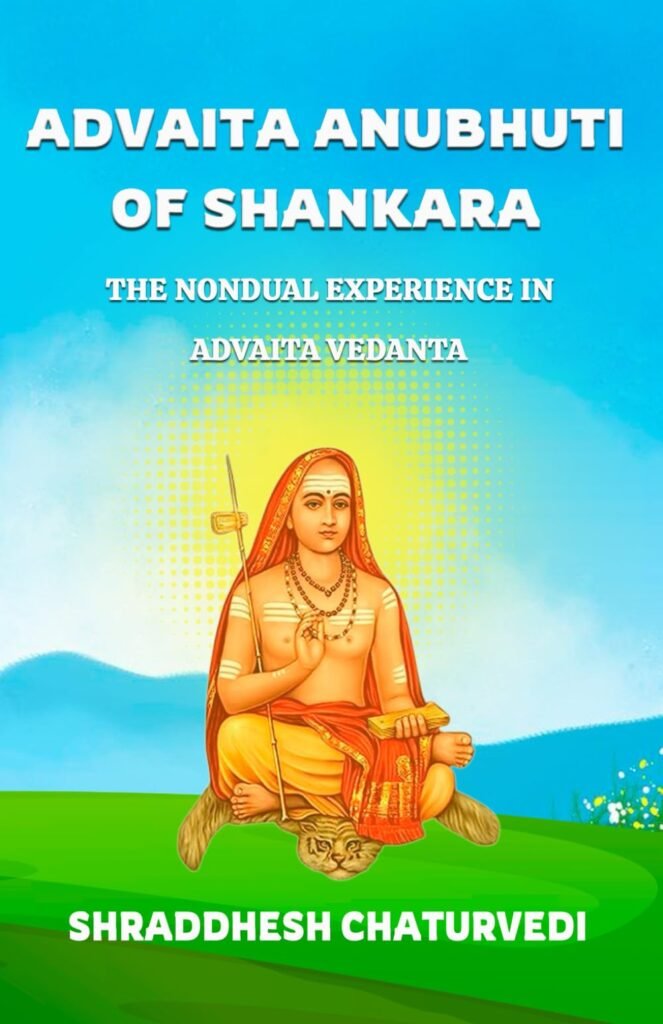
Advaita Anubhuti Book

Advaita Anubhuti Advaita Anubhuti (also spelled Advaitānubhūti) means “The Experience of Non-Duality”. It is a philosophical and spiritual treatise that deals with the direct realization (anubhuti) of the truth of Advaita Vedanta — the non-dualistic school of Hindu philosophy. The text is traditionally attributed to Swami Vidyaranya, a 14th-century saint and scholar, who is also known for his major works like the Panchadashi and his role in the founding of the Vijayanagara Empire. In Advaita Anubhuti, Vidyaranya presents the essence of Advaita philosophy not merely as a theory or intellectual concept, but as a direct inner experience of the Self. Meaning and Purpose The word Advaita means “non-duality” — the idea that there is no real distinction between the individual self (Atman) and the ultimate reality (Brahman). According to Advaita Vedanta, the multiplicity we see in the world is an illusion (maya), and the only truth is Brahman, the infinite, eternal, and unchanging consciousness. Anubhuti means direct realization or experience — not in the sense of sensory experience, but in the sense of self-revealing knowledge. So, Advaita Anubhuti is a text focused on the practical realization of the non-dual truth. Core Themes of Advaita Anubhuti

Advaita Anubhuti Book Read Post »

2fa097fc08990c0fc4010faa329f6f8f
Adi Shankaracharya, stotram

Shri Ganesha Bhujangam


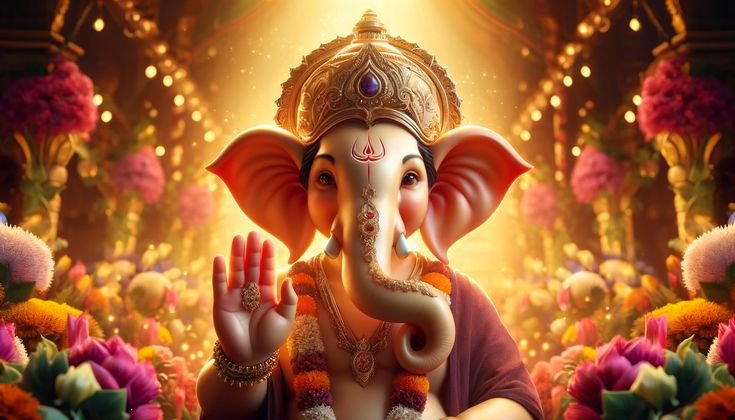
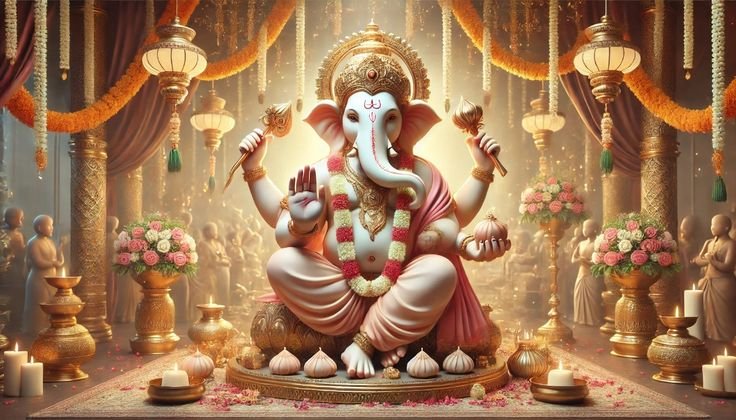
Shri Ganesha Bhujangam ( श्रीगणेशभुजङ्गम् ) Shri Ganesha Bhujangam is a beautiful verse describing Lord Ganesha written by Sri Adi Sankaracharya. Shri Ganesha is widely revered as the remover of obstacles. As the god of beginnings, he is honoured at the start of rituals and ceremonies. By chanting Shri Ganesha Bhujang Debts and poverty can be forever forbidden from one’s life. Hail the Lord Ganesha!!! May we all be blessed!!! Shri Ganesha Bhujangam(श्रीगणेशभुजङ्गम्) रणत्क्षुद्रघण्टानिनादाभिरामंचलत्ताण्डवोद्दण्डवत्पद्मतालम् ।लसत्तुन्दिलाङ्गोपरिव्यालहारंगणाधीशमीशानसूनुं तमीडे ॥ १॥ RanatKshudra GhanTaaNi NaadaaBhi RaamamChaletTanda VodDandaVat PadmaTaalamLasatTundi LaangoPariVyaalaHaaramGanaaDheesha Meeshaana SoonumTameede Eulogy on Ganesh : I praise the leader of the Gana of Rudra, Who is the son of Ishan (Shiv), Who appears pleasing with the sounds of joyful swinging small bells across His body, Whose lotus-feet is trembling to the dance of Tandav in rebellious ways, and Who has a snake-garland shining over His belly.||1|| ध्वनिध्वंसवीणालयोल्लासिवक्त्रंस्फुरच्छुण्डदण्डोल्लसद्बीजपूरम् ।गलद्दर्पसौगन्ध्यलोलालिमालंगणाधीशमीशानसूनुं तमीडे ॥ २॥ Dhvani Dhvamsa Veenaa Layollaasi VaktramSphurat ChunDa Dandolla SatBeeja PooramGaladDarpa SouGandhya LolaaliMaalamGanaaDheesha Meeshaana Soonum Tameede I praise the leader of the Gana of Rudra, Who is the son of Ishan (Shiv), Whose face is resplendent hearing the sounds coming out from the strings of veena (music instrument), Who has a resplendent trunk-stem and temple, Who has a shiny flow of juice from the trunk-temple, and Who has a trickling garland of fragrant flowers with bumble-bees hovering around.||2|| प्रकाशज्जपारक्तरन्तप्रसून-प्रवालप्रभातारुणज्योतिरेकम् ।प्रलम्बोदरं वक्रतुण्डैकदन्तंगणाधीशमीशानसूनुं तमीडे ॥ ३॥ Prakaashaj JapaaRakta Ranta PrasoonaPravaala PrabhaaTaaru Na Jyoti RekamPralam Bodaram Vakratun Daika DantamGanaa Dheesha Meeshaana Soonum Tameede I praise the leader of the Gana of Rudra, Who is the son of Ishan (Shiv), Who is shining like the blood-red inner new shoots of the china rose (a.dahula) owing to the morning red light, Who has a large (long) belly, Who has a round belly, and Who has one-elephant tusk.||3|| विचित्रस्फुरद्रत्नमालाकिरीटंकिरीटोल्लसच्चन्द्ररेखाविभूषम् ।विभूषैकभूशं भवध्वंसहेतुंगणाधीशमीशानसूनुं तमीडे ॥ ४॥ Vichitra Sphurat Ratna Maalaa KireetamKiree Tolla Sat Chandra Rekhaa VibhooshamVibhoo Shaika Bhoosham Bhava Dhvamsa HetumGanaa Dheesha Meeshaana Soonum Tameede I praise the leader of the Gana of Rudra, Who is the son of Ishan (Shiv), Who is adorned by colorful shining garland of diamonds and jewels, Who is adorned at the forehead by streaks of diamond-like moon, Who is like the ornament of those without ornaments, and Who is for the destruction of the world (at the end of Kalpa).||4|| उदञ्चद्भुजावल्लरीदृश्यमूलो–च्चलद्भ्रूलताविभ्रमभ्राजदक्षम् ।मरुत्सुन्दरीचामरैः सेव्यमानंगणाधीशमीशानसूनुं तमीडे ॥ ५॥ Udan Chad Bhujaa Vallaree Drushya MoolohChalad Bhroola Taa Vi Bhrama Bhraaja DakshamMarut Sundaree Chaamaraih Sevya MaanamGanaa Dheesha Meeshaana Soonum Tameede I praise the leader of the Gana of Rudra, Who is the son of Ishan (Shiv), Who has elevating creeper like hand, which is worth a sight, Whose forehead is moving to and fro and shining, and Who is served by the fan of shining beauty.||5|| स्फुरन्निष्ठुरालोलपिङ्गाक्षितारंकृपाकोमलोदारलीलावतारम् ।कलाबिन्दुगं गीयते योगिवर्यै-र्गणाधीशमीशानसूनुं तमीडे ॥ ६॥ Sphuran Nish Thuraa Lola Pingaakshi TaaramKrupaa Komalo Daara Leelaa Va TaaramKalaa Bindugam Geeyate Yogi VaryaihiGanaa Dheesha Meeshaana Soonum Tameede I praise the leader of the Gana of Rudra, Who is the son of Ishan (Shiv), Who has a shining and rough tongue, Who has yellowish corner (pupil) of the eyes, Who takes an incarnation for mercy, comfort and benevolence, and Who is attained by the Yogi who sing His praises.||6|| यमेकाक्षरं निर्मलं निर्विकल्पंगुणातीतमानन्दमाकारशून्यम् ।परं परमोङ्कारमान्मायगर्भं ।वदन्ति प्रगल्भं पुराणं तमीडे ॥ ७॥ Yamekasharam Nirmalam Nirvi KalpamGunaa Teeta Maa Nanda Maa Kaara ShoonyamParam Paara Om Kaara Maan Maaya GarbhamVathanthi Prakalpam Puraanam Tameede I praise that Ganesha, Who is the beginning of the universe, Who is pure, Who is free from differences, Who is beyond the qualities, Who is pure bliss, Who is formless, Who is beyond everything, Who is OMkar, Who is the creator of illusions, and Whom eminent Purana sing.||7|| चिदानन्दसान्द्राय शान्ताय तुभ्यंनमो विश्वकर्त्रे च हर्त्रे च तुभ्यम् ।नमोऽनन्तलीलाय कैवल्यभासेनमो विश्वबीज प्रसीदेशसूनो ॥ ८॥ Chidaa Nanda Saan Draaya Shaan Taaya TubhyamNamo Vishva Kartre Cha Hartre Cha TubhyamNamo Ananta Leelaaya Kaivalya BhaaseNamo Vishva Beeja Prasee Desha Soono Salutations for Ganesha, Who agglutinates happiness and bliss, Who is peaceful, Who creates and destroys the world, Who has immeasurable sportivity (leela), Who is only light or enlightenment. O Ganesh, Who is the root of the world, Who is the son of Shiv! Accept my salutes and be happy on me.||8|| इमं सुस्तवं प्रातरुत्थाय भक्त्यापठेद्यस्तु मर्त्यो लभेत्सर्वकामान् ।गणेशप्रसादेन सिध्यन्ति वाचोगणेशे विभौ दुर्लभं किं प्रसन्ने ॥ ९॥ Imam SusatVam Praata Rutthaaya BhaktyaaPathed Yastu Martyo Labhet Sarva KaamaanGanesha Prasaa Daena Siddh Yanti VaachoGaneshae Vibhou Durlabham Kim Prasanne Those who study this eulogy, having woken up in the morning, with devotion achieve all the desires in the mundane existence. They also attain Vaak-Siddhi (a power in which spoken wishes get fulfilled). When Ganesha is happy, then what can be difficult? (Nothing).||9||

Shri Ganesha Bhujangam Read Post »

d9ac5d3cf66f85a2ecba3d3c38877167
Adi Shankaracharya, stotram

Sri Ganesha Pancharatnam

Ganesha Pancharatnam: Mudakaratta Modakam ( गणेशपञ्चरत्नम् – मुदाकरात्तमोदकं ) Sri Ganesha मुदाकरात्तमोदकं सदा विमुक्तिसाधकंकलाधरावतंसकं विलासिलोकरक्षकम् ।अनायकैकनायकं विनाशितेभदैत्यकंनताशुभाशुनाशकं नमामि तं विनायकम् ॥१॥ Mudaa-Karaatta-Modakam Sadaa Vimukti-SaadhakamKalaa-Dhara-Avatamsakam Vilaasi-Loka-Rakssakam |Anaayakai[a-E]ka-Naayakam Vinaashitebha-DaityakamNata-Ashubha-Ashu-Naashakam Namaami Vinaayakam ||1|| Meaning:1.1: (Obeisance to Sri Vinayaka) Who Holds the Divine Joy in His Hand as Modaka (a sweetmeat) and Who Always strives to Accomplish the Liberation of His Devotees towards that Divine Joy,1.2: Who Holds the Digit of the Moon as His Ornament and with a Joyful Spirit Protects the World,1.3: Who is without any Master but is Himself the only Master for His Devotees, and Protects them by Destroying the (inner) Demons,1.4: To those who Surrender to Him, He Destroys the Inauspicious tendencies Quickly; I Bow to Sri Vinayaka and surrender to Him. नतेतरातिभीकरं नवोदितार्कभास्वरंनमत्सुरारिनिर्जरं नताधिकापदुद्धरम् ।सुरेश्वरं निधीश्वरं गजेश्वरं गणेश्वरंमहेश्वरं तमाश्रये परात्परं निरन्तरम् ॥२॥ Nate[a-I]tara-Ati-Bhiikaram Navo[a-U]dita-Arka-BhaasvaramNamat-Sura-Ari-Nir-Jaram Nata-Adhika-Apad-Uddharam |Sure[a-Ii]shvaram Nidhi-[I]ishvaram Gaje[a-Ii]shvaram Ganne[a-Ii]shvaramMahe[a-Ii]shvaram Tama-Ashraye Paraatparam Nir-Antaram ||2|| Meaning:2.1: (Obeisance to Sri Vinayaka) To those who do not Bow down to God out of arrogance, He takes a Frightening form; His benign however form is like a Newly-Risen Sun,2.2: Who is always Fresh without any Decay, and is Saluted Reverentially by the Devas and the Devoted Persons; Who Extricates those who Surrender to Him from Difficult Calamities,2.3: Who is the God of the Devas (Sureshvara), Who is the God of Prosperity (Nidhishvara), Who is the God with an Elephant Face (Gajeshvara) and Who is the God of the Ganas (celestial attendants) (Ganeshvara),2.4: Who is the Great God (Maheshvara); To His Refuge, Who is Superior than the Best, I Continually place myself in devotional surrender. समस्तलोकशंकरं निरस्तदैत्यकुञ्जरंदरेतरोदरं वरं वरेभवक्त्रमक्षरम् ।कृपाकरं क्षमाकरं मुदाकरं यशस्करंमनस्करं नमस्कृतां नमस्करोमि भास्वरम् ॥३॥ Samasta-Loka-Shamkaram Nirasta-Daitya-Kun.jaramDare[a-I]taro[a-U]daram Varam Varebha-Vaktram-Akssaram |Krpaa-Karam Kssamaa-Karam Mudaa-Karam Yashas-KaramManas-Karam Namas-Krtaam Namas-Karomi Bhaasvaram ||3|| Meaning:3.1: (Obeisance to Sri Vinayaka) Who is the Auspicious Power behind All the Worlds and Who Removes the Mighty (inner) Demons,3.2: Whose Huge Body signifies Prosperity and Boon-Giving and Whose Most Excellent Face reflects His Imperishable Nature.3.3: Who Showers Grace (Kripakara), Who Showers Forgiveness (Kshamakara), Who Showers Joy (Mudakara) and who Showers Glory (Yashaskara) to His Devotees,3.4: Who Bestows Intelligence and Wisdom (Manaskara) to those Who Bow to Him with Reverence; I Bow to His Shining Form. अकिंचनार्तिमार्जनं चिरन्तनोक्तिभाजनंपुरारिपूर्वनन्दनं सुरारिगर्वचर्वणम् ।प्रपञ्चनाशभीषणं धनंजयादिभूषणम्कपोलदानवारणं भजे पुराणवारणम् ॥४॥ Akincana-[A]arti-Maarjanam Cirantano[a-U]kti-BhaajanamPura-Ari-Puurva-Nandanam Sura-Ari-Garva-Carvannam |Prapan.ca-Naasha-Bhiissannam Dhananjaya-[A]adi-BhuussannamKapola-Daana-Vaarannam Bhaje Puraanna-Vaarannam ||4|| Meaning:4.1: (Obeisance to Sri Vinayaka) Who Wipes out the Sufferings of the Destitutes who take His Refuge; Who is the Receptacle of the Words of Praises of the Ancients,4.2: Who is the Former Son (the latter being Kartikeya) of the Enemy of Tripurasuras (i.e. Lord Shiva), and Who Chews down the Pride and Arrogance of the Enemies of the Devas,4.3: Who wields Terrible Power to Destroy the delusion of the Five Elements constituting the World (from the mind of His Devotees); Who Himself is Adorned with the Powers (behind the Five Elements) like Fire etc,4.4: From Whose Cheeks flow down the Juice of Grace; Obeisance to Him Whose Praise similarly flows down like Juice from the Puranas. नितान्तकान्तदन्तकान्तिमन्तकान्तकात्मजंअचिन्त्यरूपमन्तहीनमन्तरायकृन्तनम् ।हृदन्तरे निरन्तरं वसन्तमेव योगिनांतमेकदन्तमेव तं विचिन्तयामि सन्ततम् ॥५॥ Nitaanta-Kaanta-Danta-Kaantim-Antaka-Antaka-[A]atmajamAcintya-Ruupam-Anta-Hiinam-Antaraaya-Krntanam |Hrd-Antare Nirantaram Vasantam-Eva YoginaamTam-Eka-Dantam-Eva Tam Vicintayaami Santatam ||5|| Meaning:5.1: (Obeisance to Sri Vinayaka) Whose Beautiful Form of Ekadanta is very much Dear to His Devotees, and Who is the Son of the One (referring to Lord Shiva) Who Put an End to (i.e. restrained) Antaka (i.e. Yama).5.2: Whose essential Form is Inconceivable and without any Limit, and which Cuts through the Obstacles of His Devotees,5.3: Who Continually Abides in the Cave of the Heart of the Yogis.5.4: I Continually Reflect upon Him, the Ekadanta (another name of Sri Vinayaka). महागणेशपञ्चरत्नमादरेण योऽन्वहंप्रजल्पति प्रभातके हृदि स्मरन् गणेश्वरम् ।अरोगतामदोषतां सुसाहितीं सुपुत्रतांसमाहितायुरष्टभूतिमभ्युपैति सोऽचिरात् ॥६॥ Mahaa-Gannesha-Pan.ca-Ratnam-Aadarenna Yo[ah-A]nvahamPrajalpati Prabhaatake Hrdi Smaran Ganne[a-Ii]shvaram |Arogataam-Adossataam Su-Saahitiim Su-PutrataamSamaahita-Ayur-Asstta-Bhuutim-Abhy-Upai[a-E]ti So[ah-A]ciraat ||6|| Meaning:6.1: (Obeisance to Sri Vinayaka) Those who Read the Great Ganesha Pancharatnam (five Jewels in praise of Sri Ganesha) with Devotion …6.2: … and Utter this in the Early Morning Contemplating on Sri Ganeshvara in their Hearts …6.3: … will get Free from Diseases and Vices, will get Good Spouses and Good Sons, ….6.4: … and with it He will get Long Life and the Eight Powers soon.


Sri Ganesha Pancharatnam Read Post »