Hari Om

Menu

Adi Shankaracharya

fea25b4271ae3f587c8df6cd140e5fe0
Adi Shankaracharya, stotram

Shiva Panchakshara Nakshatramala Stotram

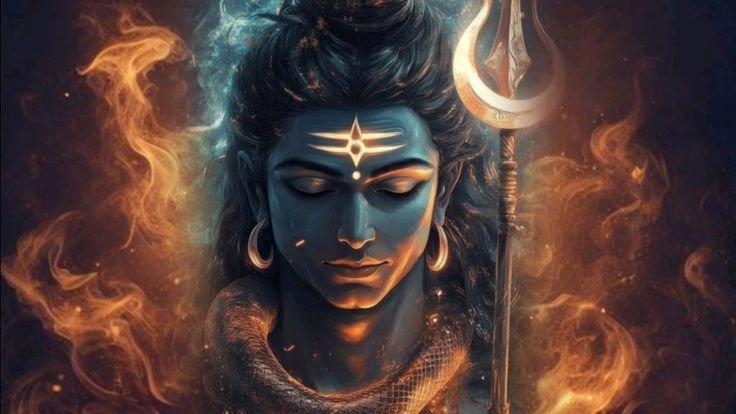
Shiva Panchakshara Nakshatramala The Shiva Panchakshara Nakshatramala Stotram is a sacred hymn attributed to Adi Shankaracharya, composed of twenty‑seven verses corresponding to the twenty‑seven lunar nakshatras (stars) of the Hindu calendar, each verse ending with the refrain “Namah Shivaya.” It weaves together rich imagery of Lord Shiva’s attributes, cosmic functions, and benevolent compassion, combining devotion with philosophical symbolism. Central to the stotram is the Panchakshara mantra (“Na‑Ma‑Shi‑Va‑Ya”), the five syllables that represent Shiva and are believed to encompass the five primal elements—earth, water, fire, air, and space. The hymn is structured so that while invoking different qualities, pastimes, and cosmic roles of Shiva (his destroyer aspect, preserver of dharma, compassionate protector of devotees, remover of sins, and embodiment of pure consciousness), the devotee is also led into deeper reflection on the manifold nature of reality and the underlying unity that Shiva represents. For example, certain verses refer to his form smeared with ashes, his tranquil yet majestic presence, his role in safeguarding the cosmos, his power to absorb sins, and his compassion towards the suffering. Because each verse is mapped to a star (nakshatra), there is a cosmological dimension: the hymn gives a sense that Shiva is present in every part of cosmic time, every star, and every moment. Through this, the hymn invites devotees to see Shiva not only as a personal deity but as the pervasive ground of all existence. Chanting or reciting the Nakshatramala is said to confer spiritual merit, to protect from fears, to burn away past transgressions, to uplift the heart, to align the devotee with cosmic rhythms, and to deepen one’s devotion. Its language, imagery, and repetitive invocation of “Namah Shivaya” serve both poetic aesthetic and meditative purpose: they calm the mind, focus the attention on devotion, and increase sensitivity to Shiva’s presence in every aspect of life. In sum, the Shiva Panchakshara Nakshatramala Stotram is not just praise, but a spiritual tool: by uttering or hearing its verses, a devotee moves through inner landscapes of fear, desire, death, time, ignorance, and emerges with greater peace, clarity, and surrender. For those who regularly recite it, its melody, structure, and star‑associations become a living tapestry of Shiva in cosmic and personal dimensions.

Shiva Panchakshara Nakshatramala Stotram Read Post »

shatpadi stotram
Adi Shankaracharya, stotram

Shat padi Stotram

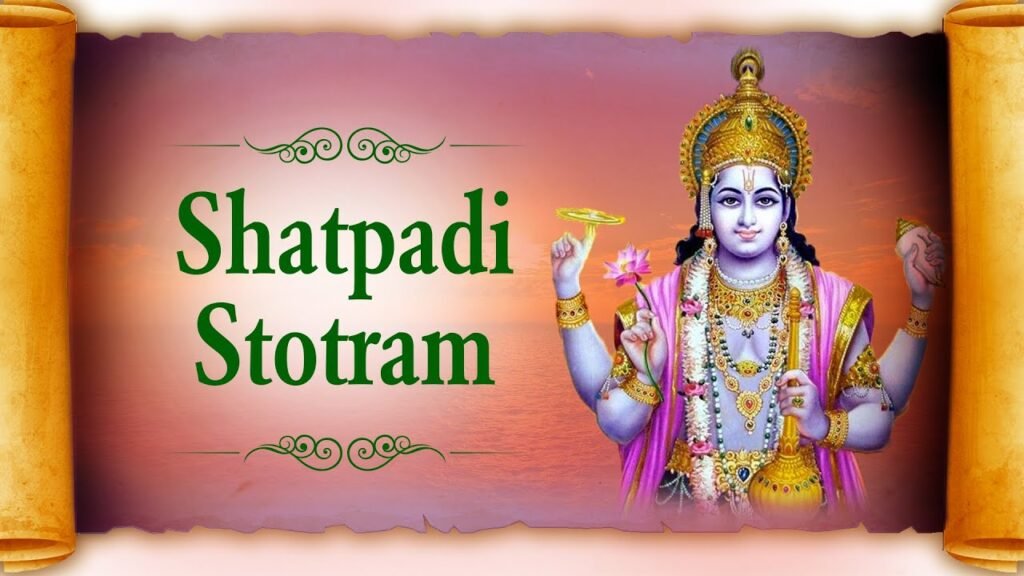
Shat padi O Lord Vishnu, the one with eyes like a lotus, I seek your refuge. You are the eternal refuge of all beings, and your very name destroys the fear of death. I take shelter in your lotus feet, which remove the cycle of birth and death. O Hari, please uplift me from this ocean of worldly existence. You are the protector of those who surrender to you. Even a sinner like me can attain liberation if he chants your name sincerely. You are the consort of Lakshmi, the embodiment of compassion, and the master of all beings. My mind is constantly tossed about in the stormy ocean of samsara (worldly existence). O Madhava, I am helpless and afraid. Please be my support and savior. Just as a blind man depends on someone to lead him, I rely on you completely, O Achyuta. Protect me like a father protects his child, like a mother cares for her baby. I may not know how to worship you properly or perform rituals, but I know how to cry out your name in devotion. O Lord Janardana, even if I fall again and again into error, I will continue to seek your grace. Please forgive my mistakes and accept me under your shelter. You are my only refuge in this life and beyond. May my mind always dwell upon your form, beautiful like a fresh raincloud, adorned with the radiant Kaustubha gem and garlanded with wild forest flowers. Let me remember your four hands holding the conch, discus, mace, and lotus, and your peaceful face that shines like the full moon. O Narayana, may my heart be immersed in you like the Ganga flows toward the ocean. Even if my senses wander, let them ultimately return to you, the source of eternal bliss. I may be ignorant, fallen, and full of worldly desires, but your grace alone can purify and uplift me. Just as fire burns impurities, your name burns away sins. Let me never forget you, O Lord, even in my final breath. Be with me when I am alive and guide me after death. You are the remover of all fears, the giver of liberation, and the destroyer of illusion. O Lord of Lakshmi, may I live remembering you, serve you with devotion, and merge into you at the end of this life. This hymn of six verses is a small offering, but let it be filled with sincerity and love. I have no strength, no knowledge, no wealth, and no lineage to boast of—but I have devotion to your lotus feet. Accept this humble stotram and shower your blessings upon me. O compassionate Vishnu, just as you saved Gajendra the elephant and Prahlada the boy devotee, save me too from this world of suffering. I surrender to you completely, O Lord, my eternal protector and guide.

Shat padi Stotram Read Post »

78a2c351e2690da3b6ead67da90cc890 1
Adi Shankaracharya, ⁠Books by Sri Sathya Sai Baba

 Prauda anubhuti Book

Prauda anubhuti Prāuḍa-Anubhūti is a Sanskrit term that can be translated as “mature experience” or “deep realization.” In the context of Indian philosophy and spirituality—particularly in Advaita Vedānta—it refers to a firm, unshakable realization of the Self (Ātman) as non-different from Brahman, the infinite, non-dual reality. While many seekers may gain intellectual knowledge or temporary glimpses of spiritual truth, Prāuḍa-Anubhūti refers to a ripened, stable, and transformative experience of the Truth that leads to complete liberation (mokṣa). In Advaita Vedānta, three stages of knowledge are often discussed: śravaṇa (listening to the teachings), manana (reflecting on them), and nididhyāsana (deep contemplation or meditation). Through these, a seeker gradually removes doubts and false identifications. However, the final stage is anubhūti, direct realization. When this realization becomes unwavering and continuous, free from distractions and doubts, it is called prāuḍa-anubhūti—mature realization. It is no longer just a mystical experience or passing insight; it becomes the seeker’s abiding inner state. This deep realization reveals that the individual self (jīva) was never truly separate from Brahman. One no longer just believes or understands that “I am Brahman” (Aham Brahmāsmi), but lives in that awareness naturally, effortlessly. The illusion of individuality (ahaṅkāra, or ego) dissolves completely, and one sees the world not as separate entities but as appearances within one indivisible consciousness. This state is beyond intellectual comprehension—it is the natural state of the Self, which was always present but previously hidden by ignorance (avidyā). Prāuḍa-anubhūti is marked by inner stillness, fearlessness, and freedom from attachment, desire, and sorrow. Since the person knows without doubt that they are not the body, mind, or emotions, but the infinite, eternal awareness, worldly events no longer disturb their peace. This does not mean the person becomes inactive or indifferent, but that their actions flow spontaneously from inner clarity and compassion, free from selfish motives. The Bhagavad Gītā describes such a realized person as a sthita-prajña, one with steady wisdom. In spiritual literature, this state is often described using metaphors: like the sky untouched by clouds, or the ocean unaffected by waves. Saints like Adi Shankaracharya, Ramana Maharshi, and Sri Ramakrishna have spoken about this realization not as something to be attained in the future, but as the recognition of what is always present—our true nature.

 Prauda anubhuti Book Read Post »

61sBrwExbXL
Adi Shankaracharya, ⁠Books by Sri Sathya Sai Baba

Adi Shankaracharya Tattva-bodha Book

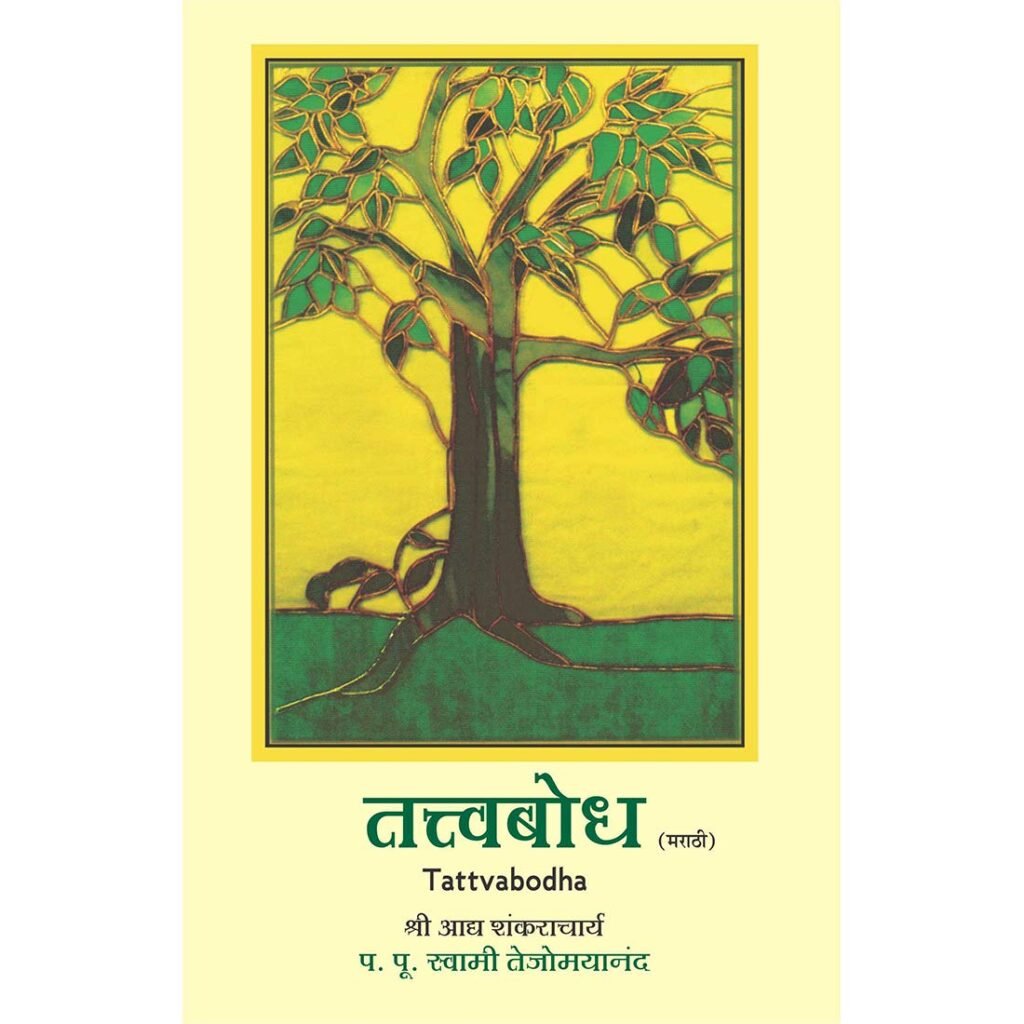
Tattva-bodha Tattva Bodha, which means “Knowledge of the Truth” or “Understanding of the Principles,” is a foundational text in Advaita Vedānta attributed to Adi Shankaracharya, one of the greatest spiritual teachers in Indian philosophy. This short yet profound work serves as an introductory manual for seekers who wish to understand the basic concepts of non-dual Vedānta and prepare themselves for deeper study and realization. The text is written in the form of a dialogue between a teacher and a student, using a question-and-answer format that systematically explains the essential teachings required for Self-knowledge (ātma-jñāna). Tattva Bodha begins by defining the qualifications of a genuine seeker, known as sādhana chatuṣṭaya: discrimination between the real and unreal (viveka), dispassion toward the fruits of actions (vairāgya), sixfold qualities like control over mind and senses (ṣaṭ-sampatti), and an intense desire for liberation (mumukṣutva). These qualifications are necessary for progressing on the path of Self-realization. The text then explores the five sheaths (pañca-kośa) that cover the true Self: the physical sheath (annamaya), vital energy sheath (prāṇamaya), mental sheath (manomaya), intellectual sheath (vijñānamaya), and bliss sheath (ānandamaya). By analyzing these layers, Tattva Bodha helps the seeker understand that the Self is not the body, mind, or emotions, but the pure awareness that witnesses them. The concept of the three bodies—gross (sthūla śarīra), subtle (sūkṣma śarīra), and causal (kāraṇa śarīra)—is also explained to show how the individual identifies wrongly with limited aspects of existence. The text introduces the idea of Jīva (the individual self), Īśvara (God or the cosmic controller), and Jagat (the world), and explains their relationship through the concept of Māyā, the divine illusion or power that veils reality. Through Māyā, the non-dual Brahman appears as the manifold universe, just as one rope may appear as a snake in dim light. The ultimate teaching of Tattva Bodha is that the true Self (Ātman) is none other than Brahman, the infinite, eternal consciousness, and realizing this identity leads to liberation (mokṣa). The text emphasizes that knowledge alone—gained through śravaṇa (listening to the teachings), manana (reflecting upon them), and nididhyāsana (deep meditation)—is the direct means to liberation. Unlike ritualistic actions or pilgrimages, Self-knowledge alone destroys ignorance, which is the root cause of bondage and suffering. Tattva Bodha is revered for its clarity, structure, and simplicity, making it accessible to beginners while being deeply insightful for advanced students. It serves as a bridge between philosophical theory and personal realization, offering both intellectual understanding and practical guidance for spiritual growth. In essence, Tattva Bodha distills the vast teachings of Vedānta into a concise and systematic form, guiding the sincere seeker step by step toward the realization of the Self as the infinite, indivisible reality, beyond all limitations and dualities.

Adi Shankaracharya Tattva-bodha Book Read Post »

nao837
Adi Shankaracharya, ⁠Books by Sri Sathya Sai Baba

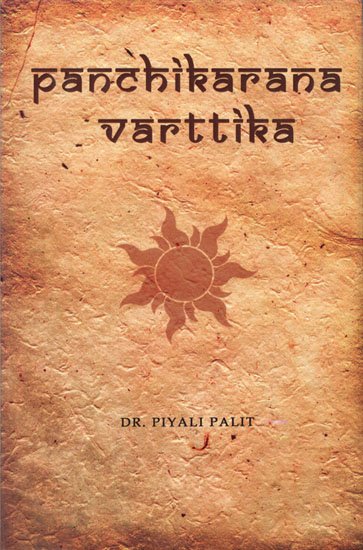
Adi Shankaracharya Panchikarana Book

Panchikarana Panchīkaraṇa is a Sanskrit term that refers to the process of the fivefold combination or quintuplication of the five subtle elements (tanmātras) into gross elements (sthūla bhūtas), forming the material universe as explained in Vedānta philosophy. According to ancient Indian cosmology, the universe is made up of five basic elements: ākāśa (space), vāyu (air), agni (fire), āpas (water), and pṛthivī (earth). Initially, these exist in their subtle forms, which are not perceivable by the senses. The process of Panchīkaraṇa explains how these subtle elements combine to become the gross, tangible elements we experience in the physical world. In Vedānta, it is said that each subtle element is first divided into two equal halves. One half remains intact, and the other half is further divided into four equal parts. Then, the intact half of one element is combined with one-eighth of each of the other four elements. For example, gross earth (pṛthivī) consists of half of subtle earth, and one-eighth each of subtle water, fire, air, and space. This same process is applied to each of the five elements. As a result, every gross element contains all five subtle elements, though in different proportions. This quintuplication process makes the gross world more stable, interconnected, and sensible to human perception. For instance, earth has solidity (earth), liquidity (water), heat (fire), movement (air), and sound (space). Through this model, Panchīkaraṇa helps explain how the physical world functions with various qualities. The concept is elaborated in texts like Vedānta Sāra by Sadananda and Panchīkaraṇa attributed to Adi Shankaracharya, where it is used to help spiritual seekers understand the structure of the physical world and how it emerges from subtle energy. In the context of spiritual practice, Panchīkaraṇa is not merely a metaphysical or cosmological explanation—it serves a deeper purpose. It helps the aspirant distinguish between the Self (Ātman) and the non-Self (Anātman) by showing how the body and the material world are formed through the combination of inert elements, while the Self remains pure consciousness, untouched by this process. In this way, Panchīkaraṇa supports the Vedantic teaching that the world is Mithyā (relatively real or illusory) and that liberation (moksha) comes through knowledge of the unchanging Self. By understanding how the physical world is formed through Panchīkaraṇa, the seeker can cultivate detachment and focus inward to realize the true nature of the Self, which is beyond all physical and mental constructs. This understanding also plays a role in meditative practices and contemplation, as the aspirant moves beyond identification with the body and mind, recognizing them as temporary formations of the five elements. In conclusion, Panchīkaraṇa is a vital concept in Vedānta that explains the transformation of subtle energy into the gross material world. It is both a philosophical and practical tool for understanding the nature of creation and for advancing on the path to self-realization.

Adi Shankaracharya Panchikarana Book Read Post »

714ZAjNP8vL. UF350350 QL80
Adi Shankaracharya, ⁠Books by Sri Sathya Sai Baba

Adi Shankaracharya Anaatma Shree Vigrahanaamann Book

Anaatma Shree Vigrahanaamann “Anaatma Shree Vigrahanaamann” can be understood as the juxtaposition of two seemingly contradictory concepts—Anaatma (non-self or not-self) and Shree Vigraha (sacred form or divine idol). This phrase reflects deep philosophical and spiritual insights found in Hindu, Jain, and Buddhist traditions, where the idea of self, identity, form, and divinity are questioned and redefined. Anaatma – The Concept of Non-Self The term Anaatma originates from Sanskrit: “An” meaning not, and “Atma” meaning self or soul. It is a fundamental concept in Buddhism and Advaita Vedanta philosophy, which teaches that what we commonly regard as “self”—our body, mind, thoughts, and ego—is not our true essence. According to these traditions, clinging to the idea of a permanent, individual self is the root cause of suffering (dukkha). In Buddhism, the doctrine of Anatta (Pali form of Anaatma) teaches that there is no unchanging, eternal soul. Everything is impermanent, including consciousness. In Vedanta, the concept evolves to say that the true Self (Atman) is not the ego or individual personality but is identical with Brahman, the infinite, formless, non-dual reality. What we call “self” is actually a misidentification with form and thought. Shree Vigraha – The Sacred Form On the other side, Shree Vigraha refers to the divine form or idol used in worship, especially in Hinduism. “Shree” is an honorific denoting auspiciousness and divine presence, and “Vigraha” means form, figure, or embodiment. These idols are not merely artistic representations; they are considered manifestations of the divine. Through rituals like prana pratishta, the form is believed to be infused with the divine presence, making it worthy of worship. Vigrahas act as mediums for the devotee to connect with the formless divine. They serve as symbolic representations of deep metaphysical truths and allow abstract spiritual concepts to become accessible and personal. Even though God is beyond form (nirguna), the form (saguna) is used as a tool for devotion (bhakti). Reconciling Anaatma and Shree Vigraha At first glance, Anaatma (no-self, no-form) and Shree Vigraha (divine form) seem to contradict each other. However, within Indian spiritual traditions, this duality is harmonized. The form is used to transcend form. The self is negated to realize the Self. The sacred form (Vigraha) is not worshiped for its material qualities but as a pointer to the formless reality. Through meditating on the idol, chanting names, and performing rituals, the devotee gradually lets go of ego and self-identification, entering deeper states of consciousness where the illusion of separateness dissolves. Thus, Anaatma Shree Vigrahanaamann can be seen as a poetic expression of spiritual paradox: using the form to transcend form, using the non-self to realize the true Self. It invites practitioners to go beyond surface identities and connect with the universal essence that is both within and beyond all forms.

Adi Shankaracharya Anaatma Shree Vigrahanaamann Book Read Post »

Ananda Lahaari.webo
Adi Shankaracharya, stotram

Ananda Lahari with meaning

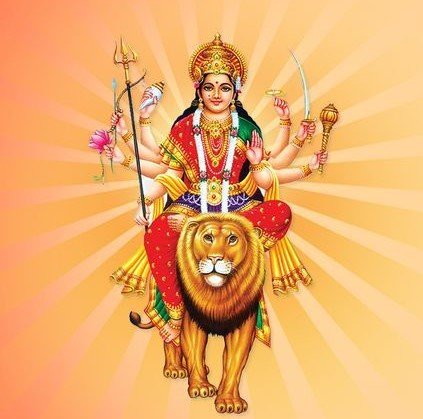
Ananda Lahari Ānanda Lahari, meaning “Wave of Bliss,” is considered the first portion of the famous Saundarya Lahari, a devotional and philosophical composition attributed to Adi Shankaracharya. The text consists of the opening 41 verses of the 100-verse Saundarya Lahari and is entirely dedicated to the divine power of Goddess Shakti. While Saundarya Lahari as a whole celebrates the beauty, grace, and cosmic energy of the Divine Mother, the Ānanda Lahari section is more mystical, focusing on the profound bliss that flows from devotion, meditation, and union with the goddess. It reveals the essence of Shakti tattva—the principle that the entire universe exists and operates only through the energy of the Divine Mother, without whom even Lord Shiva is inactive. The verses of Ānanda Lahari are highly symbolic, blending poetry, philosophy, and spiritual practice. They are not only hymns of praise but also carry esoteric significance, often used as mantras in tantra sadhana (spiritual practices of Shakta tradition). Devotees believe that reciting or meditating upon these verses awakens inner bliss, grants protection, and leads to both worldly prosperity and spiritual liberation. Thus, Ānanda Lahari is revered as a spiritual treasure that captures the joy of divine union and celebrates the supreme role of the Goddess as the source of bliss, energy, and consciousness.Ānanda Lahari, literally meaning “Wave of Bliss,” is one of the most celebrated works in Indian spiritual literature, traditionally attributed to Adi Shankaracharya, the great philosopher and saint of the 8th century. It forms the first 41 verses of the larger composition Saundarya Lahari (“Wave of Beauty”), a hundred-verse hymn that glorifies the Divine Mother, Goddess Shakti. While the latter part, Saundarya Lahari, praises the physical and spiritual beauty of the Goddess, Ānanda Lahari emphasizes the essence of bliss, cosmic energy, and the mystery of divine power. These verses describe how the entire universe, with all its functions and movements, depends upon the energy of Shakti, for without Her, even Lord Shiva remains inert like a corpse. This central theme illustrates the Shakta philosophy that the feminine principle of energy, dynamism, and bliss is inseparable from the masculine principle of pure consciousness. The poetry carries both devotional passion and deep philosophical truths, making it a text that inspires devotion while also offering insights into the highest spiritual knowledge. Each verse is highly symbolic, often carrying layers of meaning that range from metaphysical truths to practical applications in worship, meditation, and mantra practices. The significance of Ānanda Lahari lies not only in its devotional beauty but also in its spiritual power. The verses are considered mystical formulas in themselves, and many of them are used in tantra sadhana as potent mantras for meditation, protection, and inner awakening. Devotees believe that the recitation of these hymns generates bliss, removes obstacles, and grants both material prosperity and spiritual fulfillment. At a deeper level, Ānanda Lahari is seen as a map of spiritual ascent, describing the awakening of kundalini energy and its rise through the chakras to unite with the supreme consciousness, bringing the seeker into a state of ultimate joy and liberation. This is why the work is not just a poem but a manual of spiritual transformation, offering guidance to seekers of different levels. The language is rich with imagery, portraying the Goddess as the fountainhead of all beauty, grace, power, and compassion, while also reminding devotees that She is the source of creation, preservation, and dissolution of the universe. Even after centuries, Ānanda Lahari continues to inspire readers, scholars, and practitioners across the world, standing as a timeless hymn that celebrates divine bliss and the eternal union of Shiva and Shakti. It remains a spiritual treasure, where philosophy, devotion, and mysticism merge into one continuous wave of joy.

Ananda Lahari with meaning Read Post »

17b80f9921a8895f588fae943745c520
Adi Shankaracharya, stotram

Soundarya Lahari with meaning

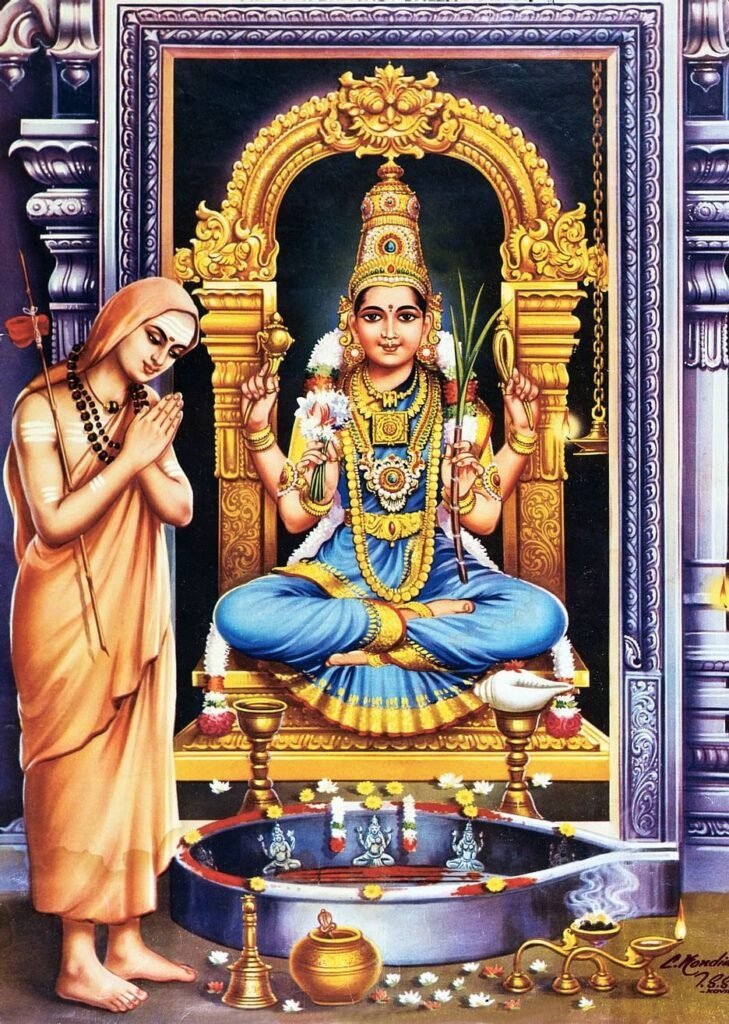
Soundarya Lahari Saundarya Lahari, meaning “The Waves of Beauty,” is one of the most celebrated works of Adi Shankaracharya, consisting of 100 verses in Sanskrit that combine the loftiest philosophy with the sweetest devotional poetry. Unlike Shankara’s strictly Advaitic writings, this masterpiece glorifies the Divine Mother—Parvati, also worshiped as Lalita Tripura Sundari—in her most resplendent, compassionate, and all-encompassing form. The text is divided into two parts: the first 41 verses are often attributed to Lord Shiva himself and are called Ananda Lahari (“Waves of Bliss”), describing the power of Devi and her inseparable oneness with Shiva, while the remaining verses are believed to have been composed by Shankaracharya, focusing on the beauty, grace, and benevolence of the Goddess. The central theme of the work is that the entire cosmos is but the manifestation of Devi’s power, and that even Shiva is static without her Shakti. It celebrates her as the supreme reality, the embodiment of bliss, knowledge, and energy, while also portraying her as a tender mother approachable through love, prayer, and devotion. The verses describe in vivid imagery her divine form—her lotus face, eyes like blossoming lotuses, lips red like hibiscus, her golden complexion, her ornaments of gems, and her seated majesty on the Sri Chakra throne surrounded by gods and yoginis. At the same time, the hymn interweaves deep tantric philosophy, extolling the power of mantras, yantras, and the Kundalini energy that rises through the chakras to unite with the supreme. Saundarya Lahari is not merely a devotional hymn but also a manual of worship, offering guidance on meditation, ritual, and the spiritual transformation that comes from surrender to the Goddess. Shankara conveys that through devotion to Devi, all human desires—be it health, prosperity, knowledge, or liberation—can be fulfilled, but ultimately the highest fruit is the realization of non-dual Brahman through her grace. The text has inspired countless commentaries and is central to the Sri Vidya tradition, where it is recited and meditated upon as a spiritual sadhana. Its poetic beauty lies in the blending of the sensual with the spiritual: while it praises the outward loveliness of the Goddess, it simultaneously elevates the devotee’s mind to contemplate her as the infinite consciousness. It asserts that Devi is both immanent—present in every atom of the universe—and transcendent—beyond all form, thought, and duality. The power of her smile, the depth of her glance, and the radiance of her form are not merely physical charms but expressions of the cosmic energy that sustains the worlds. Thus, Saundarya Lahari is a hymn where philosophy dances with poetry, where bhakti flows into jnana, and where the seeker’s heart is drawn irresistibly to the lotus feet of the Divine Mother. For centuries, devotees have recited these verses to awaken devotion, harness spiritual energy, and ultimately merge into the blissful waves of her beauty and grace, making it one of the most profound works of spiritual literature in India.

Soundarya Lahari with meaning Read Post »

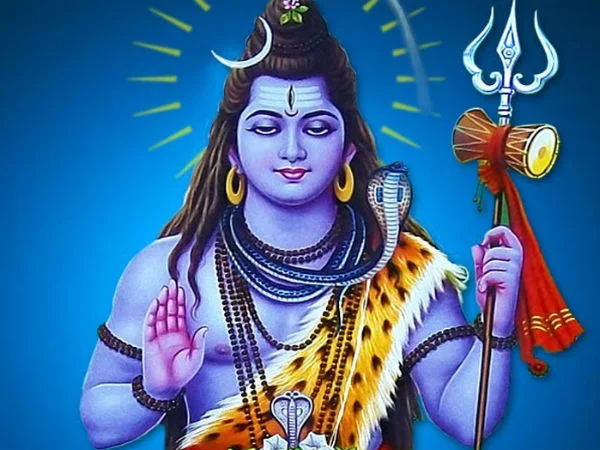
Lord Shiva blessing with trident and damru picture
Adi Shankaracharya, stotram

Sivananda Lahari with meaning

Sivananda Lahari Śivananda Lahari is a deeply devotional Sanskrit composition of one hundred verses by Adi Shankaracharya in praise of Lord Shiva, expressing the essence of bhakti (devotion) intertwined with jnana (knowledge) and ananda (bliss). The title itself means “The Waves of Bliss of Shiva,” symbolizing the unending flow of divine joy that comes from meditating on and surrendering to Mahadeva. Unlike Shankaracharya’s more philosophical treatises such as Brahma Sutra Bhashya or Vivekachudamani, which focus primarily on Advaita Vedanta, this work highlights the sweetness of personal devotion, humility, and surrender to Lord Shiva, while not abandoning the vision of the ultimate non-dual truth. The verses begin with salutations to Shiva and Shakti, emphasizing that creation itself arises only when Shiva unites with Shakti, and that without her, even the supreme consciousness does not stir. From there, Shankara builds the vision of Lord Shiva as the supreme refuge, the remover of sins, the ocean of compassion, and the eternal protector of his devotees. The poetry is filled with vivid imagery—Shiva’s matted locks carrying the Ganga, his third eye radiating divine fire, his blue throat holding the poison for the welfare of the world, and his abode in Mount Kailasa surrounded by devotees and ganas. Shankara does not merely praise the outward form, but repeatedly emphasizes Shiva as the inner self, the witness consciousness beyond time, space, and causation. The devotee’s longing for liberation, his fear of samsara, and his dependence on Shiva’s grace are expressed in moving, personal tones, showing a side of Shankara that is intimate and emotional. The verses describe the limitations of human life—frailty of the body, fleeting pleasures, the inevitability of death—and contrast them with the eternal bliss attained by surrender at the lotus feet of Lord Shiva. He assures that even sinners or those with no learning can reach the highest state if they remember Shiva with faith and love. Thus, Sivananda Lahari becomes not only a hymn of praise but also a manual of devotion, guiding seekers to combine chanting, meditation, surrender, and inner realization. The work balances philosophy and poetry: it reminds that Shiva is not merely an anthropomorphic deity but the very Paramatman, the formless Brahman, while also honoring his personal form that enchants and protects the bhakta. The essence of the text is that intellectual knowledge alone is insufficient without the sweetness of bhakti, and true liberation is possible only when knowledge is infused with love for God. It is said that simply reciting or listening to the verses of Sivananda Lahari brings peace, destroys sins, strengthens devotion, and directs the mind inward to realize the bliss of oneness with Shiva. In the ocean of Shankara’s compositions, this stotra stands out as a wave of intimate divine love, blending the highest Advaitic wisdom with the tender devotion of a child to its father. It continues to inspire seekers, saints, and devotees across centuries, reminding them that the ultimate goal of life is to experience Sivananda—the boundless joy of resting in the grace and presence of Lord Shiva.

Sivananda Lahari with meaning Read Post »

aab5ec74980ff455b5bf93d42d229b33
Adi Shankaracharya, stotram

Sri Rama Bhujangam

Sri Rama Bhujangam विशुद्धं परं सच्चिदानन्दरूपं गुणाधारमाधारहीनं वरेण्यम् । महान्तं विभान्तं गुहान्तं गुणान्तं सुखान्तं स्वयं धाम रामं प्रपद्ये ॥ 1 ॥ मैं उस भगवान राम की शरण लेता हूँ—जो सर्वथा विशुद्ध हैं, जो सच्चिदानन्दरूप (सत्–चित्–आनन्द स्वरूप) हैं, जो गुणों का आधार हैं, पर स्वयं किसी आधार पर आश्रित नहीं, जो श्रेष्ठ और वरणीय हैं, जो महान, सबमें प्रकाशमान, हृदय की गुहा (गहराई) में स्थित और गुणों के पार हैं, जिनके चरणों में परम सुख की प्राप्ति होती है,जो स्वयं ही धाम (परम प्रकाश) हैं। I worship that Rama, who is ever pure, Who is existence and fullness, Who is the support of gunas and himself does not have any support, Who is the greatest, Who cannot be divided, who is the end within himself, Who has countless gunas, Who is the ultimate pleasure, And who himself is the abode. शिवं नित्यमेकं विभुं तारकाख्यं सुखाकारमाकारशून्यं सुमान्यम् । महेशं कलेशं सुरेशं परेशं नरेशं निरीशं महीशं प्रपद्ये ॥ 2 ॥ मैं उस भगवान शिव की शरण लेता हूँ, जो सदा शाश्वत, एकमात्र, सर्वव्यापी और तारक नाम से प्रसिद्ध हैं, जो परम आनन्दस्वरूप हैं परंतु स्वयं किसी आकार या रूप से बंधे नहीं हैं। वे देवताओं द्वारा पूज्यनीय हैं, समस्त लोकों के स्वामी महेश्वर हैं, जो दुःखों का नाश करने वाले और संसार के कष्टों से मुक्त कराने वाले हैं। वे देवताओं के ईश्वर, मनुष्यों के अधिपति, और समस्त जगत् के परमेश्वर हैं। वे ऐसे प्रभु हैं जो किसी पर आश्रित नहीं, स्वयंसिद्ध और सर्वाधार हैं। पृथ्वी सहित सम्पूर्ण विश्व जिन पर टिका है, ऐसे महेश्वर शिव को मैं बार-बार प्रणाम करता हूँ और उनकी शरण ग्रहण करता हूँ। I worship that Rama, who is the lord of this earth, Who is eternal, who is always one and all pervasive, Who is the way to cross the ocean of life, Who is in the form of sukha itself, Who does not have any form, Who is well respected, Who is the greatest god, Who is god of all arts, who is the lord of devas, Who is the lord of the ultimate, Who is the Isha of humans, And who is one who does not have any Lord.  यदावर्णयत्कर्णमूलेऽन्तकाले शिवो राम रामेति रामेति काश्याम् । तदेकं परं तारकब्रह्मरूपं भजेऽहं भजेऽहं भजेऽहं भजेऽहम् ॥ 3 ॥ मैं उस परम तत्व की बार-बार उपासना करता हूँ, जो तारक-ब्रह्म स्वरूप है। जब प्रलय या मृत्यु का समय आता है और काशी नगरी में रहने वाला जीव अंतिम साँसें ले रहा होता है, तब स्वयं भगवान शिव उसके कान के पास जाकर “राम-राम, राम-राम” का नाम उच्चारण करते हैं। वही राम नाम वास्तव में तारक-मंत्र है, जो जीव को जन्म-मृत्यु के चक्र से मुक्त कर परम मोक्ष प्रदान करता है। इस श्लोक में कहा गया है कि शिव स्वयं भी मोक्ष के समय रामनाम का उपदेश देते हैं, क्योंकि राम ही परब्रह्म हैं और रामनाम ही वह अमोघ नौका है जो जीव को संसार-सागर से पार कराती है। अतः मैं उस एकमात्र परम तारक-ब्रह्म स्वरूप का निरंतर ध्यान और भजन करता हूँ। When it is said that at the time of death in Kashi, Lord Shiva whisper in the ear,– Rama, Rama, Rama To that one ultimate form of Taraka Brahma, I worship you. I worship you. I worship you. I worship you.  महारत्नपीठे शुभे कल्पमूले सुखासीनमादित्यकोटिप्रकाशम् । सदा जानकी लक्ष्मणोपेतमेकंसदा रामचन्द्रं भजेऽहं भजेऽहम् ॥ 4 ॥ मैं उस भगवान श्रीराम का बार-बार भजन करता हूँ, जो दिव्य महारत्नों से निर्मित सिंहासन पर सुशोभित रहते हैं, कल्पवृक्ष की छाया में सुखपूर्वक विराजमान हैं और जिनका तेज़ करोड़ों सूर्य के प्रकाश के समान जगमगाता है। वे कभी अकेले नहीं हैं—सदैव उनके साथ माता सीता जी विराजती हैं और आज्ञाकारी भ्राता लक्ष्मणजी सेवामें उपस्थित रहते हैं। यह दृश्य भक्त के हृदय में परम आनन्द और शांति का संचार करता है, क्योंकि उसमें ईश्वर का शाश्वत दिव्य ऐश्वर्य, करुणा और भक्तवत्सलता प्रतिबिंबित होती है। श्रीरामचन्द्र का स्मरण करने से साधक को यह अनुभव होता है कि वे न केवल त्रेतायुग के अयोध्यापति हैं बल्कि सनातन काल से अनादि-अनंत परमात्मा के रूप में महारत्न-मंडित पीठ पर आसीन हैं और समस्त जगत् को प्रकाशमान कर रहे हैं। अतः मैं उन्हीं श्रीरामचन्द्रजी का बार-बार ध्यान, जप और भजन करता हूँ। I always worship and worship that Ramachandra, Who sits on the bejeweled throne, Below the wish giving tree, sitting comfortably, With the luster of billions of suns, Always served by Sita and Lakshmana.  क्वणद्रत्नमञ्जीरपादारविन्दं लसन्मेखलाचारुपीताम्बराढ्यम् । महारत्नहारोल्लसत्कौस्तुभाङ्गं नदच्चञ्चरीमञ्जरीलोलमालम् ॥ 5 ॥ मैं भगवान श्रीराम के उस मनोहर स्वरूप का ध्यान करता हूँ जिनके चरण-कमल रत्नजटित मंजीरों की मधुर झंकार से गूँजते हैं। उनके शरीर पर सुनहरी मेखला (कमरबंध) और पीताम्बर अलंकारित शोभा बढ़ाते हैं। उनके वक्षस्थल पर दिव्य महारत्नों का हार लटक रहा है और उस पर कौस्तुभ मणि की आभा अद्भुत रूप से चमक रही है। गले में सुगंधित पुष्पों की माला है, जिस पर भौंरों की टोलियाँ गुंजार कर रही हैं, मानो स्वयं प्रकृति भी उनके सौंदर्य का रसास्वादन कर रही हो। इस श्लोक में श्रीराम के ऐश्वर्य और सौम्य रूप का अत्यंत सुंदर चित्रण है—जहाँ उनकी दिव्यता और भव्यता दोनों ही झलकती हैं। ऐसे श्रीराम का ध्यान करने मात्र से हृदय में भक्ति, शांति और आनंद की धारा प्रवाहित होने लगती है। I worship that Ramachandra, Whose lotus feet are adorned by jingling anklets, Who adorns himself with red silk tied by golden belt, Who wears garlands of great gems and Koustubha, And also flower garlands attracted by bees.  लसच्चन्द्रिकास्मेरशोणाधराभं समुद्यत्पतङ्गेन्दुकोटिप्रकाशम् । नमद्ब्रह्मरुद्रादिकोटीररत्न स्फुरत्कान्तिनीराजनाराधिताङ्घ्रिम् ॥ 6 ॥ मैं उन भगवान श्रीराम को नमन करता हूँ, जिनके अधर (ओष्ठ) रक्तवर्णी होकर खिले हुए चन्द्रमा की चाँदनी की भाँति शोभायमान हैं। उनका तेज़ उदित होते हुए सूर्य और असंख्य चन्द्रमाओं के प्रकाश से भी कहीं अधिक ज्योतिर्मय है। उनके चरणों की पूजा स्वयं ब्रह्मा, रुद्र और असंख्य देवगण करते हैं। जब देवता अपने मस्तक के मुकुटों में जड़े रत्नों को झुकाकर उनकी आराधना करते हैं, तब उन रत्नों से निकलने वाली झिलमिलाती प्रभा एक दिव्य आरती का रूप ले लेती है। यह दृश्य दर्शाता है कि भगवान श्रीराम केवल पृथ्वी के नायक नहीं, बल्कि समस्त लोकों के स्वामी और देवताओं द्वारा पूज्य


Sri Rama Bhujangam Read Post »