













Hari Om

Menu

February 2026

dee26d5d1188d6683a1a8f4123908d08
Ganga mantra, Stotra

Gangā stotram

Gangā stotram देवि सुरेश्वरि भगवति गङ्गे त्रिभुवनतारिणि तरलतरङ्गे ।शङ्करमौलिविहारिणि विमले मम मतिरास्तां तव पदकमले ॥१॥ devi sureśvari bhagavati gaṅge tribhuvanatāriṇi taralataraṅge ।śaṅkaramaulivihāriṇi vimale mama matirāstāṃ tava padakamale ॥1॥ Oh Devi Bhagavati Ganga, the goddess of the devas, You liberate the three worlds with the merciful waves of your liquid form.The pure one who resides in the head of Shankara, may my devotion remain firmly established on your lotus feet. भागीरथि सुखदायिनि मातस्तव जलमहिमा निगमे ख्यातः ।नाहं जाने तव महिमानं पाहि कृपामयि मामज्ञानम् ॥२॥ bhāgīrathi sukhadāyini mātastava jalamahimā nigame khyātaḥ ।nāhaṃ jāne tava mahimānaṃ pāhi kṛpāmayi māmajñānam ॥2॥ Oh Mother Bhagirathi, you give joy to all, and the glory of your water is praised in the scriptures.I do not know your glory fully; despite my ignorance, please protect me, O compassionate Mother. हरिपदपाद्यतरङ्गिणि गङ्गे हिमविधुमुक्ताधवलतरङ्गे ।दूरीकुरु मम दुष्कृतिभारं कुरु कृपया भवसागरपारम् ॥३॥ haripadapādyataraṅgiṇi gaṅge himavidhumuktādhavalataraṅge ।dūrīkuru mama duṣkṛtibhāraṃ kuru kṛpayā bhavasāgarapāram ॥3॥ Oh Mother Ganga, originating from the feet of Hari, your waves are white like snow, moon, and pearls.Please remove the burden of my sins and help me cross the ocean of worldly existence. तव जलममलं येन निपीतं परमपदं खलु तेन गृहीतम् ।मातर्गङ्गे त्वयि यो भक्तः किल तं द्रष्टुं न यमः शक्तः ॥४॥ tava jalamamalaṃ yena nipītaṃ paramapadaṃ khalu tena gṛhītam ।mātargaṅge tvayi yo bhaktaḥ kila taṃ draṣṭuṃ na yamaḥ śaktaḥ ॥4॥ Oh Mother, one who drinks your pure water surely attains the supreme state.O Goddess Ganga, Yama, the lord of death, cannot harm your devotee. पतितोद्धारिणि जाह्नवि गङ्गे खण्डितगिरिवरमण्डितभङ्गे ।भीष्मजननि हे मुनिवरकन्ये पतितनिवारिणि त्रिभुवनधन्ये ॥५॥ patitoddhāriṇi jāhnavi gaṅge khaṇḍitagirivaramaṇḍitabhaṅge ।bhīṣmajanani he munivarakanye patitanivāriṇi tribhuvanadhanye ॥5॥ Oh Jahnavi Ganga, uplifter of the fallen, flowing through and adorning the great mountains.Mother of Bhishma, daughter of sage Jahnu, savior of the fallen and benefactor of the three worlds. कल्पलतामिव फलदां लोके प्रणमति यस्त्वां न पतति शोके ।पारावारविहारिणि गङ्गे विमुखयुवतिकृततरलापाङ्गे ॥६॥ kalpalatāmiva phaladāṃ loke praṇamati yastvāṃ na patati śoke ।pārāvāravihāriṇi gaṅge vimukhayuvatikṛtataralāpāṅge ॥6॥ Like a wish-fulfilling creeper, you grant fruits to the world.He who bows to you does not fall into sorrow, O Ganga who joyfully meets the ocean. तव चेन्मातः स्रोतःस्नातः पुनरपि जठरे सोऽपि न जातः ।नरकनिवारिणि जाह्नवि गङ्गे कलुषविनाशिनि महिमोत्तुङ्गे ॥७॥ tava cenmātaḥ srotaḥsnātaḥ punarapi jaṭhare so’pi na jātaḥ ।narakanivāriṇi jāhnavi gaṅge kaluṣavināśini mahimottuṅge ॥7॥ Oh Mother, one who bathes in your stream is not born again.O Jahnavi Ganga, destroyer of impurities and protector from hell, your glory stands supreme. पुनरसदङ्गे पुण्यतरङ्गे जय जय जाह्नवि करुणापाङ्गे ।इन्द्रमुकुटमणिराजितचरणे सुखदे शुभदे भृत्यशरण्ये ॥८॥ punarasadaṅge puṇyataraṅge jaya jaya jāhnavi karuṇāpāṅge ।indramukuṭamaṇirājitacaraṇe sukhade śubhade bhṛtyaśaraṇye ॥8॥ Victory to you, Jahnavi, whose holy waves purify again and again.Your feet are adorned by Indra’s crown; you bestow joy and auspiciousness on those who seek refuge. रोगं शोकं तापं पापं हर मे भगवति कुमतिकलापम् ।त्रिभुवनसारे वसुधाहारे त्वमसि गतिर्मम खलु संसारे ॥९॥ rogaṃ śokaṃ tāpaṃ pāpaṃ hara me bhagavati kumatikalāpam ।tribhuvanasāre vasudhāhāre tvamasi gatirmama khalu saṃsāre ॥9॥ O Bhagavati Ganga, remove my diseases, sorrows, sufferings, sins, and evil thoughts.You are the essence of the three worlds and my only refuge in worldly existence. अलकानन्दे परमानन्दे कुरु करुणामयि कातरवन्द्ये ।तव तटनिकटे यस्य निवासः खलु वैकुण्ठे तस्य निवासः ॥१०॥ alakānande paramānande kuru karuṇāmayi kātaravandye ।tava taṭanikaṭe yasya nivāsaḥ khalu vaikuṇṭhe tasya nivāsaḥ ॥10॥ O Alakananda, giver of supreme bliss, be compassionate to one who prays helplessly.He who lives near your banks truly resides in Vaikuntha. वरमिह नीरे कमठो मीनः किं वा तीरे शरटः क्षीणः ।अथवा श्वपचो मलिनो दीनस्तव न हि दूरे नृपतिकुलीनः ॥११॥ varamiha nīre kamaṭho mīnaḥ kiṃ vā tīre śaraṭaḥ kṣīṇaḥ ।athavā śvapaco malino dīnastava na hi dūre nṛpatikulīnaḥ ॥11॥ It is better to live in your waters as a fish or tortoise, or on your bank as a weak creature.Even a poor and lowly person near you is better than a king far away from you. भो भुवनेश्वरि पुण्ये धन्ये देवि द्रवमयि मुनिवरकन्ये ।गङ्गास्तवमिमममलं नित्यं पठति नरो यः स जयति सत्यम् ॥१२॥ bho bhuvaneśvari puṇye dhanye devi dravamayi munivarakanye ।gaṅgāstavamimamamalaṃ nityaṃ paṭhati naro yaḥ sa jayati satyam ॥12॥ O Bhuvaneshwari, holy and auspicious goddess, daughter of sage Jahnu in liquid form.He who daily recites this pure Ganga Stotram truly attains success. येषां हृदये गङ्गाभक्तिस्तेषां भवति सदा सुखमुक्तिः ।मधुराकान्तापज्झटिकाभिः परमानन्दकलितललिताभिः ॥१३॥ yeṣāṃ hṛdaye gaṅgābhaktisteṣāṃ bhavati sadā sukhamuktiḥ ।madhurākāntāpajjhaṭikābhiḥ paramānandakalitalalitābhiḥ ॥13॥ Those whose hearts are filled with devotion to Ganga always experience joyful liberation.This sweet and pleasing hymn is composed in the Pajjatika meter. गङ्गास्तोत्रमिदं भवसारं वाञ्छितफलदं विमलं सारम् ।शङ्करसेवकशङ्कररचितं पठति सुखी स्तव इति च समाप्तः ॥१४॥ gaṅgāstotramidaṃ bhavasāraṃ vāñchitaphaladaṃ vimalaṃ sāram ।śaṅkarasevakaśaṅkararacitaṃ paṭhati sukhī stava iti ca samāptaḥ ॥14॥ This Ganga Stotram is the essence of purity and grants desired fruits.Composed by Adi Shankaracharya, servant of Lord Shiva; whoever recites it lives happily. Thus ends the hymn. Description Sri Adi Shankaracharya has written a song ”Devi Suresvari Bhagavati Gange” and the Official Name for this song is ”Sri Sri Ganga Stotram”. In this song Sree Shankaracharya describes the glories of Sri Ganga. Goddess Ganga is a divine river from heaven, she has emancipated everyone who has faithfully prayed to her. She is known as Vishnu-padabja-sambhuta which means that she has emerged from the Lotus feet of Shri Vishnu. Whoever listens to Ganga Strotam can fulfill their desires and free themselves from sins they have committed.
Gangā stotram Read Post »

b506f87718a4a36f11cc0e5126e49c17
Ganga mantra

Ganga Sindu Saraswati

Ganga Sindu Saraswati गंगा सिंधु सरस्वती च यमुना गोदावरी नर्मदाकृष्णा भीमरथी च फल्गु सरयूः श्रीगंडकी गोमती ।कावेरी कपिला प्रयाग विनता नेत्रावतीत्यादयोःनद्यः श्रीहरि पादपंकज भवाः कुर्वतु वो मंगलम् ॥ gaṃgā siṃdhu sarasvatī ca yamunā godāvarī narmadākṛṣṇā bhīmarathī ca phalgu sarayūḥ śrīgaṃḍakī gomatī .kāverī kapilā prayāga vinatā netrāvatītyādayoḥnadyaḥ śrīhari pādapaṃkaja bhavāḥ kurvatu vo maṃgalam .. Ganga, Sindhu, Saraswathi and Yamuna, Godavari, Narmada; Krishna, Bhimarathi and Phalgu; Sarayu, Shree, Gantaki, Gomathi; Kaveri, Kapila, Prayag, Vinata, Netravati and the like, may these rivers, springing from the source of the lotus-feet of Sri Hari, bring welfare to all. Description Holy Bath. Chant this mantra during bath. As you take bath, you want the waters of the sacred rivers to cleanse you and bless you. It is an expression of gratitude to god for the gift of water.

Ganga Sindu Saraswati Read Post »

durda13
Ganga mantra

Ganga Ashtakam

Ganga Ashtakam भगवति भवलीलामौलिमाले तवांभःकणमणुपरिमाणं प्राणिनो ये स्पृशन्ति ।अमरनगरनारिचामरमरग्राहिणीनांविगतकलिकलंकातंकमंके लुठन्ति ॥ १॥ bhagavati bhavalīlāmaulimāle tavāmbhaḥkaṇamaṇuparimāṇaṃ prāṇino ye spṛśanti .amaranagaranāricāmaramaragrāhiṇīnāṃvigatakalikalaṅkātaṅkamaṅke luṭhanti .. 1.. Oh, Goddess who is the garland on the head of Lord Shiva,And meant for his happiness,Those beings, who are lucky,To touch drops of your water,Get relieved of all dark sins,And would enjoy the caressing,In the laps of those maidens of heaven,Who hold fans in their hands. ब्रह्माण्डं खंडयन्ती हरशिरसि जटावल्लिमुल्लासयन्तीखर्ल्लोकात् आपतन्ती कनकगिरिगुहागण्डशैलात् स्खलन्ती ।क्षोणी पृष्ठे लुठन्ती दुरितचयचमूनिंर्भरं भर्त्सयन्तीपाथोधिं पुरयन्ती सुरनगरसरित् पावनी नः पुनातु ॥ २॥ brahmāṇḍaṃ khaṇḍayantī haraśirasi jaṭāvallimullāsayantīkharllokāt āpatantī kanakagiriguhāgaṇḍaśailāt skhalantī .kṣoṇī pṛṣṭhe luṭhantī duritacayacamūniṃrbharaṃ bhartsayantīpāthodhiṃ purayantī suranagarasarit pāvanī naḥ punātu .. 2.. Let the pure waters of the heavenly Ganga,Originating from the breaking the universe in to two,Watering the hair curls of Lord Shiva’s head,Falling from the heights of heaven,Coming out of the sandal wood trees of the caves of Meru,Falling torrentially on the earth,Washing away the crowds of sins,And making full the waters of the sea,Take care of all of us. मज्जनमातंगकुंभच्युतमदमदिरामोदमत्तालिजालंस्नानंः सिद्धांगनानां कुचयुगविगलत् कुंकुमासंगपिंगम् ।सायंप्रातर्मुनीनां कुशकुसुमचयैः छन्नतीरस्थनीरंपाय न्नो गांगमंभः करिकलभकराक्रान्तरं हस्तरंगम् ॥ ३॥ majjanamātaṅgakumbhacyutamadamadirāmodamattālijālaṃsnānaṃḥ siddhāṅganānāṃ kucayugavigalat kuṅkumāsaṅgapiṅgam .sāyamprātarmunīnāṃ kuśakusumacayaiḥ channatīrasthanīraṃpāya nno gāṅgamambhaḥ karikalabhakarākrāntaraṃ hastaraṅgam .. 3.. Let this waters of Ganga,Which is full of several crowds of bees rushing to drink,The water coming out of the bathing elephants,Which is fully red because of the saffron coloured water,Flowing from the head through the busts of holy ladies,Which is full of different types floating grasses and flowers,After the dawn and dusk salutations done by saints in the morn and evening,And which is full of waves created by the playful elephants and calves,Because of their beating the water with their trunks,Save all of us. आदावादि पितामहस्य नियमव्यापारपात्रे जलंपश्चात् पन्नगशायिनो भगवतः पादोदकं पावनम् ।भूयः शंभुजटाविभूषणमणिः जहनोर्महर्षेरियंकन्या कल्मषनाशिनी भगवती भागीरथी दृश्यते ॥ ४॥ ādāvādi pitāmahasya niyamavyāpārapātre jalaṃpaścāt pannagaśāyino bhagavataḥ pādodakaṃ pāvanam .bhūyaḥ śambhujaṭāvibhūṣaṇamaṇiḥ jahanormaharṣeriyaṃkanyā kalmaṣanāśinī bhagavatī bhāgīrathī dṛśyate .. 4.. This Goddess brought down by King Bhageerath,Was initially seen as the water of worship from the pot of Brahma,Later it became the purest holy waters washing the feet of Vishnu,And then became an ornamental gem on the head of Lord Shiva,And then later was born as the daughter of sage Jahnu. शैलेन्द्रात् अवतारिणी निजजले मज्जत् जनोत्तारिणीपारावारविहारिणी भवभयश्रेणी समुत्सारिणी ।शेषाहेरनुकारिणी हरशिरोवल्लिदलाकारिणीकाशीप्रान्तविहारिणी विजयते गंगा मनूहारिणो ॥ ५॥ śailendrāt avatāriṇī nijajale majjat janottāriṇīpārāvāravihāriṇī bhavabhayaśreṇī samutsāriṇī .śeṣāheranukāriṇī haraśirovallidalākāriṇīkāśīprāntavihāriṇī vijayate gaṅgā manūhāriṇo .. 5.. Victory to that pretty Ganga, who took birth from king of mountains,Who makes people who dip in her waters cross the ocean of life,Who reaches and plays in the ocean,Who completely uproots sorrows from life,Who imitates Adhisesha and bends and flows,Who appears like leaves on the hairs of Lord Shiva,And who flows very near the city of Kasi. कुतो वीचिर्वीचिस्तव यदि गता लोचनपथंत्वमापीता पीतांबरपुग्निवासं वितरसि ।त्वदुत्संगे गंगे पतति यदि कायस्तनुभृतांतदा मातः शातक्रतवपदलाभोऽप्यतिलघुः ॥ ६॥ kuto vīcirvīcistava yadi gatā locanapathaṃtvamāpītā pītāmbarapugnivāsaṃ vitarasi .tvadutsaṅge gaṅge patati yadi kāyastanubhṛtāṃtadā mātaḥ śātakratavapadalābho’pyatilaghuḥ .. 6.. Hey river Ganga, Where are the pains of hell to him,Whose eyes see at least one of your waves?Hey Ganga, You give to anyone taking a sip of your water,Permanent residence in Vaikunta,And Oh, mother, to any being whose body falls on you,Even the post of Indra become worthless गंगे त्रैलोक्यसारे सकलसुरवधूधौतविस्तीर्णतोयेपूर्णब्रह्मस्वरूपे हरिचरणरजोहारिणि स्वर्गमार्गे ।प्रायश्चितं यदि स्यात् तव जलकाणिक्रा ब्रह्महत्यादिपापेकस्त्वां स्तोतुं समर्थः त्रिजगदघहरे देवि गंगे प्रसीद ॥ ७॥ gaṅge trailokyasāre sakalasuravadhūdhautavistīrṇatoyepūrṇabrahmasvarūpe haricaraṇarajohāriṇi svargamārge .prāyaścitaṃ yadi syāt tava jalakāṇikrā brahmahatyādipāpekastvāṃ stotuṃ samarthaḥ trijagadaghahare devi gaṅge prasīda .. 7.. Hey Ganga, who is most important in all the three worlds,Who is so wide and big that all women of heaven dip and bathe in you,Who is having the full form of the eternal truth,Who flows carrying the dust of the feet of Lord Vishnu,Who flows in the paths of heaven,And whose one drop is the only cure for sins like killing of Brahmana,Hey Ganga, who can be capable of praying you adequately?And who is more capable of washing any sin in the three worlds,Be pleased with me. मातर्जाह्नवी शंभुसंगवलिते मौलै निधायाञ्जलिंत्वत्तीरे वपुषोऽवसानसमये नारायणांध्रिद्वयम् ।सानन्दं स्मरतो भविष्यति मम प्राणप्रयाणोत्सवेभूयात् भक्तिरविच्युता हरिहरद्वैतात्मिका शाश्वती ॥ ८॥ mātarjāhnavī śambhusaṅgavalite maulai nidhāyāñjaliṃtvattīre vapuṣo’vasānasamaye nārāyaṇāndhridvayam .sānandaṃ smarato bhaviṣyati mama prāṇaprayāṇotsavebhūyāt bhaktiravicyutā hariharadvaitātmikā śāśvatī .. 8.. Hey mother Jahnavi, at the end of my wanderings devoted for searchFor the company of lord Shiva, the end celebration of my travel of the soul,Would happen in your bank, while I would be meditating,Holding my two hands in salute over my head,With happiness, on the lotus feet of Lord Vishnu.Let my devotion to Vishnu and Shiva be permanent, Oh Goddess. गंगाष्टकमिदं पुण्यं यः पठेत् प्रयतो नरः ।सर्वपापविनिर्भुक्तो विष्णुलोकं स गच्छति ॥ gaṅgāṣṭakamidaṃ puṇyaṃ yaḥ paṭhet prayato naraḥ .sarvapāpavinirbhukto viṣṇulokaṃ sa gacchati .. That holy devotee who reads this holy octet on Ganga,Would become free of all sins and reach the world of Vishnu Description Gangashtakam is an octet on river Ganga composed by Shri Adi Shankaracharya.

Ganga Ashtakam Read Post »

3a4fa57d5e185011f32cadea28b668c3
Stotra, Sūktam

Tantrokta Ratri Suktam

Tantrokta Ratri Suktam ॐ Visvesvarīm, the mother of the universe, the destroyer of all existence. The holy sleep of Visnu, the lord of incomparable effulgence. ŏm Viśve[a-īi]śvarīm Jagad-ḍhātrīm Sthiti-Samhāra-k͟hārinnīm |ṇidrām Bhagavatīm Vissnnor-ātulām ṭejasah Prabhuh ||1|| Om, the goddess of the entire universe (Vishweshwari), who supports all the worlds (Jagatdhatri), who is the underlying cause behind the continuance of existence (Sthiti) as well as withdrawing of creation (Samhara), who is the goddess with unparalled tejas (power) and is the yoganidra of Vishnu; (to that goddess sri Brahma said …) ब्रह्मोवाचत्वं स्वाहा त्वं स्वधा त्वं हि वषट्कारः स्वरात्मिका ।सुधा त्वमक्षरे नित्ये त्रिधा मात्रात्मिका स्थिता ॥२॥ Brahmo[a-ū]vācaṭvam Svāhā ṭvam Svadhā ṭvam ḥi Vassattkārah Svara-[ā]atmikā |Sudhā ṭvam-ākssare ṇitye ṭridhā ṃātra-[ā]atmikā Sthitā ||2|| Brahma said: you are swaha (sacrificial oblations to the gods), you are swadha (sacrificial oblations to the manes), you are indeed vasatkara (exclamation during sacrifice after which the oblation is poured); you are the essence behind these swaras (exclamations during sacrificial oblations) (and thus the one to whom all sacrificial oblations go), you are the nectar (of bliss) within the akshara (om), residing eternally as the essence behind the three maatras (a-u-m). अर्धमात्रास्थिता नित्या यानुच्चार्या विशेषतः ।त्वमेव सन्ध्या सावित्री त्वं देवि जननी परा ॥३॥ ārdha-ṃātrā-Sthitā ṇityā ẏa-ānuccāryā Viśessatah |ṭvam-ĕva Sandhyā Sāvitrī ṭvam ḍevi Jananī Parā ||3|| You eternally abide in the very subtle bindu of the omkara, which in particular, cannot be pronounced at all, you indeed are the Sandhya (the approaching calmness of the night and the essence of the sandhya worship) and you indeed are the Savitri (the power of the sun during the day and the essence of the gayatri mantra); you are the devi who is the supreme mother. त्वयैतद्धार्यते विश्वं त्वयैतत् सृज्यते जगत् ।त्वयैतत् पाल्यते देवि ! त्वमत्स्यन्ते च सर्वदा ॥४॥ ṭvayai[ā-ĕ]tad-ḍhāryate Viśvam ṭvayai[ā-ĕ]tat Srjyate Jagat |ṭvayai[ā-ĕ]tat Pālyate ḍevi ! ṭvamatsy-ānte Ca Sarvadā ||4|| You bear this universe, you create this world (from your power), and you sustain this creation, O devi (through your power), and finally you merge this creation within you, always. When you are released, you are the form of creation, and when you are maintained, you are the form of position. Thus at the end of the form of annihilation of this universe in the universe. Visrssttau Srsstti-ṟūpā ṭvam Sthiti-ṟūpā Ca Pālane | ṭathā Samhrti-ṟūpa-ānte Jagato[ah-ā]sya Jaganmaye ||5|| During creation you are sristhi-rupa (of the form of the creator of this world), during sustaining you are sthiti-rupa (of the form of the abider within the creation for nourishing it), and during the end of the world, you assume the form of samhriti (of the form of withdrawer of creation within yourself); you are thus the jaganmayi (who contain the whole world within herself). महाविद्या महामाया महामेधा महास्मृतिः ।महामोहा च भवती महादेवी महासुरी ॥६॥ ṃahā-Vidyā ṃahā-ṃāyā ṃahā-ṃedhā ṃahā-Smrtih |ṃahā-ṃohā Ca Bhavatī ṃahā-ḍevī ṃahā-Surī ||6|| You are Mahavidya (the great secret knowledge beyond the mind), you are Mahamaya (the knowledge which enchants the mind), you are Mahamedha (the great intelligence beyond the mind) and you are Mahasmriti (the universal memory which knows everything), you are Mahamoha (the knowledge which confounds the limited mind); you are Mahadevi, the worshipful great goddess. प्रकृतिस्त्वं च सर्वस्य गुणत्रयविभाविनी ।कालरात्रिर्महारात्रिमोहरात्रिश्च दारुणा ॥७॥ Prakrtis-ṭvam Ca Sarvasya ġunna-ṭraya-Vibhāvinī |k͟hālarātrir-ṃahārātri-ṃoharātriś-Ca ḍārunnā ||7|| Through your three gunas, you have given rise to the entire prakriti (the universal nature), you are kalaratri (the great night behind prakriti which causes dissolution), you are maharatri (the great night behind prakriti which is full of mystery), you are moharatri (the great night behind prakriti which causes delusion), you are (indeed) very very deep. त्वं श्रीस्त्वमीश्वरी त्वं ह्रीस्त्वं बुद्धिर्बोधलक्षणा ।लज्जा पुष्टिस्तथा तुष्टिस्त्वं शान्तिः क्षन्तिरेव च ॥८॥ ṭvam ṣrīs-ṭvam-īiśvarī ṭvam ḥrīs-ṭvam Buddhir-Bodha-l̤akssannā |l̤ajjā Pussttis-ṭathā ṭussttis-ṭvam ṣāntih k͟hssantir-ĕva Ca ||8|| You are Sri (srim, the bija mantra of sri), you are the goddess (who brings prosperity), you are Hri (hrim, the bija mantra of prana and heart space), you are (the power which awakens) the intelligence and understanding, you are the feminine energy manifesting as modesty, nourishment, as well as contentment; you are indeed peace and the power of forbearance. खड्गिनी शूलिनी घोरा गदिनी चक्रिणी तथा ।शङ्खिनी चापिनी बाणभुशुण्डी परिघायुधा ॥९॥ k͟hhaddginī ṣūlinī ġhorā ġadinī Cakrinnī ṭathā |ṣangkhinī Cāpinī Bānna-Bhuśunnddī Parigha-[ā]ayudhā ||9|| Holding the khadga (sword, scymitar) and trishula (trident) you manifest your dreadful form (making a terrible sound); with the other hands holding the gada (mace) and chakra (discus), and (holding) shankha (conch shell), caapa (bow), bana (arrow), bhusundi (a type of weapon) and the weapon parigha (club studded with iron). सौम्या सौम्यतराशेषसौम्येभ्यस्त्वतिसुन्दरी ।पराऽपराणां परमा त्वमेव परमेश्वरी ॥१०॥ Saumyā Saumyatara-āśessa-āaumyebhyas-ṭva[u-ā]ti-Sundarī |Parā-[ā]parānnām Paramā ṭvam-ĕva Parame[a-īi]śvarī ||10|| You are Saumya (cool and placid like the moon), a greater manifestation of saumya, perfect and whole, and surpassing all that is saumya; you are indeed exceedingly beautiful, you are beyond both para (knowledge relating to the divine) and apara (knowledge relating to the world); you indeed are the supreme goddess. Whatever is somewhere in the universe, whether good or bad, is in the universe. That which is the power of all that is then why are you praised? ẏac-Ca k͟hin.cit k͟hvacid-Vastu Sad-āsad-Va-ākhila-[ā]atmike |ṭasya Sarvasya ẏā ṣāktih Sā ṭvam k͟him Stūyase ṭadā ||11|| Whatever thing, however insignificant, present anywhere, whether they are sat (based on eternal truth, lasting) or asat (not based on eternal truth, transient), O the atman (soul) of the whole universe, are all manifestations of your shakti; how then can anyone praise you? (the praiser also being part of you). You are the one who created the universe and who causes it to fall down. He too has been brought under the control of sleep Who is the lord here to praise you ẏayā ṭvayā Jagat-Srassttā Jagat Pātyatti ẏo Jagat |So[ah-ā]pi ṇidrā-Vaśam ṇītah k͟has-ṭvām Stotum-īhe[a-īi]śvarah ||12|| By you, (he who is) the creator of the world, the destroyer of the world, he who is the world itself (i.e. the preserver of the world), even him (i.e. Vishnu), you have overpowered with sleep; what (further) praise can therefore be uttered by me

Tantrokta Ratri Suktam Read Post »

6778
Durga

Sri Durga Saptashloki

Sri Durga Saptashloki श्रीदुर्गासप्तश्लोकी। अथ सप्तश्लोकी दुर्गा ।शिव उवाचदेवि त्वं भक्तसुलभे सर्वकार्यविधायिनी ।कलौ हि कार्यसिद्ध्यर्थमुपायं ब्रूहि यत्नतः ॥ śrīdurgāsaptaślokī. atha saptaślokī durgā .śiva uvācadevi tvaṃ bhaktasulabhe sarvakāryavidhāyinī .kalau hi kāryasiddhyarthamupāyaṃ brūhi yatnataḥ .. Now begins the Durga Saptashloki (Seven Verses to Durga).Shiva said: O Devi, You are easily accessible to devotees and the accomplisher of all tasks. Please tell me earnestly the means for achieving success in all endeavors during the Kali Yuga. देव्युवाचश‍ृणु देव प्रवक्ष्यामि कलौ सर्वेष्टसाधनम् ।मया तवैव स्नेहेनाप्यम्बास्तुतिः प्रकाश्यते ॥ devyuvācaśṛṇu deva pravakṣyāmi kalau sarveṣṭasādhanam .mayā tavaiva snehenāpyambāstutiḥ prakāśyate .. The Devi said: Listen, O Deva, I shall speak about the means to achieve all desires in the Kali Yuga. Out of love for you alone, this hymn of praise to the Divine Mother is being revealed. ॐ अस्य श्रीदुर्गासप्तश्लोकीस्तोत्रमहामन्त्रस्य नारायण ऋषिः ।अनुष्टुभादीनि छन्दांसि । श्रीमहाकालीमहालक्ष्मीमहासरस्वत्यो देवताः ।श्रीदूर्गाप्रीत्यर्थं सप्तश्लोकी दुर्गापाठे विनियोगः ॥ oṃ asya śrīdurgāsaptaślokīstotramahāmantrasya nārāyaṇa ṛṣiḥ .anuṣṭubhādīni chandāṃsi . śrīmahākālīmahālakṣmīmahāsarasvatyo devatāḥ .śrīdūrgāprītyarthaṃ saptaślokī durgāpāṭhe viniyogaḥ .. Om, of this Sri Durga Saptashloki Stotra Maha Mantra, Narayana is the Rishi (seer). The meters are Anusthubh and others. The presiding deities are Sri Mahakali, Mahalakshmi, and Mahasaraswati. This recitation of the Durga Saptashloki is intended for pleasing Sri Durga. ज्ञानिनामपि चेतांसि देवी भगवती हि सा ।बलादाकृष्य मोहाय महामाया प्रयच्छति ॥ १॥ jñānināmapi cetāṃsi devī bhagavatī hi sā .balādākṛṣya mohāya mahāmāyā prayacchati .. 1.. Even the minds of the wise and learned ones, the Divine Mother Bhagavati, who is indeed the Great Maya (Divine Illusion), forcefully attracts and subjects to delusion. दुर्गे स्मृता हरसि भीतिमशेषजन्तोःस्वस्थैः स्मृता मतिमतीव शुभां ददासि ।दारिद्र्यदुःखभयहारिणि का त्वदन्यासर्वोपकारकरणाय सदाऽऽर्द्रचित्ता ॥ २॥ durge smṛtā harasi bhītimaśeṣajantoḥsvasthaiḥ smṛtā matimatīva śubhāṃ dadāsi .dāridryaduḥkhabhayahāriṇi kā tvadanyāsarvopakārakaraṇāya sadā”rdracittā .. 2.. O Durga, when remembered, You remove all fears of beings; when remembered by those in good health, You bestow exceedingly auspicious wisdom. O destroyer of poverty, sorrow and fear, who else but You exists? Your heart is always compassionate for rendering all kinds of help. सर्वमङ्गलमाङ्गल्ये शिवे सर्वार्थसाधिके ।शरण्ये त्र्यम्बके गौरि नारायणि नमोऽस्तु ते ॥ ३॥ sarvamaṅgalamāṅgalye śive sarvārthasādhike .śaraṇye tryambake gauri nārāyaṇi namo’stu te .. 3.. O auspiciousness of all auspicious things, O benevolent one who fulfills all purposes, O giver of refuge, O three-eyed one, O fair-complexioned Gauri, O Narayani, obeisance to You. शरणागतदीनार्तपरित्राणपरायणे ।सर्वस्यार्तिहरे देवि नारायणि नमोऽस्तु ते ॥ ४॥ śaraṇāgatadīnārtaparitrāṇaparāyaṇe .sarvasyārtihare devi nārāyaṇi namo’stu te .. 4.. O one who is devoted to protecting the humble and distressed who take refuge in You, O Devi who removes all suffering, O Narayani, obeisance to You. सर्वस्वरूपे सर्वेशे सर्वशक्तिसमन्विते ।भयेभ्यस्त्राहि नो देवि दुर्गे देवि नमोऽस्तु ते ॥ ५॥ sarvasvarūpe sarveśe sarvaśaktisamanvite .bhayebhyastrāhi no devi durge devi namo’stu te .. 5.. O one who exists in all forms, O ruler of all, O one endowed with all powers, O Devi, protect us from all fears; O Durga Devi, obeisance to You. रोगानशेषानपहंसि तुष्टा रुष्टा तु कामान् सकलानभीष्टान् ।त्वामाश्रितानां न विपन्नराणां त्वामाश्रिता ह्याश्रयतां प्रयान्ति ॥ ६॥ rogānaśeṣānapahaṃsi tuṣṭā ruṣṭā tu kāmān sakalānabhīṣṭān .tvāmāśritānāṃ na vipannarāṇāṃ tvāmāśritā hyāśrayatāṃ prayānti .. 6.. When pleased, You destroy all diseases; when angry, You destroy all desires and cherished wishes. Those who take refuge in You do not become unfortunate; those who seek Your refuge indeed attain the ultimate refuge. सर्वाबाधाप्रशमनं त्रैलोक्यस्याखिलेश्वरि ।एवमेव त्वया कार्यमस्मद्वैरि विनाशनम् ॥ ७॥॥ इति दुर्गासप्तश्लोकी सम्पूर्णा ॥ sarvābādhāpraśamanaṃ trailokyasyākhileśvari .evameva tvayā kāryamasmadvairi vināśanam .. 7…. iti durgāsaptaślokī sampūrṇā .. O supreme ruler of all three worlds, You are the remover of all obstacles and troubles. In this very manner, let the destruction of our enemies be accomplished by You. Sri Durga Saptashloki – Introduction The Sri Durga Saptashloki is a powerful hymn composed of seven sacred verses in praise of Goddess Durga, extracted from the revered Devi Mahatmyam (also known as Chandi or Durga Saptashati). This concise yet profound stotra encapsulates the essence of the Divine Mother’s infinite grace, power, and compassion. According to the text itself, these verses were revealed by Devi herself to Lord Shiva as a special practice for devotees seeking spiritual upliftment and material well-being, particularly during the challenging times of Kali Yuga. The hymn presents Goddess Durga in her multifaceted glory – as Mahakali (the destroyer of ignorance), Mahalakshmi (the bestower of prosperity), and Mahasaraswati (the giver of wisdom). Each verse beautifully captures different aspects of the Divine Mother’s benevolence: her ability to transcend even the consciousness of the wise through her Maya, her role as the remover of fears and bestower of auspiciousness, her compassionate protection of devotees, and her supreme power over all creation. The Saptashloki serves as both a prayer for protection from worldly troubles and a profound meditation on the nature of divine consciousness, making it one of the most beloved and frequently recited hymns in the Hindu tradition.

Sri Durga Saptashloki Read Post »

c99e9baf71df93b5e7335f5944bc42cb
Uncategorized

Shakradaya Stuti

Shakradaya Stuti शक्रादयः सुरगणा निहतेऽतिवीर्येतस्मिन्दुरात्मनि सुरारिबले च देव्या ।तां तुष्टुवुः प्रणतिनम्रशिरोधरंसावाग्भिः प्रहर्षपुलकोद्गमचारुदेहाः ॥१॥ ṣakra-[ā]adayah Sura-ġannā ṇihate-[ā]ti-Vīryeṭasmin-ḍurātmani Sura-āri-Bale Ca ḍevyā |ṭām ṭussttuvuh Prannati-ṇamra-ṣirodharamsāVāgbhih Praharssa-Pulako[a-ū]dgama-Cāru-ḍehāh ||1|| Devas eulogize the devi with ecstatic devotion: Shakra (Indra) and other suras (rejoiced), when Mahishasura of great strength and his army who were the enemies of the devas was killed by devi, the devas eulogized her, bowing their heads and shoulders in reverence, they eulogized her by their speech, as the hairs on their beautiful bodies stood on their ends due to joy mixed with awe and reverence. देव्या यया ततमिदं जगदात्मशक्त्यानिःशेषदेवगणशक्तिसमूहमूर्त्या ।तामम्बिकामखिलदेवमहर्षिपूज्यांभक्त्या नताः स्म विदधातु शुभानि सा नः ॥२॥ ḍevyā ẏayā ṭatam-īdam Jagad-āatma-ṣaktyāṇihśessa-ḍeva-ġanna-ṣakti-Samūha-ṃūrtyā |ṭām-āmbikām-ākhila-ḍeva-ṃaharssi-PūjyāmBhaktyā ṇatāh Sma Vidadhātu ṣubhāni Sā ṇah ||2|| The universe is pervaded by the power of the devi: by that devi, by whose power is pervaded this universe, by whose power is manifested the powers of all the devas, that Ambika who is worthy of worship by all the devas and maharshis, we ever bow down to her with devotion; may she bestow us with all auspiciousness. यस्याः प्रभावमतुलं भगवाननन्तोब्रह्मा हरस्च न हि वक्तुमलं बलं च ।सा चण्डिकाखिलजगत्परिपालनायनाशाय चाशुभभयस्य मतिं करोतु ॥३॥ ẏasyāh Prabhāvam-ātulam Bhagavān-ānantoBrahmā ḥaras-Ca ṇa ḥi Vaktum-ālam Balam Ca |Sā Cannddikā-[ā]khila-Jagat-Paripālanāyaṇāśāya Ca-āśubha-Bhayasya ṃatim k͟harotu ||3|| The incomparable greatness and strength of devi cannot be described: whose incomparable greatness, even bhagavan Ananta (Vishnu), Brahma and Hara (Shiva) are not able to describe; and similarly whose incomparable strength cannot be limited by description, may that Chandika for protecting and sustaining the entire world, be inclined towards destroying the fear of evil from our minds i.e. destroying the evil forces which are present. या श्रीः स्वयं सुकृतिनां भवनेष्वलक्ष्मीःपापात्मनां कृतधियां हृदयेषु बुद्धिः ।श्रद्धा सतां कुलजनप्रभवस्य ल्ज्जातां त्वां नताः स्म परिपालय देवि विश्वम् ॥४॥ ẏā ṣrīh Svayam Sukrtinām Bhavanessv[u]-ālakssmīhPāpātmanām k͟hrtadhiyām ḥrdayessu Buddhih |ṣraddhā Satām k͟hulajana-Prabhavasya l̤ajjāṭām ṭvām ṇatāh Sma Paripālaya ḍevi Viśvam ||4|| Devi is good-fortune of the virtuous, ill-fortune of the evil-minded, as well as intelligence, shraddha and modesty: She who herself is great-fortune in the dwellings of the virtuous, and similarly ill-fortune in the dwellings of the evil-minded; she who herself is the intelligence arising within the hearts of those of steady mind, and shraddha arising within the hearts of the good (i.e. saintly); and she who herself is the modesty (shrinking away from stooping low) of the distinguished noble-hearted ones, to her we ever bow down in reverence; O devi, please protect and sustain this world by your power. किं वर्णयाम तव रूपमचिन्त्यमेतत्किञ्चातिवीर्यमसुरक्षयकारि भूरि ।किं चाहवेषु चरितानि तवाति यानिसर्वेषु देव्यसुरदेवगणादिकेषु ॥५॥ k͟him Varnnayāma ṭava ṟūpam-ācintyam-ĕtatk͟hin.-Ca-āti-Vīryam-āsura-k͟hssaya-k͟hāri Bhūri |k͟him Ca-āhavessu Caritāni ṭava-āti ẏāniSarvessu ḍevy-āsura-ḍeva-ġanna-[ā]adik-ĕssu ||5|| The inconceivable form, power and deeds of the devi cannot be described: O devi how can we describe your inconceivable beauty (this which we witnessed)? and similarly, how can we describe your great power which diminishes (the power of) the numerous asuras (in the battle)? and again, how can we describe your great deeds in the battle, which O devi, (shine) among all the hosts of devas, asuras and others? हेतुः समस्तजगतां त्रिगुणापि दोषैर्_न ज्ञायसे हरिहरादिभिरप्यपारा ।सर्वाश्रयाखिलमिदं जगदंशभूतम्_अव्याकृता हि परमा प्रकृतिस्त्वमाद्या ॥६॥ ḥetuh Samasta-Jagatām ṭri-ġunna-āpi ḍossair_ṇa Jnyāyase ḥari-ḥara-[ā]adibhir-āpy[i]-āpārā |Sarva-[ā]aśraya-ākhilam-īdam Jagad-āmśa-Bhūtam_āvyākrtā ḥi Paramā Prakrtis-ṭvam-āadyā ||6|| Devi is the changeless cause of all the worlds but is not contaminated by the defects of the gunas: O devi you are the cause of all the worlds, but even then not contaminated by the defects (doshas) of the three gunas (by which the worlds are created), your boundless nature is not known even to Hari, Hara and others, you are the support of all, and this whole universe is produced from your part, but you remain changeless as the substratum consciousness; you who are the supreme primordial prakriti. यस्याः समस्तसुरता समुदीरणेनतृप्तिं प्रयाति सकलेषु मखेषु देवि ।स्वाहासि वै पितृगणस्य च तृप्तिहेतुर्_उच्चार्यसे त्वमत एव जनैः स्वधा च ॥७॥ ẏasyāh Samasta-Suratā Samudīrannenaṭrptim Prayāti Sakalessu ṃakhessu ḍevi |Svāhā-[ā]si Vai Pitr-ġannasya Ca ṭrptihetur_ūccāryase ṭvam-āta ĕva Janaih Svadhā Ca ||7|| Devi is the swaha and devi is the swadha of the sacrifice: O devi by uttering which, all the suras (devas) Obtain satisfaction in all the yagnas (sacrifices); O devi, you indeed are that swaha; and for the satisfaction of the pitriganas (manes) (that which) is uttered by the people (in the yagnas), you indeed are also that swadha. या मुक्तिहेतुरविचिन्त्यमहाव्रता त्वंअभ्यस्यसे सुनियतेन्द्रियतत्त्वसारैः ।मोक्षार्थिभिर्मुनिभिरस्तसमस्तदोषैर्_विद्यासि सा भगवती परमा हि देवि ॥८॥ ẏā ṃukti-ḥetur-āvicintya-ṃahā-Vratā ṭvamābhyasyase Suniyate[a-ī]ndriya-ṭattva-Sāraih |ṃokssa-ārthibhir-ṃunibhir-āsta-Samasta-ḍossair_Vidyā-[ā]si Sā Bhagavatī Paramā ḥi ḍevi ||8|| Devi is the great penance for the cause of liberation: O devi you are that inconceivable great penance for the cause of liberation (moksha), which is practiced with well-controlled sense organs and meditation on the essence of reality (i.e. consciousness) by the great munis with longing for liberation (moksha); whose all blemishes have vanished, you are that supreme vidya, (you are) that Bhagavati, O devi (who takes one towards liberation). शब्दात्मिका सुविमलर्ग्यजुषां निधानम्उद्गीथरम्यपदपाठवतां च साम्नाम् ।देवी त्रयी भगवती भवभावनायवार्ता च सर्वजगतां परमार्तिहन्त्री ॥९॥ ṣabda-[ā]atmikā Suvimala-ṟg-ẏajussām ṇidhānamūdgītha-ṟamya-Pada-Pātthavatām Ca Sāmnām |ḍevī ṭrayī Bhagavatī Bhava-BhāvanāyaVārtā Ca Sarva-Jagatām Parama-[ā]arti-ḥantrī ||9|| Devi is the sabda Brahman behind the rig, yajur and sama recitals of the vedas: O devi you are the shabda brahman manifesting through the treasure of the very pure rig and yajur mantras, and through the delightful udgitha of the sama recitals, O devi, you are the embodiment of the three vedas; and O Bhagavati, your thought of the world is the supreme message (Of sabda brahman), (continuously being recited) underlying all the worlds, which is the supreme destroyer of all inner distress (when comprehended). मेधासि देवि विदिताखिलशास्त्रसारादुर्गासि दुर्गभवसागरनौरसङ्गा ।श्रीः कैटभारिहृदयैककृताधिवासागौरि त्वमेव शशिमौलिकृतप्रतिष्ठा ॥१०॥ ṃedhā-[ā]si ḍevi Vidita-ākhila-ṣāstra-Sārāḍurgāsi ḍurgabhavasāgaranaurasanggā |ṣrīh k͟haittabha-āri-ḥrdayai[a-ĕ]ka-k͟hrta-ādhivāsāġauri ṭvam-ĕva ṣaśi-ṃauli-k͟hrta-Pratisstthā ||10|| Devi is the intelligence by which the essence of all the scriptures are comprehended: O devi you are the intelligence (medha) by which the essence of all the scriptures (sastras) are comprehended, you are Durga which is the boat which carries one beyond the difficult ocean of worldly attachments to the ever detached state (Of bliss-consciousness), you are Sri, who alone made her abode in the heart

Shakradaya Stuti Read Post »

mata rani
Durga

Sarva Mangala Mangalye

Sarva Mangala Mangalye सर्वमङ्गलमाङ्गल्ये शिवे सर्वार्थसाधिके ।शरण्ये त्र्यम्बके गौरि नारायणि नमोऽस्तु ते ॥ sarvamaṅgalamāṅgalye śive sarvārthasādhike .śaraṇye tryambake gauri nārāyaṇi namo’stu te .. O the most auspicious among all that is auspicious, O consort of Shiva, the fulfiller of all objectives and desires! O refuge of all seekers, O three-eyed one, O Gauri (the radiant goddess)! O Nārāyaṇi, I bow to you in reverence and offer my salutations. Description This verse is a heartfelt invocation to the Goddess, seeking her blessings and protection. It praises her as the source of all auspiciousness, the granter of all desires, and the one who offers refuge. The Goddess is revered in her various forms: Gauri (the fair one), Tryambake (the three-eyed), and Narayani (connected with Vishnu). The prayer is often recited to invite prosperity, well-being, and divine grace, requesting the removal of obstacles and protection in every aspect of life. Word-by-Word meaning sarvamaṅgalamāṅgalye: the most auspicious among all that is auspiciousśive: O benevolent onesarvārthasādhike: one who fulfills all desires and grants all achievements śaraṇye: O refuge of all beings, the one who offers protectiontryambake: the three-eyed goddess (a reference to Goddess Parvati)gauri: O fair-complexioned one nārāyaṇi: consort of Lord Narayana (Vishnu)namo’stu te: I bow to You A powerful Durga Devi mantra. It is from Devi Mahatyam which is part of Markandeya Purana. When Goddess killed two demons Sumbha and Nisumbha, Devas eulogized Devi with their hymns. This hymn is part of their eulogy to Divine Mother. This shlokam comprises seven names praising Goddess Durga. Sarva Mangala Mangalye, Shive, Sarvartha Sadhike, Sharanye, Triyambake, Gauri, Narayani We bow to that great Goddess, the Shakti as the giver of all fortunes and our refuge, our saviour. Commentries on the Devi Mahatyam instruct that this Shlokam can be chanted 7 times daily on a regular basis to attain the blessings of the Goddess. Note: Although Sarvartha Sadhike literally means to say that She fulfills the desires of all, there is another meaning for Sarvartha – the 4 (arthas) attainments in a human life:Dharma (Righteousness, Dutiful Living)Artha (Prosperity, Wealth)Kama (Desire)Moksha (Liberation) Note: There are interpretations of this verse to be dedicated to Goddess Lakshmi as well. In reality those with wisdom do not differentiate between the 3 goddess deities of Lakshmi, Saraswati and Parvati (Durga) and worship all three as the same divine Mother of all.

Sarva Mangala Mangalye Read Post »

8d43b7ef3cea3861c32b5b8c57c7599c
Durga

Navadurga Stotram

Navadurga Stotram नवदुर्गास्तोत्रम्देवी शैलपुत्री ।वन्दे वाञ्छितलाभाय चन्द्रार्धकृतशेखराम् ।वृषारूढां शूलधरां शैलपुत्रीं यशस्विनीम् ॥ navadurgāstotramdevī śailaputrī .vande vāñchitalābhāya candrārdhakṛtaśekharām .vṛṣārūḍhāṃ śūladharāṃ śailaputrīṃ yaśasvinīm .. देवी ब्रह्मचारिणी ।दधाना करपद्माभ्यामक्षमालाकमण्डलू ।देवी प्रसीदतु मयि ब्रह्मचारिण्यनुत्तमा ॥ devī brahmacāriṇī .dadhānā karapadmābhyāmakṣamālākamaṇḍalū .devī prasīdatu mayi brahmacāriṇyanuttamā .. देवी चन्द्रघण्टेति ।पिण्डजप्रवरारूढा चण्डकोपास्त्रकैर्युता ।प्रसादं तनुते मह्यं चन्द्रघण्टेति विश्रुता ॥ devī candraghaṇṭeti .piṇḍajapravarārūḍhā caṇḍakopāstrakairyutā .prasādaṃ tanute mahyaṃ candraghaṇṭeti viśrutā .. देवी कूष्मांडा ।सुरासम्पूर्णकलशं रुधिराप्लुतमेव च ।दधाना हस्तपद्माभ्यां कूष्माण्डा शुभदास्तु मे ॥ devī kūṣmāṃḍā .surāsampūrṇakalaśaṃ rudhirāplutameva ca .dadhānā hastapadmābhyāṃ kūṣmāṇḍā śubhadāstu me .. देवीस्कन्दमाता ।सिंहासनगता नित्यं पद्माश्रितकरद्वया ।शुभदास्तु सदा देवी स्कन्दमाता यशस्विनी ॥ devīskandamātā .siṃhāsanagatā nityaṃ padmāśritakaradvayā .śubhadāstu sadā devī skandamātā yaśasvinī .. देवीकात्यायनी ।चन्द्रहासोज्ज्वलकरा शार्दूलवरवाहना ।कात्यायनी शुभं दद्यादेवी दानवघातिनी ॥ devīkātyāyanī .candrahāsojjvalakarā śārdūlavaravāhanā .kātyāyanī śubhaṃ dadyādevī dānavaghātinī .. देवीकालरात्रि ।एकवेणी जपाकर्णपूरा नग्ना खरास्थिता ।लम्बोष्ठी कर्णिकाकर्णी तैलाभ्यक्तशरीरिणी ॥ devīkālarātri .ekaveṇī japākarṇapūrā nagnā kharāsthitā .lamboṣṭhī karṇikākarṇī tailābhyaktaśarīriṇī .. वामपादोल्लसल्लोहलताकण्टकभूषणा ।वर्धन्मूर्धध्वजा कृष्णा कालरात्रिर्भयङ्करी ॥ vāmapādollasallohalatākaṇṭakabhūṣaṇā .vardhanmūrdhadhvajā kṛṣṇā kālarātrirbhayaṅkarī .. देवीमहागौरी ।श्वेते वृषे समारूढा श्वेताम्बरधरा शुचिः ।महागौरी शुभं दद्यान्महादेवप्रमोददा ॥ devīmahāgaurī .śvete vṛṣe samārūḍhā śvetāmbaradharā śuciḥ .mahāgaurī śubhaṃ dadyānmahādevapramodadā .. देवीसिद्धिदात्रि ।सिद्धगन्धर्वयक्षाद्यैरसुरैरमरैरपि ।सेव्यमाना सदा भूयात् सिद्धिदा सिद्धिदायिनी ॥ devīsiddhidātri .siddhagandharvayakṣādyairasurairamarairapi .sevyamānā sadā bhūyāt siddhidā siddhidāyinī .. इति नवदुर्गास्तोत्रं सम्पूर्णम् । iti navadurgāstotraṃ sampūrṇam . Navadurga Stotram – Introduction The Navadurga Stotram is a sacred hymn dedicated to the nine forms of Goddess Durga, collectively known as the Navadurga (nava means nine). This devotional text holds special significance during the nine-day festival of Navaratri, when each form of the goddess is worshipped on successive days. The stotram serves as a comprehensive prayer that honors the divine feminine in her various manifestations, from the gentle mountain daughter to the fierce destroyer of evil. Each verse is dedicated to one of the nine forms, beginning with Shailaputri and progressing through Brahmacharini, Chandraghanta, Kushmanda, Skandamata, Katyayani, Kalaratri, Mahagauri, and concluding with Siddhidatri. The Navadurga Stotram encompasses the complete spectrum of divine feminine energy, from nurturing motherhood to fierce protection. Each of the nine verses captures the unique attributes, iconography, and spiritual significance of the respective goddess form. The hymn progresses through various aspects of divine power. Nine forms of Durga Shailaputri (1st Day of Navaratri)Meaning: “Daughter of the Mountain” (Shaila = mountain, Putri = daughter)The daughter of the mountains, depicted riding a bull and carrying a trident. She is worshipped for strength, stability, and grounding energy to begin the spiritual journey. Brahmacharini (2nd Day of Navaratri)Meaning: “One who practices devotion” (Brahma = divine/sacred, Charini = one who moves/practices)The ascetic form holding a rosary and water pot, representing penance and devotion. She is worshipped for wisdom, knowledge, and spiritual discipline in studies and meditation. Chandraghanta (3rd Day of Navaratri)Meaning: “Moon Bell” (Chandra = moon, Ghanta = bell)The warrior goddess with a crescent moon on her forehead, riding a tiger. She is worshipped for courage, protection from enemies, and victory in battles both external and internal. Kushmanda (4th Day of Navaratri)Meaning: “Creator of the Universe” (Ku = little, Ushma = warmth/energy, Anda = egg/universe)The cosmic creator with eight arms, residing in the sun’s core and holding various weapons. She is worshipped for health, wealth, prosperity, and the power of creation and manifestation. Skandamata (5th Day of Navaratri)Meaning: “Mother of Skanda” (Skanda = Lord Kartikeya, Mata = mother)The mother of Lord Skanda (Kartikeya), depicted holding her son while riding a lion. She is worshipped for motherly protection, fertility, and blessings for children and family welfare. Katyayani (6th Day of Navaratri)Meaning: “Daughter of Sage Katyayana” (born from Sage Katyayana’s penance)The fierce warrior goddess born from the combined energies of all gods to defeat Mahishasura. She is worshipped for marriage, love relationships, and the destruction of evil forces. Kalaratri (7th Day of Navaratri)Meaning: “Night of Death/Destruction” (Kala = time/death, Ratri = night)The dark, fierce form with four arms riding a donkey, destroyer of demons and negativity. She is worshipped for protection from fear, removal of obstacles, and elimination of negative energies. Mahagauri (8th Day of Navaratri)Meaning: “Great White One” (Maha = great, Gauri = fair/white)The radiant, white-complexioned goddess symbolizing purity and peace. She is worshipped for purification of sins, inner cleansing, and attaining spiritual enlightenment and serenity. Siddhidatri (9th Day of Navaratri)Meaning: “Giver of Supernatural Powers” (Siddhi = supernatural powers, Datri = giver)The supreme goddess who grants all supernatural powers (siddhis) and sits on a lotus. She is worshipped for the fulfillment of desires, spiritual accomplishments, and the attainment of divine powers. This Navadurga stotram is traditionally recited during Navaratri celebrations, daily worship, and personal spiritual practice, believed to invoke the blessings and protection of all nine forms of the Divine Mother while guiding devotees through different stages of spiritual evolution.

Navadurga Stotram Read Post »

c23aa5f5074026ea541c0746e0b34d2b 1
Durga

Mahishasura Mardini Storam

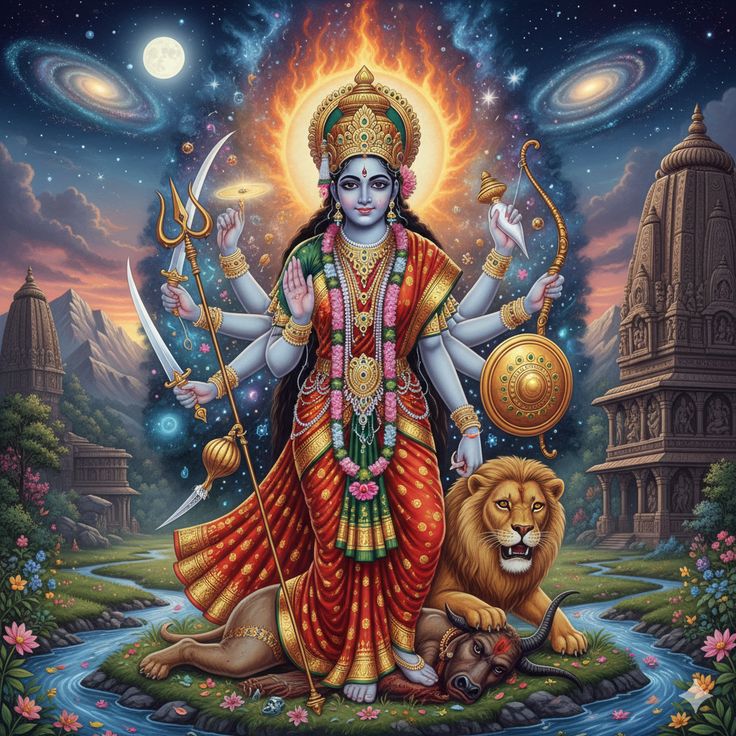
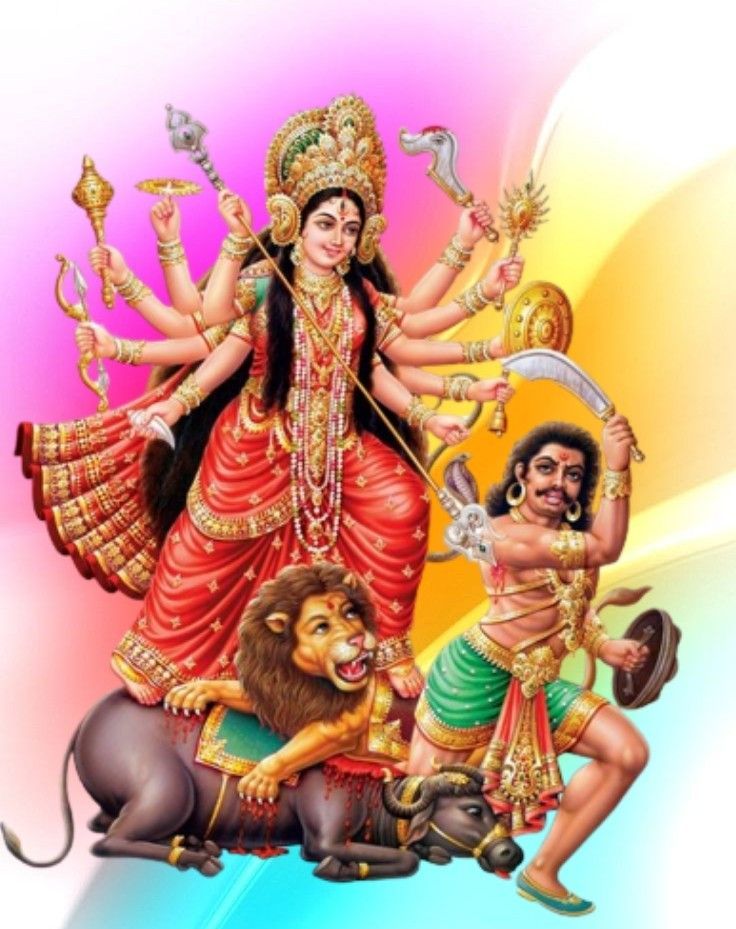
Mahishasura Mardini Storam This is a prayer to the Goddess who killed Mahishasura. “The place where Sri Mahishasura Mardini Stotram is sung every day, I will always be present and never leave.”– The Devi’s proclamation in the 12th chapter of the Devi MahatmyamCommonly referred to as ‘Aigiri Nandini’, the Mahishasura Mardini Stotram holds immense significance especially during Navratri. This stotram is based on the Devi Mahatmyam and extols the different powers (shaktis) of the Devi. The Devi takes different forms of Durga, Lakshmi and Saraswati and destroys the demons – Madhu and Kaitabha, Mahishasura, and Sumbha and Nisumbha. Mahishasura Mardini Stotram is said to bring peace to the devotee and removes all fear and sadness. It drives away negative emotions like doubt, anger, ego and inertia. This stotram also removes obstacles from the path of the believer.

Mahishasura Mardini Storam Read Post »

durda13
Durga, Stotra

Keelaka Stotram

Keelaka Stotram मार्कण्डेय उवाचविशुद्धज्ञानदेहाय त्रिवेदीदिव्यचक्षुषे ।श्रेयः प्राप्तिनिमित्ताय नमः सोमार्धधारिणे ॥१॥ mārkaṇḍeya uvāca .oṃ viśuddhajñānadehāya trivedīdivyacakṣuṣe .śreyaḥprāptinimittāya namaḥ somārdhadhāriṇe .. 1 .. Sage Markandeya said: (I offer my salutations to the one) the essence of whose form is that of pure knowledge (of absolute consciousness) [vishuddha-jnana-dehaya] and whose three divine eyes form the three vedas [tri-vedi-divya-cakssusse],to imbibe that auspiciousness (of pure knowledge). I meditate on Shiva and Shakti in their conscious blissful form. I offer my salutations to Shiva who bears the half-of-soma (soma means moon) and also to Shakti who bears half-of-soma (in her body as ardhanareeswara. Soma here is Shiva). Therefore, she has the same qualities of Shiva, of visuddha jnana deha and trivedi divya cakssu. Keelaka is pin or nail. The conscious form of Shakti is pinned to all the mantras of devi mahatmyam as the underlying principle through the keelaka stotram. सर्वमेतद् विजानीयान्मन्त्राणामपि कीलकम् ।सोऽपि क्षेममवाप्नोति सततं जाप्यतत्परः ॥२॥ sarvametadvijānīyānmantrāṇāmapi kīlakam .so’pi kṣemamavāpnoti satataṃ japyatatparaḥ .. 2 .. All these hymns of Keelaka stotram, one should know, are indeed the keelaka (pin or nail) by which the mantras (of devi mahatmyan are pinned) (i.e. by which the underlying principle of the conscious form of devi are pinned), he who devotes himself to continuously chant these hymns, indeed attains tranquility of mind (i.e. he who continuously meditates on the conscious form of devi in the heart indeed attains tranquility of mind). सिद्ध्यन्त्युच्चाटनादीनि कर्माणि सकलान्यपि ।एतेन स्तुवतां देविं स्तोत्रवृन्देन भक्तितः ॥३॥ siddhyantyuccāṭanādīni karmāṇi sakalānyapi .etena stuvatāṃ devīṃ stotravṛndena bhaktitaḥ .. 3 .. He accomplishes uccatana (eradication of inner enemies) to the very root, and all related (spiritual) accomplishments, by extolling the devi with devotional fervour with this collection of hymns. न मन्त्रो नौषधं तत्र न किञ्चिदपि विद्यते ।विना जप्येन सिद्धयेत्तु सर्वमुच्चाटनादिकम् ॥४॥ na mantro nauṣadhaṃ tasya na kiñcidapi vidyate .vinā japyena siddhyettu sarvamuccāṭanādikam .. 4 .. There are no mantras (hymns) or ousadha (medicine) available, even a trace (which can accomplish uccatana), without chanting (any mantras) one accomplishes uccatana (eradication of inner enemies), all to its very root (by meditating on the conscious form of devi in the heart while reciting the devi mahatmyam).(here reciting devi mahatmyam is not like chanting any mantra to obtain the fruit of uccatana, but for meditation on the conscious form of devi and merging our ego in her.) समग्राण्यपि सेत्स्यन्ति लोकशङ्कामिमां हरः ।कृत्वा निमन्त्रयामास सर्वमेवमिदं शुभम् ॥५॥ samagrāṇyapi setsyanti lokaśaṅkāmimāṃ haraḥ .kṛtvā nimantrayāmāsa sarvamevamidaṃ śubham .. 5 .. People had this doubt, how can it be that everything is indeed accomplished (uccatana and other fruits) by reciting the devi mahatmyam which appears to be full of violence; Lord Shiva summoned and pinned the underlying principle of the conscious form of devi to all the mantras of devi mahatmyam; and having done that all this indeed became auspicious (i.e. now the violence in the battlefield became the auspicious force purging us from within). स्तोत्रं वै चण्डिकायास्तु तच्च गुह्यं चकार सः ।समाप्नोति स पुण्येन तां यथावन्निमन्त्रणाम् ॥६॥ stotraṃ vai caṇḍikāyāstu tacca guhyaṃ cakāra saḥ .samāpnoti sa puṇyena tāṃ yathāvannimantraṇām .. 6 .. That stotra of devi Chandika (i.e. Keelaka stotra), lord Shiva indeed made it hidden (behind every mantra of devi mahatmyam) thus making the conscious form of devi as the object of meditation, he achieves everything by her auspiciousness, when she is invoked in the right manner by meditating on her eternal conscious form. सोऽपि क्षेममवाप्नोति सर्वमेव न संशयः ।कृष्णायां वा चतुर्दश्यामष्टम्यां वा समाहितः ॥७॥ so’pi kṣemamavāpnoti sarvameva na saṃśayaḥ .kṛṣṇāyāṃ vā caturdaśyāmaṣṭamyāṃ vā samāhitaḥ .. 7 .. He indeed attains tranquility of mind and all other fruits, there is no doubt about it, he who meditates (on the devi) on Krishna paksha chaturdashi or ashtami of a month. ददाति प्रतिगृह्णाति नान्यथैषा प्रसीदति ।इत्थंरूपेण कीलेन महादेवेन कीलितम् ॥८॥ dadāti pratigṛhṇāti nānyathaiṣā prasīdati .itthaṃ rūpeṇa kīlena mahādevena kīlitam .. 8 .. While meditating on the conscious form of devi during recitation of devi mahatmyam, he should give himself in surrender to her lotus feet, and receive in return her grace; Otherwise she is not pleased (by mechanical recitation of devi mahatmyam bereft of devotion), in this manner, by the keela (pin of keelaka stotram) Mahadeva pinned the mantras of devi mahatmyam (making the meditation on the conscious form of devi the central theme). यो निष्कीलां विधायैनां चण्डीं जपति नित्यशः ।स सिद्धः स गणः सोऽथ गन्धर्वो जायते ध्रुवम् ॥९॥ yo niṣkīlāṃ vidhāyaināṃ caṇḍīṃ japati nityaśaḥ .sa siddhaḥ sa gaṇaḥ so’tha gandharvo jāyate dhruvam .. 9 .. He who after unpinning the keelaka makes her manifest (i.e. invokes her conscious form in the heart), and then recites the chandi, by constantly dwelling (on her conscious form), he becomes a siddha (spiritually accomplished), he becomes a gana (an attendent of the devi), he becomes a gandharva (celestial singer who glorifies the devi), truly. न चैवापाटवं तस्य भयं क्वापि न जायते ।नापमृत्युवशं याति मृते च मोक्षमाप्नुयात् ॥१०॥ na caivāpāṭavaṃ tasya bhayaṃ kvāpi na jāyate .nāpamṛtyuvaśaṃ yāti mṛte ca mokṣamāpnuyāt .. 10 .. He indeed does not become handicapped (prematurely) with major diseases; fear does not rise in him anywhere (which leads to unnecessary anxiety), he does not become victim of premature death; and after death attains moksha (liberation). ज्ञात्वा प्रारभ्य कुर्वीत ह्यकुर्वाणो विनश्यति ।ततो ज्ञात्वैव सम्पूर्णमिदं प्रारभ्यते बुधैः ॥११॥ jñātvā prārabhya kurvīta hyakurvāṇo vinaśyati .tato jñātvaiva sampūrṇamidaṃ prārabhyate budhaiḥ .. 11 .. Only after knowing (the keelakam), he should begin (reciting the devi mahatmyam); if not done in this manner, he is deprived (of the fruits of recitation), therefore only after knowing this fully (i.e. understanding the keelaka fully), the wise men begin reciting the devi mahatmyam. सौभाग्यादि च यत्किञ्चिद् दृश्यते ललनाजने ।तत्सर्वं तत्प्रसादेन तेन जप्यमिदं शुभम् ॥१२॥ saubhāgyādi ca yatkiñcid dṛśyate lalanājane .tatsarvaṃ tatprasādena tena japyamidaṃ śubham .. 12 .. Whatever good fortune, beauty, charm and the like are seen in women, all that is the result of your grace; Therefore women should chant this auspicious stotra and meditate on the auspicious form of the devi. शनैस्तु जप्यमानेऽस्मिन् स्तोत्रे सम्पत्तिरुच्चकैः ।भवत्येव समग्रापि ततः प्रारभ्यमेव तत् ॥१३॥ śanaistu

Keelaka Stotram Read Post »