Hari Om

Menu

February 20, 2026

Swami Sivananda spiritual saint and yoga master
Meditation, Swami Sivananda

Where to Concentrate?

Where to Concentrate? Concentrate gently either on the lotus of the heart (Anahata Chakra) or on the space between the two eyebrows (Ajna Chakra or Trikuti), or on the tip of the nose. Close your eyes. The seat of the mind is Ajna Chakra. The mind can be controlled easily if you concentrate on the Trikuti. Bhaktas should concentrate on the heart. Yogis and Vedantins should concentrate on Ajna Chakra. Crown of the head (Sahasrara) is another seat for concentration. Some Vedantins concentrate here. Some Yogis concentrate on the tip of the nose (Nasikagra Drishti). Stick to one centre of concentration. Cling to it tenaciously. If you concentrate on the heart stick to it. Never change it. Guru will select a centre for concentration, if you are a student of faith. If you are a man of self-reliance, you can select a centre for yourself. Bhrumadhya-Drishti is fixing one’s eyes between the eyebrows. This region is Ajna Chakra. Sit in Padmasana or Siddhasana in your meditation room and practise this gaze gently from half a minute to half an hour. There must not be the least violence in this practice. Gradually increase the period. This Yogic Kriya removes Vikshepa or the tossing of mind and develops concentration. Lord Krishna prescribes this practice in chapter V, Sloka 27: “Sparsan kritva bahir bahyan chakshus-chaivantare bhruvoh”-“Having the outward contacts excluded and with gaze fixed between the eyebrows.” This is known as ‘frontal gaze,’ because the eyes are directed towards the frontal bone or the bone of the forehead. You can select yourself either this gaze or the ‘Nasal Gaze.’ ‘Nasal Gaze’ is called Nasikagra-Drishti. The gaze is fixed at the tip of the nose. Even when you walk in the street, keep the nasal gaze. Lord Krishna prescribes this in chapter VI, Sloka 13: “Samprekshya Nasikagram”-“Looking fixedly at the point of the nose without looking around.” This practice steadies the mind and develops the power of concentration. A Raja Yogi concentrates on the Trikuti (Ajna Chakra, the space between the two eyebrows) which is the seat of the mind in the waking state. You can easily control the mind if you can concentrate on this region. Light is seen during concentration in this region very quickly even in a day’s practice, by some persons. He who wants to meditate on Virat and he who wants to help the world should select this region for his concentration. A Bhakta or a devotee should concentrate on the heart, the seat of emotion and feeling. He who concentrates on the heart gets great Ananda. He who wants to get Ananda should concentrate on the heart.A Hatha Yogi fixes his mind on the Sushumna Nadi, the middle path in the spinal canal, and on a specific centre, viz., the Muladhara or Manipura or Ajna Chakra. Some Yogis ignore the lower Chakras and fix their mind on the Ajna Chakra only. Their theory is that by controlling the Ajna Chakra all the lower Chakras can be automatically controlled. When you concentrate on a Chakra, a thread-like connection is formed in the beginning between the mind and the Chakra (centre of spiritual energy). Then the Yogi ascends along the Sushumna from Chakra to Chakra. The ascent is made gradually by patient efforts. Even a mere shaking of the opening of the Sushumna causes a great deal of Ananda (bliss). You become intoxicated. You will entirely forget the world. When the opening of the Sushumna is shaken a bit, the Kula Kunadalini Sakti tries to enter Sushumna. Great Vairagya comes in. You will become fearless. You will behold various visions. You will witness the splendid Antarjyotis. This is termed “Unmani Avastha.” You will get different Siddhis, different types of Ananda and different kinds of knowledge by controlling and operating on different Chakras: If you have conquered the Muladhara Chakra, you have conquered the earthplane already. If you have conquered the Manipura Chakra, you have conquered fire. Fire will not burn you. Panchadharana (five kinds of Dharana) will help you to conquer the five elements. Learn them under a Guru who is an adept Yogi.

Where to Concentrate? Read Post »

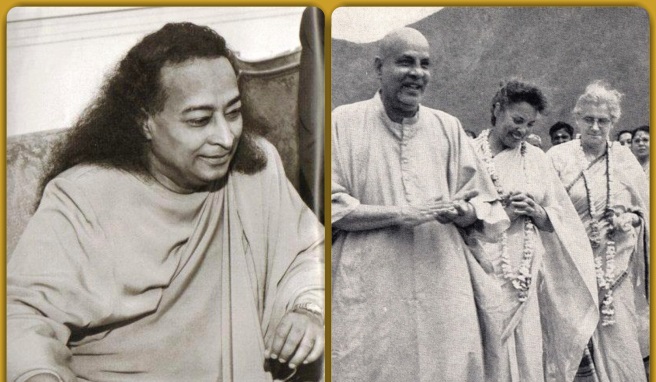
Swami Sivananda collage with Spiritual teachers picture
Asanas for Dhyana, Swami Sivananda

Asanas for Dhyana (Meditation)

Asanas for Dhyana (Meditation) by Swami Sivananda Four Asanas are prescribed for the purposes of Japa and meditation. They are Padma, Siddha, Svastika and Sukha. You must be able to sit in any one of these four Asanas at a stretch for full three hours without shaking the body. Then only will you get mastery over the Asana (Asana Jaya). Then only can you take to the practice of Pranayama (control of breath) and Dhyana (meditation). Without securing a steady Asana you cannot further get on well in meditation. The more steady you are in your Asana the more you will be able to concentrate and make your mind one-pointed. If you can be steady in the posture even for one hour, you will be able to acquire one-pointed mind and feel thereby infinite peace and Atmic Ananda inside. When you sit on the posture, think: I am as firm as a rock. Nothing can shake me.” Give these suggestions to the mind a dozen times. Then the Asana will become steady soon. You must become as a living statue when you sit for Dhyana. Then only there will be real steadiness in your Asana. In one year by regular practice you will have success and you will be able to sit for three hours at a stretch. Start with half an hour and gradually increase the period. If there is severe pain in the legs after some time, unlock the legs and then shampoo them for five minutes and sit again in the Asana. When you advance you will not experience any pain. You will experience on the other hand immense joy. Practise the Asana both morning and evening. After sitting in the Asana close eyes and concentrate on the Bhrukuti or Trikuti (the space between the two eyebrows) or in the Anahata Chakra (lotus of the heart). As the Trikuti (Ajna Chakra) is the seat of the mind, the mind can be quite easily controlled if you concentrate gently on this spot. Ekagrata (one-pointedness of the mind) supervenes quite readily. Concentration at the tip of the nose (Nasikagra Drishti), also has the same advantage, but it takes more time for the focussing of the mind. Those who cannot concentrate either at Bhrukuti or the tip of the nose may concentrate at any other outer point or inner Chakra of heart, head, neck, etc. Gazing at Trikuti (Ajna Chakra) is also called Bhrumadhya Drishti. Keep the head, neck and trunk in one straight line. Stick to one Asana; either Padma, Siddha, Svastika or Sukha and make it quite steady and perfect by repeated attempts. Never change the Asana. Adhere to one tenaciously. Cling to it like a leech. Realise the full benefits of one Asana for meditation. BENEFITS Books on Hatha Yoga eulogise the merits and advantages of Padma and Siddhasanas to a very high degree. He who sits in any one of the Asanas even for 15 minutes daily with closed eyes, concentrating on God at the lotus of the heart, destroys all sins and gets Moksha quickly. These Asanas increase digestive fire and give good appetite, health and happiness. They remove rheumatism and keep the three humours, wind, bile and phlegm in proper proportion. They purify and strengthen the nerves of the legs and thighs. They are suitable for keeping up Brahmacharya.

Asanas for Dhyana (Meditation) Read Post »

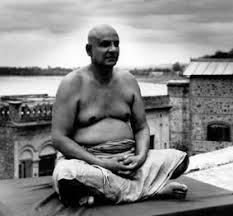
swami sivananda Monk sitting on rooftop in meditation
Meditation, Swami Sivananda

What is Concentration?

What is Concentration? by Swami Sivananda “Desa-bandhas-chittasya dharana”:-Concentration is fixing the mind on an external object or an internal point. Once a Sanskrit scholar approached Kabir and asked him, “O Kabir, what are you doing now?” Kabir replied, “O Pandit, I am detaching the mind from worldly objects and attaching it to the Lotus-Feet of the Lord.” This is concentration. Right conduct, posture, Pranayama and abstraction from sensual objects will pave a long way in achieving rapid success in concentration. Concentration is the sixth step in the Yogic Ladder. There can be no concentration without something upon which the mind may rest. A definite purpose, interest, attention will bring success in concentration. The senses draw you out and perturb your peace of mind. If your mind is restless, you cannot make any progress. When the rays of the mind are collected by practice, the mind becomes concentrated and you get Ananda from within. Silence the bubbling thoughts and calm the emotions. You should have patience, adamantine will and untiring persistence. You must be very regular in your practices. Otherwise laziness and adverse forces will take you away from the Lakshya. A well-trained mind can be fixed at will upon any object either inside or outside to the exclusion of all other thoughts. Everybody possesses some ability to concentrate on some lines. But for spiritual progress concentration should be developed to a very high degree. A man with an appreciable degree of concentration has more earning capacity and turns out more work in a shorter time. In concentration there should be no strain on the brain. You should not fight or wrestle with the mind. A man whose mind is filled with passion and all sorts of fantastic desires can hardly concentrate on any object even for a second. Celibacy, Pranayama, reduction of wants and activities, renunciation of sensual objects, solitude, silence, discipline of the senses, annihilation of lust, greed, anger, non-mixing with undesirable persons, giving up of newspaper-reading and visiting cinemas, all increase the power of concentration. Concentration is the only way to get rid of worldly miseries and tribulations. The practitioner will have very good health and a cheerful mental vision. He can get the penetrative insight. He can do any work with greater efficiency. Concentration purifies and calms the surging emotions, strengthens the current of thought and clarifies the ideas. Purify the mind through Yama and Niyama. Concentration without purity is of no use. Japa of any Mantra and Pranayama will steady the mind, remove Vikshepa and increase the power of concentration. Concentration can be done only if you are free from all distractions. Concentrate on anything that appeals to you as good or anything which the mind likes best. The mind should be trained to concentrate on gross objects in the beginning, and later on you can successfully concentrate on subtle objects and abstract ideas. Regularity in the practice is of paramount importance. Gross forms: Concentrate on a black dot on the wall, a candle-flame, a bright star, the moon, the picture of OM (AUM), Lord Siva, Rama, Krishna, Devi or your Ishta Devata in front of you with open eyes. Subtle forms: Sit before the picture of your Ishta Devata and close your eyes. Keep a mental picture of your Ishta Devata at the space between the two eyebrows or in the heart. Concentrate on Muladhara, Anahata, Ajna or any other internal Chakra. Concentrate on the Divine qualities such as love, mercy, or any other abstract idea.

What is Concentration? Read Post »

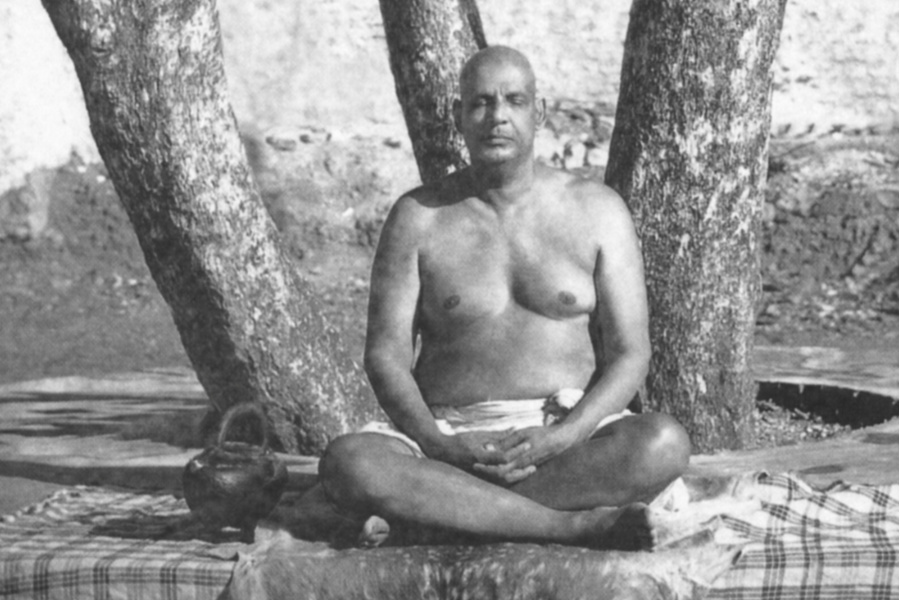
swami sivananda Monk meditating under tree outdoors image
Meditation, Swami Sivananda

Stotras – Prayer for Meditation

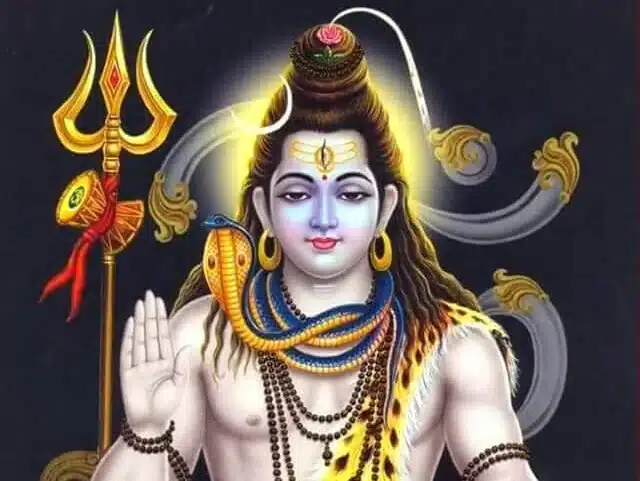
Stotras – Prayer for Meditation ॐ!! शिवध्यानम् !!शान्तं पद्मासनस्थं शशधरमुकुटं पन्चवक्रं त्रिनेत्रंशुलं वज्रं च खड्गं परशुमभयदं दक्षिणांगे बहन्तम् !नागं पाशं च घन्टां ङमरुकसहितां चांकुशं वामभागेनानालंकारदीप्तं स्फटिकमणिनिभं पार्वतीशं नममि !! !! Sivadhyanam !!Saantam padmasanastham SaSadharamukutam panchaBakram TrinetramSulam bajram cha khadgam pasumabhayadam DakhiNaMge bahantam !NagaM paasaM cha ghantaM damarukasahitaM chamkuSaM baamabhagenaanaalaMkaradeeptaM Sphatikamaninibham parwateeSaM namaami !! I prostrate myself before the five-faced Lord of Parvati, who is adorned with various ornaments, who shines like Sphatika jewel, who is seated peacefully in lotus pose, with moon-crested crown, with three eyes, wearing trident, Vajra, sword and axe on the right side, serpent, noose, bell, Damaru and spear on the left side and who gives protection from all fears to His devotees. ॐ!! शङ्कराचार्यध्यानम् !!पद्मासीनं प्रसान्तं य़मनिरतमनंगारितुल्यप्रभावंफाले भस्माङ्किताभं स्मितरुचिरमुखांभोजमिन्दीवराक्षम् !कम्बुग्रिवं कराभ्यामविहतविलसत्पुस्तकं ज्ञानमुद्रांवन्द्यै गीर्वाणमुख्यैर्नतजनवरदं भावये शङ्करार्यम् !! !! Samkaraacharyadhyanam !!Padmaaseenam prasantam yamaniratamanaMgaaritulyaprabhaabaMPhaale bhasmaankitabhaM smitaruchiramukhaMbhojamindiwarakhyam !kamugriwaM karabhyamawihatawilasatpustakaM gyanamudraaMWandyai geerwaNamukhyairnatajanawaradM bhawaye Sankarayam !! I meditate on Sri Sankaracharya who is seated in Padmasana with Jnanamudra, who is calm, endowed with virtues like Yama, Niyama, etc., whose glory is as great as that of Lord Siva, who wears the sacred ashes on the forehead, whose face resembles the blossomed lotus, with lotus-like eyes, possessing sacred books in hand, who is ever adored by people of high learning and wisdom, and who fulfils the desires of his devotees (who prostrate themselves before him). ॐ!! ओङ्कारध्यानम् !!ओङ्कारं निगमैकबेद्यमनिसं वेदान्ततत्त्वास्पदंचोत्पत्तिस्थितिनाशहेतुममलं विश्वस्य विश्वात्मकम् !विश्वत्राणपरायणं श्रुतिशतैः संप्रोच्यमानं विभुंसत्यज्ञानमनन्तमुर्तिममलं शुद्धात्मकं तं भजे !! !!! Omkaaradhyaanam !!!OmkaaraM nigamaikabedyamanisaM bedaantatattwaaspadaMchotpattisthitinaaSahetumamalaM biSwasya biSwaatmakam !biSwatraaNaparaayaNaM SrutiSataiH saMprochyamaanaM bibhuMsatyagyaanamanantamurtimamalaM SudhdaatmakaM taM Baje !!! I always meditate on the ever-pure, all-pervading Pranava, Omkara, which is known by the various Srutis as the source and support of Vedanta, as the cause of creation, existence and dissolution of this universe, which is the Soul of this universe and which is Truth, Knowledge and Infinity. ॐ!! दत्तात्रेयध्यानम् !!मालाकमण्डलुधरः करपद्मयुग्मेमध्यस्थपाणियुगले डमरुत्रिशूलम् !अध्यस्थ ऊर्ध्वकरयोः शुभशङ्खचक्रेबन्दे तमत्रितनयं भुजषट्कयुक्तम् !! !!! dattaatreyadhyaanam !!!maalaakamaNDaludharaH karapadmayugmemadhyasthapaNiyugale DamarutriSulam !adhyastha UrdrwakarayoH SubhaSankachakrebande tamatritanayaM bhujaShaTkayuktam !!! I meditate on Dattatreya, the son of Atri, who has six hands, who is with garland and Kamandalu in two hands, with Damaru and Trisula (trident) in the other two hands and with conch and discus in the upper two hands. ॐ!! गणेशध्यानम् !!गजाननं भूतगणादिसेवितंकपित्थजम्बुफलसारभक्षणम् !उमासुतं शोकविनाशकारणंनमामि विघ्नेश्वरपादपङ्कजम् !! !!! gaNeshadhyaanam !!!gajaananaM bhutagaNaadisewitaMkapitthajambuphalasaarabhakhyaNam !umasutaM SokawinaashakaaraNaMnamami wighneSwarapaadapankajam !!! I worship the lotus-feet of Ganesa, the son of Uma, the destroyer of all sorrows, who is served by the host of Devas and Bhutas (elementals) and others and who takes the essence of Kapittha (a fruit resembling Bilva or stone-apple) and Jambu fruits. ॐ!! सुब्रह्मण्यध्यानम् !!षडाननं कुंकुमरक्तवर्णंमहामतिं दिव्यमयुरवाहनम् !रुद्रस्य सूनुं सुरसैन्यनाथंगुहं सदाहं शरणं प्रपद्ये !! !!! subrahmaNyadhyaanam !!!ShaDaananaM kuMkumaraktawarNaMmahaamatiM diwyamayurawaahanam !rudrasya sUnuM surasainyanaathaMguhaM sadaahaM SaraNam prapadye !!! I always take refuge in Lord Guha of six faces, who is of deep red colour and infinite knowledge, who has the divine peacock to ride on, the son of Lord Siva and the leader of the army of the Devas. ॐ!! सरस्वतीध्यानम् !!या कुन्देन्दुतुषारहारधवला या शुभ्रवस्त्रावृताया वीणावरदण्डमण्डितकरा या श्वेतपद्मासना !या ब्रह्माच्युतसङ्करप्रभृतिभिर्देवैः सदा वन्दितासा मां पातु सरस्वती भगवती निःशेषजाड्यापहा !! !!! saraswateedhyaanam !!!yaa kundendutuShaarahaaradhabalaa yaa Subhrawastraawrutaayaa weeNawaradaNDamaNDitakaraa yaa Swetapadmaasanaa !yaa brahmaachyutasankaraprabhutibhirRdewaiH sadaa wanditaasaa maaM paatu saraswatee bhagawatee niHsheShajaaDyaapahaa !!! May that Goddess Sarasvati who is of fair complexion, who wears a garland of snow-white Kunda flower, who wears pure white cloth, who holds the best and sacred Vina, who is seated on a white lotus, who is worshipped by Brahma, Achyuta, Sankara and others, who is the cause of removing all inertness and laziness, protect me. ॐ!! महालक्ष्मीध्यानम् !!वन्दे पद्मकरां प्रसन्नवदनां सौभाग्यदां भाग्यदांहस्ताभ्यामभयप्रदां मणिगणैर्नानाविधैर्भुषिताम् !भक्ताभिष्टफलप्रदां हरिहरब्रह्मादिभिस्सेवितांपार्श्वे पङ्कजसङ्खपद्मनिधिभिर्युक्तां सदा शक्तिभिः !! !!! mahaalakhmeedhyaanam !!!wande padmakaraaM prasannawadanaaM saubhaagyadaaM bhaagyadaaMhastaabhyaamabhayapradaaM maNigaNaiRrnaanaawidhairbhuShitaam !bhaktaabhiShTaphalapradaaM hariharabrahmaadibhissewitaaMpaarSwe pankajasankhapadmanidhibhiryuktaaM sadaa SaktibhiH !!! I meditate on Goddess Lakshmi who has lotus in Her hands, who is of cheerful countenance, who bestows fearlessness with both Her hands, who is decked with precious jewels of various kinds, who bestows the desired fruits on Her devotees, who is worshipped by Hari, Siva and Brahma, who is at all times surrounded by Saktis, and has Nidhis (treasures) known as Sankha, Padma and Mahapadma. ॐ!! कृष्णध्यानम् !!वंशिविभूषितकरान्नवनीरदाभात्पीताम्बरादरुणबिम्बफलाधरोष्ठात् !पूर्णेन्दुसुन्दरमुखादरविन्दनेत्रात्कृष्णात्परं किमपि तत्त्वमहं न जाने !! !!! kRuShNadhyaanam !!!waMSiwibhUShitakaraannawaneeradaabhaatpeetaambaraadaruNabimbaphalaadharoShThaat !pUrNendusundaramukhaadarawindanetraatkRuShNatparaM kimapi tattwamahaM na jane !!! I know not anything higher than the lotus-eyed Krishna with hands adorned with flute, looking like a heavy-laden cloud, wearing yellow silk garment and with lips like ruddy Bimba fruit and face shining like the full moon. ॐ!! रामध्यानम् !!ध्यायेदाजानुबाहुं धृतशरधनुषं बद्धपद्मासनस्थंपितं वासो वसानं नवकमलदलस्पर्धिनेत्रं प्रसन्नम् !वामांकारुढसीतामुखकमलमिलल्लोचनं नीरदाभंनानालंकारदीप्तं दधतमुरुजटामण्डलं रामचन्द्रम् !! !!! raamadhyaanam !!!dhyaayedaajaanubaahuM dhRutaSaradhanuShaM baddhapadmaasanasthaMpitaM waaso wasaanaM nawakamaladalaspardhinetram prasannam !waamaaMkaaruDhaseetamukhakamalamilallochanaM neeradaabhaMnaanaalaMkaaradeeptaM dadhatamurujaTaamaNDalaM raamachandram !!! One should meditate on Sri Ramachandra, with hands reaching the knees, holding the bow and arrows, seated on the locked-up lotus posture, wearing a yellow garb, with eyes vying with the newly blossomed lotus petals, with a pleasant gait, who has Sita to his left side, who is blue like the clouds, who is adorned with all kinds of ornaments and having a big circle of Jata on the head. ॐ!! गयत्रीध्यानम् !!मुक्ताविद्रुमहेमनीलधवलच्छायैर्मुखैस्तीक्षणै-र्युक्तामिन्दुनिबद्धरत्नमुकुटां तत्त्वात्मवर्णात्मिकाम् !गायत्रिं वरदाभयाङ्कुशकशां शुभ्रं कपालं गदांशंखं चक्रमथारविन्दयुगलं हस्तैर्वहन्तीं भजे !! !!! gayatreedhyaanam !!!muktaawidrumahemaneeladhawalacChaayairmuKaisteeKNai-ryuktaamindunibadhdaratnamukuTaam tatwaatmawarNaatmikaam !gaayatriM waradaabhayaankushakashaaM shubhraM kapaalaM gadaaMshaMkhaM chakramathaarawindayugalaM hastairwahanteeM bhaje !!! I meditate on the lotus-feet of Goddess Gayatri, whose face glows with the pearls, coral, gold, blue and white jewels, whose crown is decorated with pearls and the moon, who is the embodiment of the sacred Truth that signifies the essence of the Vedas, who has Her two hands as the giver of boons and fearlessness and who holds Ankusa (trident), Kasa (whip), the skull, Gada (club), the conch, the disc and two white lotus flowers in Her hands. ॐ!! सूर्यध्यानम् !!भास्वद्रत्नाढ्यमौलिः स्फुरदधररुचा रंजितश्चारुकेशोभास्वान्यो दिव्यतेजाः करकमलयुतः स्वर्णवर्णः प्रभाभिः !विश्वाकाशावकाशाग्रहपतिशिखरे भाति यश्चोदयाद्रौसर्वानन्दप्रदाता हरिहरनमितः पातु मां विश्वचक्षुः !! !!! sUryadhyaanam !!!bhaaswadratnaadhyamauliH sphuradadhararuchaa raMjitaSchaarukeSobhaaswaanyo diwyatejaaH karakamalayutaH swarNawarNaH prabhaabhiH !wiSwaakaaSaawakaaSaagrahapatiSikhare bhaati yaSchodayaadrousarwaanandapradaataa hariharanamitaH paatu maaM wiSwachakhyuH !!! May the Sun-God (Surya) the eye of the world, who is the bestower of all bliss, who is worshipped by Lord Hari, Siva and other gods, who shines in the


Stotras – Prayer for Meditation Read Post »

image 18
Introduction to Yogasanas, Swami Sivananda

Surya Namaskara

Surya Namaskara The Suryanamaskara or offering prostrations to the Sun, is practised in the early morning or evening, facing the Sun. The Sun is supposed to be the deity for health and long life. The genius of the Indian Sage has, in the Suryanamaskara Exercise, evolved a unique method of effecting perfect synthesis of culture of body, mind and spirit. With his intuitive insight into the nature of the mass mind, the Indian Sage has cleverly woven into every man’s daily routine this unparalleled system of all-round self-culture. A harmonious development of the body and mind alone can enable man to fulfil his ambitions and live a fruitful and happy life here in this world. A sickly body acts as a dead-weight preventing the mind from soaring into the higher realms. An excellent, well-built body, strong and healthy, if it serves only to house an undeveloped or diseased mind, is capable of much harm and little good to anyone. A good body, and a keen mind, with the inner spirit entirely dormant is like a lovely mansion without foundation liable to topple over at any moment. A perfectly harmonious development of the body, mind and spirit makes one perfect. Suryanamaskara achieves this harmonious development. Suryanamaskara is combined process of Yoga Asanas and Pranayama (Yogic postures and regulated breathing). Before students take up the practice of more complicated and difficult Yogic postures and exercises in Pranayama, the spine and body muscles should acquire some flexibility. This exercise of Suryanamaskara reduces abdominal fat, brings flexibility to the spine and limbs, and also increases the breathing capacity. There are twelve spinal positions each stretching various ligaments and giving different movements to the vertebral column. The vertebral column is bent forward and backward alternately with deep inhalation and exhalation of breath and a little of retention of breath in some cases. Whenever the body is bent forward, the contraction of the abdomen and diaphragm, throws out the breath. When the body bends backward the chest expands and deep inhalation occurs automatically. In this way the body becomes flexible and the entire portion of the lungs begins to function which results in correct breathing. Moreover, it gives mild exercises to leg and arm muscles and ensures good circulation of blood. At the same time, the sun’s life-giving rays play on the man’s body, sucking away the toxins along with perspiration invigorating circulation and imparting life to the human organism-the life which the sun alone can give. For a person with stiff limbs and spine the Suryanamaskara exercise is a boon to bring back lost flexibility. TECHNIQUE Caution: During all these positions, movements of the limbs and breathing must be very, very slow and rhythmical. Sudden jerks of any part of the body and hard inhalation and exhalation in quick succession including retention of breath causing strain in the lungs, should be completely avoided. Position No. 1: Face the sun, fold the hands, keep the palms together touching the middle of the chest with both thumbs, keep legs together and stand erect. Position No. 2: Slowly inhale and raise the arms overhead. Bend backward. Position No. 3: Slowly exhale and bend forward till the palms are kept flat in line with the feet. Touch the knees with your head keeping the legs straight without bending. In the beginning there may be slight bend at the knees to effect this, but after some days’ practice, the legs could be kept straight. Position No. 4: After slow and deep inhalation, move the right leg from the body in a long backward step. Keep the hands and the left foot firmly on the ground without moving, raise the head, and look forward. The left knee should be between the hands. Position No. 5: Retain the breath. Move the left leg and keep the left foot along with the right foot, thus making the body a straight line. The entire weight of the body should rest on the hands and toes. Position No. 6: Exhale, slowly lower the body and let eight limbs of the body-two toes, two knees, two hands, chest and forehead-alone touch the floor. The abdominal region is to be kept slightly raised. Position No. 7: With inhalation, slowly raise your head and bend the spine backward as much as possible. Position No. 8: Exhale, slowly lower your head and raise the body, the toes and hands resting on the floor. Position No. 9: Inhale and bring the left foot along the level of the hands. The right foot and knee should touch the ground. Look forward (Same as Position No. 4). Position No. 10: Exhale, bring the right leg also forward and come back to Position No. 3. Position No. 11: Inhale and raise the hands overhead and bend backward as in Position No. 2. Position No. 12: Slowly bring your hands as in Position No. 1. Simultaneously exhale and relax in Tadasana. This is one Namaskara. After completing twelve namaskaras lie down flat on the ground on your back and relax each and every limb one by one from toes to the crown of the head. This is called Savasana (corpse pose). To begin with if one feels tired after three or four Namaskaras, he may stop with that and increase the number gradually (one everyday or every two days) all the time taking care that too much strain is not caused on any account, on any part of the body. The number may be increased according to each one’s capacity. There are persons who can do 108 Namaskaras at a stretch without great strain. Those who are spiritually or religiously inclined, would do well to follow, in addition, the instructions given below: Before doing the Suryanamaskara the student may chant the prayer to the Almighty Lord: PRAYER TO THE SUN “Om Suryam Sundaralokanathamamritam Vedantasaram Sivam, Jnanam Brahmamayam Suresamamalam Lokaikachittam Svayam; Indradityanaradhipam Suragurum Trailokyachudamanim, Brahmavishnusivasvarupahridayam Vande Sada Bhaskaram.” Meaning: I always adore Surya, the sun, the beautiful Lord of the world, the immortal, the

Surya Namaskara Read Post »

swami sivananda Bald monk wearing red robe and flower garland outdoors image
Meditation, Swami Sivananda

Concentration and Meditation

Concentration and Meditation by Swami Sivananda Concentration and meditation are the royal roads to perfection. Concentration leads to meditation. Fix the mind on one object either within the body or without. Keep it there steadily for some time. This is concentration. You will have to practise this daily. Purify the mind first through the practice of right conduct and then take to the practice of concentration. Concentration without purity of mind is of no avail. There are some occultists who have concentration. But they have no good character. That is the reason why they do not make any progress in the spiritual line. He who has a steady posture and has purified his nerves and the vital sheath by constant practice of control of breath will be able to concentrate easily. Concentration will be intense if you remove all distractions. A true celibate who has preserved his energy will have wonderful concentration. Some foolish, impatient students take to concentration at once without in any manner undergoing any preliminary training in ethics. This is a serious blunder. Ethical perfection is a matter of paramount importance. You can concentrate internally on any of the seven centres of spiritual energy. Attention plays a very prominent part in concentration. He who has developed his powers of attention will have good concentration. A man who is filled with passion and all sorts of fantastic desires can hardly concentrate on any subject or object even for a second. His mind will be jumping like an old monkey. A scientist concentrates his mind and invents many new things. Through concentration he opens the layers of the gross mind and penetrates deeply into the higher regions of the mind and gets deeper knowledge. He concentrates all the energies of his mind into one focus and throws them out upon the materials he is analysing and finds out their secrets. He who has gained abstraction (withdrawing the senses from the objects) will have good concentration. You will have to march on in the spiritual path step by step, stage by stage. Lay the foundation of right conduct, postures, regulation of breath and abstraction to start with. The superstructure of concentration and meditation will be successful then only. You should be able to visualise the object of concentration very clearly even in its absence. You will have to call up the mental picture at a moment’s notice. If you have good concentration you can do this without much difficulty. In the beginning stage of practice, you can concentrate on the ‘tik-tik’ sound of a watch or on the flame of a candle or any other object that is pleasing to the mind. This is concrete concentration. There is no concentration without something to rest the mind upon. The mind can be fixed on any object in the beginning which is pleasant. It is very difficult to fix the mind in the beginning on an object which the mind dislikes. Those who practise concentration evolve quickly. They can do any work with scientific accuracy and great efficiency. What others do in six hours can be done by one who has concentration within half an hour. What others can read in six hours, can be read by one who does concentration within half an hour. Concentration purifies and calms the surging emotions, strengthens the current of thought and clarifies the ideas. Concentration helps a man in his material progress also. He will have a very good outturn of work in his office or business house. What was cloudy and hazy before becomes clear and definite. What was difficult before becomes easy now and what was complex, bewildering and confusing before becomes easy within the mental grasp. You can achieve anything through concentration. Nothing is impossible to a man who practises regular concentration. It is very difficult to practise concentration when one is hungry and when one is suffering from an acute disease. He who practises concentration will possess very clear mental vision. Meditation is the only royal road to the attainment of salvation or Moksha. Meditation kills all pains, sufferings and three kinds of Taapas (fevers) and five Kleshas or sorrows. Meditation gives the vision of unity. Meditation produces sense of oneness. Meditation is an aeroplane that helps the aspirant to soar high in the realms of eternal bliss and everlasting peace. It is a mysterious ladder that connects earth and heaven and takes the aspirant to the immortal abode of Brahman. Meditation is the continuous flow of one thought of God or Atman, like the continuous flow of oil from one vessel to another (Tailadharavat). Meditation follows concentration. Practise meditation in the early morning from 4 to 6 (Brahma-Muhurta). This is the best time for the practice of meditation. Sit in Padma or Siddha or Sukha Asana. Keep the head, neck and the trunk in a straight line, and concentrate either on the Trikuti, the space between the two eyebrows, or on the heart with closed eyes. Meditation is of two kinds viz., Saguna Dhyana (concrete meditation) and Nirguna Dhyana (abstract meditation). In concrete meditation the Yogic student meditates on the form of Lord Krishna, Rama, Sita, Vishnu, Siva, Gayatri or Devi. In abstract meditation he meditates on his own Self or Atman. Place the picture of Lord Hari with four hands in front of you. Gaze at this picture steadily for five minutes and then close the eyes and visualise the picture. During visualisation move the mind on the various parts of Vishnu. See with the mind His feet first, then in the following order, legs, His yellow silk cloth, His golden necklace set with Kaustubha gem on the breast, the earring, Makarakundala, then the face, then the crown on the head, then the discus in the right upper hand, then the conch in the upper left hand, then the mace in the lower right hand, then the lotus in the left lower hand. Then come down to the feet and repeat the process again and again. Finally fix






Concentration and Meditation Read Post »

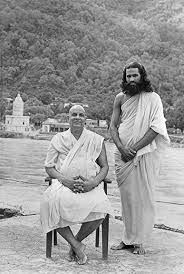
Swami Sivananda Black and white photo of two spiritual monks by riverside image
Resources, Swami Sivananda

Consequences Of Anger

Consequences Of Anger by Swami Sivananda A terrible fit of anger shatters the physical nervous system. It produces a lasting impression on the inner astral body. Although the effects of a fit of anger may seem to subside in a short time, the vibration or wave, continues to exist for days in the astral body. A slight unpleasant feeling that lasts in the mind for five minutes, may produce a deep inflammation of the astral body. It may take several weeks or months even for this ulcer to heal. Now, have you realised the disastrous consequences of anger? Do not be victims of anger. Control it by love, mercy, sympathy, vicara (enquiry) and consideration for others. Even slight annoyance, or irritability, affects the mind and the astral body. Aspirants should not allow these vrttis (thought-waves) to manifest in the mind-lake, as they may burst out as big waves of anger at any moment, if you are careless or weak. There should not be the least disturbance in the mind-lake it should be perfectly calm and serene. Then only you will find meditation possible. It is difficult to control anger. Anger is a manifestation of sakti (energy). At first, try to reduce its force. and its frequency of duration. Endeavour to attenuate or thin out this formidable modification of the mind. Do not allow this modification to assume the form of a big wave on the surface of the conscious mind. Nip it in the bud when it is in the form of irritability. Divert the mind. Entertain divine thoughts. Do vigorous japa (repetition of God’s name) and kirtan (chanting). Repeat some prayers or slokas (verses) from the scriptures. Develop the opposite, divine qualities. Develop patience, love, forgiveness – anger will die by itself, gradually. Blessed are those high-souled people who can control their anger by pure, strong will and intellect. Be serene. Serenity is like a rock. Waves may dash on it but they cannot affect it. Waves of irritation may break on this rock of serenity but they cannot affect it. Meditate daily on the ever-tranquil atman (self). You will attain this sublime virtue of serenity gradually.

Consequences Of Anger Read Post »

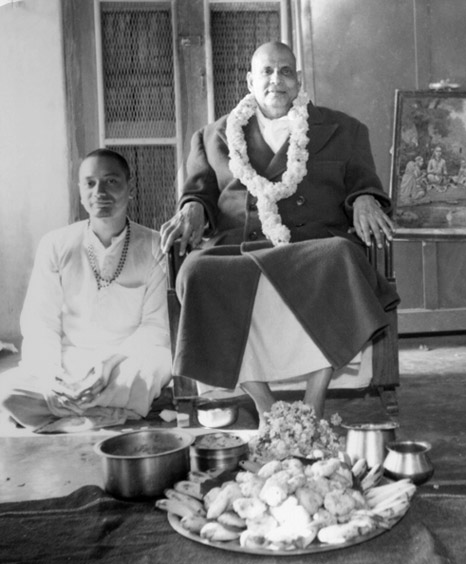
Swami Sivananda seated with disciple and offerings image
Resources, Swami Sivananda

Root Out Attachment

Root Out Attachment by Swami Sivananda Atman is Brahman or absolute or infinite or supreme being. It is existence absolute, knowledge absolute and bliss absolute. It is eternal, perfect, pure, self-luminous. It is selfdelight and selfknowledge. It is bodiless, formless (nirakara) and attributeless (guna-less). It is allpervading, allfull, imperishable. It has neither beginning nor end. It exists in the present, the past and the future. It is svayambhu (selfexistent). It is the source for the body and the mind, prana (life), indriyas (senses), vedas and the universe. No one can deny it because it is the self of all beings. Selfishness retards spiritual progress. If anyone can destroy his selfishness, half of his spiritual sadhana (practice) is over. No samadhi or meditation is possible without the eradication of this undesirable, negative quality. Aspirants should direct their whole attention in the beginning towards the removal of this dire malady by protracted, selfless, disinterested service. Never say ‘my body’, ‘my wife’, ‘my son’, ‘my house’. Attachment is the root cause for the miseries and sufferings of this world. Discipline the mind carefully. The old habits will creep in destroy them at the very root. Lead the life of mental nonattachment. This is the masterkey to open the realm of Brahmic bliss. Nonattachment is dispassion or indifference to sensual enjoyments. It is the mind that creates the ideas of ‘Iness’ and ‘mineness’. It is the mind that links the body and the jiva (soul) and creates intense deha adhyasa (bodyconsciousness) and the man thinks, “I am the body”. If the binding link in the mind is destroyed you can remain wherever you like you can roam peacefully, in any part of the world, unattached like water on the lotus leaf. Nothing can bind you. The whole mischief is wrought by the mind. Introspect. Look within. Try to remove your defects. This is real sadhana (practice) you will have to do it at any cost. Intellectual development is nothing. But the former needs a great deal of struggle for many years as many vicious habits have to be rent asunder.Keep up the unbroken current of meditation. Avoid mixing. You will soon get over bodyconsciousness. A little more drastic sadhana is needed for a month unbroken silence. Do not allow inertia or laziness to overpower you.

Root Out Attachment Read Post »

swami sivananda Black-and-white photo of monk with garland holding flowers image
Introduction to Yogasanas, Swami Sivananda

Special Instructions

Special Instructions by Swami Sivananda SPECIAL INSTRUCTIONS 1. Asanas should be practised in a well-ventilated, clean room where there is free movement of fresh air. The floor must be even. Asanas can be practised on the sandy bed of rivers, open airy places and by the sea-side also. If you practise them in a room, see that the room is not congested so as to allow free movement of hands, legs and of the body. 2. Asanas should be done on empty stomach in the morning or at least three hours after food. Morning time is best for doing Asanas. 3. It is always better to start Japa and Meditation in the early morning at 4 a.m., as soon as you get up from bed. At this time the mind is quite calm and refreshed. You can catch the meditative mood now quite easily. Meditation is more important. In the early morning, as soon as you get up from bed, the mind is like a clean slate, free from worldly thoughts. The mind will enter into the meditative mood without effort or struggle. 4. The vast majority of persons waste their precious time in the early morning in answering the calls of nature for half an hour and washing their teeth for another half an hour. The sun rises before they sit for meditation. This is bad. Aspirants should try to defecate within five minutes and cleanse their teeth within five minutes. If the bowels are constipated have vigorous practice of Salabha, Bhujanga and Dhanur Asanas for five minutes as soon as you get up from bed. If you are habituated to answer the calls of nature late in the day, you can do so after finishing Asana and Pranayama, Japa and meditation. 5. Get up at 4 a.m. Answer the calls of nature. Wash your face. Then practise your Asanas, Pranayama and Meditation. This order is beneficial. If you are very particular to meditate from 4 to 6 a.m., you can do Sirshasana for 10 to 15 minutes and then sit for meditation. When meditation is over, you can take to other Asanas. If you are not in the habit of answering the calls of nature in the early morning, you can practise Asanas without answering the calls. After finishing the Asanas and Meditation you can go to the latrine. Then motion also will be free. 6. Those who suffer from chronic constipation, can practise GANESA KRIYA, removal of excreta by introducing the middle finger lubricated with soap or oil into the rectum. Occasional douching will be beneficial to empty the loaded stomach. 7. Spread a blanket on the floor and practise the Asanas over the blanket. Use a pillow or four-folded blanket for practising Sirshasana and its varieties. 8. Wear a Langoti or Kowpina or suspendary bandage when you practise Asanas. You can have a banian on the body. 9. Do not wear spectacles when you do Asanas. They may be broken and may injure your eyes. 10. Those who practise Sirshasana, etc., for a long time should take light tiffin or a cup of milk after finishing the Asana. 11. If you can devote half an hour or more to Sirshasana alone, you can cut short the time for other Asanas. 12. Be regular in the practice. Those who practise by fits and starts will not derive any benefit. Mitaharam vina yastu yogarambham tu karayet, Maharogo bhavettasya kinchid yogo na sidhyati. (Ghe. S. Chap. V-10) Without observing moderation of diet, if one takes to the Yogic practices, he cannot obtain any benefit but gets various diseases. 13. Before starting the practice of Asanas, take a dose of worm powder santonin, gr. 1 or 2 at bed time and castor oil 2 oz., early in the next morning. Float the oil in peppermint water, tea or pepper water and then take. Take oil alone if you like. Thorough cleansing of the bowels is necessary when you take to the Yogic practices. 14. Start with minimum time of doing Asanas and then gradually increase the period. You can do the Asanas as long as you can comfortably keep up the posture. 15. Asana is the third Anga in Ashtanga Yoga. When you are established in Asanas, then only you will derive the benefits of Pranayama. 16. Maximum benefits can be achieved if Japa also is done during the practice of Asanas and Pranayama. 17. If the foundation of a building is not properly laid, the superstructure will fall down in no time. Even so, if a Yogic student has not gained mastery over the Asanas, he cannot successfully proceed in his higher course of Yogic practices. 18. Regularity in the practice is very necessary if one wants to realise the maximum benefits of Asanas. Generally, people practise for two months in the beginning with great interest and enthusiasm and leave off the practice. This is a sad mistake. They want a Yogic teacher always by their side. They have got the effeminate leaning mentality. They are lazy, torpid and slothful. 19. Nowadays, outdoor games have become very costly. Nets, rackets, balls, inflators have to be purchased again and again. No expense is needed for the practice of Asanas. 20. Physical exercises draw the Prana out. Asanas send the Prana in, and distribute it quite evenly throughout the body and different systems. Asanas are not only physical but also spiritual, as they awaken the Serpent Power that is sleeping in the Muladhara Chakra. This is the third Anga (limb) of Ashtanga Raja Yoga of Patanjali Maharshi. A particular Asana removes a particular disease. 21. Asanas are not mere physical exercises alone. They are something more than that. They have a spiritual basis. They help a long way in controlling the senses, mind and body. Body-nerves and muscles are purified (Sarira Suddhi and Nadi Suddhi). Kundalini is awakened which gives Bliss, Power and Yogic Samadhi to the aspirant. If you do Dand and Bhaitaks (native physical exercises) 500 times a

Special Instructions Read Post »