Hari Om

Menu

February 19, 2026

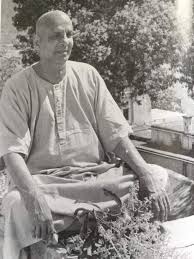
Swami Sivananda seated wearing garland candid photo
Sadhana, Swami Sivananda

Nine Modes of Bhakti Yoga Sadhana

Nine Modes of Bhakti Yoga Sadhana by Swami Sivananda In the Srimad Bhagavata and the Vishnu Purana it is told that the nine forms of Bhakti are Sravana (hearing of God’s Lilas and stories), Kirtana (singing of His glories), Smarana (remembrance of His Name and presence), Padasevana (service of His feet), Archana (worship of God), Vandana (prostration to the Lord), Dasya (cultivating the Bhava of a servant with God), Sakhya (cultivation of the friend-Bhava) and Atmanivedana (complete surrender of the self). A devotee can practise any method of Bhakti which suits him best. Through that he will attain Divine illumination. 1. SRAVANA Sravana is hearing of Lord’s Lilas. Sravana includes hearing of God’s virtues, glories, sports and stories connected with His divine Name and Form. The devotee gets absorbed in the hearing of divine stories and his mind merges in the thought of Divinity, it cannot think of undivine things. The mind loses, as it were, its charm for the world. The devotee remembers God only, even in dream. Sri Sankaracharya says, “The company of the wise, even for a moment, becomes the boat to cross across the ocean of Samsara.” Without Satsanga, Sadhana does not become perfect and strong. The fort of Sadhana should be built on the foundation of Satsanga. Mere austerities are not the end of Sadhana. Satsanga illumines the devotee and removes his impurities. It is only then that subtle truths are grasped well by the devotee. Lord Krishna says to Uddhava that nothing but Satsanga alone can put an end to all worldly attachments. In the Bhagavata Mahatmya it is told that the best Dharma in this world is to hear Lord’s glories. For, thereby, one attains to the Divine Abode. 2. KIRTANA Kirtana is singing of Lord’s glories. The devotee is thrilled with Divine Emotion. He loses himself in the love of God. He gets horripilation in the body due to extreme love for God. He weeps in the middle when thinking of the glory of God. His voice becomes choked, and he flies into a state of divine Bhava. The devotee is ever engaged in Japa of the Lord’s Name and describing His glories to one and all. Wherever he goes he begins to sing the praise of God. He requests all to join his Kirtana. He sings and dances in ecstasy. He makes others also dance. Such practices should be the outcome of a pure heart, and they should not be merely a show. God knows the inner secret of all and none can cheat Him. There should be perfect straightforwardness and all his actions should be the natural outpouring from his heart. This is the easiest of all modes of approach to God. In the Kali Yuga, iron age, Kirtana alone is the best Yoga-‘Kalau Kesavakirtanam.’ This is the prescribed method of devotion for this age. The mind is ever intent upon singing Lord’s Names and glories and it has no occasion to take interest in things of the world. Day and night the devotee feels the presence of God and thins out his ego. He becomes Sattvic and pure at heart. 3. SMARANA Smarana is remembrance of the Lord at all times. This is unbroken memory of the Name and Form of the Lord. The mind does not think of any object of the world, but is ever engrossed in thinking of the glorious Lord alone. The mind meditates on what is heard about the glories of God and His virtues, Names, etc., and forgets even the body and contents itself in the remembrance of God, just as Dhruva or Prahlada did. Even Japa is only remembrance of God and comes under this category of Bhakti. Remembrance also includes hearing of stories pertaining to God at all times, talking of God, teaching to others what pertains to God, meditation on the attributes of God, etc. Remembrance has no particular time. God is to be remembered at all times, without break, so long as one has got his consciousness intact. Right up from his getting up from sleep in the morning, until he is completely overpowered by sleep in the night, a person is to remember God. He has no other duty in this world except remembrance of God. Remembrance of God alone can destroy all worldly Samskaras. Remembrance of God alone can turn away the mind from sense-objects. Generally the mind runs extrovert. But remembrance of God makes it introvert and does not allow it to run to particular objects of the world. Remembrance of God is a very difficult method of Sadhana. It is not possible to remember God at all times. The mind will cheat the person. He will think that he is meditating on God, but actually he will be dreaming of some object of the world or something connected with name and fame. Remembrance is equal to concentration or meditation. All the qualities which a Raja Yogin prescribes for the practice of meditation should be acquired by a Bhakta who wants to practise Smarana-Bhakti. Smarana is swimming against the forceful current of the river of Maya. Smarana leads to exclusive meditation on God, as is done in Raja Yoga. 4. PADASEVANA Padasevana is serving the Lord’s feet. Actually this can be done only by Lakshmi or Parvati. No mortal being has got the fortune to practise this method of Bhakti for the Lord is not visible to the physical eyes. But it is possible to serve the image of God in idols and better still, taking the whole humanity as God. This is Padasevana. Padasevana is service of the sick. Padasevana is service of the poor. Padasevana is service of the whole humanity at large. The whole universe is only Virat-Svarupa. Service of the world is service of the Lord. Service of the Lord’s feet can be done through formal worship to Murtis or idols in temples or to a mental image of God. 5. ARCHANA Archana is worship of the Lord. “Those who perform

Nine Modes of Bhakti Yoga Sadhana Read Post »
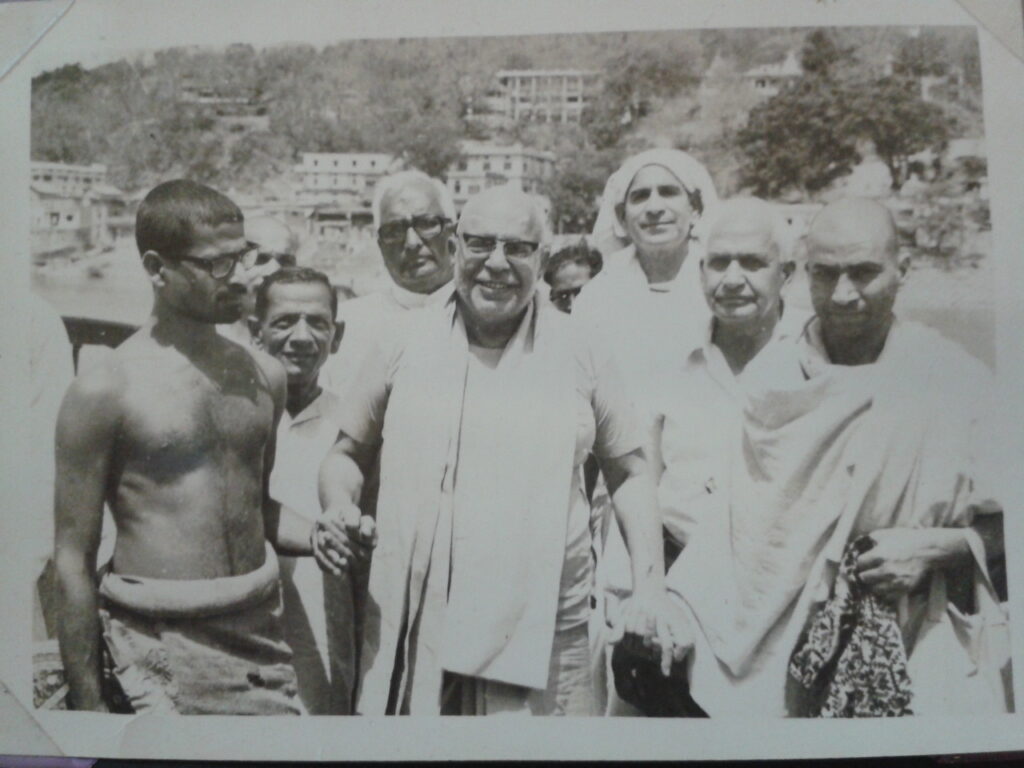
Swami Sivananda Group of monks and devotees posing together image
Sadhana, Swami Sivananda

Faith, Aspiration and Self-Surrender

Faith, Aspiration and Self-Surrender by Swami Sivananda Faith is Sraddha. Faith is the greatest thing in the world. Even the highest rationality has faith as its background. One cannot ratiocinate on things in which he has no faith. Even the greatest philosopher has faith as his stronghold. No intellectualism can prove good if it is not supported by faith. The whole world stands on faith and is guided by faith. Religion has faith as its root. One cannot prove God if he has no faith in God. God is only a matter of faith. This faith is the outcome of previous Samskaras. Certain men are born-philosophers and certain others do not grasp the fundamentals of religion even at the age of seventy. This is all due to past Samskaras or impressions. Faith is guided by impressions of actions done in the previous births and the present faith is nearer or farther from the Truth in accordance with the advancement made in spiritual evolution. Blind faith should be turned into rational faith. Faith without understanding is blind faith. Bhakti is the development of faith. Jnana is the development of Bhakti. Faith leads to Final Experience. Whatever a person strongly believes in, that he experiences, and that he becomes. The whole world is a product of faithful imagination. If you have no faith in the world the world does not exist. If you have no faith in sensual objects, they will not give you pleasure. If you have no faith in God, you never reach perfection. Wrong faith turns even existence into non-existence. “One who thinks that Brahman does not exist, himself becomes non-existent” says the Taittiriyopanishad. Faith is the fundamental necessity for spiritual Sadhana. Aspiration is a development of faith. It is one step ahead of faith. The flame of faith burns as the conflagration of spiritual aspiration for Moksha. The aspirant yearns to have divine experience. It is no more mere faith but strong feeling which cannot be easily shaken by external events. The devotee longs to have union with the Beloved. He has no sleep, no rest. He always contemplates on how to attain the object of his love. He prays, sings, and gets mad of his Lord. Divine madness overtakes the devotee and he completely loses personality in the aspiration for attaining God. This is called self-surrender. Self-surrender is the end of Bhakti Yoga. The self or the ego is surrendered or parted with for ever as an offering to the Lord. The devotee is lost in the consciousness of God. He has plunged into the ocean of bliss. He has taken a bath in the sea of nectar. He has drunk deep the essence of Immortality. He has become an Apta-Kama, for he has attained God, the root of the universe.

Faith, Aspiration and Self-Surrender Read Post »

Swami Sivananda wearing saffron robe spiritual teacher
Pranayama, Swami Sivananda

Surya Bheda

Surya Bheda Sit on Padmasana or Siddhasana. Close the eyes. Keep the left nostril closed with your right ring and little fingers. Slowly inhale without making any sound as long as you can do it comfortably through the right nostril. Then close the right nostril with your right thumb and retain the breath firmly pressing the chin against the chest (Jalandhara Bandha). Hold on the breath till perspiration oozes from the tips of the nails and roots of the hairs (hair follicles). This point cannot be reached at the very outset. You will have to increase the period of Kumbhaka gradually. This is the limit of the sphere of practice of Surya Bheda Kumbhaka. Then exhale very slowly without making any sound through the left nostril by closing the right nostril with the thumb. Repeat OM mentally with Bhava and meaning during inhalation, retention and exhalation. Exhale after purifying the skull by forcing the breath up.This Pranayama should again and again be performed, as it purifies the brain and destroys the intestinal worms and diseases arising from excess of wind (Vayu). This removes the four kinds of evils caused by Vayu and cures Vata or rheumatism. It cures rhinitis, cephalalgia and various sorts of neuralgia. The worms that are found in the frontal sinuses are removed. It destroys decay and death, awakens Kundalini Sakti and increases the bodily fire

Surya Bheda Read Post »

Swami Sivananda seated outdoors in peaceful pose image
Sadhana, Swami Sivananda

A Few Facets Of Bhakti Yoga Sadhana

A Few Facets Of Bhakti Yoga Sadhana by Swami Sivananda Bhakti is the slender silken thread of Prem or Love that binds the heart of a devotee to the Lotus Feet of the Lord. Bhakti is intense devotion and supreme attachment to God. It is the spontaneous outpouring of love towards God. It is pure, unselfish, Divine Love or Suddha Prem. Bhakti is the sacred, higher emotion of sublime sentiments that unites the devotee with the Lord. It has to be experienced by the Bhaktas. Human love is hollow. It is mere animal attraction. It is passion. It is carnal love. It is selfish love. It is ever changing. It is all hypocrisy and mere show. The wife does not care for her husband when he is in the role of unemployment. She frowns at him. The husband dislikes his wife when she loses her beauty on account of some chronic disease. You can find real, lasting love in God alone. His love knows no change. Bhakti is the basis of all religious life. Bhakti destroys Vasanas and egoism. A life without Bhakti, faith, love and devotion is a dreary waste. Bhakti softens the heart and removes jealousy, hatred, lust, anger, egoism, pride and arrogance. It infuses Joy, Divine Ecstasy, Bliss, Peace and Knowledge. All cares, worries, anxieties, fears, mental torments and tribulations entirely vanish. The devotee is freed from the Samsaric wheel of births and deaths. He attains the Immortal Abode of everlasting Peace, Bliss and Knowledge. Sakamya Bhakti is one where the Bhakta worships God for getting riches, son or for removal of sufferings from diseases. Vyabhicharini Bhakti is one in which the devotee worships or loves God for some time and then his wife, children and property for some time. To love God and God alone for ever and ever is Avyabhicharini Bhakti. Prahlada in the advanced stage of devotion meditated on his own self as Lord Hari. This is Abheda Bhakti. The Bhakta remains in the Loka where Lord Vishnu resides, like an inhabitant of a state. This is Salokya Mukti. In Sameepya Mukti, the Bhakta remains in close proximity with the Lord, like the attendant of a king. In Sarupya Mukti he gets the same form like that of the Lord, like the brother of a king. In Sayujya Mukti, he becomes one with the Lord, like salt and water. Thus there are four kinds of Mukti for the Bhaktas. Out of love, the formless Brahman assumes the form of Lord Hari to please His devotees. God is an embodiment of mercy. The Lord runs after His devotees with food and water in His hands to the forests. He becomes a slave of His devotees. Lord Vishnu says to Prahlada: “Dear, you are too tender of age and too delicate of body to stand the terrible tortures inflicted on you by your hot-headed father. A parallel of his atrocious deeds I have never seen before. Pray, therefore, excuse me if I was late in coming to your rescue.” Again Lord Krishna says: “I am not in My control. I am under the complete control of My Bhaktas. They have taken entire possession of My heart. How can I leave them when they have taken entire possession of My heart? How can I leave them when they have renounced everything for My sake? He who seeks Me in all things and all things in Me, to Him I am never lost, nor he is lost to Me.” Study the Gita, the Ramayana, the Bhagavata. Have Satsanga. Visit holy places (Yatra). Do Japa. Meditate. Sing His Name. You can develop Bhakti and have His Darshan. Do you really want God? Do you really thirst for His Darshan? Have you got spiritual hunger? You may deliver thrilling lectures on Bhakti. You may write several volumes on Bhakti, and yet you may not possess even a grain of true devotion. He who thirsts for Darshan of God will develop Bhakti. If there is sincere demand for God, then the supply will come. By regular steady Sadhana, may you attain Peace, Bliss, Knowledge, Perfection and God-realisation! The Name of God chanted in any way, correctly or incorrectly, knowingly or unknowingly, carefully or carelessly is sure to give the desired result. The glory of the Name of God cannot be established through reasoning and intellect. It can be certainly experienced or realised through devotion, faith and constant repetition of the Name. Every Name is filled with countless potencies or Saktis. The power of the Name is ineffable. Its glory is indescribable. The efficacy and inherent Sakti of the Name of God is unfathomable. Just as fire has the natural property of burning inflammable things, so also the Name of God has the power of burning sins, Samskaras and Vasanas and of bestowing eternal Bliss and everlasting Peace on those who repeat the Name of the Lord. Just as the burning quality is natural and inherent in fire, so also is the power of destroying sins with their very root and branch and of bringing the aspirant into blissful union with the Lord through Bhava Samadhi, natural and inherent in the Name of God. O Man! Take refuge in the Name. Nami and Nama are inseparable. Sing the Lord’s Name incessantly. Remember the Name of the Lord with every incoming and outgoing breath. In this iron age Nama Smarana or Japa is the easiest, quickest, safest and surest way to reach God and to attain Immortality and perennial Joy. Glory to the Lord. Glory to His Name. Sing Hari Om, Sri Ram, Radheyshyam or ‘Hare Rama Hare Rama, Rama Rama Hare Hare; Hare Krishna Hare Krishna, Krishna Krishna Hare Hare.’

A Few Facets Of Bhakti Yoga Sadhana Read Post »
swami sivananda Book cover of concentration and meditation
Pranayama, Swami Sivananda

Rhythmical Breathing

Rhythmical Breathing The breathing in men and women is very irregular. In exhalation the Prana goes out 16 digits and in inhalation only 12 digits, thus losing 4 digits. But if you inhale for 16 digits as in exhalation then you will have rhythmical breathing. Then the power Kundalini will be aroused. By the practice of rhythmical breathing you will enjoy real good rest. You can control the respiratory centre that is situated in medulla oblongata and other nerves also, because the centre of respiration has a sort of controlling effect on other nerves. He who has calm nerves has a calm mind also. If the units of exhalation and inhalation are the same, you will have rhythmical breathing. If you inhale till you count 6 OMs, exhale also till you count 6 OMs. This is breathing in and out in a measured manner. This will harmonise the whole system. This will harmonise the physical body, mind, Indriyas and will soothe the tired nerves. You will experience full repose and calmness. All the bubbling emotions will subside and the surging impulses will calm down. There is another variety of modification of rhythmic breathing. Inhale slowly through both nostrils for 4 OMs; retain the breath for 8 OMs (internal Kumbhaka); exhale slowly through both nostrils for 4 OMs: and retain the breath outside (external Kumbhaka) for 8 OMs.Repeat the above process a number of times according to your strength and capacity. You can gradually increase the duration of inhalation and exhalation after some practice 8 OMs and the period between breaths to 16 OMs. But never try to increase the duration until you are sure that you have power and strength to do so. You must experience joy and pleasure in doing the same. You should not feel any undue strain. Pay considerable attention to keep up the rhythm. Remember that the rhythm is more important than the length of breath. You must feel the rhythm throughout your whole body. Practice will make you perfect. Patience and perseverance are needed.

Rhythmical Breathing Read Post »

swami sivananda Monk studying and writing with books image
Pranayama, Swami Sivananda

Pranayama in Savasana

Pranayama in Savasana Lie down on the back, quiet at ease, over a blanket. Keep the hands on the ground by the side and legs straight. The heels should be kept together, but the toes can remain a little apart. Relax all the muscles and nerves. Those who are very weak can practise Pranayama in this pose while lying on a bedstead. Draw the breath slowly without making any noise, through both nostrils. Repeat the process 12 times in the morning and 12 times in the evening. Chant OM mentally during the practice. If you like you can practise the ‘easy comfortable posture’ also. This is a combined exercise of Asana, Pranayama, meditation and rest. It gives rest not only to the body but also for the mind. It gives relief, comfort and ease. This is very suitable for aged people.

Pranayama in Savasana Read Post »

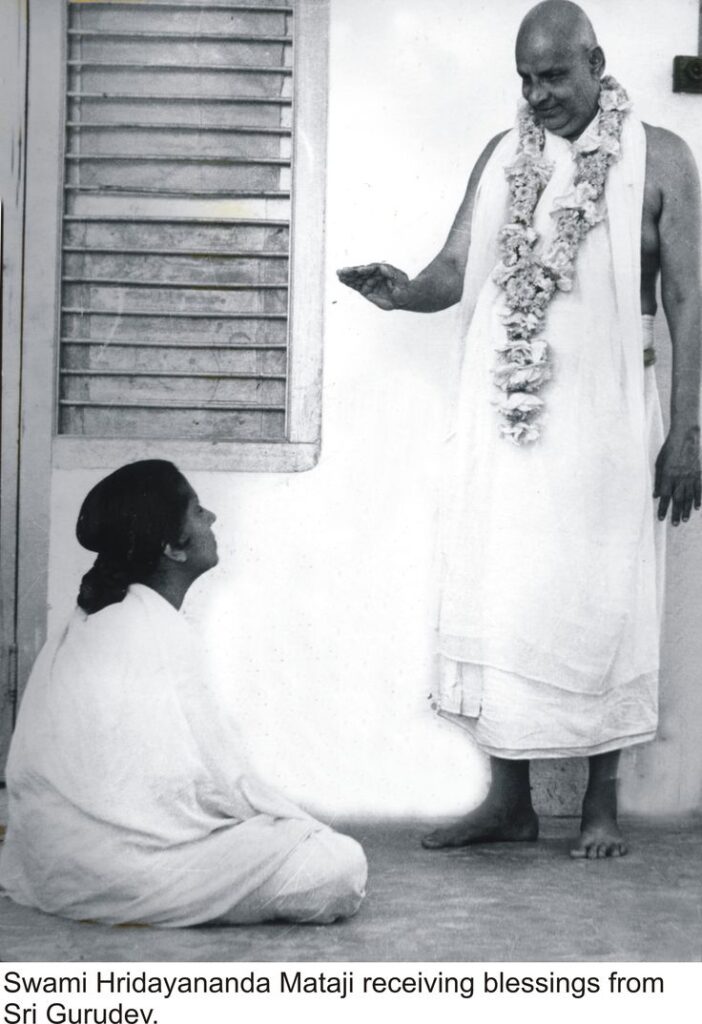
swami sivananda Devotee receiving blessings from guru image
Pranayama, Swami Sivananda

Pranayama While Walking

Pranayama While Walking Walk with head up, shoulders back and with chest expanded. Inhale slowly through both nostrils counting OM mentally 3 times, one count for each step. Then retain the breath till you count 12 OMs. Then exhale slowly through both nostrils till you count 6 OMs. Take the respiratory pass or rest after one Pranayama counting 12 OMs. If you find it difficult to count OM with each step, count OM without having any concern with the steps.Kapalabhati can also be done during walking. Those who are very busy, can practise the above Pranayama during their morning and evening walks. It is like killing two birds with one stone. You will find it very pleasant to practise Pranayama while walking in an open place, when delightful gentle breeze is blowing. You will be invigorated and innervated quickly to a considerable degree. Practise, feel and realise the marked, beneficial influence of this kind of Pranayama. Those who walk briskly, repeating OM mentally or verbally do practise natural Pranayama without any effort.

Pranayama While Walking Read Post »

Swami Sivananda Two spiritual leaders seated with garlands image
Sadhana, Swami Sivananda

Bhakti Yoga Sadhana

Bhakti Yoga Sadhana by Swami Sivananda OUTLINES OF BHAKTI YOGA SADHANA What is Bhakti? Bhakti or devotion is supreme Love directed towards God. There are two kinds of Bhakti… Kamya. Nishkamya. The two kinds of Nishkamya Bhakti are… Vaidhi or external Puja and Japa etc. Ragatmika or Prema (internal) due to extreme Prema or intense Love. Four kinds of Bhaktas (Gita, VII-16)… Aarta (the sufferers as Draupadi and Gajendra etc.). Jijnasu (the seeker as Uddhava). Artharthi (he who has the desire to obtain some object. Dhruva is an example). Jnani (the Wise as Sukdeva etc.). Five kinds of Muktis: 1. Salokya (residence in the same abode as the Lord): 2. Sameepya (to abide near God); 3. Sarupya (similarity of form with the Lord); 4. Sayujya (complete identity with the Lord) and 5. Sarishti (enjoyment of Divine Powers). Nine modes of Bhakti (Bhagavatam: 7-5-23): 1. Sravanam (hearing of Lord’s Lilas, Kathas etc.); 2. Kirtanam (musical chanting of his name and Lilas, Kathas etc.); 3. Smaranam (remembrance of the Lord); 4. Padasevanam (service of His feet and service of Guru, parents, country and humanity); 5. Archanam (offering of flowers, sacred leaves etc.); 6. Vandanam (prostrations before Lord and mental prostrations to every being); 7. Dasyam (servant and Master Bhava); 8. Sakhyam (friendship-attitude) and 9. Atma-Nivedanam (self-surrender, literally offering oneself up). Five kinds of Bhavas: 1. Santa (peaceful, self-controlled and serene as Bhishma); 2. Dasya (servant and master Bhava, as Hanuman); 3. Sakhya (friendship as Arjuna); 4. Vatsalya (parental affection as Kausalya, Yasoda) and 5. Madhurya (wife and husband, or lover and beloved, like Gopis, Gauranga). Six means of developing Bhakti: 1. Service of Bhagavatas, Sadhus, Sannyasins etc.; 2. Repetition of God’s Name, Japa, Smarana etc.; 3. Satsanga; 4. Hari Kirtan (Loud repetition of Lord’s Name); 5. Study of religious books as the Gita, the Ramayana, the Bhagavata etc., and 6. Pilgrimage and stay in Holy Places like Brindavan, Ayodhya, Pandarpur, Chitrakuta, etc. Eight signs of Bhakti: 1. Asrupaata (tears), 2. Pulaka (horripilation), 3. Kampana (tremor), 4. Rodana (crying or weeping), 5. Haasya (laughing), 6. Sveda (perspiration or sweating), 7. Murchha (fainting) and 8. Svarabhanga (inability to speak). Four qualifications of a Bhakta: 1. Humble as a blade of grass, 2. Forbearance like a tree, 3. Not to desire praise or respect for himself but to praise and respect others, and 4. Always repeating Lord’s Name. Five thorns in the path of Bhakti: Pride of 1. Caste, 2. Learning, 3. Position, 4. Beauty and 5. Youth. Two inner enemies in the path of Sadhana: 1. Lust and 2. Anger. Ten vices that follow lust: 1. Love of hunting, 2. Gambling, 3. Sleeping in day time, 4. Slandering (abusing), 5. Company with bad women, 6. Drinking, 7. Singing love songs, 8. Dancing, 9. Music of vulgar nature and 10. Aimlessly wandering. Eight vices that follow Anger: 1. Injustice, 2. Rashness, 3. Persecution, 4. Jealousy, 5. Captiousness (Fault-finding nature), 6. Cheating, 7. Harsh words and 8. Cruelty. Three Eshanas: 1. Desire for wealth, 2. Desire for wife and children, and 3. Desire for name, fame and heaven etc. Three great dangers in Bhakti: Association with 1. Women, 2. Wealth and 3. Atheists. Requisites in Bhakti: 1. Nishkamya (without any desire for fruits), 2. Ananya (undivided love towards God only), 3. Avyabhicharini (intense love towards the chosen Deity or Ishta-Devata), 4. Akhanda (Taila Dharavat, unbroken, continuous love), 5. Sadachara Sahita (with noble qualities and character) and 6. Deeply earnest and serious i.e. real and not for show. Seven forms of Prema: 1. Sneha (Melting of heart by love or Prema); 2. Mana (that sentiment which interferes with the enjoyment of a couple who are at heart desperately in love with each other notwithstanding their being together for enjoyment); 3. Pranaya, (love which makes the lover think himself at one with the beloved, it is the thorough unification of the one with the other); 4. Raga-Sneha (when it makes its object feel happiness even when put to misery for the sake of the beloved one is called Raga); 5. Anuraga (Raga, when it discovers ever new sweetness in the beloved one is Anuraga-Raga); 6. Bhava (Bhava is the name of that emotional state the essence of which is likened unto the rays of the rising sun, i.e. it ushers in Prema just as the rays usher in the rising sun. It melts the heart by unquenchable desire for attainment of Sri Krishna); and 7. Maha-Bhava (the highest pitch or consummation of Bhava) Twenty-Four Avataras: 1. Matsya Avatara brought the Vedas from the waters of Pralaya; 2. Kurma Avatara supported Mandara Mountain in the ocean churning; 3. Varaha Avatara to raise the earth from water after destroying Hiranyaksha; 4. Nrisimha from the Pillar destroyed Hiranyakasipu and gave Darshan to Prahlad; 5. Vamana Avatara put down the might of king Bali; 6. Parasurama destroyed 21 times Kshatriya Kings and gave land to Brahmins; 7. Rama destroyed Ravana; 8. Krishna destroyed Kamsa, and taught Brahma-Vidya to Arjuna and Uddhava; 9. Buddha preached Ahimsa to Asuras; 10. Kalki will appear in the end of Kaliyuga; 11. Yajna was born of Ruchi and Akuti. (The Suyama Devas were born of Yajna. He removed the fear of Triloki); 12. Kapila was born of Kardama Prajapati and Devahuti (Founder of Sankhya system of Philosophy. He taught Brahma-Vidya to his mother); 13. Dattatreya, the Avatara of Tri-Murtis (Brahma-Vishnu-Siva) born of Atri Muni and Anasuya Devi; 14. The Four Kumaras i.e. Sanaka, Sanandana, Sanatana and Sanatkumara-mental sons of Brahma always about six years of age-Brahma-Vidya Gurus; 15. Nara-Narayana were born of Dharma and Murti and did Tapas in Badrikashrama; 16. Sri Hari gave Darshan to Dhruva (son of Uttanapada and Suneeti); 17. Prithu took out riches and eatables from earth; 18. Rishabha, (Paramahamsa) a great Brahma-varishta born of Nabhi and Sudevi, or Meru Devi; 19. Hayagreeva (the horse-headed Avatara) appeared in Vedic Yajna and promulgated the Vedas; 20. Hari saved Gajendra from Makara; 21. Hamsa narrated Bhakti Yoga, Jnana and Bhagavata Purana to Rishi Narada;

Bhakti Yoga Sadhana Read Post »
Swami Sivananda Guru seated with disciple in outdoor setting image
Sadhana, Swami Sivananda

Results of Karma Yoga Sadhana

Results of Karma Yoga Sadhana by Swami Sivananda The practice of Karma Yoga alone leads to the Advaitic realisation of oneness. Without it there is no hope of Vedantic realisation of unity of Self. “Janaka attained perfection by action.”-Gita, Chap. III, Sloka 20. Ordinary man of the world has a very small constricted heart on account of selfishness, jealousy, prejudice, hatred and pride. Selfishness, jealousy etc., leave their deposits on the mind and act as a veil or thick crust, and so he separates himself from others. The practice of Karma Yoga breaks the veil, removes the crust and causes expansion of heart. It purifies the heart. A Karma Yogin feels for others and serves them in a variety of ways. He shares what he has with others. He brings water from the river for the aged pilgrims, medicine for the sick persons, supplies fuel and gets vegetables from the bazaar. All these little acts of kindness render the heart soft and instil compassion in the heart. He develops various virtues like tolerance, patience, humility which are necessary for the dawn of knowledge. He experiences peculiar, indescribable joy and inner spiritual strength. The love current is strengthened in him gradually. He is also loved by others. Those who are served by him bless him and he attains longevity, through the power of their Sankalpas and blessings. Karma Yoga is more difficult than Vedanta or Bhakti Yoga. Karma Yoga is not mere mechanical action. The Vedantic Bhava or Bhakti Bhava should be kept up during action or service. A Karma Yoga practitioner soon obtains Virat Darshan as he is constantly serving the Virat, or the manifested Brahman. A Karma Yogi never is in want of anything. Even when he goes to an unknown place, people give him all his bodily wants without asking. Invitations for dinner come from various quarters. A sweet, divine aroma emanates from the Karma Yogi which stirs people to serve the Karma Yogi and serve him intensely. The whole nature is ever ready to serve a Karma Yogi. All divine Aisvaryas belong to him. The truths of the Upanishads are revealed unto him without study of the Srutis on account of purity of heart and grace of the Lord. Knowledge of the Self dawns in him without Manana (reflection) and Nididhyasana (meditation), as he becomes the chosen devotee of the Lord, for the descent of His grace:- “This Atman cannot be obtained by study of the Vedas, nor by intelligence, nor by much hearing. He whom the Self chooses by him the self can be gained. To him this Atman reveals Its true nature.”-Katha Upanishad, Ch. I, Valli II, Sloka 23. “Children, not the wise, speak of Sankhya (knowledge) and Yoga (Yoga of action or performance of action) as distinct; he who is truly established in one obtains the fruits of both.”-Gita, Chap. V, Sloka 4. “That place which is reached by the Sankhyas (Jnanins) is reached by the Yogins (Karma Yogins). He sees, who sees Sankhya and Yoga are one.”-Gita, Chap. V, Sloka 5. There is no hope of salvation even in crores of births for the dry Vedantic student who has taken to the study of Upanishads and Brahma Sutras and practice of Vedanta without purifying his heart through the protracted practice of Karma Yoga. He is like the frog which makes much noise and disturbance in the rainy season. A frog disturbs the people only in the rainy season, but the dry Vedantic frog, the mere book-worm without purification of heart, disturbs the world throughout the year by unnecessary arguments, quarrels and useless discussions. A real Vedantin is a blessing to the world. He preaches through the language of silence or the language of the heart. He always serves with Atma-Bhava. May you all realise the Eternal one through purity of heart attained by the practice of Karma Yoga!

Results of Karma Yoga Sadhana Read Post »

Swami Sivananda meditating outdoors on mat image
Sadhana, Swami Sivananda

Karma can be transformed into Yoga

Karma can be transformed into Yoga by Swami Sivananda Keep the goal of Self-realisation before you ALL THE TIME. No doubt, you are Eternal; no doubt you have eternity before you. You are deathless. You are beyond the bounds of time. It is true; but let this not slacken your efforts to realise the Self in this birth. You do not know when you will get this human birth again. You cannot realise in a subhuman or in a superhuman birth-either as an animal or as a god. In both of these series of births, the soul only enjoys or suffers according to the fruits of the Karma that he performs in his human birth. After this momentum is over, he will have to take a human birth again with another chance of realising the Self. This will enable you to realise how very important it is that we should strive our utmost to realise the Self here and now. Not a moment of this precious life is to be wasted. Every day you must introspect and find out if you are progressing. This is very, very essential. Otherwise, you are in the gravest danger of being led away from the path. INTROSPECT! Find out Maya is ever ready to delude you and lead you astray. Take care. She has ever so many forms. Pride of service, arrogance of position, conceit of achievement, attachment to accomplishments, desire for comforts, greed for power, anger at those who obstruct your seizure of power, and an innate craving to override, oppress and misbehave towards others on account of an inborn superiority-complex-these are some of the heavenly damsels that always surround you to tempt you away from your high goal. BEWARE! You must be able to turn every act into a brick to construct a canal through which will flow freely and continuously the thought of God. The Bhava that “Work is worship” must be kept up. This will effectively counteract the allurements of Maya and nullify her temptations. Know that you are in essence the Atman, the Akarta and Abhokta. God works through you for His own inscrutable purposes. How, then can you claim any merit or suffer a demerit? The One Atman that is in you-nay, that You Are-is everywhere. Nought else is there in the entire universe. Everything is dear to you only because everything is your own Self. Who, then can be your friend; who, your foe? Who, then, can be your superior; who, your inferior? Who can cheat you; and whom can you cheat? Who can do you any harm; and how can you do any harm to others? Love! Love! Love! For everything is your own Self. Will you wantonly cut your own throat? That is what you are doing when you injure another-in thought, word or deed. Again, supposing your finger hurts your eye by mistake, will you cut it off? Similarly, you should not retaliate when your brother hurts you by mistake. You should accept whatever comes-applause and criticism, praise and condemnation, love and hatred, gain and loss-as God’s kindly gifts. Take everyone who comes in contact with you as a manifestation of God Himself. Bow to everyone; prostrate even before asses. Develop humility to the maximum extent. “To become humbler than the blade of grass” should be your ideal. If you feel everybody is but a manifestation of God, you will not only tolerate, but positively love criticisms. When another man criticises you, at once think he is right-for he is God. You should analyse the ideas contained in the criticism only afterwards and arrive at a mature judgment. By this method you would very easily conquer the temptation to offer a rebuff. You will develop patience, understanding; and you will have goodwill on all sides from everyone. You should introspect in silence and solitude and analyse the points of criticism. Solitude will calm your emotions and the conclusion you arrive at will be sound. Karma Yogins should never let emotions and excitement get the better part of themselves. By following these instructions, any action-sacred or secular, even if it is service of the family-may be converted into an act of worship, leading to the most sublime goal of Self-realisation! May you all become perfect Karma Yogins!

Karma can be transformed into Yoga Read Post »