










Hari Om

Menu

February 18, 2026

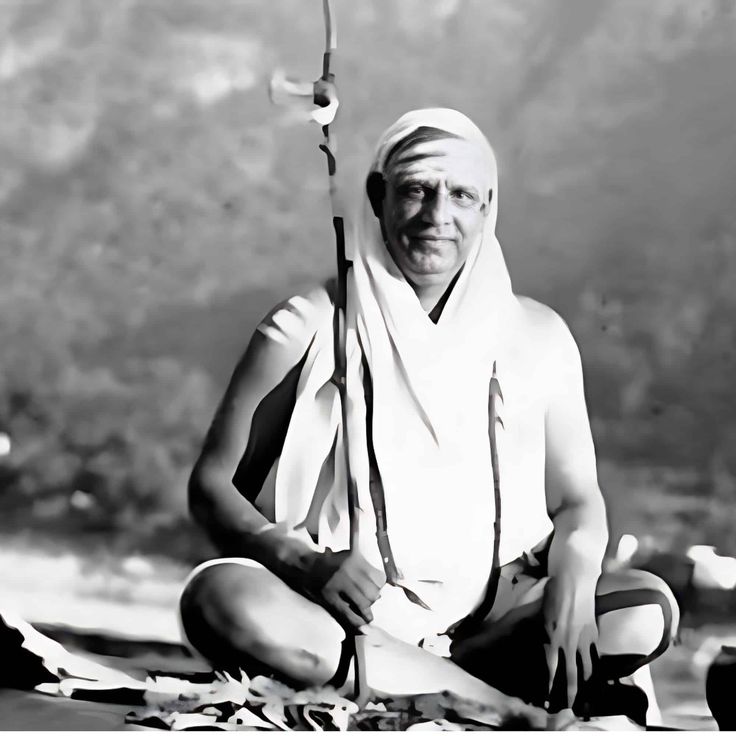
Swami Sivananda seated holding staff black and white image
Getting Started, Swami Sivananda

How to Develop the Will-Power

How to Develop the Will-Power by Swami Sivananda Attention, power of endurance, overcoming aversion, dislikes and irritations, fortitude in suffering, Tapas (austerities such as standing on one foot, sitting in the hot sun) or Panchagni Tapas before five fires, standing in cold water in piercing winter, raising the hands above and keeping in the same position for an hour, fasting, patience, command of temper, forbearance, clemency, mental power of endurance, firmness in meeting danger, power of resistance or attack, Satyagraha, keeping up daily diary-all pave a long way in developing the will. One should patiently hear the words of others even though they are not interesting and charming. He should not fret and fume. Patient hearing develops will and wins the hearts of others. One should do actions or tasks that are uninteresting. This also develops the will-power. The actions that are not interesting will become interesting after sometime. Never complain against bad environments. Create your own mental world wherever you remain and wherever you go. There are some difficulties and disadvantages wherever you go. If the mind deludes you, at every moment and at every step, try to overcome the obstacles and difficulties by suitable means. Do not try to run away from bad, unfavourable environments. God has placed you there to make you grow quickly. If you get all sorts of comforts in a place, you will not grow strong. Your mind will be puzzled in a new place when you cannot get these comforts. Therefore, make the best use of all places. Never complain against surroundings and environments. Live in your own mental world. Nothing can upset your mind. You will find Raga-Dvesha even in the eternal snowy regions of the Himalayas, near Gangotri. You cannot get an ideal place and ideal surroundings in any part of the world. Kashmir is very cool; the scenery is very enchanting; but Pissus (small insects like fleas) trouble you at night; you cannot sleep. Varanasi is a centre of Sanskrit learning, but it is notorious for hot winds in summer. Uttarkasi in the Himalayas is beautiful, but you cannot get vegetables or fruits there; the cold is so very biting in winter. This world is a relative plane of good and evil. Remember this point at all times. Try to live happily in any place, under any condition. You will become a strong and dynamic personality. This is a great secret. Keep this in your pocket and unlock the Elysian regions, the spiritual realms and the immortal abode. You can get sanguine success in any undertaking. You can conquer any difficulty. The practice of concentration is of great help to strengthen the will. You must have an intelligent understanding of the habits of the mind-how it wanders and how it operates. You must know easy and effective methods to control the wandering of the mind. The practice of thought-culture, the practice of concentration, the practice of memory-culture, are all allied subjects. All these are of immense help in the practice of will-culture. You cannot draw a line of demarcation to denote where the practice of concentration or memory-culture ends and the practice of will-culture begins. There is no hard and fast rule. For further particulars on the practice of concentration, please see the article “Control of Mind-wandering.” Mr. Gladstone and Mr. Balfour could go to deep sleep the moment they went to bed through mere willing. They had such a strong will. Even Mahatma Gandhi had this practice. They could get up in the morning at any time they wanted, to the very minute. They had so trained their subconscious mind. The subconscious mind was their obedient servant. It would wake them up at the very second. Every one of you should develop this habit through will and become a Gandhi, a Gladstone or a Balfour. Generally, the vast majority of persons simply roll in their beds for hours together and do not get sound sleep even for half an hour. It is the quality of sleep, and not the quantity, that gives refreshment. Sound sleep for even an hour is quite sufficient to refresh the body and revitalise the mind. The moment you go to bed, simply relax the mind and give the suggestion, “I will have good sleep now.” Do not think of anything. Napoleon had this habit. Even when the bugle was blowing and the drums were beating on the battlefield, he would be snoring. His subconscious mind would wake him up at the very second he wanted to get up. With a cool mind, Napoleon would appear like a lion on the battlefield. One should train himself to sleep in running cars, trains, and when moving in the aeroplanes, even in a sitting posture. This practice is of immense help for busy medical practitioners, advocates and businessmen, who have to do immense work daily and a good deal of travelling. Life has become so very complex nowadays that busy people do not find time to get enough sleep. Whenever they find some leisure, even for five minutes, they should close their eyes in any place and go to sleep for a short time. This would give great rest. They can continue their further activities. This kind of practice is a blessing to busy people. Their nerves are under great tension and pressure. By relaxing them every now and then, they could refresh themselves and keep quite fit for further activities. One should be able to sleep on the platforms of Howrah or Bombay railway stations when trains are moving at all times. This is a wonderful practice that gives immense strength. Dr. Annie Besant used to write editorial columns when moving in the cars. There are some busy doctors who read newspapers even when they are in the water closets. They keep their minds fully occupied. The practice of keeping the mind fully occupied is the best of the practices for keeping up physical and mental Brahmacharya. Those who want to become magnetic and dynamic

How to Develop the Will-Power Read Post »
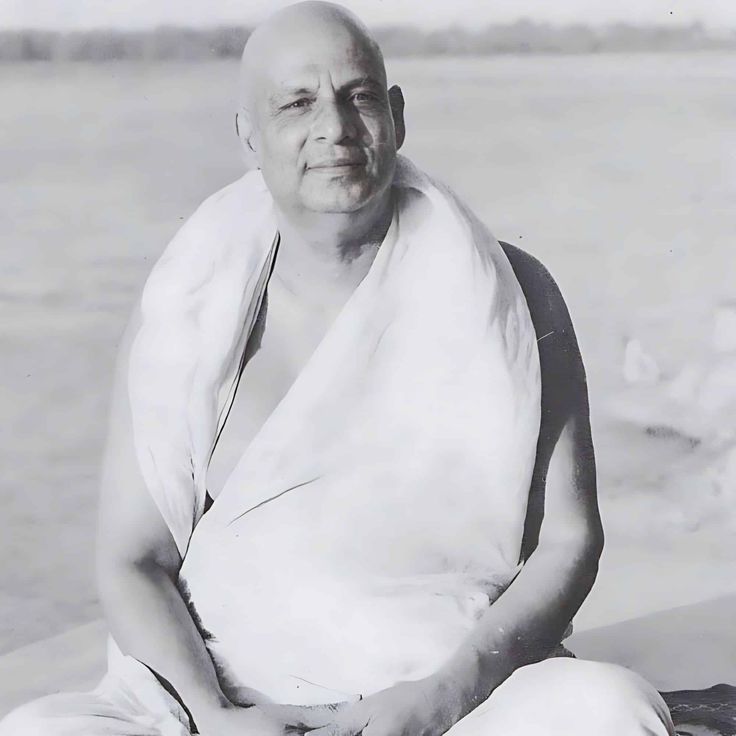
Swami Sivananda seated outdoors near river. image
Getting Started, Swami Sivananda

Exercises for Memory-Culture

Exercises for Memory-Culture by Swami Sivananda I Here are some easy exercises for memory-culture. Sit on Virasana or Padmasana. Close your eyes. Imagine there is a big garden. In one corner there are jessamine flowers, in another roses, in another Champak, in another lily of the valley. First think of the jessamine, then rotate the mind to roses, then to Champak, and then to lily. Again bring back the mind to jessamine. Revolve the mind like this for two or three minutes. Look at the map of the heavens at night and count the stars in a small localised area. On Thursday morning, try to remember the dietetic preparations, vegetables, kinds of Dhal, etc., that were prepared on Wednesday. This is another kind of exercise. II Study one important Sloka from the Gita. Find out parallel lines in the Ramayana, the Bhagavata, the Upanishads, the Yoga Vasishtha and the Bible, and connect all these passages and keep them in your mental disposition or pigeon-holes of the brain. III Bring back the word ‘V-I-B-G-Y-O-R’ to memory. Try to remember the various colours such as violet, indigo, blue, green, yellow, orange and red. Coin your code words to help you for remembering. Every one of you can have your own code words. IV Coin your catch-words, some that start with A, some with B, some others with R, some that end with ‘tion, some with ‘ness. Here are some sentences:- “An Austrian army arrived at Aurangabad.” “Be bold, but be benevolent.” “Cunning camels carried caravans.” “Doctor Dadabhai died during Dipavali.” “Examination is a great botheration to the Hindu nation whose sole occupation is cultivation.” “If you do not want to study, hang that matriculation and take to meditation. This is a sure way for Salvation.” “If you combine Satsanga and Kirtan with meditation, this will form a good spiritual emulsion.” “This is my firm conviction after mature deliberation and careful consideration.” Here, you find all words ending in ‘tion. This is a specimen for you. You can do in your own way. Every one of you has creative power of your own. V Japa, meditation, prayer, devotion, Sirshasana and Pranayama develop memory wonderfully. Here is a short description of Sirshasana. (For detailed particulars, vide the book “YOGA ASANAS”.) Sirshasana is the king of all Asanas. Spread a fourfold blanket. Rest the head over locked fingers, and slowly raise the legs up. Then slowly bring down the legs without jerks. Take the help of a wall or any of your friends in the beginning. Do it for a minute; and gradually increase the time to ten minutes. It removes diseases of the eyes, ears, nerves, blood, stomach, intestines, gonorrhoea, spermatorrhoea, dyspepsia, constipation, etc. It augments the digestive fire and improves appetite. It is a blood and nervine tonic. Intellectual faculties develop. It helps Brahmacharya and makes you an Urdhvareto-Yogi. VI Here are some assertions and affirmations for developing memory. Meditate and assert on them:- I have a very strong memory-Om Om Om. I can remember things now nicely-Om Om Om. My memory has very much improved-Om Om Om. 4. I have a wonderful retentive memory-Om Om Om. VII “Day by day, in every way, I am becoming better and better through the grace of my Lord.” Repeat this formula several times daily. Meditate on this in the morning also for five minutes. You will have wonderful improvement. Meditate on the meaning and feel also. I shall speak a word on keeping a memorandum notebook. Daily jot down in the notebook, as soon as you rise from bed in the morning, the various kinds of work that you have to do in the course of the day; and see if all have been carried out to the very letter. Tick each item as soon as it is finished. VIII Take a packet of playing cards and have six cards from out of it and see them very carefully. Then place them in front of you with face downwards. Through memory, jot down in order on a piece of paper, their exact description. You can slowly increase the number to ten or twelve. This exercise will also develop memory. IX Lie down in any easy chair quite comfortably. Recollect the picture of your father. Close your eyes. Just try to bring out a clear description of some of his distinct physical characteristics and marks on the body, such as the kind of nose, hair, the condition of his eyes, forehead, lips, ears, chest, whether broad or pigeon chest, whether sinewy or thin arms, whether there is symmetry in his limbs, the condition of his teeth, his gait, way of talking, special distinctive features and physiognomy, special traits that attract people, the nature of his voice, special marks or moles on the different parts of his body, etc. After seeing once any great man, try to bring out the special qualities and features that have arrested your attention. X Try to remember synonymous terms. This will increase your vocabulary of words and you will be able to write beautiful essays and deliver excellent lectures. You will become a great journalist. You can write thrilling books. Take, for instance, the word “compassion” or “generosity.” Try to bring out the synonymous terms such as “pity”, “mercy”, “liberality”, “munificence”, etc. Through the law of association, connect one idea with several other ideas. This will develop your memory. The thought of ‘coffee’ will bring the idea of Nilgiri Hills where it is grown, and the idea of ‘Stane’s Company’ who sell coffee seeds, and the idea of the founder of this company. Through the law of ‘Sadrishya’ or similarity, you may remember other places in the world where coffee is cultivated. You can remember the advantages of coffee. The idea of coffee will bring in the idea of similar beverages, like tea, and the name of ‘Lipton’ and his native place, how he started his business and how he became a millionaire in the end, and the nectar of

Exercises for Memory-Culture Read Post »

swami sivananda Monk studying and writing with books image
Saints and Masters, Swami Sivananda

Moses

Moses by Swami Sivananda The rapidly increasing population in Egypt caused much concern amongst the Egyptians, so the pharaoh ordered that all male children born to Hebrew women be slain at birth. A Levite woman, fearing for the life of her newborn son, hid him for three months, and when no longer able to do so, made a cradle out of bullrushes, wherein she laid her baby. She then placed the cradle by the banks of the river. While bathing, the pharaoh’s daughter found the baby and feeling compassion, she decided to adopt him and called him Moses. Moses grew up in the pharaoh’ s household, but his loyalty to his own people was unshakable. One day, while out watching the Hebrews labouring for their Egyptian masters, he saw an Egyptian cruelly beating one of the Hebrews. Moses killed the Egyptian and buried his body in the sand, but the pharaoh heard of this and so Moses was forced to flee. He went to the land of Midian where he lived as a humble shepherd and married Zipporah, one of the priest’s daughters. It was in this land, at the foot of a rugged, forbidding mountain, that the Lord spoke to Moses from a flame of fire out of the midst of a bush. Moses was commanded to lead the children of Israel out of their bondage in Egypt. He therefore, returned to Egypt where, joined by his brother, Aaron, they pleaded with the pharaoh to let their people go. But the pharaoh refused, and so God, to prove their divine purpose, manifested himself in many miraculous ways, and pharaoh finally relented. They had not been gone very long, when pharaoh changed his mind and decided to pursue them, but God told Moses to stretch out his hand, which he did, and the waters of the Red Sea parted allowing the Israelites to cross over, after which, Moses caused the waters to return thus drowning the pursuing Egyptian armies. Three months after their escape, they arrived at mount Sinai, and it was here, on the slopes of the mountain where Moses went to meditate, that God gave to him the ten commandments which were inscribed on two tablets of stone, and which tenets of the faith have been followed ever since by the children of Israel. According to the Lord’s instructions, Moses and the people built an Ark of the Covenant made of acacia wood and overlaid with gold, containing the two tablets of stone. They carried this Ark with them on their journey. Moses and the children of Israel wandered for forty years in the wilderness before settling in the Promised Land. Moses, now old in years, but not in spirit and ability, was not to enter this land himself. After giving his people final instructions which make up the major part of the book of Deuteronomy found in the Old Testament of the Bible, Moses gave them his final blessing, made his way to the summit of a mountain about ten miles east of the mouth of the Jordan, and with his eyes gazing at the panoramic view of the land of Israel, this great prophet and servant of God, died. Moses is known in the history of Israel as the law-giver and as an ideal and faithful leader.�

Moses Read Post »

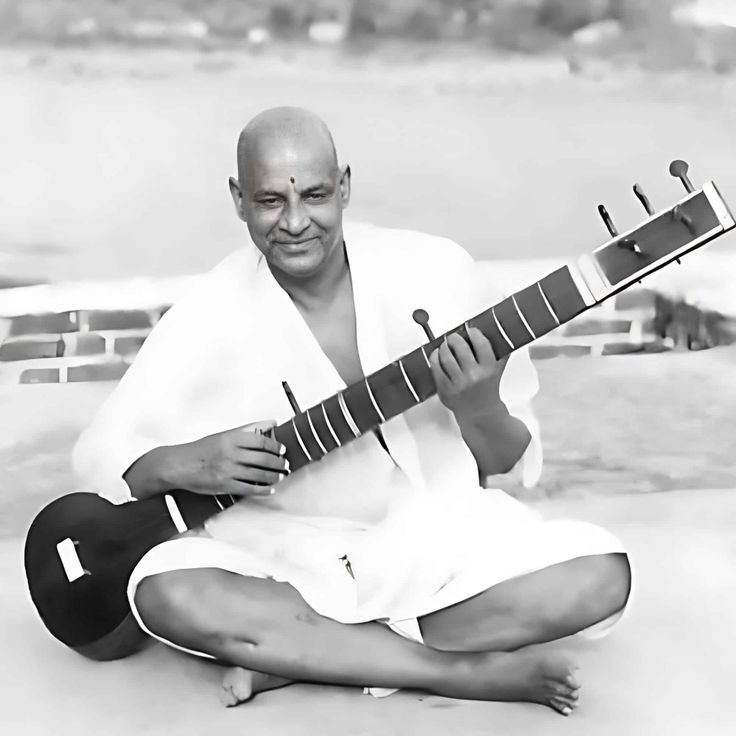
Swami Sivananda sitting and playing tanpura outdoors. image
Getting Started, Swami Sivananda

Instructions to Aspirants

Instructions to Aspirants by Swami Sivananda Take up memory-culture in the beginning. Take to any exercise that suits you best and put it in daily practice. Keep a daily record. This is very important. Mere skipping over the pages will not do. You will not be benefited. If you really want rapid improvement, if you want to become a real man, put the lessons in practice and take down notes. You can watch your progress and correct your mistakes. I want to make you practical man quickly. Keep special notebooks. Send me a copy of the notes of exercises that you have done in a month. I will make corrections and give you very valuable suggestions. I will put you in the right path. If you are very earnest and sincere, you can finish up the memory exercises in three months. For a mediocre, I allow six months. For a third-class type, I allow one year. After you are well up in memory-culture, you can take up will-culture. You have gained now some success and power through memory-culture. This will give you a great impetus in the will-culture. You will be rejoicing now. You will be training your every nerve in the practice of will-culture. You have already started the current. It will keep up your zeal and enthusiasm. Practise the assertions boldly and calmly. Finally understand the meaning of every assertion and try to feel it. The feeling will slowly manifest. Do not be discouraged. You will have to fight against your old enemies, the old Samskaras. Wait coolly. Try to develop patience, attention, power of endurance, balance of mind, presence of mind, etc. These qualities are very necessary to develop your will. Develop attention also. Practise will-culture for three months. You will feel your inner strength. The things that appeared difficult sometimes ago can be done with ease now. You will feel that you now have an unruffled mind. Things that easily upset your mind cannot do so now. You can turn out immense work quite smoothly. Your walk is graceful. Your speech is powerful. You are quite a changed man. There is a glow in your cheeks and a peculiar charm in your smile. You are now able to influence many. Your friends notice a magnetic aura in your face. The practice of concentration should go hand in hand with the memory and will-cultures. Concentration is an auxiliary in all cultures. No culture is possible without concentration. Have regular concentration daily in the morning for half an hour or one hour. Have a spiritual basis in your concentration. You practise concentration not only for developing your memory and will, but mainly for Self-realisation. That is the chief aim. Never, never forget this point. This is the fundamental difference between my system and the various other systems. Brahmacharya and Self- realisation are the keynotes of my system. I harp on these two points in various places. I want you to develop your memory and will for success in life and achievement of Brahmic bliss eventually. Concentrate on the picture of Lord Krishna or Lord Rama or Lord Siva or Lord Jesus or Lord Buddha or Prophet Mohammed, according to your inclination. The practice of concentration will immensely help your memory and will- culture also. Keep a record of your experiences in concen- tration in your diary and send a copy to me every month. The fourth point is the development of virtues. Go through the articles “Character Building” and “Subconscious-Mind.” You will understand the method of developing various virtues. Develop that virtue which you are hopelessly lacking in. Courage, mercy, universal love, nobility, forbearance, contentment, frankness and honesty, must be developed one by one. Take up one virtue every month and meditate on that virtue regularly. You will manifest that virtue in your character. If you develop one important virtue, all other virtues will cling to you. If you have humility and courage, all other virtues will come of their own accord. You should spend daily some time, say half an hour, for development of virtues. If you are established in Brahmacharya or truthfulness, all other virtues will cling to you by themselves. Take up one of these virtues-humility, courage, Brahmacharya and truthfulness-for development. The fifth point is eradication of evil qualities. The development of virtuous qualities will itself remove the negative qualities. But, it is better to make a positive attempt also in the eradication of these evil qualities. Then the progress will be rapid. It is a double attack on the enemy. Then success becomes easy and sure. If you could remove lust or anger or egoism, all other evil qualities will disappear by themselves. All evil qualities are the attendants of egoism. If egoism is destroyed, if the commander is slain, all the soldiers and retinues will take to their heels, out of fright, because they have lost their head. All vices originate from anger. If anger is destroyed, all sorts of vices will vanish. Therefore, concentrate your attention in killing egoism or anger. Then the whole work is done, and done perfectly, too. The sixth point is the discipline of the Indriyas. This is very important. If the Indriyas are turbulent, you cannot have concentration. Watch every Indriya carefully and curb it by suitable methods, such as fasting, Mouna, Trataka, celibacy, renunciation of articles, Dama and Pratyahara (vide the article on “Discipline of Indriyas”). Indriyas draw you out and make your mind outgoing. Curbing of the Indriyas really means the curbing of the mind. The Indriyas cannot do any independent work without the direct help of the mind. The seventh point is physical culture. I again remind you that no culture is possible if you do not possess a sound and healthy body. Keep your body strong and healthy, vigorous and active, by regular exercises. You must have a beautiful, symmetrical body. The eighth point is the keeping up of a daily diary. If you want quick and rapid progress, if you want

Instructions to Aspirants Read Post »

Swami Sivananda with red background image
Getting Started, Swami Sivananda

Details of the Spiritual Diary

Details of the Spiritual Diary by Swami Sivananda 1. When did you get up from bed? “Early to bed, early to rise, makes a man healthy, wealthy and wise.” You must get up at 4 a.m., and practise Japa and meditation. The meditative state of the mind will come by itself without exertion at this period. 2. How many hours did you sleep? Sleep for six hours is quite sufficient for every individual. Go to bed at 10 p.m., and get up at 4 a.m. Napoleon Bonaparte believed in only four hours of sleep. Too much sleep makes a man dull and lethargic. Too much sleep causes premature decay and weakens the brain-power. Those spiritual aspirants who want to do rigorous Sadhana should reduce the sleep gradually. For three months reduce the sleep by half an hour. During the next three months go to bed at 11 p.m., and get up at 4 a.m. In this way you can conquer sleep and become one like Arjuna or Lakshmana. 3. How many Malas of Japa? Japa is an important limb of Yoga. In this Kali Yuga, Japa and Kirtan are effective Sadhanas for God-realisation. Japa results in Samadhi or communion with God. Japa is the repetition of the name of the Lord. There are three varieties of Japa, viz., Vaikhari (verbal), Upamsu (whispering), and Manasic (mental). Have a Japa Mala (rosary) round your neck or in your pocket or underneath your pillow at night. Use a Mala of 108 beads. A Mala is a whip to goad the mind towards God. The fruits of Manasic Japa are ten thousand times more than Vaikhari or Upamsu. Always try to do mental Japa when you are busy in daily activities. Make it a point to repeat the Mantra some thousand times and record the number in the diary. 4. How long in Kirtan? Repetition of God’s name enables the devotee to feel the divine presence, the divine glory and the divine consciousness within himself and also everywhere. How powerful is God’s name! When one sings His name or hears its sound, he is unconsciously raised to sublime spiritual heights. He loses his body-consciousness. He is immersed in joy and drinks deep the divine nectar of immortality. Sankirtan is singing God’s name with Bhava and Prema or divine feeling. Sankirtan brings Darshan of God or attainment of divine consciousness easily in this Kali Yuga. 5. How many Pranayamas? Pranayama is ‘control of breath’. Sit in Padmasana, Sukhasana, or any other comfortable pose, with an empty stomach. Close your eyes. Close the right nostril with the thumb. Draw in the air very very slowly through the left nostril. Now close your left nostril with the little and right fingers, and retain the breath as long as you can comfortably keep. Then very very slowly exhale through the right nostril after removing the thumb. Again draw in the air through the right nostril retain it as long as you can and exhale through the left nostril very slowly. This is one Pranayama. To start with, do five Pranayamas in the morning and evening and gradually increase to 10 or 20. This is Sukhapurvaka-easy, comfortable Pranayama. 6. How long did you perform Asanas? Asana is the first stage of Ashtanga Yoga. Padmasana and Siddhasana are intended for doing Japa and meditation. Do not often change the Asana. Stick to one and gradually increase the period to even three hours. Sirshasana, Sarvangasana and other exercises are intended for maintaining good health. They remove various diseases. These Asanas will awaken the Kundalini Sakti. Perform the Asanas when the stomach is empty or light. Early morning and evening are very good for the practice of Asanas. Practise the Asanas in well-ventilated room or on the sandy beds of rivers, open airy places, or seaside. During the practice repeat your Ishta or Guru Mantra. 7. How long did you meditate in one Asana? Sit in Padmasana or Sukhasana in your meditation room. Early morning between 4 and 6 is the best period for contemplation and Japa. You can have another sitting in the night also. Take your seat before the picture of your Ishta Devata. Look at the picture steadily for a few minutes. Repeat some Stotras mentally. Then close your eyes and visualise the picture. Repeat the Ishta Mantra mentally. Sit for meditation for half an hour in the beginning and try to increase the period to three hours by gradual daily practice. When you sit on your Asana for meditation, do not shake the body. Try to keep up one current of thought of God. 8. How many Gita Slokas did you read or get by heart? Study of scriptures is Kriya Yoga or Niyama. It purifies the heart and fills the mind with sublime and elevating thoughts. Gita is a unique book for Svadhyaya. It contains the essence of all the Yogas and the cream of the Vedas. You can devote half an hour to three hours for this purpose according to the time at your disposal. 9. How long in the company of the wise (Satsanga)? The glory and power of Satsanga or association with the wise, Saints, Yogins, Sannyasins and Mahatmas, is described in detail in Bhagavata, Ramayana, and other holy scriptures. Even a moment’s company is quite sufficient to overhaul the old vicious Samskaras of the people. Service to Mahatmas purifies the mind of passionate men rapidly. Satsanga elevates the mind to magnanimous heights. Study of books written by realised persons will also be tantamount to Satsanga. 10. How many hours did you observe Mouna? Monna means vow of silence. Energy is wasted in idle talking and gossiping. Mouna develops will-power. Mouna checks the impulse of speech. It is a great help for the observance of truth and control of anger. Emotions are controlled and irritability vanishes. Observe Mouna at least for one hour or two hours a day. During Mouna, sublime thoughts should replace worldly thoughts and Japa should be done. 11. How

Details of the Spiritual Diary Read Post »

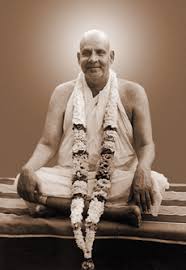
swami sivananda Sepia photo of garlanded monk seated cross-legged with calm smile image
Saints and Masters, Swami Sivananda

Zoroaster

Zoroaster by Swami Sivananda There is no certainty at all about the age in which Zoroaster lived. Some say that Zoroaster lived about 6000 B.C. Others maintain that he flourished in the middle of the seventh century B.C. Zoroaster was the greatest prophet among the ancient Iranians. He took his birth in order to establish the worship of Ahura Mazda, the Supreme Lord of the Universe and to fulfil the Divine Mission. His own original writings, the precious Gathas in the Avestan language, indicate that he was a God-intoxicated person. Zoroaster’s father was the venerable Porushaspo and his mother Dughdhvo. Zoroaster was born in the west of Iran in Takht-e-Suleman in the district of Azerbaijan. He was a direct descendant in the royal line of the house of Manushcihar, the ancient King of Iran. The Prophet of Iran is known to his followers as Zarathustra. (Possessor of yellow or old camels. Ustra’ means camels.) When the Prophet of Iran was born, nature rejoiced. The trees, rivers and flowers expressed their joy and delight. The demons were frightened. As soon as the child was born, he did not cry like an ordinary mortal. He made a loud laughter. Many angels and archangels came to adore him. Zoroaster’s family name was Spitama’, which means White’. Zoroaster had two elder brothers and two younger brothers. The birth of Zoroaster was miraculous. The glory of Ahura Mazda descended from heaven and entered the house of the future mother of the prophet. When she was pregnant, archangels came to her and worshipped and praised the unborn child. Zoroaster married three times and had many children. His first wife had one son and three daughters. The youngest daughter Pourucista married Jamaspa, who was the uncle of Zoroaster’s third wife. Zoroaster had two sons by his second wife. We know very little of the early life of Zoroaster. Even when he was a boy, he showed great wisdom. He argued with wise men and censured the heretics. Demons and evil spirits tried to kill him. The Turanian King Durasrobo also tried to kill the child, but the life of the prophet was miraculously saved by the all-merciful Lord. Zoroaster developed dispassion when he attained the age of sixteen. The objects of the world lost all attraction for him. He despised all mundane pleasures. He rose above all sensual cravings. He showed intense love and compassion for all living beings Zoroaster left his home at the age of twenty and wandered from place to place. He led a life of purity and righteousness. He roamed about in forests. He lived alone in caves and mountain-tops. He controlled his tongue and subjugated his other senses also. He was very abstemious in his diet. He spent his time in calm meditation. Zoroaster experienced Samadhi or communion with Ahura Mazda, the Supreme Lord of the Universe, on the top of Mount Sabatam. He had prophetic divine visions. He conversed directly with Ahura Mazda and received the wisdom of the Lord. He received seven revelations from Ahura Mazda. At the age of thirty, he came out as the Prophet of God. After receiving the divine light of revelation, he became the renowned messenger of Ahura Mazda. Several archangels helped Zoroaster in the spiritual path. Archangels are divine messengers of the highest order. They are the attendants of Ahura Mazda. They correspond to the Siva-Ganas-the attendants of Lord Siva;-and to Jaya, Vijaya, Nanda, Sunanda, etc.-the attendants of Lord Vishnu. They are the guardian-deities or the Lokapalas of the world. Zoroaster had direct conversation with these archangels. Vohumanah is the archangel of good thought. He is also the presiding Lord of domestic animals. He appeared before Zoroaster and helped him to cast off the physical sheath and directed his soul to the supreme abode of Ahura Mazda. Ahura Mazda Himself gave instructions to the Prophet and imparted divine wisdom to him. Zoroaster obeyed the commands of Ahura Mazda. When Zoroaster was coming down from the celestial abode of Ahura Mazda, he was terribly attacked by the evil force Ahriman, the Satan of Zoroastrianism. Ahriman wanted to kill Zoroaster, but Zoroaster’s spiritual powers saved him. The Prophet became the master of all demons after conquering Ahriman. He began to preach again. Zoroaster experienced a second vision. The same archangel asked the prophet to take great care of the animals and to protect them. Then Zoroaster conversed in his third vision with Asha Vahishta, the archangel of righteousness who is the presiding Lord of sacred fires. The archangel commanded Zoroaster to protect the sacred fire and all fires. Zoroaster conversed with Khehathra Vairya, the archangel of good royalty who is the presiding Lord of metals. The archangel commanded the Prophet to take care of the metals. Then Zoroaster conversed with Spenta Armaith, the archangel of modesty, who is the presiding Lord of earth. Then he conversed with Hauravatat, the archangel of health who is the presiding Lord of the waters. Lastly, he conversed with Ameretat, the archangel of immortality who presides over plants. Zoroaster had a perfect knowledge of the celestial hierarchy of gods through these visions. Zend Avesta, which is the Bible and the Gita of the Parsis, contains the wisdom which the Prophet received from Ahura Mazda, the Supreme Lord. The divine experiences of Zoroaster are similar to the experiences of Satyakama Jabala of the Chhandogya Upanishad. The Wind-God, the God of Fire, the Sun-God, and Varuna or the presiding Deity of the Waters imparted divine wisdom to Satyakama. Archangel Vahishta is the Fire-God or Agni of the Hindus. Archangel Hauravatat is Varuna of the Hindus. Zoroaster disliked the Kavis and the Karpans, who were the chiefs of the demon-worshippers. The Karpans were devoted to rites and ceremonies. They were addicted to the use of Homa, the intoxicating drink, in their religious ceremonies. The Prophet tried to convert all the demon-worshippers, the evil men and women and their chiefs, viz., the Kavis and the Karpans. The Kavis and the Karpans were the priests.

Zoroaster Read Post »

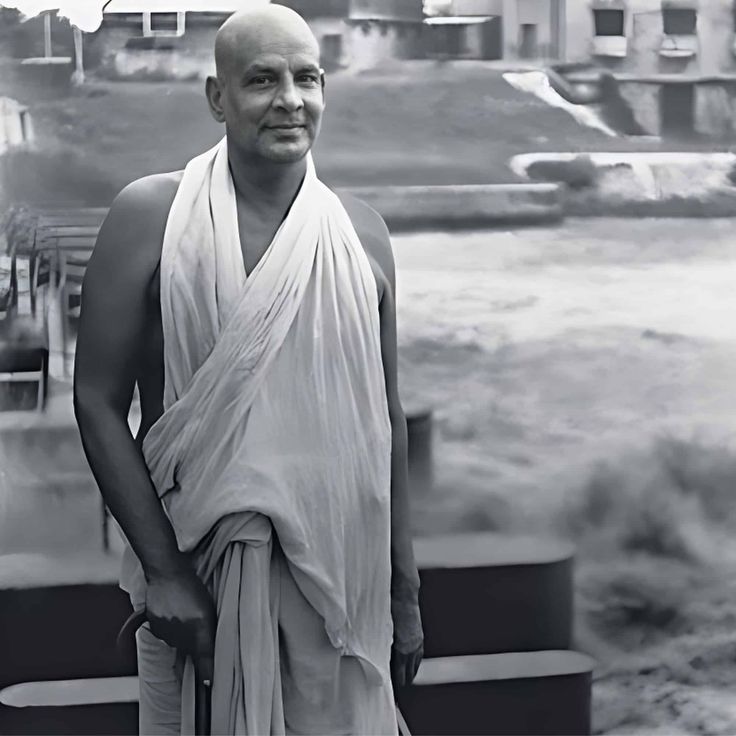
Swami Sivananda Spiritual monk standing outdoors holding walking stick in robe image
Getting Started, Swami Sivananda

Importance of Keeping a Spiritual Diary

Importance of Keeping a Spiritual Diary by Swami Sivananda The keeping up of a daily spiritual diary is an indispensable requisite and of paramount importance. Those who are already in the habit of keeping it know its incalculable advantages. Diary is a whip for goading the mind towards God. It shows the way to freedom and eternal bliss. It is your Guru. It is the eye-opener. It develops the Manana-Sakti or the power of reflection. It will help you to destroy all your evil qualities and to be regular in your spiritual practices. If you regularly maintain a diary, you will get solace, peace of mind and quick progress in the spiritual path. Those who desire to grow in morality and spirituality, those who wish to evolve rapidly must keep a daily record of their actions. All great men of the world keep diaries. The life of Benjamin Franklin is known to you all. He kept a daily diary. He noted down the number of untruths and wrong actions for which he was responsible during the course of the day. In course of time, he became a perfect man. He had perfect control over his mind. Mahatma Gandhi used to advise the students to keep a daily diary always. A big thief is hiding himself in your brain. He has snatched away your Atmic pearl. He is giving you immense worries and troubles. He is deluding you. The thief is your mind. You must not be lenient towards him. You must kill him ruthlessly. There is no other sword sharper than this diary to kill him. It checks his happy-go-lucky ways and destroys him eventually. All your daily mistakes will be corrected. A good time will come when you will be entirely free from anger, untruth, lust, etc. You will become a perfect Yogi. Your father and mother gave you this body. They gave you food and clothing. But this diary is superior to your parents. It shows the way to freedom and eternal bliss. It gives you solace, satisfaction and peace of mind. Turn the pages of your diary carefully once a week. If you can record your actions every hour, your growth will be rapid. Happy is the man who keeps a daily diary for he is very near to God. He has a strong will and he is free from defects and mistakes. By keeping a spiritual diary you can then and there rectify your mistakes. You can do more Sadhana and evolve quickly. There is no other best friend and faithful teacher or Guru than your diary. It will teach you the value of time. At the end of every month calculate the total number of hours you spent in Japa, study of religious books, Pranayama, Asanas, sleep, etc. Then you will be able to know how much time You are spending for religious purposes. You have got every chance to increase the period of Japa, meditation, etc., gradually. If you maintain a daily diary properly, without any fault in any of the items, you will not like to waste even a single minute unnecessarily. Then alone will you understand the value of time and how it slips away. Compare the total of the last month with those of the previous months. Find out whether you have progressed in your Sadhana or not. If you have not progressed, increase your practice daily. You can do more Sadhana and evolve quickly. In maintaining a diary, you should not utter any falsehood anywhere. You are keeping it only for your own benefit. It is the diary of a religious aspirant who is treading the path of truth to realise Truth. Acknowledge your faults openly and endeavour to rectify yourself in future. You should not neglect to record everything in your diary. It is better if you compare the progress of your work of the present week with that of the previous week. If you are not able to do so once a week, you must at any cost compare it once a month. Then you will be able to make various adjustments in different items, increase the period of Japa and meditation and decrease the time of sleep. Self-punishment consists in giving up the night meals and in doing fifty Malas of Japa more than the usual number. The filling in of the form should not be a mere routine work. The annexed form is only a specimen for guidance. These items should be copied on a foolscap size paper neatly with columns drawn for all the days of the month. Do not be ashamed to mention your mistakes, vices and failures. This is meant only for your own progress. Do not waste your precious hours. It is enough that you have wasted so many years in idle gossiping. Enough, enough of the troubles you had all these days in satisfying your senses. Do not say, “From tomorrow, I will be regular.” That “tomorrow” will never come. Be sincere and start doing Sadhana from this moment. If you are really sincere, He is ever ready to help you and give you a push in your spiritual march. He who regulates his life on the above lines is sure to become a Jivanmukta or a Yogi in this very birth. Do it practically and see how you grow. Start maintaining a spiritual diary from this moment itself and realise the marvellous results.

Importance of Keeping a Spiritual Diary Read Post »

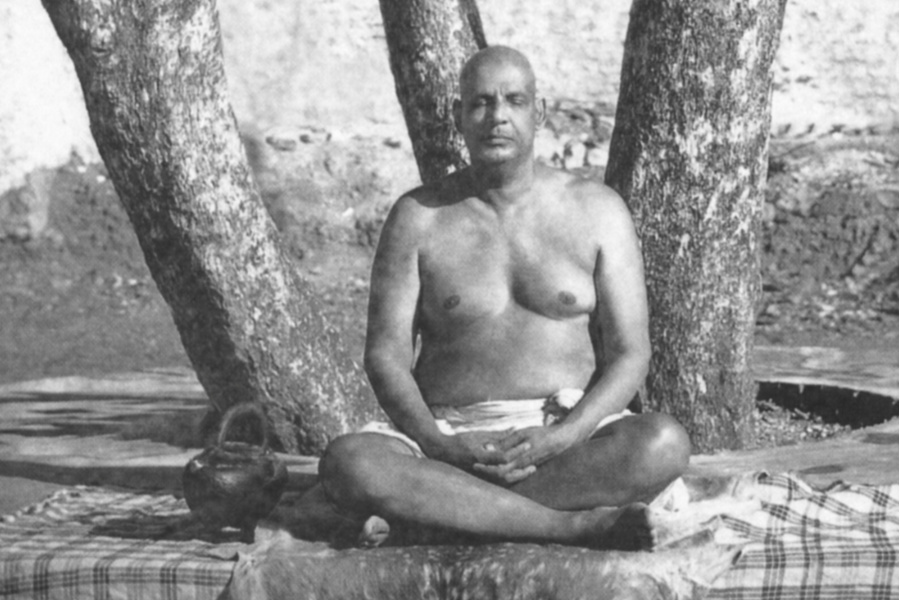
swami sivananda Monk meditating under tree outdoors image
Getting Started, Swami Sivananda

Physical Culture

Physical Culture by Swami Sivananda Physical culture or development of the body is as much important as the development of the mind, will, or memory. If the body is not kept strong and healthy, vigorous and active, no culture is possible. All cultures depend upon a sound body. “Mens sana in corpore sano” is a wise saying, which means ‘a sound mind in a sound body’. The body is the temple of God. It should always to be kept scrupulously clean by daily bath, good scrubbing with a clean towel, to open the pores of the skin which might have been clogged by sweat and sebum or fatty exudation. There are different kinds of physical culture. You will, of course, have to select one according to your needs, taste, temperament and capacity. A man of delicate and poor health should take to long brisk walks, both morning and evening. You should always make it a point to walk alone. Then you can feel the presence of the Almighty everywhere, and can be in perfect tune or harmony with nature. Morning walks are very pleasant. The cool breeze is very refreshing and vitalising. The fragrance of flowers in gardens is, indeed, invigorating. Finish the walk before sunrise. The walk should not be like that of a matrimonial procession. Slow walking cannot give you any substantial benefit. It should, therefore, be brisk. You should have good perspiration. Then only it is an exercise. You should always walk at least three or four miles per day. You can do Pranayama, too, while walking. Inhale for six steps. Retain for six steps. Then exhale for six steps. This is a good practice. Now I come to another kind of exercise, viz., running. This is the best form of exercise. The lungs are developed well by running. The blood is purified. Run in the open air. I like this very much. I always run in the open air even now. You can have exercise of a truly vigorous type in a short space of time. The famous surgeon, the late Dr. Rangachari of Madras, used to run in the open air daily. Running on the seashore is immensely beneficial. You can charge the lungs with ozone, double volume of pure oxygen. Repeat OM mentally when you run. This will spiritualise the physical exercise. Wipe off the perspiration with your hands. Rub it in the body itself. Do not use a towel. Swimming is also one of the best kind of exercises. It stretches all the muscles of the back. Lumbago is relieved. You can practise Pranayama also, while floating. This can be practised in a big tank or a big well. Tennis is also a good exercise. There is running as well. It is a gentle game that never tires a man much. It is pleasant and exhilarating. It develops the ankles and the fingers as well. Though Badminton is styled “ladies’ game”, yet there is plenty of exercise in it. One has to run from one corner of the court to another. Those who have got strength and who want to develop their chest and arms, shoulders and other muscles, should invariably take to gymnastics. The biceps, the deltoid, and the triceps are well developed. A gymnast has a very beautiful, expanded chest. Pumping, bend-arm march, press-up in the parallel bars, are also very good exercises. The Indian system of exercises, such as Dand-Baithaks, is also very good. There is a symmetrical development of all the members of the body. The effects are lasting. It is also not costly. You need hardly spend a single pie. The Baithaks develop the calf muscles very beautifully. Kasrats develop the chest and arms. You can practise these exercises in any place. You can practise Suryanamaskar also daily. It is highly beneficial for one and all, irrespective of age and sex. It is a happy combination of some Asanas, Pranayamas, and prostrations to God Surya or Sun. Those who suffer from eye-diseases will find a good remedy here. Diseases of the liver, stomach, intestines and kidneys, are infallibly cured. The votaries of Suryanamaskar are daily increasing and the system is becoming more and more popular. The Raja of Oundh (Satara) has written a good book on this system, both in English and Hindi. Asana is a perfect form of physical exercise founded by the Rishis of yore. It is a unique and unparalleled system. It is not merely physical exercise. There is something spiritual, something divine, for the Asanas awaken the Kundalini-Sakti (Serpent-Power). Asana is more than physical exercise. It gives massage to the internal organs. This benefit cannot be derived from any other system. It cures diseases. That is one great advantage in this system. Some Asanas like Sirshasana, Sarvangasana and Siddhasana are very, very useful in the up-keep of Brahmacharya. Bhujangasana, Salabhasana and Dhanurasana remove constipation. The Nauli Kriya, which rotates the muscles of the abdomen, is a unique Kriya, that removes the diseases of the abdomen and increases the digestive fire. No exercise in any system can stand before this Kriya in its potency and efficacy. It is God-sent. There are splendid and admirable exercises for keeping the spine elastic. They are Paschimottanasana and Yoga Mudra, Chakrasana, Ardhasupti Asana and Matsyendrasana. If you do not keep the spine elastic, the spinal column will ossify and degenerate quickly. You will appear old, though you are young. A man who practises these spinal exercises will be as nimble as a squirrel. He will never look old. Whatever the system may be, there should be some exercises to develop the upper extremities, such as the arm and the forearm. There must be some exercises for developing the thighs and legs. There should be some exercises for bending the spine forward, backward and laterally. There must be some exercises for developing the chest and neck and the abdomen. That system which does not contain a happy combination of these exercises is surely defective. Those who are doing exercises

Physical Culture Read Post »

Swami Sivananda yoga master performing asanas and meditation in different scenes
Saints and Masters, Swami Sivananda

Prophets

Prophets Hinduism, Zoroastrianism, Judaism, Buddhism, Christianity and Islam are the six great religions of the world. There is no founder for Hinduism. All the other religions have their founders. They are named after the name of the founder (except Islam). Jainism is only another form of Buddhism. Sikhism is based chiefly on Hinduism and partly on Islam. Brahmoism is born of Hinduism and Christianity and so on with other minor religions. Whenever any important truth of religion was suppressed by the arrogance and selfishness of the priestly class or forgotten through the ignorance of the people, there appeared a great Saint or Prophet or Religious Teacher. He emphasized that truth, removed the dross which had concealed or obscured it and made it shine in its original brilliance, purity, splendour and glory. In this way every new religion was only an endeavour to reform the older religion as it then existed and a protest against its abuses. When in olden times people forgot all about the Vedic monotheism (Hinduism), there arose Zoroaster. He preached the worship of one God, Ahura Mazda, and condemned the worship of Devas (gods). When the religion of the Vedas (Hinduism) degenerated into a blind observance of rites and sacrifices of animals, when the Sudras (servants) were treated with contempt by the Brahmins (priests), there appeared the compassionate Buddha, who stopped killing of animals and raised the status of Sudras. When the priests of Judaism became arrogant, there arose Jesus to purify Judaism. When Christianity had also degenerated into idolatry and superstition, there appeared Mohammed to preach his monotheism. Thus all great religious teachers were original reformers. They tried to improve the existing religions and to do good in their own way to suit the time and condition in which they were born. Here is a compilation of what Gurudev Swami Sivanandaji Maharaj wrote about the great prophets who were born in various parts of the world.

Prophets Read Post »

Swami Sivananda seated on chair in arch design image
Getting Started, Swami Sivananda

Thought Culture

Thought Culture by Swami Sivananda This is also another vital subject. Very few people know this art or science. Even the so-called educated people are unaware of this fundamental education. All have random thinking. All sorts of loose thoughts of diverse kinds come and go in the mental factory. There is neither order nor harmony. There is neither rhythm nor reasoning. There is neither concord nor organised working. There is neither system nor discipline. All is in utter chaos and confusion. There is no clarification of ideas. You cannot think of one subject even for two minutes in an orderly and systematic manner. You have no understanding of the laws of thought and the laws of the mental plane. There is a perfect menagerie inside. All sorts of sensual thoughts fight amongst themselves to enter the mind of a sensualist and gain the upper hand. The eye Indriya struggles to bring its own thoughts. It wants to have sight-seeing. The ear Indriya wants to hear radio music, and so on. In the vast majority of persons, only base thoughts, lustful thoughts, thoughts of hatred, jealousy and fear, exist. They cannot entertain a single sublime divine thought even for a second. Their minds are so framed that the mental energy runs into sensual grooves. Every man has got his own mental world, his own mode of thinking, his own ways of understanding things, and his own ways of acting. Just as the face and voice of every man differ from those of another man, the mode of thinking and understanding also differs. That is the reason why misunderstanding easily occurs between friends. One is not able to understand rightly the views of another. Hence friction, rupture and quarrel occur within a minute even amongst fast friends. The friendship does not last long. One should be in tune with the mental vibrations or thought vibrations of another man. Then only one can easily understand another. Lustful thoughts, thoughts of hatred, jealousy and selfishness, produce distorted images in the mind and cause clouding of understanding, perversion of intellect, loss of memory, and confusion in the mind. Every thought has got image, form, dimension, weight, shape, colour, etc. Thought is as much matter as a piece of stone. Thought moves, and passes from one man to another. Thought influences people. A man of powerful thought can influence readily people of weak thoughts. Telepathy is a branch of occult science wherein the Yogi can transmit messages to any man in any part of the world. Telepathy is the first telegraphic or telephonic system in this world, known to Yogins and occultists of ancient days. A thought of anger or hatred sends arrows from the mental factory towards the person aimed at, harms the individual, sets up discord and disharmony in the thought-world, and comes back again to the sender and harms the sender also. If one can understand the effect and power of thought, he will be very careful in the manufacture of his thoughts in his mental laboratory. One should develop the faculty of producing only pure Sattvic thoughts by protracted mental discipline, dietetic adjustments, repetition of good Slokas with meaning, good company, study of divine books, Japa, meditation, Pranayama, prayer, etc. A good man can help his friend, even though he lives at a long distance, by good thoughts. You must not allow any evil thought to enter your mental factory. Watch always your thoughts. Avoid useless and base thinking, and reserve or conserve your mental energy. Energy is wasted in idle thinking. Keep yourself always occupied in doing virtuous actions and the study of religious books. You can thereby cultivate good and sublime thoughts. Destroy random thinking. Take a subject, and think on its different aspects and bearings. When you think so on one subject, never allow any other thought to enter the conscious mind. Again withdraw the mind to the subject on hand. Take for instance: you begin to think on the life and teachings of Jagadguru Adi Sankaracharya. Think of his birthplace, his early life, his character, his personality, his virtues, his preachings, his writings, his philosophy, some of the important utterings in his works or Slokas, the Siddhis that he exhibited from time to time, his Digvijaya, his four disciples, his four Maths, his commentary on the Gita, the Upanishads and the Brahma Sutras. Think of these items one by one, in order. Exhaust them. Again and again bring the mind to the point. Then take up another subject. By this practice, you will develop organised thinking. The mental images will gain intense strength and force. They will become clear-cut and well-defined. In ordinary persons, the mental images are destorted and undefined. Every thought has got an image. A table is a mental image plus some external something. Whatever you see outside has got its counterpart in the mind. The pupil is a small round thing in the eye. Retina is a small structure. How is it that the image of a big mountain seen through a small aperture or structure is cast on the mind? How does the big form of a mountain enter a tiny hole in the eye? This is a Marvel of marvels. The image of a mountain already exists in the mind. The mind is like a big, vast sheet of canvas cloth that contains all the pictures of the objects seen outside. You must have a knowledge of the mental laws, viz., the law of association, the law of relativity, and the law of contiguity. Then you can develop thought-culture very easily. You can remember things through the ‘law of association’. Brahmacharya and pure Sattvic diet are essential for thought- culture. Get up at 4 a.m. Sit on Virasana or Padmasana or Siddhasana. Repeat your Mantra-Om or Ram or Hari Om-for ten minutes, and then practise thought-culture. Have another sitting at night. When you think on one subject, do not allow other thoughts to enter. When you think of rose, think of

Thought Culture Read Post »