






















Variety of Kirtan
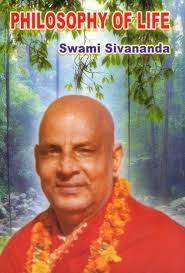
Variety of Kirtan by Swami Sivananda Sankirtan Yoga can be practised by sincere devotees and earnest Sadhakas after God-realisation in a variety of ways. Just as we take delight in preparing various kinds of dishes out of one and the same vegetable and relish their tastes immensely in each of the preparations individually, even so devotees sing in ecstasy the blessed Names of the Lord and enjoy the unparalleled spiritual bliss. Mind is a peculiar combination of various kinds of moods, temperaments, whims, fancies and sentiments. It is a strange mixture of various sentiments, emotions, etc., that is known in this world. Therefore the Rishis of yore have designed various methods to control the mind. Control of the mind forms the most important and major item of spiritual Sadhana in the path of God-realisation. Bhakti Yoga and specially Sankirtan being the easiest, surest and quickest means of God-realisation it is worthwhile giving very careful attention and earnestness in its practice and hence details will be of great help to Sadhakas in this direction. Of the various methods of Sankirtan we have the following varieties. People of different communities, localities and provinces conduct Kirtan in their own usual and established manner. For example there is Sankirtan prevalent in Latvia, a description of which is given elsewhere in this book. Srimati Anna Plaudis of Riga is a great Sankirtan enthusiast in Latvia and through her we know something of Latvian Sankirtan which the members of the Divine Life Society at Latvia also practise. In South India they have what is called ‘Divya Nama Kirtan.’ Maharastrians, Bengalis, Gujaratis, Biharis, etc., have their own ways of conducting Sankirtans in their places. Some of the most important and existing modes of Sankirtan are 1. Akhanda Kirtan, 2. Prabhata Kirtan, 3. Prabhat Pheri, 4. Nagar Kirtan, 5. Boat Kirtan, 6. Lorry Kirtan, 7. Kirtan on elephant back, 8. Party Kirtan, 9. Nama Kirtan, 10. Gunanuvad, 11. Yas Kirtan, 12. Naradiya Kirtan, 13. Lila Kirtan, etc. Thus Sankirtan can be done in a variety of ways to suit the temperament, time and place. Sankirtan can be done without any restriction to its time and place. Not only Bhaktas, even Vedantins can do Sankirtan and we have Vedantic Kirtans. The attributes of the Nirguna Brahman are described by means of attractive Kirtans. Generally Sankirtan is conducted in temples, houses etc. Devotees join together at sunset in temples or they keep a photo of the Lord in a hall, decorate it with flowers etc., and seat themselves in front of the picture in two rows facing one another. In the beginning Omkar or Pranava is chanted loudly in chorus by all the devotees three times. Then Ganesa and Guru Kirtans are sung. One of the devotees sings the Names of the Lord melodiously and others follow him next. This method ensures more attention, harmony and uniformity. This preliminary Kirtan consisting of Ganesa and Guru Kirtan lasts for about five minutes. Next the Maha Mantra or Kalisantarana Upanishad Mantra, ‘Hare Rama, Hare Rama’ is repeated for nearly 10 minutes. Then the turn comes for all other devotees too to sing and lead the Kirtan individually. They sing for a definite period and it is beneficial to keep 5 to 10 minutes as the minimum time. When all the devotees have sung Kirtan the Kirtan is concluded with Jayajayakaras, prayer for world peace and repetition of Santi-Mantra ‘Purnamadah Purnamidam’ etc. In the end there should be common meditation for a few minutes. There should be also Arati to the Lord’s picture and distribution of the sacred Prasad. Next comes Akhanda Kirtan a detailed description of which is given in the book Bhakti and Sankirtan. Sankirtan is conducted in the early morning hours also. The devotees leave their beds at 4 a.m., wash their faces, teeth etc. They also take a bath if convenient and then sit for Sankirtan. They keep their Ishtadevata in front of them and do Kirtan as mentioned above. Before the starting of Kirtan they repeat certain sacred hymns to Sadguru, Lord Vishnu, Sarasvati and others. This is called Prabhata Kirtan. When Prabhata Kirtan is concluded the devotees start the Prabhata Pheri. Pheri means going round and Prabhata Pheri means going round in the morning doing Sankirtan of God’s Names in a batch. Generally Prabhata Pheri is conducted before sunrise. It is done as the first item of the programme in all spiritual congregations and assemblies like Sankirtan Sammelan, Sadhana Weeks etc. This serves to make the people know of the forthcoming congregation. The philosophy behind Prabhata Pheri is this. The people of the locality who are not in the habit of getting up before sunrise will develop the habit of waking before sunrise, in the Brahmamuhurta. They will hear the Names of the Lord chanted as soon as they get up which purify the inner impurities of mind. The effect of the Prabhata Pheri Kirtan is beyond description. It generates a divine current in the whole Mohalla or town. There will be peace, joy, and ecstasy in the minds of all those who sing and hear. NAGAR KIRTAN:- This is generally done in the evening after 4 p.m. It can be conducted in the morning also. Here the group of devotees start from a particular place with harmonium, Kartals, and other instruments of music. After Ganesa Kirtan, Guru Kirtan and Mahamantra Kirtan the devotees sing various other Sankirtan Dhvanis. Nagar Kirtan can be done without instruments also. This is more effective. The pure vibrations of the Lord’s Names will not be tainted by the instrumental sounds in the middle. The devotees go round the town and return to the place where they started and do Arati to the Lord with great zeal. Nagar Kirtan is conducted on Purnima, Ekadasi and other days sacred to the devotees like Ramanavami, Janmashtami, Sivaratri etc. In South India Nagar Kirtan is conducted in many places at night with grand illumination. In the month of December Nagar Kirtan is conducted daily