
















Jnanadev
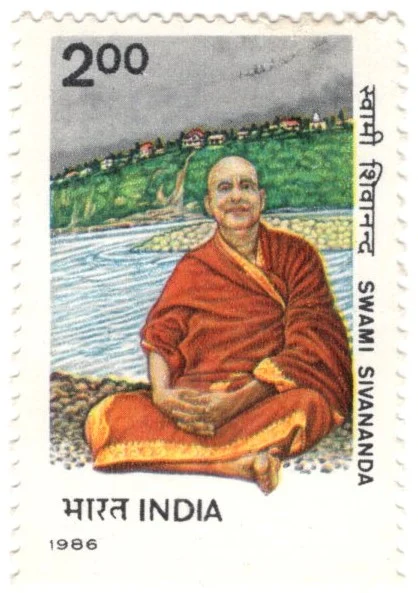
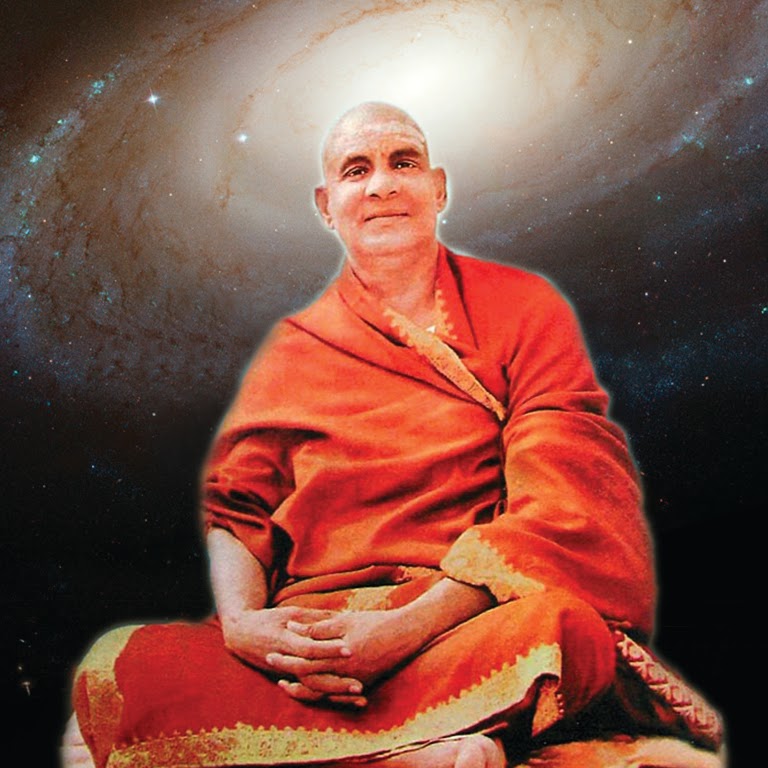
Jnanadev by Swami Sivananda The name of Saint Jnaneshwar is on the lips of everyone in Maharashtra. He was a born Siddha. He was a Yogi of high attainments. He had control over the elements. His work Jnaneshwari is the crest-jewel of Marathi literature. The simple style, the beautiful illustrations and the apt similes have rendered the book attractive, charming and extremely useful. Jnaneshwari is to Maharashtrians what the Ramayan of Tulsidas is to the Hindi-speaking people. Jnanadev lived for a few years, but he did wonders. He was a genius, a Yogi of deep spiritual experiences and a sage of supreme order. He boldly criticized his predecessors. He was a great social and religious reformer. He laid the foundation of the great Bhakti movement in Maharashtra. He was a fine poet to boot. The life-history, origin and other particulars of great saints, prophets and world teachers are all very strange and mysterious. Jnanadev was born of a Sannyasin. Lord Jesus was born of immaculate conception. And he was the son of a village carpenter. He was not born in a palace; he was born in a stable or a cave where there was a bundle of straw. Kabir was the son of a weaver. He was found in a lake. Sankara was a poor child of Kaladi. Jnanadev, or Jnaneshwar (Lord of Jnana or knowledge) as he is sometimes called, was one of the ancient saints of Maharashtra. He, and Mukund Rai who lived about a hundred years earlier to him, are the founders of the Bhakti Panth in Maharashtra. In the thirteenth century, there lived in Apegaon a village-accountant called Govindapanth. He had only one son named Vittalpanth. Vittalpanth was the father of Jnanadev. Vittalpanth was pious and dispassionate even from his boyhood. He was fond of pilgrimage to holy places. He was a profound scholar in Sanskrit. His heart yearned for Self-realisation. He had a great liking for taking Sannyasa. Vittalpanth married Rukmabai, daughter of Sridharpanth of Alandi, which is twelve miles from Pune and which contains the Samadhi of Jnanadev. Vittalpanth was disgusted with worldly life. He went out on a pilgrimage and returned back to Alandi. He wanted to take Sannyasa. His wife and father-in-law were not in favour of his taking Sannyasa. Vittalpanth went to Varanasi and took Sannyasa from Sripad Yati (Ramananda Swami). Rukmabai came to know that her husband had entered the fourth Ashrama of life. This was a great shock to her. She prayed to God fervently for reunion with her husband. Sripad Yati, the Guru of Vittalpanth, happened to come to Alandi on his way to Rameswaram. Rukmabai approached him and prostrated before him. The Yati blessed her: “You will be the mother of eight sons”. Rukmabai wept bitterly. The Yati said, “O blessed lady! What is the cause of your sorrow?” Then Rukmabai explained everything to the Yati. The Yati thought that the young man who took Sannyasa from him must be the husband of this lady. At once he gave up his idea of going to Rameswaram. He returned to Varanasi, rebuked his disciple and said, “Go back to Grihastha Ashrama and make your wife happy. She wants to serve you. My blessings are with you”. Then Vittalpanth carried out the orders of his Guru and came back to Alandi and lived with Rukmabai. The orthodox Brahmins of Alandi outcasted him and his wife. They said, “It is against scriptures to take to married life again after taking Sannyasa”. But Vittalpanth thought that he was doing the right thing as he was following the instructions of his Guru. In course of time, four children were born to Vittalpanth and Rukmabai�Nivritti in 1273 A.D., Jnanadev in 1275 A.D., Sopan in 1277 A.D. and Muktabai in 1279 A.D. (three sons and a daughter). Nivritti is regarded as an incarnation of Siva, Jnanadev as an incarnation of Hari, Sopan of Brahma and Muktabai of Sarasvati. On one occasion, Vittalpanth went with his children to Tryambakeshwar, near Nasik, situated in the vicinity of the source of the river Godavari. As they were going round the Brahmagiri mountain, they met a tiger. Vittalpanth hurried away with his children, but missed Nivrittinath. Nivrittinath entered the cave of Jnaninath. Jnaninath initiated Nivritti into the mysteries of Yoga and gave him all his spiritual wealth. Some days later, Nivritti joined his father and younger brothers. Nivritti became a disciple of Jnaninath, who himself was a disciple of Gorakhnath. Gorakhnath was a disciple of Matsyendranath who received spiritual instructions from Lord Siva Himself. Nivritti and Jnanadev studied Vedas under their father. They now made great progress in the study of spiritual books. Vittalpanth, on his return to Alandi, was treated as an outcaste by the Brahmins. He and his family members were put to a great deal of hardship and humiliation. Other children of the village would not mix with their children in play. The sons attained boyhood. The parents wanted to perform their holy-thread ceremony. The Brahmins declined to perform it. They said, “A Sannyasin should not lead the married life. The scriptures do not allow the performance of the thread ceremony of a Sannyasin�s children. Sons born of a Sannyasin cannot have the right of wearing the thread. They cannot be considered as Brahmins. You and your wife have violated the sacred laws of the scriptures. There is only one Prayaschitta for you both. You both should give up your lives in the Triveni of Prayag”. Vittalpanth and Rukmabai left Alandi and sacrificed their lives at the confluence of the Ganga and the Yamuna at Prayag. They thought that the Brahmins would take pity on their sons at least then and perform the thread ceremony. Nivritti was then about ten years, Jnanadev about eight and the youngest about five years. Jnanadev was very keen on wearing the holy thread in order to fulfil the desire of his parents who had sacrificed their lives even for that purpose. He again approached the Brahmins of Alandi.