Hari Om

Menu

February 14, 2026

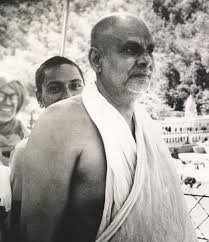
Swami Sivananda standing with children photo
Bhakti Yoga, Swami Sivananda

Yoga of Surrender-ONE

Yoga of Surrender-ONE by Swami Sivananda 1. Self-surrender is a direct, valid mode of God-realisation. 2. Self-surrender is the easier and surer means of God-realisation. 3. Self-surrender is a safe and sure means of God-realisation. 4. Nothing can be achieved without surrender to the Lord. THE TECHNIQUE 5. Surrender yourself and all your belongings at the feet of the Supreme. Live a dedicated life of Godliness. 6. Think that nothing is yours and everything belongs to God. This is surrender to God. 7. Give the power of attorney to God. Let Him do whatever He wants. You will have no worry or anxiety. You will be peaceful. 8. Surrender contains intense love and faith. 9. Surrender must be complete. You cannot have any part of yours. 10. The entire being, mind, intellect, Chitta and egoism, must be surrendered to the Lord. 11. Desire and egoism are two great obstacles to self-surrender. 12. If the mind says: I am Thine, my Lord; if the ego says: I must become a High Court Judge; if the intellect says: I am a great devotee; and if the Chitta says: I must attain Siddhis; this will not constitute perfect, unreserved surrender. This is only cheating the Lord, the inner ruler and witness. 13. After surrendering to the Lord, you should not grumble, fret and fume, when any trouble comes. You should not complain to the Lord: O Lord, You have no eyes. You have no compassion. If you complain then there is no meaning in your surrender. THE FRUITS OF SURRENDER 14. Through surrender the devotee immerses himself into the eternal essence. 15. You can endear yourself unto the Lord only by self-surrender. 16. The more the surrender the more the grace. 17. The degree of grace is in direct proportion to the degree of surrender. 18. You do not lose anything in surrendering to the Lord. You become one with the Lord by surrendering to the Lord. You possess all the Aisvaryas of the Lord. You attain fullness. MANTRA FOR SURRENDER 19. Sri Krishna Saranam Mama, Sri Krishnah Saranam Mama, Harih Saranam, I am Thine, all is Thine, Thy Will be done my Lord, are formulas for effecting self-surrender. 20. Surrender comes out of intense love and unshakable faith in God. 21. Intense Bhakti can only be attained by the Grace of God. 22. This is Prapatti Yoga or the Yoga of self-surrender.

Yoga of Surrender-ONE Read Post »

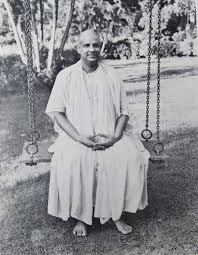
Swami Sivananda seated on garden swing image
Raja Yoga, Swami Sivananda

Control of the Mind

Control of the Mind by Swami Sivananda 1. Control by Abhyasa and Vairagya Their (the mental modifications) control is done by practice and non-attachment. NOTES Through Vairagya you will have to check the out-going Vishaya Vrittis and through Abhyasa you will have to cut the new spiritual path for the mind to move on. Vairagya serves the part of an anicut on the river of Vishaya Vrittis. It forms a strong embankment. It does not allow the Vishaya Vrittis to pass outside. Vairagya removes Pratibandhas or obstacles. Abhyasa gives Kaivalya Moksha. Without Vrittis one cannot enjoy sensual objects, (Vaishaya-Vyavahara). If the Vrittis along with Samskaras are destroyed, Manonasa or annihilation of the mind follows. Here is the gloss of Vyasa: The stream of mind flows both ways; flows towards good and it flows towards evil. That which flows on to perfect independence, Kaivalya, down the plane of discriminative knowledge is named the stream of happiness. That which leads to rebirth and the flow down the plane of indiscrimination or ignorance, is the stream of sin. Among those, the flow towards objects is thinned by Vairagya or desirelessness; the flow of discrimination is rendered visible by habituating the mind to the experience of knowledge. Hence the suppression of the mental modification is dependent upon both. 2. What Is Abhyasa Of these (Abhyasa and Vairagya), practice is the effort to secure steadiness of (the modifications of mind). NOTES The effort to restrain all the Vrittis of the mind and to make the mind steady like the jet of a lamp in a windless place is Abhyasa. To drive back the mind to its source – Hridaya Guha, and get it absorbed in Atman is Abhyasa. To make the mind inward and to destroy all its out-going tendencies is Abhyasa. And this practice should be done for a long time without any break and with perfect devotion. This is mentioned in Sutra I-14. In this Sutra Abhyasa is explained. As for Vairagya, refer to Sutra I-15. 3. Control by Suppression of Vrittis The suppression of the modification of mind (the Nirodha Bhumi) is the junction with the moment of suppression, when the out-going impressions and impressions of suppression disappear and appear. NOTES In other words, we can say that, by the suppression of the out-going Vrittis of mind and the development of modifications of control, the mind rests firm in Nirodha Bhumi. This is Nirodha Parinama (modification of control). The mind remains in its real, unmodified state. It is very difficult to understand this and the following four Sutras. You must clearly understand the Chapter on ‘Samadhi.’ Vyutthana means the mind goes outward. Here it means Samprajnata Samadhi. When compared with Asamprajnata Samadhi, Samprajnata Samadhi is outward. Samprajnata Samadhi itself is a distraction of the mind. The passage from the Samprajnata to Asamprajnata Samadhi is very difficult and critical process. It is a trying stage. The Yogi must be very, very vigilant. If one out-going Vritti is checked and controlled, that powerful Vritti which checks the out-going Vritti is itself a modification. This also must be controlled. The mind should become absolutely waveless before Asamprajnata Samadhi is attained. 4. Make the Suppression Steady Its undisturbed flow becomes steady by habit (continuous practice). NOTES The controlling modifications (Nirodha Parinama) must arise so continuously as to become a regular habit. Habit will come only by continuous practice. Then alone Samadhi will come by itself. 5. Control Mind by Virtues By cultivating the habits of friendliness (towards equals), mercy (towards inferiors), gladness (towards superiors), and indifference towards happiness, pain, virtues and vice, comes peace of mind. NOTES The best and easy way of keeping the mind in a state of equanimity or evenness, which is conducive to the attainment of Samadhi, is described here. Maitri and Karuna will eradicate hatred. Mudita will remove jealousy. Mercy softens the hard heart and removes the cruel, harsh nature. By this practice, anger, Abhimana, hatred, egoism, envy of various sorts will vanish. Rajas and Tamas will be removed. The mind will be filled with Sattva. The fickleness of the mind will disappear. Ekagrata state of mind will come in. The mind becomes pure. Samadhi cannot come in a mind that is filled with hatred, jealousy and anger. By the method of Pratipaksha Bhavana, any good virtue can be developed. 6. Control Mind by Pranayama Or by exhalation and retention of breath. NOTES In the previous Sutra it is stated that by developing virtues you can control the mind. Here, in this Sutra, another method of controlling the mind is given. All Vrittis will cease by the practice of Pranayama. Rajas and Tamas will be removed. The mind will become one-pointed. The body becomes light. The mind will become calm. Different exercises in Pranayama are given in Chapter VII of this book. 7. Control Mind by Vedantic Method Cut off daily the branches of Sankalpa from the tree of Manas and ultimately destroy the tree of the mind at its root completely. The cutting off of the branches is only secondary. The eradication of the tree by the removal of ego is the primary thing. Therefore, through virtuous actions, if you destroy the idea ‘I’ which forms the very root of the mind, then it will not spring up again. The Brahma Jnana which enquires the true nature of ‘I’ is the fire which destroys the mind. It is the Jnanagni referred to in the Gita IV-37: The fire of wisdom reduces all actions (and the false ‘I’) to ashes. He who knows the receptacle (Ayatana) verily becomes the receptacle of his people. Mind is verily the receptacle (of all our knowledge). (Chhandogya Upani- shad V-i-5)

Control of the Mind Read Post »

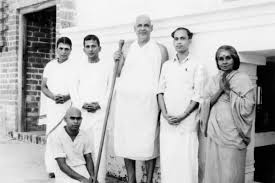
Swami Sivananda standing with group of devotees image
Bhakti Yoga, Swami Sivananda

Ten Bhakti Commandments

Ten Bhakti Commandments by Swami Sivananda Develop devotion through Japa, Kirtan, Sattvic food, worship (Puja), etc. Yearn for God-vision. Love Him with all your heart. Remember Him constantly. Keep the company of saints, the righteous and the wise. Study devotional books like the Gita, the Bhagavata, the Ramayana, the lives of saints. The name of the Lord is Divine Nectar. Name is your sole Refuge, Prop and Treasure. Name and Nami (God) are one. Always chant His Names with devotion. Do Kirtan. This is the principal Sadhana in Kaliyuga. Pray to the Lord from the core of your heart: I am Thine. All is Thine. Thy Will be done. I am an instrument in Thy Hands. You do everything. You are just. Grant me faith and devotion. Feel the presence of God with you. See God in every face. Behold the whole world as the Lord. Practise Sadachara (right conduct). Cultivate virtues and eradicate vices. Be good. Be kind to all. Be humble. Be pure. Speak the truth. Control anger. Have a large heart. Develop compassion. Teach the eye to behold the Form of the Lord. Teach the ear to hear the Lord’s Lilas and Glory. Teach the hands to serve the saints and the poor. Take refuge in the Lord. Do total, ungrudging self-surrender. Live for Him. Offer your actions to Him. His Grace will descend on you. Have perfect trust in God. Faith is necessary to attain God. Faith can take you to the inner chambers of the Lord. Constantly repeat some inspiring verses (praises of God’s glory) or some Mantras, or the Names of God. This will be your Divine background of thought.

Ten Bhakti Commandments Read Post »

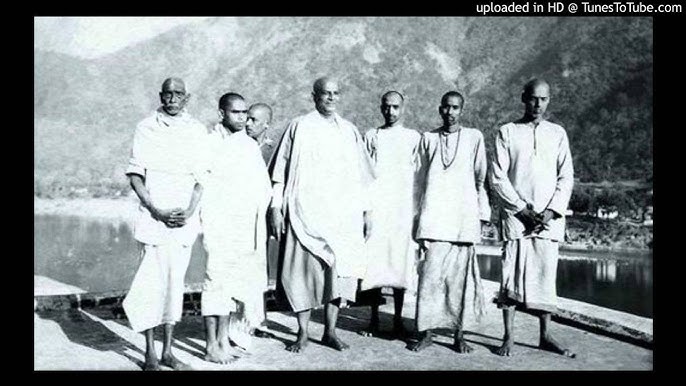
Swami Sivananda standing with monks by river image
Bhakti Yoga, Swami Sivananda

Points on Bhakti Yoga

Points on Bhakti Yoga by Swami Sivananda BHAKTI YOGA-I Jnana (wisdom) and Vairagya (dispassion) are the two sons of Bhakti (devotion). Without Bhakti, Jnana will dry up and dispassion will evaporate. Without oil the lamp will get extinguished. Without Bhakti, Jnana and dispassion will perish. The proof that man loves God is first shown by loving his fellow-men. Ask God to give you His Grace that you may suffer willingly. Ask not God to take the suffering from you. With devotion humility comes. In the wake of devotion, renunciation follows. Devotion is the master-key to attain divine perfection. Bhakti includes the love of humanity. Bhakti consists in love to God and through this in love to man. Love to humanity must be based on love to God; if it is not, it is bound to have a shaky foundation. BHAKTI YOGA-II Love unites the individual soul with God. It is only love that finds out God. God is the primal essence. The vision of God is a gift of God. It is not an achievement attained by human effort independent of God. God is revealed to those who love Him and whose minds have been purified by devotion to holy scriptures and holy preceptors, practice of Karma Yoga and more than all, Prapatti or self-surrender. God is a lover who resides in every heart irrespective of caste and creed, high and low. Loving remembrance is the method of reaching Him. I have drunk the elixir of God by which all other elixirs have become bitter and worthless. Many saints came from the so-called lower classes. They were illiterate. They did manual labour to make both ends meet. They were persecuted by persons in power. Sadhana was a dealer in meat. Dharma was a poor Jat cultivator. Sena was a court barber at Rewa. Kabir was a weaver. Raidas was a cobbler. Namadev was a tailor. Tukaram was a cultivator. Without renunciation, Bhakti or devotion can never be cultivated in the heart. God demands complete self-surrender from His devotees. Love is a tremendous force in the world. It draws men together. It is quite as real as electricity or magnetism or gravity. All life is divine. All love is basically divine love. A devotee who has made total self-surrender to God feels that he has no independent existence of his own. He lives in the Lord. The way to attain Krishna is to become a Gopi. Make your body the temple of the Lord. Become Lord-filled, Lord-intoxicated.

Points on Bhakti Yoga Read Post »

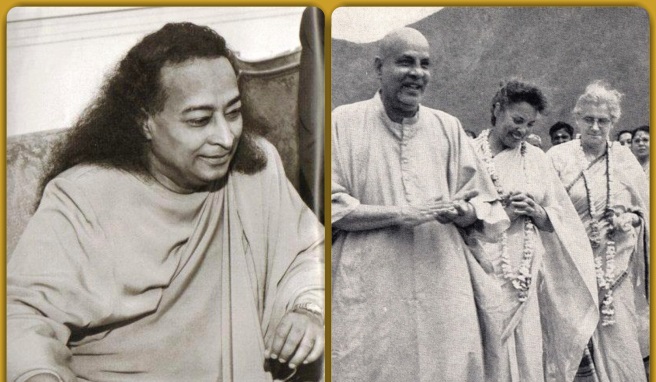
Swami Sivananda collage with Spiritual teachers picture
Bhakti Yoga, Swami Sivananda

Fruits of Bhakti

Fruits of Bhakti by Swami sivananda Bhakti softens the heart and removes jealousy, hatred, lust, anger, egoism, pride and arrogance. It infuses joy, divine ecstasy, bliss, peace and knowledge. All cares, worries and anxieties, fears, mental torments and tribulations entirely vanish. The devotee is freed from the Samsaric wheel of births and deaths. He attains the immortal abode of everlasting peace, bliss and knowledge. Love for God is as sweet as nectar by tasting which one becomes immortal. One who lives, moves and has his being in God becomes immortal. “That unmanifested, the Indestructible, It is called; It is named the highest path. They who reach It return not. That is My Supreme Abode” (Gita: VIII‑21). “By His grace thou shalt obtain supreme peace, the everlasting dwelling place” (XVIII‑62). “The devotees, liberated from the bonds of birth, go to the blissful seat” (II‑51). Param Dhama (Supreme abode), Anandamaya Pada (Blissful seat), Sasvata Pada (everlasting abode), Parama Gati (highest path) are all synonymous terms. HARVEST OF GOD-REALISATION Faith is the seed; Divine grace is the rain; Prayer is the plough; Self-surrender is the rein; Worship is the handle; Meditation is the ox; Devotion is the goal; Ploughing is weeding ‘I’-ness and ‘mine’-ness; The harvest is God-realisation, Which removes all sorrows and pains, And bestows everlasting peace, Joy and eternal satisfaction.

Fruits of Bhakti Read Post »

Swami Sivananda seated wearing flower garland image
Raja Yoga, Swami Sivananda

How I Abide in Peace Now!

How I Abide in Peace Now! First I abandoned desires, then attachment. Now I abide in supreme peace. I do not mix much. I do not move. I meditate. Now I abide in eternal peace. I controlled the senses and the mind. I cultivated dispassion. Now I abide in everlasting peace that passeth all understanding. I am all-pervading, immortal Atman; knowing this, now I abide in immortal peace. I have renounced both action and renunciation of action. I live happily in any state now. So I abide in perennial peace. The sense-objects are the robbers. I have annihilated these robbers, I am quite safe and happy. Now I abide in unalloyed peace. RECIPE FOR PEACE OF MIND Be contented always in any condition or circumstance or environment. Erase the impressions of sensual experience quickly, Through Viveka, Vichara, meditation, Mithya-drishti and Dosha-drishti. Do not allow the mind to dwell or brood over the objects. Give up planning and scheming; But you can cultivate foresight or far-sightedness. Do not argue or have heated debates Just for bringing the man to accept your opinion; But you can always have profitable religious discussions. Cultivate serenity or calmness of mind. Be regular in your Japa, Kirtan, study and meditation. Give up reading newspapers and novels. Be simple in your food and dress and everything. Be in the company of sages and saints. Ignore insults, bad treatment, harsh words, Talk a little, mix a little, eat a little. Meditate on peace and benefits of peace. ENEMIES OF ETERNAL PEACE Sensual enjoyment Too much talking Love for the world Lust, greed, hatred, egoism, etc. Attachment to wife, children and property Attachment to body Lust, greed, hatred, egoism, etc Are enemies of eternal peace. PRAYER FOR WORLD-PEACE When you sit for meditation in the morning hours, send out currents of your love and peace to all living beings. Say – Sarvesham swasti bhavatu – May auspiciousness be unto all; Sarvesham santir bhavatu – May peace be unto all; Sarvesham purnam bhavatu – May fullness be unto all; Sarvesham mangalam bhavhtu – May prosperity be unto all; Lokah samastah sukhino bhavantu – May happiness be unto the whole world. Let us all pray for the peace of all. May absolute peace reign over the whole world. May all nations and communities be united by the bond of pure love. May all enjoy peace and prosperity. May there be deep abiding peace, throughout the universe! O All-compassionate, Adorable Lord! Grant us eternal peace, purity, strength to serve our country and the humanity and the Mahatmas and preceptors! May we all work together harmoniously with the spirit of self-sacrifice for the well-being of the world. May we all develop cosmic love and universal brotherhood. May we see God in all faces. May we all possess an understanding and forgiving heart, broad tolerance and adaptability. Grant us the inner eye of wisdom, O Lord, with which we will behold Oneness of the Self everywhere! PEACE THROUGH PERFECTION Peace is the essential nature of every person. Atman is Peace. Ayam Atma Santo – declares the Upanishad. This Atman is Peace by its nature. You can have peace only from where peace resides. Peace is not in external objects. Peace is not in the sensual pleasures. Like the ghee (clarified butter) poured into the fire to put it out, every indulgence in sensual pleasures serves only to aggravate the flames of desires and causes increased restlessness of mind. The panacea for this cycle of sensual pleasures and sensual desires lies in turning the mind away from these objects, recognising the futility of seeking peace in them, and fixing it in one’s own all-blissful Atman. Saints and sages from beginningless past have been dinning this truth into the ears of man, yet due to colossal ignorance, he pays a deaf ear to their counsels and persists in his senseward life. After receiving knocks here and there in his pursuit of happiness in sense-objects, he ultimately turns to God for happiness, having convinced himself that peace does not lie in objects outside. Peace is in leading a divine life. Peace is in knowing one’s essential Atmic nature. Peace is in practising devotion to God. Peace is in stilling the restless mind. Peace is in serving God in His creations. Peace and perfection are synonymous terms. There is no peace to the imperfect. Perfection does not consist in physical strength or beauty, nor does it consist in studying a car-load of books. Perfection is not physical, mental or intellectual, but it is spiritual knowledge of one’s Atomic nature, born not through mere study of books, but through purification of one’s heart; hearing, reflection, deep meditation and actual experience of one’s essential Nature alone can make one perfect. THE ART OF FINDING PEACE OF MIND The peace that passeth all understanding has been, since the remotest times, the axis around which Indian culture has revolved in all its aspects. Peace is a state of quiet; it is freedom from disturbance, anxiety, agitation, violence, disharmony, restlessness; it is harmony, silence, calm, repose, rest, tranquillity. Peace is the very nature of the inner Self in man. Nothing can bring man peace but himself; nothing can bring him peace but the victory over his own lower self, the triumph over his own senses and mind, desires and cravings. If he has no peace within himself, it is vain to seek it in external objects and outward sources. Wealth, women, children, property and palatial buildings cannot give him everlasting peace. Look within the chambers of his own heart, he must, should he desire real peace. When he is established in the highest Self within, he will not be shaken by heavy sorrow, loss or failure and inharmonious or disagreeable vibration. He will tide over all difficulties and crises in life easily and will come out with triumph in all life’s experiences. Peace comes from prayer, Japa, Kirtan, meditation, good and sublime thoughts and understanding. Development of cosmic love, kindness, forgiveness, understanding
How I Abide in Peace Now! Read Post »

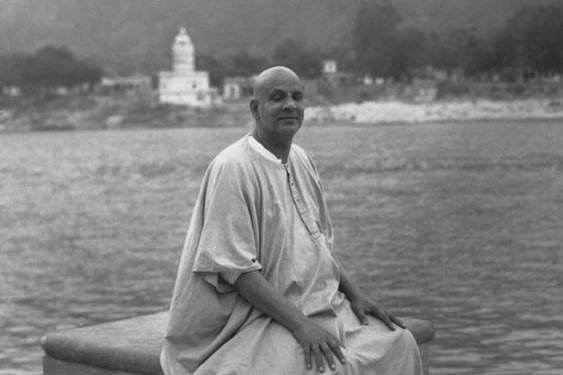
Swami Sivananda seated beside river image
Bhakti Yoga, Swami Sivananda

The Doctrine of Grace

The Doctrine of Grace by Swami Sivananda You can notice Lord’s grace in every inch of His creation. In a hot summer you enjoy the delicious sweet juice of grapes, cucumber, oranges and pomegranates and cool Ganga water of Rishikesh and Haridwar. This is Lord’s grace. When you suffer from any serious ailment, you get immediate relief and cure from herbs. This is Lord’s grace. When you walk in a dark night, the stars twinkle and throw light on your path. This is Lord’s grace. When you are unable to bear extreme pain you become unconscious. This is Lord’s grace. When the weather is sultry, a gentle breeze blows and refreshes you. This is Lord’s grace. Lord’s grace will descend in proportion to the degree of surrender. The more the surrender, the more the grace. Kathopanishad says in a thundering voice: Not by study or discourses, not by argument, not by intelligence is the Self attained. He whom the Lord chooses attains Self-realisation. He reveals Himself to such a chosen person. The subtle forms of lust, anger, egoism, pride, etc., can only be totally destroyed through the grace of the Lord. However hard you may strive and do Sadhana, these subtle forms cannot be eradicated through your Sadhana alone. The Lord’s grace completely purifies your heart. It is the Lord only who stirs the aspirants to do Purushartha or right exertion. You should not sit idle and say Lord’s grace will do everything for me. Why should I do any Sadhana? This is wrong philosophy. God helps those who help themselves. God’s grace will descend on those persons only who exert. You cannot expect the Lord to do self-surrender for you. Be up and doing. Strive. Plod. Persevere. The Lord will shower His grace upon you. Mira abandoned everything. She renounced kingdom, husband, relatives, friends and property. She remembered her Lord Krishna, whole day and night. She shed tears of Prem. She sang His praise with single-minded devotion. She gave up food. Her body got emaciated. Her mind was ever absorbed in Lord Krishna. Only then, did Lord Krishna shower His grace upon her. The Lord has five duties. He is Karta (actor), Akarta (non-actor), Anyatha Karta. He veils the Jiva (Tirodhana, Tirobhava). He removes the veil through His grace (Anugraha). People will become idle and say The Lord will do everything for me. Why should I do any Sadhana? I depend upon His grace alone. In order to remove the inertia, Sri Vasishtha and others have preached the Purushartha Vada. In reality it is all Lord’s grace only. Even a leaf or an atom will not move without the sanction of the Lord. May you all obtain Lord’s grace through faith and devotion! May Lord shower His grace upon you all. Glory to the Lord and His grace (Kripa, Anugraha, Prasad).

The Doctrine of Grace Read Post »

Swami Sivananda seated wearing malas picture
Raja Yoga, Swami Sivananda

Achievement of Peace

Achievement of Peace by Swami Sivananda You will find Mouna, solitude and non-mixing as great helpers in the achievement of peace. Development of virtues like Daya, love, Karuna will remove the cruel nature of the heart. Pranayama, meditation and Vichara will check restless nature, will destroy emotions and passions. You will rest in peace. What is wanted is steady Abhyasa. You must not be hasty. Peace comes gradually, slowly, stage by stage, step by step. Wait patiently. PEACE AS GOD AND THE KEY TO IT The way to peace is the way of tolerance, truth, understanding, purity and love. Find peace within, first through discipline and meditation and then disseminate peace outside in the world. God is peace. Root yourself in Peace or God. Now you are fit to radiate Peace. The entire universe is one mass of Consciousness, for it is pervaded by the Atman. PEACE THROUGH AVOIDANCE OF COMPARISONS If you are earning one hundred rupees per month, do not compare yourself with a man who is earning five hundred rupees, per month. If you so compare, you will get discontentment. This will disturb the peace of mind. Compare yourself with a man who is earning rupees twenty-five only per month. Thank God for having given you this present state. There is no end for your desires. Contentment alone can calm your restless mind. There is no wealth greater than contentment. Worldly ambitions are useless. Aim high. Aim at attaining Brahman. Have this highest spiritual ambition. This will annihilate all vain worldly ambitions. Worldly ambitions will land you in pain, sorrow and disappointment. SAMAHITA CHITTA AND FREEDOM FROM WRONG MENTAL MODIFICATIONS Give up evil company. Subdue lust, anger, avarice by constant effort. You will enjoy peace, joy and immortality. He who has a balanced mind, (Samahita Chitta) is really a happy and strong man. One has to discipline the mind carefully for a long time. He may tumble down again and again. He may commit mistakes. But he will get sanguine success if he is vigilant, patient and persevering. Balance is Jnana. The Gita says: – Nirdosham hi samam brahma. The Eternal is incorruptible and balanced. Keep the mind cool always. Do not be irritated by petty things. Irritability is weakness. Balance is strength. You should be entirely free from all sorts of Vikaras (evil modifications of the mind) at all times (Sarvada) even under the worst provoking conditions or adverse environments or circumstances and possess a balanced mind. Then only can you enter into deep meditation and Samadhi. PEACE AMIDST DIN AND BUSTLE OF LIFE By leading a forest-life you cannot attain the final emancipation. The deer, the tiger, the birds, though they lead a forest-life cannot attain salvation. You must have a calm and desireless mind. You must possess dispassion, discrimination, faith, self-restraining, true renunciation. Then only can you have solitude even in the bustle of a city. Even if you become the Emperor of the whole world, you can hardly enjoy real peace and bliss so long as you have cares, worry, anxiety, fear, lust, greed and desires. IGNORANCE THE CAUSE OF PEACELESSNESS Causes of grief by thousands and causes of fear by hundreds, day by day overwhelm the ignorant. Knowledge of Atman alone can give real peace, happiness, and immortality. Therefore, conquer Maya. Realise Atman through meditation. Then you will become the real Emperor of emperors. From ignorance or Avidya desire is born. To realise the objects of desire, man does Karmas or actions, likes some and dislikes others, expects fruits of his actions and is therefore bound to the wheel of birth and death. Attain Brahma Jnana or Knowledge of Brahman or supreme Self. Pain, sorrow and suffering will cease. You will achieve bliss, immortal everlasting peace and perennial joy. You will be freed from birth and death. MENTAL PEACE THROUGH NON-ATTACHMENT The subject of non-attachment is of universal importance. Attachment is the most powerful weapon of Maya for binding the Jivas to the Samsaric wheel of birth and death. You would have never come into this world, had it not been for attachment. The attachment first starts with this physical body. Then all other attachments crop up. Then comes relationship of father, mother, brother, sister, wife, son, friend, etc. One may be attached to a place, person, or an object. Wherever there is attachment, there is the idea of Mineness or Mamata. Attachment is a kind of very strong glue that binds the mind with the objects. Why does the mind get attached to objects or persons? Because it finds pleasure in objects or persons. Wherever there is pleasure, the mind gets attached there. It is attached to wife, son, house, property, money or a friend, because the mind finds pleasure in these objects. Attachment is the root cause for human sufferings. It is the product of effect of ignorance or Avidya. It is a modification of nescience or ignorance. It is attachment that brings us again into this Mrityuloka. The seeds of attachment are ingrained in the subconscious mind. We have to obliterate or fry up all these seeds through right thinking, Vichara and Atma-jnana. We have to cut all these illusory attachments through the sword of non-attachment or Vairagya. The Gita says, – Asangasastrena dridhena cchitva. – – Cut this tree of Maya with the sword of non-attachment. (Chapter XV) Develop internal Vairagya by understanding the illusory nature of this world. Remember the pains of this Samsara, viz., birth, death, old age, diseases and miseries of this world. Place before the mind the glorious life in Atman and the immense bliss of a spiritual life. Remember the Saints and Yogins and Jnanis like Sri Sankara, Mansoor, Shams Tabriez, Jnana Dev and their teachings. Slowly the mind will be weaned from sensual objects. It can be gradually turned towards God and higher things. Have recourse to Satsanga. Do Atma-Vichara. Meditate daily. That man who has no attachment in this world, is the most happy man. He is God Himself. His
Achievement of Peace Read Post »

Swami Sivananda side profile outdoors image
Raja Yoga, Swami Sivananda

Mouna and Introspection

Mouna and Introspection By Swami Sivananda Mouna-its Practice And Benefits Miscellaneous talking is a very bad habit. It distracts the mind. It keeps the mind always Bahirmukha (outgoing) and makes a man unspiritual. A vow of silence must be practised once a week. Much energy is wasted in talking. The Vag-Indriya (organ of speech) seriously distracts the mind. “Speech is the fourth ‘foot’ of Mind-Brahman, because it is by means of the ‘foot’ of speech that the mind approaches the denotable objects such as cow, goat, etc. Therefore speech is like a foot of mind. In the same manner, nose is a ‘foot’, because it is through nose that the mind approaches objects of smell. Similarly, the eye is a ‘foot’; the ear is another ‘foot’. This constitutes the four-footed character of the Mind-Brahman” (Chhandogya Upanishad). Do not allow anything to come out from the mind through the Vag-Indriyas (organ of speech). Observe Mouna (a vow of silence). This will help you. Considerable peace follows Mouna. The speech energy becomes transmuted into spiritual energy (Ojas). Sankalpas become much decreased. Will becomes stronger. Now you have shut out a big source of disturbance. You will rest now in peace. Meditate on God or Brahman now in right earnest. Spiritual aspirants must observe Mouna for some hours daily. Be careful in the selection of your words before you speak. Think thrice before you speak. Consider what effect the words will produce on the feeling of others. Observe Mouna for a couple of years. It is Tapas of speech. Do not argue unnecessarily. Argument brings about hostility, heated feelings and wastage of energy. Every man has got his own views, his own opinion, ideas, sentiments, beliefs and convictions. It is very difficult to change the views of others. Do not try to convince others. When you are an aspirant, when you are gathering facts and knowledge from the study of sacred lore, do not argue with others till your thoughts have become mature and steady. Imagination in the mind always exaggerates. Exaggeration is a modification of lie. Aspirants should not exaggerate. They should utter words with mathematical and scientific precision. An aspirant is asked to give up company and observe Mouna, because on account of Raga, he will multiply acquaintance; on account of Dvesha, he will incur the displeasure of others by uttering some unpleasant words. There is a sword in the tongue. Words are like arrows. They injure the feelings of others. By observing Mouna and giving up company, one can control the Vag-Indriya and remove Raga. Then the mind will become calm. There are fifteen Doshas that arise from company. An aspirant should, therefore, preferably remain alone during the period of Sadhana. The Doshas of company are: (1) Misunderstanding, (2) Ill-feeling, (3) Displeasure, (4) Raga-Dvesha, (5) Jealousy, (6) Vampirism, (7) Attachment, (8) Mental sharing of pain of another man, (9) Criticisms of others, (10) Anatma topics, (11) Habit of talking, (12) Bahirmukha Vritti, (13) Idea and Samskara of duality, (14) Slavish mentality and weak will, (15) Contempt. Love little, but love long. When you take a vow of silence, never assert from within very often, ‘I won’t talk’. This will produce a little heat in the brain, because the mind wants to revenge on you. Simply once make a determination and then remain quiet. Attend to other affairs. Do not be thinking always, ‘I won’t talk, I won’t talk.’ In the beginning, when you observe Mouna, you will find some difficulty. There will be a severe attack of Vrittis. Various kinds of thoughts will arise and force you to break the silence. There are all vain imaginations and deceptions of the mind. Be bold. Concentrate all energies on God. Make the mind fully occupied. The desire for talk and company will die. You will get peace. The Vag-Indriya (organ of speech) considerably distracts the mind. Mouna Of The Mind Mouna of the mind is far superior to Mouna of Vak (speech). Mouna should come of itself. It must be natural. Forced Mouna is only wrestling with the mind. It is an effort. If you live in Truth, Mouna will come of itself. Then only will there be absolute peace. What is wanted is natural Mouna and mental nudity. Physical nudity has no meaning. It is Tamasic Tapas of fools, that is not countenanced by Sastras and reason. In a Jivanmukta or a liberated soul, nudity comes of itself as he is absorbed in Brahman, when he is in the Saptama Jnana-Bhumika (the seventh stage of knowledge). Introspection-what It Is And What It Does The self-existent Brahman created the mind and senses with outgoing tendencies. The mind has a pernicious habit of externalisation from time immemorial. So you behold the external universe and not the internal Self. It is the Vikshepa-Sakti or Maya that draws you out. From your childhood, you are taught to look to the external world and not to the internal, psychic world. You have entirely lost the faculty of introspection. To have a comprehensive understanding of what is going on in the inner ‘mental factory’, a Suddha Buddhi (pure reason) and subtle intellect with power of introspection is needed. You will have to turn the mind inside, then concentrate all its powers and throw them upon the mind itself, in order that it may know its own nature and analyse itself. This is Raja Yoga. Make a vigorous and earnest search within. Do not trust the mind and the Indriyas. They are your enemies. Woman and wealth are your bitter foes. These are two great evils. In introspection, the mind itself is the subject of study. A portion of the mind studies the remaining portion of the mind. The higher mind studies the lower mind. Introspection is apperception. Just as you watch the work done by a coolie, a portion of the mind watches the movements of the rest of the mind. If you are one with the mind, if you identify yourself with the mind, you

Mouna and Introspection Read Post »

Swami Sivananda Monk holding staff and books iage

Raja Yoga, Swami Sivananda

Control of Indriyas

Control of Indriyas By Swami Sivananda Indriyas, A Prolongation Of The Mind Indriyas are objectified desires. Will to see is the eye. Will to hear is the ear. The Indriyas (senses) have two states, static and dynamic. When the desire begins to operate, the Indriyas are put in motion. This is the dynamic state. As soon as the desire is gratified, the Indriyas shrink through Tripti (satisfaction). This is the static or passive state. Mind and Indriyas are one. Indriya is a prolongation of the mind. The sea is fed by the rivers; the sea cannot exist without the rivers. Even so, mind is fed by Indriyas and cannot exist without Indriyas. If you have controlled the Indriyas, you have already controlled the mind. Indriya is another name for mind. Mind is a mass of Indriyas. Mind is a higher power than the Indriyas. Mind is a consolidated Indriya. Indriya is mind in manifestation. Just as a minister obeys the king, so also, the five Jnana-Indriyas act in accordance with the dictates of the mind. Indriyas represent backwaters. The desire in the mind to eat has manifested as tongue, teeth and stomach. The desire in the mind to walk has manifested itself as legs and feet. If you can control mind, you can control the Indriyas. Eyes can only see. Ears can only hear. Tongue can only taste. Skin can only touch. Nose can only smell. But, the mind can see, hear, taste, touch and smell. Mind is the common sensory. The five senses are blended there. It can directly see, hear, smell, taste and feel independent of the senses. It is an aggregate of the five senses. All the sense-faculties are blended in the mind. You can see and hear directly through the mind by Yogic practice (clairvoyance and clairaudience). This blows out the Western psychological theory of perception. Mind is termed the sixth sense: “Manah shashthanindri-yani-the senses of which mind is the sixth” (Gita, XV-7). The five senses are the five Jnana-Indriyas (organs of knowledge, sensation or perception). Ayatana means mind (Chhandogya Upanishad, IV-vii) which is the substratum of the experiences of all other organs. Senses cannot do anything, if the mind is not connected with them. When you are wholly absorbed in the study of an interesting newspaper, you do not hear when your friend loudly calls you. You are not aware that the clock has struck five. It is everybody’s daily experience. The mind was away at that time. It was not then connected with the sense of hearing. The eyes may be wide open during sleep. They do not see anything, because the mind is not there. Sister Indriyas Nose and anus are sister Indriyas. They are born of the same Prithvi-Tanmatra, nose from the Sattvic portion, anus from the Rajasic portion. These two Indriyas are the least mischievous. The olfactory sense and the olfactory nerve do not trouble you much. They can be controlled very easily. Tongue and genitals are born of Jala-Tanmatra, the former from the Sattvic portion and the latter from the Rajasic portion. They are sister Indriyas. Eating strengthens the reproductive Indriyas. Eye and feet are of Agni-Tanmatra, eye from the Sattvic Amsa (portion), feet from the Rajasic Amsa. They are sister Indriyas. Eye likes to see ‘sights’. Her sisters, feet, say, “We are ready to take you to the Kumbha Fair at Allahabad. Be ready.” Skin and hands are born of Vayu-Tanmatra, skin from the Sattvic Amsa and hands from the Rajasic Amsa. They are sister organs. Skin says, “I want silk and other smooth articles for my enjoyment.” Her sister, hand, says, “I can feel through my tactile corpuscles. I shall get for you fine soft silk. Do not be afraid, my dear sister.” Speech and ear are born of the same Akasa-Tanmatra, ear from the Sattvic Amsa and speech from the Rajasic Amsa. They are sister Indriyas. They help each other in the economy of Nature. In a bungalow you will find two gates, one for entrance, another for exit. Our body is also a nice bungalow for the Lord. Eyes and ears are entrance gates for the reception of forms and sounds. These are avenues of sense-knowledge (sight and hearing). Upastha Indriya (organ of reproduction) and Guda (anus, organ of excretion) are exit gates. They throw out urine and faeces. Tongue, The Most Difficult To Control The most mischievous and troublesome Indriya is the generative organ. Then comes tongue. Then comes speech. Then comes ear. Then comes eye. Control of the organ of taste is far more difficult than control of the genitals, because you have been enjoying delicious articles of food even from your very birth. Lust manifests itself just before eighteen. You indulge in sexual pleasure only for a short period in every birth. But, you have to take food even in advanced senility. Control of tongue means control of all Indriyas. Music, cinema, sight-seeing are enjoyed in human births only. Ants and rats do not enjoy cinema-show. The Indriya of sight is not so powerful as the tongue. The organ of sight serves as a loving comrade to the organ of taste. The mind is at once tickled at the sight of a yellow colour of the mango. The eyes see a beautiful mango and the different dishes that are served on the table. At once, the glosso-pharyngeal nerves are stimulated. You get good appetite and relish. The food is rendered more palatable. A blind man may not have as good a relish as a man with sharp sight has. Object Of Sadhana; to Prevent Externalisation By The Indriyas The three organs of eye, ear and tongue externalise the mind and make a man altogether worldly. Eyes and ears are the avenues of sense-knowledge or Vritti-Jnana. Close the eyes. Shut the ears either with balls of cotton or balls of cotton beaten with yellow bee’s wax or with the two thumbs making Yoni-Mudra. Now you have destroyed two-fifths of the world. Do not


Control of Indriyas Read Post »