
















Saundarya Lahari
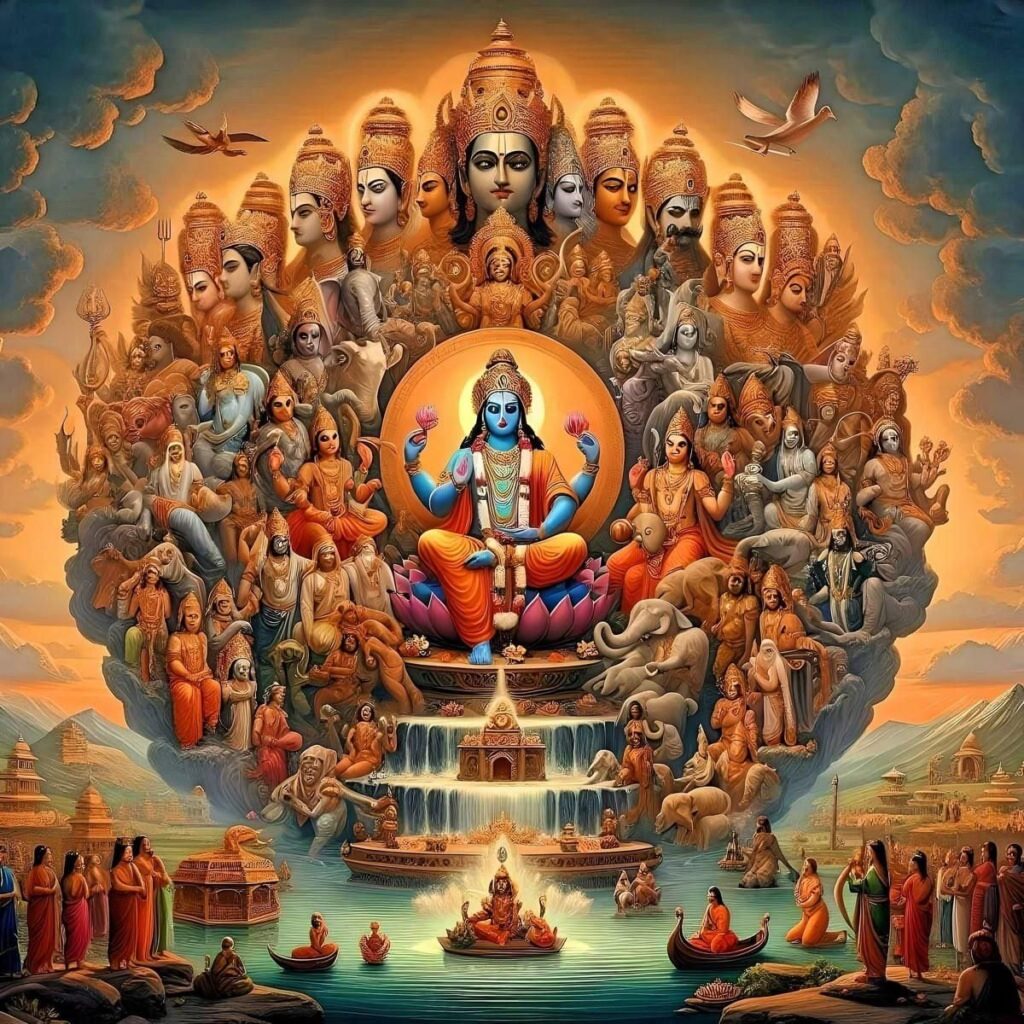
Saundarya Lahari शिवः शक्त्या युक्तो यदि भवति शक्तः प्रभवितुंन चेदेवं देवो न खलु कुशलः स्पन्दितुमपि ।अतस्त्वामाराध्यां हरिहरविरिञ्चादिभिरपिप्रणन्तुं स्तोतुं वा कथमकृतपुण्यः प्रभवति ॥ १॥ śivaḥ śaktyā yukto yadi bhavati śaktaḥ prabhavituṃna cedevaṃ devo na khalu kuśalaḥ spanditumapi .atastvāmārādhyāṃ hariharaviriñcādibhirapipraṇantuṃ stotuṃ vā kathamakṛtapuṇyaḥ prabhavati .. 1.. United with Śakti, Śiva is endowed with the power to create the universe. Otherwise, He is incapable even of movement. Therefore, who except those endowed with great merits acquired in the past can be fortunate enough to salute or praise Thee, Mother Divine, who art the adored of even Hari, Hara and Viriñci? 1. तनीयांसं पांसुं तव चरणपङ्केरुहभवंविरिञ्चिस्सञ्चिन्वन् विरचयति लोकानविकलम् ।वहत्येनं शौरिः कथमपि सहस्रेण शिरसांहरस्संक्षुद्यैनं भजति भसितोद्धूलनविधिम् ॥ २॥ tanīyāṃsaṃ pāṃsuṃ tava caraṇapaṅkeruhabhavaṃviriñcissañcinvan viracayati lokānavikalam .vahatyenaṃ śauriḥ kathamapi sahasreṇa śirasāṃharassaṃkṣudyainaṃ bhajati bhasitoddhūlanavidhim .. 2.. Gathering a minute particle of dust from Thy lotus feet, Brahmā the creator brings into being this universe (limitless and mysterious) without any imperfection. The sustentator Viṣṇu as Ādiśeṣa somehow supports this universe (made out of that dust) with His thousand hoods. And Hara, the destroyer, crushing it into powder, rubs the ashes all over His body (at the time of dissolution). 2. अविद्यानामन्त-स्तिमिर-मिहिरद्वीपनगरीजडानां चैतन्य-स्तबक-मकरन्द-स्रुतिझरी ।दरिद्राणां चिन्तामणिगुणनिका जन्मजलधौनिमग्नानां दंष्ट्रा मुररिपु-वराहस्य भवति ॥ ३॥ avidyānāmanta-stimira-mihiradvīpanagarījaḍānāṃ caitanya-stabaka-makaranda-srutijharī .daridrāṇāṃ cintāmaṇiguṇanikā janmajaladhaunimagnānāṃ daṃṣṭrā muraripu-varāhasya bhavati .. 3.. The dust of Thy feet is the Island City, wherefrom takes place the luminous sun-rise of spiritual illumination driving away the over-casting darkness of ignorance in the hearts of devotees. It forms the cluster of flower buds, from which gushes forth the nectar of intelligence, enlivening the dull-witted. It is a veritable necklace of wish-yielding gems for the poverty-stricken. And for those immersed in the ocean of Samsara, it becomes their up-lifter like the Tusk of Viṣṇu (which raised the earth from submergence in Pralaya waters when He incarnated as the Cosmic Boar). 3. त्वदन्यः पाणिभ्यामभयवरदो दैवतगणःत्वमेका नैवासि प्रकटितवराभीत्यभिनया ।भयात् त्रातुं दातुं फलमपि च वाञ्छासमधिकंशरण्ये लोकानां तव हि चरणावेव निपुणौ ॥ ४॥ tvadanyaḥ pāṇibhyāmabhayavarado daivatagaṇaḥtvamekā naivāsi prakaṭitavarābhītyabhinayā .bhayāt trātuṃ dātuṃ phalamapi ca vāñchāsamadhikaṃśaraṇye lokānāṃ tava hi caraṇāveva nipuṇau .. 4.. All Deities other than Thee bestow boons and give shelter from fear by the pose of their hands. Thou alone art not given to any such external demonstration of giving boons and shelter. For, O Refuge of All, Thy very feet (without any demonstration) are themselves inherently capable of sheltering devotees from the great fear of Samsāra and of giving them much more than what they pray for! 4. हरिस्त्वामाराध्य प्रणतजनसौभाग्यजननींपुरा नारी भूत्वा पुररिपुमपि क्षोभमनयत् ।स्मरोऽपि त्वां नत्वा रतिनयनलेह्येन वपुषामुनीनामप्यन्तः प्रभवति हि मोहाय महताम् ॥ ५॥ haristvāmārādhya praṇatajanasaubhāgyajananīṃpurā nārī bhūtvā puraripumapi kṣobhamanayat .smaro’pi tvāṃ natvā ratinayanalehyena vapuṣāmunīnāmapyantaḥ prabhavati hi mohāya mahatām .. 5.. Adoring Thee, who art the bestower of prosperity on all Thy votaries, Hari (Viṣṇu) was able to become a charming female and stir waves of passion in the minds of no less a Deity than Hara, the Destroyer of the Three Cities. And Smara (Cupid, the god of love), through Thy adoration, got a form—a veritable feast for the eyes of his consort Rati—, with which he has become capable of causing deep infatuation even in the minds of sages. 5. धनुः पौष्पं मौर्वी मधुकरमयी पञ्च विशिखाःवसन्तः सामन्तो मलयमरुदायोधनरथः ।तथाप्येकः सर्वं हिमगिरिसुते कामपि कृपाम्अपाङ्गात्ते लब्ध्वा जगदिद-मनङ्गो विजयते ॥ ६॥ dhanuḥ pauṣpaṃ maurvī madhukaramayī pañca viśikhāḥvasantaḥ sāmanto malayamarudāyodhanarathaḥ .tathāpyekaḥ sarvaṃ himagirisute kāmapi kṛpāmapāṅgātte labdhvā jagadida-manaṅgo vijayate .. 6.. (Look at Kāma Deva [Cupid] and his equipments—how ineffective they are in themselves!) His bow is made only of flowers; its bow-string is a line of honey-bees; he has only five arrows, and these are made of flowers; his minister is the (periodical and undependable) spring season; his battle-chariot is the (shifting and formless) Malaya breeze; and above all he is Ananga, the bodiless one. Yet, O daughter of the Mountain! blessed by Thy gracious side-glance, he, by himself alone, is victorious over the whole world. 6. क्वणत्काञ्चीदामा करिकलभकुम्भस्तननतापरिक्षीणा मध्ये परिणतशरच्चन्द्रवदना ।धनुर्बाणान् पाशं सृणिमपि दधाना करतलैःपुरस्तादास्तां नः पुरमथितुराहोपुरुषिका ॥ ७॥ kvaṇatkāñcīdāmā karikalabhakumbhastananatāparikṣīṇā madhye pariṇataśaraccandravadanā .dhanurbāṇān pāśaṃ sṛṇimapi dadhānā karatalaiḥpurastādāstāṃ naḥ puramathiturāhopuruṣikā .. 7.. May the Divine Mother Tripurasundarī, the Pride (Ahanta or I-sense) of Siva the Destroyer of the Three Cities., vouchsafe Her presence before us—the Mother with Her slender waist girdled with jingling mini-bells, with Her frame slightly bent in the middle by the weight of Her breasts that bulge like the frontal globes of the forehead of a young elephant, with her face resembling the autumnal moon, and with her hand sporting a bow, arrows, a noose and a goad! 7. सुधासिन्धोर्मध्ये सुरविटपिवाटीपरिवृतेमणिद्वीपे नीपोपवनवति चिन्तामणिगृहे ।शिवाकारे मञ्चे परमशिवपर्यङ्कनिलयांभजन्ति त्वां धन्याः कतिचन चिदानन्दलहरीम् ॥ ८॥ sudhāsindhormadhye suraviṭapivāṭīparivṛtemaṇidvīpe nīpopavanavati cintāmaṇigṛhe .śivākāre mañce paramaśivaparyaṅkanilayāṃbhajanti tvāṃ dhanyāḥ katicana cidānandalaharīm .. 8.. Fortunate indeed are the few who adore Thee, the Inundation of Bliss-Consciousness, as abiding on a mattress, that is Paramaśiva (the Supreme Śiva or Sadāśiva) spread on a couch, which too is an aspect of Śiva, placed in a chamber of wish-yielding gems (Cintāmaṇi), amidst a Nipa pleasure garden, in Maṇidvīpa (Isle of Gems), which is situated in the Nectar-Ocean and fringed by rows of celestial Kalpaka trees. 8. महीं मूलाधारे कमपि मणिपूरे हुतवहंस्थितं स्वाधिष्ठाने हृदि मरुतमाकाशमुपरि ।मनोऽपि भ्रूमध्ये सकलमपि भित्वा कुलपथंसहस्रारे पद्मे सह रहसि पत्या विहरसे ॥ ९॥ mahīṃ mūlādhāre kamapi maṇipūre hutavahaṃsthitaṃ svādhiṣṭhāne hṛdi marutamākāśamupari .mano’pi bhrūmadhye sakalamapi bhitvā kulapathaṃsahasrāre padme saha rahasi patyā viharase .. 9.. Having penetrated the Prithvi (Earth) element situated in the Mulādhāra, the Jala (Water) element in the Manipūra, the Agni (Fire) element in the Svādhiṣthāna, the Vāyu (Air) element in the Heart or Anāhata, the Ākāśa (Sky) element above the former in the Visuddhi, and Manas (mind) in the Ājñā between the eye-brows, Thou, ascending through the Suṣumnā or the Kula Path, sportest with Thy Consort in the solitude of Sahasrāra the Thousand-Petalled Lotus (above in the head). 9. सुधाधारासारैश्चरणयुगलान्तर्विगलितैःप्रपञ्चं सिञ्चन्ती पुनरपि रसाम्नायमहसः ।अवाप्य स्वां भूमिं भुजगनिभमध्युष्टवलयंस्वमात्मानं कृत्वा स्वपिषि कुलकुण्डे कुहरिणि ॥ १०॥ sudhā-dhārā-sāraiś caraṇa-yugalāntar vigalitaiḥprapañcaṃ siñcantī punarapi rasāmnāyamahasaḥ .avāpya svāṃ bhūmiṃ bhujaganibhamadhyuṣṭavalayaṃsvamātmānaṃ kṛtvā svapiṣi kulakuṇḍe kuhariṇi .. 10.. Drenching the