











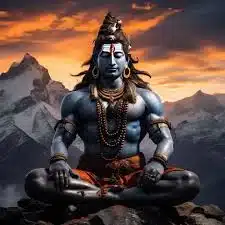












Aparokshanubhuti
Aparokshanubhuti ।।श्रीः।।।।अपरोक्षानुभूतिः।।श्रीहरिं परमानन्दमुपदेष्टारमीश्वरम्।व्यापकं सर्वलोकानां कारणं तं नमाम्यहम्।।1।। ..Śrīḥ….Aparokṣānubhūtiḥ..Śrīhariṃ paramānandamupadeṣṭāramīśvaram.Vyāpakaṃ sarvalokānāṃ kāraṇaṃ taṃ namāmyaham..1.. 1. I bow down to Him – to Sri Hari (the destroyer of ignorance), the Supreme Bliss, the First Teacher, Ishwara, the All-pervading One and the Cause of all Lokas (the universe). अपरोक्षानुभूतिर्वै प्रोच्यते मोक्षसिद्धये।सद्भिरेषा प्रयत्नेन वीक्षणीया मुहुर्मुहुः।।2।। Aparokṣānubhūtirvai procyate mokṣasiddhaye.Sadbhireṣā prayatnena vīkṣaṇīyā muhurmuhuḥ..2.. 2. Herein is expounded (the means of attaining to) Aparokshanubhuti (Self-Realization) for the acquisition of final liberation. Only the pure in heart should constantly and with all effort meditate upon the truth herein taught. स्ववर्णाश्रमधर्मेण तपसा हरितोषणात्।साधनं प्रभवेत्पुंसां वैराग्यादिचतुष्टयम्।।3।। Svavarṇāśramadharmeṇa tapasā haritoṣaṇāt.Sādhanaṃ prabhavetpuṃsāṃ vairāgyādicatuṣṭayam..3.. 3. The four preliminary qualifications (the means to the attainment of knowledge), such as Vairagya (dispassion) and the like, are acquired by men by propitiating Hari (the Lord), through austerities and the performance of duties pertaining to their social order and stage in life. ब्रह्मादिस्थावरान्तेषु वैराग्यं विषयेष्वनु।यथैव काकविष्ठायां वैराग्यं तद्धि निर्मलम्।।4।। Brahmādisthāvarānteṣu vairāgyaṃ viṣayeṣvanu.Yathaiva kākaviṣṭhāyāṃ vairāgyaṃ taddhi nirmalam..4.. 4. The indifference with which one treats the excreta of a crow – such an indifference to all objects of enjoyment from the realm of Brahma to this world (in view of their perishable nature), is verily called pure Vairagya. नित्यमात्मस्वरूपं हि दृश्यं तद्विपरीतगम्।एवं यो निश्चयः सम्यग्विवेको वस्तुनः स वै।।5।। Nityamātmasvarūpaṃ hi dṛśyaṃ tadviparītagam.Evaṃ yo niścayaḥ samyagviveko vastunaḥ sa vai..5.. 5. Atman (the seer) in itself is alone permanent, the seen is opposed to it (ie., transient) – such a settled conviction is truly known as discrimination. सदैव वासनात्यागः शमोऽयमिति शब्दितः।निग्रहो बाह्यवृत्तीनां दम इत्यभिधीयते।।6।। Sadaiva vāsanātyāgaḥ śamo’yamiti śabditaḥ.Nigraho bāhyavṛttīnāṃ dama ityabhidhīyate..6.. 6. Abandonment of desires at all times is called Shama and restraint of the external functions of the organs is called Dama. विषयेभ्यः परावृत्तिः परमोपरतिर्हि सा।सहनं सर्वदुःखानां तितिक्षा सा शुभा मता।।7।। Viṣayebhyaḥ parāvṛttiḥ paramoparatirhi sā.Sahanaṃ sarvaduḥkhānāṃ titikṣā sā śubhā matā..7.. 7. Turning away completely from all sense-objects is the height of Uparati, and patient endurance of all sorrow or pain is known as Titiksha which is conducive to happiness. निगमाचार्यवाक्येषु भक्तिः श्रद्धेति विश्रुता।चित्तैकाग्र्यं तु सल्लक्ष्ये समाधानमिति स्मृतम्।।8।। Nigamācāryavākyeṣu bhaktiḥ śraddheti viśrutā.Cittaikāgryaṃ tu sallakṣye samādhānamiti smṛtam..8.. 8. Implicit faith in the words of the Vedas and the teachers (who interpret them) is known as Shraddha, and concentration of the mind on the only object Sat (i.e., Brahman) is regarded as Samadhana. संसारबन्धनिर्मुक्तिः कथं स्यान्मे दयानिधे।इति या सुदृढा बुद्धिर्वक्तव्या सा मुमुक्षुता।।9।। Saṃsārabandhanirmuktiḥ kathaṃ syānme dayānidhe.Iti yā sudṛḍhā buddhirvaktavyā sā mumukṣutā..9.. 9. When and how shall I, O Lord, be free from the bonds of this world (i.e., births and deaths) – such a burning desire is called Mumukshuta. उक्तसाधनयुक्तेन विचारः पुरुषेण हि।कर्तव्यो ज्ञानसिद्ध्यर्थमात्मनः शुभमिच्छता।।10।। Uktasādhanayuktena vicāraḥ puruṣeṇa hi.Kartavyo jñānasiddhyarthamātmanaḥ śubhamicchatā..10.. 10. Only that person who is in possession of the said qualification (as means to Knowledge) should constantly reflect with a view to attaining Knowledge, desiring his own good. नोत्पद्यते विना ज्ञानं विचारेणान्यसाधनैः।यथा पदार्थभानं हि प्रकाशेन विना क्वचित्।।11।। Notpadyate vinā jñānaṃ vicāreṇānyasādhanaiḥ.Yathā padārthabhānaṃ hi prakāśena vinā kvacit..11.. 11. Knowledge is not brought about by any other means than Vichara, just as an object is nowhere perceived (seen) without the help of light. कोऽहं कथमिदं जातं को वा कर्तास्य विद्यते।उपादानं किमस्तीह विचारः सोऽयमीदृशः।।12।। Ko’haṃ kathamidaṃ jātaṃ ko vā kartāsya vidyate.Upādānaṃ kimastīha vicāraḥ so’yamīdṛśaḥ..12.. 12. Who am I ? How is this (world) created ? Who is its creator ? Of what material is this (world) made ? This is the way of that Vichara (enquiry). नाहं भूतगणो देहो नाहं चाक्षगणस्तथा।एतद्विलक्षणः कश्चिद्विचारः सोऽयमीदृशः।।13।। Nāhaṃ bhūtagaṇo deho nāhaṃ cākṣagaṇastathā.Etadvilakṣaṇaḥ kaścidvicāraḥ so’yamīdṛśaḥ..13.. 13. I am neither the body, a combination of the (five) elements (of matter), nor am I an aggregate of the senses; I am something different from these. This is the way of that Vichara. अज्ञानप्रभवं सर्वं ज्ञानेन प्रविलीयते।संकल्पो विविधः कर्ता विचारः सोऽयमीदृशः।।14।। Ajñānaprabhavaṃ sarvaṃ jñānena pravilīyate.Saṃkalpo vividhaḥ kartā vicāraḥ so’yamīdṛśaḥ..14.. 14. Everything is produced by ignorance, and dissolves in the wake of Knowledge. The various thoughts (modifications of Antahkarana) must be the creator. Such is this Vichara. एतयोर्यदुपादानमेकं सूक्ष्मं सदव्ययम्।यथैव मृद्धटादीनां विचारः सोऽयमीदृशः।।15।। Etayoryadupādānamekaṃ sūkṣmaṃ sadavyayam.Yathaiva mṛddhaṭādīnāṃ vicāraḥ so’yamīdṛśaḥ..15.. 15. The material (cause) of these two (i.e., ignorance and thought) is the One (without a second), subtle (not apprehended by the senses) and unchanging Sat (Existence), just as the earth is the material (cause) of the pot and the like. This is the way of that Vichara. अहमेकोऽपि सूक्ष्मश्च ज्ञाता साक्षी सदव्ययः।तदहं नात्र संदेहो विचारः सोऽयमीदृशः।।16।। Ahameko’pi sūkṣmaśca jñātā sākṣī sadavyayaḥ.Tadahaṃ nātra saṃdeho vicāraḥ so’yamīdṛśaḥ..16.. 16. As I am also the One, the Subtle, the Knower, the Witness, the Ever-Existent, and the Unchanging, so there is no doubt that I am “That” (i.e., Brahman). Such is this enquiry. आत्मा विनिष्कलो ह्येको देहो बहुभिरावृतः।तयोरैक्यं प्रपश्यन्ति किमज्ञानमतः परम्।।17।। Ātmā viniṣkalo hyeko deho bahubhirāvṛtaḥ.Tayoraikyaṃ prapaśyanti kimajñānamataḥ param..17.. 17. Atman is verily one and without parts, whereas the body consists of many parts; and yet the people see (confound) these two as one ! What else can be called ignorance but this ? आत्मा नियामकश्चान्तर्देहो नियम्यबाह्यकः।तयोरैक्यं प्रपश्यन्ति किमज्ञानमतः परम्।।18।। Ātmā niyāmakaścāntardeho niyamyabāhyakaḥ.Tayoraikyaṃ prapaśyanti kimajñānamataḥ param..18.. 18. Atman is the ruler of the body and is internal, the body is the ruled and is external; and yet, etc., आत्मा ज्ञानमयः पुण्यो देहो मांसमयोऽशुचिः।तयोरैक्यं प्रपश्यन्ति किमज्ञानमतः परम्।।19।। Ātmā jñānamayaḥ puṇyo deho māṃsamayo’śuciḥ.Tayoraikyaṃ prapaśyanti kimajñānamataḥ param..19.. 19. Atman is all consciousness and holy, the body is all flesh and impure; and yet, etc., आत्मा प्रकाशकः स्वच्छो देहस्तामस उच्यते।तयोरैक्यं प्रपश्यन्ति किमज्ञानमतः परम्।।20।। Ātmā prakāśakaḥ svaccho dehastāmasa ucyate.Tayoraikyaṃ prapaśyanti kimajñānamataḥ param..20.. 20. Atman is the (supreme) Illuminator and purity itself; the body is said to be of the nature of darkness; and yet, etc., आत्मा नित्यो हि सद्रूपो देहोऽनित्यो ह्यसन्मयः।तयोरैक्यं प्रपश्यन्ति किमज्ञानमतः परम्।।21।। Ātmā nityo hi sadrūpo deho’nityo hyasanmayaḥ.Tayoraikyaṃ prapaśyanti kimajñānamataḥ param..21.. 21. Atman is eternal, since it is Existence itself; the body is transient, as it is non-existence in essence; and yet etc., आत्मनस्तत्प्रकाशत्वं यत्पदार्थावभासनम्।नाग्न्यादिदीप्तिवद्दीप्तिर्भवत्यान्ध्यं यतो निशि।।22।। Ātmanastatprakāśatvaṃ yatpadārthāvabhāsanam.Nāgnyādidīptivaddīptirbhavatyāndhyaṃ yato niśi..22.. 22. The luminosity of Atman consists in the manifestation of all objects. Its luminosity is not like that of fire or any such thing, for (in spite of the