Hari Om

Menu

February 5, 2026

Lord Krishna with Kamadhenu cow and Vishnu resting inside divine cow picture
Navagraha

Kashyapa Atri Bharadwaja

Kashyapa Atri Bharadwaja कश्यपोत्रिः भरद्वाजो विश्वामित्रोथ गौतमः ।जमदग्निः वसिष्ठश्च सप्तैते ऋषयः स्मृताः।। kaśyapotriḥ bharadvājo viśvāmitrotha gautamaḥ .jamadagniḥ vasiṣṭhaśca saptaite ṛṣayaḥ smṛtāḥ.. The saint Kashyapa, Athri, Bharadwaja, Viswamitra, Gautama, Jamadagni and Vashishta – these are the seven rishis to be remembered. Description Morning prayer to the Planets, Rishis, etc.

Kashyapa Atri Bharadwaja Read Post »

Lord Vishwakarma seated on throne holding tools with swan below image
Puja Vidhi

Significance of Vishwakarma Puja

Significance of Vishwakarma Puja The ancient hindu puranas stand as a testament to the fact that there has been a divine architect who created the earth and the entire celestial universe. When there was no land, no water or any other sign of life, Lord Vishwakarma crafted everything. The Vishwakarma Jayanti, also known as the Biswakarma Puja, is performed to celebrate the birth of this holy deity. According to the Moola Stambha Purana, even before Lord Brahma, Lord Vishnu and Lord Mahesh came into existence, Lord Vishwakarma created himself. He is also known as ‘Swayambhu’ which is a Sanskrit word for self made or one who manifests himself. The Vishwakarma Puja is thus celebrated to honour the heavenly creator – Lord Vishwakarma. According to the ancient scriptures, Lord Vishwakarma has 5 faces (Sadyojaata, Vaamadeva, Aghora, Tatpurusha and Ishana). Out of these 5 faces he made five Prajapatis namely Manu, Maya, Twosta, Silpy and Viswajna. People often ask “Who is the Vishwakarma caste?” They are basically five separate Rishis who are the Gothra Rishis of the Vishwakarma caste created by the Devashilpi himself. Significance of Vishwakarma Puja In the Rig Veda, Lord Vishwakarma is addressed as the God-like carpenter who is also identified as Sthapayta Veda. He is thus an establishment of knowledge in the entire universe. Amongst the best of his creations, he also formed Shiva’s trishul, Vijay Dhanusha of Arjuan and the city of Indraprastha on the west of river Yamuna. History also points that Swarga in the Satya Yuga, Lanka in the Treta Yug and Dwarka in the Dwapar Yug were built by him. The Vishwakarma Puja is generally observed on the day of Kanya Sankranti. It is considered highly auspicious and significant by people who are in the business of manufacture and machinery. Individuals are spiritually enthusiastic in praying for the smooth functioning of their assets. They believe that Lord Vishwakarma will shower wealth, success and an overflowing business in future. If any devotee has the desire to open a new office, increase productivity, get rid of negativity or start any kind of new business venture, it is suggested to worship Bhagwan Vishwakarma on this day. Vishwakarma Puja Celebrations Devotees on this day celebrate by offering prayers and decorating with flowers in the markets, factories and their workplaces. They worship Lord Vishwakarma and his vehicle, which is the elephant. His idol is placed in pandals, where the worshippers perform rituals and distribute prasad. Worshipping tools and instruments on this day hold a special significance, often leading to workplaces being closed for the celebrations. In many places communal lunches are organised for workers. A unique tradition on this day is kite flying, which is believed to honour Lord Vishwakarma’s craftsmanship, especially his creation of flying chariots (such as Pushpak Viman for Lord Kuber) and weapons for the gods. Vishwakarma Puja Vidhi (Rituals) Conclusively, whether you’re an artist looking to polish your skills, or a worker who wishes to boost their productivity, being a part of the Vishwakarma Puja is the best way to achieve these goals. Worship Lord Vishwakarma to develop a better life, become efficient and get profitable results.

Significance of Vishwakarma Puja Read Post »

Navagraha deities poster showing Surya at center with nine planetary gods image
Navagraha

Brahma Murari Tripuranatakari

Brahma Murari Tripuranatakari ब्रह्मा मुरारिः त्रिपुरांतकारी भानुः शशी भूमिसुतो बुधश्च ।गुरुश्च शुक्रः शनि राहु केतवः कुर्वतु सर्वे मम सुप्रभातम् ॥ brahmā murāriḥ tripurāṃtakārī bhānuḥ śaśī bhūmisuto budhaśca .guruśca śukraḥ śani rāhu ketavaḥ kurvatu sarve mama suprabhātam .. Brahma, Murari, Shiva, Sun, Moon, Mangal, Budha, Guru, Shukra, Sani, Rahu and Ketu – may all of them make mine a good morning. Description Morning prayer to the Planets, Rishis, etc.

Brahma Murari Tripuranatakari Read Post »

Onam
Puja Vidhi

Onam Puja Vidhi

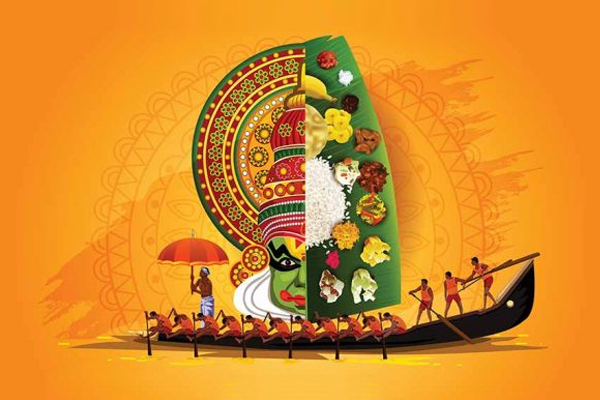
Onam Puja Vidhi Onam stands as the most memorable and ancient festival of Kerala, comparable in grandeur to the major festivals of India. It honors the divine appearance of Bhagwan Vishnu in his Vamana avatar and commemorates the annual homecoming of the legendary Emperor Mahabali from Patala, the netherworld. Vamana consigned King Mahabali to the underworld but granted him the boon of returning once a year to visit his people during Onam. On Thiruvonam day, it is held that the emperor graces every home with his presence. The festival, spanning ten days, steadily builds in fervor and joy, filling the land with splendor and cultural vibrance. Onam is observed in the month of Chingam (August to September) of the Malayalam solar calendar. This month corresponds to Simha in other solar calendars and Avani in the Tamil calendar. The festival is timed with the Thiruvonam Nakshatra in Chingam, which is identified as Shravana in other Hindu calendars. When is Onam Festival (Onam 2026 Date) Thiruvonam on Saturday, August 29, 2026 Thiruvonam Nakshathram Begins – 10:12 PM on Aug 28, 2026Thiruvonam Nakshathram Ends – 10:05 PM on Aug 29, 2026 Significance of Onam Onam celebrations begin on the day of Atham, falling in August or early September, and last for ten days, concluding on Thiruvonam. The festival honors King Mahabali, a legendary and benevolent asura ruler who presided over a kingdom of great prosperity and harmony and was deeply loved by his people. His growing power sparked envy among the gods, prompting Bhagwan Vishnu to appear as Vamana, a dwarf Brahmin. Vamana requested three measures of land from Mahabali; when granted, he expanded to cosmic proportions, covering the earth and sky in two strides. For the third step, Mahabali humbly offered his own head, leading to his descent into the netherworld. Moved by Mahabali’s unwavering devotion and virtue, Bhagwan Vishnu granted him the annual boon to return to earth. Onam celebrates this joyous homecoming with vibrant rituals and festivities that honor the beloved king and his enduring legacy. Seasonal Significance This ten-day festival, celebrated between August and September, signals the end of the monsoon and the beginning of the harvest season. It honors the return of King Mahabali, the legendary ancient ruler of Kerala, whose reign was remembered for prosperity, fairness, and joyous times. Onam is celebrated across Kerala with widespread joy and enthusiasm, bringing together people from all sections of society. The festival reflects both its deep roots in ancient agrarian traditions and its strong connection to mythology, making it a vibrant blend of cultural heritage and spiritual significance. Celebrations and Cultural Importance Spanning ten days, Onam is observed in the month of Chingam (August to September) of the Malayalam solar calendar, coinciding with the Thiruvonam Nakshatra. The festival unites families and communities through traditional music, dance, boat races, and elaborate feasts called Onasadya. Symbolizing hope, unity, and the triumph of good over evil, Onam’s rich cultural heritage continues to inspire devotion and pride among the people of Kerala and beyond. The Legend of Onam Thiruvonam Onam and King Maha Bali . Onam celebrates the homecoming of the great asura King Maha Bali from Patala Loka. Maha Bali, grandson of the revered devotee Prahlada, was a powerful and wise king who valued knowledge deeply. During a yagna, a radiant young boy appeared and was welcomed by Maha Bali, who asked what he desired. The boy requested land measured by three footsteps. Without hesitation, Maha Bali agreed, despite warnings from his guru Shukracharya that the guest was Bhagwan Vishnu in disguise. As the legend unfolds, the boy took on the colossal form of Trivikrama. With his first step, he measured the entire earth; with the second, he spanned the whole sky, thus claiming all of Maha Bali’s kingdom. When asked where to place the third step, Maha Bali, in complete devotion and surrender, offered his own head. Recognizing this humility, Bhagwan Vishnu blessed him, sent him to Patala, promised him future kingship as Indra in the next Manvantara, and vowed to guard the gates of Patala Himself. Responding to the pleas of Maha Bali’s subjects, Bhagwan Vishnu granted him permission to return and be with his people once every year. This annual return is joyfully celebrated as the festival of Onam. The Deeper Meaning Behind the Legend The legend of the Vamana avatar conveys a profound Puranic message, offering a timeless moral through symbolic storytelling. King Mahabali, despite his generosity and power, let pride overshadow his wisdom as he claimed control over all he could see, believing himself unconquerable. The story teaches that true strength lies in knowledge and humility, which alone can overcome ego, a force that otherwise grows boundlessly like the earth and sky. Vamana’s three steps symbolize the journey to conquering arrogance: How is Onam Celebrated Onam is the most celebrated traditional festival of Kerala, observed with devotion and cultural splendor by the Malayali community across the world. It showcases a rich blend of rituals, art, music, dance, food, and social harmony. Malayali households decorate their courtyards with Pookkalam, intricate floral rangoli designs made with fresh blossoms, especially yellow flowers. Pookkalam is considered a symbol of prosperity and good fortune, welcoming King Mahabali into every home. Among the grand traditions of Onam, Vallamkali or the Snake Boat Race is one of the most popular. Longboats rowed in perfect rhythm across Kerala’s backwaters create a spectacle that attracts thousands, including tourists from far and wide. Pulikali , the tiger dance, is another striking tradition. On the fourth day of Onam, men paint their bodies as tigers and hunters, dancing vibrantly to drumbeats in public spaces. A highlight of the festival is the grand feast called Onam Sadya . Families invite relatives and friends to share a traditional vegetarian meal served on banana leaves. The spread includes an array of dishes, with rice, curries, curd, and the iconic Payasam, a sweet delicacy prepared with milk, rice, coconut, and jaggery or sugar. Performing arts are central to Onam celebrations. Kathakali, Kerala’s classical dance-drama, narrates episodes from Hindu epics with elaborate costumes


Onam Puja Vidhi Read Post »

Lord Murugan standing with spear and peacock beside him image
Navagraha

Bhugurvashista Kraturam

Bhugurvashista Kraturam भूगुर्वसिष्ठः क्रतुरंगिराश्च मनुः पुलस्त्यः पुलहश्च गौतमः ।रैम्यो मरीचिः च्यवनश्च दक्षः कुर्वतु सर्वे मम सुप्रभातम् ।। bhūgurvasiṣṭhaḥ kraturaṃgirāśca manuḥ pulastyaḥ pulahaśca gautamaḥ .raimyo marīciḥ cyavanaśca dakṣaḥ kurvatu sarve mama suprabhātam .. Bhrighu, Vashishta, Kratu, Angira, Manu, Pulasthya, Pulaha, Gautama, Raibhya, Marichi, Chyavana and Daksha – may all of them make mine a good morning. Description Morning prayer to the Planets, Rishis, etc.

Bhugurvashista Kraturam Read Post »

1b88cd9ce76bb5c5747b627ae6ee422a
Puja Vidhi

Pongal Puja Vidhi

Pongal Puja Vidhi Harvest Festival Celebration (13th to 16th January) 1. The Harvest Festival Pongal is a harvest festival – the Thamil equivalent of Thanksgiving. In an agriculture based civilisation the harvest plays an important part. The farmer cultivating his land depends on cattle, timely rain and the Sun. Once a year, he expresses his gratitude to these during the harvest festival. With the end of the wet month of Margazhi (mid December to mid January) the new Thamil month of Thai heralds a series of festivals. The first day of this month is a festival day known as “Pongal Day”. Pongal means the “boiling over” of milk and rice during the month of Thai. According to the calendar based on the solar system the year is divided into two halves following the apparent movement of the Sun northwards and Southwards. The farmer is termed Uttarayanam and the latter is Dakshinayanam. On the first day of the Thai, the Sun leaves the zodiac sign of Sagittarius and enters that of capricorn, the latter is known as Makaram. The event thus is celebrated as Pongal. The four day celebration of Pongal Marks a period of plenty, peace and happiness. There is a Thamil saying that “Thai peranthal Vali Perakum”. That paraphrased means with the dawn of the month of Thai, there will be peace, happiness, prosperity, brightness and harmony in the life of everyone. It is held to honor the Sun, for a bountiful harvest. Families gather to rejoice and share their joy and their harvests with others. The Sun is offered a “Pongal” of rice and milk. Preparations for this festival start early and the first thing that is always found in Hindu homes before the start of Pongal is the ‘kolam’. This is a form of decoration for the Hindus’ homes. This decorative pattern is made with rice flour & is usually drawn on the floor outside the door. The kolams serve as a symbol of welcoming guests to the entrance of the house. At the center of the Kolam is a lump of cow-dung, which holds a five-petaled pumpkin flower-a symbol of fertility and an offering of love to the presiding deity. The houses are cleaned and decorated to prepare for Pongal. For the festival, the Hindus buy new clothes and the ladies of the households would prepare sweetmeats. There is also a belief in the Hindus that the harvest festival will bring great wealth and goodness to their homes. All the four days of Pongal have their own significance as separate deities are worshiped each day. The first day is celebrated as the Bhoogi Pongal and is usually meant for domestic activities and of being together with the family members. This first day is celebrated in honor of Lord Indra, the supreme ruler of clouds that give rains. The second day is known as ‘Pongal’ the most important day of the entire festival, where prayers are offered to the Sun. On this day, the Sun is given great importance and hence the day is called Surya Pongal. The third day is known as Mattu Pongal, the day of Pongal for cows. The cattle are washed, their horns are painted and covered with shining metal caps. Kaanu Pongal, which falls on the same day as Maatu Pongal, is celebrated by sisters for the welfare of their brothers. This festival is reminiscent of Raksha Bandhan and Bhai Dooj of North India.


Pongal Puja Vidhi Read Post »

099b49a1b6517926b8c1f14375368e89
Puja Vidhi

Nag Panchami Puja Vidhi

Nag Panchami Puja Vidhi Naga Panchami is a sacred Hindu Festival observed on the Shukla Paksha Panchami during the Hindu calendar month of Savan or Shravan. As per the Gregorian calendar, Nag Panchami falls in July or August. It is celebrated two days after Hariyali Teej. Women pray for the well-being of their brothers and families. They worship the Nag Devta (the Lord of Serpents), in temples and sometimes visit Snake pits/holes and offer milk to them. What is Nag Panchami Festival? The term ‘Nag’ means Serpent/snake/Cobra. The term Panchami means the fifth day of either the waxing Moon (Shukla Paksha) or waning Moon (Krishna Paksha), in the Lunar cycle with each phase lasting for 15 days. It is a special day of worshipping Snakes (specifically cobras) by the Hindus. Worshipping nature, and animals is an eternal part of Hindu philosophy. Hindu Deities are mostly associated with an animal as Vahan or vehicle, and these Vahans are respected and worshipped by Hindus. When Is Nag Panchami This Year? Nag Panchami on Monday, August 17, 2026 Nag Panchami Puja Muhurat – 06:20 AM to 08:53 AM Duration – 02 Hours 33 Mins Nag Pancham date in Gujarat – Tuesday, September 1, 2026 Panchami Tithi Begins – 04:52 PM on Aug 16, 2026 Panchami Tithi Ends – 05:00 PM on Aug 17, 2026 Nagpanchami is one of the most popular festivals which is celebrated with great devotion and enthusiasm by the Hindus. On this day, the Snake Lord is worshipped. Devotees perform the traditional ritual of Holy bathing the divine idol of Snake Lord. On this auspicious day one can also witness snake charmers in many places of the country with bamboo baskets with living snakes in it. These snake charmers make the snake dance by playing an instrument called “Been”. Many people gather around the snake charmer and even offer milk to the snake and worship it. Devotees perform Naag Puja of the Ashta Naag devtas. Ashta Naag literally means eight snakes. Given below is a small prayer or mantra which is recited to venerate the Ashta (eight) Naag (snakes). Nag Panchami Mantra Vasuki: Takshaschaiva Kaliyo Manibhadrakah.Airavato Dhritarashtra: Karkotakadhananjay.Etebhayam prayachhanti praninam pranajeevinam.(Bhavishyottara Purana – 32-2-7)(Meaning: Vasuki, Takshaka, Kaliya, Manibhadrak, Airavata, Dhritarashtra, Karkotaka and Dhananjaya – these give fearlessness to beings.) These are the revered 8 snakes. सर्वे नागाः प्रीयन्तां मे ये केचित् पृथ्वीतले।ये च हेलिमरीचिस्था येऽन्तरे दिवि संस्थिताः॥ये नदीषु महानागा ये सरस्वतिगामिनः।ये च वापीतडगेषु तेषु सर्वेषु वै नमः॥ (Sarve nagah preeyanta me ye kechit prithvitale| Ye cha helimareechistha yentare divi sansthitah|| Ye nadeeshu mahaanaga ye saraswatigaminah| Ye cha vaapeetadgeshu teshu sarveshu vae namah||)Meaning of the Mantra: All the snakes who are staying in this world, sky, heaven, sunrays, lakes, wells, ponds etc. bless us, we all bow to you. Information About Nag Panchami: Nag Panchami is a traditional reverence of serpent Gods observed by Hindus throughout India. As per the Hindu calendar, some days are considered significant to worship serpent Gods and Panchami Tithi especially during Shravana month is considered highly auspicious to worship serpent Gods. Nag Panchami is one of those significant days and it observed on Shukla Paksha Panchami during Shravana month. It is believed that any Puja offered to snakes would reach to the serpent Gods. Hence people worship live snakes (especially cobras) on the day as representative of serpents Gods who are venerated and worshipped in Hinduism. Although there are several serpent Gods, following twelve are worshipped during Nag Panchami Puja – Ananta Vasuki Shesha Padma Kambala Karkotaka Ashvatara Dhritarashtra Shankhapala Kaliya Takshaka Pingala Nag Panchami celebrated on the Panchami Tithi of Shukla Paksha in the Hindu month of Shravana. It comes either in July or August. The Nagoba Temple, located in the Nagpur district in Maharastra, is famous for conducting the Nag Panchami Festival. Through this festival, devotees, especially women, seek the blessings of Naga Dev. People ask for his forgiveness, and they pray for attaining happiness and fulfilment for their families. Naga Panchami is also known as Nag Chathruti and Nagil Charithi. There are different names for the occasion in various parts of the country. This year, Nagpanchami will be celebrated on the Monday, August 17, 2026, in the Northern part of India, in states like, Bihar, Uttar Pradesh, Madhya Pradesh and Rajasthan. It is also celebrated on the same day in the western and southern states like, Maharashtra, Andhra Pradesh, Karnataka, Tamil Nadu which follows the Amavasyant Calendar. It is only in Gujarat, that Nag Panchami is observed 15 days later than that of most other states. According to new moon lunar calendar followed in Gujarat, Nag Panchami falls during Krishna Paksha Panchami of Shravana month. Nag Panchami is more popularly known as Nag Pancham in Gujarat and usually observed three days before Krishna Janmashtami festivities. Nag Panchami Puja Vidhi: Mostly people go the temple to perform the Puja. But here is, How to do Nag Panchami Puja at home: Nag Panchami Puja performed on the day of Nag Panchami is highly auspicious and rewarding. The Vedas consider the Nagas (Snakes) very significant and divine. The festival of Nag Panchami is celebrated to offer prayers to the Snakes and Serpents that are associated with the trinity, Brahma, Vishnu, and Mahesh. Bhagwan Vishnu, himself rests on Ananta Shesha, a thousand-hooded Serpent. Bhagwan Shiva always keeps the Snake named Vasuki around His neck. Names of 9 Naag Devatas are Anant, Vasuki, Shesh, Padmanabh, Kambal, Shankhapal, Dhrutrashtra, Takshak, and Kalia if prayed daily in the morning protects you from all evils and helps you become victorious in life. Benefits of this Nag Panchami Puja: Fasting on Nag Panchami (Nag Panchami Vrat Vidhi): Significance Of Milk on Nag Panchami Festival One crucial story that stands relevant about feeding milk to snakes goes back to the Samudra Manthan. In the quest of finding Amrit (divine nectar) by Devas and Asuras, a deadly poison named Halahal erupted from the ocean. It has the power to wipe out the entire universe. Bhagwan Shiva drank the poison for saving the universe. While drinking, some droplets fell on earth, which were consumed by his snakes. The Devtas performed the Ganga Abhishek on Shiva and on the snakes for calming the effect of

Nag Panchami Puja Vidhi Read Post »

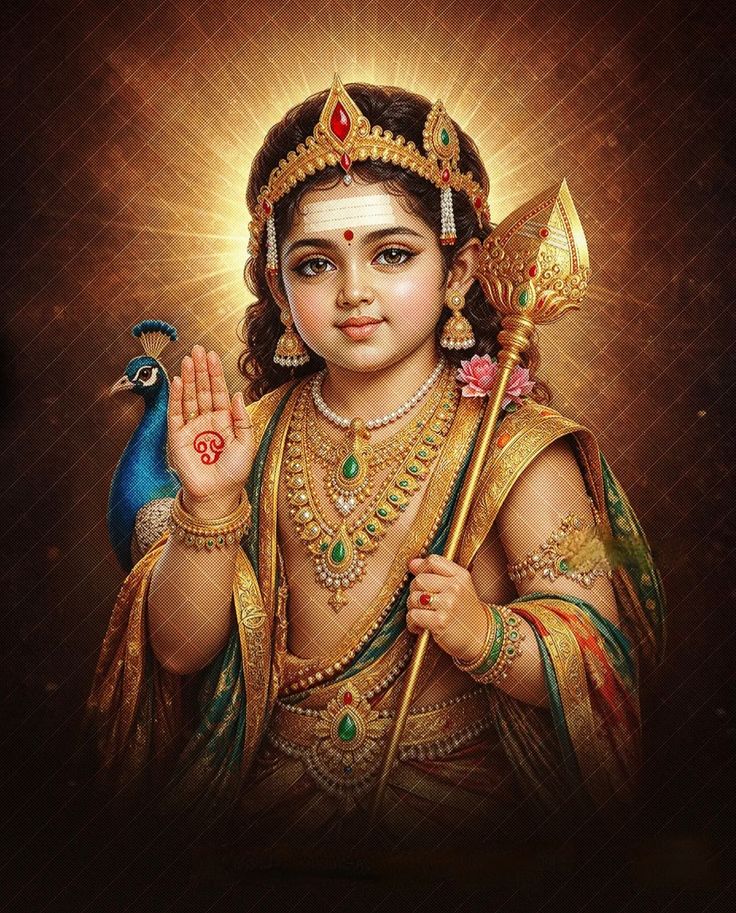
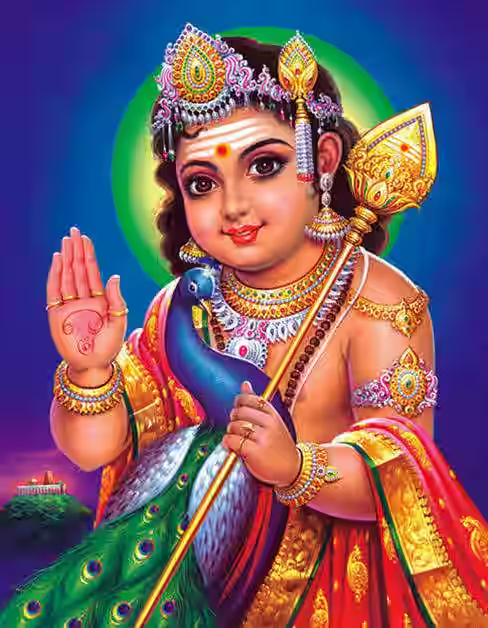
Bal Murugan holding Vel with peacock and blessing hand image
Muruga

Subramanya Bhujangam

Subramanya Bhujangam सदा बालरूपाऽपि विघ्नाद्रिहन्त्रीमहादन्तिवक्त्राऽपि पञ्चास्यमान्या ।विधीन्द्रादिमृग्या गणेशाभिधा मेविधत्तां श्रियं काऽपि कल्याणमूर्तिः ॥ १॥Sadā Bāla-ṟūpa-āpi Vighna-ādri-ḥantrīṃahā-ḍanti-Vaktra-āpi Pan.cāsya-ṃānyā |Vidhi-īndra-[ā]adi-ṃrgyā ġanneśa-ābhidhā ṃeVidhattām ṣriyam k͟hā-āpi k͟halyānna-ṃūrtih ||1||Invocation of SrI Vighneshvara:Let Him who is called the giver of good things, who forever looks like a small child, crumbles mountains of great obstacles, who though having a huge elephants head, is much respected by Lord Shiva, who is being searched by gods like Brahma, and who is called the lord of Ganas, bless me with wealth.न जानामि शब्दं न जानामि चार्थंन जानामि पद्यं न जानामि गद्यम् ।चिदेका षडास्य हृदि द्योतते मेमुखान्निःसरन्ते गिरश्चापि चित्रम् ॥ २॥ṇa Jānāmi ṣabdam ṇa Jānāmi Ca-ārthamṇa Jānāmi Padyam ṇa Jānāmi ġadyam |Cid-ĕkā Ssaddāsyā ḥrdi ḍyota-ṭe ṃeṃukhān-ṇihsarante ġiraś-Ca-āpi Citram ||2||Acharya’s humility:Though I do not know words, nor the meanings of words, nor the form of prose or verse, but in my heart shines a effulgent light with luminous six faces, and wonder of wonders, words flow from my heart without a stop, and make a pretty picture using words.मयूराधिरूढं महावाक्यगूढंमनोहारिदेहं महच्चित्तगेहम् ।महीदेवदेवं महावेदभावंमहादेवबालं भजे लोकपालम् ॥ ३॥ṃayūra-ādhirūddham ṃahā-Vākya-ġūddhamṃanohāri-ḍeham ṃahac-Citta-ġeham |ṃahī-ḍeva-ḍevam ṃahā-Veda-Bhāvamṃahā-ḍeva-Bālam Bhaje l̤oka-Pālam ||3||Lord as the goal of Vedas:I sing the praise of that protector of the world, who rides on a peacock, who is the meaning of great Vedic sayings, who has a very pretty mien, who resides in the minds of great ones, who is the god of all gods, who is the tenor of the Vedas, and who is the great son of Lord Shiva.यदा सन्निधानं गता मानवा मेभवाम्भोधिपारं गतास्ते तदैव ।इति व्यञ्जयन्सिन्धुतीरे य आस्तेतमीडे पवित्रं पराशक्तिपुत्रम् ॥ ४॥ẏadā Samnidhānam ġatā ṃānavā ṃeBhava-āmbhodhi-Pāram ġatās-ṭe ṭadai[a-ĕ]va |īti Vyan.jayan-Sindhu-ṭīre ẏa āasteṭam-īidde Pavitram Parāśakti-Putram ||4||Reason for residing on the sea shore:I sing the praise of that pure son of the great Shakthi, whose abode is near the sea shore (Thiruchendur is a coastal town) as if it is an indication that whenever a devotee takes refuge in the lord, he has crossed the ocean of painful day-to-day life.यथाब्धेस्तरङ्गा लयं यान्ति तुङ्गाःतथैवापदः सन्निधौ सेवतां मे ।इतीवोर्मिपङ्क्तीर्नृणां दर्शयन्तंसदा भावये हृत्सरोजे गुहं तम् ॥ ५॥ẏatha-ābdhes-ṭaranggā l̤ayam ẏanti ṭunggāhṭathai[ā-ĕ]va-[ā]apadah Sannidhau Sevatām ṃe |īti-īvo[a-ūu]rmi-Pangktīr-ṇrnnām ḍarśayantamSadā Bhāvaye ḥrt-Saroje ġuham ṭam ||5||…(पूरा पाठ इसी प्रकार निरन्तर, बिना खाली लाइनों के, ज्यों-का-त्यों चलता है)…॥ इति श्रीमच्छङ्करभगवतः कृतौ श्रीसुब्रह्मण्यभुजङ्गं सम्पूर्णम् ॥.. iti śrīmacchaṅkarabhagavataḥ kṛtau śrīsubrahmaṇyabhujaṅgaṃ sampūrṇam .. Description Sri Subramanya bhujangam is a stotra sung under inspiration by Sri Adi Shankaracharya at Thiruchendur ( presently located in Tamil Nadu, India). When he meditated upon SrI Subrahmanya, he became aware of the self luminous light shining in his heart and words came out his mouth in extempore in bhujanga metre. It is also said that acharya then actually saw the Adishesha worshipping the lord and adopted the bhujanga metre.

Subramanya Bhujangam Read Post »

sri murugan jothida nilayam ariyalur to v kaikatti main road ariyalur astrologers 0mysjdubtp
Muruga, Stotra

Kartikeya Pragya Vivardhana Stotram

Kartikeya Pragya Vivardhana Stotram योगीश्वरो महासेनः कार्तिकेयोऽग्निनंदनः ।स्कंदः कुमारः सेनानीः स्वामी शंकरसंभवः ॥१॥ẏogīśvaro ṃahā-Senah k͟hārtikeyo[a-āa]gni-ṇandanah |Skandah k͟humārah Senānīh Svāmī ṣankara-Sambhavah ||1||Salutations to Sri Kartikeya who is a master yogi, who is known as mahasena when referred to as the son of agni deva and who is known as kartikeya when referred to as the son of the six kritikas, who is known as skanda when referred to as son of devi Parvati, who is known as Kumara when referred to as son of devi Ganga, who is the leader of the army of devas, who is our master and who is born of lord Shankara.गांगेयस्ताम्रचूडश्च ब्रह्मचारी शिखिध्वजः ।तारकारिरुमापुत्रः क्रौंचारिश्च षडाननः ॥२॥ġāngeyas-ṭāmra-Cūddaśca Brahmacārī ṣikhi-ḍhvajah |ṭāraka-ārir-ūmā-Putrah k͟hrauncā-ṟiśca Ssaddānanah ||2||Salutations to Sri Kartikeya who is loved by mother Ganga and his follower Tamrachuda, who is celebate and has peacock as his emblem, who is the enemy of Tarakasura and Krauncasura, who is the son of devi Uma and has six faces.शब्दब्रह्मसमुद्रश्च सिद्धः सारस्वतो गुहः ।सनत्कुमारो भगवान् भोगमोक्षफलप्रदः ॥३॥ṣabdabrahmasamudraśca Siddhah Sārasvato ġuhah |Sanatkumāro Bhagavān Bhogamokssaphalapradah ||3||Salutations to Sri Kartikeya who is accomplished in the knowlege of the ocean of sabda-brahman, who is eloquent in describing the great spiritual secrets of the sabda-brahman and hence aptly known as guha when referred to as the son of lord Shiva (who is the embodiment of sabda-brahman), who is always youthful and pure like sanatkumara, who is divine and who grants both the fruits for worldly enjoyment (due to meritorious deeds) and final liberation.शरजन्मा गणाधीश पूर्वजो मुक्तिमार्गकृत् ।सर्वागमप्रणेता च वांच्छितार्थप्रदर्शनः ॥४॥ṣarajanmā ġannādhīśa Pūrvajo ṃuktimārgakrt |Sarvāgamaprannetā Ca Vānccitārthapradarśanah ||4||Salutations to Sri Kartikeya who was born on shara, a particular variety of grass and hence known as Saravana, whose elder is Sri Ganesha and who has created (i.e. shown) the path of liberation, who is reverentially saluted by all the agamas (scriptures) and who shows the way towards the desired object of spiritual life (as mentioned in the scriptures).अष्टाविंशतिनामानि मदीयानीति यः पठेत् ।प्रत्यूषं श्रद्धया युक्तो मूको वाचस्पतिर्भवेत् ॥५॥āssttāvimśatināmāni ṃadīyānīti ẏah Patthet |Pratyūssam ṣraddhayā ẏukto ṃūko Vācaspatirbhavet ||5||My devotees who repeat my twenty eight names and contemplate on my spiritual precepts everyday at dawn with faith and devotion, will become a master of speech even if he is dumb (due to lack of wisdom).महामंत्रमयानीति मम नामानुकीर्तनम् ।महाप्रज्ञामवाप्नोति नात्र कार्या विचारणा ॥६॥ṃahāmantramayānīti ṃama ṇāmānukīrtanam |ṃahāprajnyāmavāpnoti ṇātra k͟hāryā Vicārannā ||6||My spiritual precepts and devotional repetition of my names will act like maha mantra, also devotee will obtain great wisdom and intelligence by contemplating on my divine leela (play).इति श्रीरुद्रयामले प्रज्ञाविवर्धनाख्यं श्रीमत्कार्तिकेयस्तोत्रं सम्पूर्णम् ॥७॥īti ṣrī-ṟudrayāmale Prajnyā-Vivardhan-āakhyam ṣrīmat-k͟hārtikeya-Stotram Sampūrnnam ||7||Thus ends the description which augments the intelligence and wisdom from the rudra yamala text, thus ends the eulogy of the illustrious Sri Kartikeya. Description These are 28 names of Kartikeya and the one who recites with devotion will become the master of speech, gains oratory skills and sharpness, intelligence and knowledge with the grace of the lord. The memory power will also increase.

Kartikeya Pragya Vivardhana Stotram Read Post »

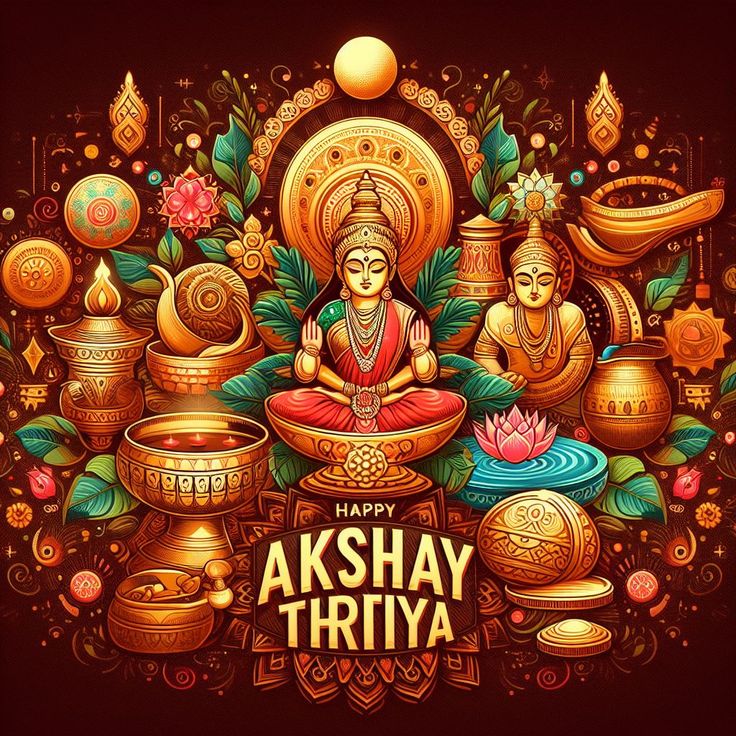
Goddess Lakshmi festive illustration with lamps coins and Akshay Tritiya text image
Puja Vidhi

Akshaya Tritiya Pooja Vidhi

Akshaya Tritiya Pooja Vidhi You will not find a simpler method than this for Akshaya Tritiya Puja anywhere else. This year, Akshaya Tritiya will be celebrated in the month of Baishakh on May 7, 2019. Learn the simplest method of worship. * On the day of the fast, wake up in Brahma Muhurta.* After cleaning the house and completing your daily chores, take a bath with holy or pure water.* Install the idol or picture of Lord Vishnu at some sacred place in the house.* Make a resolution with the following mantra: Mamakhilpapakshaya, get all the auspicious results Worship God in the name of God.* After taking a resolution, bathe Lord Vishnu with Panchamrit.HindiLIVE: Jaishankar told, who is behind the India-US trade deal?Read More Worship Lord Vishnu with the Shodashopachar method.* Wear a fragrant garland to Lord Vishnu.* Offer barley or wheat sattu, cucumber and gram dal as naivedya.* If possible, chant Vishnu Sahasranaam.* Finally, Tulsi water should be offered and Aarti should be performed with devotion. * Keep fast on this day. * Fill a small earthen pot with water, place a melon on it and after worshipping it, donate it to any married woman. 

Akshaya Tritiya Pooja Vidhi Read Post »