Hari Om

Menu

February 5, 2026

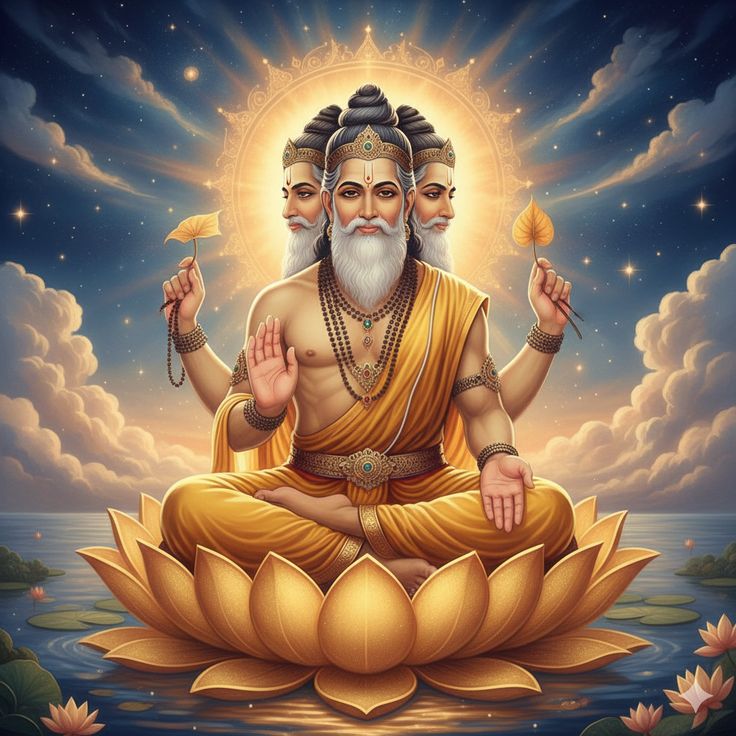
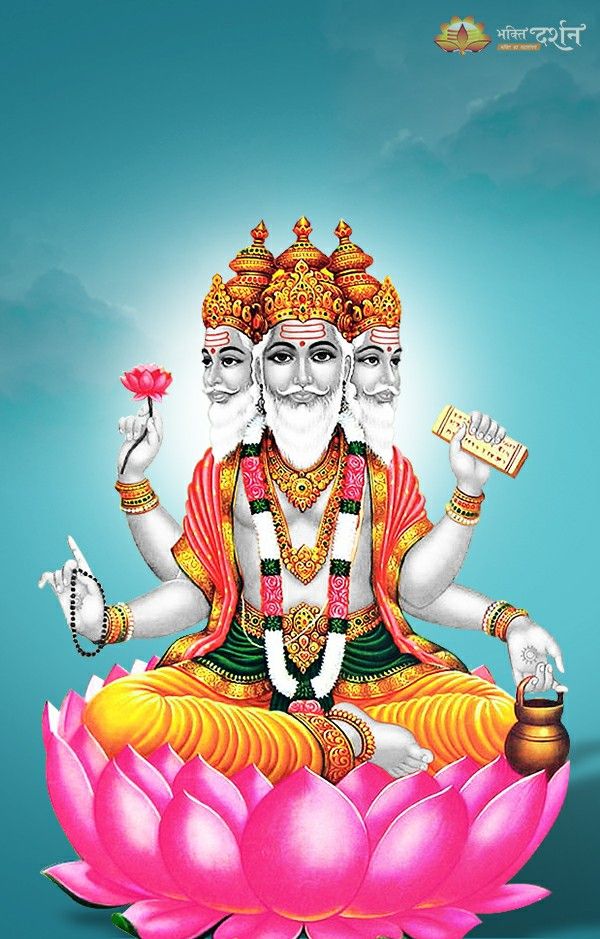
Lord Brahma seated on lotus with three faces image
Surya

Surya Ashtakam

Surya Ashtakam आदिदेव नमस्तुभ्यं प्रसीद मम भास्कर ।दिवाकर नमस्तुभ्यं प्रभाकर नमोऽस्तु ते ॥१॥āadi-ḍeva ṇamastubhyam prasīda mama bhāskara |ḍivākara ṇamastubhyam prabhākara ṇamostu ṭe ||1||Salutations to you O Adideva (the first god), please be gracious to me O Bhaskara (the shining one), O Divakara (the maker of the day), O Prabhakara (the maker of light), my salutations to you. सप्ताश्वरथमारूढं प्रचण्डं कश्यपात्मजम् ।श्वेतपद्मधरं देवं तं सूर्यं प्रणमाम्यहम् ॥२॥sapta-aśva-ratham-ārūḍhaṃ pracaṇḍaṃ kaśyapātmajam |śveta-padma-dharaṃ devaṃ taṃ sūryaṃ praṇamāmyaham ||2||Salutations to Sri Surya Deva! You are mounted on a chariot driven by seven horses, exceedingly powerful, the son of sage Kashyapa, the deity who holds a white lotus; I bow to you, O Surya Deva. लोहितं रथमारूढं सर्वलोकपितामहम् ।महापापहरं देवं तं सूर्यं प्रणमाम्यहम् ॥३॥lohitaṃ ratham-ārūḍhaṃ sarva-loka-pitāmaham |mahā-pāpa-haraṃ devaṃ taṃ sūryaṃ praṇamāmyaham ||3||Salutations to Sri Surya Deva! You are reddish in hue, mounted on a chariot, the forefather of all beings, the remover of great sins; I bow to you, O Surya Deva. त्रैगुण्यं च महाशूरं ब्रह्मविष्णुमहेश्वरम् ।महापापहरं देवं तं सूर्यं प्रणमाम्यहम् ॥४॥traiguṇyaṃ ca mahāśūraṃ brahma-viṣṇu-maheśvaram |mahā-pāpa-haraṃ devaṃ taṃ sūryaṃ praṇamāmyaham ||4||Salutations to Sri Surya Deva! You embody the three gunas and the powers of Brahma, Vishnu, and Maheshvara, the heroic remover of great sins; I bow to you, O Surya Deva. बृंहितं तेजःपुञ्जं च वायुमाकाशमेव च ।प्रभुं च सर्वलोकानां तं सूर्यं प्रणमाम्यहम् ॥५॥bṛṃhitaṃ tejaḥ-puñjaṃ ca vāyum ākāśam eva ca |prabhuṃ ca sarva-lokānāṃ taṃ sūryaṃ praṇamāmyaham ||5||Salutations to Sri Surya Deva! You are an immense mass of radiant energy pervading like air and space, the lord of all worlds; I bow to you, O Surya Deva. बन्धुकपुष्पसङ्काशं हारकुण्डलभूषितम् ।एकचक्रधरं देवं तं सूर्यं प्रणमाम्यहम् ॥६॥bandhuka-puṣpa-saṅkāśaṃ hāra-kuṇḍala-bhūṣitam |eka-cakra-dharaṃ devaṃ taṃ sūryaṃ praṇamāmyaham ||6||Salutations to Sri Surya Deva! You shine like a red hibiscus flower, adorned with garlands and earrings, holding a single discus; I bow to you, O Surya Deva. तं सूर्यं जगत्कर्तारं महातेजः प्रदीपनम् ।महापापहरं देवं तं सूर्यं प्रणमाम्यहम् ॥७॥taṃ sūryaṃ jagat-kartāraṃ mahā-tejaḥ pradīpanam |mahā-pāpa-haraṃ devaṃ taṃ sūryaṃ praṇamāmyaham ||7||Salutations to Sri Surya Deva! You are the creator and energizer of the universe, the illuminator with great radiance, the remover of great sins; I bow to you, O Surya Deva. तं सूर्यं जगतां नाथं ज्ञानविज्ञानमोक्षदम् ।महापापहरं देवं तं सूर्यं प्रणमाम्यहम् ॥८॥taṃ sūryaṃ jagatāṃ nāthaṃ jñāna-vijñāna-mokṣadam |mahā-pāpa-haraṃ devaṃ taṃ sūryaṃ praṇamāmyaham ||8||Salutations to Sri Surya Deva! You are the lord of the worlds, the giver of knowledge, wisdom, and liberation, the remover of great sins; I bow to you, O Surya Deva. Description The Suryashtakam is a hymn dedicated to Lord Surya, the Sun. It is from Samba Puranam, an ancient text of India, and it is recited to invoke blessings of good health, abundance, and a happy, long life.

Surya Ashtakam Read Post »

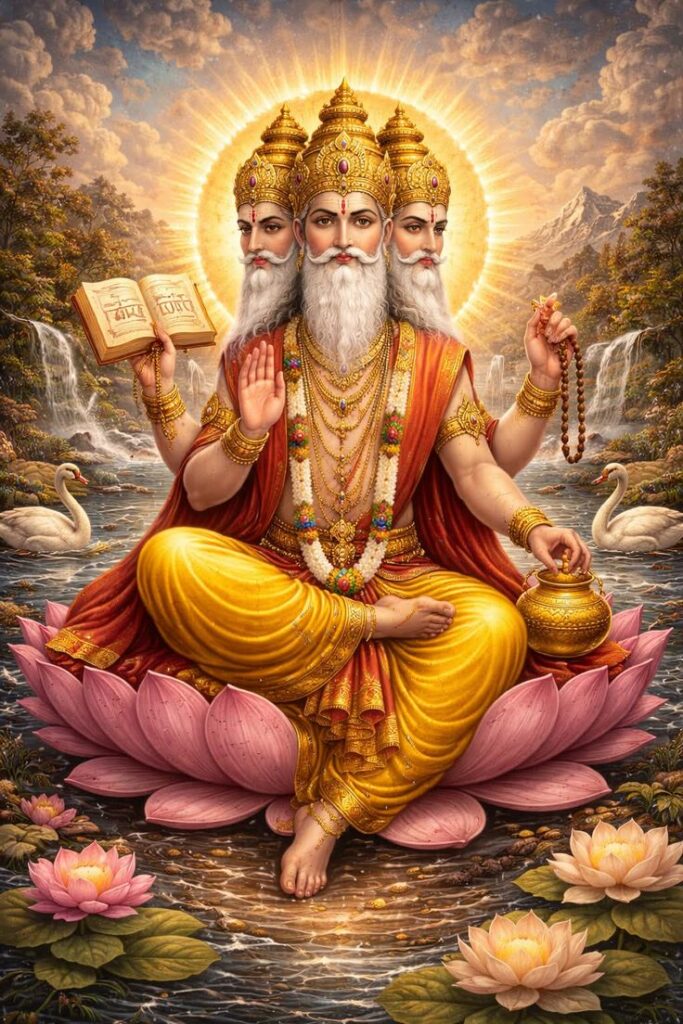
Lord Brahma seated on lotus holding Vedas and rosary image
Surya

Namah Savitre Jagadeka

Namah Savitre Jagadeka नमः सवित्रे जगदेकचक्षुषेजगत् प्रसूतिः स्थिति नाश हेतवे ।त्रयीमयाय त्रिगुणात्मधारिणेविरिचिनारायण शंकारात्मने ॥ namaḥ savitre jagadekacakṣuṣejagat prasūtiḥ sthiti nāśa hetave .trayīmayāya triguṇātmadhāriṇeviricinārāyaṇa śaṃkārātmane .. Salutation Surya, the only eye of the world, the cause of the birth, sustenance and destruction of the world; The repository of the three forms, the protector of the three gunas in the self, O Brahma, Vishnu and Sankara. Description Prayer to the Sun. This is a verse from Surya Stuti. This is recited for good health, knowledge, respect and courage. Very effective for all kinds of health problem.

Namah Savitre Jagadeka Read Post »

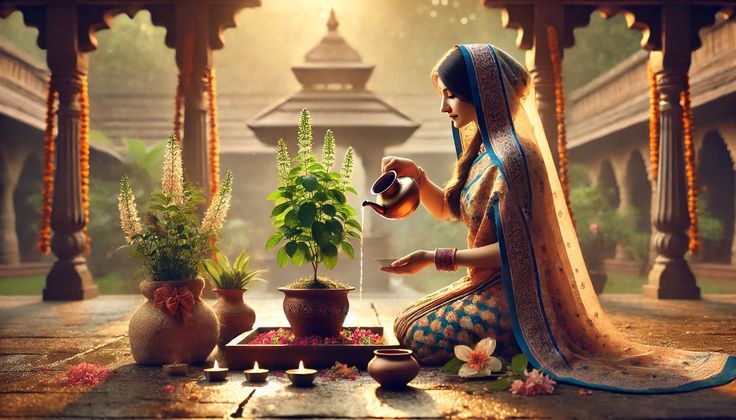
Lord Brahma seated on white lotus pouring water pot
Surya

Gayatri Mantra

Gayatri Mantra ॐ भूर् भुवः स्वः तत् सवितुर्वरेण्यंभर्गो देवस्य धीमहि धियो यो नः प्रचोदयात्॥ oṃ bhūr bhuvaḥ svaḥ tat saviturvareṇyaṃbhargo devasya dhīmahi dhiyo yo naḥ pracodayāt.. Om, the Lord, is earth, the space in between and the heavens. That Lord is the one who is the most worshipful. We meditate on that effulgent, all-knowledge Lord. May he set our intellects in the right direction. Description Gāyatrī MantraThis is an excerpt from the book By Swami Chinmayananda ‘Tune in the Mind’ – Japa Gayatri. You can buy it here Tune in the Mind. Bhūḥ – Bhuvaḥ – Suvaḥ The word Loka in Sanskrit is generally translated ‘world’, but in its etymological meaning it signifies ‘a field of experience’. The entire possibility of experience in life has been terraced by the rșis into fourteen worlds: seven higher lokas and seven lower worlds. There are three worlds in which a limited ego-centre comes to play its game of reincarnation and repeated deaths. These are: (i) Bhū-loka, the physical earth; (ii) Bhuvar-loka, the world next to the physical and closely connected with it, but constituted of finer matter, and (iii) Suvar-loka, has heavenly world. Beyond these are the four other worlds wherein the ego comes to move about and enjoy in its higher evolutionary life, and they are called the Mahar- loka, Janah-loka, Tapah-loka and Satya-loka. In the Hindu literature, we also find conceptions of other worlds as: Indra-loka, Candra-loka, Sürya-loka, Pitr-loka and so on, which are special ‘realms of experiences’ located within the above regions. Below these seven worlds, there is yet another set of seven worlds called the talas. They are named as Pa-talam, Rasä-talam. Tala-talam. Su-talam. Vi-talam., and A-talam. Of these fourteen ‘worlds’, Bhur-Bhuvah-Svah denoting the three worlds’, are called the vyāhrtis. In the Gāyatrī mantra when these vyāhrtis are chanted, the meditator can visualise the three worlds’ as arising from, existing in and disappearing into AUM. He can subjectively identify them with the waking, dream and deep sleep conditions of consciousness, transcending which extends the realm of the Infinite. All of them are represented in the symbol Om. In this sense, the vyāhrtis in the Gāyatrī represent in one sweep the ‘entire world’ of the subjective and objective experiences of man. The Gāyatrī Mantra Om Bhūḥ – Bhuvaḥ – SuvaḥOm Tat – Savitur – VarenyamBhargo Devasya DhīmahiDhiyo Yo Naḥ Pracodāyat The Hindu concept that the Gāyatrī mantra was declared at first by the Creator Himself, at the very beginning of creation, may be considered as an over exaggeration which is an unavoidable feature in many portions of the Vaidika literature. But it is also a fact that even the western scholars, who have been accepted by all as having a better historical sense, have themselves declared the Gāyatrī mantra as one of the oldest available divine hymns. And it is true that many revolutionary changes have taken place in our religious belief, and yet this mantra continues to persist and has even today a compelling charm of its own to millions of Hindu hearts. It is not only believed, but it has been actually observed, that by the repetition of this mantra with the right understanding of its sacred meaning, the ordinary negative tendencies in a human mind can be erased out to a large extent. This mantra is never chanted for the purposes of material gains, physical or otherwise. Its very invocation concludes with an appeal to the pure consciousness to illumine more our heart – that is to say, it is a prayer unto the Self to unveil Itself and come to manifest as pure wisdom in our life. Gāyatrī mantra is otherwise called Savitri mantra. In the ancient literature of Vedanta, this mantra was indicated familiarly as Savitri and this term has been given to Gāyatrī because it is dedicated to the deity called Savitr. In some rare old books, we find this mantra titled as Savitri-Gāyatrī; it only means that it is an invocation dedicated to Lord Sun couched in the metre called Gāyatrī. This is considered to be the most important Vaidika mantra, written out in this metre and, therefore, by tradition this mantra has come to be known as Gāyatrī. The Gāyatrī metre is generally constituted of three lines of eight syllables each. The three lines of Gāyatrī-Savitri mantra are as follows: Om Tat – Savitur – VarenyamBhargo Devasya DhīmahiDhiyo Yo Naḥ Pracodāyat [Gāyatrī mantra belongs to the Rg-veda, and it is found in the third mandala, in its sixtieth sutra as the tenth mantra.] You will find in the above that the first line has only seven syllables. This is explained generally in two ways: (a)the syllable ‘nyam’ is constituted of ‘ni’ plus ‘am’ and, therefore, there are the required eight letters in the line, and (b) that the line is to be read along with Omkara which would supply the missing syllable. The former is the idea of Sri Sankarăcārya. In his commentary on Brhadaranyaka-upanişad, Sankara splits the letter ‘nyam’ into its two component parts and considers that the rules of the metre are thereby fully obeyed. The seer of the mantra is the royal sage Visvāmitra. All the mantras belonging to the third mandala of the Rg-veda are attributed to sage Visvämitra. The Gāyatrī mantra is also seen in the Sukla Yajur-veda and Krsna Yajur-veda. This mantra is dedicated to the Lord Savitr. That Savitr represents Lord Sun is the accepted version even though there are some scholars who protest against this. The Sun gives all illumination to the world and any prayer for light should certainly be addressed to the source of all light in the material world – the sun. In the Gita the Lord says, “The light that pervades the sun and the moon is all His light. Thus Savitr, the Lord of Gāyatrī is nothing other than the light of Consciousness, the Infinite, the Absolute. Om Tat – Savitur – VarenyamBhargo Devasya DhīmahiDhiyo Yo Naḥ Pracodāyat which means : ‘We meditate upon the auspicious godly light of the Lord Sun;

Gayatri Mantra Read Post »

Lord Brahma sitting on pink lotus holding Vedas and rosary image
Surya

Brahma Svarupamudaye

Brahma Svarupamudaye उदये ब्रह्मस्वरूपोऽयं मध्याह्नेतु महेश्वरम् ।अस्तमाने स्वयं विष्णुं त्रयीमूर्तिं दिवाकरम् ॥ udaye brahmasvarūpo’yaṃ madhyāhnetu maheśvaram .astamāne svayaṃ viṣṇuṃ trayīmūrtiṃ divākaram .. At sunrise, this (Sun) is in the form of Brahma; at noon indeed, (he becomes) Maheśvara; at sunset, he himself is Vishnu – (thus meditate on) the Sun who embodies the three divine forms (trimūrti). Description Lord Surya, also known as the Sun God, is a central figure in Hinduism, representing the source of light, life, and energy. He is revered as the sustainer of life and is often associated with health, vitality, and the dispelling of darkness and ignorance. The verse describes how the Sun God (Surya) manifests as the three primary deities of the Hindu Trinity—the Trimurti—at different times of the day. Sunrise (Brahma): At dawn, the Sun represents Brahma, the Creator. Just as Brahma brings the universe into being, the sunrise brings a new day and fresh life into the world. Mid-noon (Maheshwara): At midday, the Sun’s intensity is at its peak, representing Shiva (Maheshwara), the Transformer/Destroyer. This stage symbolizes the peak energy and the “destructive” heat required for various natural cycles. Sunset (Vishnu): At dusk, the Sun takes the form of Vishnu, the Preserver. As the day ends, the world enters a period of rest and preservation. Divākaram (The Sun): The Sun is referred to as “Divākara,” the “maker of the day,” who unites these three divine powers into one visible celestial body.

Brahma Svarupamudaye Read Post »

Surya Dev seated above chariot with seven horses image
Surya

Aditya Hrudayam

Aditya Hrudayam ततो युद्धपरिश्रान्तं समरे चिन्तया स्थितम्।रावणं चाग्रतो दृष्ट्वा युद्धाय समुपस्थितम्॥tato yuddhapariśrāntaṃ samare cintayā sthitam.rāvaṇaṃ cāgrato dṛṣṭvā yuddhāya samupasthitam..When Rama was exhausted in battle field standing with greater sorrow and deep thought to fight against Ravana who was duly prepared for the battle, Agastya observed that. दैवतैश्च समागम्य द्रष्टुमभ्यागतो रणम्।उपागम्याब्रवीद्राममगस्त्यो भगवान् ऋषिः॥daivataiśca samāgamya draṣṭumabhyāgato raṇam.upāgamyābravīdrāmamagastyo bhagavān ṛṣiḥ..Agastya who was with other Gods approaches Rama and says as follows…. राम राम महाबाहो शृणु गुह्यं सनातनम्।येन सर्वानरीन् वत्स समरे विजयिष्यसि॥rāma rāma mahābāho śṛṇu guhyaṃ sanātanam.yena sarvānarīn vatsa samare vijayiṣyasi..Sage Agastya approached Rama and spoke as follows: dear Rama there is a solution for your worry which is a perennial secret, by reciting it you would be victorious in this war. आदित्यहृदयं पुण्यं सर्वशत्रुविनाशनम्।जयावहं जपेन्नित्यम् अक्षय्यं परमं शिवम्॥ādityahṛdayaṃ puṇyaṃ sarvaśatruvināśanam.jayāvahaṃ japennityam akṣayyaṃ paramaṃ śivam..This is the holy hymn Aditya Hrudayam which destroys all enemies and brings you victory and permanent happiness by chanting it always. सर्वमङ्गलमाङ्गल्यं सर्वपापप्रणाशनम्।चिन्ताशोकप्रशमनम् आयुर्वर्धनमुत्तमम्॥sarvamaṅgalamāṅgalyaṃ sarvapāpapraṇāśanam.cintāśokapraśamanam āyurvardhanamuttamam..This supreme prayer of Sun God always gives happiness, destroys all sins, worries and increase the longevity of life. रश्मिमंतं समुद्यन्तं देवासुरनमस्कृतम्।पूजयस्व विवस्वन्तं भास्करं भुवनेश्वरम्॥raśmimantaṃ samudyantaṃ devāsuranamaskṛtam.pūjayasva vivasvantaṃ bhāskaraṃ bhuvaneśvaram.. सर्वदेवात्मको ह्येष तेजस्वी रश्मिभावनः।एष देवासुरगणाँल्लोकान् पाति गभस्तिभिः॥sarvadevātmako hyeṣa tejasvī raśmibhāvanaḥ.eṣa devāsuragaṇām̐llokān pāti gabhastibhiḥ.. एष ब्रह्मा च विष्णुश्च शिवः स्कन्दः प्रजापतिः।महेन्द्रो धनदः कालो यमः सोमो ह्यपां पतिः॥eṣa brahmā ca viṣṇuśca śivaḥ skandaḥ prajāpatiḥ.mahendro dhanadaḥ kālo yamaḥ somo hyapāṃ patiḥ.. पितरो वसवः साध्या ह्यश्विनौ मरुतो मनुः।वायुर्वह्निः प्रजाप्राण ऋतुकर्ता प्रभाकरः॥pitaro vasavaḥ sādhyā hyaśvinau maruto manuḥ.vāyurvahniḥ prajāprāṇa ṛtukartā prabhākaraḥ.. आदित्यः सविता सूर्यः खगः पूषा गभस्तिमान्।सुवर्णसदृशो भानुर्हिरण्यरेता दिवाकरः॥ādityaḥ savitā sūryaḥ khagaḥ pūṣā gabhastimān.suvarṇasadṛśo bhānurhiraṇyaretā divākaraḥ.. हरिदश्वः सहस्रार्चिः सप्तसप्तिर्मरीचिमान्।तिमिरोन्मथनः शम्भुस्त्वष्टा मार्ताण्ड अंशुमान्॥haridaśvaḥ sahasrārciḥ saptasaptirmarīcimān.timironmathanaḥ śambhustvaṣṭā mārtāṇḍa aṃśumān.. हिरण्यगर्भः शिशिरस्तपनो भास्करो रविः।अग्निगर्भोऽदितेः पुत्रः शङ्खः शिशिरनाशनः॥hiraṇyagarbhaḥ śiśirastapano bhāskaro raviḥ.agnigarbho’diteḥ putraḥ śaṅkhaḥ śiśiranāśanaḥ.. व्योमनाथस्तमोभेदी ऋग्यजुःसामपारगः।घनवृष्टिरपां मित्रो विन्ध्यवीथीप्लवङ्गमः॥vyomanāthastamobhedī ṛgyajuḥsāmapāragaḥ.ghanavṛṣṭirapāṃ mitro vindhyavīthīplavaṅgamaḥ.. आतपी मण्डली मृत्युः पिङ्गलः सर्वतापनः।कविर्विश्वो महातेजाः रक्तः सर्वभवोद्भवः॥ātapī maṇḍalī mṛtyuḥ piṅgalaḥ sarvatāpanaḥ.kavirviśvo mahātejāḥ raktaḥ sarvabhavodbhavaḥ.. नक्षत्रग्रहताराणामधिपो विश्वभावनः।तेजसामपि तेजस्वी द्वादशात्मन् नमोऽस्तु ते॥nakṣatragrahatārāṇāmadhipo viśvabhāvanaḥ.tejasāmapi tejasvī dvādaśātman namo’stu te.. नमः पूर्वाय गिरये पश्चिमायाद्रये नमः।ज्योतिर्गणानां पतये दिनाधिपतये नमः॥namaḥ pūrvāya giraye paścimāyādraye namaḥ.jyotirgaṇānāṃ pataye dinādhipataye namaḥ.. जयाय जयभद्राय हर्यश्वाय नमो नमः।नमो नमः सहस्रांशो आदित्याय नमो नमः॥jayāya jayabhadrāya haryaśvāya namo namaḥ.namo namaḥ sahasrāṃśo ādityāya namo namaḥ.. नम उग्राय वीराय सारङ्गाय नमो नमः।नमः पद्मप्रबोधाय मार्ताण्डाय नमो नमः॥nama ugrāya vīrāya sāraṅgāya namo namaḥ.namaḥ padmaprabodhāya mārtāṇḍāya namo namaḥ.. ब्रह्मेशानाच्युतेशाय सूर्यायादित्यवर्चसे।भास्वते सर्वभक्षाय रौद्राय वपुषे नमः॥brahmeśānācyuteśāya sūryāyādityavarcase.bhāsvate sarvabhakṣāya raudrāya vapuṣe namaḥ.. तमोघ्नाय हिमघ्नाय शत्रुघ्नायामितात्मने।कृतघ्नघ्नाय देवाय ज्योतिषां पतये नमः॥tamoghnāya himaghnāya śatrughnāyāmitātmane.kṛtaghnaghnāya devāya jyotiṣāṃ pataye namaḥ.. तप्तचामीकराभाय वह्नये विश्वकर्मणे।नमस्तमोऽभिनिघ्नाय रुचये लोकसाक्षिणे॥taptacāmīkarābhāya vahnaye viśvakarmaṇe.namastamo’bhinighnāya rucaye lokasākṣiṇe.. नाशयत्येष वै भूतं तदेव सृजति प्रभुः।पायत्येष तपत्येष वर्षत्येष गभस्तिभिः॥nāśayatyeṣa vai bhūtaṃ tadeva sṛjati prabhuḥ.pāyatyeṣa tapatyeṣa varṣatyeṣa gabhastibhiḥ.. एष सुप्तेषु जागर्ति भूतेषु परिनिष्ठितः।एष एवाग्निहोत्रं च फलं चैवाग्निहोत्रिणाम्॥eṣa supteṣu jāgarti bhūteṣu pariniṣṭhitaḥ.eṣa evāgnihotraṃ ca phalaṃ caivāgnihotriṇām.. वेदाश्च क्रतवश्चैव क्रतूनां फलमेव च।यानि कृत्यानि लोकेषु सर्व एष रविः प्रभुः॥vedāśca kratavaścaiva kratūnāṃ phalameva ca.yāni kṛtyāni lokeṣu sarva eṣa raviḥ prabhuḥ.. फलश्रुतिःएनमापत्सु कृच्छ्रेषु कान्तारेषु भयेषु च।कीर्तयन् पुरुषः कश्चिन्नावसीदति राघव॥phalaśrutiḥenamāpatsu kṛcchreṣu kāntāreṣu bhayeṣu ca.kīrtayan puruṣaḥ kaścinnāvasīdati rāghava.. पूजयस्वैनमेकाग्रो देवदेवं जगत्पतिम्।एतत् त्रिगुणितं जप्त्वा युद्धेषु विजयिष्यसि॥pūjayasvainamekāgro devadevaṃ jagatpatim.etat triguṇitaṃ japtvā yuddheṣu vijayiṣyasi.. अस्मिन् क्षणे महाबाहो रावणं त्वं वधिष्यसि।एवमुक्त्वा तदागस्त्यो जगाम च यथागतम्॥asmin kṣaṇe mahābāho rāvaṇaṃ tvaṃ vadhiṣyasi.evamuktvā tadāgastyo jagāma ca yathāgatam.. एतच्छ्रुत्वा महातेजा नष्टशोकोऽभवत्तदा।धारयामास सुप्रीतो राघवः प्रयतात्मवान्॥etacchrutvā mahātejā naṣṭaśoko’bhavattadā.dhārayāmāsa suprīto rāghavaḥ prayatātmavān.. आदित्यं प्रेक्ष्य जप्त्वा तु परं हर्षमवाप्तवान्।त्रिराचम्य शुचिर्भूत्वा धनुरादाय वीर्यवान्॥ādityaṃ prekṣya japtvā tu paraṃ harṣamavāptavān.trirācamya śucirbhūtvā dhanurādāya vīryavān.. रावणं प्रेक्ष्य हृष्टात्मा युद्धाय समुपागमत्।सर्वयत्नेन महता वधे तस्य धृतोऽभवत्॥rāvaṇaṃ prekṣya hṛṣṭātmā yuddhāya samupāgamat.sarvayatnena mahatā vadhe tasya dhṛto’bhavat.. अथ रविरवदन्निरीक्ष्य रामंमुदितमनाः परमं प्रहृष्यमाणः।निशिचरपतिसंक्षयं विदित्वासुरगणमध्यगतो वचस्त्वरेति॥atha raviravadannirīkṣya rāmaṃmuditamanāḥ paramaṃ prahṛṣyamāṇaḥ.niśicarapatisaṅkṣayaṃ viditvāsuragaṇamadhyagato vacastvareti.. जगद्धात्रि नमस्तुभ्यं विष्णोश्च प्रियवल्लभे ।यतो ब्रह्मादयो देवाः सृष्टिस्थित्यन्तकारिणः ॥१॥jagaddhātri namastubhyaṃ viṣṇośca priyavallabhe .yato brahmādayo devāḥ sṛṣṭisthityantakāriṇaḥ ..1.. नमस्तुलसि कल्याणि नमो विष्णुप्रिये शुभे ।नमो मोक्षप्रदे देवि नमः सम्पत्प्रदायिके ॥२॥namastulasi kalyāṇi namo viṣṇupriye śubhe .namo mokṣaprade devi namaḥ sampatpradāyike ..2.. …(पूरा Tulsi Stotram उसी क्रम और शब्दों में ऊपर जैसा दिया गया है — बिना किसी border या separation के) Description This hymn is dedicated to Āditya or Sūrya (the Sun God) found in the Yuddha Kānda of Vālmīki’s Rāmāyana. It was recited by the sage Agastya to Rāma in the battlefield before fighting with the asura king Rāvaṇa. In it, Agastya teaches Rāma (who is fatigued after the long battle with various warriors of Laṅkā, ) the procedure of worshiping Āditya ( for strength ) to defeat the enemy.

Aditya Hrudayam Read Post »

tulsi2
Stotra, Tulasi

Tulasi Stotram

Tulasi Stotram जगद्धात्रि नमस्तुभ्यं विष्णोश्च प्रियवल्लभे ।यतो ब्रह्मादयो देवाः सृष्टिस्थित्यन्तकारिणः ॥१॥ jagaddhātri namastubhyaṃ viṣṇośca priyavallabhe .yato brahmādayo devāḥ sṛṣṭisthityantakāriṇaḥ ..1.. Salutations to the mother of the universe,Who is the beloved consort of Lord Vishnu.Due to you alone, Brahma and other godsEngage in creation, preservation, and destruction. नमस्तुलसि कल्याणि नमो विष्णुप्रिये शुभे ।नमो मोक्षप्रदे देवि नमः सम्पत्प्रदायिके ॥२॥ namastulasi kalyāṇi namo viṣṇupriye śubhe .namo mokṣaprade devi namaḥ sampatpradāyike ..2.. Salutations to the auspicious Tulsi,Salutations to the beloved of Vishnu.Salutations to the giver of liberation,Salutations to the bestower of prosperity. तुलसी पातु मां नित्यं सर्वापद्भ्योऽपि सर्वदा ।कीर्तितापि स्मृता वापि पवित्रयति मानवम् ॥३॥ tulasī pātu māṃ nityaṃ sarvāpadbhyo’pi sarvadā .kīrtitāpi smṛtā vāpi pavitrayati mānavam ..3.. O Tulsi, always protect meFrom all dangers at all times.Even when sung or remembered,You purify human beings. नमामि शिरसा देवीं तुलसीं विलसत्तनुम् ।यां दृष्ट्वा पापिनो मर्त्या मुच्यन्ते सर्वकिल्बिषात् ॥४॥ namāmi śirasā devīṃ tulasīṃ vilasattanum .yāṃ dṛṣṭvā pāpino martyā mucyante sarvakilbiṣāt ..4.. I bow with my head before the Goddess Tulsi,Radiant in form.By merely seeing her, even sinnersAre freed from all sins. तुलस्या रक्षितं सर्वं जगदेतच्चराचरम् ।या विनिहन्ति पापानि दृष्ट्वा वा पापिभिर्नरैः ॥५॥ tulasyā rakṣitaṃ sarvaṃ jagadetaccarācaram .yā vinihanti pāpāni dṛṣṭvā vā pāpibhirnaraiḥ ..5.. Tulsi protects the entire universe,Both moving and unmoving.Even a sinner, by seeing her,Is freed from sins. नमस्तुलस्यतितरां यस्यै बद्ध्वाञ्जलिं कलौ ।कलयन्ति सुखं सर्वं स्त्रियो वैश्यास्तथाऽपरे ॥६॥ namastulasyatitarāṃ yasyai baddhvāñjaliṃ kalau .kalayanti sukhaṃ sarvaṃ striyo vaiśyāstathā’pare ..6.. Salutations to the supreme Tulsi,Who liberates beings in the age of Kali.She grants happiness to all,Women, merchants, and others alike. तुलस्या नापरं किञ्चिद् दैवतं जगतीतले ।यथा पवित्रितो लोको विष्णुसङ्गेन वैष्णवः ॥७॥ tulasyā nāparaṃ kiñcid daivataṃ jagatītale .yathā pavitrito loko viṣṇusaṅgena vaiṣṇavaḥ ..7.. There is no deity on earthGreater than Tulsi.She purifies the worldAnd blesses devotees with the company of Vishnu. तुलस्याः पल्लवं विष्णोः शिरस्यारोपितं कलौ ।आरोपयति सर्वाणि श्रेयांसि वरमस्तके ॥८॥ tulasyāḥ pallavaṃ viṣṇoḥ śirasyāropitaṃ kalau .āropayati sarvāṇi śreyāṃsi varamastake ..8.. In the age of Kali,Offering a Tulsi leaf to Vishnu’s headIs equal to receivingHis supreme blessings. तुलस्यां सकला देवा वसन्ति सततं यतः ।अतस्तामर्चयेल्लोके सर्वान् देवान् समर्चयन् ॥९॥ tulasyāṃ sakalā devā vasanti satataṃ yataḥ .atastāmarcayelloke sarvān devān samarcayan ..9.. All gods eternally reside in Tulsi.Therefore, worship of TulsiIs equal to worshippingAll the gods. नमस्तुलसि सर्वज्ञे पुरुषोत्तमवल्लभे ।पाहि मां सर्वपापेभ्यः सर्वसम्पत्प्रदायिके ॥१०॥ namastulasi sarvajñe puruṣottamavallabhe .pāhi māṃ sarvapāpebhyaḥ sarvasampatpradāyike ..10.. Salutations to the all-knowing Tulsi,Beloved of the Supreme Lord Vishnu.Protect me from all sins,O bestower of all prosperity. इति स्तोत्रं पुरा गीतं पुण्डरीकेण धीमता ।विष्णुमर्चयता नित्यं शोभनैस्तुलसीदलैः ॥११॥ iti stotraṃ purā gītaṃ puṇḍarīkeṇa dhīmatā .viṣṇumarcayatā nityaṃ śobhanaistulasīdalaiḥ ..11.. This hymn was composed long agoBy the wise Pundarika,Who worshipped Vishnu dailyWith sacred Tulsi leaves. तुलसी श्रीर्महालक्ष्मीर्विद्याविद्या यशस्विनी ।धर्म्या धर्मानना देवी देवीदेवमनःप्रिया ॥१२॥ tulasī śrīrmahālakṣmīrvidyāvidyā yaśasvinī .dharmyā dharmānanā devī devīdevamanaḥpriyā ..12.. Tulsi is fortune, Mahalakshmi,Knowledge and ignorance, fame and virtue,Righteousness itself, and the GoddessBeloved of the Lord of gods. लक्ष्मीप्रियसखी देवी द्यौर्भूमिरचला चला ।षोडशैतानि नामानि तुलस्याः कीर्तयन्नरः ॥१३॥ lakṣmīpriyasakhī devī dyaurbhūmiracalā calā .ṣoḍaśaitāni nāmāni tulasyāḥ kīrtayannaraḥ ..13.. She is the dear friend of Lakshmi,Heaven and earth, the moving and unmoving.Whoever chants these sixteen names of Tulsi लभते सुतरां भक्तिमन्ते विष्णुपदं लभेत् ।तुलसी भूर्महालक्ष्मीः पद्मिनी श्रीर्हरिप्रिया ॥१४॥ labhate sutarāṃ bhaktimante viṣṇupadaṃ labhet .tulasī bhūrmahālakṣmīḥ padminī śrīrharipriyā ..14.. Attains supreme devotionAnd finally reaches Vishnu’s abode.Tulsi is Earth, Mahalakshmi,Padmini, and beloved of Hari. तुलसि श्रीसखि शुभे पापहारिणि पुण्यदे ।नमस्ते नारदनुते नारायणमनःप्रिये ॥१५॥ tulasi śrīsakhi śubhe pāpahāriṇi puṇyade .namaste nāradanute nārāyaṇamanaḥpriye ..15.. O Tulsi, friend of Lakshmi, auspicious one,Destroyer of sins and giver of merit.Salutations to you praised by Narada,Beloved of Lord Narayana’s heart. इति पुन्दरीककृतं तुलसीस्तोत्रं सम्पूर्णम्Iti Pundarīka kṛtam Tulasī Stotram sampūrṇam Thus ends the Tulsi Stotram composed by Sri Pundarika. Description Prayer to Tulasi. Tulsi is also known as Vrinda (ocimum sanctum in Latin, and Sacred Basil in English). This plant is considered to be an incarnation of the consort of Lord Vishnu. This prayer is written by Sage Pundareeka.

Tulasi Stotram Read Post »

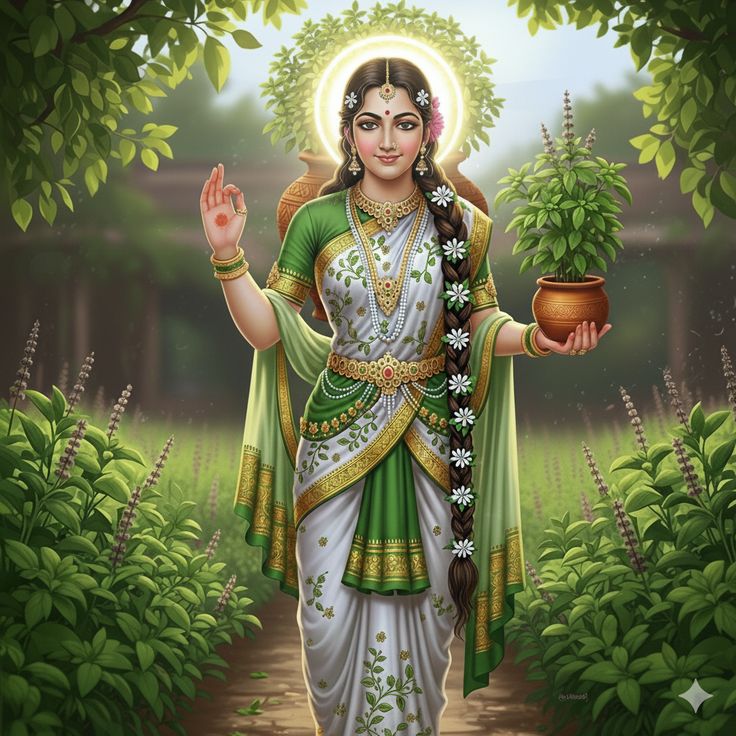
Goddess Tulsi holding sacred basil plant in garden image
Tulasi

Tulasi Srisakhi

Tulasi Srisakhi तुलसी श्री सखी शुभे पापहारिणि पुण्यदे ।नमस्ते नारदनुते नमो नारायण प्रिये ॥ tulasi śrīsakhi śubhe pāpahāriṇi puṇyade .namaste nāradanute nārāyaṇamanaḥpriye .. Tulasi, Sree, friend, auspicious one, abstracter of sins, giver of virtues, salutation to You, (who is) worshipped by Narada, salutation, O beloved of Narayana. Description Prayer to Tulasi. Meditate on the goddess of Ocimum, who is dear to lord Vishnu to give higher intellect.

Tulasi Srisakhi Read Post »

Nataraja Shiva dancing with multiple arms cosmic fire image
Shiva

Chandrashekhara Ashtakam

Chandrashekhara Ashtakam चन्द्रशेखर चन्द्रशेखर चन्द्रशेखर पाहि माम् ।चन्द्रशेखर चन्द्रशेखर चन्द्रशेखर रक्ष माम् ॥ १॥ candraśekhara candraśekhara candraśekhara pāhi mām .candraśekhara candraśekhara candraśekhara rakṣa mām .. 1.. Oh Chandrashekara (The Lord whose crown is the moon), please protect me.Oh Chandrashekara (The Lord whose crown is the moon), please save me. रत्नसानुशरासनं रजताद्रिशृङ्गनिकेतनंसिञ्जिनीकृत पन्नगेश्वरमच्युताननसायकम् ।क्षिप्रदग्धपुरत्रयं त्रिदिवालयैरभिवन्दितंचन्द्रशेखरमाश्रये मम किं करिष्यति वै यमः ॥ २॥ ratnasānuśarāsanaṃ rajatādriśṛṅganiketanaṃsiñjinīkṛta pannageśvaram acyutānanasāyakam .kṣipradagdhapuratrayaṃ tridivālayairabhivanditaṃcandraśekharamāśraye mama kiṃ kariṣyati vai yamaḥ .. 2.. The God who made Mount Meru his bow and resides on the silver mountain,who made Vasuki the bowstring and Lord Vishnu the arrow,the destroyer of the three cities, worshipped by the three worlds,I take refuge in Chandrashekara, so what can Yama do to me? पञ्चपादप पुष्पगन्ध पदाम्बुजद्वयशोभितंभाललोचन जातपावक दग्धमन्मथ विग्रहम् ।भस्मदिग्धकलेवरं भवनाशनं भवमव्ययंचन्द्रशेखरमाश्रये मम किं करिष्यति वै यमः ॥ ३॥ pañcapādapa puṣpagandha padāmbujadvayaśobhitaṃbhālalocana jātapāvaka dagdhamanmatha vigraham .bhasmadigdhakalevaraṃ bhavanāśanaṃ bhavamavyayaṃcandraśekharamāśraye mama kiṃ kariṣyati vai yamaḥ .. 3.. Whose feet are adorned with the fragrance of divine flowers,who burned Manmatha with the fire of his third eye,whose body is smeared with sacred ash and who is eternal,I take refuge in Chandrashekara, so what can Yama do to me? मत्तवारण मुख्यचर्मकृतोत्तरीय मनोहरंपङ्कजासन पद्मलोचन पूजिताङ्घ्रि सरोरुहम् ।देवसिन्धुतरङ्गसीकर सिक्तशुभ्रजटाधरंचन्द्रशेखरमाश्रये मम किं करिष्यति वै यमः ॥ ४॥ mattavāraṇa mukhyacarmakṛtottarīya manoharaṃpaṅkajāsana padmalocana pūjitāṅghri saroruham .devasindhutaraṅgasīkara siktaśubhrajaṭādharaṃcandraśekharamāśraye mama kiṃ kariṣyati vai yamaḥ .. 4.. Who wears the elephant skin as his garment,whose lotus feet are worshipped by Brahma and Vishnu,whose matted locks are bathed by the celestial Ganga,I take refuge in Chandrashekara, so what can Yama do to me? यक्षराजसखं भगाक्षहरं भुजङ्गविभूषणंशैलराजसुतापरिष्कृत चारुवामकलेवरम् ।क्ष्वेडनीलगलं परश्वधधारिणं मृगधारिणंचन्द्रशेखरमाश्रये मम किं करिष्यति वै यमः ॥ ५॥ yakṣarājasakhaṃ bhagākṣaharaṃ bhujaṅgavibhūṣaṇaṃśailarājasutāpariṣkṛta cāruvāmakalevaram .kṣveḍanīlagalaṃ paraśvadhadhāriṇaṃ mṛgadhāriṇaṃcandraśekharamāśraye mama kiṃ kariṣyati vai yamaḥ .. 5.. The friend of Kubera, destroyer of Bhaga’s eyes, adorned with serpents,whose left half is beautified by Goddess Parvati,the blue-throated one bearing an axe and a deer,I take refuge in Chandrashekara, so what can Yama do to me? कुण्डलीकृत कुण्डलेश्वर कुण्डलं वृषवाहनंनारदादि मुनीश्वरस्तुत वैभवं भुवनेश्वरम् ।अन्धकान्धकामाश्रितामरपादपं शमनान्तकंचन्द्रशेखरमाश्रये मम किं करिष्यति वै यमः ॥ ६॥ kuṇḍalīkṛta kuṇḍaleśvara kuṇḍalaṃ vṛṣavāhanaṃnāradādi munīśvarastuta vaibhavaṃ bhuvaneśvaram .andhakāndhakāmāśrita amarapādapaṃ śamanāntakaṃcandraśekharamāśraye mama kiṃ kariṣyati vai yamaḥ .. 6.. The one who wears coiled serpents as earrings and rides the bull,praised by Narada and sages, the Lord of the universe,destroyer of Andhaka and protector of devotees,I take refuge in Chandrashekara, so what can Yama do to me? भेषजं भवरोगिणामखिलापदामपहारिणंदक्षयज्ञविनाशनं त्रिगुणात्मकं त्रिविलोचनम् ।भुक्तिमुक्तिफलप्रदं सकलाघसङ्घनिबर्हणंचन्द्रशेखरमाश्रये मम किं करिष्यति वै यमः ॥ ७॥ bheṣajaṃ bhavarogiṇām akhilāpadāmapahāriṇaṃdakṣayajñavināśanaṃ triguṇātmakaṃ trivilocanam .bhuktimuktiphalapradaṃ sakalāghasaṅghanibarhaṇaṃcandraśekharamāśraye mama kiṃ kariṣyati vai yamaḥ .. 7.. The healer of worldly sorrow and remover of all afflictions,destroyer of Daksha’s sacrifice, embodiment of the three gunas,bestower of enjoyment, liberation and destroyer of sins,I take refuge in Chandrashekara, so what can Yama do to me? भक्तवत्सलमर्चितं निधिमक्षयं हरिदम्बरंसर्वभूतपतिं परात्परमप्रमेयमनुत्तमम् ।सोमवारिद भूहुताशन सोमपानिलखाकृतिंचन्द्रशेखरमाश्रये मम किं करिष्यति वै यमः ॥ ८॥ bhaktavatsalamarcitaṃ nidhimakṣayaṃ haridambaraṃsarvabhūtapatiṃ parātparam aprameyamanuttamam .somavārida bhūhutāśana somapānilakhākṛtiṃcandraśekharamāśraye mama kiṃ kariṣyati vai yamaḥ .. 8.. The protector of devotees, inexhaustible treasure, supreme and incomparable,the Lord of all beings, beyond measure and unsurpassed,present in sacred Soma rites,I take refuge in Chandrashekara, so what can Yama do to me? विश्वसृष्टि विधायिनं पुनरेव पालनतत्परंसंहरन्तमपि प्रपञ्चमशेष लोकनिवासिनम् ।क्रीडयन्त महर्निशं गणनाथयूथ समन्वितंचन्द्रशेखरमाश्रये मम किं करिष्यति वै यमः ॥ ९॥ viśvasṛṣṭi vidhāyinaṃ punareva pālanatatparaṃsaṃharantamapi prapañcamaśeṣa lokanivāsinam .krīḍayanta maharniśaṃ gaṇanāthayūtha samanvitaṃcandraśekharamāśraye mama kiṃ kariṣyati vai yamaḥ .. 9.. The creator, preserver and destroyer of the universe,dwelling in all worlds, playful with the Ganas day and night,I take refuge in Chandrashekara, so what can Yama do to me? मृत्युभीतमृकण्डसूनु कृतस्तवं शिवसन्निधौयत्र कुत्र च यः पठेन्न हि तस्य मृत्युभयं भवेत् ।पूर्णमायुर रोगितामखिलार्थसम्पदमादरंचन्द्रशेखर एव तस्य ददाति मुक्तिमयत्नतः ॥ १०॥ mṛtyubhītamṛkaṇḍasūnu kṛtastavaṃ śivasannidhauyatra kutra ca yaḥ paṭhenna hi tasya mṛtyubhayaṃ bhavet .pūrṇamāyura rogitām akhilārtha sampadamādaraṃcandraśekhara eva tasya dadāti muktimayatnataḥ .. 10.. He who recites this hymn composed by the son of Mrikandu,will be freed from fear of death,will enjoy long life, health and prosperity,and will attain liberation by the grace of Lord Chandrashekara. Description Chandrashekhara ashtakam is a divine hymn to praise God Shiva as Chandrasekhara, the lord who is adorned with moon on his head (Chandra – moon, Sekhar – crown) . The Chandrashekhara Ashtakam is a great remedy for protection from difficulties including untimely death due to accidents etc. The lyrics and meaning of Chandrasekhara Ashtakam have an in-depth explanation of the greatness of God shiva, his appearance, the protection offered to his devotees, along with the divine qualities of the Lord. It was the hymn sung by Markandeya rishi and is related to his legend where he offered his prayers to God Shiva, in order to get away from the clutches of the Yama, the lord of death. During which, God Shiva offered his protection to Markandeya, defeating Yama to the point of death. Chandrasekhar Ashtakam was written by Rishi Markandeya. One legend relates the story of how Lord Shiva protected Markandeya from the clutches of death, personified as Lord Yama. Mrikandu rishi and his wife Marudmati worshipped Shiva and sought from him the boon of begetting a son. As a result, he was given the choice of either a righteous son, but with a short life on earth or 100 long-lived, foolish sons. Mrikandu rishi chose the former and was blessed with Markandeya, an exemplary son, destined to die at the age of 16. Markandeya grew up to be a great devotee of Shiva and on the day of his destined death, he continued his worship of Shiva in his aniconic form of Shivalingam. The messengers of Yama, the god of death were unable to take away his life because of his great devotion and continual worship of Shiva. Yama then came in person to take away Markandeya’s life and sprung his noose around the young sage’s neck. By accident or fate the noose mistakenly landed around the Shivalingam, and out of it, Shiva emerged in all his fury attacking Yama for his act of aggression. After defeating Yama in a battle to the point of death, Shiva then revived him, under the condition that the devout youth
Chandrashekhara Ashtakam Read Post »

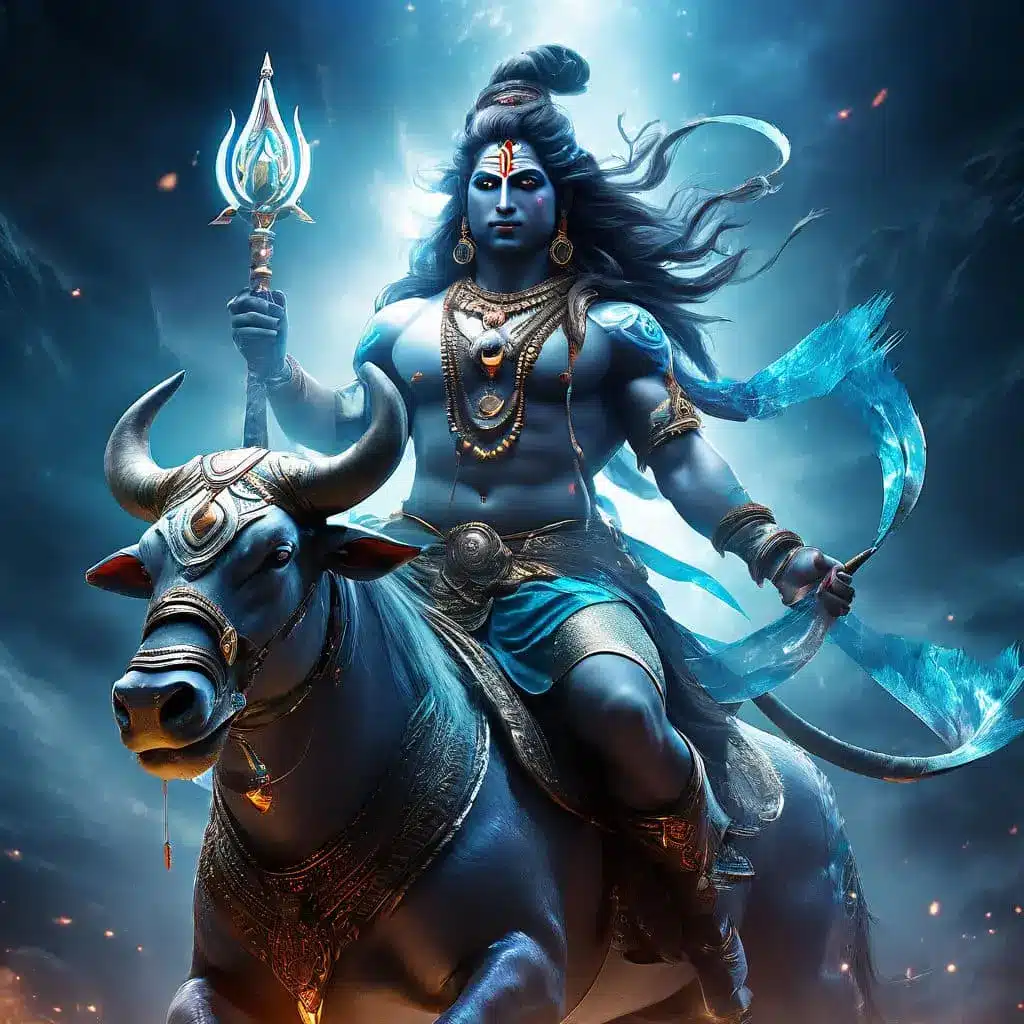
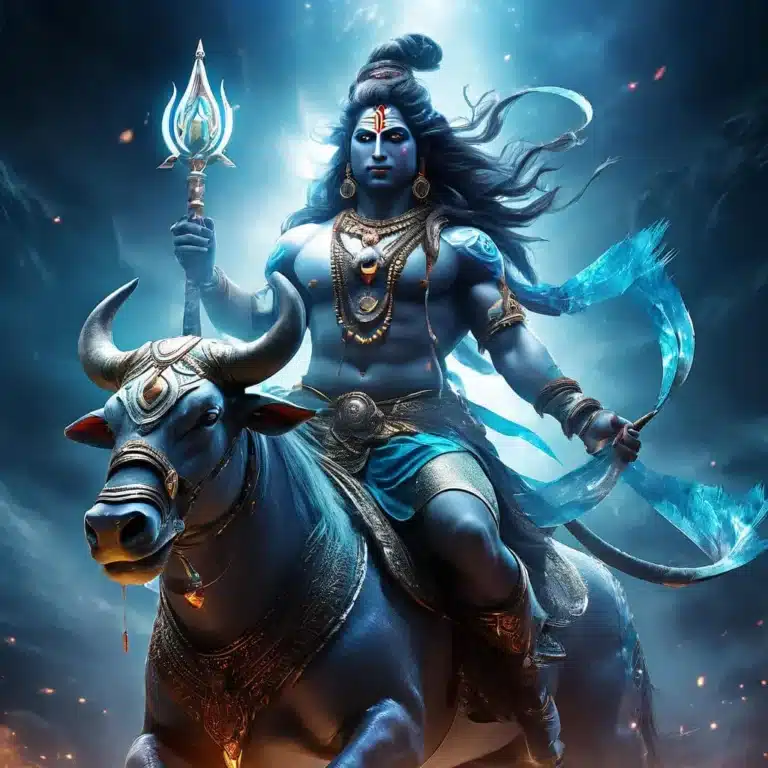
Lord Shiva riding Nandi through cosmic universe with planets and glowing nebula image

Shiva

Bilvashtakam

Bilvashtakam त्रिदलं त्रिगुणाकारं त्रिनॆत्रं च त्रियायुधं ।त्रिजन्म पापसंहारम् ऎकबिल्वं शिवार्पणं ॥१॥ tridalaṃ triguṇākāraṃ trinĕtraṃ ca triyāyudhaṃ .trijanma pāpasaṃhāram ĕkabilvaṃ śivārpaṇaṃ ..1.. I offer one leaf of Bilva to Lord Shiva,which has three leaves (a Bilva leaf has three leaves as a cluster),which represents the three Gunas (Sattva, Rajas, Tamas),which represents the three eyes of Shiva,which is like the triad of weapons he bears,and whose very remembrance destroys sins accumulated over three births. त्रिशाखैः बिल्वपत्रैश्च ह्यच्छिद्रैः कोमलैः शुभैः ।शिवपूजां करिष्यामि ह्येकबिल्वं शिवार्पणम् ॥२॥ triśākhaiḥ bilvapatraiśca hyacchidraiḥ komalaiḥ śubhaiḥ .śivapūjāṃ kariṣyāmi hyekabilvaṃ śivārpaṇam ..2.. I offer one Bilva leaf to Lord Shivawhich has three shoots,which is flawless,soft and tender,and auspicious in nature. अखण्ड बिल्वपत्रेण पूजिते नन्दिकेश्वरे ।शुद्ध्यन्ति सर्वपापेभ्यो ह्येकबिल्वं शिवार्पणम् ॥३॥ akhaṇḍa bilvapatreṇa pūjite nandikeśvare .śuddhyanti sarvapāpebhyo hyekabilvaṃ śivārpaṇam ..3.. By worshipping Shiva, the Lord of Nandi,with a whole and unbroken Bilva leaf,one becomes purified of all sins.I offer one Bilva leaf to Lord Shiva. शालिग्राम शिलामेकां विप्राणां जातु चार्पयेत् ।सोमयज्ञ महापुण्यं एकबिल्वं शिवार्पणम् ॥४॥ śāligrāma śilāmekāṃ viprāṇāṃ jātu cārpayet .somayajña mahāpuṇyaṃ ekabilvaṃ śivārpaṇam ..4.. Offering one Bilva leaf to Lord Shivais equal to offering a Shaligrama stone to a realized Brahmin,or to the immense merit gained by performing a Soma Yajna. दन्तिकोटि सहस्राणी वाजपेय शतानि च ।कोटिकन्या महादानं एकबिल्वं शिवार्पणम् ॥५॥ dantikoṭi sahasrāṇī vājapeya śatāni ca .koṭikanyā mahādānaṃ ekabilvaṃ śivārpaṇam ..5.. The gifting of thousands of crores of elephants,the performance of hundreds of Vajapeya sacrifices,or even the great charity of giving millions of daughters in marriagecannot equal the merit of offering a single Bilva leaf to Lord Shiva.I offer one Bilva leaf to Lord Shiva. लक्ष्म्यास्तनुत उत्पन्नं महादेवस्य च प्रियम् ।बिल्ववृक्षं प्रयच्छामि ह्येकबिल्वं शिवार्पणम् ॥६॥ lakṣmyāstanuta utpannaṃ mahādevasya ca priyam .bilvavṛkṣaṃ prayacchāmi hyekabilvaṃ śivārpaṇam ..6.. The Bilva tree originated from the body of Goddess Lakshmiand is exceedingly dear to Lord Mahadeva.I offer one Bilva leaf to Lord Shiva. दर्शनं बिल्ववृक्षस्य स्पर्शनं पापनाशनम् ।अघोरपापसंहारं एकबिल्वं शिवर्पणम् ॥७॥ darśanaṃ bilvavṛkṣasya sparśanaṃ pāpanāśanam .aghorapāpasaṃhāraṃ ekabilvaṃ śivarpaṇam ..7.. Merely seeing the Bilva treeor even touching itdestroys the most terrible sins.I offer one Bilva leaf to Lord Shiva. मूलतो ब्रह्मरूपाय मध्यतो विष्णुरूपिणे ।अग्रतः शिवरूपाय ह्येकबिल्वं शिवार्पणम् ॥८॥ mūlato brahmarūpāya madhyato viṣṇurūpiṇe .agrataḥ śivarūpāya hyekabilvaṃ śivārpaṇam ..8.. The root of the Bilva tree represents Brahma the creator,the middle represents Vishnu the sustainer,and the top represents Shiva the destroyer.Offering a Bilva leaf thus grants supreme spiritual benefit.I offer one Bilva leaf to Lord Shiva. बिल्वाष्टकमिदं पुण्यं यः पठेत् शिवसन्निधौ ।सर्वपाप विनिर्मुक्तः शिवलोकमवाप्नुयात् ॥ bilvāṣṭakamidaṃ puṇyaṃ yaḥ paṭhet śivasannidhau .sarvapāpa vinirmuktaḥ śivalokamavāpnuyāt .. Whoever recites this sacred Bilvashtakamin the presence of Lord Shivawill be freed from all sinsand will attain the abode of Lord Shiva. DescriptionNote: For the alternate version of Bilvashtakam with 14 verses please click here.Composed by Sri Adi Shankaracharya, the famous Bilvashtakam extols the virtues of the Bilva leaf (also spelt Vilva, Bilwa) and Lord Shiva’s love for it. Shri Shiva Bilvashtakam is a very powerful chant that describes the power and glory of offering bilva leaves to Lord Shiva. They are to be offered in a group of three leaves and are said to have features that identify them with Lord Shiva himself. The Bilva leaf is trifoliate which signifies the holy Trinity: Brahma, Vishnu and Maheshwara. It also signifies the three eyes of Shiva. According to Shiva Purana, the Bilwa is the symbol of Lord Shiva. It is adored even by the Gods. It is difficult to understand its greatness. Blessed are the ones who offer the Bilva. One Bilva is equal to a thousand lotus, says the Siva Purana. According to the Skanda Purana, the Bilwa (Bel) tree grew from the sweat droplets of Parvati which fell on the Mandrachal mountain. From there the Bel tree emerged. Hence, it is believed that the Goddess resides in this tree in all Her forms. She resides as Girija in the roots of the tree, as Maheshwari in its trunk, as Dakshayani in its branches, Parvati in its leaves, Katyayani in its fruit and as Gauri in its flowers. Therefore as Parvati resides in Her various forms in this tree, Shiva is extremely fond of its leaves. Bilva LeafBilva PujaBilva Tree The following commentary is from SanskritDocuments.org by N. Balasubramanaiam. These verses in this poem Bilvashtakam highlight some of Shiva’s glories and draw one’s mind to Him. Thus it will help a devotee’s mind in getting involved in the puja. Let us go to the verses proper. Each verse is a couplet and has two lines. The verses are identified with numbers 1 through 8. The first verse identifies some features of Lord Shiva with a Bilva leaf which is actually a cluster consisting of three leaves of bilva and offers prayer to it. Verse 9 is the phalaśrutiḥ and gives the benefit one will gain by reciting this hymn. tridalaṃ triguṇākāraṃ trinetraṃ triyāyudhamtrijanmapāpasaṃhāraṃ ekabilvaṃ śivārpaṇm ..1.. tridalam = having three petalstriguṇākāraṃ = constituted of three gunas, satva, rajas and tamas which together constitute Maya, the creative power of Ishvara and the cause of creationtrinetram = having three eyes, the sun, the moon and fire, signifying infinite wisdomtriyāyudham = having three kinds of weapons used for striking, aiming and releasingtrijanmapāpasaṃhāram = destroyer of sins accumulated over many birthseka bilvam = one cluster of bilva leavesśivārpaṇam = offered to Lord Shiva In this manner one bilva leaf offered with devotion is of great merit. This reminds us of what Krishna said in the Gita (9-26). When one with pure mind offers to Me with devotion a leaf, a flower, a fruit or water, that I accept. patraṃ puṣpaṃ phalaṃ toyaṃ yo me bhaktyā prayacchatitadahaṃ bhaktyupahṛtamaśnāmi prayatātmanaḥ Meaning of the verse: I offer to Lord Shiva a cluster of three bilva leaves which represent the three gunas, His three eyes, the three kinds of weapons He bears and whose remembrance destroys accumulated sins. triśākhaiḥ bilvapatraiśca hyacchidraiḥ komalaiḥ śubhaiḥśivapūjāṃ kariṣyāmi hyekabilvaṃ śivārpaṇam ..2.. Meaning of the verse: I perform puja to Lord Shiva with bilva leaves that are trifoliate, flawless, soft, tender and auspicious. akhaṇḍa bilvapatreṇa pūjite nandikeśvareśuddhyanti

Bilvashtakam Read Post »

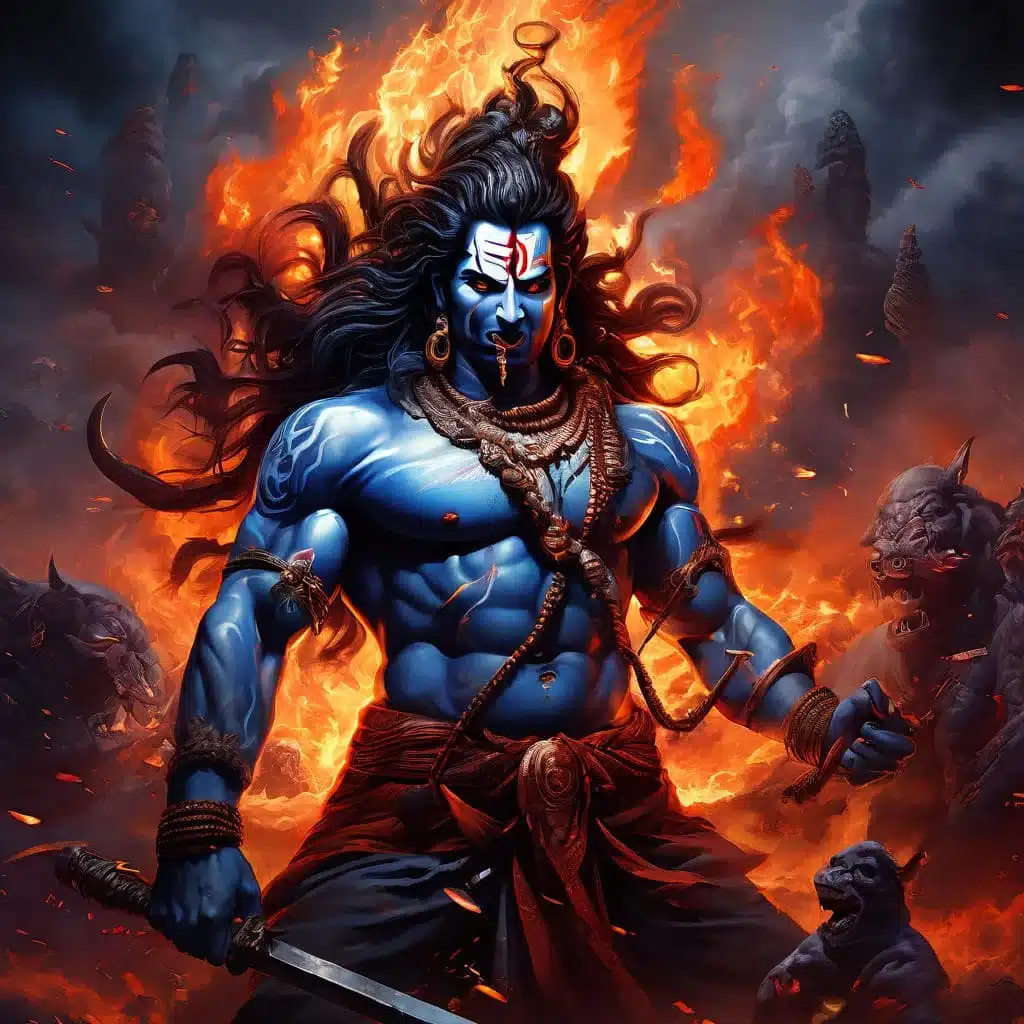
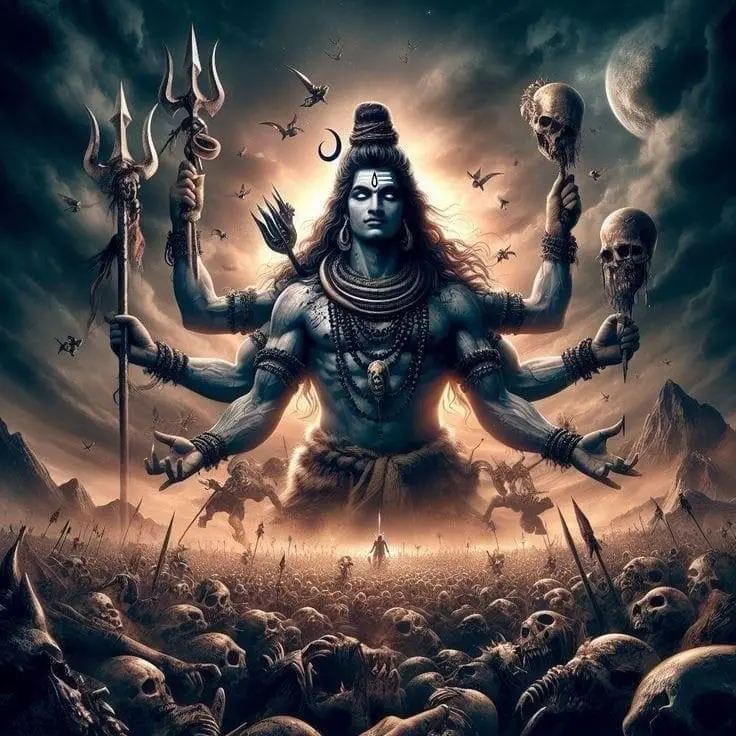
Lord Shiva Fierce multi-armed holding trident and skulls image
Shiva

Bhoothanath Ashtakam

Bhoothanath Ashtakam शिव शिव शक्तिनाथं संहारं शं स्वरूपम्नव नव नित्यनृत्यं ताण्डवं तं तन्नादम्घन घन घूर्णिमेघं घंघोरं घंन्निनादम्भज भज भस्मलेपं भजामि भूतनाथम् ॥१॥ śiva śiva śaktināthaṃ saṃhāraṃ śaṃ svarūpamnava nava nityanṛtyaṃ tāṇḍavaṃ taṃ tannādamghana ghana ghūrṇimeghaṃ ghaṃghoraṃ ghaṃnninādambhaja bhaja bhasmalepaṃ bhajāmi bhūtanātham ..1.. I worship Shiva, the Lord of Shakti (power), who embodies destruction and is the very essence of auspiciousness.He performs the ever-new and eternal cosmic dance (Tandava), creating the primordial sound (Nāda).His presence is like a dark, swirling storm cloud, producing terrifying, thunderous sounds.I worship him, smeared with sacred ash, the Lord of all beings (Bhoothanatha). This verse glorifies Shiva as Bhoothanatha, showing his destructive yet auspicious nature, his cosmic dance, and his association with ash and primordial sound. कऴ कऴ काऴरूपं कल्लोऴं कं कराऴम्डम डम डमनादं डम्बुरुं डंकनादम्सम सम शक्तग्रिवं सर्वभूतं सुरेशम्भज भज भस्मलेपं भजामि भूतनाथम् ॥२॥ kaḻa kaḻa kāḻarūpaṃ kalloḻaṃ kaṃ karāḻamḍama ḍama ḍamanādaṃ ḍamburuṃ ḍaṃkanādamsama sama śaktagrivaṃ sarvabhūtaṃ sureśambhaja bhaja bhasmalepaṃ bhajāmi bhūtanātham ..2.. I worship Shiva, the fierce form of Time (Kala), roaring like a terrifying wave.He produces the resonant sound of the Damaru drum, echoing through the cosmos.He bears the power of Shakti and is the Lord of all beings and gods.I worship him, smeared with sacred ash, the Lord of all beings. This verse highlights Shiva’s fearsome cosmic aspect as Time and his supreme lordship. रम रम रामभक्तं रमेशं रां रारावम्मम मम मुक्तहस्तं महेशं मं मधुरम्बम बम ब्रह्मरूपं बामेशं बं विनाशम्भज भज भस्मलेपं भजामि भूतनाथम् ॥३॥ rama rama rāmabhaktaṃ rameśaṃ rāṃ rārāvammama mama muktahastaṃ maheśaṃ maṃ madhurambama bama brahmarūpaṃ bāmeśaṃ baṃ vināśambhaja bhaja bhasmalepaṃ bhajāmi bhūtanātham ..3.. I worship Shiva, beloved of Lord Rama and Lord of Lakshmi (Ramesha).He grants liberation with his blessing hand and is the gentle Mahesha.He is the embodiment of Brahman and the destroyer of all impurity.I worship him, smeared with sacred ash, the Lord of all beings. This verse emphasizes Shiva as the giver of liberation and supreme reality. हर हर हरिप्रियं त्रितापं हं संहारम्खम खम क्षमाशीऴं सपापं खं क्षमणम्द्दग द्दग ध्यानमूर्त्तिं सगुणं धं धारणम्भज भज भस्मलेपं भजामि भूतनाथम् ॥४॥ hara hara haripriyaṃ tritāpaṃ haṃ saṃhāramkhama khama kṣamāśīḻaṃ sapāpaṃ khaṃ kṣamaṇamddaga ddaga dhyānamūrttiṃ saguṇaṃ dhaṃ dhāraṇambhaja bhaja bhasmalepaṃ bhajāmi bhūtanātham ..4.. I worship Shiva, beloved of Vishnu, who destroys the threefold sufferings.He forgives sins with boundless compassion.He is the very form of meditation and sustains the universe through concentration.I worship him, smeared with sacred ash, the Lord of all beings. This verse reflects Shiva’s compassion, meditation, and unity with Vishnu. पम पम पापनाशं प्रज्वलं पं प्रकाशम्गम गम गुह्यतत्त्वं गिरीशं गं गणानाम्दम दम दानहस्तं धुन्दरं दं दारुणम्भज भज भस्मलेपं भजामि भूतनाथम् ॥५॥ pama pama pāpanāśaṃ prajvalaṃ paṃ prakāśamgama gama guhyatattvaṃ girīśaṃ gaṃ gaṇānāmdama dama dānahastaṃ dhundaraṃ daṃ dāruṇambhaja bhaja bhasmalepaṃ bhajāmi bhūtanātham ..5.. I worship Shiva, the destroyer of sins, blazing with divine light.He reveals secret truths and is Lord of mountains and the Ganas.He grants boons yet remains fierce in form.I worship him, smeared with sacred ash, the Lord of all beings. गम गम गीतनाथं दूर्गमं गं गंतव्यम्टम टम रूंडमाऴं टंकारं टंकनादम्भम भम भ्रम् भ्रमरं भैरवं क्षेत्रपाऴम्भज भज भस्मलेपं भजामि भूतनाथम् ॥६॥ gama gama gītanāthaṃ dūrgamaṃ gaṃ gaṃtavyamṭama ṭama rūṃḍamāḻaṃ ṭaṃkāraṃ ṭaṃkanādambhama bhama bhram bhramaraṃ bhairavaṃ kṣetrapāḻambhaja bhaja bhasmalepaṃ bhajāmi bhūtanātham ..6.. I worship Shiva, the Lord of music and the ultimate goal.He wears a garland of skulls and resounds with thunderous sound.He appears as Bhairava, the guardian of sacred places.I worship him, smeared with sacred ash, the Lord of all beings. त्रिशुऴधारी संहारकारी गिरिजानाथम् ईश्वरम्पार्वतीपति त्वम् मायापति शुभ्रवर्णम् महेश्वरम्कैऴाशनाथ सतीप्राणनाथ महाकालम् कालेश्वरम्अर्धचंद्रम् शिरकिरीटम् भूतनाथं शिवम् भजे ॥७॥ triśuḻadhārī saṃhārakārī girijānātham īśvarampārvatīpati tvam māyāpati śubhravarṇam maheśvaramkaiḻāśanātha satīprāṇanātha mahākālam kāleśvaramardhacaṃdram śirakirīṭam bhūtanāthaṃ śivam bhaje ..7.. I worship Shiva, wielder of the trident, husband of Parvati, Lord of Kailasa and Time itself. नीलकंठाय सत्स्वरूपाय सदा शिवाय नमो नमःयक्षरूपाय जटाधराय नागदेवाय नमो नमःइंद्रहाराय त्रिलोचनाय गंगाधराय नमो नमःअर्धचंद्रम् शिरकिरीटम् भूतनाथं शिवम् भजे ॥८॥ nīlakaṃṭhāya satsvarūpāya sadā śivāya namo namaḥyakṣarūpāya jaṭādharāya nāgadevāya namo namaḥiṃdrahārāya trilocanāya gaṃgādharāya namo namaḥardhacaṃdram śirakirīṭam bhūtanāthaṃ śivam bhaje ..8.. Salutations to Nilakantha, the eternal auspicious one, bearer of Ganga and the three-eyed Lord. तव कृपा कृष्णदासः भजति भूतनाथम्तव कृपा कृष्णदासः स्मरति भूतनाथम्तव कृपा कृष्णदासः पश्यति भूतनाथम्तव कृपा कृष्णदासः पि वति भूतनाथम् ॥९॥ tava kṛpā kṛṣṇadāsaḥ bhajati bhūtanāthamtava kṛpā kṛṣṇadāsaḥ smarati bhūtanāthamtava kṛpā kṛṣṇadāsaḥ paśyati bhūtanāthamtava kṛpā kṛṣṇadāsaḥ pi vati bhūtanātham ..9.. By your grace, Krishnadasa worships, remembers, sees, and experiences Bhoothanatha. अथ श्रीकृष्णदासः विरचित भूतनाथ अष्टकम् यःपठति निस्कामभावेन सः शिवलोकं स गच्छति ॥ Thus, whoever recites the Bhoothanatha Ashtakam composed by Shri Krishnadasa with a selfless mind attains Shivaloka. Description Bhoothanath Ashtakam The Bhoothanatha Ashtakam composed by Shri Krishnadasa is a devotional hymn that glorifies Lord Shiva in his form as Bhoothanatha, the Lord of all beings, spirits, and the cosmos. Each verse highlights various aspects of Shiva’s powers, his cosmic role, and his deep connection with his devotees. The hymn reflects the themes of protection, destruction, transformation, and the ultimate grace of Shiva. Key Themes: Overall Message: The Bhoothanatha Ashtakam is a powerful hymn that combines reverence for Shiva’s formidable, cosmic powers with a deep, personal devotion. It shows how, through Shiva’s grace, devotees can overcome worldly struggles, receive spiritual nourishment, and ultimately attain liberation. The hymn presents Shiva as the destroyer and protector, embodying both fearsome and compassionate aspects, with the devotee’s unconditional surrender at its core.

Bhoothanath Ashtakam Read Post »