Hari Om

Menu

November 2025

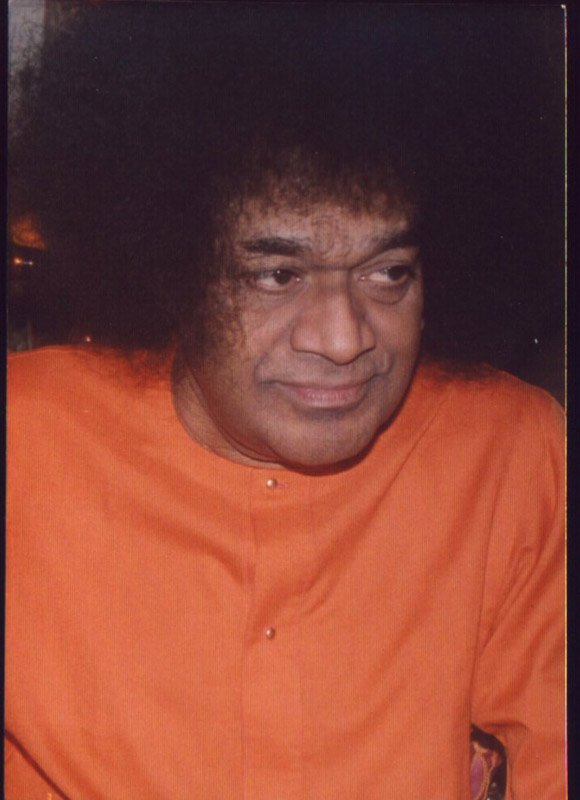
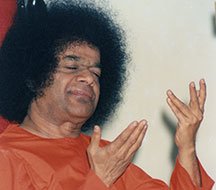
Shri Sathya Sai Baba orange robe sacred image
Divine Insights

jyoti Meditation

Jyoti Meditation Sathya Sai Baba on Meditation Jyoti Meditation Based On Bhagavan’s Step By Step Direction Jyothi (flame) Meditation is the foremost spiritual discipline geared towards gaining inner peace. “Practice this meditation as I have advised regularly every day. At other times repeat the name of God (any Name fragrant with any of His many Majesties), always taking care to be conscious of His might, mercy, and munificence.” – Sri Sathya Sai Baba

jyoti Meditation Read Post »

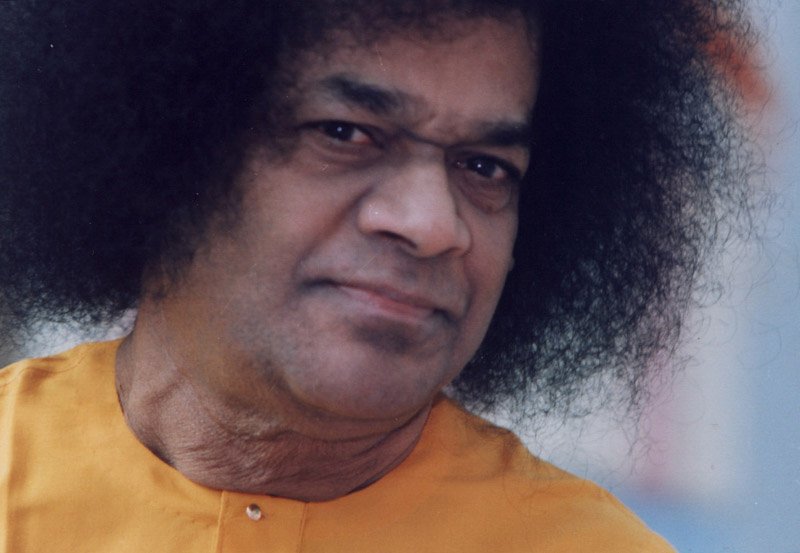
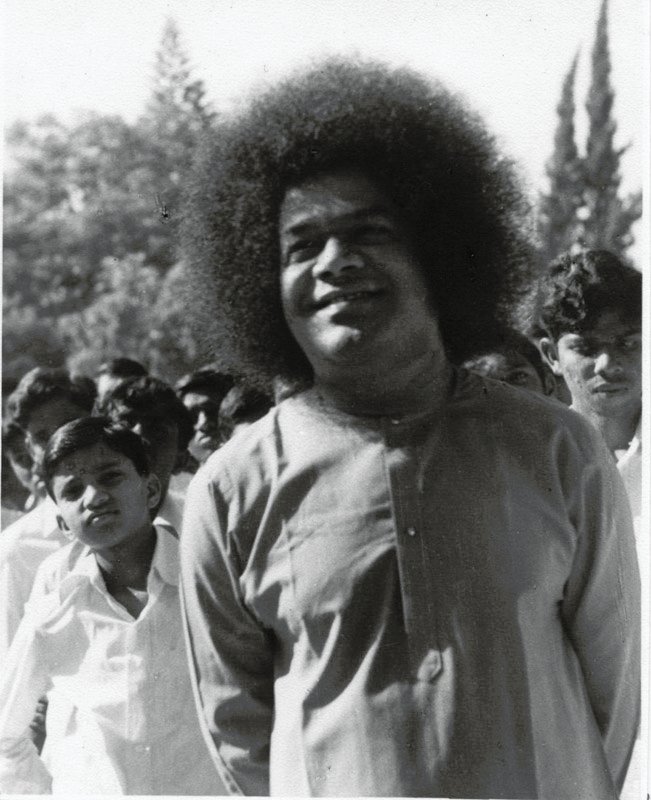
Bhagwan Shri Sathya Sai Baba sacred peaceful portrait photo
His Life is His Message topics

Divine Words of wisdom by Sathya Sai Baba – On Karma

Divine Words of wisdom by Sathya Sai Baba – On Karma 1. Sevadal should take up the path of Karma; With analogy Your browser does not support the audio element. 1979-05-25 Document Download Audio Social Share Facebook Twitter Youtube Instagram Description In order to arrest the tendencies which are unfair and unjust sometimes we have to adopt that path. Suppose we come to know that thieves have entered the house at night and as soon as we come to know that, the robbers try to run away through thorny bushes. Instead of following through the thorny bushes to catch them, if we try to catch them by a car on a smooth road, we would not be able to catch them. In order to catch the thief we must pursue the path which the thief had followed. Likewise, when we want to help those who are in trouble or distress we must also be prepared to undergo the difficulties. Therefore, we must first enter the path of work and through that we must attain wisdom. In today’s world when we want to put an end to the evil practices it is only through such path that we can set them right. A thorn in the foot can be removed by another thorn. If we want to remove the dirt on the cloth, it has to be washed by dirt. In earlier days we used to use some material like soil to wash our dirty clothes. In the same way we cut a diamond using a diamond. Similarly we must attain Karma through karma. So for the members of the sevadal this path of karma is most ideal and sacred one.   2. Work, worship and wisdom; Karma Marga Your browser does not support the audio element. 1983-03-17 Document Download Audio Social Share Facebook Twitter Youtube Instagram Description The castle of Hindu philosophy has the concepts of karma, janma, dharma and brahma as its walls. For any size house, four walls are essential; then is it not imperative that the huge wide mansion of hindu philosophy requires four walls? These four attributes must coexist amicably. One cannot escape the results of one’s deeds; whether done knowingly or unknowingly one must bear the consequences thereof. Action cannot be without a consequence; actions, good or a bad, will yield result if not today, tomorrow. Hence it is this doctrine of karma which stands as the cardinal principle for every man’s life. “Man is born through his actions, Man is sustained by his actions, Man dies by his actions, Actions lead man to God, Actions are the cause for joy and sorrow in the world!” It is through karma that one is endowed with life. What is the secret behind the existence? “Sareera madhyam khalu dharma sadhanam!!”—the body has been given to undertake righteous action, hence one must uphold righteousness. One can attain the divine by following dharma. The Gita proclaims that the day dharma, the righteousness, declines, God incarnates as an avatar. All said and done what one sees in the form of body, is nothing but a manifestation of God Himself who takes the form of man to restore righteousness.   4. Importance of Karma or action with Analogy

Divine Words of wisdom by Sathya Sai Baba – On Karma Read Post »

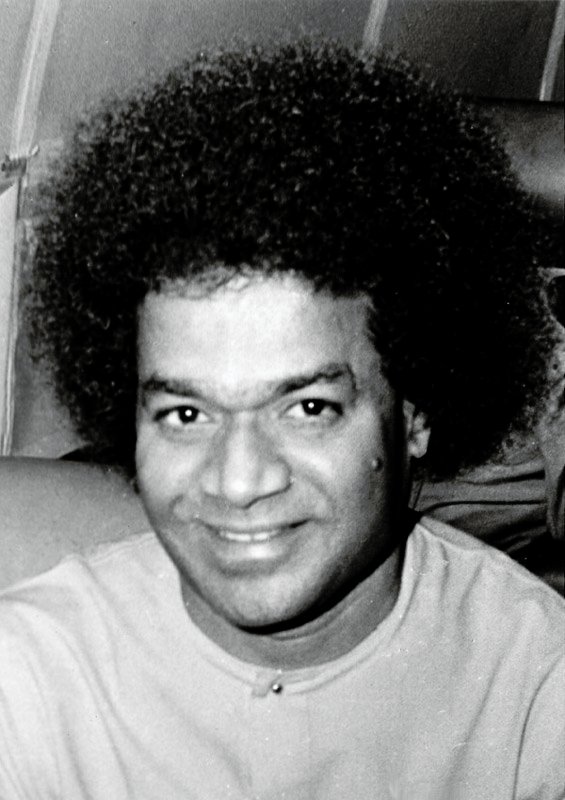
Shri Sathya Sai Baba divine darshan peaceful picture
His Life is His Message topics

Divine Words of wisdom by Sathya Sai Baba – On Gratitude

Divine Words of wisdom by Sathya Sai Baba – On Gratitude 1. You need to show gratitude for everything you receive Your browser does not support the audio element. 2003-04-02 Document Download Audio Social Share Facebook Twitter Youtube Instagram Description One has experienced so much. Having experienced so much how is one showing the gratitude? God does not expect anything in return and He does not wait for it. But one must do one’s duty. One must express one’s gratitude. An ungrateful person is worse than the worst. People experience much, receive much and progress in many ways and therefore should be grateful to the persons from whom they have received. “Matrudevo bhava, pitru devo bhava,” mother is God. Father is God. A mother carries the child in the womb for nine months, makes many sacrifices and endures many pains in bringing up the child. How grateful must one be to such a mother?! That is why is said, “Mother is God.” She is like God to a child. “Pitru devo bhava”, father is God. A father looks after the child sacrificing his own comforts and providing for the child financially. What gratitude is one showing to such father? The kind of gratitude expressed towards one’s parents today will be received by one from one’s children in future. People speak enduringly in front of others but foster wicked thoughts inside. This amounts to demonic nature. Demons are courageous at night and during day they are powerless. Night is likened to all things wicked. Ignorance is night. Day symbolises wisdom. In the darkness of ignorance one only encounters bad and wicked things. Only demons would want the darkness of ignorance. People wanting wickedness cannot be called as humans. Man is the child of immortality. Human birth is the rarest of all births. It is big mistake to behave like a demon having taken birth as a human. Even animals show some kind of gratitude and love. But today’s man has no limits and has no gratitude. Hence one must redeem one’s human birth by living like a human. Every human is an embodiment of the divine. There is none in the whole of the universe who is not divine.   2. Are youth having any gratitude towards society Your browser does not support the audio element. 2002-04-13 Document Download Audio Social Share Facebook Twitter Youtube Instagram Description The main quality gifted to man by God is “gratitude”. In the ancient culture of Bharath, it was the tradition to offer “surya namaskara”- salutations to the Sun god. There is an interesting word in the hymns of salutations- “krutagnyagnyaya namaha!” The glory of the Sun god is present in man in a miniature form as sight of the eyes. “chandrama manaso jathaha, chaksho suryo ajayatha!!—moon is the presiding deity of the mind and that of the eyes is Sun.” The man who forgets all the help extended to him is an ungrateful wretch with eyes of no use. Such people can be called blind people as Sun withdraws His light from that person’s eyes. One should never forget the help received. One may give up one’s life but never the quality of gratitude. One receives so many favours and so much help but one is not mindful of those due to selfishness. Man is leading such foolish life today, how can such men be called as humans?   4. One needs to have gratitude towards society

Divine Words of wisdom by Sathya Sai Baba – On Gratitude Read Post »

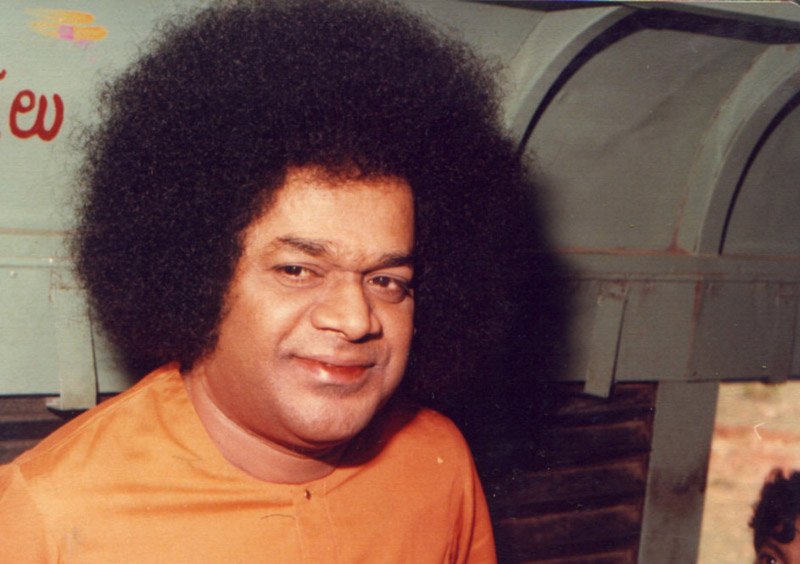
Shri Sathya Sai Baba calm spiritual guidance picture
His Life is His Message topics

Divine Words of wisdom by Sathya Sai Baba – On Discipline

Divine Words of wisdom by Sathya Sai Baba – On Discipline 1. Do not waste money, food, energy and time Your browser does not support the audio element. 2001-01-19 Document Download Audio Social Share Facebook Twitter Youtube Instagram Description “Money makes many wrongs!!” hence money should not be used for wrong purposes. “Misuse of money is evil!!” The rich waste money in drinking, eating and behaving in an improper manner. That is not the proper way to utilise wealth. Wealth must be put to proper use. There are four important aspects: “Don’t waste food, don’t waste money, don’t waste energy, and don’t waste time! Time waste is life waste.” Time is wasted by indulging in useless talk. Instead of wasting time in idle talk one should use time properly by indulging in service to others. Swami wishes that everyone should help others to the extent possible.   2. Discipline is must in every action we do Your browser does not support the audio element. 1996-06-19 Document Download Audio Social Share Facebook Twitter Youtube Instagram Description Discipline is needed on all occasions, whether one is laughing, sitting or walking. Some people walk as they please, as if even a wide road is not enough for them. One must walk only on the sidewalk or pavement so as not to disturb vehicular traffic. If instead one walked randomly, one would not only be violating road discipline but also hindering others. One must ensure that one does not cause inconvenience or pain to others. That is why Swami often says help ever, hurt never. Discipline is needed even while helping others. Such discipline must be cultivated in young age and that is the reason Swami often says: “Start early, drive slowly and reach safely.”   4. As is your feeling so is your vision

Divine Words of wisdom by Sathya Sai Baba – On Discipline Read Post »

Bhagwan Shri Sathya Sai Baba divine ashram portrait picture
His Life is His Message topics

Divine Words of wisdom by Sathya Sai Baba – On Devotees

Divine Words of wisdom by Sathya Sai Baba – On Devotees 1. True devotee comes for Knowledge of the self Your browser does not support the audio element. 1996-06-22 Document Download Audio Social Share Facebook Twitter Youtube Instagram Description Whatever others may do take it as the will of the Divine. Think that whatever, good or bad, happens, happens for your good. It is proper when such good thoughts are fostered in the hearts of the devotees. Though many come here, some go away thinking that Swami has not spoken to them or seen them or Swami has not fulfilled their desires. Yet there are some who sit in the mandir but do all the outside transactions. There are people of many ways. Are they all devotees? Therefore a true devotee comes for the knowledge of the self. But those are very rare. Whether they come here or not, Bliss can be obtained only with Self realization. One must make an effort to realise the true nature.   2. All who come to Prasanthi Nilayam are not devotees Your browser does not support the audio element. 1984-11-21 Document Download Audio Social Share Facebook Twitter Youtube Instagram Description A good person is described using many adjectives in Bhagavatha and Bhagavad Gita. He has been likened to sugarcane. A noble person is likened to a sandal wood tree and to sugarcane stalk. The sandalwood tree imparts its fragrance to the axe that cuts it but does not find fault with the axe for cutting it. The sugarcane, though subjected to squeezing and juicing, yields only sweet juice but not bitter juice. Likewise a true Sadhaka, spiritual aspirant, is the one who, in spite of troubles and hardships, endeavours to see and experience only the good in others and do good deeds but never seek revenge. A dry leaf and an iron ball stay still in the absence of wind. With the wind blowing, the dry leaf jumps eighty paces. The ball of iron does not budge and remains steady in its place. Similarly among the “sthitha pragnya”, (the one who is unwavering in both adversity and joy) and a fraudulent spiritual seeker, the fraudulent seeker is unsteady and is influenced by the troubles, sorrows and bad teachings. People regard themselves as devotees. But a true devotee does not think about God at appointed time; he thinks of God continuously. But an ordinary person, unlike the true devotee, gets influenced by hardships, troubles and bad teachings. He who has a wavering and fleeting mind cannot be called as a devotee. A true devotee would stand firm in the face of any difficulty, trouble, calumny and criticism. Such steady minded people are very few in the present times.   4. Swami speaks on Prime minister Vajpayee and on ministers

Divine Words of wisdom by Sathya Sai Baba – On Devotees Read Post »

Bhagwan Shri Sathya Sai Baba spiritual discourse sacred picture
His Life is His Message topics

Divine Words of wisdom by Sathya Sai Baba – On Culture

Divine Words of wisdom by Sathya Sai Baba – On Culture 1. hat is Sukla Paksha and Krishna Paksha Your browser does not support the audio element. 1991-05-27 Document Download Audio Social Share Facebook Twitter Youtube Instagram Description Each month is divided into two “paksham”, fortnights. One is called as the “Sukla paksha”, the bright fortnight and the other is the “Krishna paksha”, the dark fortnight. What is meant by Sukla paksha? During the Sukla paksha, the moon is directly facing the Sun, causing the radiance of the Sun to be reflected on Moon in all its glory. The moon then shines forth radiantly in all its sixteen aspects. Staying close to the life, Sun, sixteen aspects of the moon, the living being, becomes wholesome and shine forth in full splendour as ‘Poornima’. On the new moon day, the moon vanishes into the Sun. (the moon is not seen at all). Moon completely merges in the Sun and hence it is not seen. From the full moon day, the aspects of Moon wane gradually and so, that fortnight is called as “Krishna paksham”, dark fortnight. From the new moon day onwards the aspects of Moon gradually get bigger, it is called as the bright fortnight, the “Sukla paksham”. The bright fortnight can be referred to as the life element and the dark fortnight as the living being. The combination of life and living being forms the world. All this are the effects of the will of Prajapathi.   2. Good culture leads to good qualities Your browser does not support the audio element. 2002-04-13 Document Download Audio Social Share Facebook Twitter Youtube Instagram Description Since ancient times, the Bharatiyas have spread their sacred culture all over the world. This culture does not consider god as one. “Sahasra seersha purushaha sahasraksha sahasra path” God is viewed and experienced as many. God is not merely one. It is the manifestation of one in many. God is present in every head and in every heart So, one should not think that God is only present in sanctum sanctorum like the church etc. In fact every human heart is the residence of God. “Daiwam maanusha roopena!”—God is in human form. One criticises others not knowing that in him too God resides likewise one also exults others. The vedas then revealed, “Who is that one is criticising and adoring? One thinks that one is abusing one’s abuser and adoring one who is worthy of one’s love. No, it is not so. One is abusing and hurting oneself when one is abusing and hurting others. The Lord who is in the person whom one adores is also present in oneself. Therefore abusing others is equivalent to abusing oneself and loving others amounts to loving oneself. Hence one must refrain from abusing others as it comes back. One must think that abusing others is abusing God as He is omnipresent. “Sarva jeeva namaskaram kesavam prathigachchati— whomever one salutes, it is received by the In dweller.” It is the main aim. When one respects others it in fact reaches the God. “Sarva jeeva tiraskaram kesavam prathigachchati – denying anybody amounts to denying the Lord.” One is under the misconception that one hates someone else, but in reality one hates oneself.   4. Foster the culture of Bharath; Analogy of paddy and cloth

Divine Words of wisdom by Sathya Sai Baba – On Culture Read Post »

shri sathya sai baba Spiritual guru meditating with closed eyes image
His Life is His Message topics

Divine Words of wisdom by Sathya Sai Baba – On Character

Divine Words of wisdom by Sathya Sai Baba – On Character 1. Character is most important in human life Your browser does not support the audio element. 1996-06-24 Document Download Audio Social Share Facebook Twitter Youtube Instagram Description Man’s life is made up of the three attributes. Losing such attributes, man loses humanness. Today the animals and birds seem better than man, who lacks the human values. Man is only human in appearance but not in his behaviour. Therefore good qualities strengthen human life. Life without character is life less. Amongst the human values, character is the true strength. Students and youth of present times must aim for attaining good character. One may be wealthy, strong and might be in a position of authority, but without good qualities, the position, wealth, strength or knowledge, all become useless. Character is very essential to recognise the humanness. It is the important human quality.   2. How to develop our character: A story of Shirdi Baba devotee Das Ganu Your browser does not support the audio element. 1996-07-31 Document Download Audio Social Share Facebook Twitter Youtube Instagram Description What is meant by ‘Tarakam’? It is ‘Khechari’, ‘Vechari’, ‘Madhyama’ and the true essence ‘Bhagawati’. One must try to analyse the essence of these four aspects. What is the meaning of ‘Tarakam’? Many people have described it in many ways. There are five signs in this. One should know clearly the five signs, ‘Pancha Mudras’. One should know these five signs, research and investigate them properly, experience them, then determine the necessary and the unnecessary and brush aside the unnecessary; have a vision of Nadabindu and realise the ‘hamsatwa’, later on experience the state of sath-chit-ananda on earth—this sums up ‘Tarakam’. Immersing and concentrating the human mind in the principle of sath-chit-ananda, the ultimate bliss is called as ‘Tarakam’.   4. As is your feeling so is your vision

Divine Words of wisdom by Sathya Sai Baba – On Character Read Post »

Shri Sathya Sai Baba sacred smiling spiritual photo
His Life is His Message topics

Divine Words of wisdom by Sathya Sai Baba – On Bhaja Govindam

Divine Words of wisdom by Sathya Sai Baba – On Bhaja Govindam 1. Who is victorious in life? Questions Shankaracharya: With beautiful analogies Your browser does not support the audio element. 1992-04-04 Document Download Audio Social Share Facebook Twitter Youtube Instagram Description Shankaracharya questioned, “Chitam jagatyeva?” meaning who is the winner in the world. Each student replied differently– “Winner is the great warrior who wins over the enemies with courage in war.” “A person who climbs the Himalayas and mounts a flag there is the winner” “Crossing the mighty oceans proving one’s valour and courage is the real warrior.” —in this manner the students gave their own interpretation. Shankaracharya replied with a smile, “O students! You are viewing success on a physical plane, where anybody can achieve success. When two animals or birds fight one of them is victorious. Birds too cross the mighty oceans and fly high above the Himalayan Mountains. Do you think it is the victory that they have achieved? No! ‘Manohiyena’- meaning victorious is the one who has mastered the mind. To think that one gained victory without mastering the mind is mere delusion. The mind is like the moon. “Chandrama manasojathaha, chaksho sooryo ajayatha” – Moon reflects the mind and sun is the presiding deity of the eyes. The mind, which is compared to the moon, cannot shine independently. The moon shines at the night. How does it shine? The Sun light falls on the moon causing it to shine. It is essentially the sun shine that one sees in the night as the reflection from the moon. One needs to ponder on this properly. The sun light is very intense and bright. One cannot bear the intensity of the sun light. But the moon light is cool and soothing. Though the light from the moon and the sun is the same, what is the reason for the brightness and intensity of sunlight and coolness of the moon light? The mind is full of desires and is tamasik in nature. Darkness is the characteristic aspect of tamas. It means that when the desires are fulfilled the mind is at peace but becomes restless when the desires are not fulfilled. It is never hot. This is the nature of mind. Nobody can restrain the mind. “Sankalpavikalpatkam manaha” means mind is a conglomeration of good and bad thoughts. It is not possible to stop the thoughts even for a second. Just as the waves move in the ocean incessantly so also thoughts exist and arise in the mind incessantly. He, who understands and arises above the mind with all its thoughts, is truly victorious in this world.   2. We need to uphold the teachings of Adi Shankara Your browser does not support the audio element. 1973-05-22 Document Download Audio Social Share Facebook Twitter Youtube Instagram Description For the verse Bhaja Govindam, Govindam Bhaja, there are varied interpretations given by many learned scholars; and the word Govindam has been assigned several meanings. But the real meaning of Govindam is that it refers to one who looks after the cows or tends the cows. The inner meaning is that it refers to one who has control over the animal nature in man. There is some animal nature which is remaining as a residue in man. This residual animal nature of man has to be changed and transformed. One who is able to transform this animal nature in man is Govinda. For an animal, human nature is inaccessible as a goal, but for man, Divine nature is accessible as a goal. However, as mentioned earlier, there is a residual animal nature in man and we have to enquire what is meant by this animal nature. When we show green grass to an herbivorous animal, it is attracted, comes close and expresses its pleasure by moving its tail. The same animal runs away if you take a stick and go to beat it. In this manner, man today is attracted, comes close if you show him some money, but if you are angry and shout at him, he runs away. Is this not animal nature in human beings? On the other hand, as human beings, we should not be afraid nor should we cause fear to others. We are not cattle to be afraid and we are not animals to cause fear to other. However, when some wrong deeds come to our notice or when something false is said, then to expose the truth separated from untruth and punish the persons responsible for such misdeeds should be the accepted qualities of man. These cannot be the qualities of an animal. So when we utter the word Govinda, we must understand and discriminate between wrong and right and punish the person for his wrong deeds and reward him for his good deeds. To carry on the improvement of human nature so as to move closer to the Divine is thus the aspect of Govinda. Every day you have to think of Govinda, utter His name and develop faith and confidence in Him. It is not possible to do otherwise and yet be happy. Another meaning of the word Govinda is that it is an uttered sound. Whether it is for the words that are uttered by man or for the sounds that are produced by animals or for what has been said in the Vedas, there is only one base. There may be superficial differences in the quality, but the base is the same sound for all of them. Therefore, this alternative meaning enables us to look at Govinda as the personification of sound or sabda. Gam or cow, Bhumin or earth, Ved or Vedas and Swarga or heaven: He who represents all these things is Govinda. This word Bhumin also gives us the meaning that Govinda is at the back of all the drama of this world that is enacted on the earth. In the word Swarga, we get the meaning that He is the Lord of the place

Divine Words of wisdom by Sathya Sai Baba – On Bhaja Govindam Read Post »

476b011d8a10b72b09e77e441b9e293c
Mantras & Their Glory

Tulsi Mantra And Strotras

Tulsi Mantra And Strotras तुलसी स्तोत्रम् – जगद्धात्रि नमस्तुभ्यं विष्णोश्च प्रियवल्लभे – TulasiStotram   जगद्धात्रि नमस्तुभ्यं विष्णोश्च प्रियवल्लभे । यतो ब्रह्मादयो देवाःसृष्टिस्थित्यन्तकारिणः ॥१॥ Jagad-Dhaatri Namas-Tubhyam Vissnnosh-Ca Priya-Vallabhe | YatoBrahmaa-[Aa]dayo Devaah Srsstti-Sthity-Anta-Kaarinnah ||1|| Meaning: 1.1: (Salutations to Devi Tulasi) I bow down to You, O Jagaddhatri (thebearer of the World); You are the most beloved of Sri Vishnu, 1.2:Because of Your power, O Devi, the Devas beginning with Brahma are ableto Create, Maintain and bring an End to the World. नमस्तुलसि कल्याणि नमो विष्णुप्रिये शुभे । नमो मोक्षप्रदे देवि नमःसम्पत्प्रदायिके ॥२॥ Namas-Tulasi Kalyaanni Namo Vissnnu-Priye Shubhe | Namo Mokssa-PradeDevi Namah Sampat-Pradaayike ||2|| Meaning:2.1: (Salutations to Devi Tulasi) Who brings Goodness in life,Salutations to Devi Tulasi Who is the beloved of Sri Vishnu and Who isAuspicious,2.2: Salutations to Devi Tulasi Who grants Liberation, and Salutationsto Devi Tulasi Who bestows Prosperity. तुलसी पातु मां नित्यं सर्वापद्भ्योऽपि सर्वदा । कीर्तितापि स्मृता वापिपवित्रयति मानवम् ॥३॥ Tulasii Paatu Maam Nityam Sarva-[A]apadbhyo-Api Sarvadaa | Kiirtita-ApiSmrtaa Vaa-[A]pi Pavitrayati Maanavam ||3|| Meaning:3.1: (Salutations to Devi Tulasi) O Devi Tulasi, please protect mealways from all misfortunes and calamities,3.2: O Devi, Singing Your Glories, or even Remembering You makes aperson Pure. नमामि शिरसा देवीं तुलसीं विलसत्तनुम् । यां दृष्ट्वा पापिनो मर्त्यामुच्यन्ते सर्वकिल्बिषात् ॥४॥ Namaami Shirasaa Deviim Tulasiim Vilasat-Tanum | Yaam Drssttvaa PaapinoMartyaa Mucyante Sarva-Kilbissaat ||4|| Meaning:4.1: (Salutations to Devi Tulasi) I reverentially bow downto Devi Tulasi, the foremost among the Devis (Goddesses) and Who has ashining Form,4.2: Seeing Her the Sinners of this Mortal World become free from allSins. तुलस्या रक्षितं सर्वं जगदेतच्चराचरम् । या विनिहन्ति पापानि दृष्ट्वा वापापिभिर्नरैः ॥५॥ Tulasyaa Rakssitam Sarvam Jagad-Etac-Cara-Acaram | Yaa VinihantiPaapaani Drssttvaa Vaa Paapibhir-Naraih ||5|| Meaning:5.1: (Salutations to Devi Tulasi) By Devi Tulasi is preserved all ofthis World consisting of both moving and non-moving beings,5.2: She destroys the Sins of Sinful Persons, once they see Her (andsurrender to Her with Devotion). नमस्तुलस्यतितरां यस्यै बद्ध्वाञ्जलिं कलौ । कलयन्ति सुखं सर्वं स्त्रियोवैश्यास्तथाऽपरे ॥६॥ Namas-Tulasyati-Taraam Yasyai Baddhva-An.jalim Kalau | Kalayanti SukhamSarvam Striyo Vaishyaas-Tathaa-[A]pare ||6|| Meaning:6.1: (Salutations to Devi Tulasi) Those who reverentiallySalute Devi Tulasi with Hands joined (in devotional Worship), will crossthis age of Kali, …6.2: … and attain all Joys; whether they are Woman, Vaishya (Traderclass) or Others. तुलस्या नापरं किञ्चिद् दैवतं जगतीतले । यथा पवित्रितो लोको विष्णुसङ्गेनवैष्णवः ॥७॥ Tulasyaa Na-[A]param Kin.cid Daivatam Jagatii-Tale | Yathaa PavitritoLoko Vissnnu-Sanggena Vaissnnavah ||7|| Meaning:7.1: (Salutations to Devi Tulasi) There is no other divinity on Earthlike Devi Tulasi,7.2: She purifies the World in the same way as the Vaishnavas arepurified by association with Sri Vishnu. तुलस्याः पल्लवं विष्णोः शिरस्यारोपितं कलौ । आरोपयति सर्वाणि श्रेयांसिवरमस्तके ॥८॥ Tulasyaah Pallavam Vissnnoh Shirasya-[A]aropitam Kalau | AaropayatiSarvaanni Shreyaamsi Vara-Mastake ||8|| Meaning:8.1: (Salutations to Devi Tulasi) The leaves of Tulasi placed (i.e.offered) on the head of Sri Vishnu in this age of Kali, …8.2: … places (i.e. brings) all the best boons on the head (of thedevotee). तुलस्यां सकला देवा वसन्ति सततं यतः । अतस्तामर्चयेल्लोके सर्वान् देवान्समर्चयन् ॥९॥ Tulasyaam Sakalaa Devaa Vasanti Satatam Yatah | Atas-Taam-Arcayel-LokeSarvaan Devaan Samarcayan ||9|| Meaning:9.1: (Salutations to Devi Tulasi) In Tulasi resides all Devas,always,9.2: Hence worshipping Her in this World is equal to worshipping allDevas. नमस्तुलसि सर्वज्ञे पुरुषोत्तमवल्लभे । पाहि मां सर्वपापेभ्यःसर्वसम्पत्प्रदायिके ॥१०॥ Namas-Tulasi Sarvajnye Purussottama-Vallabhe | Paahi MaamSarva-Paapebhyah Sarva-Sampat-Pradaayike ||10|| Meaning:10.1: Salutations to Devi Tulasi, Who is All-Knowing and Who is thebeloved of Purushottama (Sri Vishnu),10.2: O Devi, Please protect me from all Sins, You Who grant allProsperities (to the devotees). इति स्तोत्रं पुरा गीतं पुण्डरीकेण धीमता । विष्णुमर्चयता नित्यंशोभनैस्तुलसीदलैः ॥११॥ Iti Stotram Puraa Giitam Punnddariikenna Dhiimataa | Vissnnum-ArcayataaNityam Shobhanais-Tulasii-Dalaih ||11|| Meaning: 11.1: (Salutations to Devi Tulasi) In former times, this Stotra (Hymn)was sung by the wise Pundarika, …11.2: … while worshipping Sri Vishnu everyday adorning Him with Tulasileaves. तुलसी श्रीर्महालक्ष्मीर्विद्याविद्या यशस्विनी । धर्म्या धर्मानना देवीदेवीदेवमनःप्रिया ॥२॥ Tulasii Shriir-Mahaalakssmiir-Vidya-Avidyaa Yashasvinii | DharmyaaDharma-[A]ananaa Devii Devii-Deva-Manah-Priyaa ||2|| Meaning:12.1: (Salutations to Devi Tulasi) (Whose sixteen names are) Tulasi, Sri(Beauty and Prosperity), Mahalakshmi, Vidya (Knowledge), Avidya(Ignorance), Yashasvini (Famous, Celebrated), …12.2: Dharmyaa (Embodiment of Dharma), Dharmaanana (Dharma reflected onFace), Devi, Devi Deva Manah Priya (Dear to Devis and Devas). लक्ष्मीप्रियसखी देवी द्यौर्भूमिरचला चला । षोडशैतानि नामानि तुलस्याःकीर्तयन्नरः ॥१३॥ Lakssmii-Priya-Sakhii Devii Dyaur-Bhuumir-Acalaa Calaa |Ssoddashai[a-E]taani Naamaani Tulasyaah Kiirtayan-Narah ||13|| Meaning:13.1: … Lakshmi Priya Sakhi (Dear Companion of Lakshmi), Devi, Dyauh(Heaven), Bhumih (Earth), Acala (Non-Moving), Cala (Moving),13.2: These sixteen Names of Devi Tulasi, the person who recites(glorifying Her), … लभते सुतरां भक्तिमन्ते विष्णुपदं लभेत् । तुलसी भूर्महालक्ष्मीः पद्मिनीश्रीर्हरिप्रिया ॥१४॥ Labhate Sutaraam Bhaktim-Ante Vissnnu-Padam Labhet | TulasiiBhuur-Mahaalakssmiih Padminii Shriir-Hari-Priyaa ||14|| Meaning:14.1: … attains the Devotion of Hari easily, and in the end attainsthe Lotus-Feet of Sri Vishnu,14.2: (Salutations to Devi Tulasi) Who is also known as Tulasi, Bhuh(Earth), Mahalakshmi, Padmini (Possessor of Lotuses), Sri (Beauty andProsperity) and Hari Priya (Beloved of Hari). तुलसि श्रीसखि शुभे पापहारिणि पुण्यदे । नमस्ते नारदनुते नारायणमनःप्रिये॥१५॥ Tulasi Shrii-Sakhi Shubhe Paapa-Haarinni Punnya-De | NamasteNaarada-Nute Naaraayanna-Manah-Priye ||15|| Meaning: 15.1: (Salutations to Devi Tulasi) Devi Tulasi, Who is the companion ofDevi Lakshmi, bestows Auspiciousness, removes Sins and makes oneHoly,15.2: Salutations to You, the One Who is praised by Devarshi Narada andWho is the beloved of Sri Narayana.

Tulsi Mantra And Strotras Read Post »

94820e510f8dfb6b100353976c671a23
Mantras & Their Glory

Strotras Of Devi Yamuna

Strotras Of Devi Yamuna Stotras श्रीयमुनाष्टकम् – मुरारिकायकालिमाललामवारिधारिणी – Yamunashtakam   मुरारिकायकालिमाललामवारिधारिणीतृणीकृतत्रिविष्टपा त्रिलोकशोकहारिणी ।मनोऽनुकूलकूलकुञ्जपुञ्जधूतदुर्मदाधुनोतु मे मनोमलं कलिन्दनन्दिनी सदा ॥१॥ Muraari-Kaaya-Kaalimaa-Lalaama-Vaari-DhaarinniiTrnnii-Krta-Trivissttapaa Tri-Loka-Shoka-Haarinnii |Mano[ah-A]nukuula-Kuula-Kun.ja-Pun.ja-Dhuuta-DurmadaaDhunotu Me Mano-Malam Kalinda-Nandinii Sadaa ||1|| Meaning: 1.1: (Salutations to Devi Yamuna) Your River Water holds the (touch ofthe) Beautiful (Bluish) Darkness of the Body of Murari (Sri Krishna),…1.2: … (and hence) making the Heaven insignificant like a blade ofGrass (due to the touch of Sri Krishna), proceeds to Remove the Sorrowsof the Three Worlds,1.3: Your River Banks hold Charming Groves (the breeze of which istouched by Krishna) which shake and remove our Arrogance (and makes usdevotionally inclined),1.4: O Kalinda Nandini (Daughter of the Kalinda Mountain), Please Washaway the impurities from my Mind, Always, मलापहारिवारिपूरभूरिमण्डितामृताभृशं प्रपातकप्रवञ्चनातिपण्डितानिशम् ।सुनन्दनन्दनाङ्गसङ्गरागरञ्जिता हिताधुनोतु मे मनोमलं कलिन्दनन्दिनी सदा ॥२॥ Mala-Apahaari-Vaari-Puura-Bhuuri-Mannddita-AmrtaaBhrsham Prapaataka-Pravan.cana-Ati-Pannddita-Anisham |Su-Nanda-Nandana-Angga-Sangga-Raaga-Ran.jitaa HitaaDhunotu Me Mano-Malam Kalinda-Nandinii Sadaa ||2|| Meaning: 2.1: (Salutations to Devi Yamuna) Your River Water, which takes away theImpurities, is filled with abundant Nectar-like qualities,2.2: Which (i.e. Your river water) is expert in washing away deep-seatedSins of Sinners, continually,2.3: Which (i.e. Your river water) is extremely Beneficial, beingcoloured by the touch of the Body of the son of virtuous Nanda Gopa,2.4: O Kalinda Nandini (Daughter of the Kalinda Mountain), Please Washaway the impurities from my Mind, Always, लसत्तरङ्गसङ्गधूतभूतजातपातकानवीनमाधुरीधुरीणभक्तिजातचातका ।तटान्तवासदासहंससंसृता हि कामदाधुनोतु मे मनोमलं कलिन्दनन्दिनी सदा ॥३॥ Lasat-Tarangga-Sangga-Dhuuta-Bhuuta-Jaata-PaatakaaNaviina-Maadhurii-Dhuriinna-Bhakti-Jaata-Caatakaa |Tatta-Anta-Vaasa-Daasa-Hamsa-Samsrtaa Hi Kaama-DaaDhunotu Me Mano-Malam Kalinda-Nandinii Sadaa ||3|| Meaning: 3.1: (Salutations to Devi Yamuna) The touch of Your Shining and PlayfulWaves wash away the Sins rising in the Living Beings,3.2: On Your River Bank resides many Chataka Birds (symbolic) who carrythe Fresh Sweetness born of Bhakti (Devotion) (and who always looktowards Bhakti like Chataka birds look towards water),3.3: You grant the Wishes of many Hamsas (Swans) (symbolic) who convergeand dwell on the boundary of Your River Banks,3.4: O Kalinda Nandini (Daughter of the Kalinda Mountain), Please Washaway the impurities from my Mind, Always, विहाररासखेदभेदधीरतीरमारुतागता गिरामगोचरे यदीयनीरचारुता ।प्रवाहसाहचर्यपूतमेदिनीनदीनदाधुनोतु मे मनोमलं कलिन्दनन्दिनी सदा ॥४॥ Vihaara-Raasa-Kheda-Bheda-Dhiira-Tiira-MaarutaaGataa Giraam-Agocare Yadiiya-Niira-Caarutaa |Pravaaha-Saahacarya-Puuta-Medinii-Nadii-NadaaDhunotu Me Mano-Malam Kalinda-Nandinii Sadaa ||4|| Meaning: 4.1: (Salutations to Devi Yamuna) The Breeze on Your Calm River Bankcarries the memories of the Pastimes and Rasa Leela (of Sri Krishna andthe Gopis), and the associated distress of separation (of the Gopis fromSri Krishna), …4.2: … (And hence also) The Beauty of Your River Water has gone beyondwhat the Speech can express,4.3: Due to the association with Your flow of Water, the Earth and alsothe other Rivers have become Purified,4.4: O Kalinda Nandini (Daughter of the Kalinda Mountain), Please Washaway the impurities from my Mind, Always, तरङ्गसङ्गसैकताञ्चितान्तरा सदासिताशरन्निशाकरांशुमञ्जुमञ्जरीसभाजिता ।भवार्चनाय चारुणाम्बुनाधुना विशारदाधुनोतु मे मनोमलं कलिन्दनन्दिनी सदा ॥५॥ Tarangga-Sangga-Saikata-An.cita-Antaraa Sadaa-SitaaSharan-Nishaa-Kara-Amshu-Man.ju-Man.jarii-Sabhaajitaa |Bhava-Arcanaaya Caarunna-Ambunaa-Dhunaa VishaaradaaDhunotu Me Mano-Malam Kalinda-Nandinii Sadaa ||5|| Meaning: 5.1: (Salutations to Devi Yamuna) Your curved interior Sand Banks alwaysShine by being in contact with Your flowing Waves,5.2: Your River-body and River-banks are praised (i.e. adorned) by theblossom of beautiful Moonbeams of the Autumn Night,5.3: You are expert in adorning the World by washing with Your BeautifulWater,5.4: O Kalinda Nandini (Daughter of the Kalinda Mountain), Please Washaway the impurities from my Mind, Always, जलान्तकेलिकारिचारुराधिकाङ्गरागिणीस्वभर्तुरन्यदुर्लभाङ्गसङ्गतांशभागिनीस्वदत्तसुप्तसप्तसिन्धुभेदनातिकोविदा ।धुनोतु मे मनोमलं कलिन्दनन्दिनी सदा ॥६॥ Jala-Anta-Keli-Kaari-Caaru-Raadhika-Angga-RaaginniiSva-Bhartur-Anya-Durlabha-Angga-Sangga-Taamsha-BhaaginiiSva-Datta-Supta-Sapta-Sindhu-Bhedana-Ati-Kovidaa |Dhunotu Me Mano-Malam Kalinda-Nandinii Sadaa ||6|| Meaning: 6.1: (Salutations to Devi Yamuna) Your River-Body is coloured by thetouch of the Beautiful Radharani who used to play within Your Waters(with Sri Krishna),6.2: You Nourish others with that Sacred Touch (of Radha-Krishna), whichis so difficult to obtain,6.3: You also share that Sacred Touch with the Sapta Sindhu (SevenRivers) silently, You being an expert in penetrating (the realms ofothers),6.4: O Kalinda Nandini (Daughter of the Kalinda Mountain), Please Washaway the impurities from my Mind, Always, जलच्युताच्युताङ्गरागलम्पटालिशालिनीविलोलराधिकाकचान्तचम्पकालिमालिनी ।सदावगाहनावतीर्णभर्तृभृत्यनारदाधुनोतु मे मनोमलं कलिन्दनन्दिनी सदा ॥७॥ Jala-Cyuta-Acyuta-Angga-Raaga-Lampatta-Ali-ShaaliniiVilola-Raadhikaa-Kaca-Anta-Campaka-Ali-Maalinii |Sada-Avagaahana-Avatiirnna-Bhartr-Bhrtya-NaaradaaDhunotu Me Mano-Malam Kalinda-Nandinii Sadaa ||7|| Meaning: 7.1: (Salutations to Devi Yamuna) On Your River-body has fallen thecolour from the Body of Acyuta (Sri Krishna) when He played with thepassionate Women (i.e. Gopis) who flocked like Bees, …7.2: … and also (on Your River-body has fallen) the Bee-like CampakaFlowers which garlanded the dangling Hairs of Radharani,7.3: (And again) On Your River-body, sage Narada, the servant of theLord, always descend to take bath,7.4: O Kalinda Nandini (Daughter of the Kalinda Mountain), Please Washaway the impurities from my Mind, Always, सदैव नन्दनन्दकेलिशालिकुञ्जमञ्जुलातटोत्थफुल्लमल्लिकाकदम्बरेणुसूज्ज्वलाजलावगाहिनां नृणां भवाब्धिसिन्धुपारदाधुनोतु मे मनोमलं कलिन्दनन्दिनी सदा ॥८॥ Sadai[aa-E]va Nanda-Nanda-Keli-Shaali-Kun.ja-Man.julaaTatto[a-U]ttha-Phulla-Mallikaa-Kadamba-Rennu-Su-UjjvalaaJala-Avagaahinaam Nrnnaam Bhava-Abdhi-Sindhu-PaaradaaDhunotu Me Mano-Malam Kalinda-Nandinii Sadaa ||8|| Meaning: 8.1: (Salutations to Devi Yamuna) Your River-Bank abounds in BeautifulGroves in which the Son of Nanda (i.e. Sri Krishna) always Play, …8.2: … And Your River-Bank shines brightly with the Pollen (i.e.Blossoms) of Mallika and Kadamba Flowers,8.3: Those Persons who take bath in Your River Water, You take themacross the Ocean of the Worldly Existence,8.4: O Kalinda Nandini (Daughter of the Kalinda Mountain), Please Washaway the impurities from my Mind, Always,


Strotras Of Devi Yamuna Read Post »