Hari Om

Menu

November 2025

ChatGPT Image Nov 4 2025 05 14 35 PM
Ekadashi

Ashadha (June–July)

Ekadashi In The Month Ashadha (June–July) 🌿 Yogini Ekadashi – Krishna Paksha (Ashadha Month) Yogini Ekadashi is a sacred fasting day observed during the Krishna Paksha (waning phase of the moon) in the month of Ashadha (June–July). It is one of the most significant Ekadashis in the Hindu calendar, dedicated to Lord Vishnu, the preserver and protector of the universe. Observing this Ekadashi with devotion is believed to destroy sins, remove diseases, and grant freedom from worldly sufferings. It is also said to bring good health, prosperity, and spiritual upliftment. 📜 Mythological Significance The greatness of Yogini Ekadashi is mentioned in the Brahma Vaivarta Purana, where Lord Krishna explains its importance to King Yudhishthira. In ancient times, there lived a powerful King named Kubera, a great devotee of Lord Shiva. He employed a gardener named Hema Mali, who was responsible for collecting flowers to offer in the daily worship of the Lord. Hema Mali was deeply devoted but was also very attached to his beautiful wife, Vishalakshi. One day, he neglected his duty and failed to bring flowers for the king’s offering because he was lost in pleasure with his wife. Angered by this disrespect toward Lord Shiva, King Kubera cursed him to suffer from a terrible disease and be separated from his wife. Due to the curse, Hema Mali fell from his royal position and lived in misery in a forest, suffering from leprosy. After wandering for many years, he met Sage Markandeya, who advised him to observe Yogini Ekadashi Vrat to atone for his sins. Following the sage’s instructions with complete faith, Hema Mali fasted and prayed to Lord Vishnu on this sacred day. Through divine grace, his sins were destroyed, his disease was cured, and he was reunited with his wife. Hence, it is believed that those who observe Yogini Ekadashi sincerely are freed from sins and gain health, happiness, and divine blessings. 🌼 Rituals and Observance 💫 Spiritual and Health Benefits 🕉️ Essence of Yogini Ekadashi Yogini Ekadashi teaches the value of duty, devotion, and discipline. Just as Hema Mali was redeemed through faith and fasting, devotees are reminded that no sin is too great when one sincerely turns to God. This Ekadashi symbolizes inner purification and the power of repentance and divine forgiveness. Fasting on Yogini Ekadashi is not only a religious act but also a way to align the body, mind, and soul with higher consciousness — leading to a life filled with purity, gratitude, and devotion to Lord Vishnu. 🌞 Nirjala Ekadashi🌙 Devshayani Ekadashi – Shukla Paksha (Ashadha Month) Devshayani Ekadashi, also known as Ashadhi Ekadashi, Hari Shayani Ekadashi, or Padma Ekadashi, falls during the Shukla Paksha (waxing phase of the moon) in the month of Ashadha (June–July). It marks one of the most significant Ekadashis in the Hindu calendar — the day when Lord Vishnu, the preserver of the universe, goes into a divine slumber (Yoga Nidra) in the Ksheer Sagar (cosmic ocean of milk). This period of rest continues for four months, known as the Chaturmas, and ends on Dev Uthani Ekadashi (Prabodhini Ekadashi) in the month of Kartika (October–November). During this time, all major auspicious activities such as marriages, housewarmings, and large rituals are usually postponed. 📜 Mythological Significance According to the Bhavishya Purana and Padma Purana, Lord Vishnu once decided to rest after creating and sustaining the universe. On this sacred day of Ashadha Shukla Ekadashi, He lay down on the divine serpent Adi Shesha in the Ksheer Sagar, surrounded by Goddess Lakshmi and other celestial beings. While Lord Vishnu is in this yogic sleep (Yoga Nidra), Lord Shiva and Goddess Parvati take over the responsibility of maintaining cosmic balance. It is believed that the gods, sages, and humans also use this period for spiritual reflection, devotion, and purification. Another legend states that King Mandata, who once lost his prosperity and peace due to the sins of his subjects, observed this Ekadashi with faith. Pleased by his devotion, Lord Vishnu restored prosperity and harmony to his kingdom. 🌺 Spiritual Meaning of Devshayani Ekadashi This Ekadashi represents rest, renewal, and surrender. As Lord Vishnu rests, devotees are reminded to pause, reflect, and strengthen their spiritual foundation. The four months of Chaturmas that begin from this day symbolize an inward journey — a time to cultivate self-control, purity, and devotion. During this time, devotees are encouraged to engage in spiritual activities like: 🌼 Rituals and Observances 1. Dashami Preparation (Day Before Ekadashi) 2. Ekadashi Day (Main Fast and Worship) 3. Dwadashi (Breaking the Fast – Next Day) 🕉️ Spiritual Benefits of Devshayani Ekadashi ✨ Removes Sins and Negative Karma: It purifies the soul and eliminates the burden of past misdeeds.✨ Brings Prosperity and Peace: Observing this vrat ensures wealth, harmony, and happiness in the family.✨ Protection and Blessings: Lord Vishnu’s grace protects devotees from evil influences and misfortune.✨ Leads Toward Moksha: The fast helps in detaching from material life and progressing toward liberation.✨ Initiates Chaturmas Vrat: This Ekadashi marks the beginning of the holy four-month period of intense devotion. 📖 Scriptural Reference In the Padma Purana, Lord Krishna tells Yudhishthira: “He who observes Devshayani Ekadashi with devotion and sincerity attains all happiness in this life and liberation after death. This day marks My sleep in Yoga Nidra, and whoever worships Me now gains the merit of a thousand sacrifices.” 🌞 The Four Sacred Months – Chaturmas During these four months, devotees focus on self-discipline, vegetarian diet, chanting, charity, and divine contemplation. 🌼 Essence of Devshayani Ekadashi Devshayani Ekadashi is a reminder to pause and turn inward — just as Lord Vishnu rests, devotees are encouraged to rest from worldly desires and rejuvenate spiritually. It marks the beginning of a sacred phase of reflection, faith, and devotion. By observing this Ekadashi, one receives the boundless blessings of Lord Vishnu and Goddess Lakshmi, gains inner peace, and moves closer to ultimate liberation (Moksha).

,

Ashadha (June–July) Read Post »
ChatGPT Image Nov 4 2025 04 57 33 PM
Ekadashi

Jyeshtha (May–June)

Ekadashi In The Month Jyeshtha (May–June) 🌙 Apara Ekadashi – Krishna Paksha (Jyeshtha Month) Apara Ekadashi, also known as Achala Ekadashi, is a highly auspicious fasting day that falls in the Krishna Paksha (waning phase of the moon) during the month of Jyeshtha (May–June). The term “Apara” means “boundless” or “immeasurable”, signifying the infinite spiritual merit (punya) that one attains by observing this sacred Ekadashi. It is a day of deep purification, repentance, and divine connection to Lord Vishnu, who grants forgiveness and spiritual upliftment to His devotees. 📜 Mythological Significance The greatness of Apara Ekadashi is described in the Brahmanda Purana, where Lord Krishna reveals its glory to King Yudhishthira. Lord Krishna explains that those who observe this Ekadashi with devotion are freed from all sins and gain results equivalent to performing great religious acts such as: Lord Krishna further narrated that even severe sins like deceit, falsehood, or disrespect toward parents and gurus are washed away by sincerely observing this vrat. Another story from the Skanda Purana mentions a warrior named Mahatapa, who was once burdened with the sin of violence committed during battles. On the advice of Sage Vasishta, he observed Apara Ekadashi with full devotion and was liberated from his past misdeeds. After death, he attained Vishnuloka, the divine abode of Lord Vishnu. 🕉️ Spiritual Essence Apara Ekadashi is not merely a day of fasting but a time to awaken one’s inner consciousness. The word Apara also implies “unseen merit.” It is said that the benefits of this vrat are so vast that they cannot be measured — hence, it is called Apara. It encourages devotees to let go of pride, greed, and ego, helping them seek the Lord’s grace through humility and repentance. Observing this day with pure devotion helps one overcome ignorance and walk toward moksha (liberation). 🌺 Rituals and Observances 1. Dashami Preparation (Day Before Ekadashi): 2. Ekadashi Day (Main Fasting Day): 3. Dwadashi (Next Morning – Breaking the Fast): 🌿 Benefits of Apara Ekadashi Vrat ✅ Material and Spiritual Prosperity:Observing Apara Ekadashi brings abundance, peace, and happiness in family life. ✅ Forgiveness of Sins:It absolves one from the effects of negative karma, freeing the soul from past misdeeds. ✅ Protection from Evil:It shields the devotee from evil influences, diseases, and misfortune. ✅ Salvation (Moksha):Those who observe this fast with full faith attain Vishnuloka — the abode of Lord Vishnu. ✅ Peace and Purity:It helps cultivate mental clarity, emotional balance, and spiritual wisdom. ✨ Do’s and Don’ts on Apara Ekadashi ✅ Do’s: 🚫 Don’ts: 📖 Scriptural Reference In the Brahmanda Purana, Lord Krishna says to Yudhishthira: “He who observes Apara Ekadashi with devotion will never fall into the darkness of ignorance. Even great sins are erased, and the soul attains the supreme abode.” 💫 Essence of Apara Ekadashi Apara Ekadashi teaches that true freedom comes through humility, faith, and repentance. Just as Lord Vishnu protects and uplifts all beings, this sacred vrat protects devotees from misfortune and leads them to divine light. It is a reminder that no matter how grave one’s past mistakes may be, sincere devotion and selfless fasting can wash away all impurities, guiding the soul toward eternal peace and union with the Supreme Lord Vishnu. 🌞 Nirjala Ekadashi – Shukla Paksha (Jyeshtha Month) Nirjala Ekadashi, also known as Pandava Ekadashi or Bhima Ekadashi, is one of the most powerful and spiritually significant Ekadashis in the Hindu calendar. It is observed during the Shukla Paksha (waxing phase of the moon) in the month of Jyeshtha (May–June). The word “Nirjala” means “without water,” and this Ekadashi is unique because devotees observe a strict fast without food or even a single drop of water for 24 hours, dedicating the day entirely to Lord Vishnu. It is believed that observing this single fast with utmost devotion grants the same spiritual merit as observing all the other 24 Ekadashis of the year combined. 📜 Mythological Significance The Nirjala Ekadashi Vrat Katha is described in the Brahma Vaivarta Purana and the Mahabharata. According to the legend, Bhima, the second of the Pandava brothers, loved to eat and found it difficult to fast twice a month on Ekadashi days like his brothers. Feeling guilty about breaking the sacred practice, he approached Sage Vyasa for guidance. The sage advised Bhima to observe one Ekadashi fast in the year without food or water — the Nirjala Ekadashi — which would offer him the same merit as observing all the other Ekadashis. Bhima, with strong determination, observed the Nirjala fast and received Lord Vishnu’s blessings. From that time, this Ekadashi became known as Bhima Ekadashi or Pandava Ekadashi. This sacred fast is said to free devotees from all sins, grant long life, good health, prosperity, and ultimately lead the soul to Vaikuntha, the divine abode of Lord Vishnu. 🌼 Rituals and Observance 1. Preparation (Dashami – Day Before Ekadashi) 2. Main Day (Ekadashi) 3. Parana (Breaking the Fast – Dwadashi Day) 🌿 Spiritual Benefits of Nirjala Ekadashi 🌺 Do’s and Don’ts on Nirjala Ekadashi ✅ Do’s: 🚫 Don’ts: 📖 Scriptural Reference In the Brahma Vaivarta Purana, Lord Krishna tells Bhima: “O Bhima, the Nirjala Ekadashi is the most powerful among all Ekadashis. One who observes it with faith and devotion attains the merit of all other Ekadashis combined. Such a soul becomes pure and reaches My divine abode.” 💫 Essence of Nirjala Ekadashi Nirjala Ekadashi represents ultimate devotion, sacrifice, and discipline. By giving up even water — the most essential element of life — devotees express their unshakable faith in Lord Vishnu. It teaches that true devotion lies not merely in ritual fasting but in surrendering one’s ego and desires to the Divine. This Ekadashi inspires self-control, inner strength, and unwavering faith, helping devotees transcend physical limitations and attain the highest spiritual consciousness. By observing Nirjala Ekadashi with a pure heart, one is blessed with purity, strength, and eternal peace, along with the supreme grace of Lord Vishnu — the protector of all beings.

,

Jyeshtha (May–June) Read Post »

ChatGPT Image Nov 4 2025 04 03 07 PM
Ekadashi

Vaishakha Month Ekadashi (April–May)

Ekadashi In The Month Vaishakha (April–May) 🌙 Varuthini Ekadashi – Krishna Paksha (Vaishakha Month) Varuthini Ekadashi, also known as Baruthani or Varuthini Vrat, is one of the highly revered Ekadashis observed in the Krishna Paksha (waning phase of the moon) during the Vaishakha month (April–May). The Sanskrit term “Varuthini” means “one who protects” — symbolizing divine protection, prosperity, and spiritual strength. Observing this Ekadashi is said to grant protection from evil influences, restore lost fortune, and ultimately lead to Moksha (liberation). 📜 Mythological Significance The glory of Varuthini Ekadashi is described in the Bhavishya Purana, where Lord Krishna reveals its importance to King Yudhishthira. According to the legend, there once lived a pious and generous ruler named King Mandhata, who was known for his righteousness and devotion. However, due to a curse from a sage, the king lost his wealth, beauty, and power. Wandering in sorrow, he met Sage Vasishta, who advised him to observe Varuthini Ekadashi Vrat with full faith and devotion to Lord Vishnu. Following the sage’s instructions, King Mandhata performed the fast with great sincerity, and through the grace of Lord Vishnu, he was freed from his curse and regained his glory. This story emphasizes that true repentance, devotion, and the observance of sacred discipline can erase even the gravest misfortunes and sins. 🕉️ Spiritual Meaning Varuthini Ekadashi teaches the principle of divine protection through self-restraint. The word “Varuthini” represents the shield that safeguards devotees from sins, misfortunes, and bad karma. It encourages turning inward, letting go of material attachments, and finding peace in spiritual surrender to Lord Vishnu. This Ekadashi is also believed to cleanse the chitta (mind), atma (soul), and karma (actions) — aligning the devotee with higher virtues such as truth, compassion, humility, and contentment. 🌺 Rituals and Observances 1. Preparation (Dashami Day) 2. Ekadashi Day (Main Vrat) 3. Dwadashi (Next Morning) 🌿 Do’s and Don’ts of Varuthini Ekadashi ✅ Do’s 🚫 Don’ts ✨ Benefits of Observing Varuthini Ekadashi 📖 Scriptural References 💫 Essence of Varuthini Ekadashi Varuthini Ekadashi is a sacred reminder that the true wealth of life lies in faith, purity, and devotion. Just as King Mandhata regained his lost glory through prayer and penance, devotees too can restore peace, balance, and joy by surrendering to Lord Vishnu’s will. This Ekadashi not only brings divine blessings but also empowers one to walk the path of righteousness, leading toward self-realization and eternal protection under the grace of Sri Hari Vishnu. inward, seek forgiveness, and embrace divine consciousness.Observing this Ekadashi not only purifies the soul but also brings inner strength, calmness, and protection from negative influences. 🌙 Mohini Ekadashi – Shukla Paksha (Vaishakha Month) Mohini Ekadashi is a sacred day observed during the Shukla Paksha (waxing phase of the moon) in the month of Vaishakha (April–May). This Ekadashi holds immense spiritual importance as it is associated with Lord Vishnu’s divine incarnation as Mohini, the celestial enchantress. The name “Mohini” means “one who deludes or attracts”, symbolizing the divine power that helps devotees overcome illusion (Maya) and worldly attachments. This Ekadashi is known for destroying sins, removing confusion, and granting spiritual clarity. It is said that by observing this fast, one attains liberation from all past karmas and achieves the grace of Lord Vishnu, the preserver of the universe. 📜 Mythological Significance The glory of Mohini Ekadashi is described in the Kurma Purana, where Lord Krishna narrates its importance to King Yudhishthira. In the ancient times, during the Samudra Manthan (Churning of the Ocean), the devas (gods) and asuras (demons) churned the ocean to obtain Amrita (nectar of immortality). When the nectar finally emerged, a fierce battle broke out between the two sides to possess it. To protect the divine nectar, Lord Vishnu assumed the form of Mohini, an enchanting celestial maiden. With her beauty and charm, she deluded the asuras and distributed the nectar only among the devas, thereby restoring cosmic balance. Thus, Mohini Ekadashi symbolizes the triumph of divine wisdom over illusion and material greed. It is said that observing this Ekadashi helps devotees conquer internal negativity, ignorance, and ego. Another legend in the Kurma Purana mentions a man named Dhundhakari, who was a sinner and suffered greatly after death. His brother Suketuman, on the advice of Sage Vashishta, observed the Mohini Ekadashi Vrat with devotion. Through this act, Dhundhakari was freed from hell and attained moksha. This story further reinforces the belief that Mohini Ekadashi has the power to liberate souls from even the gravest sins. 🙏 Rituals and Observance 🕗 Preparation (Dashami Day) 🌞 On Mohini Ekadashi 🌅 Breaking the Fast (Parana) – Dwadashi Day 🌿 Spiritual Significance According to the scriptures, the merit obtained by observing Mohini Ekadashi equals that of donating a thousand cows or performing great yajnas. ✨ Do’s and Don’ts on Mohini Ekadashi ✅ Do’s: 🚫 Don’ts: 📖 Scriptural References Lord Krishna said: “O King, the merit earned by observing Mohini Ekadashi surpasses that of pilgrimages, yajnas, and donations. He who observes this fast is freed from all sins and attains My eternal abode.” 💫 Essence of Mohini Ekadashi Mohini Ekadashi is not only about fasting but also about freeing oneself from Maya — the illusion of worldly desires. It reminds devotees that real beauty lies in truth, devotion, and self-control, not in material pleasures. By observing Mohini Ekadashi with sincerity and faith, devotees are blessed with mental peace, divine clarity, and the loving grace of Lord Vishnu, who leads them from delusion to divine enlightenment.

,

Vaishakha Month Ekadashi (April–May) Read Post »

Bhagwan Shri Sathya Sai Baba devotion image
His Life is His Message topics

Balvikas

Divine Words of wisdom by Sathya Sai Baba – With Balvikas 1. Through Love we can achieve anything Your browser does not support the audio element. 1975-11-22 Document Download Audio Social Share Facebook Twitter Youtube Instagram Description Always and at all time you should have the feeling of Love. From the time you get up in the morning, till the time you go back to bed, you should always be smiling and you should be full of love and you should show kindness and tenderness. ‘Happiness is Union with God’, if you are happy at all times, it means you are with God permanently. ‘Start the day with love, fill the day with love, spend the day with love and this is the way to God’. Imprint such sacred sayings in your mind and develop yourselves into useful citizens and be always good balvikas children. It may be that Ramakrishna Paramahamsa had just one disciple in either Brahmananda or Vivekananda but today we have so many Ramakrishna Paramahamsas, Brahmanandas and Vivekanandas. I hope you will grow into good disciples and develop yourselves into citizens, who are worthy of the traditions of this country.   2. Follow balvikas teachings all your life Your browser does not support the audio element. 1975-11-22   Document Download Audio Social Share Facebook Twitter Youtube Instagram Description Embodiment’s of Love! Since you are children of Balvikas and since you have already understood and are in contact with the ideals of Sai, there is no need for me to speak to you at any great length. I am hoping that by your education, you will be able to turn your minds and hearts into the shape of tender and sacred creepers and thereby be useful citizens for the country. Just because you are in Balvikas and you are the members of Balvikas, you accept the principles and ideals and put them into practice and when you grow a little older and join the colleges, you should not give-up those good practices. Whatever the nature and the environment into which you may be thrown, you should make it a practice that you do not give-up the good qualities you have acquired and the good practices you have acquired while being the members of balvikas.   3. Reverence to Parents linked to Indian culture Your browser does not support the audio element. 1975-11-22 Document Download Audio Social Share Facebook Twitter Youtube Instagram Description All the boys and girls who belong to balvikas should in the very first instance learn to give regard and affection to the mother, father and the teacher. Today you young children will soon grow and some of you will become mothers, some of you will become fathers, it is only when you are young and when you learn to respect your mother and father, your children in turn will respect you and will show regard to you. It is in the experience of the citizens of Bharat that whatever kind of seed you put into the ground. The tree that will sprout out of it will be corresponding to the seed that you put in. So also the kind of food that you take in, will determine the nature of the belch that will come out. Your life is like a seed.You should change the seed of life and let it grow into a tree, you should also see that out of that tree, fruits of bliss and happiness come and you will be able to experience those fruits of bliss and happiness. If this tender plant in its young age gets crooked and gets a curved shape then the whole tree will become crooked. So this period of your life, you should really feel that you have spent in a fruitful manner and in a sacred manner. Out of this period you should get sacred education, when you get sacred education at this part of your life, you will be able to learn the contents of our spiritual texts like Bhagavatha, Bhagavadgitha, Ramayana. Not only your spiritual texts you should also acquaint yourself with texts of other religions like the Bible,Quran. Our country has been known to be the treasure house of the spiritual knowledge. In such a country which has the reputation of having being the treasure house of spiritual knowledge, today, unfortunately injustice, hatred and jealousy are sowing their ugly head. While the country is full of such injustice, hatred and jealousy, you boys and girls of Balvikas, I am hoping that you grow into such citizens who will re-establish shanthi, prema and dharma in this country.   4. Children have tender hearts; Mould them Your browser does not support the audio element. 1975-11-22   Document Download Audio Social Share Facebook Twitter Youtube Instagram Description Boys and girls who are the future citizens of this country and those who are responsible for the future welfare of this country. You are like the foundations for the future of this country. You are also like the roofs for the tree for this country. Children’s minds are like creepers which will go around a tree. It is only when the elders can make this creepers creep around the tree properly, that we will have prosperity and will have a proper decoration for the country. The creepers in the young minds are these boys and girls, who have to be put in the right path. It is only when they are put in the right path, they will be able to get prosperity for the country. We have to recognize that it is only by spreading the minds of this tender children in the proper way that we can look to the future of this country.The children have pure, unwavering, sweet minds.The teachers should recognize this and put in their efforts, give their life, the moral, spiritual support and give them an appropriate background.   5. Role of Balvikas Gurus and Parents Your browser does not support the audio element. 1975-11-22 Document Download Audio Social

Balvikas Read Post »

ChatGPT Image Nov 4 2025 10 12 05 AM
Ekadashi

Chaitra (March–April)

Ekadashi In The Month Of Chaitra (March–April) Papmochani Ekadashi – Krishna Paksha (Chaitra Month) Papmochani Ekadashi falls during the Krishna Paksha (waning phase of the moon) in the month of Chaitra (March–April) as per the Hindu lunar calendar. The word “Papmochani” translates to “the remover of sins”, symbolizing spiritual purification and liberation from all forms of negative karma. It comes between Holi and Chaitra Navratri, making it an important transitional Ekadashi that bridges the festive and spiritual months. 📖 Mythological Significance According to the Bhavishya Purana, Lord Krishna narrated the importance of this Ekadashi to King Yudhishthira. The story revolves around a sage named Medhavi Rishi, who lived in the lush Tapovan forest and performed deep penance. A celestial dancer named Manju Ghosa once came to distract him. The sage, swayed by her beauty, lost focus and lived with her for several years, forgetting his spiritual duties. One day, realizing his mistake, Medhavi Rishi repented deeply. He approached his father, Rishi Chyavana, for guidance. The sage advised him to observe Papmochani Ekadashi Vrat with complete devotion. Medhavi did so with pure intent, and all his sins were washed away. The nymph too, when she followed the vrat, was liberated from her heavenly curse. Thus, the day is a reminder that no matter how deeply one is entangled in worldly desires or mistakes, sincere repentance and devotion to Lord Vishnu can free one from the bondage of sin. 🙏 Religious Observance and Rituals 🌿 Spiritual Benefits 🕉️ Papmochani Ekadashi in Scriptures ✨ Essence of the Day Papmochani Ekadashi teaches that repentance, devotion, and self-discipline can cleanse even the darkest sins. It inspires devotees to turn inward, seek forgiveness, and embrace divine consciousness.Observing this Ekadashi not only purifies the soul but also brings inner strength, calmness, and protection from negative influences. 🌙 Kamada Ekadashi – Shukla Paksha (Chaitra Month) Kamada Ekadashi is one of the most sacred Ekadashis observed in the Shukla Paksha (waxing phase of the moon) during the month of Chaitra (March–April). The term “Kamada” means “granting desires” — symbolizing the fulfillment of all righteous wishes and liberation from sins. This Ekadashi is believed to be especially powerful in removing the sins associated with lust, anger, and attachment while bestowing divine blessings, prosperity, and peace. 📜 Mythological Significance The glory of Kamada Ekadashi is mentioned in the Varaha Purana, where Lord Krishna narrates its importance to King Yudhishthira. The story takes place in the ancient city of Ratnapura, ruled by King Pundarika, famous for its wealth, music, and devotion. Among the residents was a talented Gandharva named Lalit and his wife Lalita, both devoted to each other. One day, while Lalit was singing in the royal court, his mind wandered toward his wife. A serpent named Karkotaka, jealous of Lalit’s talent, complained to the king that Lalit was inattentive during his performance. Enraged, the king cursed Lalit to become a ferocious demon. Lalita, heartbroken, roamed forests in sorrow searching for a way to free her husband. One day, she met Sage Shringi, who advised her to observe the Kamada Ekadashi Vrat and dedicate its fruits to her husband. With complete faith, Lalita observed the fast, prayed to Lord Vishnu, and at the end of the Ekadashi, her husband was released from the curse, regaining his divine form. This story symbolizes the power of devotion, repentance, and the compassion of Lord Vishnu, who forgives and blesses those who sincerely seek His grace. 🙏 Rituals and Observances 🌿 Spiritual Benefits of Kamada Ekadashi 🕉️ Scriptural Importance ✨ Essence of Kamada Ekadashi Kamada Ekadashi reminds us that no sin or misdeed is too great to be forgiven if one sincerely repents and worships God with devotion. It symbolizes divine mercy, purification, and the power of Shraddha (faith). Through fasting, prayer, and acts of kindness, devotees seek to control worldly desires and channel their energy toward love, truth, and service to Lord Vishnu.

,

Chaitra (March–April) Read Post »

Bhagwan Shri Sathya Sai Baba serene compassionate portrait image
Bhajans Tutorial

  Shri Sathya Sai Baba Bhajan Tutorial – Gajavadana Gananatha Natha

  Shri Sathya Sai Baba Bhajan Tutorial – Gajavadana Gananatha Natha Gajavadana Gananatha Natha 1. Gajavadana Gananatha Natha O Elephant-faced Lord! You are the Master of all Celestial Beings. 2. Gowrivara Tanaya Gunalaya O Beloved Son of Mother Gowri (Parvati)! You are a Paragon of Virtues. 3. Gajavadana Gananatha Natha O Elephant-faced Lord! You are the Master of all Celestial Beings. 4. Vidya Dayaka Buddhi Pradayaka O Lord! You are the Bestower of all knowledge as well as all wisdom. 5. Siddhi Vinayaka Hey Shubha Dayaka O Lord! You are the One who grants us spiritual discriminationand bestower of auspiciousness.

  Shri Sathya Sai Baba Bhajan Tutorial – Gajavadana Gananatha Natha Read Post »

download
Bhagwan Aarti

Parshuram Aarti

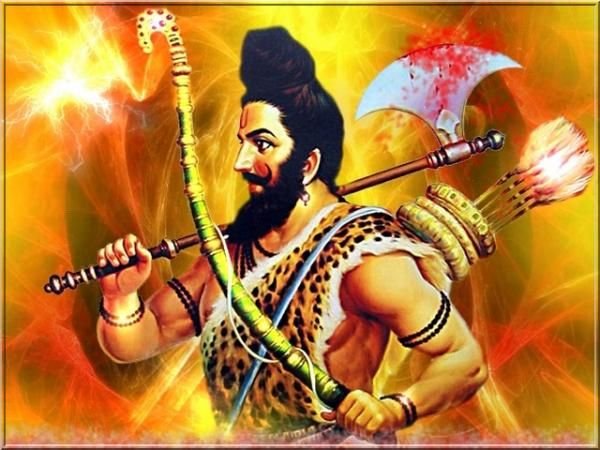
Parshuram Aarti ॐ जय परशुराम प्रभु, जय जय परशुराम।शिव भक्त, ब्राह्मण कुल भूषण, हरहु सबके ग्राम॥ॐ जय परशुराम प्रभु॥ रेणुका मातु सुत तुम, जमदग्नि नंदन राम।काटी मातु का शीश तुमने, किया पिता का काम॥ॐ जय परशुराम प्रभु॥ छत्रिय कुल संहार किया, अधर्म मिटाया।धरा भार उतारा प्रभु, धर्म का दीप जलाया॥ॐ जय परशुराम प्रभु॥ शिव धनुष तुमने तोड़ा, किया राम का मान।विष्णु रूप अवतार तुम्हारा, पूजे सब भगवान॥ॐ जय परशुराम प्रभु॥ गंगातट पर तप करि, पाया ब्रह्मज्ञान।तुमसे ही त्रेता में पाया, राम ने धनुष महान॥ॐ जय परशुराम प्रभु॥ जो मन से तुम्हे ध्यावे, उसका हो कल्याण।संकट मिटे दरिद्र कटे, मिले सुख सम्मान॥ॐ जय परशुराम प्रभु॥ आरती जो कोई गावे, पावे मन वांछित फल।सुख-सम्पत्ति घर आवे, मिटे भवसागर जल॥ॐ जय परशुराम प्रभु॥ Om Jai Parshuram Prabhu, Jai Jai Parshuram,Shiv Bhakt, Brahman Kul Bhushan, Harahu Sabke Gram.Om Jai Parshuram Prabhu. Renuka Maatu Sut Tum, Jamadagni Nandan Ram,Kaati Maatu Ka Sheesh Tumne, Kiya Pita Ka Kaam.Om Jai Parshuram Prabhu. Kshatriya Kul Sanhaar Kiya, Adharm Mitaya,Dhara Bhar Utaara Prabhu, Dharm Ka Deep Jalaya.Om Jai Parshuram Prabhu. Shiv Dhanush Tumne Toda, Kiya Ram Ka Maan,Vishnu Roop Avataar Tumhara, Pooje Sab Bhagwan.Om Jai Parshuram Prabhu. Gangatat Par Tap Kari, Paaya Brahma Gyaan,Tumse Hi Treta Mein Paaya, Ram Ne Dhanush Mahaan.Om Jai Parshuram Prabhu. Jo Man Se Tumhe Dhyaave, Uska Ho Kalyaan,Sankat Mite Daridr Kate, Mile Sukh Sammaan.Om Jai Parshuram Prabhu. Aarti Jo Koi Gaave, Paave Man Vaanchhit Phal,Sukh-Sampatti Ghar Aave, Mite Bhavsaagar Jal.Om Jai Parshuram Prabhu.

Parshuram Aarti Read Post »

0754dfa4acd6c67d1f1cdfd6f2d25920
Bhagwan Aarti

Narmada Aarti

Narmada Aarti ॐ जय नर्मदे माता, मैया जय नर्मदे माता।जो नर तुमको ध्यावत, मनवांछित फल पाता॥ॐ जय नर्मदे माता॥ शिव शिर चन्द्र विराजे, गंग बहै तन माते।शिव के स्वेद से उत्पन्ना, जग में सुखदाती॥ॐ जय नर्मदे माता॥ पाप हरो, दुःख हरो, दैहिक दैविक सारी।जो जन शरण तुम्हारी, सो जन तरि प्यारी॥ॐ जय नर्मदे माता॥ तेरे जल का नाम ले, जो जन पाप हराता।तव दर्शन कर जो जन, भव-सागर से तर जाता॥ॐ जय नर्मदे माता॥ तेरे तीर बसे हैं, अनेक तीर्थ सुहाते।जो जन वहाँ स्नान करे, जन्म-मरण मिट जाते॥ॐ जय नर्मदे माता॥ कर्पूर दीप जलाते, पुष्प माला चढ़ाते।मनवांछित फल पाते, दुख दरिद्र मिटाते॥ॐ जय नर्मदे माता॥ आरती जो कोई गावे, मनवांछित फल पावे।सुख सम्पत्ति घर आवे, सब दुख दूर भगावे॥ॐ जय नर्मदे माता॥ Om Jai Narmade Mata, Maiya Jai Narmade Mata,Jo Nar Tumko Dhyavat, Manvaanchhit Phal Paata.Om Jai Narmade Mata. Shiv Shir Chandra Viraje, Gang Bahai Tan Maate,Shiv Ke Swed Se Utpanna, Jag Mein Sukh Daati.Om Jai Narmade Mata. Paap Haro, Dukh Haro, Daehik Daevik Saari,Jo Jan Sharan Tumhaari, So Jan Tari Pyaari.Om Jai Narmade Mata. Tere Jal Ka Naam Le, Jo Jan Paap Haraata,Tav Darshan Kar Jo Jan, Bhav Saagar Se Tar Jaata.Om Jai Narmade Mata. Tere Teer Base Hain, Anek Teerth Suhaate,Jo Jan Vahan Snaan Kare, Janm Maran Mit Jaate.Om Jai Narmade Mata. Karpur Deep Jalaate, Pushp Mala Chadhate,Manvaanchhit Phal Paate, Dukh Daridr Mitaate.Om Jai Narmade Mata. Aarti Jo Koi Gaave, Manvaanchhit Phal Paave,Sukh Sampatti Ghar Aave, Sab Dukh Door Bhagave.Om Jai Narmade Mata..

Narmada Aarti Read Post »

shri sathya sai baba with curly hair wearing orange robe
Bhajans Tutorial

  Shri Sathya Sai Baba Bhajan Tutorial – Pasupathi Tanaya Bala Gajanana

  Shri Sathya Sai Baba Bhajan Tutorial – Pasupathi Tanaya Bala Gajanana Pasupathi Tanaya Bala Gajanana 1. Pasupathi Tanaya Bala Gajanana O elephant-faced Lord Ganesha, the Beloved Son of Lord Shiva – the Master of all Beings. 2. Tum Ho Vighna Vinasha Ganesha O Lord Ganesha! You are the One who removes all our obstacles. 3. Tum Ho Vighna Vinasha O Lord! You annihilate our challenges! 4. Hey Shiva Nandana Bala Gajanana O Lord Ganesha, You are the elephant-faced darling child of Lord Shiva! 5. Vidya Buddhi Pradata We pay our obeisance to You Lord Ganesha, the Bestower of Supreme Wisdom and Spiritual Discrimination. 6. Mangala Kara Hey Mangala Kara Hey O Lord Ganesha! Do always be kind to us and shower on us auspiciousness. 7. Sundara Sai Ganesha Ganesha O Lord Sai! You are the Beautiful One! For us You are our Ganesha! 8. Sundara Sai Ganesha O Lord Sai! You are unmatched in Your Beauty and Splendour.

  Shri Sathya Sai Baba Bhajan Tutorial – Pasupathi Tanaya Bala Gajanana Read Post »

adf7666a8836d4af19c23ad662c5e6c2
Bhagwan Aarti

Saraswati Aarti

Saraswati Aarti ॐ जय सरस्वती माता, मैया जय सरस्वती माता।सदगुण वैभव शालिनी, त्रिभुवन विख्याता॥ॐ जय सरस्वती माता॥ चन्द्र वदनी पद्मासिनी, द्युतिमंग लाता।कर में वीणा, पुस्तक, माला, शीश मुकुट शोभिता॥ॐ जय सरस्वती माता॥ नीलांबर धारी, वर दायिनी, शुभ कर दाता।ध्यान करे जो तेरा, पावे सिद्धि डेटा॥ॐ जय सरस्वती माता॥ ब्रह्मा विष्णु शंकर ने, तुझको शीश नवाया।नारद शारद तुलसी ने, तेरा यश गाया॥ॐ जय सरस्वती माता॥ तू ही शास्त्रों की ज्ञानदायिनी, तू वेद-माता।ज्ञानप्रकाश करुणा सागर, जग की त्राता॥ॐ जय सरस्वती माता॥ भक्त जनों के संकट हरती, शुभ फल दाता।जो मन से तुझे ध्यावे, सो सुख पाता॥ॐ जय सरस्वती माता॥ आरती जो कोई गावे, मनवांछित फल पावे।सुख-सम्पत्ति घर आवे, सब दुख दूर भगावे॥ॐ जय सरस्वती माता॥ Om Jai Saraswati Mata, Maiya Jai Saraswati Mata,Sadgun Vaibhav Shaalini, Tribhuvan Vikhyaata.Om Jai Saraswati Mata. Chandra Vadani Padmasini, Dyuti Mang Laata,Kar Mein Veena Pustak Mala, Sheesh Mukut Shobhita.Om Jai Saraswati Mata. Neelambar Dhaari, Var Daayini, Shubh Kar Daata,Dhyaan Kare Jo Tera, Paave Siddhi Daata.Om Jai Saraswati Mata. Brahma Vishnu Shankar Ne, Tujhko Sheesh Navaaya,Narad Sharad Tulsi Ne, Tera Yash Gaaya.Om Jai Saraswati Mata. Tu Hi Shastron Ki Gyaan Daayini, Tu Ved Mata,Gyaan Prakash Karuna Saagar, Jag Ki Traata.Om Jai Saraswati Mata. Bhakt Janon Ke Sankat Harthi, Shubh Phal Daata,Jo Man Se Tujhe Dhyaave, So Sukh Paata.Om Jai Saraswati Mata. Aarti Jo Koi Gaave, Manvaanchhit Phal Paave,Sukh Sampatti Ghar Aave, Sab Dukh Door Bhagave.Om Jai Saraswati Mata.

Saraswati Aarti Read Post »