



























The 3 Gayatris
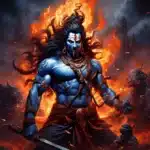
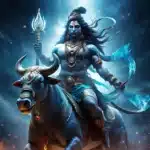
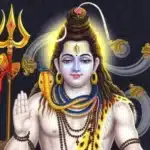
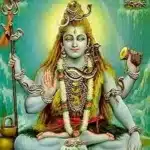
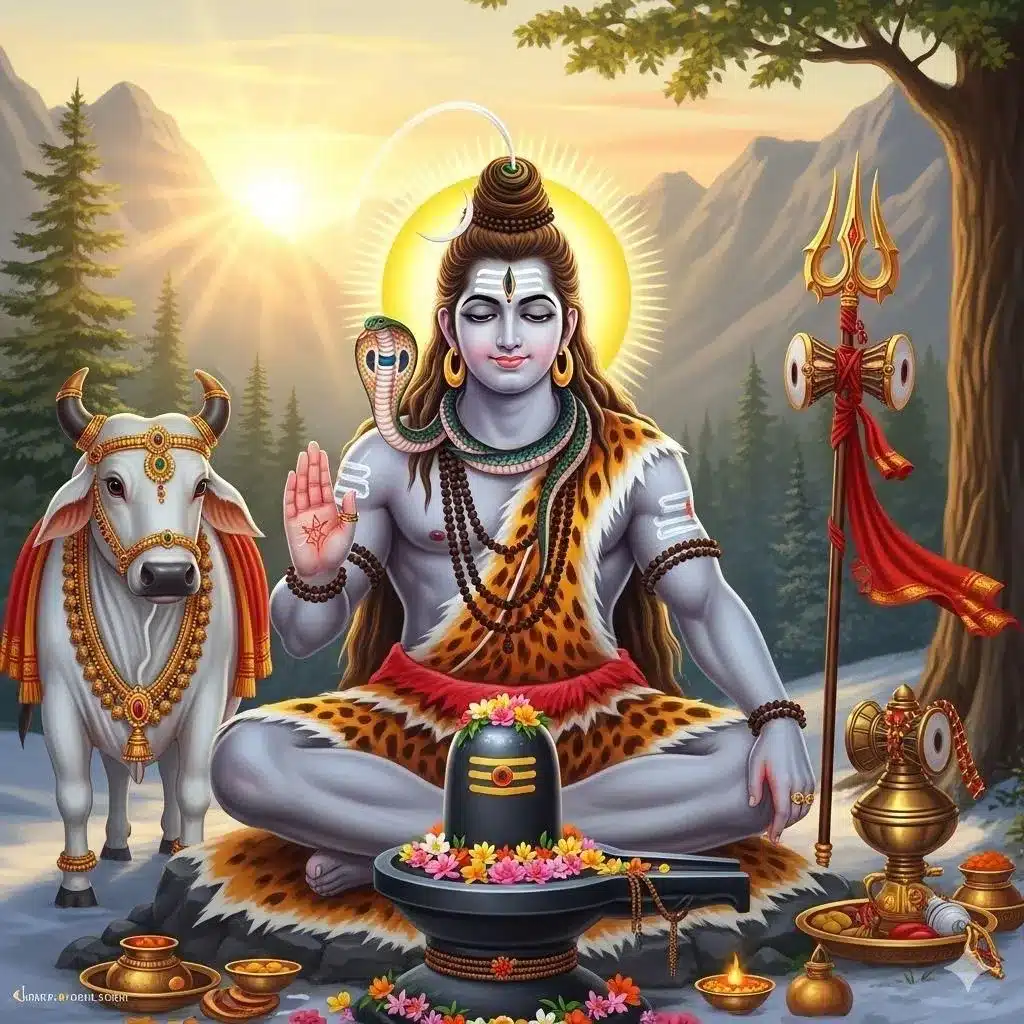
The 3 Gayatris Om Sri Sai Ram On 24 December 1977, in Thrayee Brindaavan, the Sai (Eeshvara) Gaayathree was revealed by Swami to Ghandikota Subrahmanya Shaastri, doyen of Vedhik learning, culture, and practice. Years later, on 22 September 1997 the Sai Suurya Gaayathree was revealed to Ghandikota V. Subba Rao, Ghandikota Subrahmanya Shaastri’s son, when Sathya Sai Baba was riding the Golden Chariot. (Click on either picture to see a larger version of it.) On 15 February 1999 the Sai Hiranyagarbha Gaayathree was revealed to Ghandikota V. Subba Rao, during Mahaashivaraathree. The last line of the Sai Hiranyagarbha Gaayathree was actually first said by Sathya Sai Baba, as Subba Rao was struggling to complete the Gaayathree. It was Sathya Sai Baba Himself who coined the term “Saithree” for these three Sai Gaayathrees. The three Sai Gaayathrees, with translations, are presented below. Sai (Eeshvara) GaayathreeSubba Rao chanting it Om.Saayeeshvaraaya vidhmaheSathya-dhevaaya dheemahiThannah-Sarvah prachodayaath Om.We know this Sai as supreme divinity incarnate.We meditate on this God of Truth.May this Almighty All-in-all Personality lead us on the path of total liberation. Sai Suurya GaayathreeSubba Rao chanting it Om.Shree Bhaaskaraaya vidhmaheSaayi-dheyvaaya dheemahiThannah-Suurya prachodayaath Om.We know this Self-shining Entity.We meditate on this divinity as Sai Suurya.May this divine Light enlighten us on the path of liberation. Sai Hiranyagarbha GaayathreeSubba Rao chanting it Om.Premaathmanaaya vidhmaheHiranyagarbhaaya dheemahiThannah-Sathyah prachodayaath Om.We know this embodiment of divine Love, Sathya Sai.We meditate on this Golden-wombed divine personality.May the Truth Incarnate, Shree Sathya Sai, inspire us on the path of liberation. Ghandikota V. Subba Rao has written a little booklet titled “Saithree: Manthra, Yanthra, Thanthra”, which discusses these Gaayathrees. The booklet is available in the Prashaanthi Books & Publications Trust in Prashaanthi Nilayam. The booklet explains these manthras and their use in detail. For example, the booklet tells us that: Sai Eeshvaraaya Gaayathree serves as a bridge to the divine cosmic life Principle of Eeshvara. It is related to the deepest Super consciousness in us all. The best time to chant this Gaayathree is 4AM to 10AM. Sai Suurya Gaayathree relates to the body level in cosmic form –Suurya is the Sun God. It is related to consciousness in the outer world. The best time to chant this Gaayathree is 10AM to 4PM. Sai Hiranyagarbha Gaayathree enables us to link with the divine cosmic Mind, Hiranyagarbha (Golden-wombed Divinity). It is related to the subconscious-psychosomatic conscience. The best time to chant this Gaayathree is 4PM to 10PM. The Sai Yanthra, or Sai Chakra A yanthra, or chakra, is a geometrical diagram used like an icon in meditation or worship of a deity. It is a potentised diagrammatic inscription of letters/words pertaining to that deity. The Sri Sai Yanthras shown below were created by Ghandikota V. Subba Rao. They are actually the same yanthra but in different languages: Sanskrit using the roman alphabet, Sanskrit, and Thelegu. Click on a small photo to see a larger version of it –each is about 320KB. Sanskrit in roman letters Sanskrit Thelugu In his booklet “Saithree”, Subba Rao explains that this yanthra came to him at early dawn on Monday, 11 October 1999, and that Sathya Sai Baba blessed it three times that same afternoon, after discussing its contents with Subba Rao. We draw a few details from that booklet, but you will get much more out of the booklet itself. This explanation deals with the yanthra that contains Sanskrit in roman letters. The mode of worship of internalizing this Sai Chakra, or Sai Yanthra, and firmly installing it within you is called the Sai Thanthra. 0. General structure. Divine yanthras are generally enclosed by a square, which is called the Apex Spiritual City; it constitutes the universal stage where the play of the individual, collective, and cosmic forces are at work. The dot at the centre is the nondual, monistic, five-lettered (in Sanskrit) holy formula for deep contemplation, SAI SHIVOHAM (I AM THIS SUPREME UNIVERSAL FORCE, SHIVA SAI). It is enclosed by a triangle, whose sides represent Truth, Goodness, and divine Beauty. These three spiritual illuminating impulses radiate outward and sanctify the whole Sai spiritual field, or Sai Mandala. This Sai Spiritual Terrain between the inner triangle and outer perimeter of the square has three circles, within which are the three Sai Gaayathrees. Note also that there are nine enclosures, each containing Sai principles. We now explain these, from the outer to the inner. 1. Seven-fold mission. Closely following the sides of the perimeter, the square, are the seven-fold missions or purposes of the Sai Avathaar (e.g. Aakarchanaaya Sarva Janaanaam in the upper left). These are (1) drawing all people by His magnetic power of universal love, (2) weeding out wicked qualities by His loving kindness, compassion, and grace, (3) reforming the inactive and ignorant and lazy, (4) rechanneling the energies of the selfishly active and passionate people, (5) elevating the good and noble to ever higher levels of spiritual consciousness, (6) Bestowing direction vision of the Lord on true devotees, and (7) manifesting by His own example the principles of selfless, loving, egoless service to the needy. 2. Swami as the universal embodiment of all religions. This concept is symbolized by the symbols of seven different religions. Clockwise, starting at the upper right, we have: (1) Zoroastrian flaming fireplace, (2) the Jewish menorah (with seven candles), (3) the Buddhist wheel, (4), the Jain outstretched hand bearing the word ahimsa (nonviolence), (5) the Christian cross, (6) the Islamic crescent and moon, (7) the Sikh double-edged sword surrounded by a wheel held up by a sword on each side. At the top is the Omkaar, or Pranava, standing for both the immanent and transcendental aspects of the Supreme Spirit –this is why it lies partly outside and partly inside the chakra. This is the symbol of the Sanaathana Dharma, the Ancient Eternal Universal Religion, in which all other religions are “sourced”. 3. Seven steps to liberation. Between the religious symbols and the first circular space are the seven steps to liberation (e.g. Sath Sankalpam near the Sikh symbol at about 11




