






Hari Om

Menu

story

3f518954212da713bce832c965987d31
Stories of places

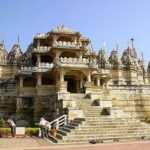
Omkareshwar Story

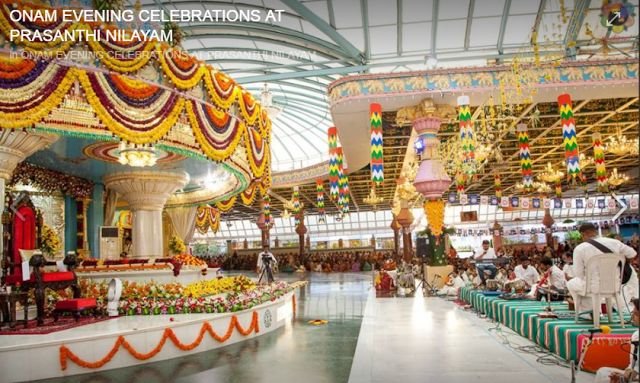
Omkareshwar Temple Story Omkareshwar Temple Located at the meeting point of Narmada and Kaveri rivers, the Omkareshwar temple is home to the fourth of the famous jyotirlingas. History Behind the Omkareshwar Temple The Jyotirlinga of Omkareshwar is located in Madhya Pradesh along the banks of the Narmada River. The eminent ‘Shikhara of Omkareshwar’ stands tall and proud in the sky as if overlooking the entire earth. The temple is mentioned in sacred Hindu texts like the Vedas and Puranas. The island of Omkareshwar has a total of 6 pilgrimages and 33 deities making it a must-visit place for spiritual seekers. A symbolic manifestation of “Om” formed by the curves of Narmada makes the sacred site even more ethereal. Omkareshwar is an epitome of the years-old Hindu traditions and timeless religious influence of Shiva on his devotees. This temple is the only place where Lord Shiva appeared in an Omkara Swaroopa. The religious importance of Omkareshwar finds mention in the Skanda Purana, the Shiv Purana, and the Vayu Purana. It is believed that whoever worships Omkareshwar with an unshakeable faith in Mahadev will attain respite from all the evils present on earth. Many couples visit Omkareshwar temple and perform various rituals to get healthy offspring’s and lifelong happiness in blessings from Bholenath (Lord Shiva). According to the temple priests, if you do a Parikrama (circle around) of the temple, it will lead you to a promising future in life and Moksha (salvation) after death. The Birth of the Temple There are several stories associated with Omkareshwar, as mentioned in ancient Hindu texts. According to one, once Narad Muni (a traveling Vedic sage) visited the Vindhya Mountains and got enraged because there was no home for Lord Shiva in the region. So, the God of Vindhya Mountain started Tapasya (non-indulgence) to repent for this mistake. He meditated on Lord Shiva in the form of the earthly lord. His faith and patience impressed Mahadev (Lord Shiva) who told the mountain god that he would reside on the island as Pranava Linga. And it would be divided into two parts- Mamleswar and Omkareswar. While Mamleswar was an earthly linga, Omkareswas was a Jyoti Linga (column of light). Since then, the place was named as Omkareswar, and a temple was built to worship the Jyotirlingam. Another story goes that King Mandhata of the Ishvaaku dynasty (the one to which Lord Rama belonged) did extreme penance here. Impressed by his faith, Shiva blessed the king and appeared in this place in the form of a Jyotirlinga, referred to as Omkawareswar. The third story from Hindu scriptures states that once there was a fierce war between Gods and Danavas(Demons), in which Danavas won. Fearful of the result of their victory, the Gods prayed to Lord Shiva who emerged in the form of Omkareswar Jyotirlinga and defeated the Demons. The holy scriptures present in the temple indicate that the Omkareswar temple existed since at least 5500 years ago. The temple gets a mention in many Puranas (ancient Hindu texts) that talk about its significance and origin. Historians believe that the Paramara Kings of Malwa built the temple in the 11th century. After Paramara kings, the temple remained under the administration of Chauhan rulers. Like many other ancient Hindu temples, Omkareswar underwent brutal destruction and loot at the hands of Muslim invaders like Mahmud Ghazni in the 13th century. However, even after the invasion, Omkareswar was one of the few temples in the region which stood intact without much damage. During the entire Mughal rule, the temple stayed under the Chauhan Kings, but not much renovation was done in the temple. Later on, in the 19th century, Holkar rulers (mainly Rani Ahalya Bai Holkar) rebuilt the temple and restored it to its present glory. Eventually, the temple came under British rule till India’s Independence in 1947. After that, the ASI (Archaeological Survey of India) shouldered the responsibility of the temple with the help of the Khandwa administration, which continues to date. Architectural Significance The temple follows the Nagara style of architecture, which features high spires, elaborate frescos, and detailed sculptures. You will find large verandas encircling the shrine with huge columns carved in squares, polygons, and circles, which add to its visual appeal. The soft stone used to construct the temple has a surprising degree of detailed work, with frieze figures on the upper portion and intricately carved stone roof. There is a spacious sabha mandapa in the temple, which is about 14 feet high and is supported by 40 massive pillars decorated with Yakshi figures. The temple has five stories in total on which different deities are installed viz; Shree Omkareshwar, Shree Mahakaleshwar, Shree Siddhanath, Shree Gupteshwar, and Dhwajdhari Shikhar Diety in the bottom to top order. You will also find the revered shrines of Panchamukhi Ganesha and Annapoorna Devi in the temple complex. Lord Krishna, Devi Narmada, and Lord Shani are also worshipped in the temple. The Jyotirlinga is installed in the sanctum sanctorum on the ground floor, partially immersed in water. One unique feature of the Omkareshwar temple is that the Jyotirlinga is not under the Sikhara of the temple but on the side. https://youtube.com/watch?v=urh10U4i9VE%3Fcontrols%3D1%26rel%3D0%26playsinline%3D0%26cc_load_policy%3D0%26autoplay%3D0%26enablejsapi%3D1%26origin%3Dhttps%253A%252F%252Fbehindeverytemple.org%26widgetid%3D1%26forigin%3Dhttps%253A%252F%252Fbehindeverytemple.org%252Fhindu-temples%252Fshiva%252Fomkareshwar-temple%252F%26aoriginsup%3D1%26gporigin%3Dhttps%253A%252F%252Fwww.google.com%252F%26vf%3D1 Unique Facts About the Omkareshwar Temple Omkareswar island on which the temple is situated has two lofty mountains, and a valley divides the island creating a shape of “Om” (sacred Hindu symbol) Worshippers believe that Lord Shiva himself visits the temple every night to sleep and that is why the Shayan Aarti is performed. Many Hindu saints believe that worshipping the Omkareswar Jyotirlinga is equal to worshipping Panch Kedars and Kedarnath (famous Hindu pilgrimages). Archeologists claim that the Jyotirlinga was originally inside a small ancient temple surrounding which a larger complex was built. • Swami Gajanand Saraswati, a renowned Hindu scholar, states that the temple was first built 7,99,25,105 years. He based this information backed by the mention in the Prabhas Khand of Skand Puran. • Another fascinating fact is that from the place where the Somnath temple is presently
Omkareshwar Story Read Post »

6a6d8dc8254cd711783eb5fee4beb823
Stories of places

Prashanti Nilayam Glory

Prashanti Nilayam Glory 🕉️ Prasanthi Nilayam – The Abode of Supreme Peace 📍 Location Prasanthi Nilayam (meaning “Abode of Highest Peace”) is located in Puttaparthi, a serene village in Anantapur District, Andhra Pradesh, India — nestled on the banks of the Chitravathi River and surrounded by the quiet hills of the Deccan plateau. It is the main ashram of Bhagawan Sri Sathya Sai Baba, who declared it as the center of His divine mission to uplift humanity through love, service, and truth. 🌸 The Divine Birth of Sathya Sai Baba 👶 The Advent of the Avatar On 23 November 1926, in the small village of Puttaparthi, a baby was born to Easwaramma and Pedda Venkama Raju.Mysterious signs surrounded His birth — sacred music filled the air, a cobra was found protecting the infant, and divine fragrances spread everywhere. This child, named Sathyanarayana Raju, would later proclaim Himself to be the reincarnation of Shirdi Sai Baba — born to restore Dharma (righteousness) and reawaken the divine consciousness within every human being. 🌼 The Divine Declaration At the age of 14, Sathya declared His mission to the world, saying: “I am Sai Baba; I belong to none and none belongs to Me.I have come to light the lamp of love in your hearts, to see that it shines day by day with added lustre.” From that moment, His small village of Puttaparthi transformed into a global pilgrimage center. 🕊️ The Creation of Prasanthi Nilayam 🌿 From a Hut to a Heaven of Peace Before the ashram was built, devotees would gather under trees or small huts to hear Baba’s divine discourses and bhajans. On 23 November 1950, Baba inaugurated Prasanthi Nilayam — the Ashram of Eternal Peace, built on the very soil that once saw His childhood leelas (divine plays). The name “Prasanthi Nilayam” was chosen by Baba Himself: Prasanthi = Supreme, Eternal Peace Nilayam = Abode or Residence Thus, it became “The Abode of Supreme Peace”, representing the stillness of the spirit amidst worldly chaos. 🌺 The Spiritual Glory of Prasanthi Nilayam 🛕 1. The Mandir (Temple) At the heart of the ashram stands the Prasanthi Mandir, built in the shape of a lotus, symbolizing purity and enlightenment.Baba’s physical residence (Yajur Mandir) and samadhi shrine are also located here, radiating peace and divine energy. Daily bhajans (devotional songs) fill the mandir — uplifting every heart with vibrations of love and oneness. 📖 2. The Message of Sathya Sai Baba The teachings of Baba are universal and simple: “There is only one religion — the Religion of Love.There is only one language — the Language of the Heart.There is only one God — and He is Omnipresent.” He emphasized the five human values: Satya – Truth Dharma – Righteousness Shanti – Peace Prema – Love Ahimsa – Non-violence Prasanthi Nilayam became the living university of these values, guiding millions toward inner transformation. 💧 3. Divine Service and Education From the ashram’s spiritual core arose a massive humanitarian movement: Sri Sathya Sai Institute of Higher Learning (Deemed University) Super Specialty Hospitals offering world-class medical care free of cost Water supply projects bringing pure drinking water to remote villages Schools, orphanages, disaster relief, and spiritual education across the world All born from Baba’s teaching: “Hands that help are holier than lips that pray.” 🌎 4. The Global Pilgrimage Center Devotees from over 180 countries visit Prasanthi Nilayam each year.People of every faith — Hindus, Christians, Muslims, Buddhists, Jews, and others — gather in one voice, singing: “Samastha Lokah Sukhino Bhavantu”(May all the worlds be happy) This global gathering embodies Baba’s vision of “One World, One Family.” 🌅 The Energy of the Place Those who visit Prasanthi Nilayam often describe: Profound inner peace the moment they enter the gates. A silence that speaks — not emptiness, but fullness. A lightness of heart, as if the divine itself welcomes them home. Baba once said: “Prasanthi Nilayam is not a place; it is a state of consciousness.When your mind becomes still and your heart is filled with love — you are in Prasanthi Nilayam.” 🌺 Post-2011 – The Eternal Presence After Sathya Sai Baba’s Mahasamadhi on 24 April 2011, the ashram continues to radiate His divine energy.Devotees experience His living presence — in the bhajans, in the darshan hall, in the silence of the mandir, and in acts of service performed in His name. Every corner of the ashram seems to whisper: “Why fear when I am here.” 🕉️ In Summary Aspect Description Name Prasanthi Nilayam – “Abode of Supreme Peace” Founder Bhagawan Sri Sathya Sai Baba Location Puttaparthi, Andhra Pradesh Established 23 November 1950 Meaning The place where perfect peace and divine love reside Core Message Love All, Serve All – Help Ever, Hurt Never Significance Global center for spiritual, educational, and humanitarian service ✨ Spiritual Essence Prasanthi Nilayam is not just a physical ashram —it is a spiritual vibration, a living field of love and silence, a place where the divine and human meet. “Prasanthi is not attained by retreating from the world;it is realized by transforming the world within you.”– Sri Sathya Sai Baba

Prashanti Nilayam Glory Read Post »

amarnath cave temple devotional
Stories of places

⁠Amarnath Cave Story

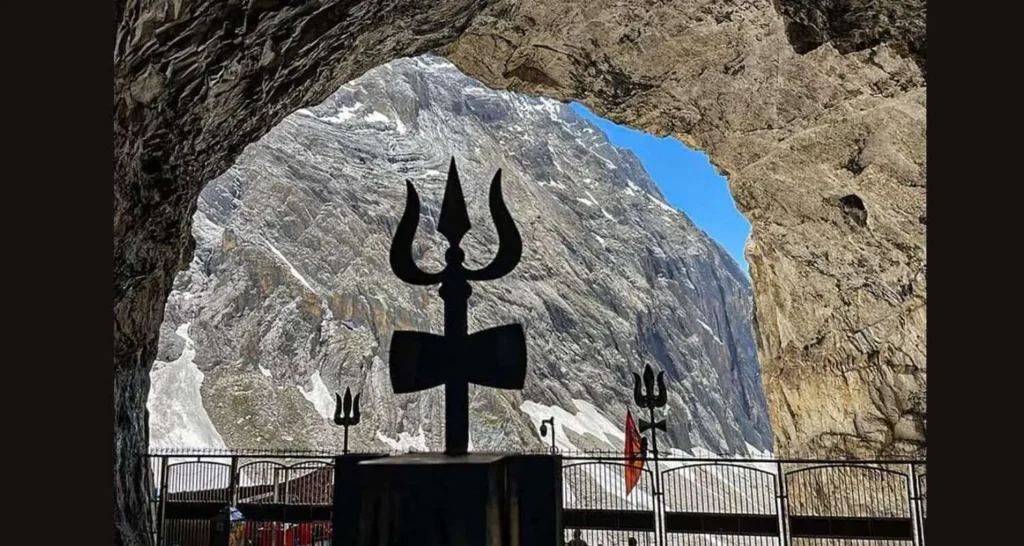
⁠Amarnath Cave Story 🕉️ The Legend of Amarnath Cave 📍 Location The Amarnath Cave is situated in the Himalayan mountains of Jammu & Kashmir, at an altitude of around 3,888 meters (12,756 feet). Inside this icy cave, a naturally formed Shiva Linga made of ice (called Swayambhu Linga) appears every year — waxing and waning with the phases of the moon. This sacred phenomenon is believed to be Lord Shiva’s divine presence. 🌙 The Divine Secret of Immortality (Amar Katha) 💑 Parvati’s Curiosity Once, Goddess Parvati asked Lord Shiva a profound question: “O Mahadeva, you are immortal, ageless, and eternal — yet all beings are mortal.Please tell me the secret of your immortality.” Shiva hesitated, realizing this was the most guarded and divine secret — not to be heard by any living being. 🔥 The Search for Solitude To reveal the Amar Katha (the story of immortality) safely, Shiva decided to find a secluded place where no creature could hear them. He chose the Amarnath Cave — a hidden and remote spot in the Himalayas, unknown to anyone at that time. On the way, Shiva took several steps to ensure no life followed them: At Pahalgam (Bail Gaon) – He left his Nandi (the bull) behind. At Chandanwari – He removed the crescent moon from his head. At the banks of Lake Sheshnag – He released his serpent Adi Shesha. At Mahagunas Parvat (Mahaganesh Hill) – He left behind Lord Ganesha. At Panchtarni – He released the five elements (Pancha Tatvas) — earth, water, fire, air, and sky — symbolizing that he left behind all aspects of the material world. Finally, he reached the Amarnath Cave, completely detached from the universe — accompanied only by Goddess Parvati. 🔔 The Fire of Life Inside the cave, Shiva created a sacred fire (Jwala) to eliminate any remaining living beings nearby.Then, to ensure absolute privacy, he made two pigeons that were nesting in the cave fall asleep by divine grace — so no one would overhear their secret. Only then did Lord Shiva begin narrating the Amar Katha — the Story of Immortality — to Parvati. 🌼 The Secret Revealed In this sacred narration, Shiva revealed the mystery of life and death, explaining the eternal nature of the soul (Atman) — how it never dies but simply changes form. “He who realizes the self as beyond birth and death, beyond time and decay —becomes one with me, and thus attains immortality.” As Parvati listened, the vibrations of Shiva’s divine truth filled the cave with eternal energy. 🕊️ The Two Divine Pigeons According to legend, the two pigeons that were near the cave overheard the entire Amar Katha — and because they listened to the immortality secret, they too became immortal. Pilgrims even today claim to see a pair of pigeons near the cave — in the freezing heights of the Himalayas — considered divine manifestations of those blessed birds. 🏔️ Rediscovery of the Cave The cave was said to be rediscovered centuries ago by a Muslim shepherd named Buta Malik.Legend says that a holy sage gave him a bag of coal, which turned into gold when he reached home. In gratitude, he searched for the sage and instead found the Amarnath Cave — where he saw the ice Shiva Linga. From then on, both Hindus and local Muslims revered the cave, and the story of Amarnath spread across the land. 🌙 The Amarnath Yatra (Pilgrimage) Every year, thousands of devotees undertake the Amarnath Yatra — a sacred trek through glaciers, rivers, and mountains — to reach the divine cave during the Shravan month (July–August). The ice Shiva Linga forms naturally and reaches its full height on the Purnima (Full Moon), symbolizing the cosmic energy of Shiva. 🌸 Spiritual Symbolism The Amarnath Cave represents: Symbol Meaning The Cave The heart of the devotee – where divine truth is revealed The Ice Linga The formless Shiva taking form through devotion The Fire (Jwala) The flame of knowledge that burns ignorance Parvati The human soul seeking divine truth Shiva’s Story (Amar Katha) The eternal wisdom of the Self’s immortality 🕉️ In Summary Aspect Description Deity Lord Shiva (Amarnath – “Lord of Immortality”) Location Jammu & Kashmir, Himalayas (3,888 m) Main Feature Ice Shiva Linga forms naturally Legend Shiva revealed the secret of immortality (Amar Katha) to Parvati Associated Symbols Two immortal pigeons, holy fire, five elements left behind Annual Event Amarnath Yatra (Shravan month) Discovery Re-discovered by shepherd Buta Malik centuries ago

⁠Amarnath Cave Story Read Post »

kamasutra temple bas reliefs with erotic scenes kajuraho india
Stories of places

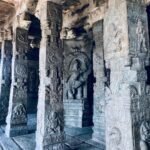
⁠Story of Lepakshi

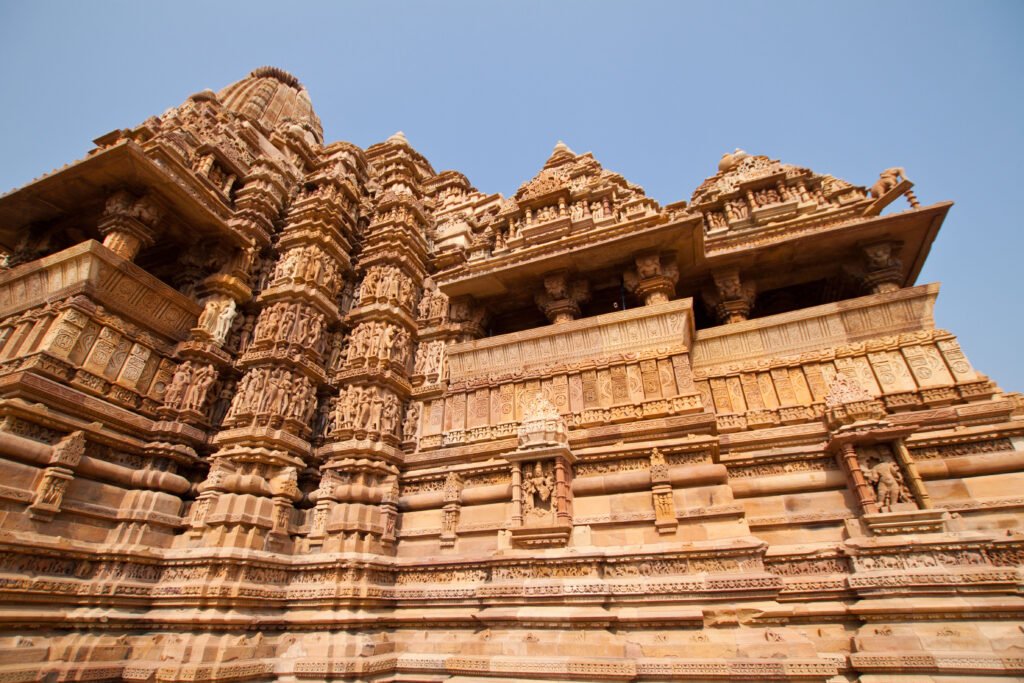
⁠Story of Lepakshi 🕉️ The Divine Story of Lepakshi 📍 Location and Background Lepakshi is a small village in the Anantapur district of Andhra Pradesh, near the Karnataka border. It is most famous for the Veerabhadra Temple, a masterpiece of Vijayanagara architecture built in the 16th century by Virupanna Nayaka and Veeranna, governors under King Achyuta Deva Raya (brother of the great Krishnadevaraya). But the temple is not just an architectural wonder — it’s a place woven deeply into the Ramayana and Shaivite legends. 🌿 The Ramayana Connection 🦅 Jatayu’s Final Battle According to the Ramayana, when Ravana abducted Sita and was flying towards Lanka in his Pushpaka Vimana (divine chariot), Jatayu, the mighty vulture and devotee of Lord Rama, saw her being taken away and tried to rescue her. A fierce battle took place in the sky. Despite being old, Jatayu fought bravely with Ravana, trying to stop him. But Ravana struck him down with his sword, cutting off his wings. Jatayu fell to the ground, mortally wounded — and that very spot is believed to be Lepakshi. 🙏 “Le Pakshi!” — The Origin of the Name Later, when Lord Rama and Lakshmana were searching for Sita, they found the wounded Jatayu lying on the ground. Seeing his devotion and suffering, Rama embraced him and said in grief: But Jatayu, after telling Rama about Ravana and the direction he took, attained moksha (liberation) in the Lord’s presence.Thus, the place came to be known as “Lepakshi” — Le (rise) + Pakshi (bird). ⚔️ The Legend of Veerabhadra In another layer of mythology, the temple is dedicated to Veerabhadra Swamy, a fierce form of Lord Shiva. According to legend, when Daksha Prajapati insulted Shiva by not inviting him to the yagna (sacrifice) and Sati (Shiva’s wife) immolated herself in sorrow, Shiva created Veerabhadra from a lock of his hair. Veerabhadra descended upon the yagna and destroyed it. Thus, the Veerabhadra Temple symbolizes divine rage and protection. 🏛️ The Architectural Marvel The Lepakshi temple complex is not just sacred but also an artistic treasure — a masterpiece of Vijayanagara art and engineering. ✨ Key Highlights: The Hanging Pillar:Among the 70 pillars in the temple’s Natya Mandapa (dance hall), one pillar hangs slightly above the ground, not touching the floor.Visitors can pass a thin cloth or paper under it.It remains one of India’s greatest engineering mysteries — showing the advanced construction skill of the Vijayanagara artisans. The Giant Nandi:About 200 meters from the temple stands a monolithic Nandi (bull), one of the largest in India, carved from a single granite block.It faces the main shrine — perfectly aligned with Lord Shiva. Murals & Frescoes:The ceilings are adorned with ancient frescoes depicting stories from the Ramayana, Mahabharata, and Puranas — still vibrant after centuries. The Kalyana Mandapa:An unfinished wedding hall, said to be built for the celestial wedding of Lord Shiva and Parvati. ⚖️ The Curse of Virupanna A tragic tale is also linked to the temple’s construction.Virupanna Nayaka, the royal treasurer who oversaw the temple’s building, was accused of using royal funds without permission. King Achyuta Deva Raya, in anger, ordered his eyes to be gouged out. Virupanna, in loyalty and despair, obeyed the order himself.It is said the blood marks from his eyes are still visible on the western wall of the temple. Thus, the place also came to be known as “Lepa-akshi”, meaning “the village of the blinded eye.” 🌸 Spiritual Significance Lepakshi is a place of: Divine sacrifice (Jatayu) Devotion and liberation (moksha) Shiva’s fierce energy (Veerabhadra) Human artistry and tragedy (Virupanna Nayaka) It represents the union of myth, art, and devotion — where gods, kings, and devotees all left their mark. 🕉️ In Summary Aspect Description Name Origin “Le Pakshi” – “Rise, O Bird,” said by Lord Rama to Jatayu Main Deity Lord Veerabhadra (form of Shiva) Period 16th century, Vijayanagara Empire Famous Features Hanging Pillar, Giant Nandi, Murals, Unfinished Kalyana Mandapa Mythological Link Ramayana – Jatayu’s final resting place Architects Virupanna Nayaka and Veeranna Location Anantapur District, Andhra Pradesh

⁠Story of Lepakshi Read Post »

unnamed
Stories of places

Story of Arunachala

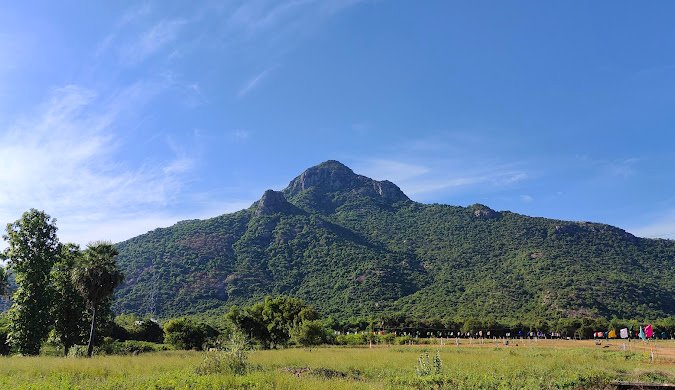
Story of Arunachala The Spiritual Significance of Arunachala Arunachala is one of those places that stays with you long after you’ve left. The first time I heard about it, I was intrigued—but it wasn’t until I visited that I truly understood its pull. Arunachala isn’t just a hill in Tamil Nadu; it’s a presence, a feeling, and for many, a destination that calls them back to something deep within themselves. Nestled in the heart of Tiruvannamalai, this sacred mountain has been revered for centuries as a physical manifestation of Lord Shiva. When you see Arunachala for the first time, it’s hard to describe the emotion it stirs. It’s rugged and unassuming in a way, but there’s a stillness about it that feels ancient, almost eternal. According to Hindu mythology, this is where Shiva appeared as a pillar of fire to settle a debate between Brahma and Vishnu, embodying the element of fire. Over time, Arunachala came to represent Shiva himself, not in his typical deity form but as the ultimate formless essence. But it’s not just mythology that makes Arunachala special. The hill has a way of silencing your mind and pulling you into the present moment. People come here for all kinds of reasons—to pray, to meditate, to walk around the hill—but almost everyone seems to leave with a sense of peace. It’s like the hill works on you in ways you don’t even realise until later. For me, learning about Ramana Maharshi’s connection to Arunachala was what first sparked my interest. He described the hill as his guru, saying it wasn’t just a mountain but a guide for anyone who sought the truth. The more I learned about Arunachala and Ramana Maharshi, the more I felt drawn to visit. It wasn’t just curiosity; it was something deeper, like the place itself was calling me. And when I finally stood before it, I understood its power.. The air felt different, the silence seemed fuller, and I couldn’t shake the feeling that I was standing in the presence of something far greater than myself. Arunachala Hill and Its Mystical Importance The moment you set eyes on Arunachala Hill, you can sense there’s something special about it. I remember standing there, looking at its rocky slopes, and feeling this quiet, unshakable presence. It’s not the tallest mountain, nor is it lush or dramatic like some other famous peaks—but it doesn’t need to be.  In Hindu tradition, Arunachala is considered a physical embodiment of Shiva’s fire element. There’s a story in the Puranas that has always stayed with me: Brahma and Vishnu, two of the most powerful deities, were arguing over who was superior. To settle the dispute, Shiva appeared as a towering column of fire, stretching infinitely in both directions. Brahma tried to find its top, and Vishnu tried to find its base, but neither could. Eventually, they realised Shiva’s true nature was beyond comprehension. That fire, that infinite presence, is what Arunachala represents. I remember walking around the hill for the first time, doing what’s called Girivalam—the 14-kilometre circumambulation of Arunachala. It’s a practice that’s been done for centuries, and it’s believed to be a way of connecting deeply with the energy of the hill. What struck me wasn’t just the beauty of the path, dotted with temples and shrines, but the sheer simplicity of the act. You don’t need elaborate rituals or offerings; you just walk. With each step, it felt like I was shedding something—some worry, some attachment, some part of myself that didn’t need to be there. People from all walks of life come to Arunachala to do Girivalam. Some walk in silence, some chant mantras, and others just take in the atmosphere. I remember seeing families with small children, monks in saffron robes, and elderly pilgrims who looked like they had made this journey dozens of times. Arunachala also has a way of making you feel deeply connected to nature. As I walked, I noticed the little things—the sound of the wind, the rustle of leaves, the way the sunlight hit the rocks. It’s like the mountain itself was alive, not in the way we usually think of life, but in a more profound sense. It’s the kind of silence that makes you feel like everything is exactly as it should be. One of the most fascinating things about Arunachala is the belief that simply seeing the hill can have a transformative effect. There’s a saying that goes, “By seeing Arunachala, one becomes still.”  References in Ancient Texts and Scriptures Arunachala’s significance is not limited to mythology; it is deeply rooted in Hindu scripture. The Tevaram, a collection of devotional hymns composed by Tamil Shaivite saints in the 6th to 9th centuries CE, praises Arunachala as a holy site of Shiva worship. These hymns, written by saints like Appar, Sambandar, and Sundarar, describe Arunachala as a place where seekers can attain liberation and dissolve their ego in the presence of the divine. The hill also features prominently in the Arunachala Puranam, a Tamil text that elaborates on the mountain’s divine origins and its role as a spiritual centre. According to these texts, Arunachala is not just a geographical feature but a sacred power that draws devotees to it, offering them grace and guidance on their spiritual paths. The Emergence of Arunachaleswarar Temple One of the most tangible aspects of Arunachala’s history is the Arunachaleswarar Temple, which stands at the base of the hill. This massive temple, dedicated to Lord Shiva, has been a centre of worship for over a thousand years. While its exact origins are unclear, the temple’s earliest structures are believed to date back to the 9th century CE during the rule of the Chola dynasty. The Cholas were known for their architectural prowess and devotion to Shiva, and they significantly expanded the temple, adding ornate gopurams (towering gateways) and intricate carvings. Later dynasties, including the Vijayanagara kings, continued to contribute to the temple’s grandeur, making it one of the largest and most revered Shiva temples in South India. The temple’s sprawling

Story of Arunachala Read Post »

har ki pauri is famous ghat banks ganges haridwar india
Stories of places

Story Of Haridwar

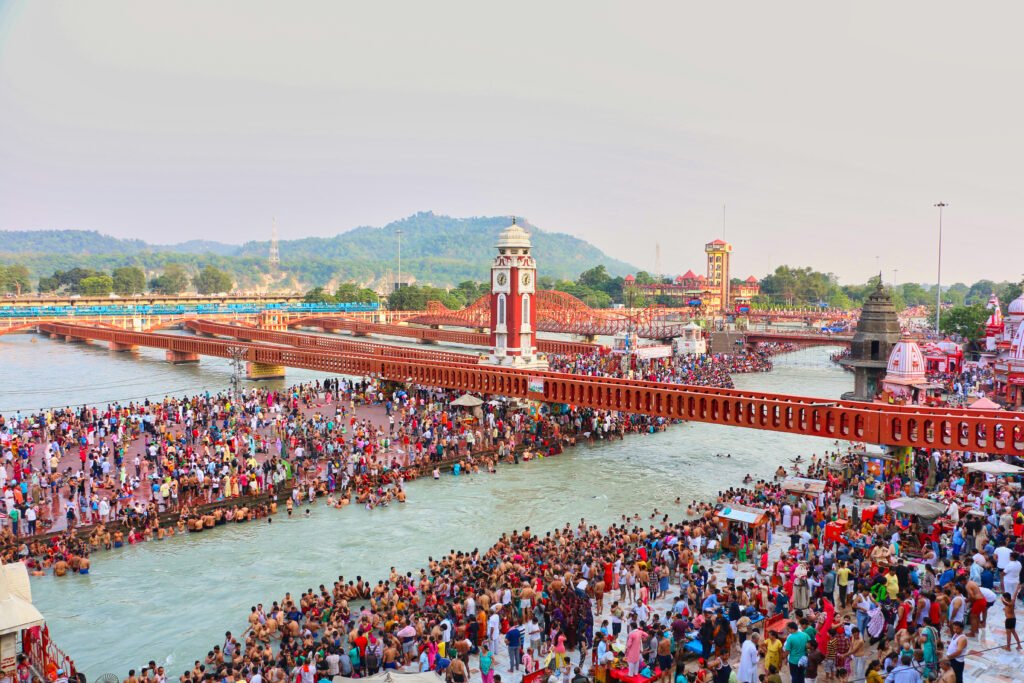
Story Of Haridwar Haridwar is district of Uttarakhand state in India. Haridwar is place where the river Ganges enters in plain areas north India after flowing 250 km from its origin Gaumukh (Gangotri Glacier). Haridwar is the destination where people from across the India visit for pilgrimage and to take a holy dip into the holy river Ganges. Haridwar city is an ancient and it is one of the most sacred cities in India. The diverse nature of the Hindu religion has attracted foreign visitors from all around the world. Foreigners always attracted to Haridwar because here they can closely experience India’s complex culture, various Hindu rituals and the ancient civilization. Haridwar 30 kms from Rishikesh and 90 kms from Mussoorie and 220 kms from Delhi. Haridwar is one of the primary areas where river Ganges emerges from the mountains and enters to the plain areas. Lush green forests and crystal clear water of river Ganges and background of mountains create the charming beauty of this holy city. In the evening ghats looks beautiful as hundreds of diyas (lamps) and marigold flowers float and light up the river Ganges. The Rajaji National Park is just 10 km from Haridwar. Its an ideal destination for wild life and adventure lovers.If you want to purify yourselves take a holy dip in the water of river Ganges at Haridwar. All your sins will be purified. This is most common thing which you can hear about Haridwar in all over India. Haridwar contains two words Hari and Dwar. Hari means god and Dwar means gate. Haridwar means gateway to the god. There are four holy temples Yamunotri, Gangotri Kedarnath and Badrinath on the hills also known as Chardham. Haridwar is like a entry point to these chardham. People visit Haridwar before visiting these temples so the town was became famous as Haridwar. Shaivites call it Har Dwar Gateway to Lord Shiva (Kedarnath Temple) and Vaishnavites call it Hari Dwar Gateway to Lord Vishnu (Badrinath Temple) It is also said that Haridwar is blessed by the presence of all three major Gods of Hindus namely Brahma, Vishnu and Maheshwar. Thus, with all these mythological links attached to its name, it’s little wonder why Haridwar is often referred to as ‘gateway to god’. Haridwar is an ancient pilgrimage site situated in the foothills of the shivalik range in Garhwal Himalayas. Haridwar is welcomes the river ganga to the plain areas. Haridwar means gurgling of river Ganges, innumerable temples, groups of monks in saffron clothes, enchanting sounds of vedic hymns and the divine holiness. Apart from religious importance Haridwar is also a centre for learning different arts and culture. Haridwar is well known as great source of Ayurvedic medicines and herbal remedies. Haridwar is now home to unique Indian tradition of teaching “Gurukula.” Gurukula Kangri Vishwavidyalay is providing unique teaching in Gurukul system since 1902. Haridwar is always place of interest for the researchers because it is one of the oldest living cities in India. Haridwar has numerous temples with interesting legacies. Maa Ganga after carrying the purity of heaven from the kamandal of Lord Brahma, washing the feet of Lord Vishnu and flowing through the sahastra of Lord Shiva came on this earth and made Haridwar as it’s divine flow area. From time immemorial, Maa Ganga has been doing the duty of absorbing the heat and negativities of this earth. Besides and , It is Gateway for the four dhams of Himalayas viz. Gangotri, Yamunotri, Kedarnath and Badrinath. Haridwar is divided in several small areas such as Mayapur, Ranipur, Jwalapur, Har Ki Pauri, Motichur, Devpura, Bhupatwala, Haripur Kalan, Shivalik Nagar, and Brhampuri. Haridwar is also one of the four places where Kumbh Mela occurs after rotation of every twelve Years and Ardh Kumbh after every six years. It is said that drops of Amrit (Elixir) fell in to the Brahmkund of Har-Ki-Pauri, therefore considered that a dip in the Brahmakund. What is the history of Haridwar? It has been proved by archaeological findings that terracotta culture had an existence in Haridwar during 1700 B.C. and 1800 B.C. Haridwar has been in people’s mind from the period of Buddha to the British arrival and still in the 21st century. Haridwar was ruled by Maurya Empire from 322 BCE to 185 BCE and later it came under the rule of Kushan Empire according to historical evidences. Well-known Chinese traveler Huan Tsang visited India in 629 AD. He has mentioned Haridwar in his travel journal. At that time Haridwar was part of the kingdom of the King Harshvardhan (590 to 647). The city was also invaded by Timur Lang (1336–1405), a Turkish King on January 13, 1399. First Sikh Guru, Guru Nanak (1469–1539) bathed at ‘Kushwan Ghat’ on Baisakhi Day. Later in the 16th century Haridwar came under reign of Mughals and emperors like Akbar and Jehangir stamped their dominated here. According to Ain-e-Akbari Mughal Emperor, Akbar drank water from the Ganges river collected from Haridwar, which he called ‘the water of immortality’. Thomas Coryat, an English traveler visited Haridwar during the reign of Jehangir. In 18th centaury Haridwar was a port city and it was widely used by ships of East India Company. One of the two major dams on the river Ganges is the Bhimgoda Dam. It is situated in Haridwar. Dam was opened in 1854. Haridwar Municipality’ was constituted in 1868 including Kankhal and Mayapur. Haridwar was connected with railways by Laksar Railway Station in 1886. In 1901, Haridwar has population of 25,597 and Haridwar was a part of the Roorkee tehsil, in Saharanpur district of the United Province. Gurukul Kangri Vishwavidyalaya was established in 1902. In 1946 Haridwar was merged in Uttar Pradesh State. Haridwar Legends : According to Kedarkhand (Chapter 111) in Skanda Purana, the ancient great King named as Shwet did long penance on the bank of river Ganges at Haridwar. The Brahma pleased with his devotion & blessed that the place will be special place with blessing from all gods and bathing here will be very fruitful to devotees. Raja Vikramaditya’s brother Bhratuhari has also done penance here. In his memory, King Vikramaditya built a “Paudi (pawadi)”/ Steps here, which later became

Story Of Haridwar Read Post »